
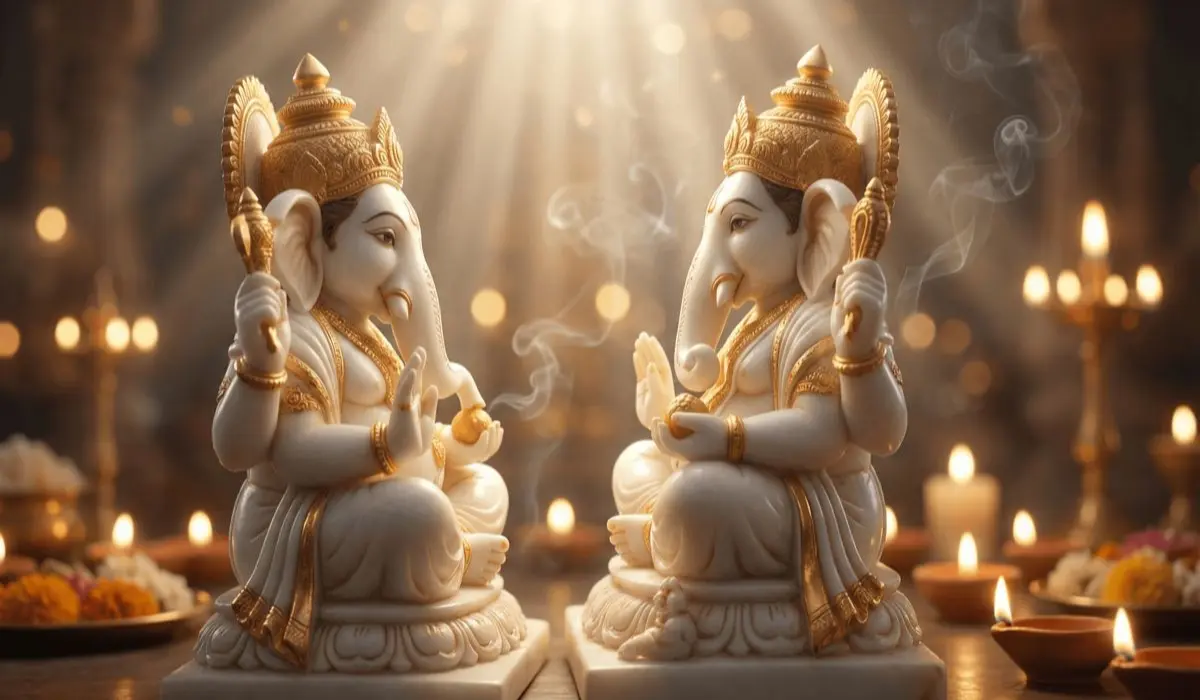
For centuries, the figure of Ganesha has served as more than just a decorative icon. We see it as a profound archetypal symbol of the human journey. As the "Lord of Thresholds," Ganesha resonates with the soul because he represents the psychological and spiritual transition from obstruction to opportunity, bridging the gap between our material limitations and divine potential.
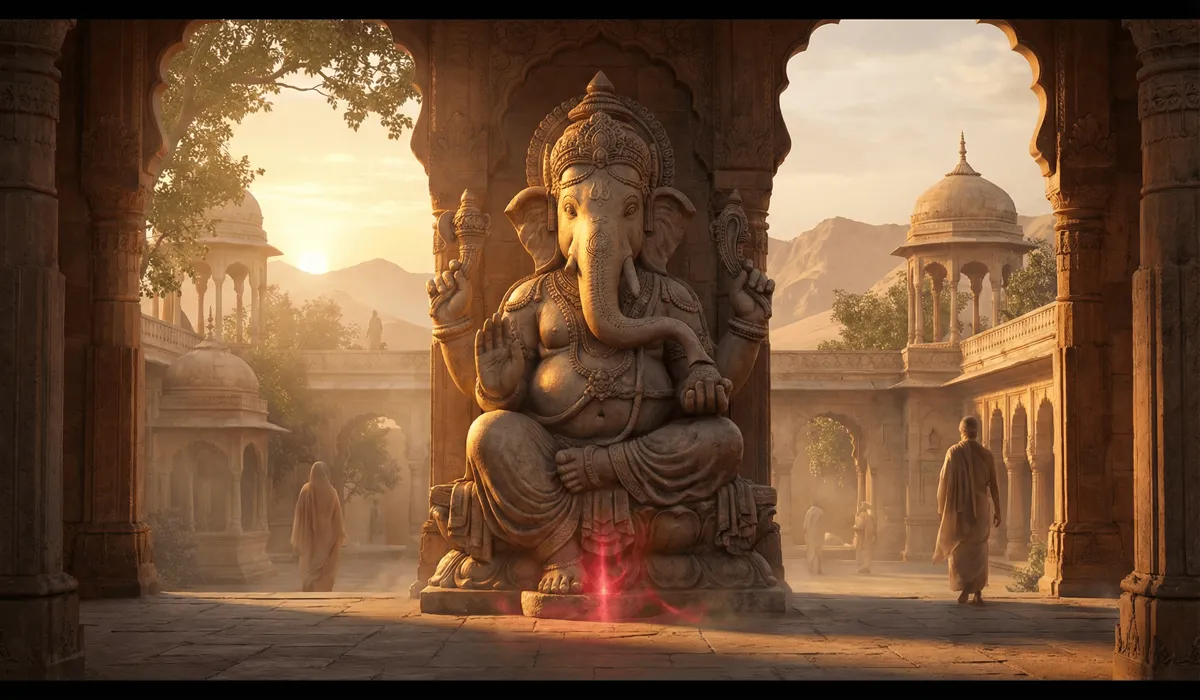
Ancient Origins and Divine Legends
The story of Ganesha begins with the divine essence of Parvati. She created him from turmeric paste to guard her door while she bathed. After a celestial confrontation with Shiva, he was granted an elephant head, representing the integration of the human micro-cosmos with the divine macro-cosmos. We find his roots deeply embedded in Vedic Hindu Traditions, where he is the first deity invoked in any ritual.
In the Ganapati Atharvashirsha, Ganesha is hailed as the Supreme Brahman. He is the guardian who ensures the path is cleared of spiritual and physical obstacles, known as "Vighna." His presence is not limited to India; he traveled the Silk Road into Mahayana Buddhist traditions. In these cultures, he appears as a protector of the Dharma and a provider of worldly prosperity.
Traditionally, Ganesha resides in the Muladhara Chakra (Root Chakra). He acts as the anchor of the spiritual energy system. By governing the base of the spine, he manages the transition from the material world to higher spiritual realms. This grounding energy is essential for anyone seeking stability in a chaotic world.
Decoding the Anatomy: What Every Body Part Teaches Us
The elephant head is a symbol of transcendental knowledge and the capacity to "think big." The large ears signify the importance of Shravana (listening), while the small eyes emphasize focused concentration. These features teach us to filter out the noise of the world to find our inner truth.
Ganesha embodies the philosophy that challenges are not punishments but necessary tests. As Vighnaharta, he removes hurdles that block our success. As Vighnakarta, he places them to prevent us from taking paths that are spiritually harmful. This dual nature reminds us that every "no" from the universe might be a redirection toward something better.
The four arms of Ganesha represent the four inner faculties of the mind. These are Manas (Mind), Buddhi (Intellect), Chitta (Subconscious), and Ahamkara (Ego). By balancing these four elements, we can achieve a state of total harmony and clarity in our daily lives.
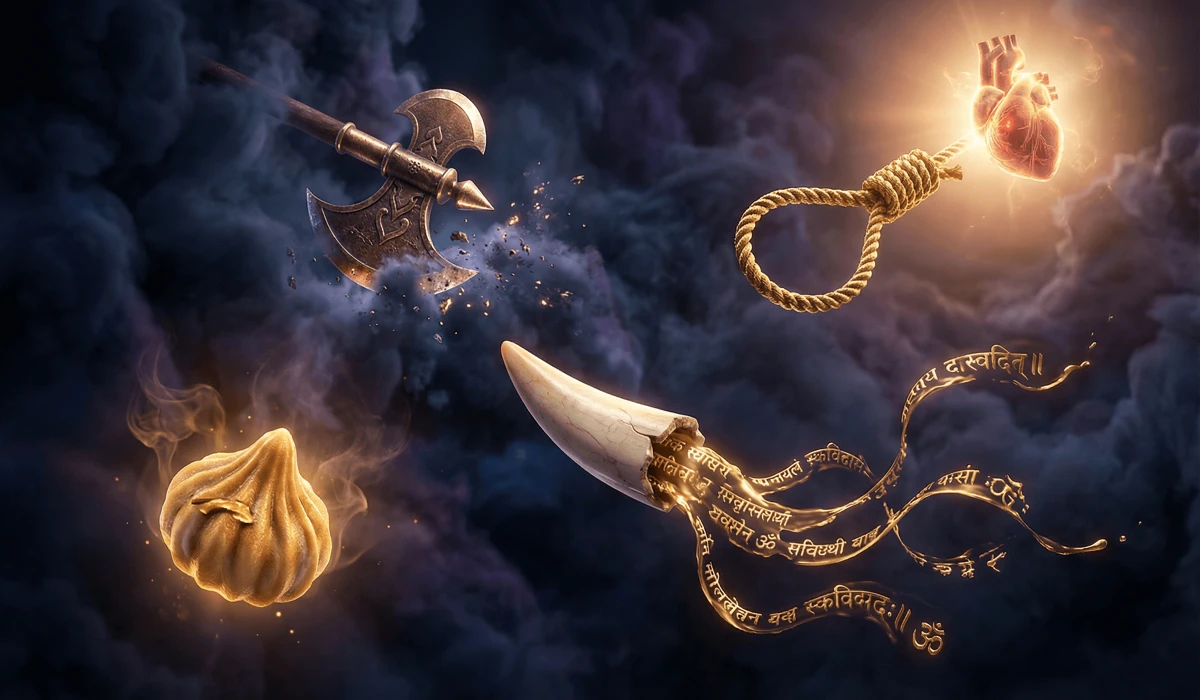
Ganesha holds specific tools that represent his power over the human experience. Each item carries a heavy spiritual weight and a practical lesson for the modern seeker.
- The Noose (Pasha): Used to capture and pull the devotee toward the truth, binding restless desires.
- The Axe (Parashu): Symbolizes the cutting of attachments to the material world and the ego.
- The Modak (Sweet): Represents the "inner sweetness" or the reward of spiritual liberation.
- The Broken Tusk: Symbolizes non-duality and the sacrifice needed to gain wisdom.
Legend says Ganesha broke his own tusk to write the Mahabharata epic. This act teaches us that the pursuit of wisdom requires the sacrifice of pride and physical perfection. It is a reminder to value our intellectual output over our outward appearance.
The Science of Placement: Vastu Shastra Rules
In the East, Ganesha is a ritualistic cornerstone of the home. The focus is on Sacred Vastu Architecture, where his placement is a rigorous science. We believe that placing him correctly balances home energy and ensures household prosperity through daily offerings and respect.
In Western contemporary spirituality, Ganesha has evolved into a symbol of intellectual clarity. He is frequently adopted by entrepreneurs and creatives as a "muse" for overcoming mental clutter. Touching a Ganesha figure can act as a psychological anchor against the feeling of being an "imposter" in one's career.
Across all cultures, the elephant-headed deity has become a universal icon of resilience. He represents the ability to remain grounded and "thick-skinned" while moving through life’s complexities. This makes him a perfect companion for those navigating the fast-paced changes of the modern era.
Trunk Direction Secrets
The direction of Ganesha's trunk is very important in traditional practice. Most people prefer the Edampuri (left-turning) trunk because it is associated with the Moon. This direction brings peace, happiness, and a calm energy that is ideal for a family home environment.
Choosing Between Success and Peace
The Valampuri (right-turning) trunk is associated with the Sun. It represents fierce energy and requires strict daily rituals to maintain. This type of statue is usually reserved for temples or very disciplined practitioners who seek rapid, intense spiritual growth or career success.
Modern Resilience and 2026 Digital Fatigue
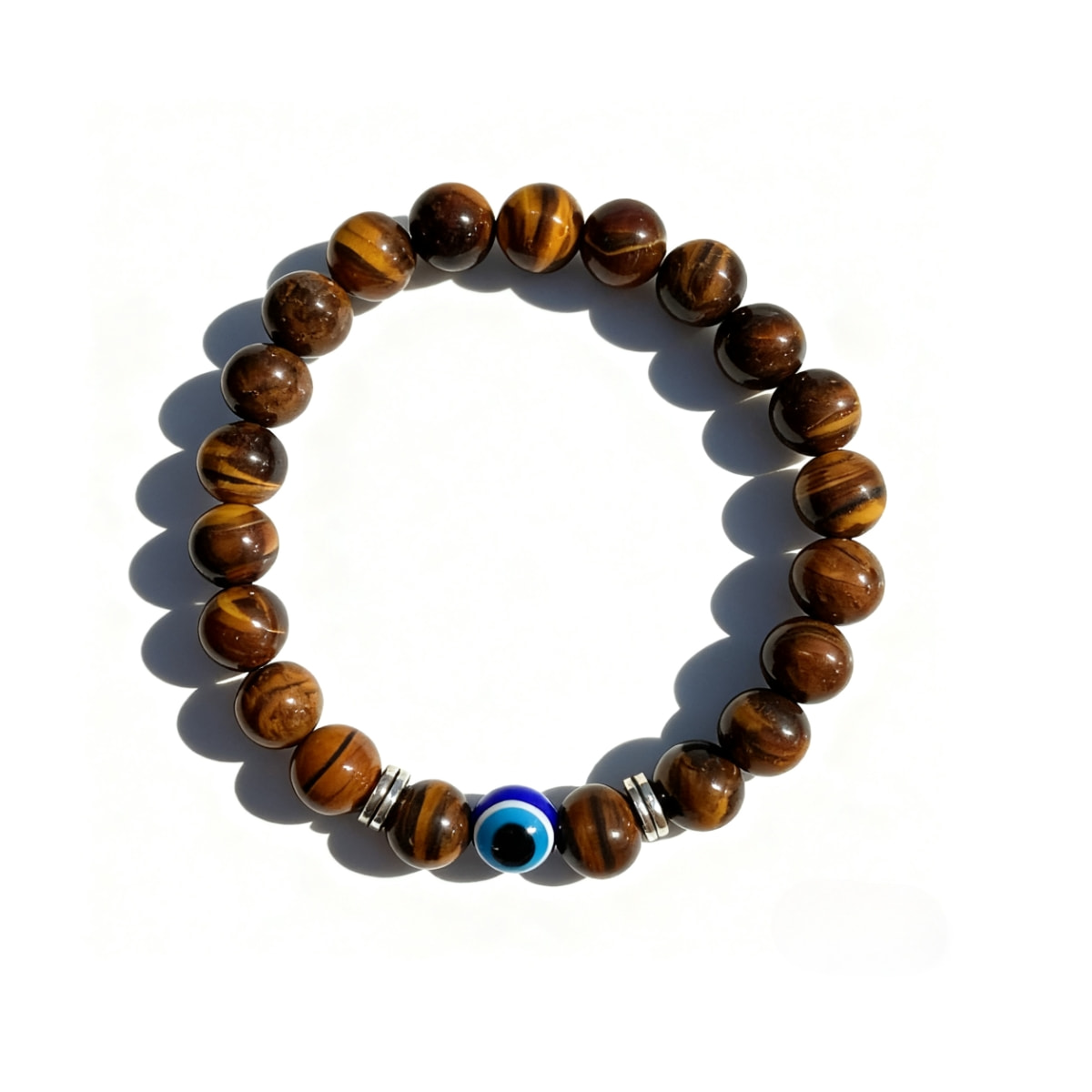
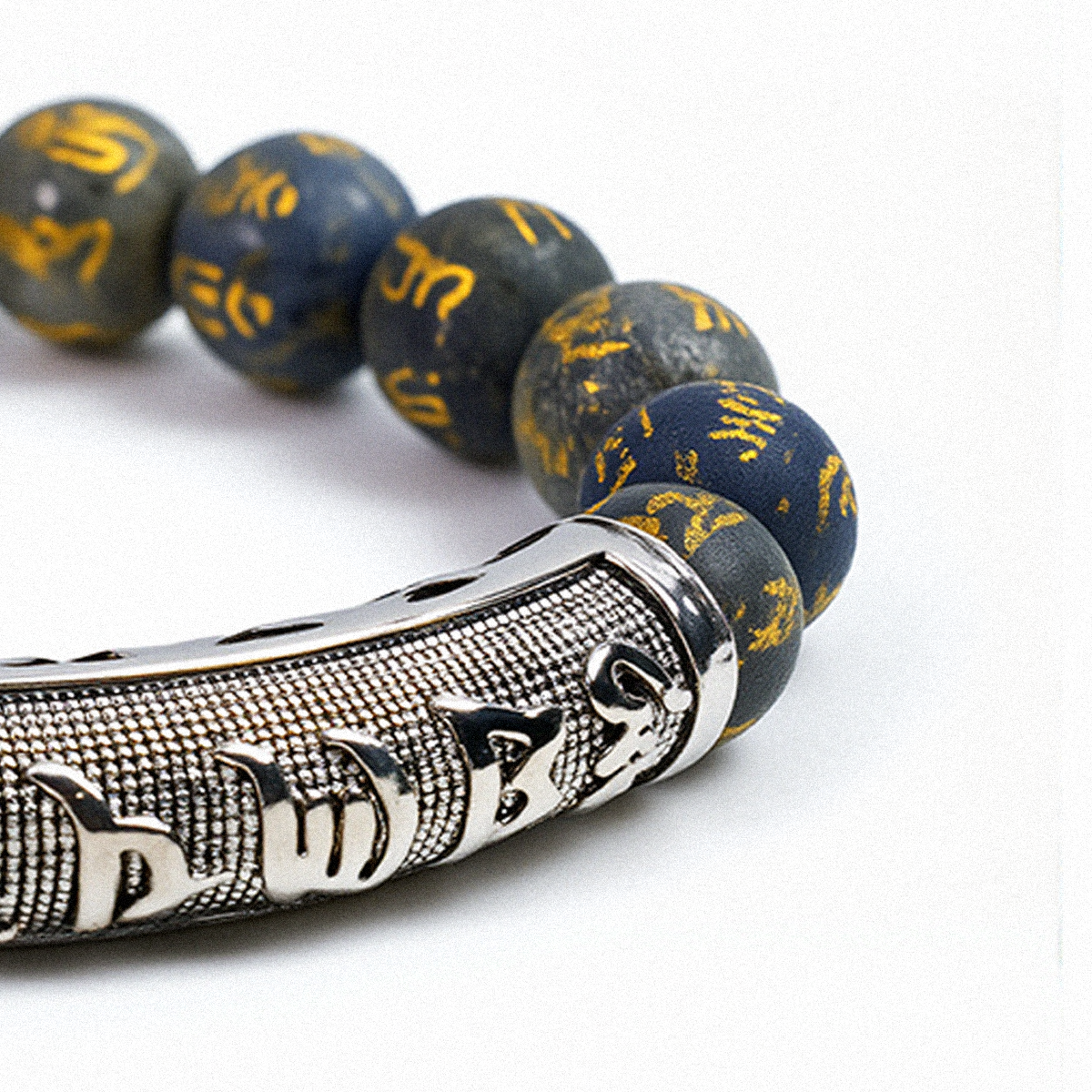
In an era of digital fatigue, wearing Ganesha jewelry acts as a tactile reminder to remain centered. Touching a Spiritual Crystal Pendant can serve as a mindfulness anchor. It signals the brain to bypass anxiety and access the "Elephant Mind"—calm, steady, and wise.
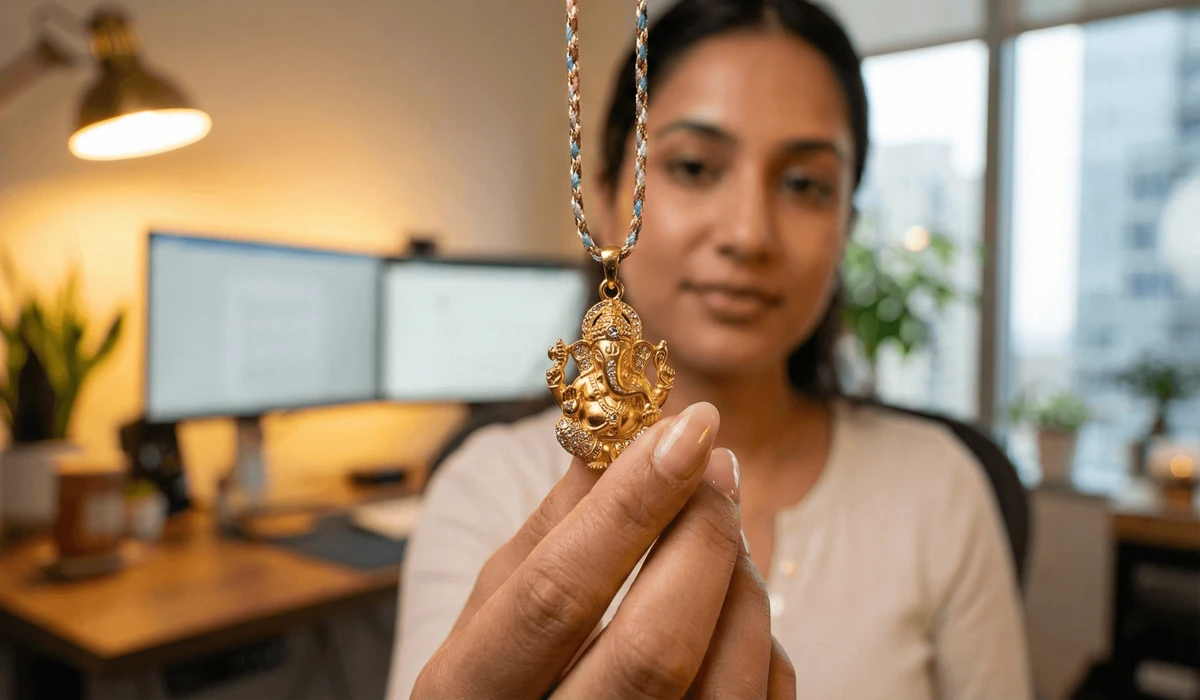
As the deity of the Root Chakra, Ganesha's symbol provides a sense of spiritual grounding. This is particularly relevant for those suffering from social anxiety. Ganesha provides the protective energy needed to claim one’s space in the world without fear of judgment from others.
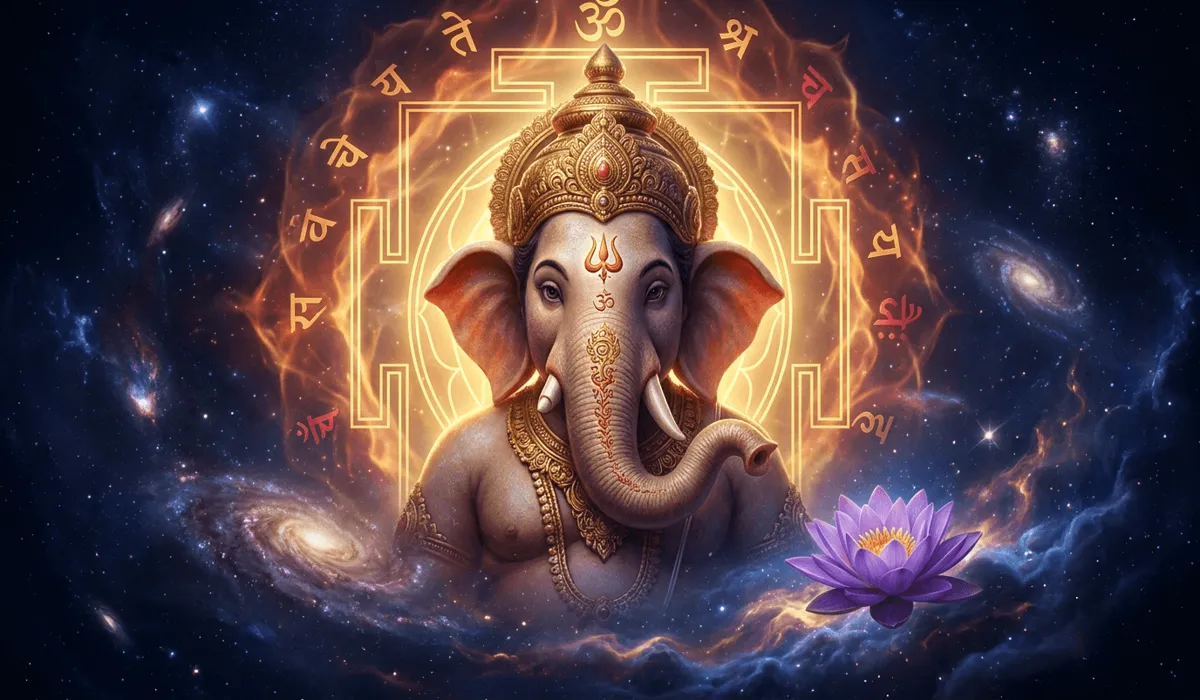
Many jewelry designs incorporate the "Om" symbol with Ganesha. This creates a high-vibrational talisman that aligns the wearer with the frequency of "Auspiciousness." It is a way to carry a portable altar that protects your energy field throughout the day.
Ganesha Across Borders: Buddhism and Beyond
While often associated with Hinduism, Ganesha is a major figure in Mahayana Buddhist Traditions. In these contexts, he is often seen as a provider of worldly treasures and a guardian against negative spirits. This cross-cultural appeal proves that his message of overcoming obstacles is universal.
| Tradition | Primary Role | Symbolic Focus |
|---|---|---|
| Vedic Hindu | Lord of New Beginnings | Clearing spiritual paths |
| Mahayana Buddhist | Protector of Dharma | Worldly prosperity and guard |
| Modern Secular | Mindfulness Anchor | Overcoming anxiety and ego |
Understanding these different perspectives helps us appreciate the depth of Ganesha's character. Whether you view him as a god or a psychological symbol, his influence remains powerful. He encourages us to look at our problems as opportunities for transformation.
Rituals and Mantras: How to Meditate
Utilize the mantra "Om Gam Ganapataye Namaha" to clear energetic blockages in a workspace. Chanting this 108 times creates a protective shield around your projects. We recommend doing this before starting any major new endeavor to invite clarity and focus.
During meditation, visualize a red Ganesha seated at the base of your spine. As you breathe, see him absorbing your fears and mental clutter. He transforms these heavy energies into the strength of an elephant, giving you the power to push through any difficulty.
When starting a new job, place a small Ganesha at your entrance. Offer a moment of silence or a flower to invite "foresight." This simple ritual ensures that any obstacles you encounter are navigated with ease and grace.
Taboos and Respectful Usage
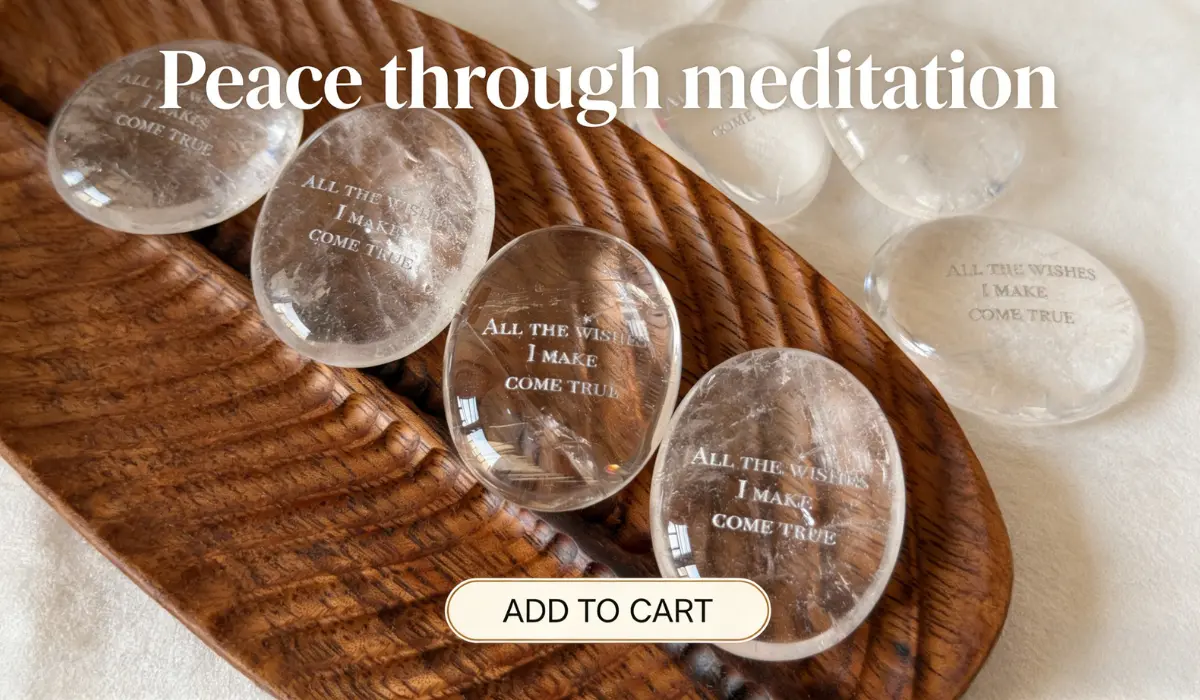
Ganesha is an "inclusive" deity whose energy is accessible to anyone seeking wisdom. It does not matter what your religious background is, as long as you treat the symbol with sincerity. Respectful placement is the first step in building a relationship with this powerful energy.
Sitting vs. Standing Ganesha
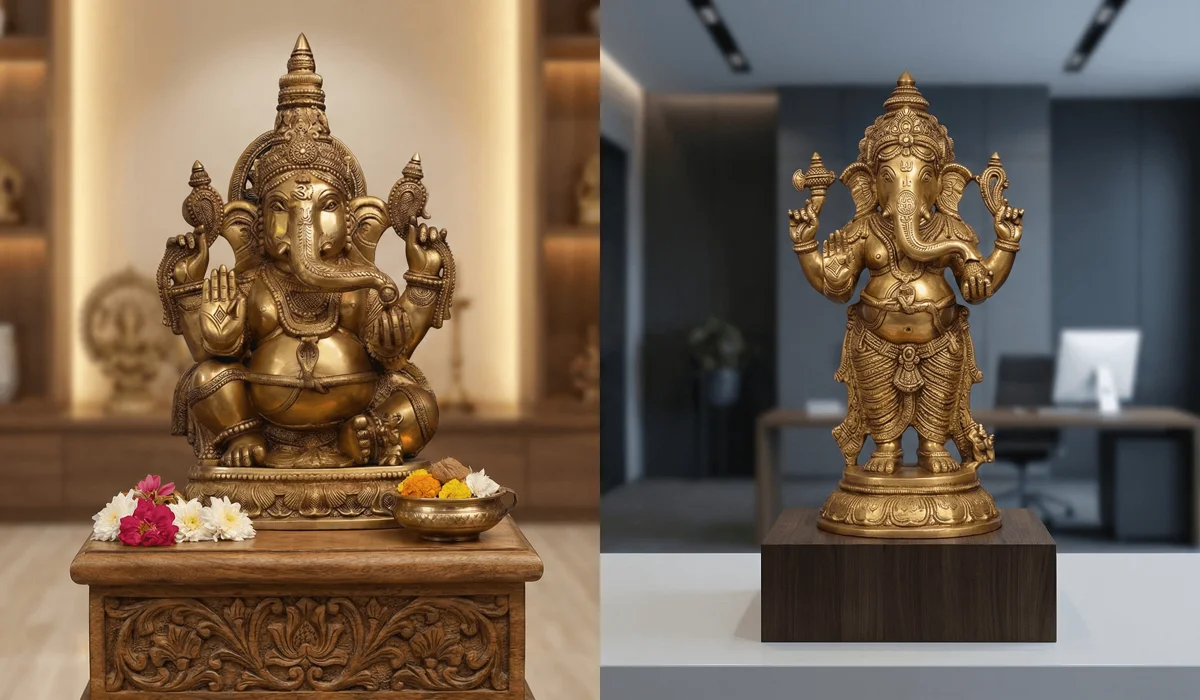
A sitting Ganesha represents a calm and meditative state. This is ideal for bringing harmony to a living room or a bedroom. A standing Ganesha represents action and vigor. This pose is often better for a Career Success Guide because it drives momentum and professional growth.
The Role of the Mouse
You will often see a small mouse at Ganesha's feet. This mouse, or Mushika, represents desire and the restless mind. Ganesha sitting on the mouse signifies that the intellect must master the small, nibbling desires of the ego to achieve great things.
Integrating Ganesha’s Wisdom
Embracing Ganesha is not just about placing a statue. It is about adopting the "Elephant Mindset." This means learning to listen more, speak less, and digest the dualities of life with a "big belly" of acceptance. It is a commitment to personal growth and intellectual honesty.
As we move into a future filled with new challenges, like the Fire Horse Period, these ancient symbols become even more relevant. They provide a stable foundation in a shifting world. By honoring Ganesha, we honor our own ability to overcome and thrive.
- Mindful Visualization: Spend five minutes each morning picturing Ganesha clearing the path for your most important task.
- Set Daily Intentions: Hold your Ganesha talisman and state one specific obstacle you wish to transform into a lesson today.
- Space Cleansing: Use a Ganesha mantra while walking through your home to remove stagnant energy from the corners.
- Offer Gratitude: Place a fresh flower or a small sweet near your statue once a week to acknowledge the progress you have made.
Frequently Asked Questions (FAQ)
Q: What is the spiritual meaning of Ganesha's broken tusk in modern life?
A: It represents the necessity of sacrifice to achieve a higher goal. In modern life, it encourages us to let go of the perfectionist ego to finish the epic work of our lives.
Q: Why is the mouse at Ganesha's feet a symbol of ego mastery?
A: The mouse represents desire and the restless mind. Ganesha sitting on or controlling the mouse signifies that the intellect must master the small desires of the ego.
Q: What is the difference between a sitting vs. standing Ganesh statue for home energy?
A: A sitting Ganesha represents a calm, meditative state ideal for home harmony. A standing Ganesha represents action and vigor, often placed in offices to drive career momentum.
Q: Why is Ganesha considered the gatekeeper of the Root Chakra?
A: Because he provides the foundation of stability and security. Without his grounding energy at the root, spiritual energy cannot safely rise to the higher chakras.
Q: Can wearing Ganesha jewelry act as a psychological anchor for resilience?
A: Yes. It serves as a constant sensory reminder to adopt the qualities of Ganesha—patience, strength, and the ability to find a way through any thicket of life.
May your path be cleared of all unnecessary burdens, and may every obstacle you encounter be transformed into a stepping stone toward your highest self. We invite you to carry this wisdom with you every day as you build your own legacy of strength and clarity.

Longyi Luck
Longyi Luck is a Feng Shui practitioner and spiritual researcher who blends traditional year-based wisdom with modern lifestyle insights, specializing inFeng Shui, spirituality, meditation, and mindfulness. With years of dedicated study and practice, Longyi explores cultural symbolism and the practical application of ancient wisdom to help individuals cultivate balance, clarity, and harmony in everyday life. Since 2020, Longyi has been committed to translating timeless traditions into accessible guidance for the modern world.
longyi@auraandluck.com


.webp?w=1280&h=1280)
.webp?w=800&h=800)