
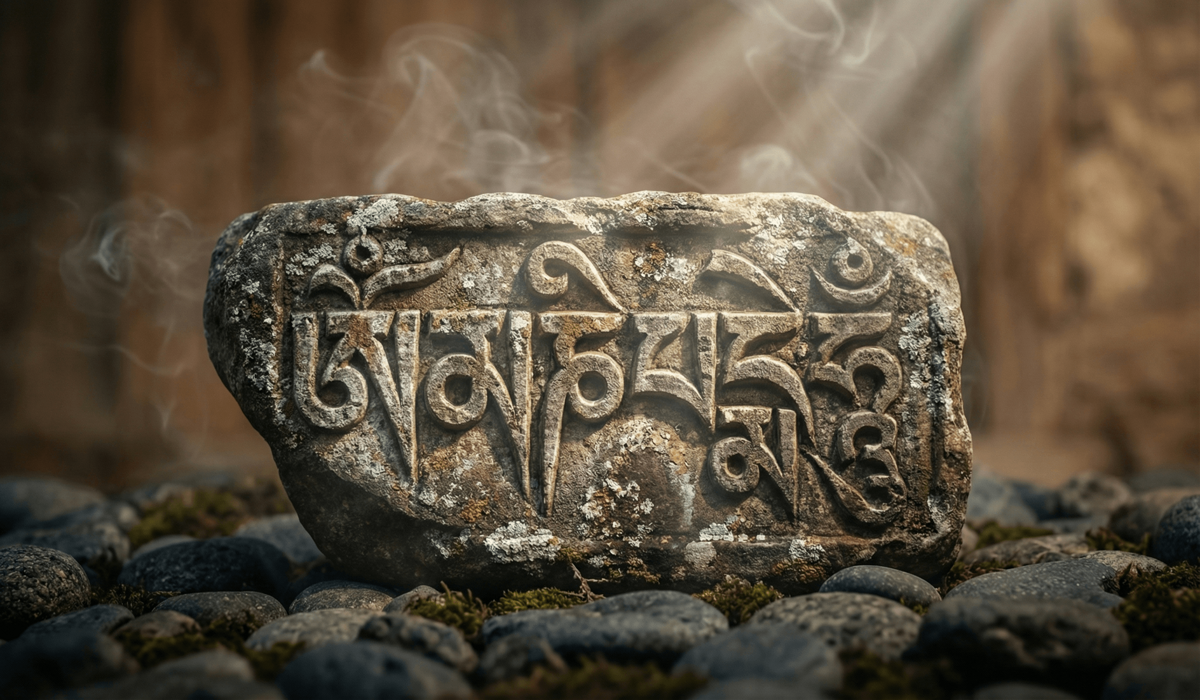
We believe that spiritual symbols are more than just pretty designs. They are powerful tools that connect our modern lives to ancient wisdom. The six-syllable mantra, Om Mani Padme Hum, is perhaps the most famous chant in the world. It serves as a spiritual bridge, helping us find peace in a noisy digital age. By understanding its depth, we can transform our daily stress into a state of calm and clarity.
Beyond Aesthetics: Why This Symbol Resonates Across Centuries
For many people, these six syllables are the heartbeat of Tibetan Buddhism (藏传佛教). We see them carved into stones, painted on flags, and worn as sacred jewelry. This mantra is not just a religious phrase but a spiritual technology. It is designed to quiet the mind and open the heart to universal love.
In today's fast world, we often feel disconnected from ourselves. Chanting or wearing this mantra acts as a powerful anchor for mindfulness (正念). It helps us stay grounded when digital distractions try to pull us away from the present moment. The resonance of these sounds creates a protective field around our energy, helping us stay resilient.
Ancient Origins and Divine Legends
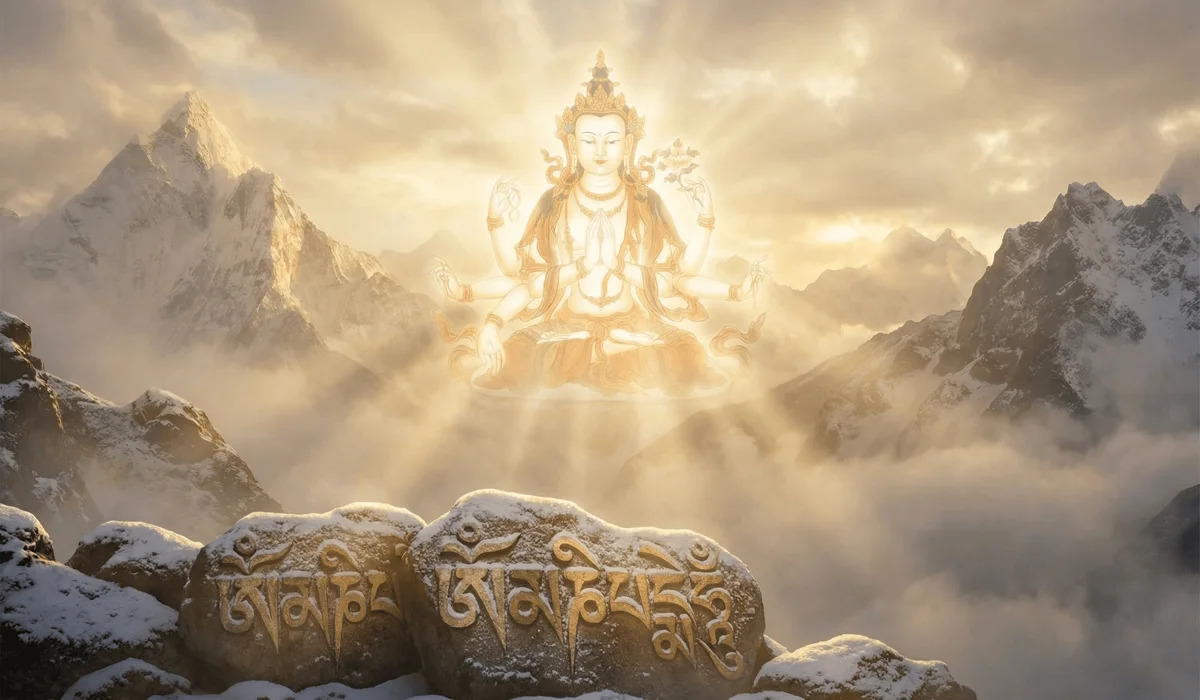
The story of this mantra begins with the Karandavyuha Sutra. It is the verbal form of Avalokiteshvara (观世音菩萨), the Great Being of Compassion. Legend says this being vowed never to rest until every single soul was free from the cycle of suffering. The mantra was given to the world as a tool to help fulfill this massive promise of liberation.
These six syllables have deep roots in ancient Sanskrit (梵文) and Vedic traditions. Over thousands of years, the mantra traveled from India to the high mountains of Tibet. There, it became a part of daily life for millions of people. From spinning prayer wheels to stacking carved Mani stones, the vibration of this prayer is everywhere in the Himalayas.
The Manifestation of Infinite Compassion
We often think of compassion as a simple feeling, but in this tradition, it is a force of nature. Avalokiteshvara represents the idea that we can all reach a state of perfect kindness. The mantra is the sound of that kindness reaching out to help others. When we use it, we align ourselves with that same divine intention.
Decoding the Six Syllables: A Linguistic and Spiritual Breakdown
To truly understand the power of this chant, we must look at each syllable. Each sound has a specific job in purifying our mind and body. Together, they create a complete path to spiritual growth. Here is a breakdown of what these syllables represent:
- Om: This sound represents our current state of mind and the pure state of a Buddha. It reminds us that we have the potential to grow.
- Ma: This syllable targets the feeling of jealousy and the desire for entertainment.
- Ni: This sound focuses on human desire and the attachments that keep us stuck.
- Pad: This part works on ignorance and helps us see the world more clearly.
- Me: This syllable purifies greed and the constant wanting of more things.
- Hum: This final sound represents the union of everything. It seals the practice with wisdom and strength.
By focusing on these sounds, we can slowly clear away the "mud" of negative emotions. This allows our inner light to shine more brightly every day. For those seeking extra support during difficult times, looking at Zodiac Signs Conflict can help you understand how to use these tools for balance.
The Union of Method and Wisdom: The Deeper Alchemy
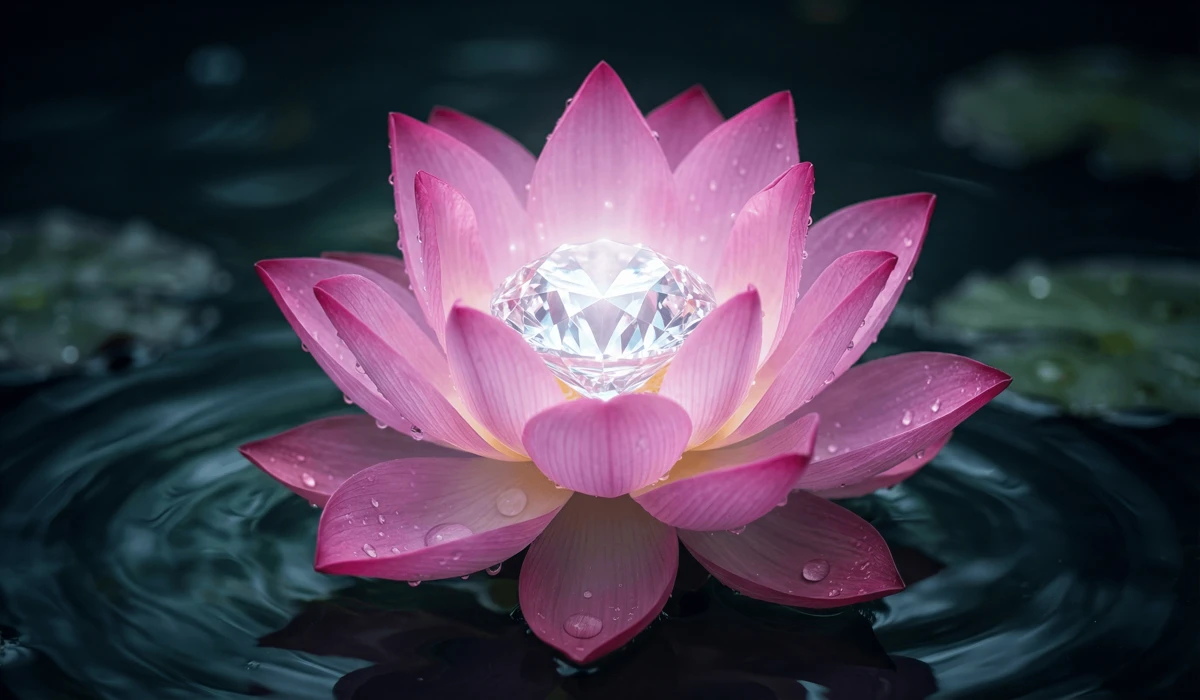
The core message of the mantra is "The Jewel is in the Lotus." This is a beautiful metaphor for the human experience. The lotus flower grows in muddy water but stays perfectly clean and beautiful. In the same way, we can live in a messy world while keeping our hearts pure and wise.
The "Jewel" represents the method, which is the intention to be compassionate. The "Lotus" represents wisdom, which is the understanding of how things really are. We cannot have one without the other. Just like a bird needs two wings to fly, a spiritual seeker needs both compassion and wisdom to reach enlightenment.
| Syllable | Core Meaning | Spiritual Goal |
|---|---|---|
| Om | Purity of Body/Speech/Mind | Enlightenment |
| Mani | The Jewel (Compassion) | Altruistic Intention |
| Padme | The Lotus (Wisdom) | Realizing Emptiness |
| Hum | Indivisibility | Stable Purity |
The Six Realms of Existence: How the Mantra Purifies Karma
In Buddhist tradition, the six syllables also correspond to the six realms of existence. These realms are different states of mind or rebirths. By chanting the mantra, we send blessings to all beings living in these states. It is a way to practice universal empathy.
For example, "Om" purifies the pride of the gods, while "Hum" purifies the hatred found in the hell realms. This practice helps us clear our own negative habits. It reminds us that every person we meet is dealing with their own struggles. To find more ways to protect your peace, you can view Protection Talismans that carry this sacred script.
Wearing the Talisman: Why Jewelry Matters Today
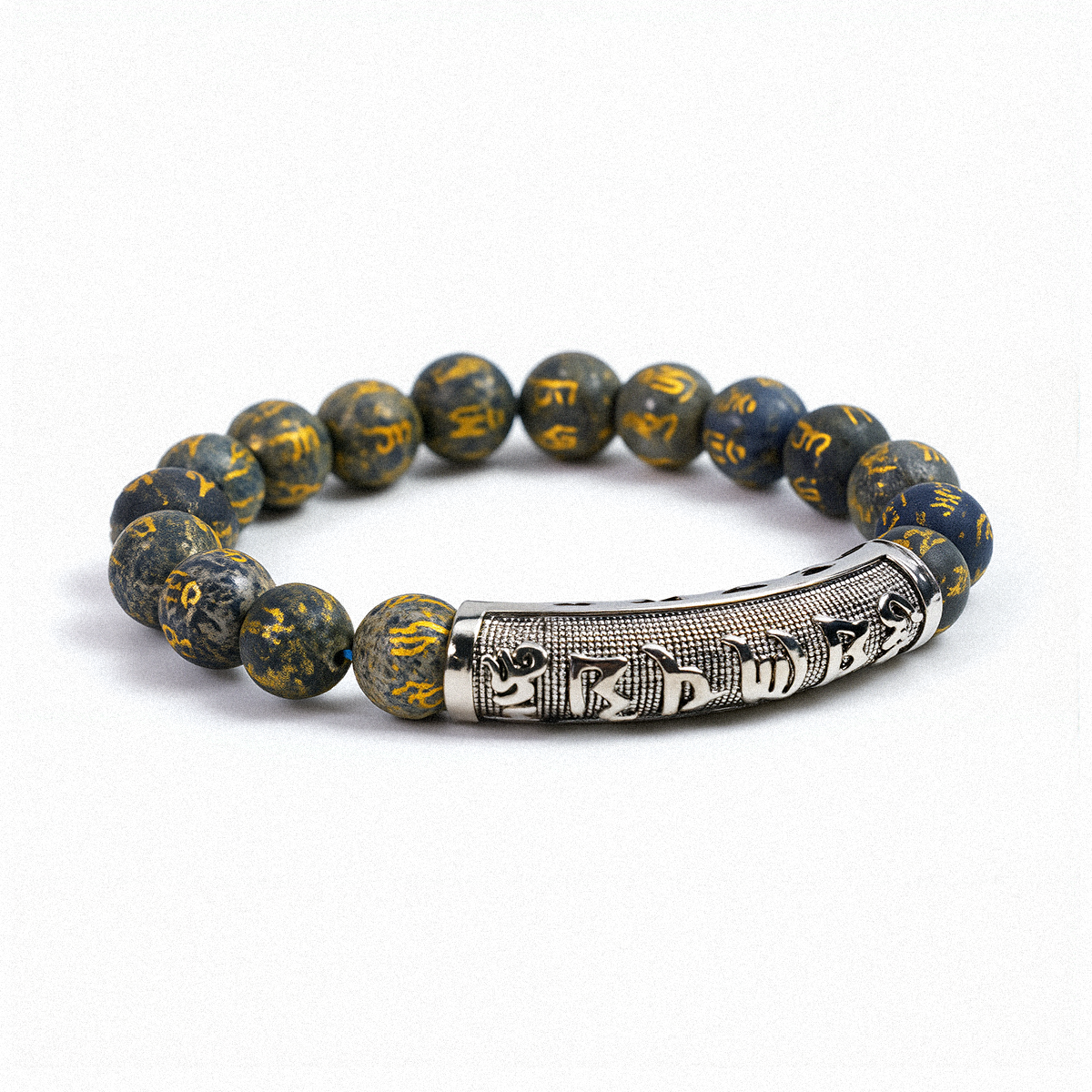
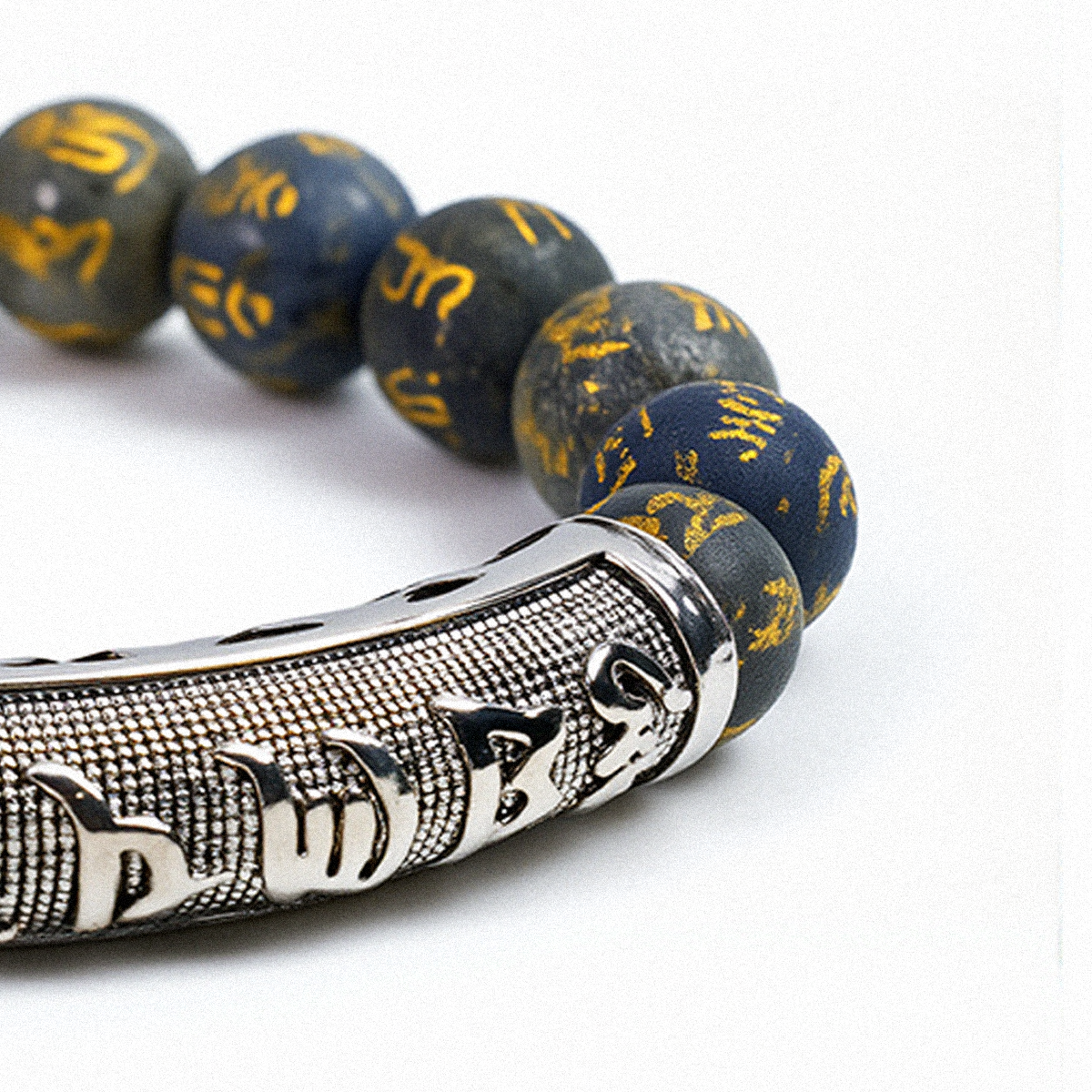
Wearing a mantra ring or necklace is more than a fashion choice. In our busy lives, it serves as a constant physical reminder to be kind and mindful. When you look down at your hand and see the sacred script, it pulls you back into the present moment. This is especially helpful during high-stress work days.
In 2026, we face a lot of "digital friction." We are always on our phones and laptops, which can drain our energy. Sacred jewelry acts as a shield against this burnout. It keeps your personal vibration high and helps you maintain emotional resilience despite the chaos around you.

A Modern Mindfulness Anchor
We see many people using mantra jewelry as a tactile tool. Much like a worry stone, touching the engraved letters can calm the nervous system. It is a simple way to practice spirituality without needing a quiet room or a meditation cushion. It brings the sacred into the ordinary parts of your day.
Global Perspectives: Interpretation in East vs. West
In the East, this mantra is a pillar of the community. You will see grandmothers chanting it while walking to the market. It is a living, breathing part of the culture. In the West, many people are discovering it through the lens of psychology and self-care. They see the "Jewel in the Lotus" as a symbol for finding their true self.
Regardless of where you are from, the message is the same. It is about the power of love and the importance of a clear mind. Organizations like the Feng Shui Society often discuss how such symbols improve the energy of a space. Using these icons helps create a home that feels like a sanctuary.
How to Meditate and Chant: A Guide for Beginners
You don't need any special training to start using this mantra. The most important thing is your intention. When you chant, try to visualize a bright light filling your body. Imagine this light washing away any stress or anger you are holding onto.
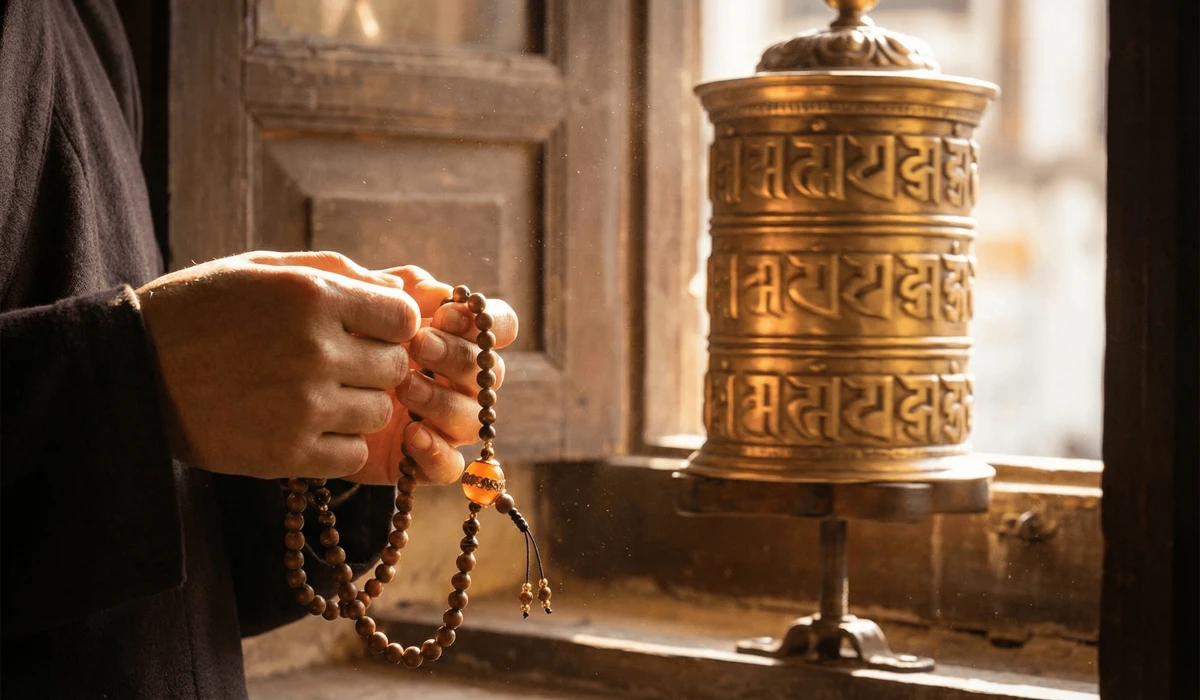
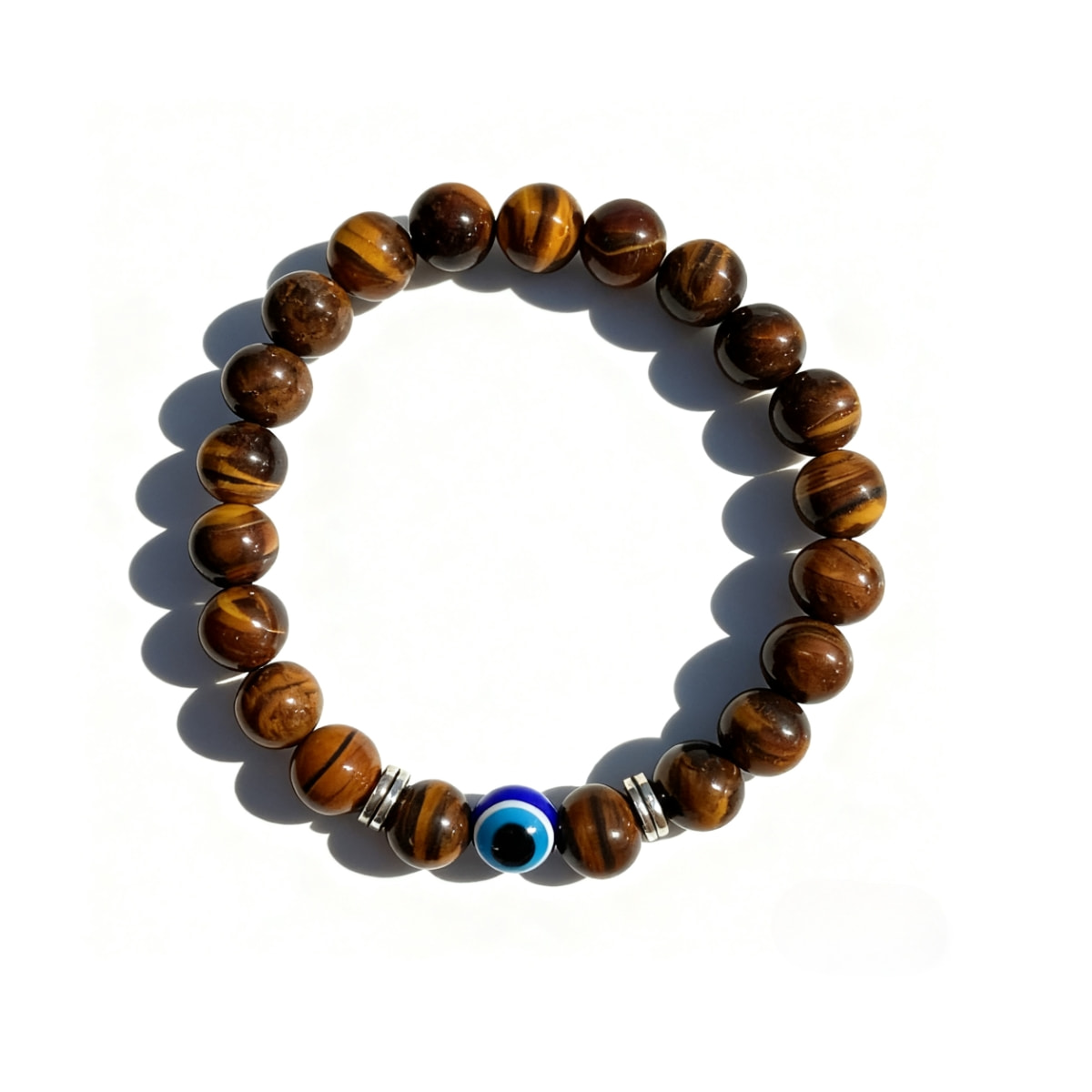
Many people find it helpful to use mala beads to keep track of their breaths. As you move each bead, say the six syllables slowly. Feel the vibration of the "Hum" sound in your chest. This physical sensation helps ground your energy and makes the meditation more effective.
As we move into the future, staying connected to these practices becomes even more vital. Understanding the Grand Duke Guide can also help you align your energy with the changing years. Spiritual tools are here to support us through every cycle of life.
Ethical Usage: Respecting the Mantra in Modern Life
Because these syllables are sacred, we should treat them with respect. It is best to keep mantra jewelry in clean, elevated places when you aren't wearing it. Avoid leaving it on the floor or in messy areas. This respect shows that you value the wisdom the mantra represents.
If a sacred item breaks or wears out over time, it is traditional to dispose of it respectfully. Many people choose to burn old prayer flags or broken beads. This allows the energy of the prayers to be released back into nature. It is a beautiful way to complete the cycle of use.
- Set a Daily Intention: Every morning, touch your mantra jewelry and promise to be kind to yourself and others.
- Breathe with the Syllables: Take three deep breaths while silently repeating the mantra to reset your stress levels.
- Create a Sacred Space: Place a mantra symbol or Mani stone in a high, visible spot in your home to bless the room.
- Visual Cleansing: While chanting, visualize a golden light dissolving any negative thoughts in your mind.
Q: What is the real meaning of Om Mani Padme Hum in Tibetan Buddhism?
A: It represents the path of transforming an impure body, speech, and mind into the pure state of a Buddha. This is done through the union of compassion and wisdom.
Q: How do the six syllables correlate to the six realms of existence?
A: Each syllable purifies a specific negative emotion tied to a realm. For example, Om purifies pride, while Mani purifies jealousy and desire, and Hum purifies hatred.
Q: Can wearing an Om Mani Padme Hum ring protect against digital burnout?
A: Yes, it acts as a mindfulness anchor. By reminding you to stay present and compassionate, it helps stabilize your energy against the stress of modern technology.
Q: What are the benefits of chanting the six-word mantra daily?
A: Chanting helps clear negative karma, reduces anxiety, and builds emotional strength. It also helps you feel more connected to the world around you.
Q: How to properly place Om Mani Padme Hum symbols in a home for Feng Shui?
A: Place them in high, clean areas like an entryway or a dedicated meditation corner. Never place these sacred symbols on the floor or in bathrooms.
Conclusion: Integrating the Wisdom of the Six Syllables
The journey of the "Jewel in the Lotus" is a journey toward our own hearts. We have seen how this ancient mantra offers a path to peace, even in our fast-moving world. By chanting these sounds or wearing them as a talisman, we invite more compassion and wisdom into our lives. Let the vibration of Om Mani Padme Hum be a constant friend on your spiritual path. May you find the jewel within your own lotus today and always.

Longyi Luck
Longyi Luck is a Feng Shui practitioner and spiritual researcher who blends traditional year-based wisdom with modern lifestyle insights, specializing inFeng Shui, spirituality, meditation, and mindfulness. With years of dedicated study and practice, Longyi explores cultural symbolism and the practical application of ancient wisdom to help individuals cultivate balance, clarity, and harmony in everyday life. Since 2020, Longyi has been committed to translating timeless traditions into accessible guidance for the modern world.
longyi@auraandluck.com
.webp?w=800&h=800)
.webp?w=800&h=800)