
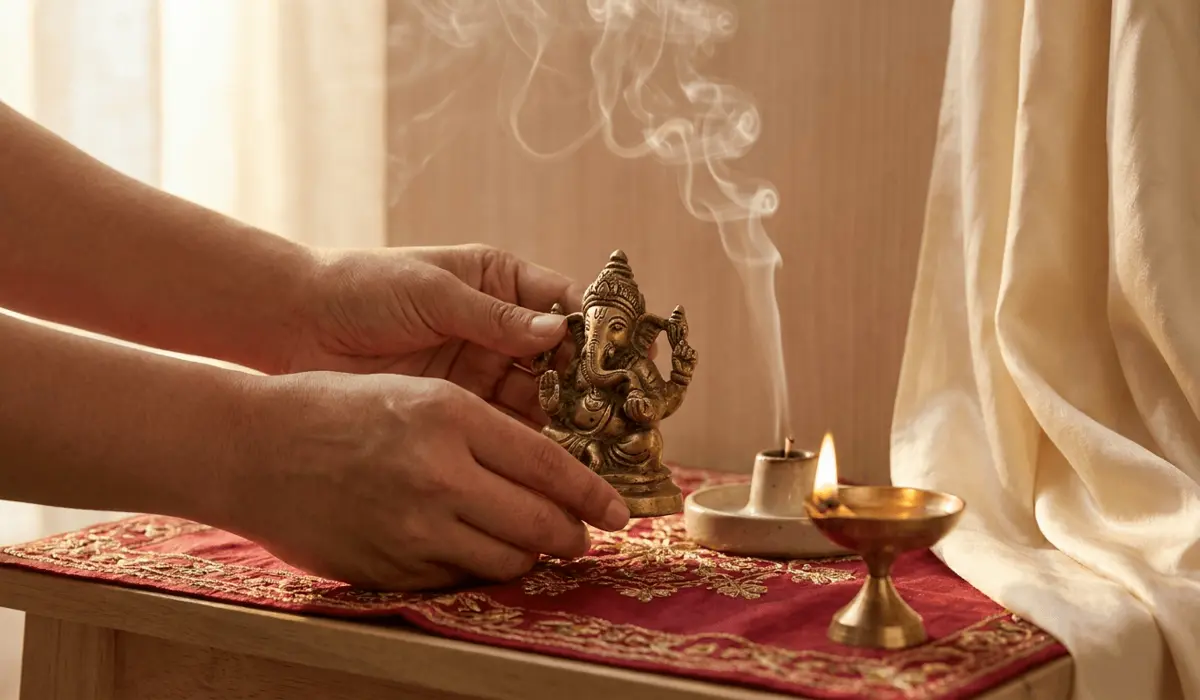
You should strictly avoid placing a Lord Ganesha statue in any master or couple bedroom. Sacred deities carry intense spiritual vibrations that disturb quiet sleep, while bedroom activities unintentionally disrespect divine presence. If your statue currently rests near your bed, the correct action is to move it to an elevated altar in your living room or the Northeast area of your home.
Key Takeaways at a Glance:
✨ Primary Rule: Keep bedrooms free from deity statues to protect both your sleep and spiritual boundaries.
🧭 Best Direction: Relocate Lord Ganesha to the Northeast or East sector of a shared living space.
🛡️ Altar Height: Ensure the base of your sacred idol rests at or above chest level.
Introduction: The Definitive Ruling on Bedroom Deities
In our studio, we always advise clients that a bedroom serves as an intimate sanctuary for rest, renewal, and relationship bonding. Placing high-frequency sacred figures in this private space creates an immediate energetic clash. In traditional space arrangement, spiritual icons radiate active, wakeful energy that conflicts with the quiet atmosphere needed for deep slumber.
This teaching emphasizes that spiritual devotion requires clear physical boundaries. A dedicated worship space honors sacred figures with pure reverence, while your sleeping quarters should protect personal privacy. When you blend these two worlds, both your restful sleep and your spiritual focus can suffer.
Misplacing a deity idol often leads to restless nights, vivid dreams, and unnecessary friction between partners. Stagnant or confused Chi(气) builds up quickly when sacred figures witness ordinary bedroom routines like dressing or sleeping. Aligning your living space with established Feng Shui Society Standards helps preserve steady peace throughout your entire household.
To help you understand the root of these traditional guidelines, watch this clear visual breakdown of household deity rules:
Video source:YouTube
Author:Dr. Deepa Kamari - Spiritual Advisor
Original video link:https://www.youtube.com/watch?v=HKGRCYC2ARY
Preparatory Steps and Essential Consecration Tools
Before you touch or relocate a sacred statue, you must prepare the proper tools and cleanse your hands. Approaching an idol requires calm focus, clean intention, and respectful spatial care. Gathering your items beforehand ensures a smooth and graceful transition for the sacred presence.
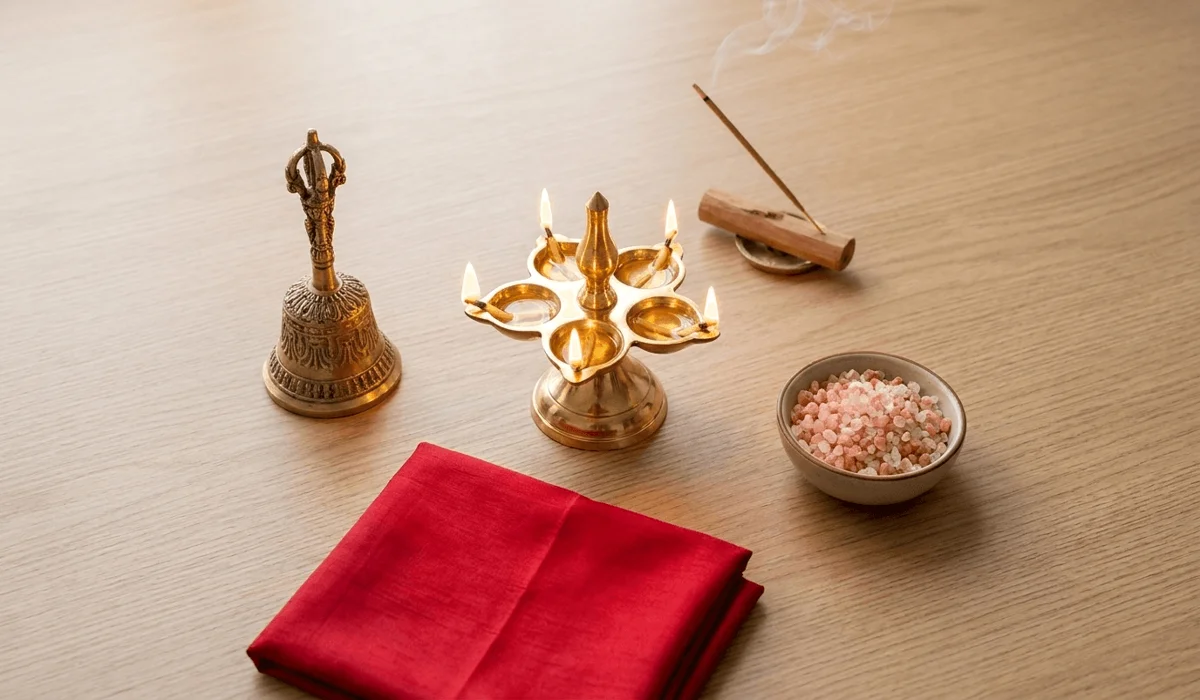
Prepare these essential items on a clean side table before starting your relocation ritual:
- ✨ A square of pure red or yellow unstitched silk fabric to serve as an altar base.
- 🕯️ A solid brass, copper, or sandalwood consecrated pedestal stand.
- 🧭 Natural sandalwood incense sticks or pure camphor tablets for energy clearing.
- 🛡️ Sacred spring water mixed with a pinch of Himalayan pink rock salt.
- 🧼 A small brass prayer bell and a traditional oil diya filled with sesame oil or pure ghee.
Using Authentic Feng Shui Items ensures that your altar tools carry pure, grounded vibrations into your home. Cleanse the entire room by opening windows and allowing fresh air to sweep through the corners. Wash your hands thoroughly with clean water, calm your breathing, and set a peaceful intention in your heart.

Step-by-Step Guide to Safely Relocating Ganesha from Bedroom to Altar
Relocating a divine presence from a bedroom requires a mindful, step-by-step approach. Follow this five-stage process to restore balance to your living space while treating the idol with honor.
Step 1: Energy Audit & Identifying Sacred Boundaries
Begin by walking through your bedroom to identify where the energy feels blocked or disrespectful. Check whether the idol sits in direct view of your mattress, laundry basket, or dressing mirror. These direct sightlines create unconscious tension and disturb the natural flow of household energy.
Stand before the statue with your palms pressed together at your heart center. Speak a gentle prayer of apology, known traditionally as Kshama Prarthana, asking for grace as you prepare to move the idol to an honorable setting. This mindful step settles the room and shifts your intention from casual decor to sacred stewardship.
Crucial Relocation Warning: Never drag, slide, or handle a consecrated idol with one hand. Always support the base with both hands using a clean cloth to preserve sacred dignity.
Step 2: Selecting an Auspicious Alternative Sector (Northeast or Living Area)
Next, find the best new location in your home using a traditional compass or home map. The Northeast sector, known as Ishanya, represents pure spiritual receptivity and clear life-force energy. Placing Lord Ganesha in this sector invites wisdom, smooth new beginnings, and family harmony.
If your Northeast area is occupied by a bathroom or closet, choose an elevated station in your main living room instead. Make sure the idol faces either North or East so that you face an auspicious direction while offering prayers. You can map out these precise orientations using trusted instruments.

Many homeowners who study annual cycles also apply Tai Sui Plaque Guidelines alongside their deity altars to balance yearly directional shifts. This coordinated approach ensures that both spiritual figures and protective cures work in perfect harmony.
Step 3: Preparing and Consecrating the Elevated Altar Platform
Wipe down your chosen altar table using clean water infused with Himalayan rock salt. This simple wash removes residual physical dust and neutralizes past environmental energy. Dry the polished wood or stone completely using a clean, lint-free cotton cloth.

Elevate the table so that the base of the statue rests at or slightly above your chest level when standing. Smooth a piece of vibrant red or golden yellow silk over the flat surface to anchor divine energy. Ensure that no work papers, loose coins, or electronic chargers clutter this sacred space.
Step 4: Executing the Respectful Relocation and Spatial Cleansing
Follow these exact physical steps to transfer your statue safely from the bedroom to the newly prepared altar:
- Light a stick of natural sandalwood incense and circle it clockwise three times around the bedroom idol to release heavy energy.
- Gently lift the idol using both hands, wrapping its base in a clean silk or cotton wrap.
- Walk at a steady, deliberate pace toward the new altar, taking care not to place the statue down on any chairs or hallway floors along the way.
- Set the statue gently onto the silk-covered altar facing North or East.
- Light a brass diya or ghee lamp, ring your prayer bell once, and offer a small bowl of spring water or fresh fruit to welcome the deity.
Take three deep, grounding breaths after setting the offering in place. Notice how the living room feels brighter and more centered as the idol settles into its proper home.
Step 5: Implementing Studio Apartment Concealment Protocols (If Applicable)
Many of our clients who live in compact studio apartments face real space limitations where sleeping and living share one open room. If you cannot place your altar in a separate lounge, you must establish clear visual barriers between your bed and the idol. A physical separation protects the sacred boundary during private moments.
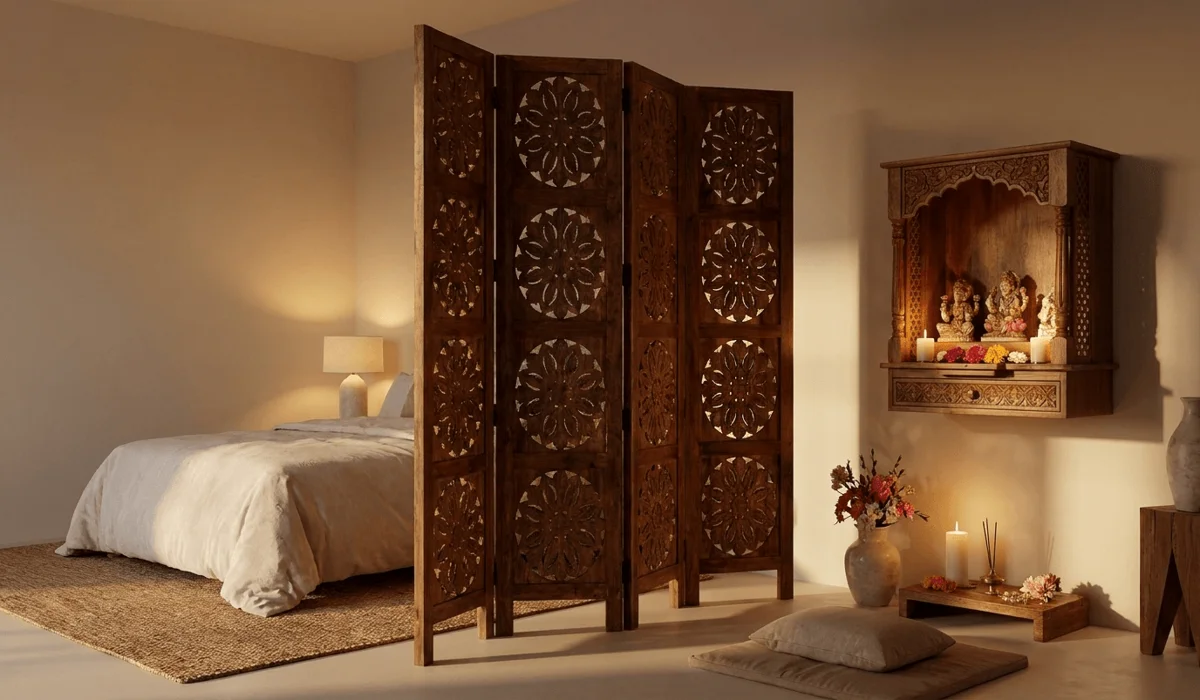
Set up a freestanding carved wooden folding screen between your sleeping mattress and your prayer table. Alternatively, house your idol inside a traditional wall-mounted wooden mandir cabinet equipped with closable doors. Make it a daily habit to close the cabinet doors or draw the folding screen completely before you change clothes or go to sleep.
The Spiritual and Energetic Logic Behind Sacred Placement
Understanding why bedrooms clash with sacred statues helps you make informed choices for your home. In classic space clearing, a bedroom belongs strictly to Yin(阴) energy, which is soft, receptive, dark, and restorative. This gentle atmosphere allows your mind to rest, your nervous system to calm down, and your body to repair itself overnight.
A sacred deity statue acts as an active portal of high-frequency Yang(阳) energy. Divine forms embody cosmic order, sharp awareness, and active spiritual vitality. When an intense Yang presence sits beside a resting Yin bed, the energies clash, leading to shallow sleep, vivid nightmares, and morning exhaustion.
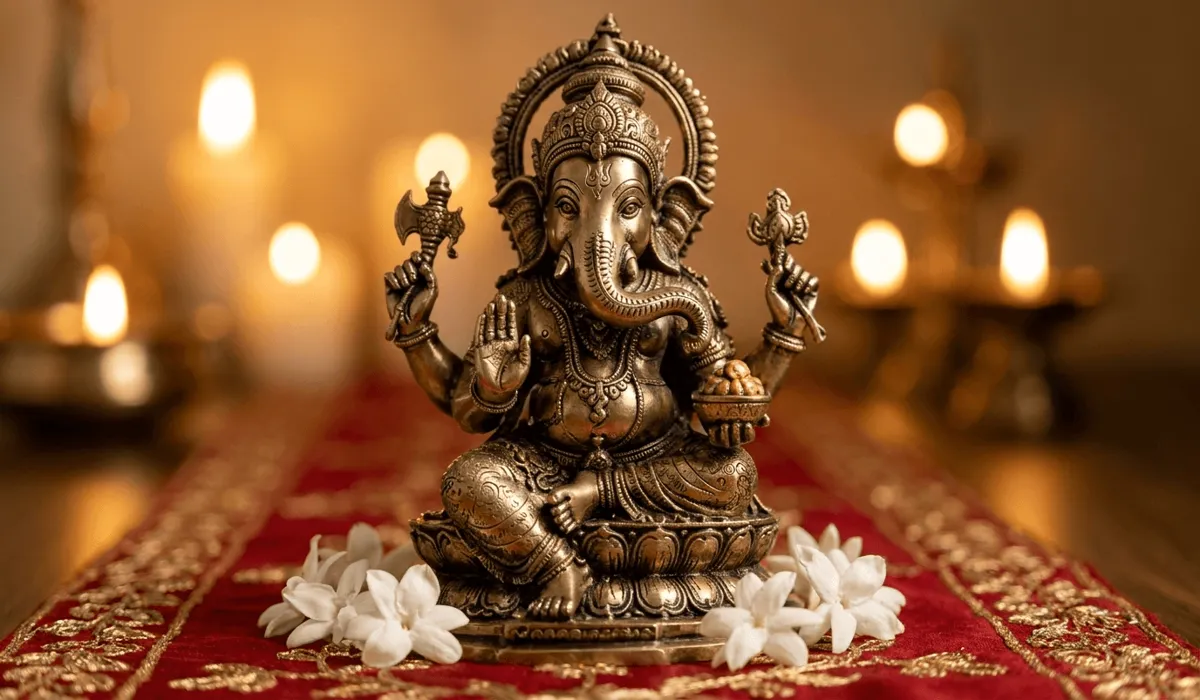
Statue posture and trunk direction also play a vital role in domestic life. Most residential homes benefit from a Vamamukhi Ganesha, where the trunk curves gracefully toward the deity's left side. This form channels cooling lunar energy, nurturing domestic contentment, steady income, and relaxed household relationships.
In contrast, a statue with the trunk curving to the right demands rigorous temple-style daily rituals and intense fire offerings. Placing an active idol in a casual bedroom magnifies energetic friction. Studying Traditional Compass School Principles reveals how structural alignment and room functions must support one another.
| Room Sector | Primary Energy Type | Placement Suitability | Observed Household Effect |
|---|---|---|---|
| Northeast Living Zone | Sattva (Pure Awakening) | Highly Recommended | Mental clarity, wisdom, and smooth prosperity |
| East Common Foyer | Rising Solar Energy | Favorable | Vitality, family harmony, and obstacle removal |
| Master Bedroom | Deep Yin (Intimacy/Rest) | Strictly Forbidden | Insomnia, marital friction, and restless thoughts |
| Studio Apartment (Screened) | Dual Yin-Yang Managed | Acceptable with Care | Stable focus when cabinet doors stay closed at night |
As shown above, your choice of room directly guides the daily energy in your household. Dedicating shared living spaces to spiritual practice protects the peaceful sanctuary of your personal sleeping area.
Critical Placement Taboos to Never Violate
Through years of guiding rituals, we find that placement errors often occur out of innocent decoration habits. Being aware of key taboos prevents unconscious mistakes and protects your home from ungrounded energy patterns.
Review these critical location taboos before permanently securing your sacred altar:
- 🛡️ Never place Ganesha against a wall that backs onto a bathroom, toilet, or laundry utility room.
- 🛡️ Never position the deity where your feet point directly toward the idol while you relax or sleep.
- 🛡️ Never store a holy idol inside a dark wardrobe, under an exposed ceiling beam, or below a staircase.
- 🛡️ Avoid placing two Ganesha statues facing each other directly in the same room.
- 🛡️ Never set the sacred figure directly onto bare floors, unstable window sills, or damp basements.
Placing two idols face-to-face causes their energies to compete rather than radiate outwards into your home. Similarly, shared bathroom walls expose holy figures to downward drainage energy that saps vitality from the household. These practical guidelines parallel the advice shared in our guide on Bedroom Deity Placement Rules, which explores identical boundary rules for Buddhist iconography.
Severe Spatial Taboo: Placing a divine murti under an exposed support beam presses oppressive weight onto your spiritual focus. Always position your altar under a flat, unencumbered ceiling.
Ongoing Maintenance: When to Refresh and Recalibrate Altar Energy
An altar requires continuous mindful care to stay energetically vibrant and clean. Over time, natural dust, dried floral offerings, and burnt incense resin accumulate on surfaces. When an altar becomes dusty or neglected, the surrounding atmosphere turns stagnant and heavy.
Establish a regular rhythm to refresh and honor your sacred space:
- 🧼 Wipe down the pedestal fortnightly during the New Moon and Full Moon phases using clean water.
- 🕯️ Replace faded silk mats whenever they show wax marks, loose threads, or sun bleaching.
- ✨ Perform an annual deep cleansing during auspicious festivals like Ganesh Chaturthi or Diwali.
- 🧭 Refresh the altar water bowl daily and clear away yesterday's spent flowers every morning.
Whenever someone in your home recovers from illness or after a heated argument, clear the altar space completely. Light a piece of dried sandalwood or pure camphor and walk it around the table perimeter. This simple act clears lingering tension and re-establishes a peaceful, open environment for your family.
Frequently Asked Questions About Ganesha Placement
Q: Can I keep a framed painting or canvas print of Ganesha in my bedroom?
A: You should avoid hanging paintings, tapestries, or framed art of Lord Ganesha in a couple or master bedroom. Two-dimensional sacred art carries the same divine symbolic presence as a cast statue. Keep your bedroom walls decorated with calming nature scenes, soft landscapes, or neutral abstract artwork instead.
Q: What should I do if my home’s only Northeast sector is located entirely inside a bedroom?
A: Do not force an altar into a bedroom simply to occupy the Northeast corner. Room function always overrules compass sectors in traditional spatial wisdom. Place your altar in the East or North corner of your living room instead, which provides a far more respectful setting.
Q: Is it acceptable to place Ganesha on a desk inside a child’s or student’s bedroom?
A: A small, study-focused Ganesha idol may rest on a young student's desk if the room belongs to a single child. Lord Ganesha supports learning, sharp concentration, and academic success. Make sure the idol does not face the child's bed directly and remains elevated away from floor clutter.
Q: Can a small Ganesha pendant or talisman be stored on a bedroom nightstand overnight?
A: You should not leave sacred jewelry sitting loosely on an open nightstand or beside drinking glasses. Instead, place your blessed pendant inside a lined jewelry box or cloth pouch before going to sleep. This simple habit keeps your personal talisman protected and shielded from casual exposure.
Q: How should I respectfully dispose of or submerge an idol that has cracked or sustained damage?
A: Never throw a chipped, cracked, or broken sacred idol into ordinary household trash. In traditional practice, you respectfully submerge a damaged statue into a natural moving body of water, like a river or ocean. If natural water is unavailable, bury the idol mindfully in clean soil beneath a flowering tree in your garden.
Conclusion: Aligning Sacred Energy with Mindful Intent
Caring for your home environment reflects your inner journey of awareness and mindfulness. Moving a sacred idol out of your bedroom is never an act of fear, but an intentional gesture of deep respect and balance. Creating proper zones for sacred reverence and personal rest allows both parts of your life to flourish naturally.
When each room serves its true purpose, life inside the home feels lighter and more cohesive. Adopting these thoughtful adjustments supports healthy sleep, emotional peace, and harmonious family life. Exploring Modern Home Energy Balance concepts will help you design a peaceful home where sacred reverence and daily comfort exist side by side.

Natural Sandstone Ganesha Statue – Hindu Elephant Deity Figurine for Home, Office & Meditation Decor
This compact Ganesha statue combines an earthy sandstone appearance with an intricately sculpted four-armed design. Its elephant head, ornamental crown, curved trunk and seated posture create a recognizable representation of the Hindu deity.
Shop NowThis guide is provided for educational, cultural, and spiritual exploration purposes only. The recommendations outlined here do not constitute professional architectural, medical, financial, or legal advice. Readers seeking personalized structural or personal counseling should consult with licensed and qualified professionals.

Longyi Luck
Longyi Luck is a Feng Shui practitioner and spiritual researcher who blends traditional year-based wisdom with modern lifestyle insights, specializing in Feng Shui, spirituality, meditation, and mindfulness. With years of dedicated study and practice, Longyi explores cultural symbolism and the practical application of ancient wisdom to help individuals cultivate balance, clarity, and harmony in everyday life. Since 2020, Longyi has been committed to translating timeless traditions into accessible guidance for the modern world.
longyi@auraandluck.com