
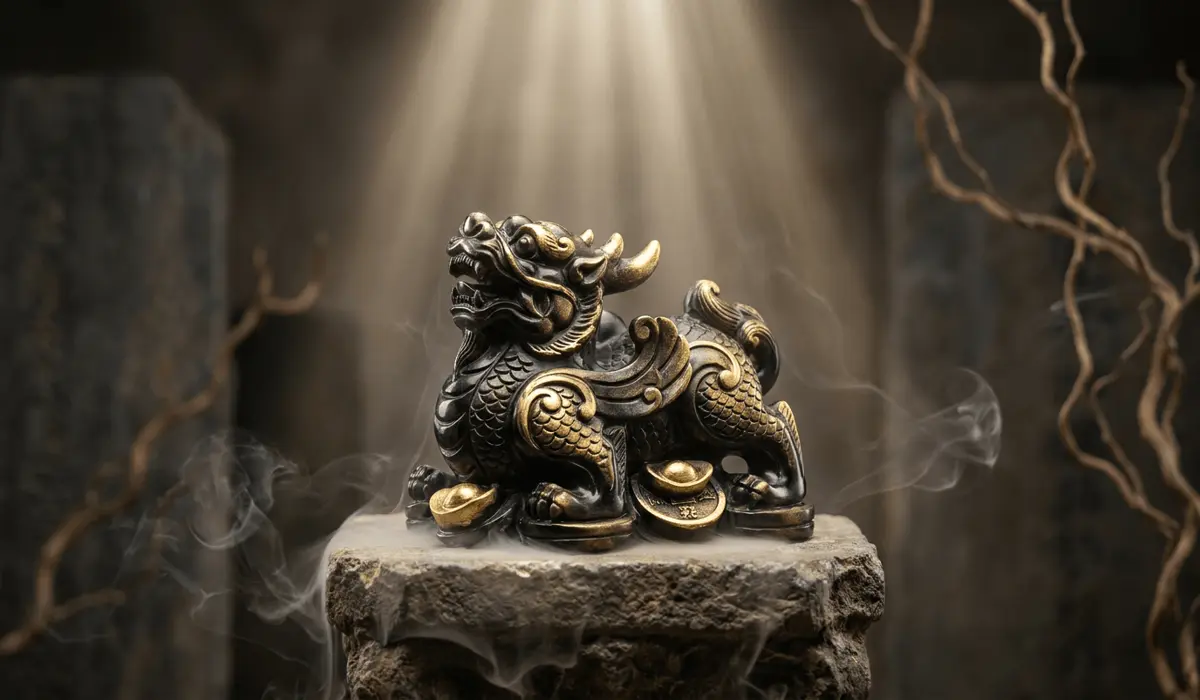
Throughout human history, cultures across the globe have sought energetic anchors to channel abundance and shield their homes from unseen harm. Sacred talismans operate as powerful instruments for human focus, bridging material reality with spiritual intention. At Aura & Luck, our anthropological research focuses on how these ancient sacred symbols function as timeless vehicles for prosperity and spiritual protection.
Among the most respected celestial creatures in East Asian metaphysics is the mythical dragon-headed beast known as the Feng Shui wealth guardian. Modern seekers frequently encounter two distinct names for this guardian: Pixiu and Pi Yao. This linguistic variation often causes confusion for those beginning their journey into energetic alignment.
Understanding whether these terms represent two distinct creatures or a single sacred symbol requires exploring ancient mythology and linguistic evolution. By examining classical texts and metaphysical principles, we can uncover the deeper meaning of this celestial guardian. Explore our Sacred Pixiu Collection to see how these ancient designs are crafted into modern spiritual jewelry.
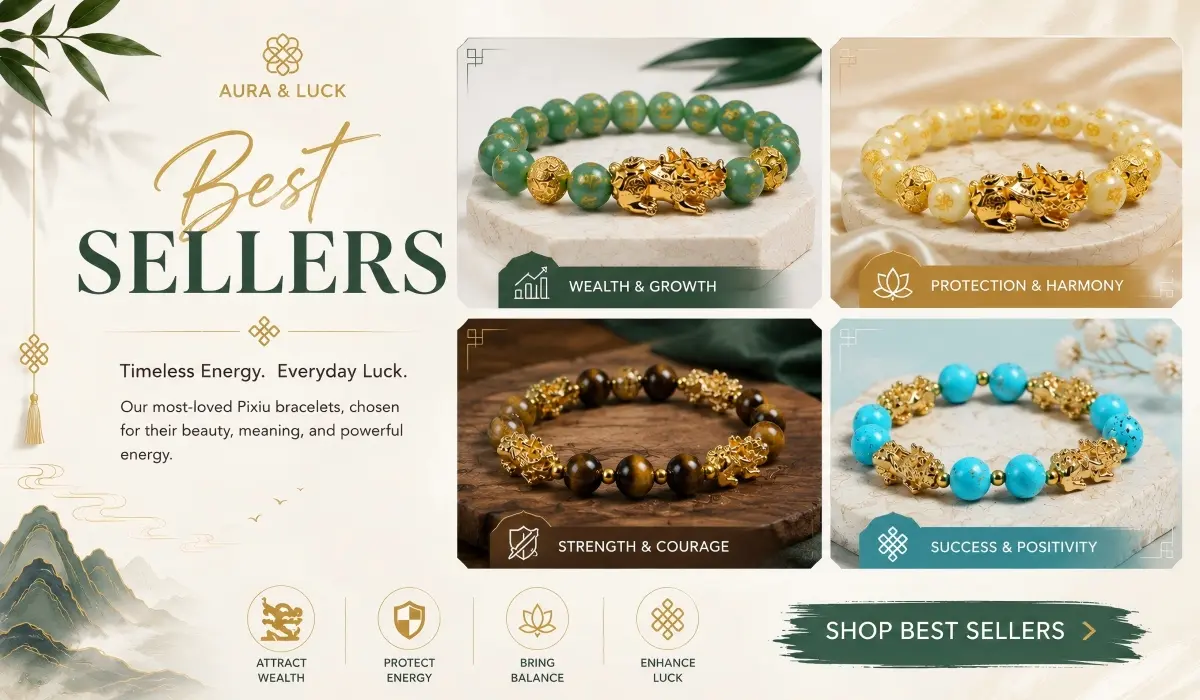
Quick Answer: No, Pixiu and Pi Yao are the exact same mythical creature in traditional Feng Shui. "Pixiu" is the standard Mandarin Pinyin romanization, whereas "Pi Yao" reflects the Cantonese transliteration widely popularized in Southeast Asia. Both names describe the fierce dragon-headed lion famous for attracting windfall luck and preventing financial loss.
Ancient Origins and Sacred Legends of the Dragon King's Son
The Mythological Genesis and the Jade Emperor's Decree
The story of this celestial guardian begins deep within ancient Chinese Mythology and Taoist cosmology. Legendary chronicles describe the beast as the fierce ninth son of the sacred Dragon King. Possessing divine draconic authority, the creature inherited immense strength, fierce courage, and an insatiable desire for precious treasures.
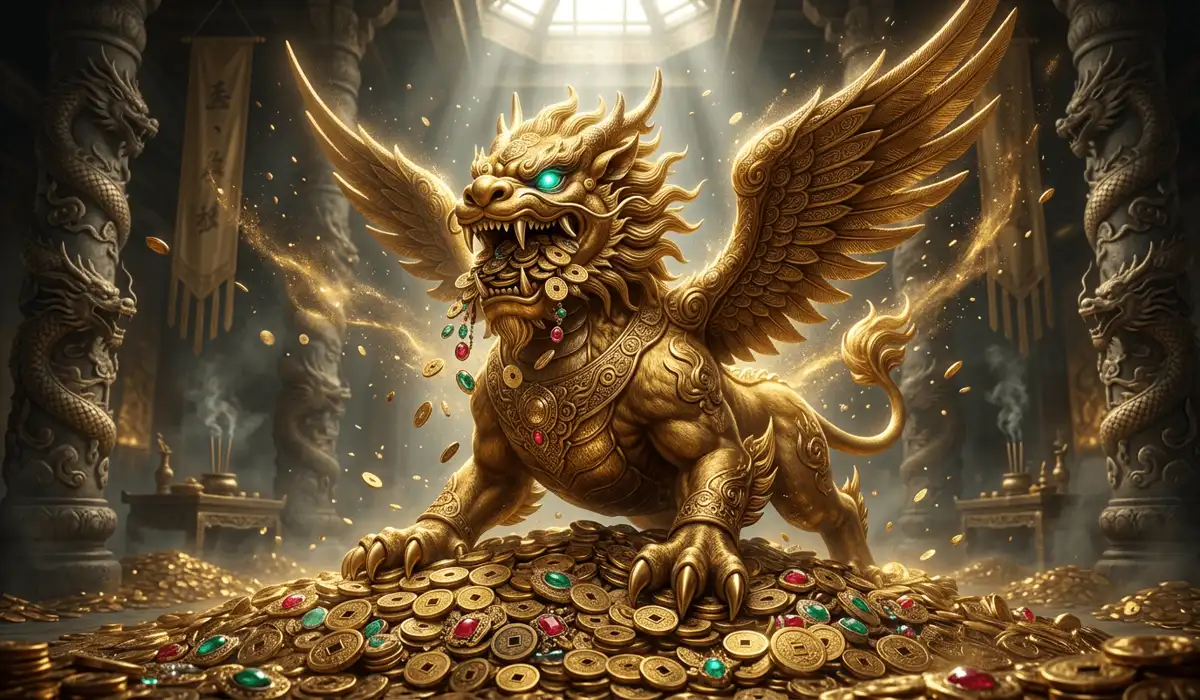
According to ancient lore, the beast fed exclusively on a diet of pure gold, silver, and celestial jewels. Its body naturally radiated a brilliant golden light, making it a favorite among the heavenly deities. However, a pivotal mythological event forever altered the creature's biological nature and spiritual purpose.
During a grand celestial banquet, the beast lost control and defecated upon the pristine floor of the Imperial Jade Palace. Infuriated by this breach of heavenly protocol, the Jade Emperor punished the creature by sealing its anus. Furthermore, the emperor decreed that the beast could only consume wealth, creating a unique biological condition where gold enters continuously but can never leave.
This mythological event transformed the creature into the ultimate universal symbol for infinite wealth accumulation. Because the beast devours riches without any possibility of excretion, it represents absolute financial containment. For thousands of years, practitioners have relied on this story as a metaphor for continuous financial growth and zero wealth dissipation. You can research broader historical records in the Historical Mythology Archives to learn more about early imperial folklore.
Taoist Cosmology and Dynastic Roots
Historical veneration of this sacred beast dates back over two thousand years to the Han Dynasty. Historical records reveal that military commanders painted the guardian emblem onto battle banners to inspire courage and victory. Soldiers believed the creature's fierce aura would terrify enemy forces and protect troops from physical harm.
In Taoist energy practices, the guardian is utilized to harness positive environmental Chi while neutralizing negative Sha Chi (煞气). Ancient masters recognized that the beast possessed the spiritual capacity to absorb chaotic energies and convert them into stable harmony. This dual function made the creature an essential tool for balancing environmental energy.
Imperial dynasties integrated heavy stone carvings of the creature into royal architecture. Massive stone statues guarded sacred tomb entrances and imperial treasuries to prevent energetic stagnation and theft. The presence of the beast reassured rulers that royal wealth would remain secure across generations.
Video source: YouTube
Author: Sophie Lorraine
Original video link: https://www.youtube.com/watch?v=8qMH_6j5YgU
Decoding the Symbolism: Tian Lu vs. Bi Xie
Anatomical Symbology of the Dragon-Headed Lion
The physical form of the dragon-headed lion combines the spiritual attributes of several sacred animals. The head of a celestial dragon represents supreme authority, noble ambition, and direct connection to cosmic forces. This draconic aspect allows the guardian to sense hidden opportunities and financial abundance across vast distances.
The body of a muscular lion provides grounded physical power, fierce courage, and physical dominance. Meanwhile, delicate feathered wings attached to its shoulders signify the ability to transcend earthly limits and glide through spiritual realms. These wings enable swift execution of intent, allowing the guardian to hunt prosperity across all directions.
Finally, the bifurcated tail and sharp fangs function as defensive spiritual weapons. The creature uses its fangs to seize opportunities and break through stubborn financial blockages. Its tail sweeps away malevolent spirits, neutralizing harmful cosmic clashes before they can disrupt your personal peace.
Tian Lu vs. Bi Xie: Dual Energetic Manifestations
While modern culture often uses a single name, classical tradition distinguishes between two specific energetic forms: Tian Lu and Bi Xie. Historically, male and female guardians served distinct yet complementary roles in energetic work. Understanding these subtle differences enhances our appreciation of traditional Feng Shui craftsmanship.
The male aspect, known as Tian Lu, is traditionally identified by a single prominent horn atop its head. This single-horned guardian specializes in actively hunting, searching, and gathering direct wealth from all eight directions. It is the ideal companion for entrepreneurs, investors, and professionals seeking career expansion and new financial horizons.
The female aspect, named Bi Xie, is distinguished by two prominent horns. Her specialized role is guarding accumulated assets, dispelling negative energy, and preventing sudden financial losses. She acts as a protective shield against envy, office rivalries, and poor investment choices.
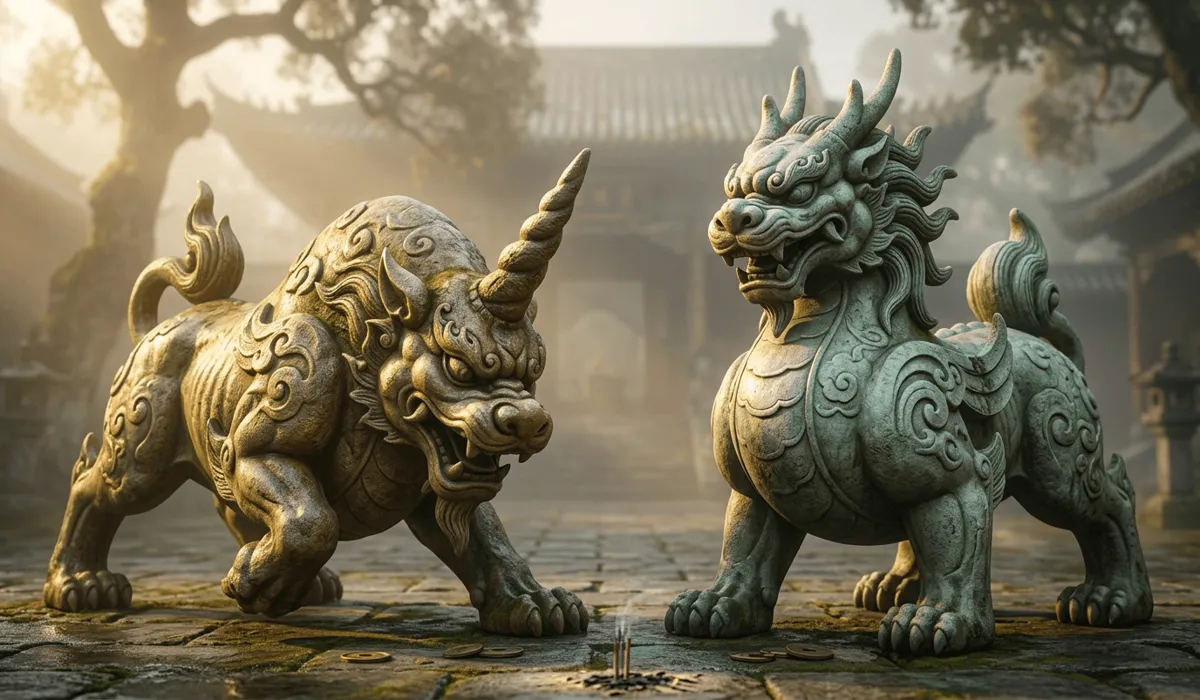
In classical times, stone carvers displayed these guardians as a matched pair outside palace gates. Placing Tian Lu on the left and Bi Xie on the right created a complete energetic ecosystem of acquisition and protection. Modern artisans often combine both horn configurations into unified talismans for balanced daily wear.
Consulting classical guidelines established by organizations like the Traditional Feng Shui Principles board clarifies how these ancient placement rules continue to guide modern spaces.
Key Takeaway: Single-horned Tian Lu drives proactive wealth accumulation, while double-horned Bi Xie guards existing assets against unexpected loss. Wearing a unified talisman harmonizes both energetic forces within your personal field.
Cultural Evolution and Linguistic Origins: Pixiu vs. Pi Yao
Pinyin vs. Cantonese Transliteration
The distinction between the terms Pixiu and Pi Yao is entirely linguistic rather than mythological. Both names refer to the exact same Chinese characters. The difference stems from how regional dialects were translated into Western alphabets during different historical periods.
The term "Pixiu" uses standard Mandarin Pinyin, which serves as the official romanization system across mainland China and academic institutions. Pinyin provides a uniform phonetic representation for global literature. Consequently, modern cultural studies and formal publications generally favor the name Pixiu.
Conversely, "Pi Yao" arises from Cantonese transliteration, which gained popularity through early migration channels. During the twentieth century, prominent Feng Shui masters from Hong Kong, Singapore, and Malaysia introduced these art forms to Western audiences. They naturally utilized Cantonese phonetics, establishing "Pi Yao" as a household term in global communities.
To help illustrate how these terms compare across regions and traditions, review the comparison table below.
| Attribute / Feature | Pixiu (Mandarin / Pinyin) | Pi Yao (Cantonese Transliteration) |
|---|---|---|
| Linguistic Origin | Standard Mandarin Pinyin | Regional Cantonese Phonetics |
| Mythological Identity | Ninth Son of Dragon King | Ninth Son of Dragon King |
| Anatomical Form | Dragon head, lion body, wings | Dragon head, lion body, wings |
| Primary Metaphysical Function | Wealth attraction and retention | Wealth attraction and protection |
| Regional Popularity | Mainland China, Academic texts | Hong Kong, Southeast Asia, Global Trade |
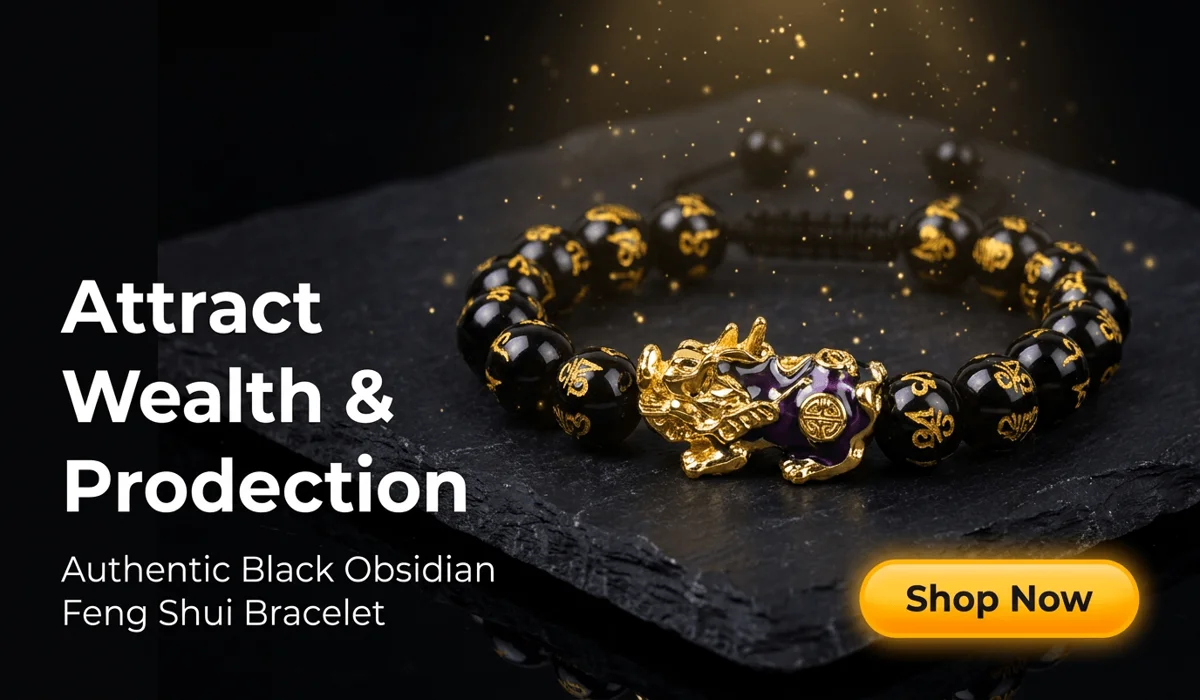
Regardless of spelling variations found online, such as Piyao, Pi-Xiu, or Pee Yew, they all describe the exact same mythical entity. To explore stylish ways to wear this sacred icon, read about Women Wealth Bracelet Trends in our curated lifestyle features.
Wearing the Talisman: Modern Wealth Manifestation
Manifesting Abundance in the Modern Economy
In our modern world, managing wealth requires both financial discipline and focus. Modern life presents unique challenges, including volatile markets, digital transactions, and impulsive spending habits. Wearing a wealth retention talisman helps anchor your personal intentions amid daily distractions.
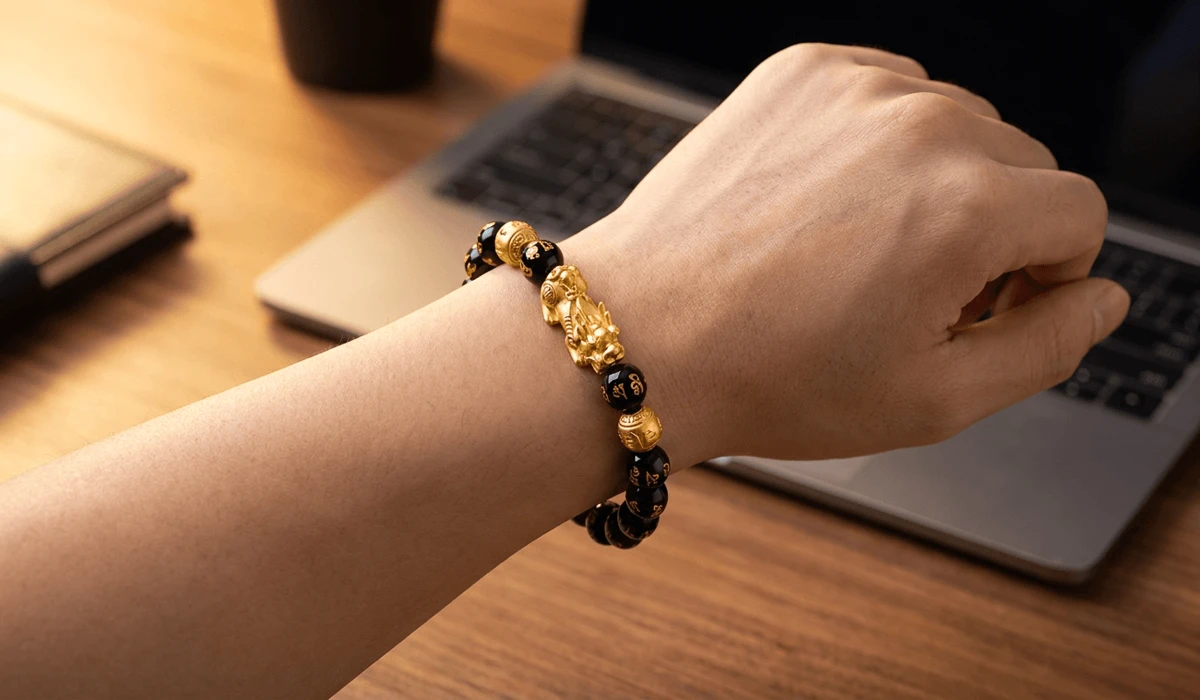
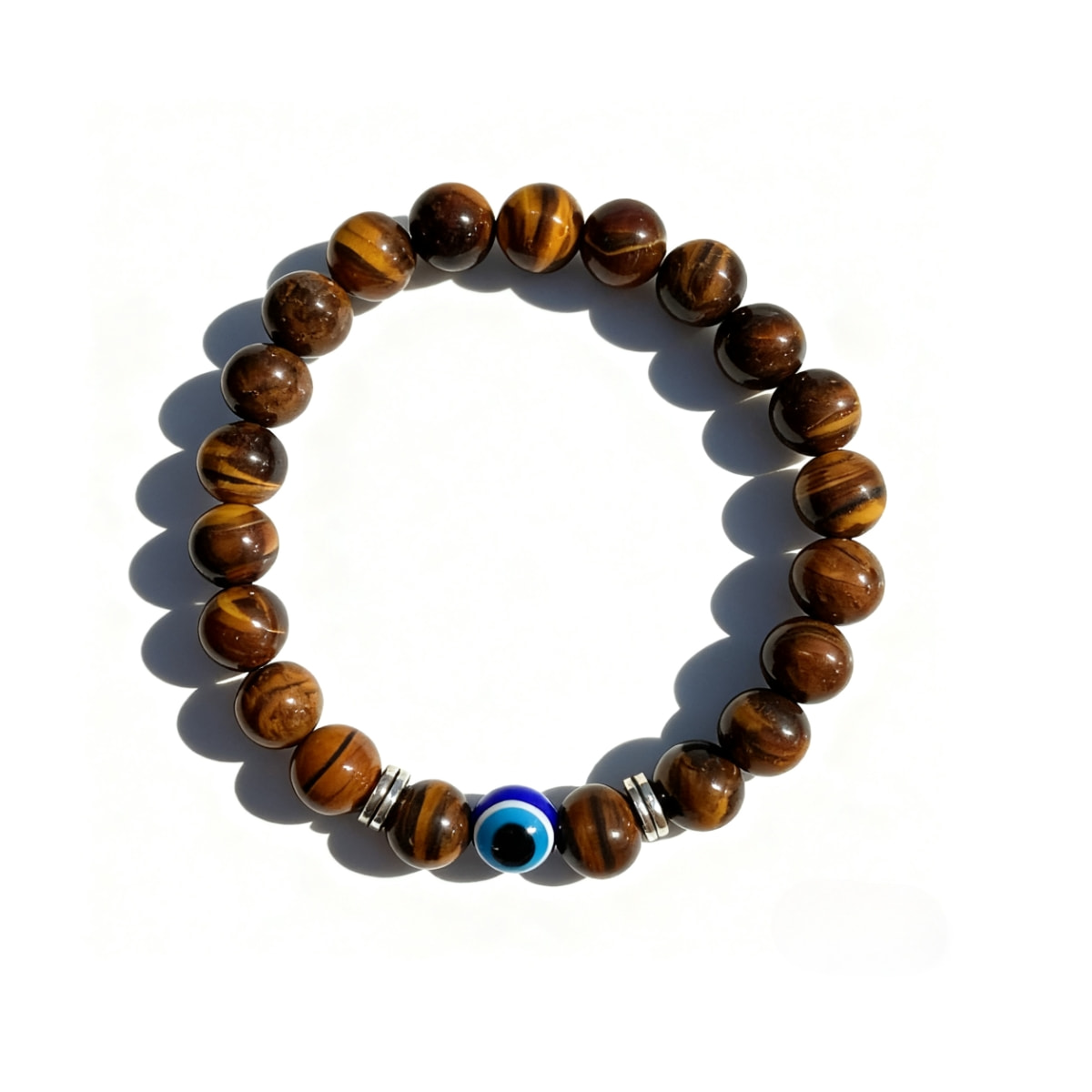
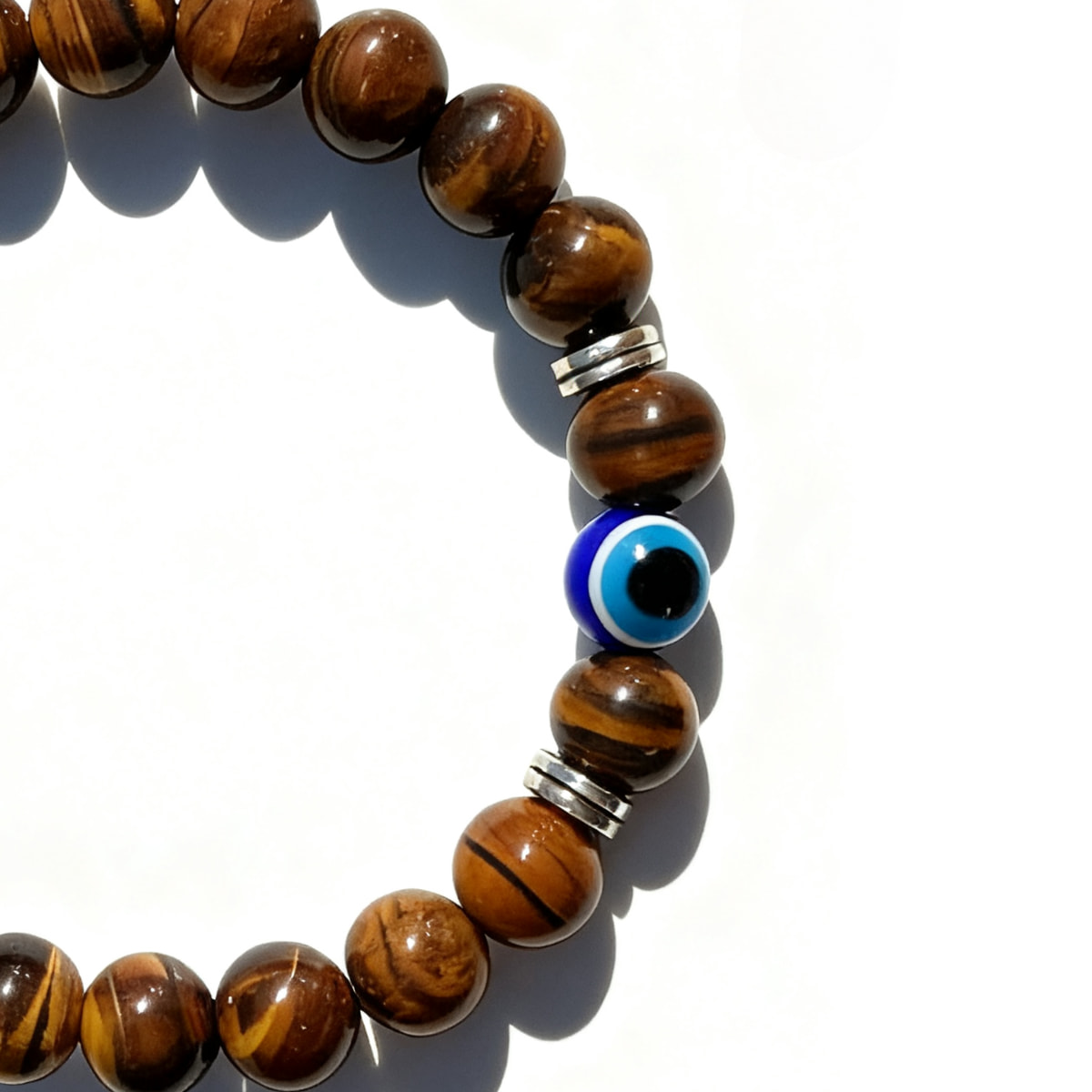
Combining pure 24K gold with natural gemstones creates a balanced energetic tool. Gold represents warm Yang energy, supreme abundance, and noble ambition. When paired with natural Black Obsidian, which provides grounding earth energy, the talisman helps quiet emotional stress and supports clear decision-making.
Wearing a Gold Obsidian Pixiu serves as a daily physical reminder of your personal prosperity goals. Touching the smooth stone throughout the day refocuses your attention on discipline and financial purpose. This simple habit helps condition your mindset toward clarity and long-term abundance.
If your bracelet experiences physical wear or breaks unexpectedly, review our guide on Pixiu Cleansing Ritual Practices to understand its symbolic meaning and proper care.
Video source: YouTube
Author: MGLPIXIUBRACELET
Original video link: https://www.youtube.com/watch?v=-55er4Dsvh8
Consecration Rituals and Meditation Practices
Cleansing, Activation, and Eye-Opening Rituals
Before wearing a new talisman, performing a cleansing ritual cleanses lingering external energies and aligns the item with your intent. You can cleanse your gemstone beads using natural herb smoke, pure sound vibrations from a singing bowl, or by resting them under moonlight overnight. This process restores the gemstone's natural vibrational balance.
Following purification, traditional practices involve an eye-opening ceremony, historically known as Kai Guang. Gently dab a drop of clean water or essential oil onto the guardian's eyes and head. This symbolic act represents awakening the creature's sight, guiding it to seek opportunities on your behalf.

Immediately after awakening your talisman, hold it gently and gaze directly into its eyes. This visual connection establishes a personal bond between you and your guardian spirit. Traditional lore emphasizes that the beast remains devoted exclusively to the person who awakens its sight. Additional insights on energetic activation can be explored through Classical Feng Shui Wisdom resources.
Breathwork and Visualization Meditation
Integrating your talisman into daily meditation deepens your spiritual practice. Practice the following simple visualization routine each morning to establish focus and cultivate calm confidence.
Meditation Step: Hold your talisman near your heart center. Inhale deeply for four counts, visualizing warm golden light flowing into your mind. Hold your breath for four counts, feeling anxiety melt away. Exhale slowly for six counts, imagining a protective shield expanding around your aura to secure your peace.
While handling your bracelet, gently stroke the back and body of the guardian charm. Regular physical touch builds rapport and keeps the item's energetic connection active. However, always avoid touching its eyes and mouth, as traditional rules state these areas must remain clear to hunt prosperity freely.
Cultural Etiquette, Rules, and Taboos
The Receptive Left Hand Rule and Directional Placement
A fundamental principle in East Asian metaphysics is that energy enters through the left side of the body and exits through the right. Therefore, you should always wear your bracelet on your left wrist to absorb incoming prosperity Chi and favorable opportunities.
The only exception involves wearing pure Black Obsidian on the right wrist specifically to discharge stagnant energy or shield yourself in low-vibration environments. When wearing your bracelet, position the guardian's head facing outward toward your pinky finger. This ensures the creature looks outward toward the surrounding world rather than inward toward yourself.
Traditional Demographic Guidelines and Respectful Care
Traditional guidelines outline important considerations regarding who should wear this energetic talisman. Below are the key rules to remember when incorporating this symbol into your routine.
The following list highlights traditional guidelines for wearing and caring for your sacred talisman:
- ☸️ Young children under sixteen and elderly individuals over seventy should avoid wearing heavy guardian talismans, as the intense Yang energy may feel overwhelming.
- 🕉️ Pregnant women and those recovering from major illness should temporarily pause wearing intense Yang charms to allow their bodies gentle, quiet rest.
- 🧿 Remove your sacred jewelry before bathing, showering, or using restrooms to protect natural stones from harsh chemicals and maintain ritual purity.
- 🌸 Take off your bracelet before sleeping and place it in a shared living room facing the door; avoid leaving energetic items on bedroom nightstands.
Finally, avoid allowing strangers to touch your personal talisman. If someone handles your charm accidentally, simply rinse it under cool running water or pass it through herb smoke to refresh its personal alignment.
4-Step Daily Integration Checklist:
1. Morning Intent: Put on your bracelet with your left hand while setting a clear financial intention for your day.
2. Gentle Touch: Stroke the back of your charm twice during quiet moments to reinforce your personal bond.
3. Proper Orientation: Ensure the guardian's head points outward toward your pinky finger throughout your daily routine.
4. Evening Rest: Remove your bracelet before sleep and rest it respectfully on a clean surface in your main living space.
Frequently Asked Questions
Q: Are Pixiu and Pi Yao two completely different mythical creatures?
A: No, Pixiu and Pi Yao refer to the exact same mythical creature in traditional Feng Shui lore. The difference is purely linguistic: Pixiu originates from standard Mandarin Pinyin, while Pi Yao comes from Cantonese transliteration.
Q: What is the difference between Tian Lu and Bi Xie in Pixiu lore?
A: Tian Lu is the male form, identified by a single horn, focusing on searching for and gathering wealth from all directions. Bi Xie is the female form, featuring two horns, dedicated to guarding existing wealth and dispelling negative energies.
Q: Why is Pi Yao spelled differently than Pixiu in Feng Shui books?
A: The spelling varies based on regional dialect influences during translation. Western books published by masters from Hong Kong and Southeast Asia used Cantonese phonetics like Pi Yao, whereas modern texts use standard Pinyin spellings like Pixiu.
Q: Who should not wear a Pixiu or Pi Yao bracelet according to tradition?
A: Traditional guidelines suggest that young children under sixteen, elderly people over seventy, pregnant women, and individuals recovering from severe illness should avoid wearing heavy Yang energetic charms.
Q: Which hand should you wear your Pi Yao bracelet on for wealth attraction?
A: You should wear your bracelet on your left wrist because traditional energy principles state that energy flows into the body through the left side and exits through the right side.
Conclusion: Integrating Ancient Wisdom into Modern Life
The ancient legend of this dragon-headed lion teaches us that true abundance requires both active pursuit and mindful protection. Whether referred to as Pixiu or Pi Yao, this timeless guardian reminds us to handle our resources with respect, intention, and discipline.
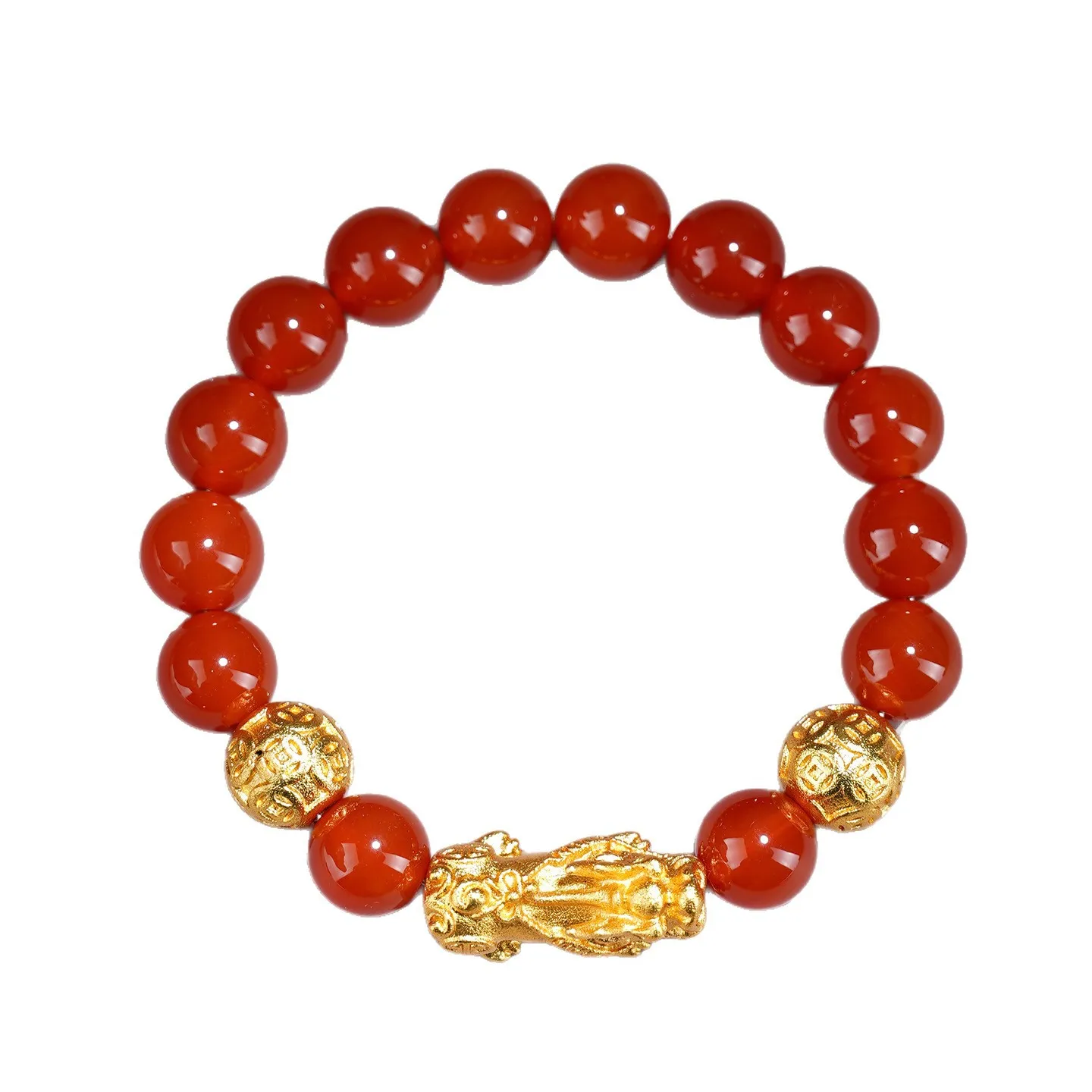
Red Agate Pixiu Coin Bracelet - Natural Red Agate & Gold Pixiu Bracelet for Prosperity & Protection
Embrace the vibrant energy of our Red Agate Pixiu Coin Bracelet, a masterpiece designed to harmonize your spirit and attract prosperity. Red Agate, known as the 'Warrior's Stone,' radiates a grounding yet motivating frequency that anchors your soul while fueling your ambitions.
Shop NowBy incorporating these ancient practices into our daily lives, we establish a tangible bridge between historic tradition and modern goals. Treating your talisman with care transforms simple jewelry into a dynamic partner on your journey toward balance and lasting prosperity.
Disclaimer: The contents of this article are published exclusively for cultural, educational, and historical research purposes. Metaphysical concepts, traditional Feng Shui practices, and symbolic talismans do not constitute financial, legal, medical, or professional advice. Readers seeking professional guidance regarding personal investments or medical health conditions should consult qualified licensed professionals.

Longyi Luck
Longyi Luck is a Feng Shui practitioner and spiritual researcher who blends traditional year-based wisdom with modern lifestyle insights, specializing in Feng Shui, spirituality, meditation, and mindfulness. With years of dedicated study and practice, Longyi explores cultural symbolism and the practical application of ancient wisdom to help individuals cultivate balance, clarity, and harmony in everyday life. Since 2020, Longyi has been committed to translating timeless traditions into accessible guidance for the modern world.
longyi@auraandluck.com
.webp?w=800&h=800)
.webp?w=800&h=800)