
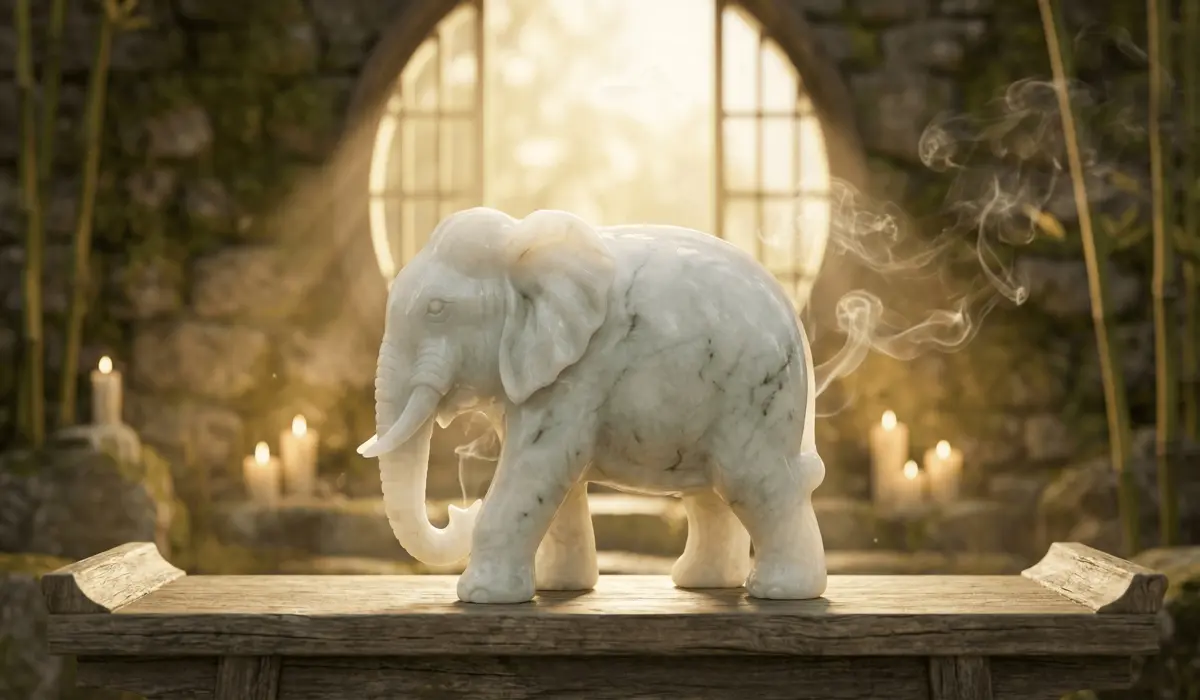
We believe that an elephant is far more than a simple decorative object for your shelf. In the practice of Feng Shui (风水), this majestic creature represents a vibrational frequency of deep stability and quiet power. It serves as a spiritual anchor that helps keep your home calm when the outside world feels chaotic.
The elephant is often called the Great Anchor because its heavy and grounded presence creates a sense of safety. By placing these ornaments in your living space, you are inviting a sense of enlightened compassion into your heart. This ancient symbol reminds us that true strength does not need to be aggressive to be effective.
Ancient Origins and Sacred Legends: The Elephant’s Divine Lineage
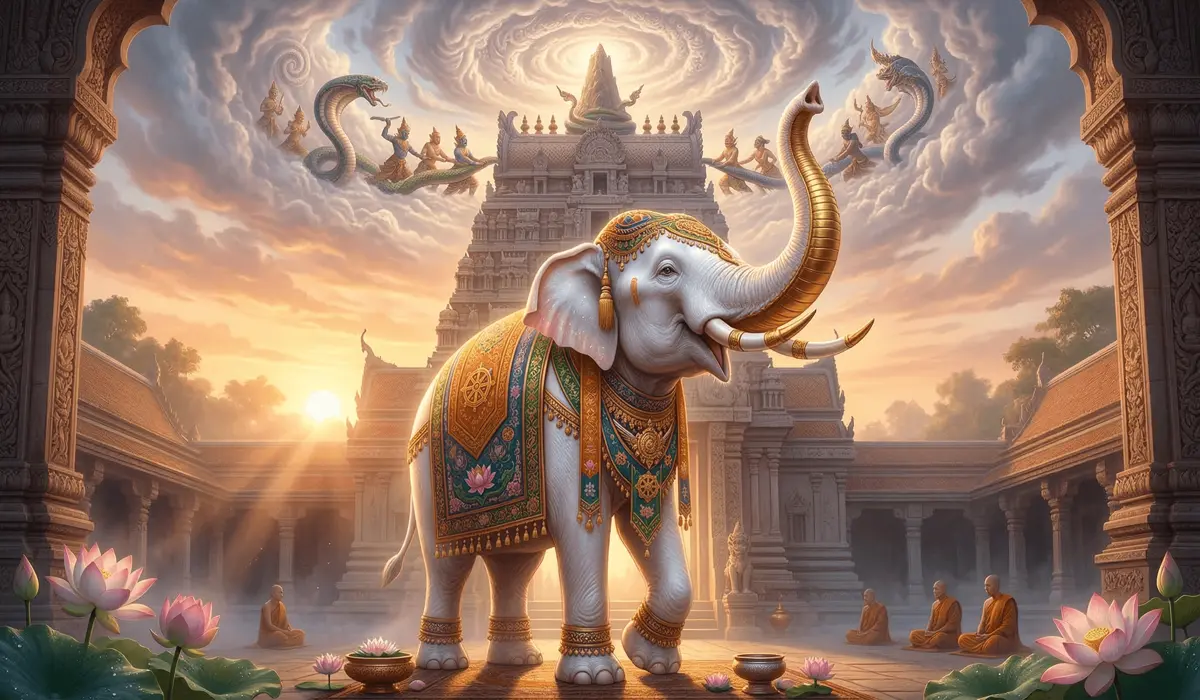
The spiritual history of the elephant begins with the Vedic (Ganesha) traditions of ancient India. According to legend, a multi-tusked king of elephants named Airavata emerged from the Churning of the Ocean of Milk. This divine creature became the vehicle for Indra, the king of gods, linking elephants to rain and royal power.
In Buddhist (White Elephant) history, the animal holds a place of supreme purity and spiritual wisdom. Queen Maya once dreamed of a white elephant entering her side, which signaled the coming birth of the Buddha. This event transformed the elephant into a symbol of the Supreme Soul and mental fertility for millions of people.
As these stories traveled East, they were integrated into Taoist (Feng Shui) practices as a way to harmonize Earth energy. You can find more details about these cultural shifts on Online Encyclopedia Information. The elephant remains a primary tool for stabilizing the North and West sectors of a modern home today.
The Cosmic Architecture of the Eight Elephants
In many ancient cosmologies, eight giant elephants are said to support the weight of the entire universe on their backs. This belief highlights the animal's role as a literal and figurative support system for human existence. When you use this symbol, you are tapping into a foundation that has stood for thousands of years.
The Hidden Philosophy: Decoding the Elephant’s Symbolic Anatomy
Every physical feature of an elephant statue carries a specific spiritual instruction for the observer. The large ears remind us to listen carefully to the universe while ignoring the noisy distractions of the ego. This practice of deep listening is essential for maintaining a clear and focused mind in a busy world.
The thick skin of the elephant represents psychological resilience and protection from the harsh judgments of others. It teaches us how to move through life with dignity without being easily hurt by external negativity. The tusks represent the ability to cut through illusions to find the absolute truth of any situation.
The Semantic Language of the Trunk
The direction of an elephant's trunk is perhaps the most important detail to consider when choosing an ornament for your home. You should choose the direction based on the specific type of energy you wish to cultivate in your private space.
- Trunk Upwards represents a shower of good luck and the celebration of victory over life's many obstacles.
- Trunk Downwards represents the quiet storage of wisdom and the accumulation of wealth over a long period.
- A trunk wrapped around an object signifies protection and the guarding of valuable family assets.
By understanding these subtle differences, you can better align your home decor with your personal goals for the year. This helps ensure that the energy in your room supports your highest intentions for growth and happiness.
Cultural Evolution: Eastern Sovereignty vs. Western Resilience
In the East, the elephant is often called Mahanaga, a term that identifies it as a great serpent-elephant of noble status. It has been used for centuries in Thai and Indian palaces to support the throne of kings. This association with royalty makes it a perfect symbol for those seeking career advancement and leadership roles.
In the West, the symbol has evolved into a sign of family loyalty and incredible memory. Many people use elephant statues to represent the Memory of the Soul, which is the idea that our character persists through time. It provides a sense of continuity and tradition in a world that is constantly changing around us.
Both cultures agree that the elephant is a universal guardian of the threshold between the public and private world. You can read more about these global perspectives through the Historical Cultural Records. This shared respect makes the elephant one of the few symbols that carries positive meaning in almost every corner of the globe.
Wearing the Amulet: Why Elephant Jewelry Still Matters Today?
Wearing elephant jewelry serves as a powerful mindfulness anchor that you can carry with you throughout the day. In a fast-paced work environment, touching a small elephant charm can remind you to slow down and breathe. This simple act helps deflect the mental fatigue often caused by digital burnout and information overload.
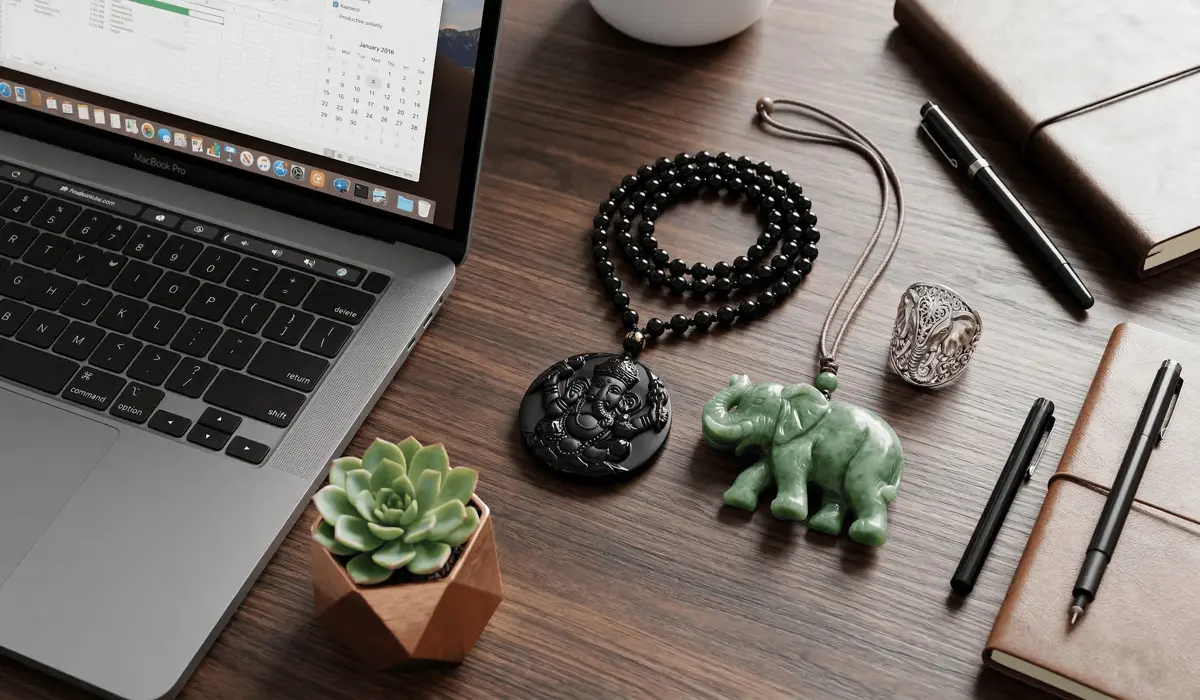
When you wear this symbol, you are encouraged to act with the patience and dignity of the pachyderm. It acts as a longevity talisman for your professional life, promoting steady and unstoppable progress toward your goals. It is a quiet way to signal to the universe that you are ready for more responsibility.
We suggest looking for specific materials that enhance the elephant's natural grounding frequency. For example, jade is excellent for attracting abundance, while obsidian is superior for protection. You can see how these elements work together in our Feng Shui Collection of spiritual tools.
Rituals and Practice: How to Meditate with the Elephant Symbol?
To fully benefit from the energy of the elephant, you should engage in regular grounding visualizations. Imagine your four limbs as the four sturdy legs of an elephant, rooting you deep into the soil of the earth. This practice helps settle a nervous mind and gives you the strength to face any challenge with total confidence.
You can also use the elephant to hold the energy of a specific room by placing it in a central location. This helps stabilize family dynamics and prevents small arguments from growing into larger conflicts. It creates a peaceful atmosphere where every family member feels heard and respected by the others.
The Gentle Trunk Breath Exercise
Try a breathing exercise where you imagine drawing energy up through a long trunk into your crown chakra. As you exhale, imagine that energy showering down over your entire body like a fountain of golden light. This simple ritual clears away mental fog and helps you start your morning with a sense of divine purpose.
Cultural Etiquette and Taboos: Honoring the Sacred Pachyderm
Placement is everything when it comes to Feng Shui, and the elephant has very specific rules that you should follow. An elephant statue should never face a bathroom or a direct exit, as this allows your good luck to leak away. Instead, it should face into the room or toward the main entrance to welcome prosperity.
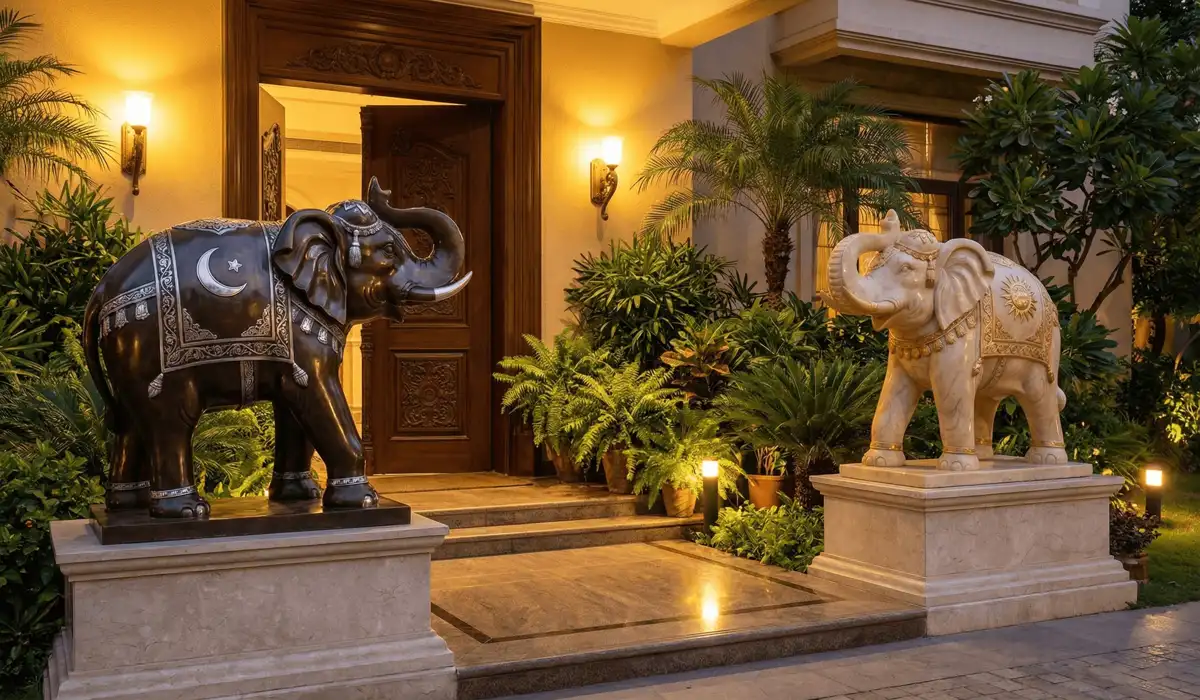
It is also important to keep your elephant statues off the floor to show respect for their sacred history. Placing them on a shelf or a pedestal honors their divine status in Vedic and Buddhist traditions. A dusty or broken statue can represent stagnant wisdom, so keep your ornaments clean and in good repair.
Using a pair of elephants at your front door is a traditional way to balance the forces of Yin and Yang. One elephant represents the masculine strength of protection, while the other represents the feminine power of compassion. Together, they create a perfect shield for your household against negative energy from the outside world.
Mapping the Elephant to the Bagua Chart
If you want to attract professional wisdom, place your elephant in the North sector of your home or office. For those seeking help from mentors or influential people, the Northwest sector is the most effective location. You can learn more about these placements in our The Spiritual Meaning of Ganesh Statues: Symbolism, Poses, and Placement.
Comparison of Elephant Symbols Across Traditions
Different cultures view the elephant through various spiritual lenses, though all agree on its positive nature. The following table compares how these major traditions interpret the presence of the elephant in daily life and spiritual practice.
| Tradition | Primary Meaning | Key Figure |
|---|---|---|
| Vedic (India) | Sovereign Authority & Rain | Airavata (Indra's Mount) |
| Buddhist | Mental Purity & Wisdom | The Sacred White Elephant |
| Taoist (Feng Shui) | Stability & Wealth Storage | Auspicious Guardian Animal |
Understanding these different layers of meaning allows you to choose the version of the elephant that resonates most with your soul. Whether you seek the rain of abundance or the purity of a clear mind, there is a tradition that supports your path.
Synergistic Pairings: Enhancing Your Elephant with Other Symbols
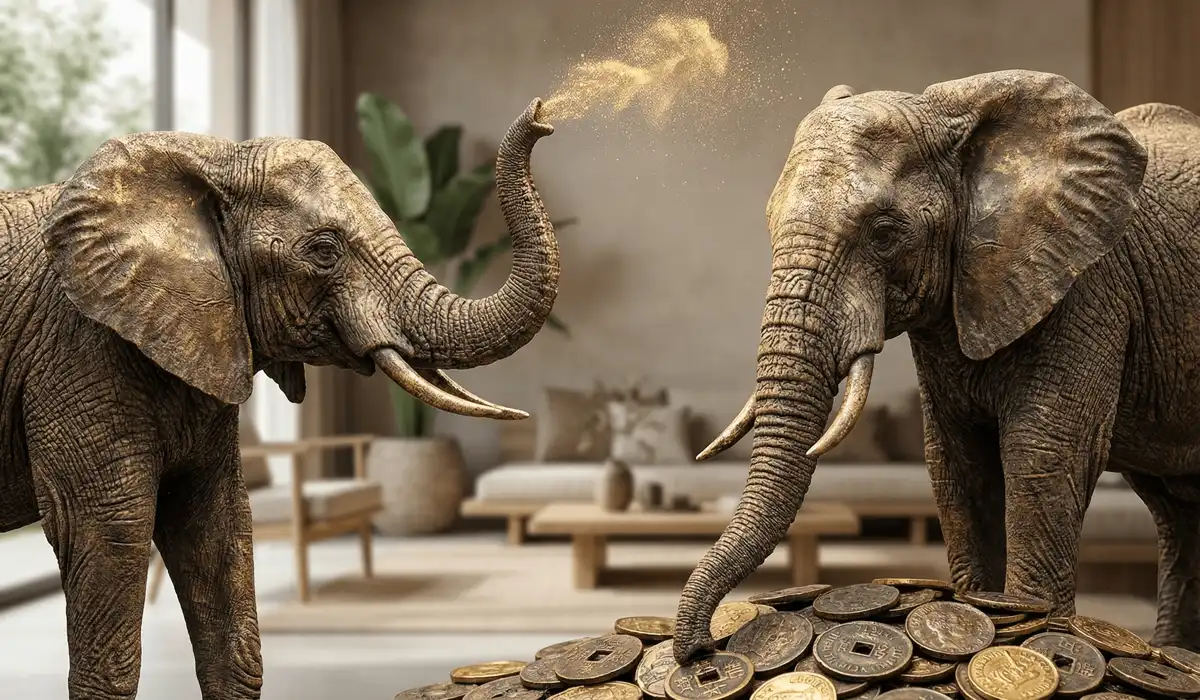
You can boost the power of your elephant statue by pairing it with other lucky items, such as coins or crystals. An elephant holding a gold ingot or standing on a pile of coins is a classic way to attract financial success. This combination tells the universe that you are ready to receive and hold onto great wealth.
For those interested in emotional healing, placing a Rose Quartz heart near your elephant can soften its energy. This creates a vibration of gentle strength that is perfect for a bedroom or a nursery. To find the right stones for your specific needs, check out our guide on Healing Crystal Energy for modern homes.
We also recommend consulting the Feng Shui Professional Standards to ensure your pairings are harmonized correctly. The goal is to create a balanced environment where no single element overwhelms the others, allowing the Chi to flow naturally through your space.
Remember that the intention you set is just as important as the object itself. Treat your elephant with care, and it will serve as a faithful guardian for many years to come. A well-placed elephant is a silent partner in your journey toward a more mindful and prosperous life.
Actionable Steps for Your Elephant Ritual
- ☸️ Cleanse your elephant statue with sandalwood incense to remove any stagnant energy before placement.
- 🕉️ Sit quietly for five minutes and visualize the elephant's strength entering your own body.
- 🧿 Place your elephant at a height where it can "overlook" the room, symbolizing its role as a watchful guardian.
- 🌸 Write a single word on a small piece of paper, such as "Peace" or "Wealth," and place it under the statue to anchor your intent.
Frequently Asked Questions (FAQ)
Q: What is the difference between trunk-up and trunk-down elephants for 2026 home energy?
A: Trunk-up elephants are used to scatter lucky energy and celebrate outward success, which fits the active Fire energy of 2026. Trunk-down elephants are used for storing wisdom and grounding your energy, which is helpful if you feel overwhelmed by too much external excitement.
Q: Where should I place an elephant to attract professional wisdom and promotions?
A: You should place the elephant in the North sector of your office or on your desk. This area governs your career path, and the elephant's presence here helps you make strategic decisions and stay focused on your long-term goals.
Q: What is the spiritual significance of a mother and baby elephant statue?
A: This statue represents ancestral protection and the continuity of family wisdom. It is often used to strengthen the bond between parents and children or to invite the energy of fertility and new beginnings into a household.
Q: How do crystal elephants amplify the intention of luck compared to wood or metal?
A: Crystal elephants act as energy magnifiers because stones like quartz or jade have their own unique vibrations. While wood is grounding and metal is sharp, crystals help radiate the elephant's luck-attracting energy further into the room.
Q: Can placing two elephants at my entrance protect against social anxiety and external judgment?
A: Yes, placing a pair of elephants acts as a psychological and energetic buffer. They create a sanctuary space that filters out the harsh opinions of the outside world, helping you feel more secure and confident within your own home.
Conclusion: Integrating the Elephant’s Wisdom
The journey of the elephant from ancient Vedic myths to your modern living room is a testament to its enduring power. By adopting the Stable Mind of the pachyderm, you can navigate the complexities of life with grace and steady strength. We hope you find the perfect elephant ornament to serve as your soulful guardian and guide.
As you curate your environment with spiritual depth, remember that every object carries a story. Let the elephant remind you that with patience and purity of heart, all obstacles eventually dissolve. May your home be filled with the quiet authority and abundant luck that only the sacred elephant can provide.

Longyi Luck
Longyi Luck is a Feng Shui practitioner and spiritual researcher who blends traditional year-based wisdom with modern lifestyle insights, specializing inFeng Shui, spirituality, meditation, and mindfulness. With years of dedicated study and practice, Longyi explores cultural symbolism and the practical application of ancient wisdom to help individuals cultivate balance, clarity, and harmony in everyday life. Since 2020, Longyi has been committed to translating timeless traditions into accessible guidance for the modern world.
longyi@auraandluck.com

.webp?w=800&h=800)
.webp?w=800&h=800)