

Switching to a wooden comb is a foundational step in holistic hair care rituals designed to minimize breakage and promote a healthier scalp environment. Many of our customers reflect that moving away from synthetic tools has completely changed their relationship with their hair and scalp. By choosing natural materials, you invite a sense of grounding and ancient wisdom into your daily beauty routine.
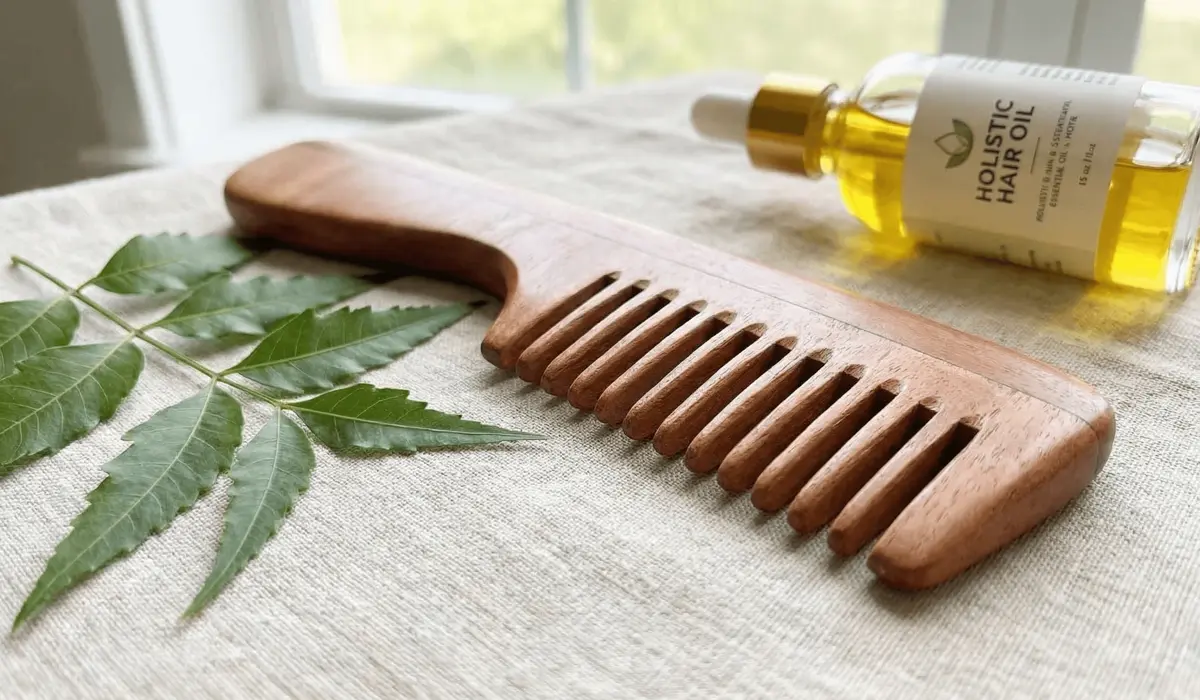
Unlike plastic alternatives, wooden combs provide static-free hair combing, which prevents the friction and snapping that often lead to thinning and damage. The primary reason to use a wooden comb for hair loss and growth is its ability to provide gentle scalp blood circulation stimulation and meridian (Jing Luo 经络) scalp stimulation. This practice transforms a mundane grooming task into a mindful daily ritual for scalp blood flow and long-term hair wellness.
- Wooden combs eliminate static electricity to prevent hair breakage and frizz.
- Natural wood teeth provide a gentle massage that boosts blood flow to follicles.
- Organic materials help distribute natural sebum from the scalp to the hair tips.
- Sandalwood and ebony offer grounding energetic properties during grooming.
- Wide-tooth designs are safer for detangling fragile or thinning hair strands.
Why Use a Wooden Comb for Hair Loss and Growth?
Definition and Purpose
Understanding why use a wooden comb for hair loss and growth begins with recognizing it as a traditional wellness tool crafted from organic materials. It serves as a functional instrument for detangling while acting as a manual massager for the skin beneath the hair. The tool is designed to respect the fragile nature of hair strands, especially for those experiencing thinning or shedding.
Origin and Materials for Hair Health
The choice of wood significantly impacts the benefits you receive during your daily grooming ritual. In our experience, high-quality woods like sandalwood provide a soothing scent that calms the mind while the smooth finish prevents any snagging. Different types of wood offer unique characteristics for scalp health:
- Sandalwood hair comb benefits: Known for its grounding scent and smooth texture that prevents snagging.
- Ebony wood comb properties: Highly durable and naturally heavy, providing the perfect pressure for scalp massage for relaxation.
- Neem wood characteristics: Traditionally used in holistic practices for its purported antibacterial and antifungal qualities.
- Organic hair care tools: Crafted without the use of harsh chemicals, glues, or synthetic coatings that can irritate a sensitive scalp.
Basic Characteristics
Natural wood combs are distinct from mass-produced plastic versions because of their physical integrity. A wide tooth wooden comb offers advantages like essential gentle detangling for fragile hair without pulling at the root. Furthermore, wood is heat resistant and does not conduct thermal energy, making it much safer to use near warm styling tools.
Spiritual Meaning and Symbolism

In many ancient cultures, the act of combing the hair is more than just grooming; it is a spiritual practice. Wood as an element represents growth, vitality, and the upward movement of energy in many ancient traditions. When we source these natural tools, we look for materials that carry a high vibration and respect the human hair history found in historical records.
Chakra Associations
The wooden comb works directly on the Crown Chakra (Sahasrara), which is the area associated with spiritual connection and higher consciousness. Using a heavy, organic material like wood also helps ground the user’s energy through the Root Chakra (Muladhara) during the morning routine. Combing is viewed as a way to clear energetic blockages along the top of the head and invite peace.
Cultural and Historical Context
Ancient grooming traditions show that wood has been the preferred material for royalty and spiritual practitioners for centuries across Asia and Egypt. This holistic wellness practice is deeply rooted in the belief that the head is the meeting point of all energies. Meridian therapy uses these combs to "comb out" stress and "comb in" peaceful intentions for the day ahead.
Benefits and Intentions for Hair Growth
Using a wooden comb is an intentional act that supports your physical and emotional well-being. By focusing on nurturing growth, you set the intention to provide hair follicle nourishment through consistent, gentle movement. Many people approach hair care as a scalp massage for relaxation to lower cortisol, which is often linked to hair thinning.
| Feature | Wooden Comb | Plastic Comb |
|---|---|---|
| Static Charge | Neutral / Anti-Static | High Positive Charge |
| Scalp Impact | Gentle Massage | Potential Scratching |
| Oil Distribution | Excellent / Natural Sebum | Poor / Strips Oils |
| Durability | High / Long-Lasting | Low / Easily Snaps |
Beyond the physical benefits, choosing sustainable hair grooming tools aligns your personal beauty routine with environmental values. This holistic hair care ritual involves integrating the comb into a slow, intentional routine rather than a rushed task. Using the comb at specific times, such as before bed, signals the body to enter a rest-and-repair state for optimal recovery.
How to Use a Wooden Comb for Best Results
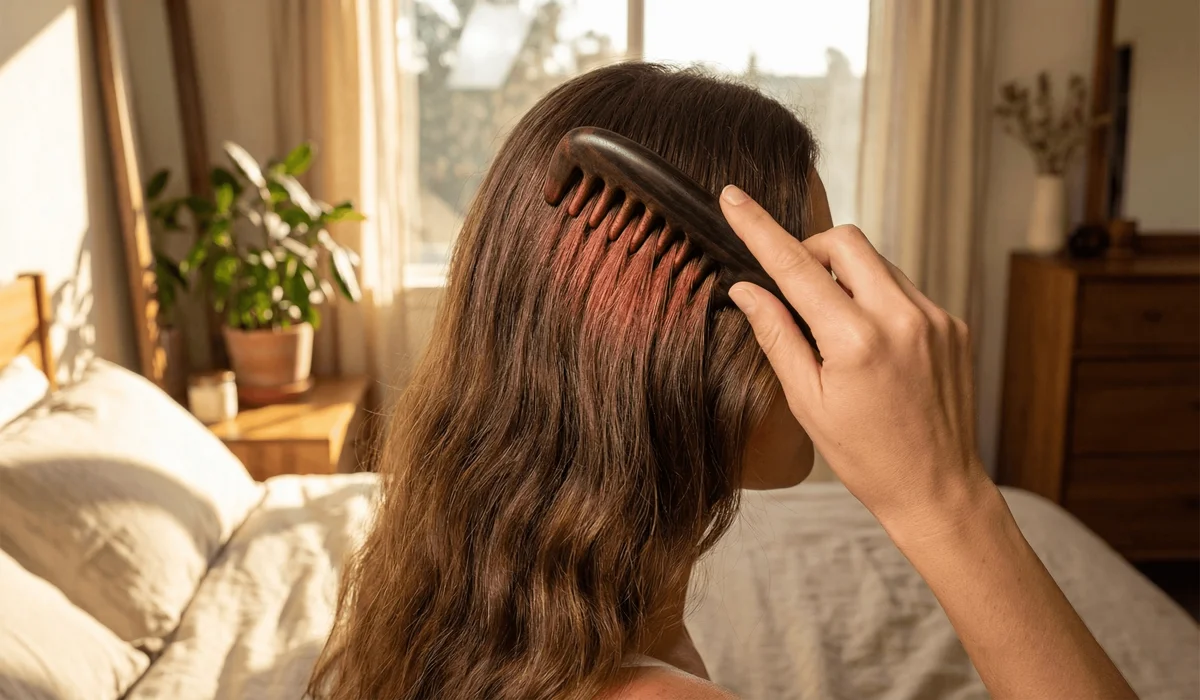
To maximize the benefits of your tool, you should follow a directional logic that aligns with natural energy flow. Traditional wisdom suggests beginning at the base of the neck and moving upward to prepare the scalp for better circulation. Working in small segments ensures every area receives proper meridian scalp stimulation and attention.
Morning and Night Rituals
Many people choose a morning ritual to awaken the scalp and prepare for the day with a boost of circulation. The benefits of combing hair with sandalwood at night include soothing the nervous system and distributing oils for overnight conditioning. You can explore our Comb Collection find here to help you start this practice correctly.
- Start at the nape of the neck and move toward the top of the head.
- Use long, rhythmic strokes to stimulate blood flow without pulling.
- Focus on the crown area to release tension and align your energy.
- Visualize vitality and strength returning to the roots with every stroke.
Setting intentions while you comb can amplify the results of your practice. Repeating affirmations of self-care and patience helps you maintain a positive mindset regarding your hair journey. This mindful approach ensures that you are treating your scalp with the respect and kindness it deserves.
Why Use a Wooden Comb vs Plastic or Metal
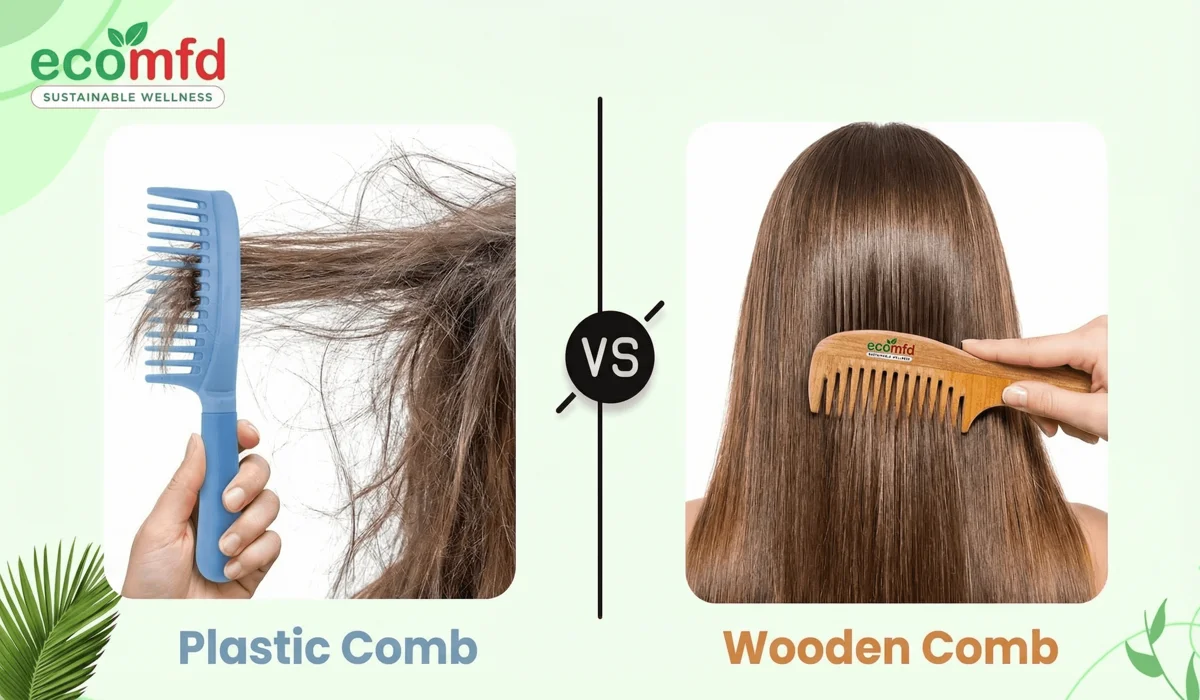
Plastic combs carry a positive electrical charge, which causes hair to fly away and the cuticle to roughen. Wooden combs are naturally carbon-based and anti-static, keeping the hair cuticle flat and smooth for a polished look. We have observed that metal tools can be too harsh for a sensitive or thinning scalp, potentially causing irritation or micro-tears.
Wood maintains a neutral temperature, providing a more comfortable experience for those with scalp sensitivities. Wood also absorbs a small amount of the hair's natural oils over time, becoming more seasoned and effective with age. This is a significant advantage over inert materials that do not interact with your body’s natural chemistry.
Who Is This Tool Suitable For?
Wooden combs are ideal for those seeking to balance the Crown Chakra, especially individuals who feel scattered or disconnected. People who feel anxious about hair changes find that holding a tactile, natural material like wood helps ground their energy. It is a perfect choice for the sustainable consumer looking for organic hair care tools.
Those with thinning hair require the most gentle scalp care to avoid unnecessary tugging. If you have dry or brittle hair, the natural sebum distribution provided by wood can help rescue parched ends. We recommend checking natural material science to understand how different organic structures interact with human tissue. Individuals with sensitive scalps also benefit from the absence of sharp plastic seams.
How to Cleanse and Care for Your Wood Comb
Proper maintenance ensures that your wooden comb remains a helpful companion for years. Avoid soaking the wood in water, as this can cause it to swell, splinter, or lose its smooth finish. Instead, use oil-based cleaning by applying a few drops of linseed or flaxseed oil on a cloth to wipe away debris while nourishing the wood.
To refresh the energy of your tool, you can use sunlight exposure by placing the comb in gentle morning light for a short time. Moonlight bathing during a full moon is another popular charging practice to align the tool with cycles of growth and renewal. Storing your comb in a dry environment, like a bedroom, will prevent it from becoming brittle or damaged.
Regularly applying a light coat of coconut or almond oil once a month keeps the wood supple. This simple step prevents the teeth from becoming rough over time. For more information on caring for your wellness tools, you can check Authentic Gemstone Variety and other natural products in our guide. Always store your tool in a natural cotton or silk bag to protect the teeth from chips.
Frequently Asked Questions
Q: Does a wooden comb help with hair growth?
A: While a comb itself does not create new hair, the scalp blood circulation stimulation it provides helps deliver oxygen and nutrients to the follicles. By reducing breakage, it allows existing hair to reach longer lengths, giving the appearance of faster growth.
Q: How does a wooden comb reduce hair breakage?
A: The anti-static properties prevent hair from becoming brittle and snapping during grooming sessions. Smooth, wide teeth allow for gentle detangling for fragile hair, meaning fewer strands are pulled out by force.
Q: Why is a wooden comb better than plastic for static?
A: Wood is a non-conductor, meaning it does not create the static electricity that causes hair to frizz and stand on end. A static-free environment keeps the hair cuticle closed, which preserves internal moisture and prevents environmental damage.
Q: How do I use a wooden comb for a scalp massage?
A: Use long, slow, rhythmic strokes from the hairline to the back of the neck. Apply light pressure so the rounded teeth press into the skin without scratching, focusing on meridian scalp stimulation.
Q: How do I clean my wooden hair comb properly?
A: Wipe the comb with a damp cloth dipped in warm water and a tiny amount of mild soap, then immediately pat dry. Never soak the wood; instead, use a light oil rub periodically to maintain the integrity of the natural material.
Conclusion and Gentle Next Step
Embracing a wooden comb is more than a beauty choice; it is a commitment to a holistic approach to healthy hair growth. By switching from plastic to wood, you invite the grounding energy of nature into your daily grooming routine. Consistent use leads to better sebum distribution, less frizz, and a revitalized scalp environment. If you want to dive deeper into spiritual tools, check the Gemological Institute of America for more on natural elements. Explore our curated selection of natural grooming tools to find the perfect companion for your hair journey.
Start your journey to better scalp health today by choosing a tool that respects your hair's natural vitality. Our sandalwood and ebony combs are designed to provide the ultimate massage experience while protecting your strands from damage.

Longyi Luck
Longyi Luck is a Feng Shui practitioner and spiritual researcher who blends traditional year-based wisdom with modern lifestyle insights, specializing inFeng Shui, spirituality, meditation, and mindfulness. With years of dedicated study and practice, Longyi explores cultural symbolism and the practical application of ancient wisdom to help individuals cultivate balance, clarity, and harmony in everyday life. Since 2020, Longyi has been committed to translating timeless traditions into accessible guidance for the modern world.
longyi@auraandluck.com






.webp?w=800&h=800)
.webp?w=800&h=800)