Knowing how to tell if your jade ring is authentic (real vs. fake) starts with simple physical checks because genuine jade has a cool touch, dense weight, and unique inner grain. Many shoppers worry about buying treated plastic or cheap dyed quartz by mistake. In this guide, our team shares hands-on tests and gemological signs to help you verify your gemstone ring with total peace of mind.
Quick Authenticity Summary:
- 💎 Mineral Truth: Real jade consists only of natural jadeite or nephrite minerals.
- 🌿 Temperature Check: Untreated jade feels instantly cold against your skin and warms up very slowly.
- 🔮 Light Inspection: Shining a penlight reveals an interlocking fibrous matrix rather than round air bubbles.
- 💎 Weight Feeling: Natural stone possesses high mineral density and feels pleasantly heavy in your palm.
- 🌿 Surface Sheen: Authentic pieces show a soft greasy-to-vitreous luster rather than an artificial plastic shine.
What Is an Authentic Jade Ring?
An authentic jade band is a timeless piece of jewelry carved from genuine natural stone. For thousands of years, artisans have prized this gemstone for its unmatched toughness and smooth feel. When you hold an original piece, you connect directly with geological history and ancient lapidary traditions.
Definition and Mineral Classifications
In gemology, true jade refers strictly to two distinct mineral species: jadeite and nephrite. Jadeite is a sodium aluminum silicate belonging to the pyroxene mineral group. Nephrite is a calcium magnesium silicate from the amphibole mineral family, as classified in the Mineral Science Encyclopedia.
Jadeite is famous for its vibrant green shades, rare lavender tones, and glassy brilliance. In contrast, nephrite presents creamy whites, deep spinach greens, and a soft oily luster. Both minerals are authentic, yet their mineral hardness and crystalline patterns differ under close inspection.
Many commercial sellers incorrectly label common minerals like calcite, serpentine, or chalcedony as jade. These common stones lack the durability and value of pure nephrite or jadeite. Understanding these mineral distinctions prevents confusion when you shop for genuine heirloom jewelry.
Origin and Material Grades
Geographical origin plays a significant role in where these fine gem-grade minerals are unearthed. Myanmar produces the vast majority of top-grade imperial green jadeite in today's fine jewelry market. Meanwhile, pristine nephrite deposits flourish across historical riverbeds in China, western Canada, and New Zealand.
Gemologists classify jade rings into three major quality grades based on chemical treatments. Type A jade represents completely natural, untreated stone polished with natural beeswax. This grade retains its pure energetic value and structural strength over decades of daily wear.
Type B jade undergoes harsh chemical acid baths to dissolve brown iron stains before polymers are injected under pressure. Type C jade has artificial dyes injected deep into micro-fissures to mimic vivid green or violet colors. These chemically altered stones often degrade, discolor, and turn brittle over time.
Basic Characteristics and Physical Structure
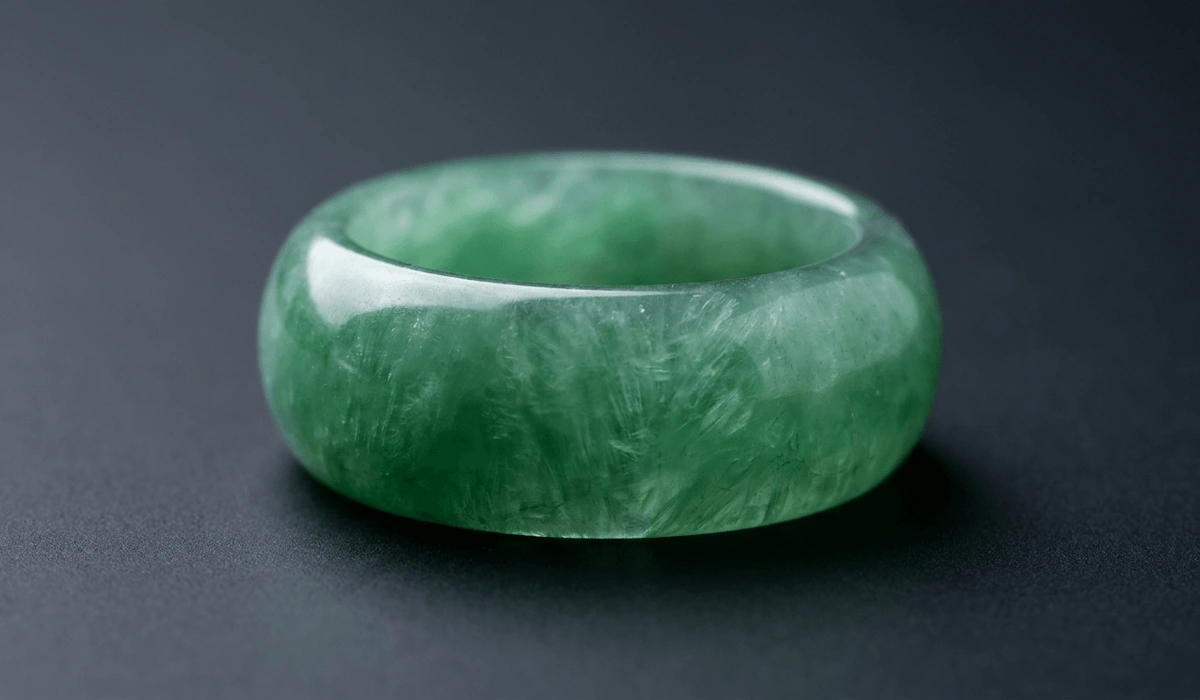
The internal architecture of real jade creates its legendary physical toughness. Nephrite features a tightly felted, interwoven fibrous weave that resists chipping better than steel. Jadeite displays a granular, interlocking crystalline structure that creates a gentle, shimmering glow beneath soft ambient light.
Natural density gives a genuine ring its distinctive tactile heft in your hand. Jadeite has a specific gravity of around 3.33, while nephrite measures between 2.95 and 3.03. Even a slender band feels noticeably substantial compared to light resin or plastic imitations.
Unset natural stones also produce a distinct acoustic chime when gently tapped together. Genuine crystalline minerals produce a high-pitched, lingering musical tone. Fake resin or treated polymer rings emit only a flat, dull plastic click.
| Mineral Property | Natural Jadeite | Natural Nephrite | Common Simulants (Glass/Serpentine) |
|---|---|---|---|
| Mohs Hardness | 6.5 to 7.0 | 6.0 to 6.5 | 2.5 to 5.5 |
| Specific Gravity | Approx. 3.33 | 2.95 to 3.03 | 2.40 to 2.60 |
| Internal Matrix | Interlocking granular crystals | Interwoven fibrous felt | Uniform, dye pools, or air bubbles |
| Surface Luster | Vitreous to pearly | Greasy to waxy | Glassy, glossy, or dull plastic |
| Initial Thermal Touch | Cold, slow warm-up | Cold, slow warm-up | Lukewarm, warms rapidly |
Spiritual Meaning & Symbolism
Beyond its physical allure, jade holds a sacred place across world cultures. For generations, people have worn this stone close to their skin as a daily source of guidance and comfort. It serves as a gentle reminder of inner strength and balanced living.
Traditional Symbolism and Cultural Context
Ancient Chinese culture reveres jade as the ultimate symbol of noble character and heavenly grace. Confucius wrote that jade embodies the five cardinal human virtues: benevolence, justice, wisdom, courage, and pure integrity. Wearing a jade ring was seen as an external reflection of a person's inner moral clarity.
Imperial dynasties considered the gem a sacred bridge linking mortal earth to the heavens above. It stood for sovereign status, long life, and spiritual protection against unseen misfortunes. Families treasured natural bands as family heirlooms passed down through successive generations.
Māori traditions in New Zealand also hold greenstone, or pounamu, in deep spiritual esteem. In Central America, ancient Maya and Olmec cultures valued jade above gold for representing life-giving breath, water, and royal renewal. Across continents, authentic green minerals have consistently represented the vital force of nature.
Heart Chakra Associations
In holistic energy traditions, genuine green jade shares a profound link with the Anahata, or Heart Chakra. Practitioners in our Crystal Healing Wisdom community value the stone for easing emotional tension. It fosters unconditional compassion, healthy self-acceptance, and stable personal boundaries.
Touching the cool, smooth band during quiet moments helps release pent-up emotional frustration. Its grounding energy reminds the spirit that true growth takes time and patience. By clearing energetic congestion around the heart center, it invites peaceful warmth into daily interactions.
"Jade does not demand attention with flashy sparkle; its true power lies in its quiet resilience, soft glow, and timeless inner calm."
Feng Shui Philosophy
In traditional Feng Shui philosophy, jade harmonizes Chi (气) within your personal living space and body. It balances dynamic Yang energy with receptive Yin energy to create steady serenity. An untreated stone acts as an energetic sponge that gathers positive, grounded vitality throughout your day.
Authentic stone rings are often worn to attract harmonious connections and protect against sudden emotional disturbances. When an artisan shapes natural jade without synthetic chemicals, its original frequency remains clear and unbroken. Chemically bleached imitations, however, lose this harmonious energetic coherence.
Placing your natural ring near resting spaces can help disperse chaotic thoughts after a demanding workday. Its peaceful vibration encourages a restful atmosphere where creativity and steady prosperity can flourish naturally. Many mindful keepers view their ring as an intimate spiritual sanctuary.
Benefits & Intentions Associated with Authentic Jade Rings
Wearing an authentic jade band daily allows you to infuse mindful intention into routine tasks. Whether worn for style or spiritual focus, the ring acts as a quiet anchor for your thoughts. It gently reminds you of your highest values during busy modern days.
Commonly Associated Intentions
Many individuals wear natural jade rings to encourage long-term prosperity, wise financial stewardship, and good fortune. Rather than promising instant wealth, the stone nurtures the practical discipline needed for enduring abundance. It teaches us to nurture our resources with steady care.
Another common intention focuses on building emotional resilience and inner calm during unexpected life shifts. The physical coolness of the mineral offers a sensory prompt to pause before reacting in stressful moments. It provides quiet reassurance when tough decisions must be made.
Finally, jade supports compassionate communication and mutual respect in professional and personal partnerships. It tempers sharp words, encouraging fair dialogue and genuine empathy. Wearing it helps you stay rooted in personal integrity under high pressure.
Mindfulness & Personal Practices
You can use your jade band as a soothing physical anchor during daily breathwork or meditation. When stress rises, simply glide your thumb along the smooth, cool curve of the stone. Take three slow breaths, feeling the dense weight bring your attention back into the present moment.
The natural clouds and fine inclusions inside your ring provide meaningful life lessons. These mineral patterns remind us that natural beauty thrives through unique individuality and organic imperfection. Embracing the stone's inner textures can help you embrace your own life journey.
Many people pair their ring with reflective morning journaling or moments of quiet gratitude. Touching your ring while setting a daily intention seals that thought into your routine. Over time, your jewelry becomes a physical companion to your personal growth.
How to Wear an Authentic Jade Ring
Choosing how and where to wear your ring can deepen your connection to its traditional symbolism. In Eastern philosophy, your hands serve distinct energetic roles that guide how you interact with the surrounding world. Understanding these subtleties allows you to wear your piece with conscious purpose.
Left Hand vs Right Hand (Feng Shui Logic)
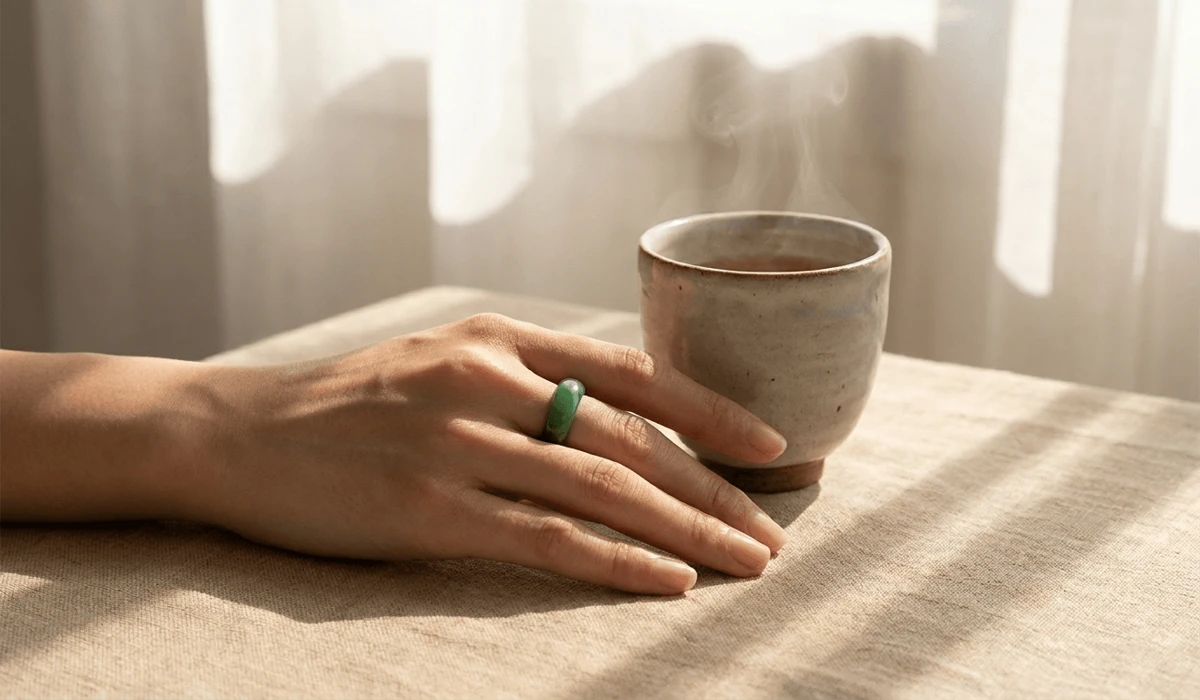
In Feng Shui logic, your left hand represents the receptive side of your body. Wearing your ring on your left hand welcomes gentle harmony, inner peace, and good luck into your personal energy field. It helps you quietly absorb the balancing, restorative qualities of the mineral.
Your right hand represents the active, expressive side of your physical presence. Wearing the ring on your right hand projects integrity, clear boundaries, and abundance out into your environment. It assists in releasing stagnant tension while protecting your personal vitality.
Finger placement also carries traditional meaning that you can adapt to your personal goals. Wearing the band on your index finger encourages authority and confidence. Placing it on your middle finger supports balance, while the ring finger nurtures love and the little finger enhances intuition.
Mindful Styling and Selection
When selecting a natural band, comfort and lifestyle fit should guide your choice. Classic solid jade saddle bands offer timeless elegance, while slender rounded bands suit minimalist daily wear. You can explore thoughtfully crafted Natural Gemstone Rings that bring grounded natural beauty into any wardrobe.
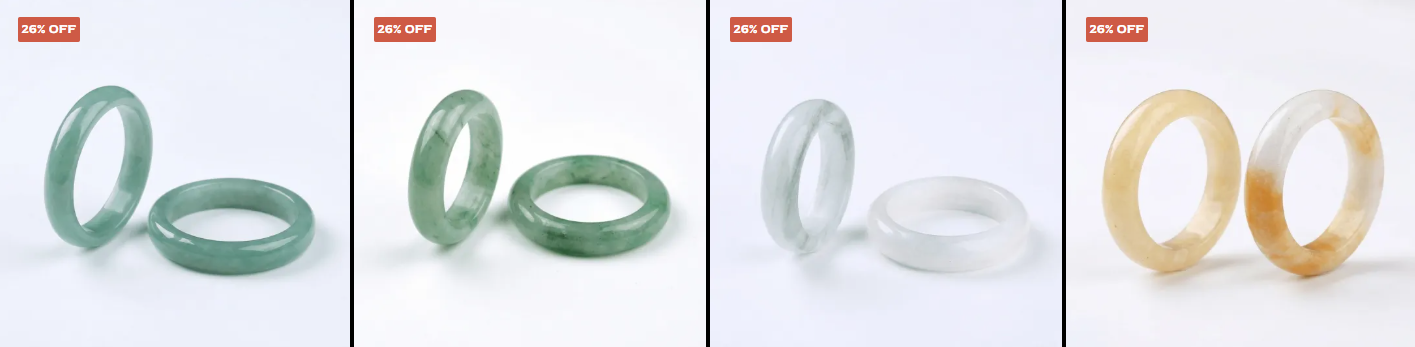
When styling your ring with other metals, pair it gently alongside sterling silver, platinum, or yellow gold. Avoid stacking thin jade bands directly against sharp diamond bands that could abrade the softer jade surface. Gemological research from the Gemological Institute Laboratory confirms that protective bezel mountings help prevent accidental edge chipping.
A natural stone band transitions effortlessly from casual morning routines to formal evening gatherings. Its earthy green glow adds understated luxury without appearing overly flashy. Wearing natural minerals keeps your personal aesthetic grounded in authentic beauty.
Intention-Setting Practices
Before slipping on your ring for the first time, take a few quiet moments to clear your thoughts. Find a peaceful spot, sit comfortably, and hold the stone band between your warm palms. Take a deep, slow breath in through your nose and let your shoulders drop.
Silently dedicate your jewelry to a clear, meaningful intention such as calmness, focus, or inner truth. Picture that intention settling comfortably into the natural crystalline structure of the mineral. This mindful pause transforms an ordinary piece of jewelry into a personal talisman.
You can refresh this mental connection whenever seasons change or during significant life milestones. Reaffirming your dedication keeps your mindfulness practice active and alive. It deepens your appreciation for the natural world every time you wear your piece.
Authentic Jade vs Similar Stones
Because genuine jadeite and nephrite command strong market value, many simulants circulate among retailers. Distinguishing between genuine stone and clever copies is an essential skill for any jewelry collector. Fortunately, careful visual observation and physical checks reveal the truth.
Video source: YouTube
Author: Jewels of the Trade
Original video link: https://www.youtube.com/watch?v=4Nos35w6DS8
Real Jade vs Serpentine (Bowenite)
Serpentine is perhaps the most frequent mineral substitute sold under deceptive trade names like "New Jade." While serpentine displays attractive translucent yellow-green tones, it is vastly softer than authentic jade. Serpentine rates only 2.5 to 5.5 on the Mohs hardness scale, making it prone to quick scratching.
In contrast, nephrite and jadeite resist scratches from steel blades and keys with ease. Serpentine also displays an overly greasy, waxy luster that looks somewhat dull compared to fine jadeite. Its color often appears unnaturally uniform, lacking the subtle internal depth found in genuine minerals.
Furthermore, serpentine feels noticeably lighter in your hand due to its lower mineral density. When inspecting a carving or band, trust your sense of touch. If the piece feels feather-light and scratches easily under gentle pressure, it is likely serpentine.
Real Jade vs Dyed Quartz and Glass
Dyed quartzite is another common imitation manufactured to deceive unsuspecting buyers. Producers take inexpensive pale quartz, fracture it with thermal shock, and soak it in vivid green dye. Under a jeweler's 10x loupe, you can easily spot artificial color concentrated in spiderweb cracks.
Man-made glass copies, historically known as Peking glass, are also widespread in vintage markets. Glass imitations often contain tiny, spherical gas bubbles trapped during factory melting. Natural jade never contains spherical air bubbles; its inclusions are strictly crystalline or fibrous.
Glass also conducts heat quickly, warming up to your body temperature within seconds of contact. It feels lightweight, hollow, and sharp on polished edges. A genuine mineral ring retains its cool, steady composure far longer than commercial glass.
Safe Practical Distinctions to Spot Simulants
You can execute a simple jade cold touch test at home without risking damage to the stone. Place the ring against the sensitive skin of your cheek, wrist, or neck. Genuine mineral jade feels icy cold instantly and takes noticeable time to absorb ambient body warmth.
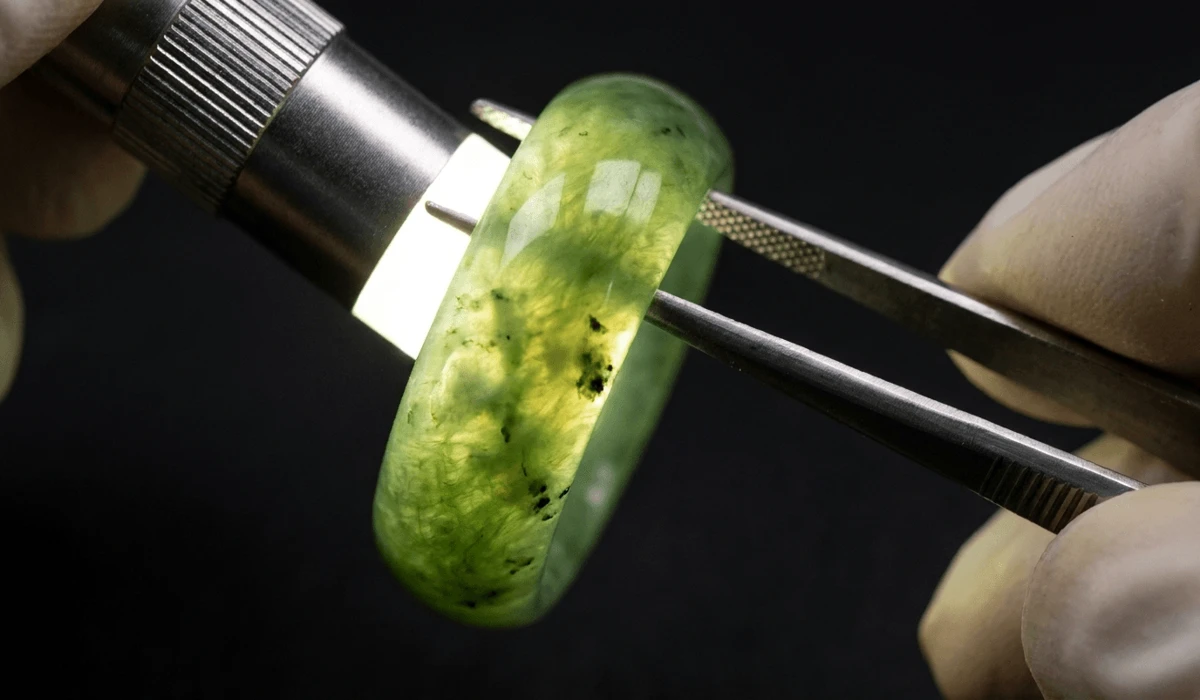
Another reliable inspection is the jade flashlight translucency test using a focused penlight. Shine bright light through the side of the band while observing its internal grain. Authentic pieces display a tight, interwoven crystalline felt or sugar-like grain rather than featureless perfection.
Watch out for bargain prices on flawless, intensely saturated emerald-green jewelry pieces. If a ring looks like high-end imperial jade but costs only a few dollars, it is undoubtedly dyed quartz, resin, or glass. Genuine Type A mineral specimens always reflect their rarity in their market value.
Who Is an Authentic Jade Ring Suitable For?
An authentic jade band is a versatile gemstone suitable for anyone who appreciates natural mineral beauty. Its gentle, non-reactive energy makes it comfortable for continuous daily wear across diverse lifestyles. Whether you seek emotional grounding or timeless style, this stone adapts naturally to your journey.
Chakra or Energy Alignment
This ring is especially supportive for individuals experiencing an overstimulated or burdened Heart Chakra. If you often feel emotionally drained by caring for others, jade offers replenishing, steady support. It helps rebuild emotional boundaries while preserving genuine warmth and kindness.
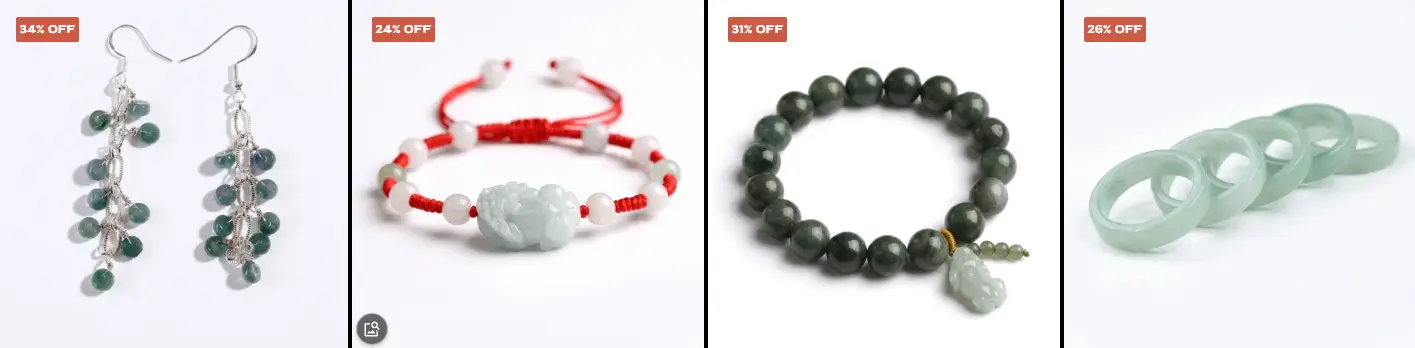
Spiritual seekers who feel overwhelmed by erratic mental chatter also benefit from its calming presence. Exploring our Spiritual Crystal Treasures reveals how earth-aligned stones provide steady stability during busy seasons. Jade gently roots wandering energy back into your physical body.
Those recovering from past heartbreak or difficult personal transitions will find comfort in its quiet reassurance. The stone encourages forgiveness, patience, and realistic optimism. It supports your heart without forcing emotional breakthroughs before you feel ready.
Astrological and Elemental Resonance
In astrology, jade resonates harmoniously with earth and air signs, especially Taurus and Libra. Governed by Venus, both signs appreciate enduring elegance, natural beauty, and harmonious relationships. Jade provides Taurus with gentle flexibility, while offering Libra steady grounding for clear decision-making.
In classical Feng Shui, green jade belongs to the Wood element, which represents renewal, personal vitality, and healthy expansion. It encourages organic personal growth, much like a young tree putting down deep roots before branching toward the sky. It helps prevent physical exhaustion and professional burnout.
Even if your astrological chart lacks strong earth placements, wearing jade brings welcome balance. It tempers fiery impulsiveness and lifts heavy emotional stagnation. Its neutral, soothing resonance works in peaceful harmony with all zodiac signs.
Lifestyle and Everyday Intentions
Minimalists and mindful professionals often choose jade for its understated elegance and durable nature. Unlike delicate gemstones that chip with minor knocks, a quality jade band withstands daily office wear with ease. It pairs effortlessly with tailored suits, relaxed linen, and casual weekend attire.
Passionate gem collectors value untreated jade for its profound cultural heritage and authentic lapidary history. Owning a Type A ring means holding a completely natural treasure shaped by patient craftsmanship. It honors earth-conscious mining and traditional gemstone appreciation.
Finally, anyone seeking a tangible reminder to practice daily kindness will treasure this ring. Simply feeling its smooth surface serves as a discreet call to remain patient and fair. It is an everyday companion for living with grace and quiet confidence.
How to Cleanse, Charge, and Care for an Authentic Jade Ring
Proper care ensures your genuine ring retains its deep luster and energetic vitality for decades. While jade is famous for its physical toughness, mindful cleaning habits protect its natural surface polish. A few thoughtful care practices will keep your piece glowing brightly.
Gentle Physical Cleansing Methods
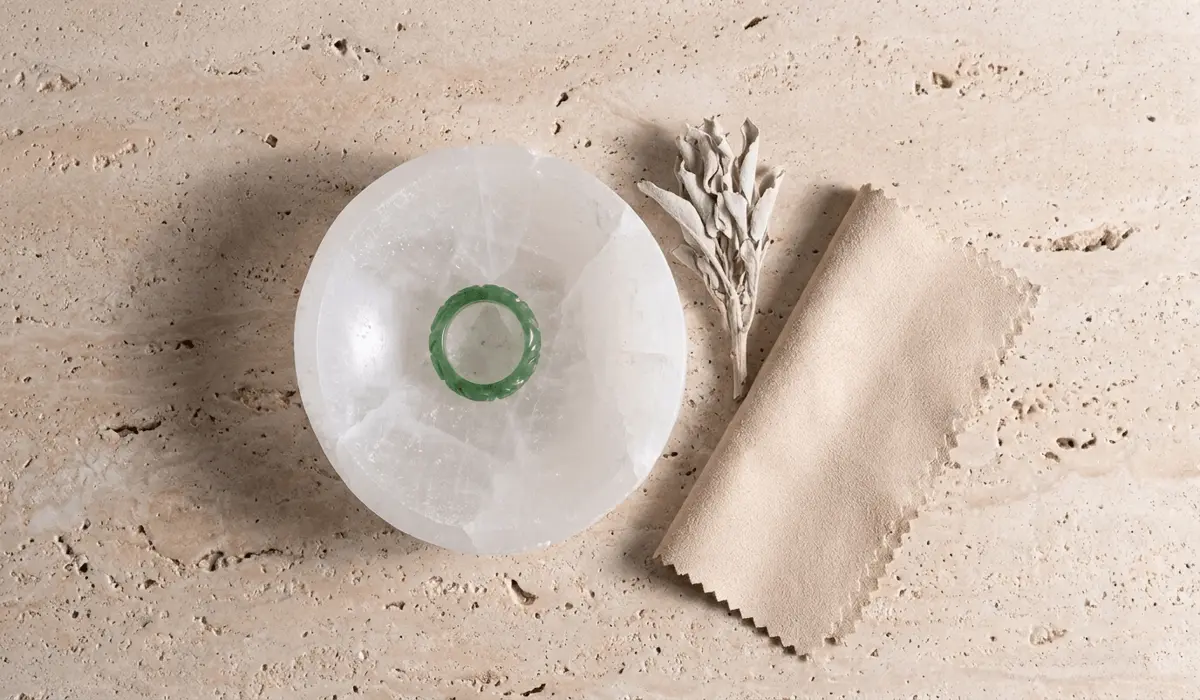
To clean your ring safely, use only warm water, a tiny drop of mild fragrance-free soap, and a soft microfiber cloth. Gently wipe away skin oils, dust, and cosmetic residue from the inner and outer band. If dirt gathers behind a metal setting, clean it gently using an ultra-soft baby toothbrush.
Never clean natural jade with ultrasonic cleaners, steam machines, or harsh household chemicals like bleach and ammonia. These intense treatments can expand micro-fissures or strip protective natural waxes from untreated stones. Professional guidelines from the Gemmological Association Standards advise avoiding steam or ultrasonic cleaners on delicate nephrite.
After washing, pat the ring completely dry using a clean, lint-free towel before wearing or storing it. Allowing tap water to air-dry on the stone can leave dull mineral spots over time. Simple, gentle washing keeps your stone looking pristine without aggressive polishing agents.
Energetic Cleansing and Charging Practices
To refresh the subtle energetic balance of your ring, rest it beneath the soft glow of overnight moonlight. The gentle light of a full moon naturally clears accumulated energetic weight without exposing the stone to harsh heat. Simply set the ring on a clean windowsill before you sleep.
You can also cleanse your jewelry using the fragrant smoke of natural dried white sage, cedar, or palo santo wood. Hold your ring within the rising smoke for several slow breaths while focusing on renewed clarity. This ancient ritual leaves the stone feeling energetically fresh and light.
Another excellent cleansing method is placing your band directly upon a natural raw selenite charging plate or clear quartz cluster. Selenite naturally clears static vibrations from other minerals without needing water or sunlight. Resting your ring on selenite overnight keeps its vibration pure and grounded.
Daily Care, Physical Durability, and Safe Storage
Although jade has exceptional structural toughness, avoid striking it directly against hard granite countertops or metal gym equipment. A sharp impact along a hidden natural crystal boundary can cause internal fractures or chipping. Treat your ring with conscious respect throughout active routines.
Always remove your gemstone ring before swimming in chlorinated pools, soaking in hot tubs, or applying household cleaning agents. Harsh chlorine and acids can etch the polished surface of the stone, causing it to lose its lustrous shine. Store cosmetics and perfumes away from your precious jewelry.
When you are not wearing your ring, store it inside a dedicated fabric pouch or lined jewelry box compartment. Keep it separated from harder gemstones like diamonds, sapphires, and rubies that could scratch its smooth face. Thoughtful storage preserves your cherished keepsake for future generations.
Frequently Asked Questions
Q: How to distinguish between real and fake jade?
A: Check the internal structure by shining a focused penlight through the stone. Real jade reveals a dense, fibrous, or granular crystalline matrix, whereas glass imitations show round air bubbles and dyed quartz reveals color gathered in cracks. Authentic jade also feels noticeably cold on initial skin contact, possesses distinct density in hand, and has a soft waxy-to-vitreous luster rather than an artificial plastic shine.
Q: What are the key differences between jadeite and nephrite?
A: Jadeite is a pyroxene mineral with a hardness of 6.5 to 7.0 and a density around 3.33, famous for its vivid emerald greens, lavenders, and glassy brilliance. Nephrite is an amphibole mineral with a hardness of 6.0 to 6.5 and a density near 2.95 to 3.03, celebrated for its extreme structural toughness, oily sheen, and creamy white or spinach green tones. Jadeite is rarer and commands higher gemological prices, while nephrite holds deep historical significance in ancient carvings.
Q: What stone gets mistaken for jade?
A: Serpentine is the most common mineral mistaken for jade because its yellow-green color closely resembles nephrite, though it is much softer and scratches easily with a pocketknife. Other common simulants include dyed quartzite, green aventurine, prehnite, grossular garnet, chrysoprase, and colored art glass. Examining hardness, density, and inner crystal structure under magnification helps quickly identify these look-alikes.
Q: Does jade fluoresce under black light?
A: Natural untreated Type A jade typically shows no fluorescence or only a faint, inert reaction under long-wave ultraviolet light. In contrast, chemically bleached and polymer-treated Type B jade often emits an obvious chalky greenish-white or bluish glow under UV light due to synthetic resin fillers. While a black light test is a helpful screening tool, final authentication requires professional laboratory spectroscopy.
Q: Who cannot wear jade?
A: From a holistic viewpoint, jade is a gentle, harmonizing stone suitable for anyone drawn to wear it with conscious mindfulness. However, individuals who feel unusually sluggish, chilled, or disconnected from practical tasks might temporarily prefer warming, active stones like carnelian over cooling jade. In practical terms, anyone performing heavy industrial labor or handling harsh chemicals should remove delicate solid bands during their shifts.
Conclusion & Gentle Next Step
Distinguishing an authentic jade ring comes down to recognizing the unique mineral qualities of genuine jadeite and nephrite. Natural coldness, solid density, and an interwoven internal grain are true signs of untreated stone. By avoiding chemically altered imitations, you ensure your talisman retains both its physical durability and its organic harmony.
We encourage you to inspect your jewelry with mindful curiosity and patient observation. A genuine stone band connects you with ancient traditions of integrity, balance, and quiet resilience. When you choose natural minerals, you invest in authentic beauty that deepens in personal meaning with every passing year.
Our Studio Note: When curating your personal jewelry collection, prioritize quality, ethical sourcing, and honest mineral disclosure over bargain prices. An authentic jade band is more than an accessory; it is a lifelong companion for calm composure, inner balance, and mindful daily living.
The content in this article is provided solely for informational, educational, and cultural exchange purposes. It does not constitute medical, legal, financial, or other professional advice. Readers should consult qualified professionals regarding personal health concerns or gemological appraisals.

Longyi Luck
Longyi Luck is a Feng Shui practitioner and spiritual researcher who blends traditional year-based wisdom with modern lifestyle insights, specializing in Feng Shui, spirituality, meditation, and mindfulness. With years of dedicated study and practice, Longyi explores cultural symbolism and the practical application of ancient wisdom to help individuals cultivate balance, clarity, and harmony in everyday life. Since 2020, Longyi has been committed to translating timeless traditions into accessible guidance for the modern world.
longyi@auraandluck.com