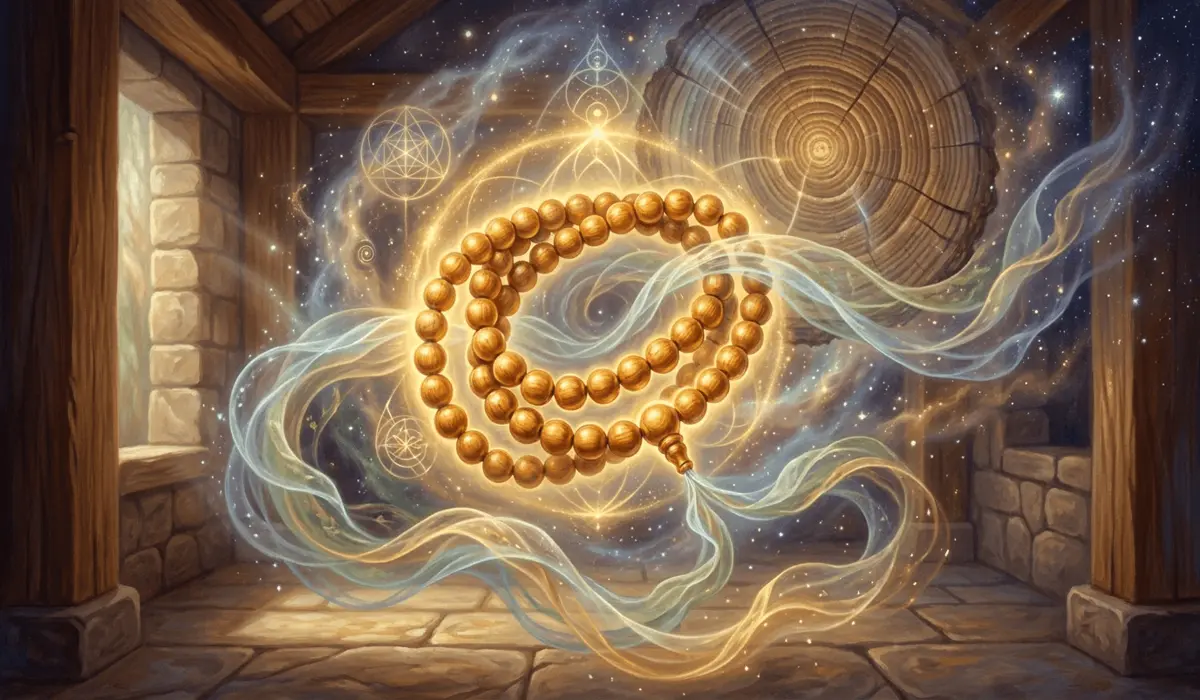
Knowing the difference between a Real vs. Fake Sandalwood Mala: How to Spot Perfumed Wood protects your meditation practice and personal investment. Sandalwood beads are prized for their calming botanical essence, but commercial markets are filled with synthetic imitations dipped in artificial fragrances. In this expert guide, our team reveals how to identify genuine heartwood, spot chemical counterfeits, and choose authentic beads that bring lasting tranquility to your daily rituals.
Quick Summary:
- 🌿 Authentic sandalwood carries a soft, creamy, and warm woody scent that deepens with body heat.
- 🌿 Counterfeit beads rely on harsh synthetic perfumes that evaporate completely within weeks.
- 🌿 True sandalwood displays a natural matte luster, visible pores, and an organic tactile density.
- 🌿 Non-destructive testing like thumb friction reveals the enduring internal oil of genuine wood.
- 🌿 Safe storage in sealed glass keeps the sacred botanical heartwood vibrant for decades.
What Is a Real vs. Fake Sandalwood Mala: Understanding Perfumed Wood
Authentic prayer beads hold a rich spiritual legacy that synthetic materials simply cannot duplicate. When we curate natural beads at Aura & Luck, we closely examine the cellular structure of raw heartwood. High-grade wooden prayer beads offer a tactile comfort and grounding presence that cheap wooden substitutes never achieve.
Botanical Origin and Authentic Heartwood
True white sandalwood originates primarily from mature trees known botanically as Santalum album. The tree slowly generates its dense aromatic resin inside the inner core over several decades. This slow botanical process results in deep cellular oil saturation that never washes away or dries out.
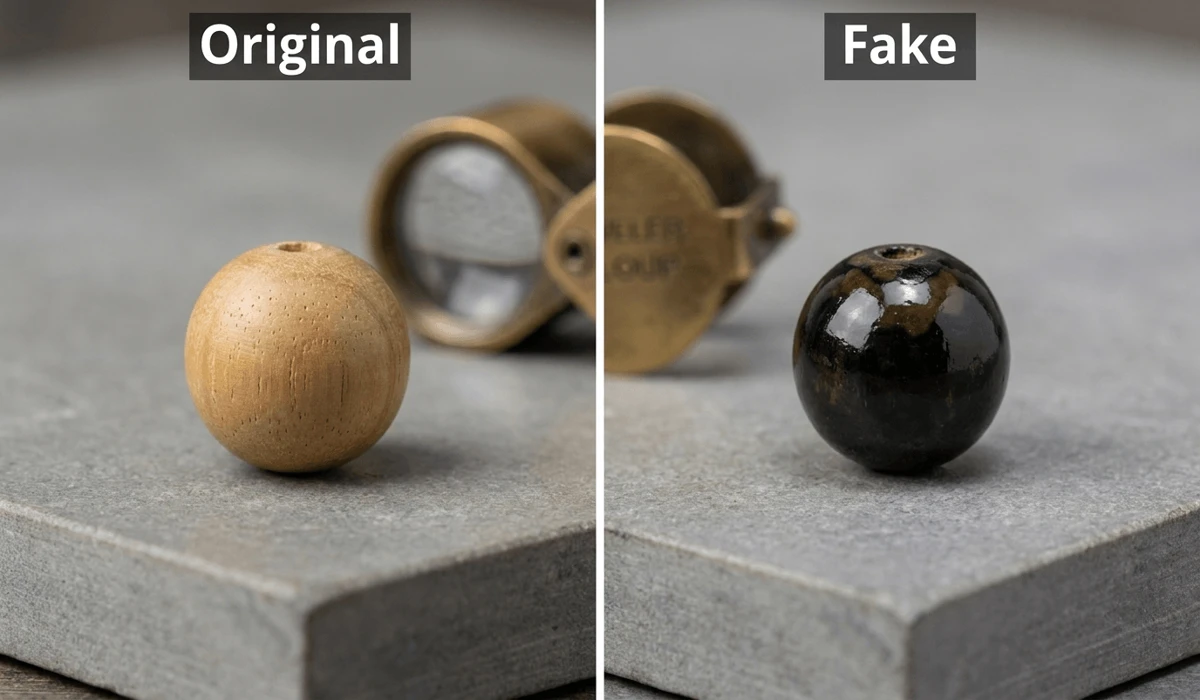
Genuine beads feature a subtle matte luster and a delicate honey-cream to pale golden-brown shade. They never display a glossy artificial varnish or blotchy industrial coatings. Standard analytical references such as Gemological Institute Standards remind us that nature values organic structural harmony over synthetic perfection.
Characteristics of Synthetic Perfumed Wood
Counterfeit malas are commonly crafted from low-cost carrier timbers soaked in chemical perfume tanks. These artificial products hit your senses immediately with an overpowering, sharp floral or chemical cologne scent. The volatile industrial solvents irritate sensitive noses and create immediate synthetic top notes.
Cheap imitations often feel unnaturally slick, sticky, or coated in plastic lacquer. The added fragrance sits purely on the bead surface and evaporates completely within a few short weeks of open exposure. Once the artificial perfume dissipates, you are left with an odorless piece of generic scrap lumber.
Bead Density and Physical Texture
Genuine sandalwood heartwood possesses a notable compact density that feels balanced and grounded in the palm. When you hold an authentic mala, the beads quickly adjust to your natural skin warmth. This gentle thermal transfer awakens the internal aromatic resins without any artificial manipulation.
In contrast, fake beads feel hollow, unusually lightweight, or excessively brittle. Microscopic examination of authentic beads reveals tiny tubular pores along with fine radial grain rings. Cheap dipped alternatives frequently exhibit blurred grain lines where liquid dyes have pooled heavily around the string drill holes.
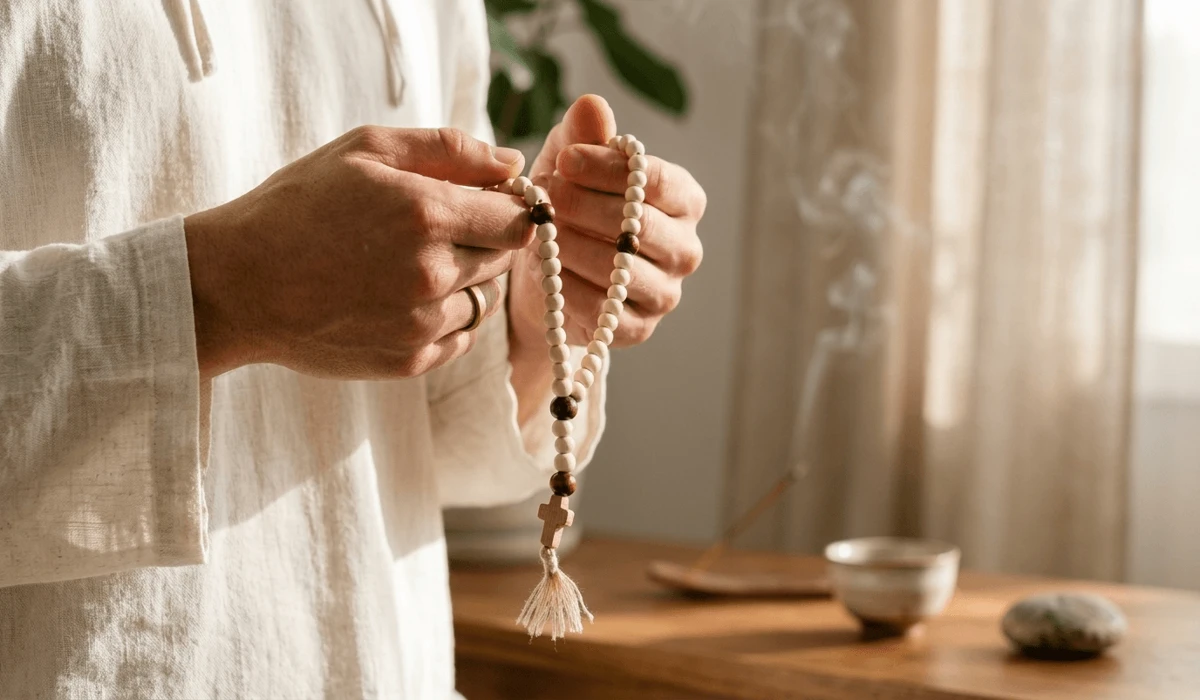
Spiritual Meaning & Symbolism of Sandalwood Beads
For thousands of years, spiritual practitioners have turned to sandalwood to calm an overactive mind. The gentle fragrance acts as a physical bridge between the busy outer world and inner stillness. In classical meditation circles, sandalwood beads represent spiritual clarity, humble devotion, and gentle perseverance.
Traditional Sacred Symbolism
Sacred texts celebrate sandalwood for its natural ability to cool the senses and calm emotional agitation. During repetitive mantra recitation, moving each bead through your fingers establishes a rhythm of steady focus. Sandalwood is widely considered an emblem of purity that remains untainted by worldly chaos.
Many holistic traditions link this fragrant wood with balanced energy work and Energy Healing Practices. The organic warmth of sacred timber reminds us to stay rooted while opening our thoughts to higher wisdom. It allows the practitioner to sustain long meditation sessions without feeling weighed down.
Feng Shui Wood Element Balance
In classical Feng Shui, sandalwood represents the vibrant Wood element, which governs personal growth, health, and vitality. Sacred wood helps soften rigid environmental energy and brings flexibility into stagnant physical spaces. Wearing natural wooden beads encourages harmonious Chi (气) circulation throughout your daily routine.
When placed on an altar or worn against the skin, sandalwood balances aggressive Fire energy with cooling botanical comfort. It grounds fluctuating emotional states into an easy, peaceful baseline. This unique energetic signature makes it an exceptional choice for modern living spaces filled with digital noise.
Cultural Context of Chandan
Across traditional Eastern philosophies, white sandalwood is revered under the ancient name of Chandan. It is frequently ground into a sacred paste to mark the third eye center during spiritual celebrations. This custom honors the wood's timeless role in clearing mental fog and awakening conscious awareness.
Meanwhile, red sandalwood beads represent physical vigor, active protection, and root strength. While natural red sandalwood has no distinct aroma, its earthy crimson grain brings robust grounding symbolism. Both botanical varieties carry deep cultural reverence that supports mindful, intentional living.
"The gentle scent of true sandalwood does not fight for attention. It rests quietly within the grain, waiting for human warmth to awaken its sacred medicine."
Benefits & Intentions Associated with Authentic Sandalwood
Wearing natural sandalwood prayer beads is a sensory practice that supports emotional stability throughout the day. Authentic wood interacts continuously with your personal aura, offering gentle comfort whenever stress arises. Our clients often share how touching their beads helps them reset difficult conversations and maintain thoughtful boundaries.
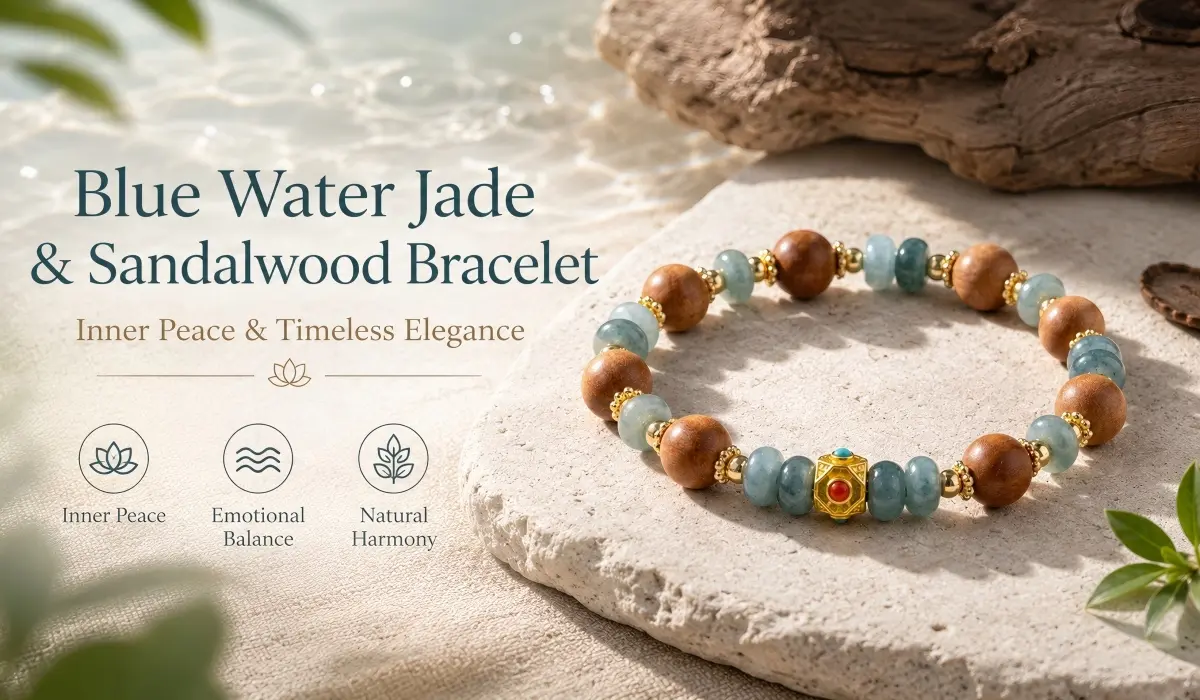
Traditional Mindfulness and Grounding Intentions
Many practitioners choose sandalwood malas when setting intentions around patience, emotional resilience, and mindfulness. Holding the smooth, tactile beads provides a physical anchor during stressful moments at home or at work. Each bead counted becomes a quiet commitment to steady breath and clear purpose.
The subtle natural fragrance gently cues the brain to slow down during rhythmic breathing exercises. Because true sandalwood retains its internal oils for decades, this sensory anchor never disappears. It creates a lasting memory pathway that instantly brings your mind back to calm contemplation.
Sensory Alignment and Daily Wear
Commercial perfumes can cause sensory fatigue, headaches, or allergic skin reactions for sensitive individuals. Genuine sandalwood malas offer an earthy, soothing alternative that stays close to your skin. The soft aroma does not project loudly into an entire room; rather, it remains an intimate personal sanctuary.
As the beads rub against your wrist or clothing, your body heat naturally diffuses minute amounts of pure botanical oil. This quiet interaction grounds nervous energy and calms mental racing. Daily wear turns your prayer beads into a dependable energetic companion that grows sweeter with age.
How to Wear a Sandalwood Mala
Working with sacred prayer beads involves mindful intention and respectful daily handling. Whether you wear your mala as a necklace or wrap it around your wrist, the placement carries symbolic meaning. Understanding energetic traditions helps you align your chosen beads with your specific spiritual aims.
Left Hand vs. Right Hand Traditions
Wearing your mala on your left wrist aligns with receptive energy practices in traditional Eastern thought. The left side welcomes peaceful Chi (气), invites emotional healing, and supports quiet contemplation. It is the ideal wrist when your primary focus is personal introspection and stress reduction.
Conversely, adorning your right wrist corresponds with projective energy, decisive action, and outward boundary protection. The right side helps you project calm confidence, focus during public speaking, and channel creative intentions into tangible results. You can easily switch wrists based on whether you need inner calm or outward energetic clarity.
Respectful Daily Etiquette
To preserve natural wooden beads, remove your mala before showering, swimming, or rigorous exercise. Excess moisture causes natural timber to swell, which can weaken the internal cord and dull the natural luster. Like delicate materials recognized by the Gemmological Association Heritage, natural botanicals require mindful moisture protection.
Avoid placing your sacred mala directly on dirty floors, bathroom counters, or cluttered surfaces. When not in use, place your beads inside a clean cloth pouch or on a dedicated home altar. Treating your spiritual beads with mindful care keeps your practice elevated and conscious.
Preparation and Intention Setting
Before wearing your mala for the first time, take a moment to clear your mind and set your purpose. Hold the beads gently between your palms at heart level and take three slow, deliberate breaths. Silently state an affirmation that aligns with your current path, such as steady presence or compassionate speech.
Those interested in rare natural botanicals can explore our Sacred Wood Identification Guide to discover how resin forms in ancient forests. Learning about various botanical treasures enriches your spiritual awareness and deepens your bond with natural healing tools. Mindful preparation transforms a simple strand of beads into a meaningful personal talisman.
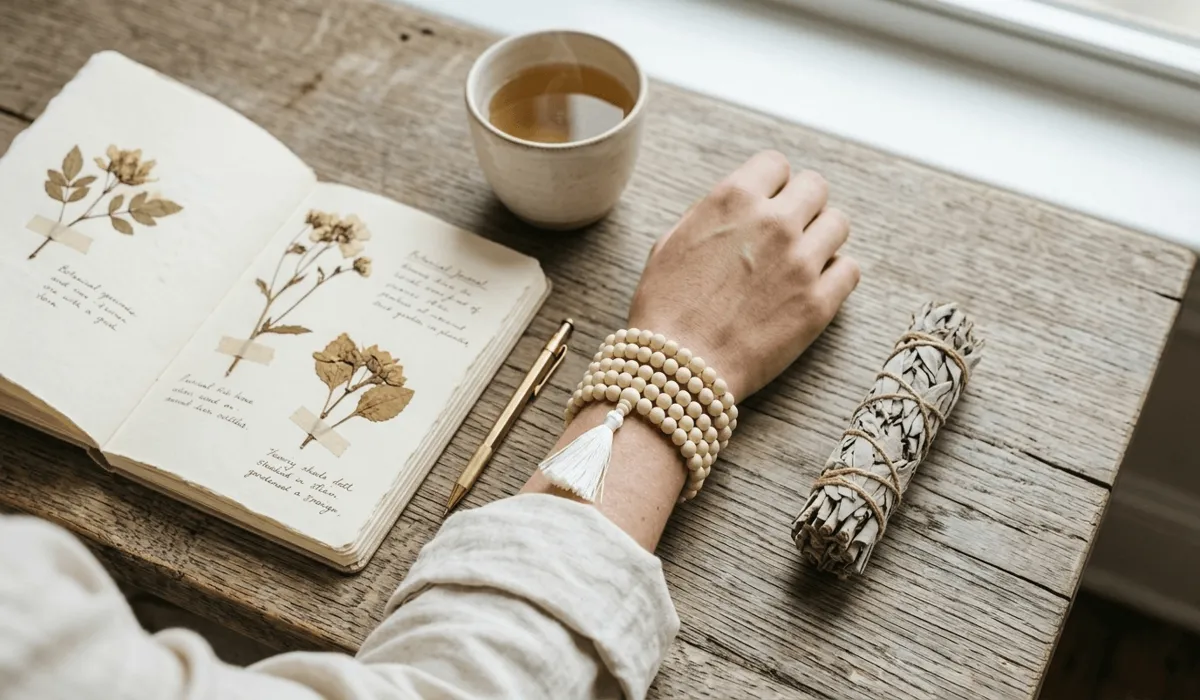
Sandalwood Mala vs Similar Sacred Woods
Selecting the right sacred wood depends on your personal energetic needs and sensory preferences. Sandalwood is widely loved, but other revered timbers like agarwood and red sandalwood hold unique ceremonial places. Examining their differences ensures you choose the bead variety that aligns best with your practice.
Sandalwood vs. Agarwood (Aloeswood)
Sandalwood offers a delicate, creamy, warm, and comforting woody aroma that is universally soothing. Agarwood, often called aloeswood or oud, delivers an intense, deeply resinous, and multifaceted scent profile. Sandalwood builds its resin naturally as heartwood matures, whereas agarwood resin develops only when the tree defends against microbial molds.
Energetically, sandalwood provides cooling tranquility, soft emotional stability, and mental clarity. Agarwood is prized for deep trance contemplation, spiritual transcendence, and awakening mystical consciousness. Both botanicals hold legendary prestige, but sandalwood remains far more accessible for everyday mindfulness routines.
White Chandan vs. Red Sandalwood
White sandalwood (Santalum album) is cherished primarily for its lingering natural essential oils and cooling nature. Red sandalwood (Pterocarpus santalinus), while equally sacred, possesses no natural fragrance of its own. Red sandalwood is prized for its heavy density, radiant ruby-brown hue, and protective grounding energy.
White chandan helps open throat and crown chakra communication through cooling sensory harmony. Red sandalwood connects strongly with the root chakra, bolstering vitality, courage, and physical stability. Choosing between them comes down to whether you seek aromatic sensory calm or visual grounding strength.
| Wood Type | Botanical Name | Natural Scent Profile | Primary Energetic Focus | Core Element |
|---|---|---|---|---|
| White Sandalwood | Santalum album | Soft, creamy, warm, persistent | Cooling, mental clarity, tranquility | Wood & Water |
| Red Sandalwood | Pterocarpus santalinus | Naturally odorless, earthy wood | Root grounding, strength, protection | Wood & Fire |
| Agarwood (Oud) | Aquilaria agallocha | Deep, complex, balsamic resin | Spiritual awakening, high trance | Ether & Earth |
Who Is a Sandalwood Mala Suitable For?
Sandalwood is an inclusive, non-denominational botanical ally that welcomes all seekers regardless of background. Its neutral and gentle vibration harmonizes well with beginners and seasoned practitioners alike. If you desire a natural tool to steady your thoughts, this sacred wood serves as an enduring companion.
Energy and Chakra Alignment
Those with an overactive third eye or racing crown chakra find sandalwood exceptionally soothing. The natural cooling botanical resin helps settle mental chatter without making the body feel heavy or lethargic. It gently balances the upper energetic centers while supporting an easy connection to the physical breath.
Sandalwood also supports the root chakra for individuals who find heavy mineral stones too cold or rigid. Natural timber carries the living pulse of ancient forests, providing organic stability that feels warm against your pulse points. Exploring our Mindful Spiritual Collections allows you to combine sacred woods with harmonious stones for layered personal balance.
Lifestyle and Contemplative Practices
Dedicated meditation practitioners love authentic sandalwood beads because the fine natural grain offers a comfortable, non-slip grip. Each bead shifts smoothly through the fingers during repetitive mantra recitation without catching or feeling sticky. The natural durability of genuine heartwood ensures your mala withstands decades of daily spiritual practice.
Busy professionals also benefit from wearing sandalwood malas as understated, discreet bracelets under office attire. Touching the cool wooden beads under a desk provides an instant reset during intense boardroom meetings. Yoga practitioners and breathwork students use the tactile sensation as an immediate physical anchor to pause and center themselves.
Elemental Harmony
Sandalwood is especially helpful for individuals carrying excessive Fire energy in their personal balance charts. If you tend toward impatience, quick frustration, or burnout, the cooling wood energy tempers that intense internal heat. It invites a flexible, forgiving perspective into demanding work and relationship environments.
Because wood signifies natural renewal, incorporating sandalwood into your personal rotation encourages continuous creative growth. It softens stubborn mindsets and makes space for fresh, collaborative inspiration to flourish naturally. Regardless of your personal astrological sign, the balanced resonance of natural heartwood provides gentle everyday support.
How to Cleanse, Charge, and Care for Sandalwood Beads
Caring for genuine wooden prayer beads differs greatly from cleaning stone or crystal jewelry. Because wood is porous and alive with organic resin, it requires gentle handling and water-free maintenance. Proper care ensures your mala retains its sacred aroma and supple surface for generations to come.
Authenticity Tips & Non-Destructive Testing
To confirm your mala is genuine without damaging the wood, try the simple thumb friction test. Vigorously rub a single bead between your thumb and index finger for twenty seconds to generate light surface heat. Authentic sandalwood will immediately release a delicate, warm, creamy scent that smells completely natural.
Another reliable non-destructive method is the sealed glass container test. Place your beads inside a clean, unscented glass jar for forty-eight hours and seal the lid tightly. When opened, real wood reveals a balanced, soothing cedar-honey aroma, while fake perfumed wood releases an acrid, pungent chemical vapor.
Video source: YouTube
Author: Niel Anchor
Original video link: https://www.youtube.com/watch?v=pme1g_zQHwE
Gentle Cleansing Practices
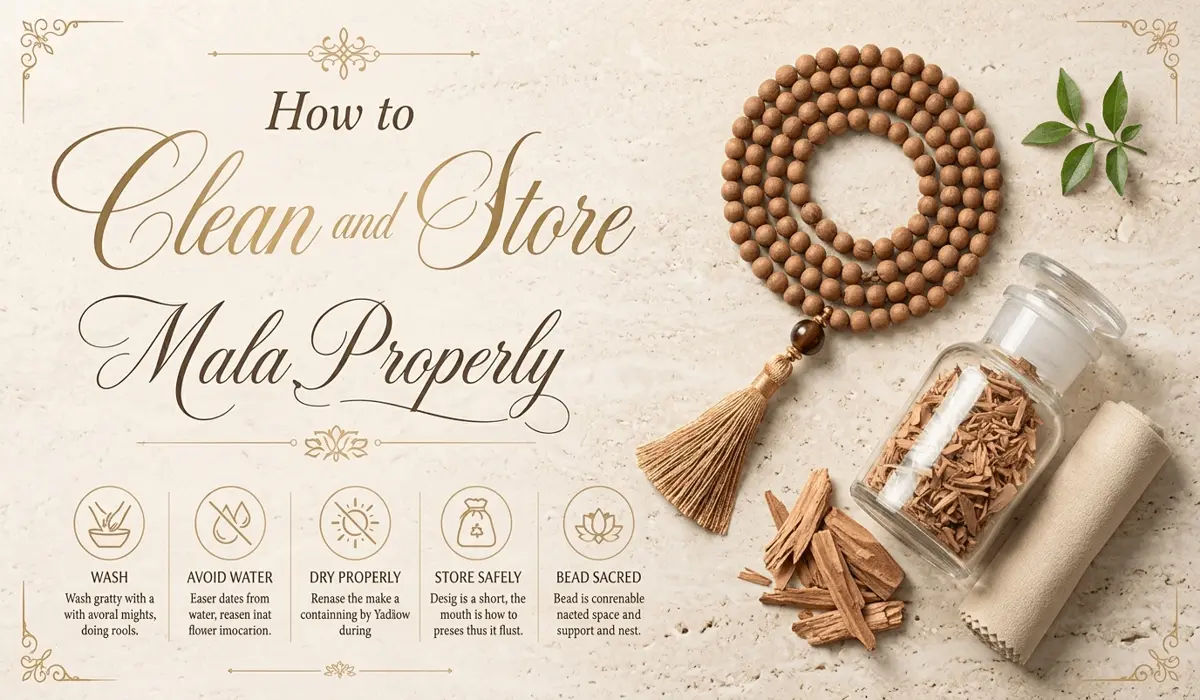
Never submerge your sandalwood beads in water, soap, rubbing alcohol, or liquid jewelry cleansers. Moisture penetrates the cell walls of the wood, causing grain swelling and structural cracks. Instead, gently buff the surface of your beads with a clean, dry microfiber cloth to remove daily skin oils and dust.
For energetic purification, pass the beads through the botanical smoke of white sage, cedar, or sweetgrass. You can also place your mala beside a singing bowl while striking it softly to refresh its vibrational balance. Historical botanical accounts recorded in Botanical Heartwood History show that sacred trees have long thrived on smoke and natural air rather than chemical cleansing.
Storage and Aroma Revival
When you are not wearing your mala, store it in an airtight glass apothecary jar or a breathable silk pouch. Keeping the beads away from dry radiator drafts and direct sunlight preserves the delicate internal essential oils. Sudden temperature shifts can dry out the natural wood fibers, leading to small surface fissures.
If your beads seem to lose their aroma after months of wear, their pores are likely coated with surface skin oils. Simply wipe the beads down with a clean cotton pad and place them inside a sealed container alongside pure sandalwood shavings for a week. The resting beads will naturally reabsorb the fragrant oils and awaken with renewed vibrancy.
Frequently Asked Questions
Q: How can I tell if my sandalwood mala is genuine or fake?
A: Authentic sandalwood displays a soft, warm, creamy scent that slowly intensifies when warmed by body heat or friction. Fake beads are soaked in synthetic perfumes that smell excessively sharp or floral right away and fade away within weeks. Genuine beads also reveal visible organic micro-pores and fine grain lines rather than glossy synthetic coatings.
Q: Why does the fragrance of synthetic sandalwood beads fade so quickly?
A: Synthetic scents rely on volatile artificial fragrance chemicals suspended in fast-evaporating alcohol solvents. When exposed to open air, these surface compounds dissipate completely within a few weeks. Real sandalwood stores natural essential oil deep inside its cellular heartwood, allowing the wood to release its soothing fragrance for decades.
Q: What are safe, non-destructive ways to test sandalwood beads at home?
A: Rub a single bead between your thumb and finger for twenty seconds to generate gentle friction heat. Real sandalwood will immediately release an authentic, warm woody aroma that feels pleasant and soothing. You can also inspect the drill holes with a magnifying loupe to ensure natural wood grain continues smoothly through the hole without pooled dye.
Q: What are the primary warning signs of chemically dipped prayer beads?
A: An immediate red flag is a sharp, room-filling perfume aroma upon opening the shipping box that causes throat or eye irritation. You may also notice a sticky residue on your fingers when holding the beads in warm weather. Over time, chemically treated fake beads lose all scent and expose pale, generic, odorless wood underneath.
Q: How should I store my sandalwood mala to keep its natural scent strong?
A: Store your mala in an airtight glass jar or a clean silk pouch kept away from heat sources and direct sunlight. Avoid storing your beads near artificial perfumes, scented room sprays, or chemical cosmetics that could soak into the porous wood. Sealing your mala occasionally with pure sandalwood shavings will gently refresh its natural botanical aroma.

Golden Silk Sandalwood 108 Bead Mala Necklace with Jade Accent – Meditation Wrap Bracelet
Rich wood tones and naturally expressive grain give this 108-bead mala a warm, timeless character. Golden Silk Sandalwood beads are paired with a pale jade accent and decorative knotted tassel, creating a versatile strand for meditation, prayer, mindful handling or layered everyday wear.
Shop NowSummary & Next Steps:
Authentic sandalwood malas offer a grounding sensory experience that cheap synthetic counterfeits can never replicate. By learning to observe natural heartwood grain, testing aroma through gentle body heat, and avoiding chemical imitations, you protect both your budget and your spiritual practice. Take time to care for your sacred beads with dry handling and airtight storage, and let their enduring botanical warmth support your daily mindfulness for years to come.
This content is provided for informational and cultural exchange purposes only. It does not constitute medical, legal, financial, or other professional advice. Readers should consult qualified professionals for specific personal, health, or lifestyle concerns.

Longyi Luck
Longyi Luck is a Feng Shui practitioner and spiritual researcher who blends traditional year-based wisdom with modern lifestyle insights, specializing in Feng Shui, spirituality, meditation, and mindfulness. With years of dedicated study and practice, Longyi explores cultural symbolism and the practical application of ancient wisdom to help individuals cultivate balance, clarity, and harmony in everyday life. Since 2020, Longyi has been committed to translating timeless traditions into accessible guidance for the modern world.
longyi@auraandluck.com