
Knowing how to identify real sandalwood by scent and grain allows you to separate genuine sacred heartwood from cheap perfumed wood imitations that flood today's market. Many seekers search for this guidance because authentic sandalwood carries centuries of spiritual reverence, yet synthetic counterfeits often disappoint with flat chemical fragrances and low-grade fibers. In this comprehensive guide, we share our studio insights on inspecting wood grain, assessing natural aroma longevity, and conducting safe non-destructive tests at home.
Key Takeaways:
- 🌿 Authentic Fragrance: Genuine sandalwood delivers a soft, warm, creamy aroma that stays close to the wood and deepens with body warmth.
- 🔍 Fine Wood Grain: Real Santalum album reveals tight, straight, uninterrupted growth lines and microscopic pores rather than coarse open fibers.
- ⚖️ Heartwood Density: Matured heartwood contains natural essential oils that give it noticeable heft and an organic, low-gloss oily patina.
- 🚫 Safe Testing: Non-destructive checks like friction warming and clean cloth rubs safeguard your sacred jewelry from water damage and chemicals.
What Is Real Sandalwood? (How to Identify Real Sandalwood by Scent and Grain)
Genuine sandalwood refers to the fragrant, dense heartwood harvested from slow-growing parasitic trees within the Santalum genus. As natural jewelry artisans at Aura & Luck, we handle botanical materials daily and know that true authenticity begins with understanding tree biology and natural resin development. When you understand the botanical nature of sacred wood, identifying genuine pieces becomes a calm sensory practice.
Definition and Botanical Heritage
The botanical gold standard for sacred wood is Santalum album, often called Indian sandalwood or East Indian Mysore sandalwood. Another respected species is Santalum spicatum, native to Australia, which offers an earthier and slightly sharper aromatic profile. You can learn more about its botanical history on Wikipedia Reference Library.
These trees synthesize precious aromatic santalol compounds very slowly deep inside their roots and trunk. It often takes 30 to 50 years for a wild or cultivated tree to mature fully and produce rich essential oils. This extended growth cycle explains why mature, fragrant heartwood remains one of the most protected and expensive botanical treasures on earth.
Sandalwood Heartwood Identification
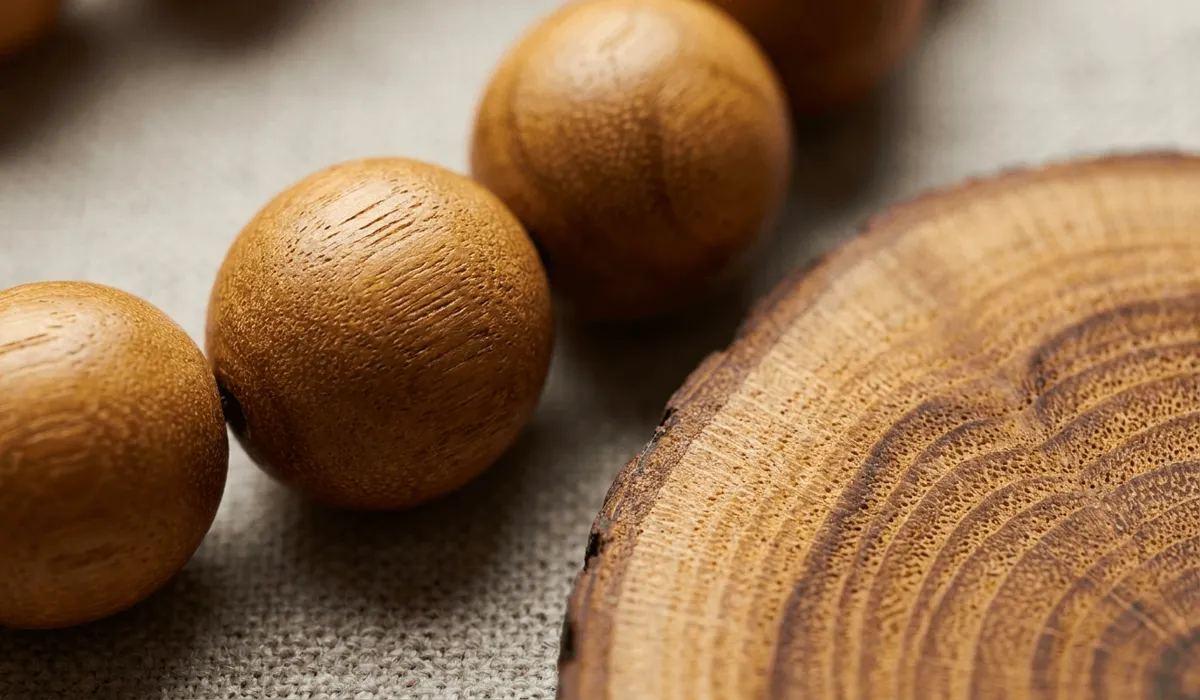
A living sandalwood tree consists of two distinct wood zones known as outer sapwood and inner heartwood. The outer sapwood is pale yellow, lightweight, completely scentless, and lacks structural density. In contrast, inner heartwood is dense, heavy, and saturated with natural resin that carries the legendary fragrance.
Dishonest manufacturers often dye cheap, scentless sapwood or common softwoods to mimic prized central heartwood. High-grade spiritual grounding pieces are carved exclusively from mature heartwood rather than dyed sapwood remnants. Authentic heartwood exhibits natural shades ranging from warm honey-gold to deep amber and reddish-brown without artificial surface stains.
Scent Profile and Olfactory Clues
The scent of real sandalwood is never aggressive, loud, or room-filling right out of the box. Instead, it presents an earthy, balsamic sweetness carrying a distinctive subtle creamy aroma that settles gently around your senses. If a newly opened piece smells like harsh perfume, synthetic candy, or strong alcohol, it has likely been dipped in chemical fragrance.
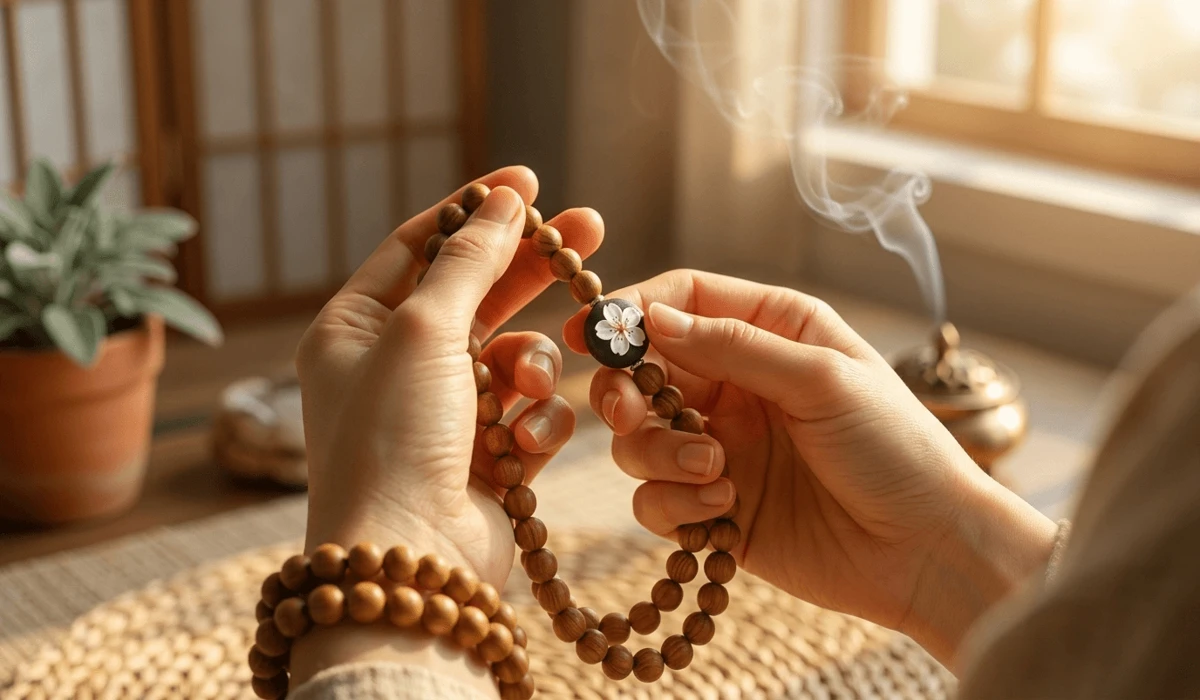
Temperature plays an essential role in how pure sandalwood releases its natural aroma. At room temperature, real wood holds its fragrance inward within its tightly bound cellular fibers. The moment you warm the beads between your palms, your body heat activates the volatile santalol molecules and releases a soothing warmth.
Sandalwood Grain Pattern and Structural Characteristics
Examining the surface under bright daylight reveals the true physical signature of genuine heartwood. Authentic sandalwood features a very fine, straight, uninterrupted wood grain pattern with tightly packed fibers. Softwood counterfeits show uneven, coarse rings that feel rough or splintery against delicate skin.
Under a magnifying loupe, genuine sandalwood displays microscopic natural pores without gaping hollow vessels. The natural oil saturation creates an organic, low-gloss oily patina across the polished surface. The wood feels smooth like silk and possesses a noticeable heft in your hand, reflecting natural density rather than hollow lightness.
Video source: YouTube
Author: Pure Chandan
Original video link: https://www.youtube.com/watch?v=1cUA1iP8r-Y
Spiritual Meaning & Symbolism
For thousands of years, sacred woods have bridged the physical realm with introspective spiritual awareness. Sandalwood occupies a sacred role in Eastern contemplative philosophy, symbolizing mental purity, tranquility, and divine connection. Practitioners value its grounding aura during meditation because its scent quiets emotional restlessness without creating drowsiness.
Traditional Symbolism in Sacred Practices
Ancient texts often praise sandalwood as an emblem of natural grace and unconditional compassion. Traditional parables describe it as the generous wood that leaves its perfume upon the very axe that cuts it down. This timeless metaphor inspires practitioners to meet life's difficulties with patience, gentleness, and inner dignity.
During seated meditation and mantra chanting, the cooling presence of the wood helps soothe an overstimulated spirit. It clears mental static and brings scattered thoughts back toward a tranquil center. Wearing sacred beads acts as an enduring sensory reminder of your commitment to mindful living and conscious awareness.
Chakra Associations and Energetic Alignment
Within traditional holistic energy systems, sandalwood resonates strongly with the Root Chakra (Muladhara). Its dense earthy nature establishes a stable energetic foundation, helping you feel anchored during chaotic life transitions. Learn more about balancing your foundational energy centers in our dedicated guide to Holistic Crystal Energy.
Beyond its base grounding qualities, sandalwood builds a soothing energetic bridge to the Third Eye (Ajna) and Crown (Sahasrara) Chakras. Its subtle creamy aroma encourages clear introspection and quiets excessive internal mental chatter. By drawing erratic energy down toward your feet while calming the mind, it supports balanced spiritual alignment.
Cultural and Feng Shui Context
In Feng Shui philosophy, sandalwood is celebrated as a harmonious Earth-Wood bridge material that restores environmental balance. It helps dissolve stagnant Chi (气) within living spaces and absorbs negative ambient stress from crowded environments. Mala beads carved from pure heartwood have been strung for generations to protect spiritual seekers against energetic depletion.
Placing authentic wood items in communal spaces cultivates an atmosphere of mutual respect and tranquility. Many practitioners place natural prayer beads near entryways or work desks to soften tense interpersonal dynamics. Its steady vibrational frequency neutralizes erratic emotional currents without overwhelming sensitive individuals.
Benefits & Intentions Associated with Real Sandalwood
Working with authentic botanical treasures brings mindful intentionality into everyday routines. Unlike synthetic plastic jewelry, natural wood responds to your touch and develops character alongside your personal journey. The quiet comfort offered by genuine sandalwood makes it a beloved companion for conscious living.
Commonly Associated Intentions
Setting intentions with organic beads helps transform simple daily adornment into an empowering personal anchor. We often encourage our community members to dedicate their wooden pieces to specific mindful intentions:
- 🌿 Intentional Grounding: Anchoring your awareness in the physical body when modern schedules create mental fragmentation.
- 🕊️ Mental Stillness: Encouraging gentle, measured breathing during high-pressure work assignments or stressful conversations.
- ✨ Emotional Equilibrium: Cultivating serene inner calm through unadulterated natural botanical aromas rather than artificial masking agents.
Mindfulness and Personal Practices
Holding smooth wooden beads between your fingers offers an immediate physical touchpoint for conscious breath resets. When tension rises, taking three deep breaths while feeling the silky wood grain helps reset an agitated nervous system. The natural texture grounds erratic thoughts into concrete sensory reality.
Sandalwood beads also enhance personal sound baths, breathwork classes, and quiet yoga routines. Keeping sacred wood within your energetic field during reflective practices deepens personal focus and prevents mental drift. Touching each smooth bead during gratitude journaling helps impress positive affirmations into your emotional awareness.
How to Wear Sandalwood Beads for Spiritual Balance
Wearing sacred botanical beads is an intimate practice that connects your physical body with natural earth energy. Depending on your personal wellness goals, you can wear your beads to invite calmness inward or radiate peace outward. Mindful placement amplifies the energetic benefits of your daily mindfulness accessories.
Left Hand vs Right Hand (Feng Shui Logic)
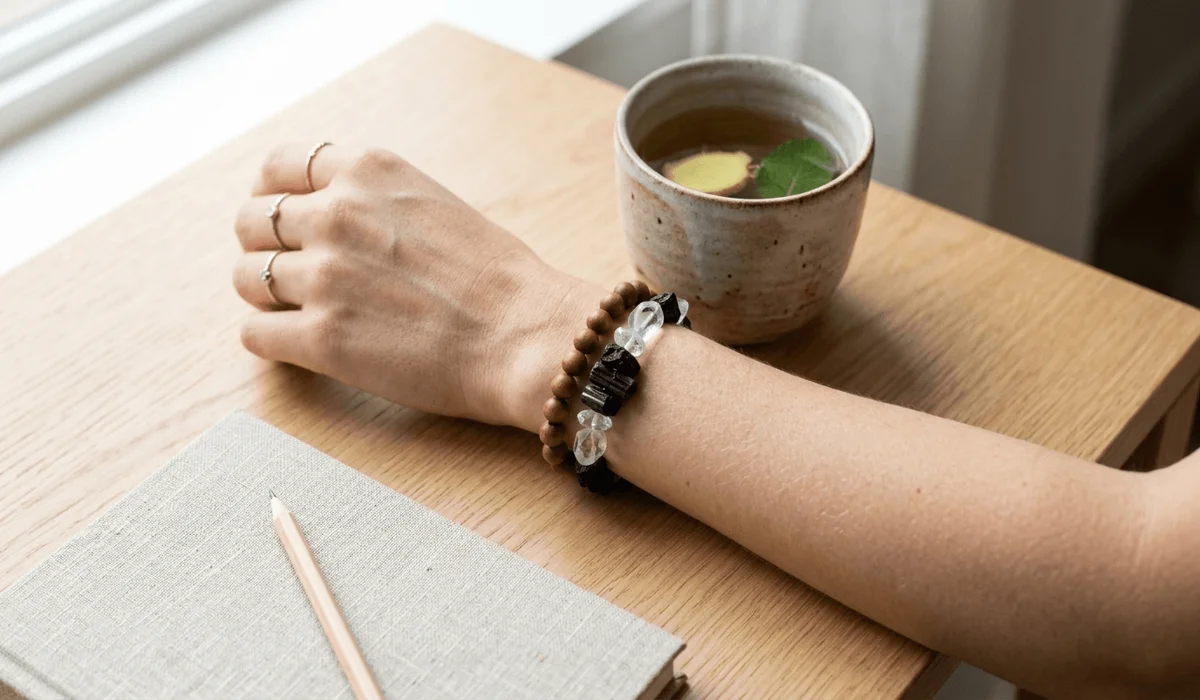
In classic Feng Shui tradition, your left wrist is considered the receptive side of your personal energy body. Wearing your sandalwood beads on the left wrist helps you absorb soothing vibrations, internal peace, and deep energetic grounding. It serves as an internal sanctuary when navigating stressful external environments.
Conversely, your right wrist represents the expressive side that projects your personal intentions into the world. Wearing the beads on your right wrist helps you project calm patience, clear boundaries, and serene leadership during meetings. Choose your wrist deliberately each morning depending on whether you need self-nurturing comfort or mindful outer strength.
Practical and Mindful Everyday Wear
Sandalwood pairs beautifully with grounding earth crystals like black tourmaline, smoky quartz, and natural clear quartz. When layering natural jewelry, ensure that hard crystal edges do not scratch or dent the softer wooden beads. Discover our handcrafted, ethically sourced Mindful Energy Bracelet designs crafted for balanced daily stacking.
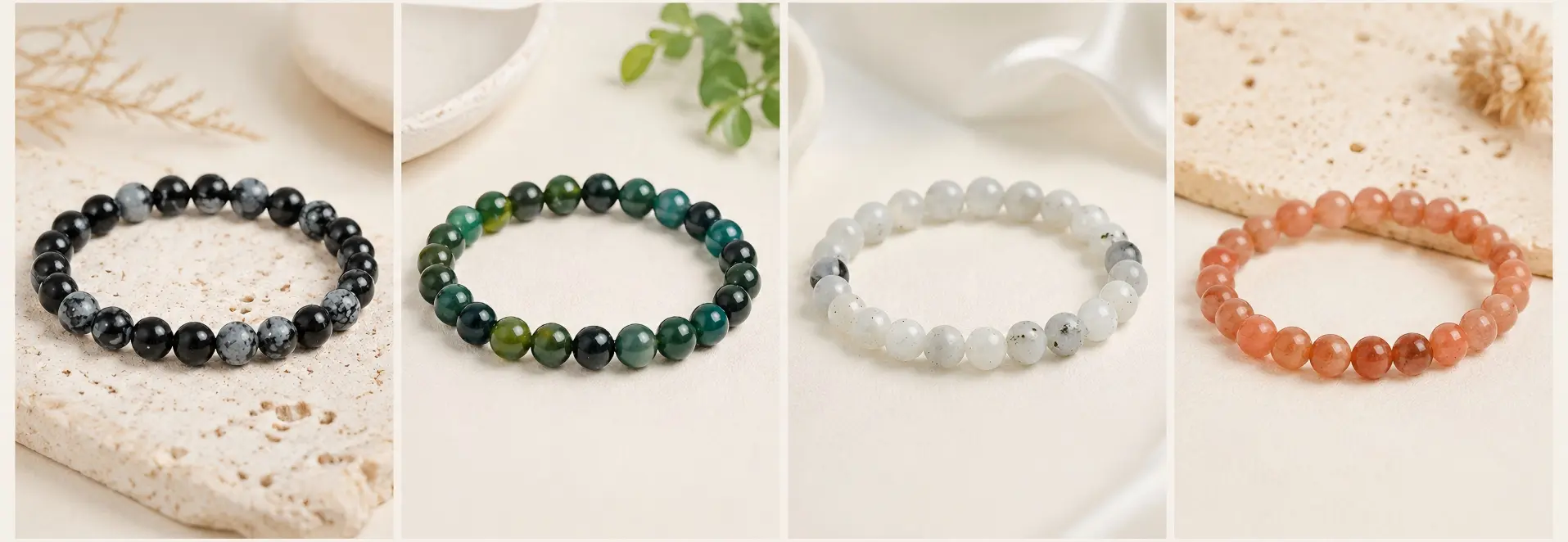
Because genuine wood remains naturally porous, you must protect your beads from everyday synthetic hazards. Avoid spraying synthetic alcohol-based perfumes or chemical lotions directly onto your wooden wristwear. Allowing skin products to dry completely before putting on your bracelet preserves the open wood grain and protects natural aroma oils.
Intention-Setting Practices
When you welcome a new wooden piece into your sacred collection, take a quiet moment to establish your connection. Rest the beads gently inside cupped hands and take several slow, diaphragmatic breaths. Visualize a warm, protective golden light wrapping around the wood fibers while stating your personal intention aloud.
You can repeat a simple grounding affirmation: "I am anchored, peaceful, and fully present in this moment." This quiet ritual transforms your jewelry into a meaningful mindful talisman rather than a simple decorative object. Treating your sacred wood with reverence ensures it remains a supportive anchor throughout life's shifting chapters.
Sandalwood vs Similar Woods
Understanding how sandalwood compares to other sacred woods and stones helps you curate a balanced collection tailored to your intentions. Below is a helpful reference table summarizing key physical and spiritual traits across popular natural materials:
| Material | Scent Profile | Visual Grain & Structure | Primary Chakra | Elemental Association |
|---|---|---|---|---|
| Real Sandalwood | Subtle creamy, warm balsamic, earthy | Fine, straight grain; tight microscopic pores | Root (Muladhara) & Crown | Earth / Wood |
| Agarwood (Oud) | Deep, smoky, medicinal, resinous | Irregular dark resin veins and coarse fiber | Third Eye & Crown | Ether / Air |
| Perfumed Wood Imitation | Sharp, overpowering, synthetic floral | Porous softwood; artificial dye pooling | None (Inert) | Artificial |
| Natural Black Tourmaline | Completely odorless mineral stone | Vitreous crystalline striations; Mohs 7 | Root (Muladhara) | Earth |
Real Sandalwood vs Agarwood (Oud)
While both trees are deeply revered across sacred Eastern traditions, their appearances and energetic signatures differ significantly. Real sandalwood displays a uniform golden-tan to warm amber tone with tightly packed, consistent wood grain. Agarwood, created when Aquilaria trees respond to fungal mold, features erratic black resin streaks running across pale wood.
Their aromatic signatures cater to different contemplative states. Sandalwood brings a milky, soothing, balsamic warmth that cools excessive nervous energy. In contrast, agarwood delivers a complex, smoky, medicinal aroma suited for deep spiritual transformation and ascending consciousness.
Genuine Sandalwood vs Artificially Perfumed Wood Substitutes
The defining contrast between authentic sandalwood and chemical counterfeits lies in fragrance longevity and stability. Natural heartwood retains its scent for decades or even centuries because the aromatic santalol compounds exist inside every cellular wall. Perfumed wood substitutes lose their synthetic aroma within several weeks as surface oils evaporate.
Furthermore, their reaction to physical warmth reveals immediate truth. When rubbed firmly between clean fingers, real sandalwood warms up and releases a deeper, sweeter creaminess. Dipped fake beads smell sour, chemical, or metallic under hand friction as synthetic carrier oils break down.
Who Is Sandalwood Suitable For?
Natural sandalwood carries a remarkably gentle and universally harmonizing energetic frequency. Unlike intense, high-vibration crystals that can occasionally cause energetic overwhelm in sensitive individuals, sacred wood feels soft, welcoming, and reassuring to all wearers. It offers compassionate support for varied lifestyle needs.
Chakra and Energy Alignment
Sandalwood is particularly beneficial for individuals experiencing mental sensory overload, restlessness, or ungrounded energy. If your daily schedule leaves you feeling scattered or detached from your physical body, the wood's Root Chakra resonance restores stable footing. It acts as an energetic sponge that softens sharp emotional edges.
Seasoned meditators also cherish sandalwood for deep seated contemplation. The wood creates an introspective atmosphere that quiets erratic mental loops without inducing sluggish lethargy. It allows practitioners to remain alert, grounded, and emotionally balanced throughout extended quiet reflection.
Astrological and Elemental Resonance
From an elemental perspective, sandalwood shares a deep natural kinship with Earth signs including Taurus, Virgo, and Capricorn. These signs appreciate the tactile honesty, organic warmth, and sustainable botanical heritage of unvarnished heartwood. It honors their inherent desire for grounded practicality and holistic well-being.
Simultaneously, sandalwood offers marvelous energetic balance for Fire-dominant birth charts (Aries, Leo, and Sagittarius). The cooling, serene presence of the wood tempers excessive internal heat, impatience, and emotional irritability. For those exploring crystal harmonies, examine scientific gem testing principles via the Gemmological Association Guide and natural mineral classifications with the Gemological Institute Laboratory.
Lifestyle and Personal Intentions
Sandalwood is an exceptional choice for conscious travelers, healthcare providers, and holistic practitioners who spend hours in high-stress settings. It provides an unobtrusive sensory shield that absorbs static environmental friction throughout demanding workdays. Explore our broader assortment of balancing talismans in our curated Sacred Stone Collection.
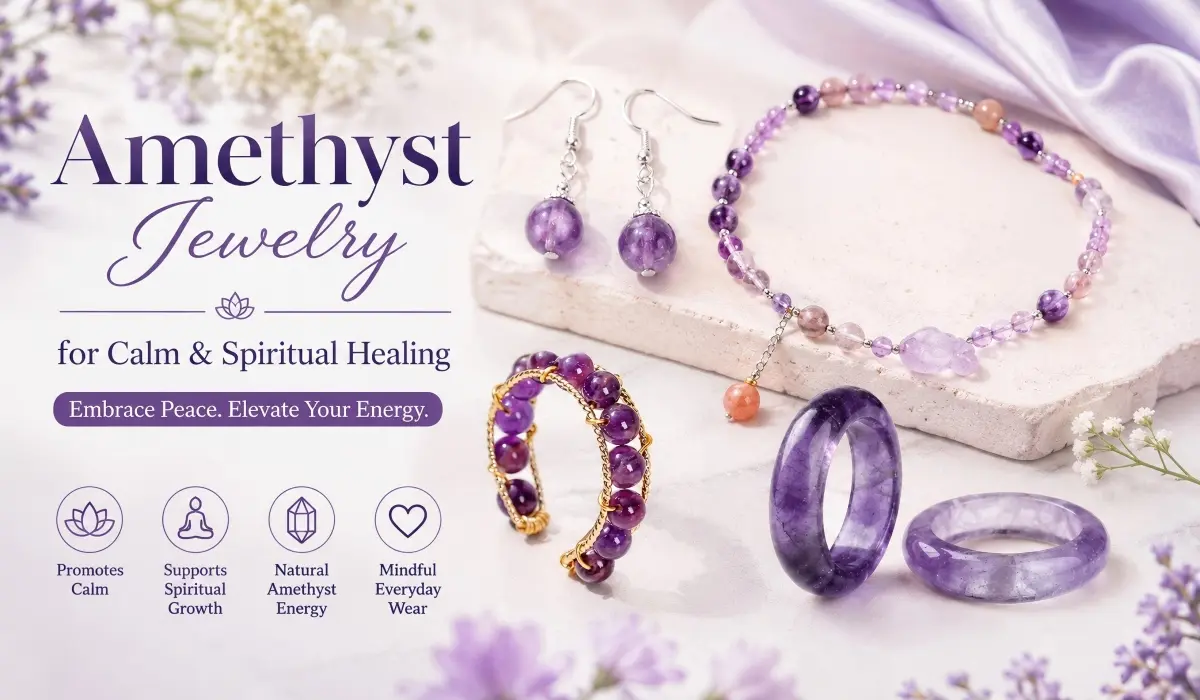
It is equally wonderful for individuals who suffer from fragrance sensitivities or skin reactions caused by synthetic colognes. Authentic sandalwood delivers a close-to-the-skin, organic botanical aroma that never overpowers room air. Anyone seeking natural connection over mass-produced synthetic accessories will find enduring comfort in genuine heartwood.
How to Cleanse, Charge, and Care for Genuine Sandalwood
Because sandalwood is a living, porous organic material rather than an impervious crystalline stone, it requires specialized care. Traditional water-based gemstone cleaning rituals can permanently damage fine wood beads. Caring for sacred wood requires dry, gentle techniques that honor the organic nature of tree fibers.
Cleansing Methods for Organic Porous Wood
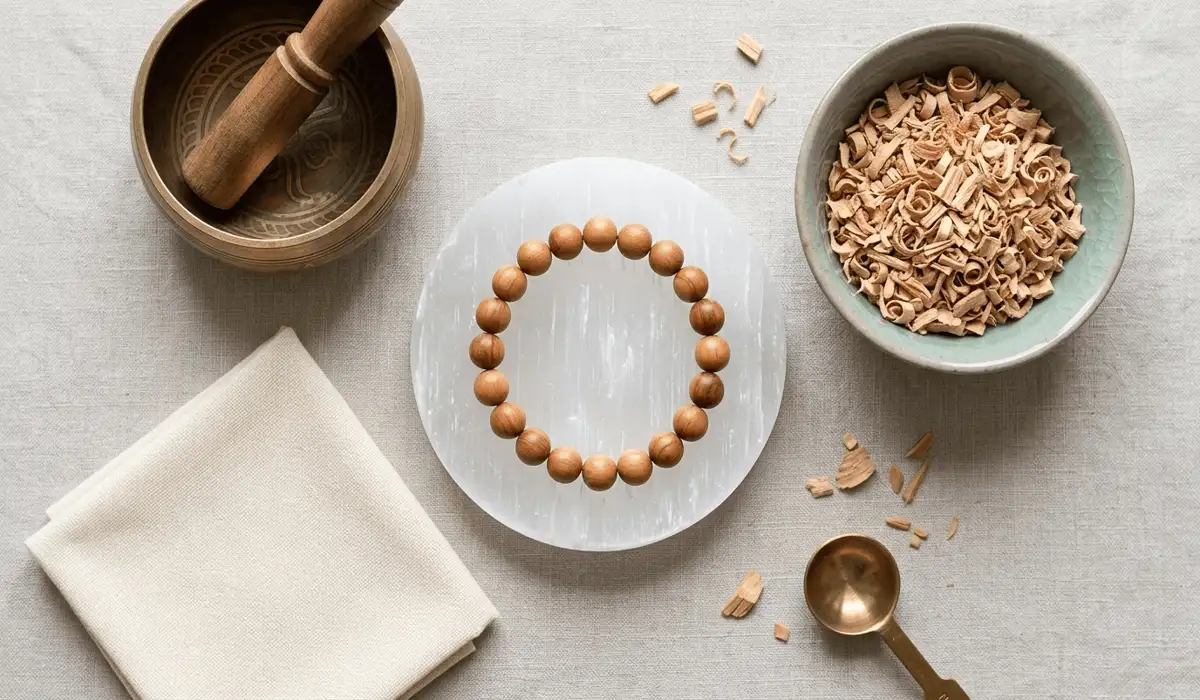
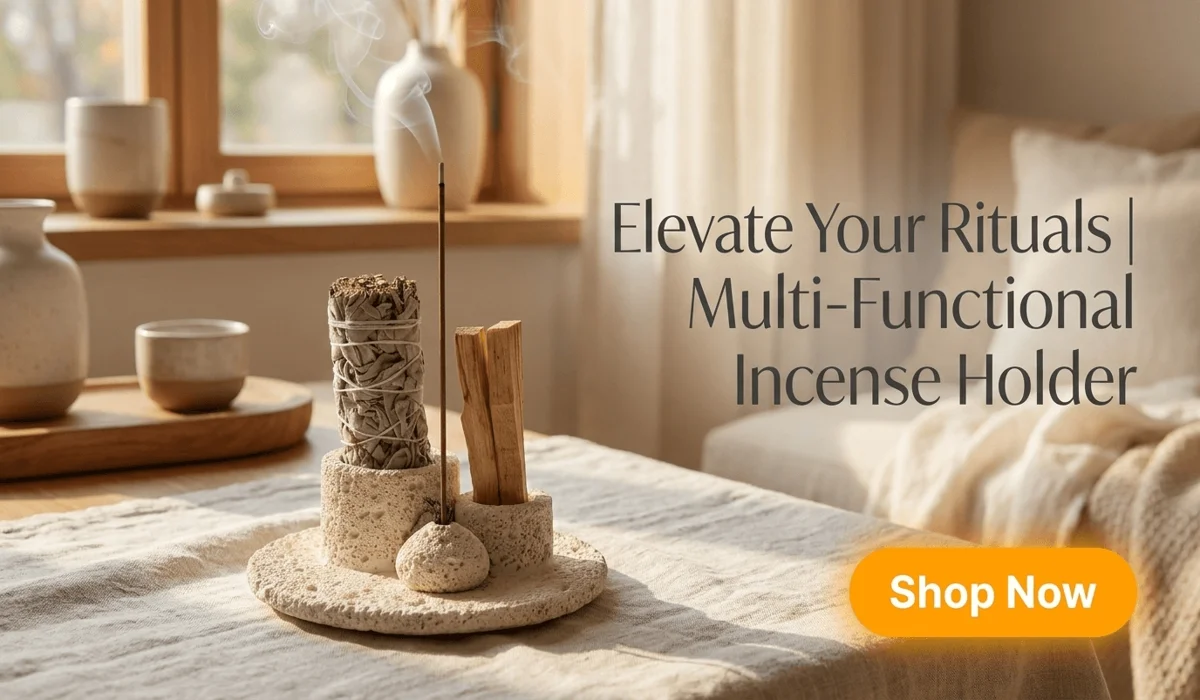
The safest way to clear accumulated static energy from sandalwood is through gentle sacred smoke cleansing. Pass your wooden bracelet mindfully through the fragrant smoke of dried white sage, sacred frankincense, or organic sweetgrass. The smoke cleanses the energetic field without introducing moisture into the delicate pores.
Sound therapy provides another exceptional, touch-free cleansing method for sacred wooden accessories. Place your beads next to a Tibetan singing bowl, frosted quartz bowl, or resonant 432 Hz frequency chime. The pure acoustic vibrations dislodge stagnant environmental tension without disturbing the natural wood oils.
"Treating sacred wood with dry, mindful care preserves its natural santalol resin and deepens its organic luster for decades of continuous wear."
Charging and Intention Refreshment
To revitalize your beads, rest them under the gentle, dry radiance of a full moon overnight. Moonlight offers a soothing energetic recharge that replenishes the wood's tranquil, receptive qualities without heat damage. Always ensure the beads are placed indoors on a dry windowsill to avoid morning outdoor dew.
You can also place your sandalwood jewelry directly upon a clean selenite charging plate or beside a clear quartz cluster for several hours. These self-cleansing stones wash away collected vibrations while honoring the organic wood fibers. Afterward, perform a gentle palm-warming rub to rekindle your personal connection with the natural scent.
Daily Maintenance and Preserving the Natural Scent
When not wearing your sandalwood beads, store them in a clean, breathable natural cotton pouch or a sealed wooden box. Keeping them away from direct radiator heat, bathroom humidity, and harsh sunlight protects the fibers from drying out and cracking. Consistent, dry storage ensures the precious internal oils stay sealed inside the heartwood.
To maintain a rich oily patina on sandalwood over time, buff the surface periodically with a clean, dry microfiber or cotton cloth. Gentle friction redistributes surface oils, producing an exquisite, low-gloss glow. If the aroma ever seems muted, seal the beads in an airtight glass jar alongside raw natural sandalwood shavings for several days to naturally awaken the scent.
Frequently Asked Questions
Q: What does authentic sandalwood smell like?
A: Authentic sandalwood smells warm, balsamic, earthy, and distinctly creamy rather than aggressively floral or sweet. Its aroma stays close to the surface of the wood and blooms into a deeper, milky sweetness when warmed by hand friction. It never produces a sharp alcohol sting or synthetic room-spray smell.
Q: How to check sandalwood purity at home non destructive?
A: You can check purity by rubbing a bead firmly between your fingers for fifteen seconds to see if natural, creamy warmth is released. Then, inspect the surface with a magnifying loupe to confirm tight, uninterrupted grain lines and tiny natural pores without artificial dye pooling. Finally, wipe the bead firmly across a clean white cotton cloth to ensure no artificial chemical stains rub off.
Q: Does real sandalwood sink or float in water?
A: High-grade mature sandalwood heartwood is very dense and typically sinks or floats very low in water due to heavy natural essential oil saturation. However, you should avoid submerging wooden jewelry in water because moisture causes organic fibers to swell, lose natural luster, and crack upon drying. Counterfeit beads made of cheap softwoods float high on the water surface due to their airy, resin-free cellular structure.
Q: Difference between real sandalwood and perfumed wood?
A: Real sandalwood carries its aromatic essential oil throughout every cellular layer of its dense heartwood, meaning the fragrance endures for generations. Perfumed wood is merely common porous timber soaked superficially in synthetic fragrance oils that evaporate completely within several weeks. In addition, synthetic perfumed woods often show blotchy surface dyes and smell overly sharp or metallic when warmed.
Q: Which wrist to wear sandalwood bracelet for grounding?
A: In Feng Shui practice, wearing your sandalwood bracelet on the left wrist is recommended for grounding because the left hand receives external energy and invites calming peace inward. Wearing the bracelet on the right wrist is ideal when you want to project patience, clear boundaries, and grounded stability outward toward others during demanding situations. You may also follow your personal intuition when choosing which wrist feels most natural each day.
Conclusion & Gentle Next Step
Authentic sandalwood remains an extraordinary botanical treasure that combines ancient spiritual history with soothing everyday mindfulness. By learning to identify genuine heartwood through its subtle creamy aroma, tight uniform grain, and natural organic density, you can confidently choose pieces that provide genuine spiritual and sensory grounding. Embrace the quiet wisdom of sacred wood and let its steady presence accompany your conscious daily path.
This content is provided strictly for educational, historical, and cultural exchange purposes. It does not constitute medical, legal, financial, or professional healthcare advice. Readers seeking guidance for medical conditions or emotional challenges should consult qualified healthcare practitioners.

Longyi Luck
Longyi Luck is a Feng Shui practitioner and spiritual researcher who blends traditional year-based wisdom with modern lifestyle insights, specializing in Feng Shui, spirituality, meditation, and mindfulness. With years of dedicated study and practice, Longyi explores cultural symbolism and the practical application of ancient wisdom to help individuals cultivate balance, clarity, and harmony in everyday life. Since 2020, Longyi has been committed to translating timeless traditions into accessible guidance for the modern world.
longyi@auraandluck.com