
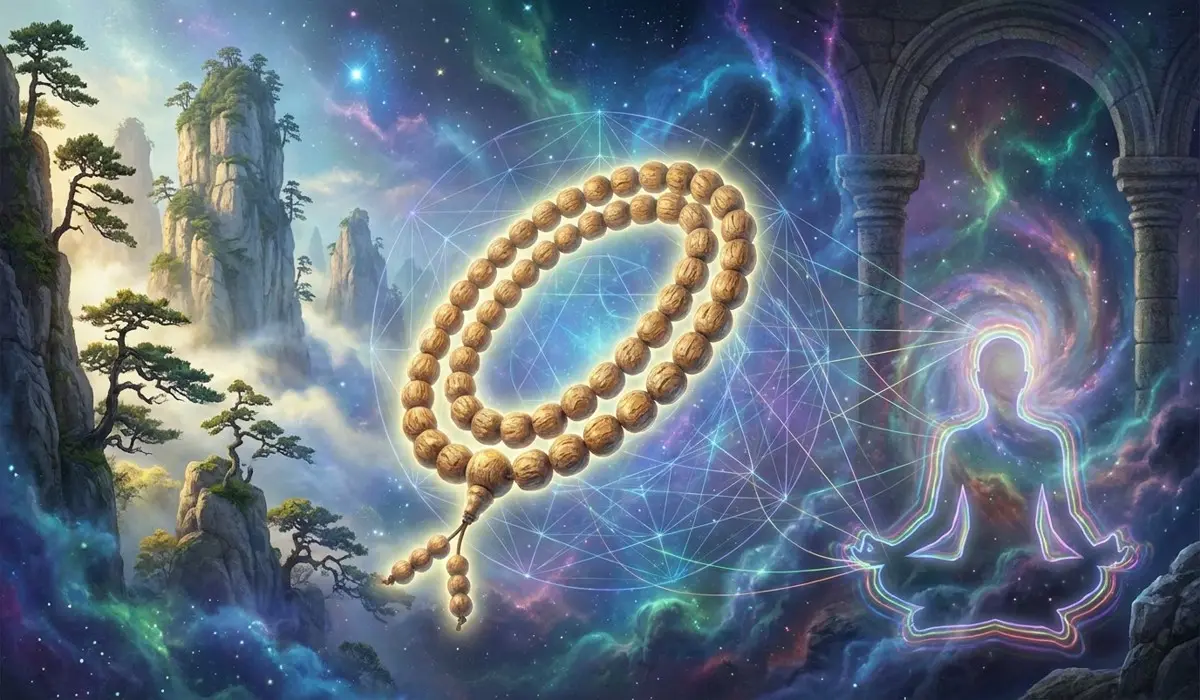
108 Thuja Sutchuenensis Mala Beads Meaning for Meditation refers to the deep spiritual connection and grounding energy found when using these rare wood beads to count mantras. We find that many practitioners choose these beads because they combine the ancient resilience of the "Cliff Cypress" with the sacred geometry of the number 108. This guide will show you how these unique prayer tools can transform your daily mindfulness sessions and bring a sense of lasting peace to your life.
- Discover the rare origins of Thuja Sutchuenensis wood from the high cliffs of China.
- Learn why 108 beads are essential for traditional Japa meditation and spiritual focus.
- Explore the grounding benefits of the natural aromatic oils found within the wood.
- Understand how to properly wear and care for your mala to maintain its spiritual energy.
- Find out how to choose between different types of sacred wood for your personal practice.
What Is 108 Thuja Sutchuenensis Mala Beads Meaning for Meditation?
A 108 Thuja Sutchuenensis mala is a traditional tool used to count breaths or mantras during a practice called Japa meditation. Each of the 108 beads serves as a physical marker, helping the mind stay focused on the present moment rather than wandering. We believe that the tactile feel of the wood helps bridge the gap between our busy daily lives and a state of deep calm.
The Origin of Cliff Cypress
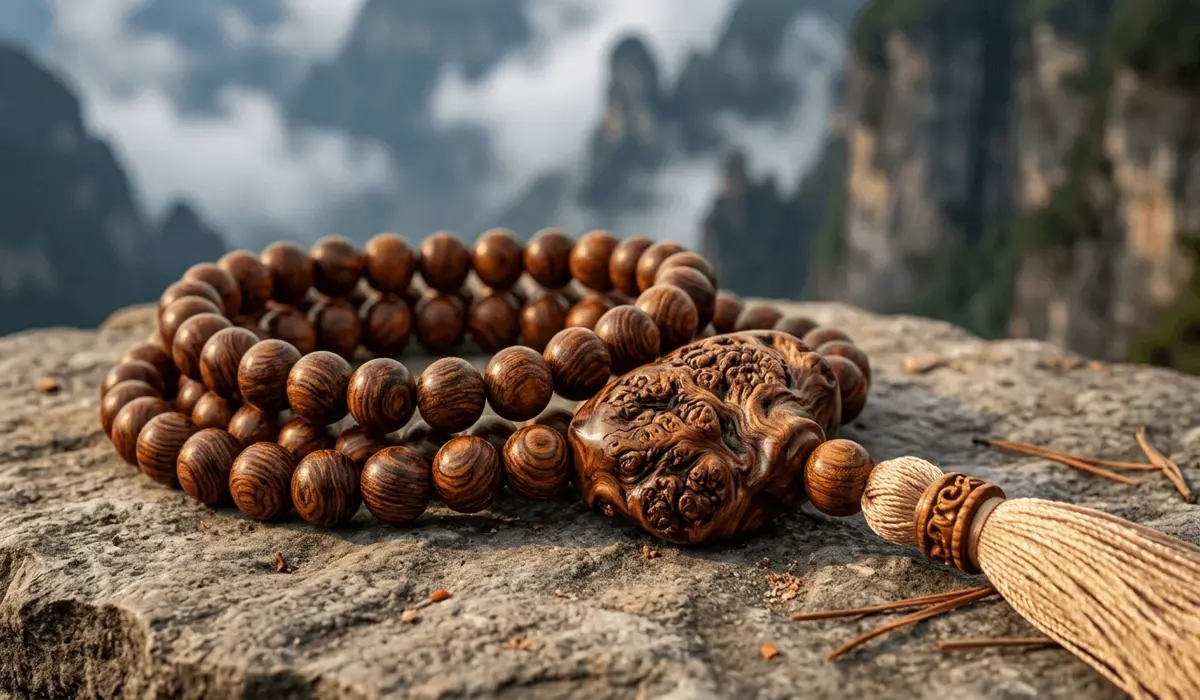
This specific wood comes from a rare tree found on the steep limestone cliffs of the Sichuan province. Known as Cliff Cypress, these trees survive in very harsh conditions, which gives the wood a symbolic meaning of strength and endurance. Because the trees grow slowly in high altitudes, the wood is incredibly dense and filled with natural, fragrant oils.
Key Characteristics of the Beads
The first thing you will notice about these beads is the Thuja Sutchuenensis healing scent, which is naturally sweet and woody. Over time, as you use the beads, the oils from your skin interact with the wood to create a dark, shiny surface called a patina. Most malas also feature a larger "Guru Bead" which represents the bond between the student and the teacher.
Spiritual Meaning and Symbolism
In many Eastern traditions, Thuja Sutchuenensis is seen as the "Tree of Life," representing wisdom and long life. The way the tree clings to life on vertical cliffs is a powerful metaphor for the soul overcoming hard times to find light. When we use these beads, we are tapping into that energy of survival and spiritual elevation.
Chakra and Energy Alignment
These wood beads are mainly linked to the Root Chakra (Muladhara), which helps us feel safe and grounded. However, the light, spicy scent of the wood is also said to help open the Third Eye Chakra. This combination makes it easier to stay focused during Japa meditation with wood malas while feeling stable in your physical body.

The number 108 itself holds a very high 108 beads significance in Buddhist and Hindu lineages. It is often said that there are 108 earthly desires to overcome or 108 energy lines that meet at the heart. By completing one full circle of the mala, a practitioner symbolically moves through these stages toward a clearer state of mind.
Benefits and Intentions of Thuja Sutchuenensis
Using Thuja wood meditation tools can help quiet the "monkey mind," which is the part of our brain that jumps from one thought to another. Many of our clients report that the natural scent of the wood helps them relax as soon as they pick up their beads. This scent acts like a natural form of aromatherapy that signals the body it is time to rest.
When we work with these beads, we often suggest setting a specific intention for your practice. Common intentions include seeking better health, finding inner strength, or simply being more mindful throughout the day. The physical act of touching the natural wood mala beads keeps you connected to the earth even if you live in a busy city.
Regarding the importance of intention, a user named u/U_t_s_a_v_15 shared a question on Reddit about "sankalp," or formal intention:
"I’ve been trying to understand the role of sankalp in mantra sadhana and wanted to hear perspectives from people who have experience with regular jaap... Does sankalp make the mantra more 'energized'?"
*sources:[What’s the actual difference between normal mantra jaap and mantra jaap done with a sankalp?](https://reddit.com/r/Tantrasadhaks/comments/1t6fcze/whats_the_actual_difference_between_normal_mantra/)*
This discussion highlights how many practitioners feel that setting a clear goal before starting your meditation practice with malas can make the experience feel more powerful and directed.
How to Wear 108 Thuja Sutchuenensis Mala Beads
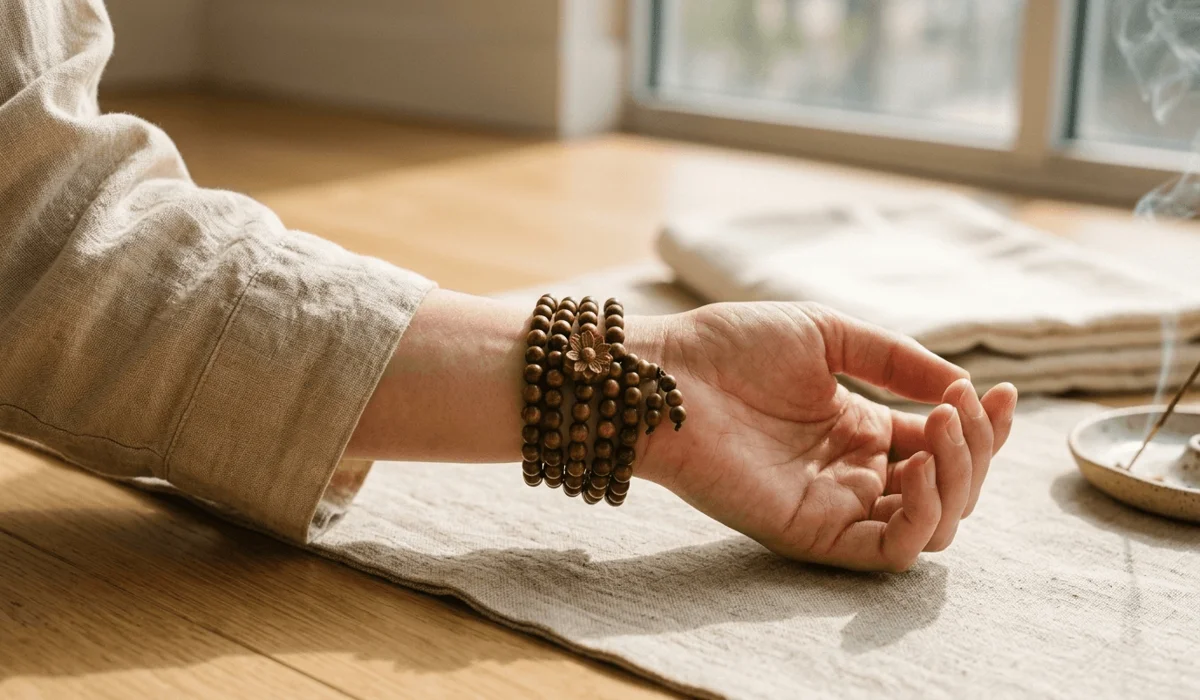
You can wear your 108 beads in a few different ways, and each has its own meaning in Feng Shui. The most common way is to wrap the beads around your left wrist several times. In many cultures, the left side of the body is the "receiving" side, which helps you take in the calming energy of the wood.
- Wear them as a long necklace to keep the wood close to your heart center.
- Wrap them around your wrist as a daily reminder to breathe and stay calm.
- Hold them in your hand during specific yoga poses to stay grounded.
- Place them on a sacred altar when you are not wearing them to keep the energy clean.
Before putting on your beads for the day, take a moment to hold them and think of a positive thought. This simple mindfulness practice with malas helps you carry a peaceful feeling with you wherever you go. You can learn more about the specific steps in our Mantra Practice Guide for better results.
Comparison with Other Sacred Woods
When choosing a wood mala, it helps to know how Thuja compares to other popular materials. While all wood beads offer a grounding feel, the specific energy and scent can vary greatly. Below is a comparison to help you decide which is right for your Spiritual Practice.
| Feature | Thuja Sutchuenensis | Sandalwood | Rosewood |
| Scent Profile | Sweet, Spicy, Robust | Creamy, Soft, Earthy | Subtle, Floral |
| Primary Benefit | Longevity & Resilience | Cooling & Peace | Compassion & Heart |
| Texture | Oily & Very Dense | Smooth & Light | Hard & Grained |
While Sandalwood is very popular, some users prefer the rarer "sinking grade" woods for their durability. On Reddit, u/Afdud shared their experience with high-quality wood beads:
"Recently got a huge sandalwood and jewlery order... All the bracelets tasbihs and malas are all sinking grade... I also got 2kg of the raw logs used to create this."
*sources:[Some new red meat sinking sandalwood jewelry](https://reddit.com/r/TheOudCollective/comments/1td46cp/some_new_red_meat_sinking_sandalwood_jewelry_i_got/)*
This passion for quality shows why many seekers look for rare materials like Thuja Sutchuenensis that offer a more intense sensory and spiritual experience.
Who Should Use Thuja Sutchuenensis Beads?
These beads are perfect for anyone who feels "scattered" or stressed by modern life. Because wood is an element of the earth, it naturally helps to pull your energy down and anchor it. This is especially helpful if you are trying to improve your Crystal Healing journey by adding a more grounded tool to your collection.
Zodiac and Personality
We often recommend these beads to Earth signs like Taurus, Virgo, and Capricorn. These individuals usually appreciate things that are real, tangible, and have a history. It also fits people who are ruled by Saturn, as it reflects themes of discipline and ancient wisdom. If you are a student, the focus provided by these beads can be a great help during long study sessions.
To understand more about why the number 108 is used across so many different types of malas, you can watch this helpful video explaining the cosmic code behind the beads:
Video source:YouTube
Author:Teresa @ Malaology
Original video link:https://www.youtube.com/watch?v=U2tYEBsofoU
How to Cleanse, Charge, and Care for Your Mala
Since Thuja Sutchuenensis is a natural wood, it needs different care than gemstones. You should never soak your beads in water, as this can cause the wood to crack or lose its natural oils. Instead, use a soft, dry cloth to wipe them down after use. This helps the beads stay clean while allowing the patina to grow naturally.
Cleansing the Energy
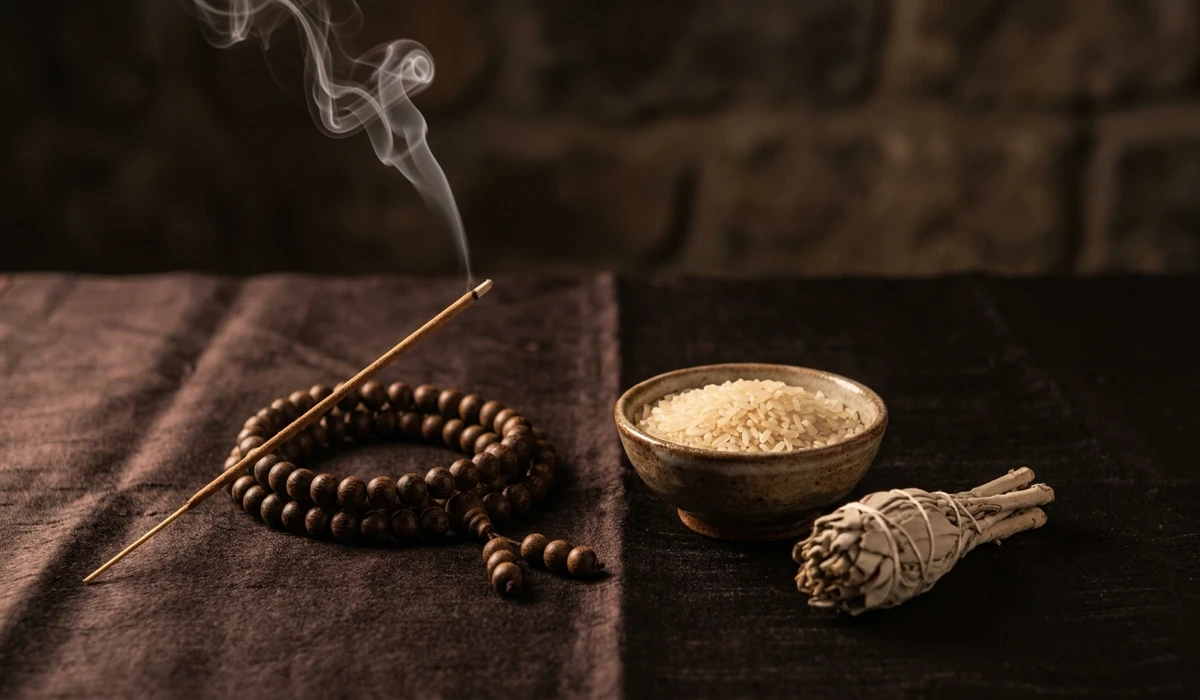
To keep the spiritual energy of your mala fresh, we recommend using smoke. You can pass the beads through the smoke of burning sage or incense. This clears away any "heavy" energy they might have picked up. Many people also find that placing their beads in a bowl of raw rice overnight can help "reset" them.
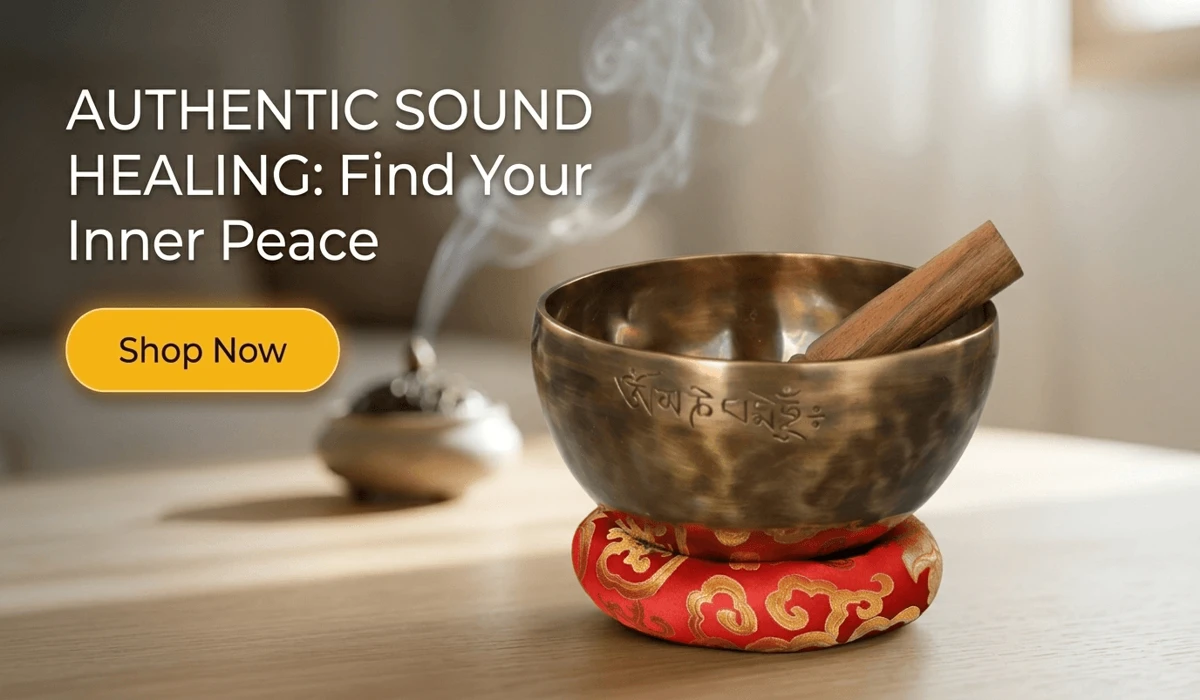
To further enhance your meditation space, you might consider using a Handmade Nepalese Full Moon Singing Bowl during your cleansing rituals. The sound vibrations from a bowl can help clear the environment before you begin your mantra practice. You can also explore our Healing Knowledge section for more tips on energy maintenance.
Charging Under the Moon
Leaving your beads under the light of a full moon is a wonderful way to infuse them with calm energy. We suggest doing this once a month. However, the best way to keep your mala "charged" is simply to use it. The more you use it for meditating with Thuja Sutchuenensis, the more it becomes a part of your own energy field.
Frequently Asked Questions
Q: What is the meaning of Thuja Sutchuenensis in meditation?
A: It represents the ability to stay grounded and resilient even in difficult environments. In meditation, it is used to bring the practitioner a sense of ancient wisdom, long life, and deep inner silence through its natural mountain energy.
Q: Why are there 108 beads in a traditional mala?
A: The number 108 is a sacred number in many Eastern religions. It represents the 108 earthly temptations humans face, the 108 energy lines of the heart, and the cosmic connection between the sun, moon, and earth.
Q: How does the scent of Cliff Cypress affect meditation?
A: The natural aroma acts as a sensory anchor that helps the brain enter a relaxed state. It is believed to clear the mind and help the practitioner focus more deeply on their breath or mantra during a session.
Q: Which finger should I use to move my mala beads?
A: Most traditions suggest using your thumb and middle finger to pull each bead toward you. The index finger is often avoided because it represents the ego, which we try to set aside during spiritual practice.
Q: Can I wear my Thuja Sutchuenensis mala as a necklace?
A: Yes, many people wear it as a necklace to keep the wood in contact with their skin and heart. This allows the calming energy and scent to stay with you throughout the day as a personal spiritual shield.
Conclusion and Next Steps
The 108 Thuja Sutchuenensis Mala Beads are more than just a beautiful accessory. They are a link to ancient mountain wisdom and a practical tool for finding peace in a loud world. By choosing a mala made from Cliff Cypress, you are inviting resilience and grounding into your life. Whether you use them for deep Japa meditation or wear them as a daily reminder, these beads will grow with you over time.
We encourage you to explore the Gemstone Selections at Aura & Luck to find the perfect tools for your journey. If you are new to this path, start with a simple five-minute breathing exercise using your beads. Over time, you will find that the scent and feel of the wood become a shortcut to a state of total peace and clarity. For more detailed information on gemstones, you can also consult resources like Online Encyclopedia or Gemological Institute and Gemmological Association.

Longyi Luck
Longyi Luck is a Feng Shui practitioner and spiritual researcher who blends traditional year-based wisdom with modern lifestyle insights, specializing inFeng Shui, spirituality, meditation, and mindfulness. With years of dedicated study and practice, Longyi explores cultural symbolism and the practical application of ancient wisdom to help individuals cultivate balance, clarity, and harmony in everyday life. Since 2020, Longyi has been committed to translating timeless traditions into accessible guidance for the modern world.
longyi@auraandluck.com

.webp?w=800&h=800)
.webp?w=800&h=800)
.webp?w=800&h=800)
.webp?w=800&h=800)
.webp?w=800&h=800)
.webp?w=800&h=800)