
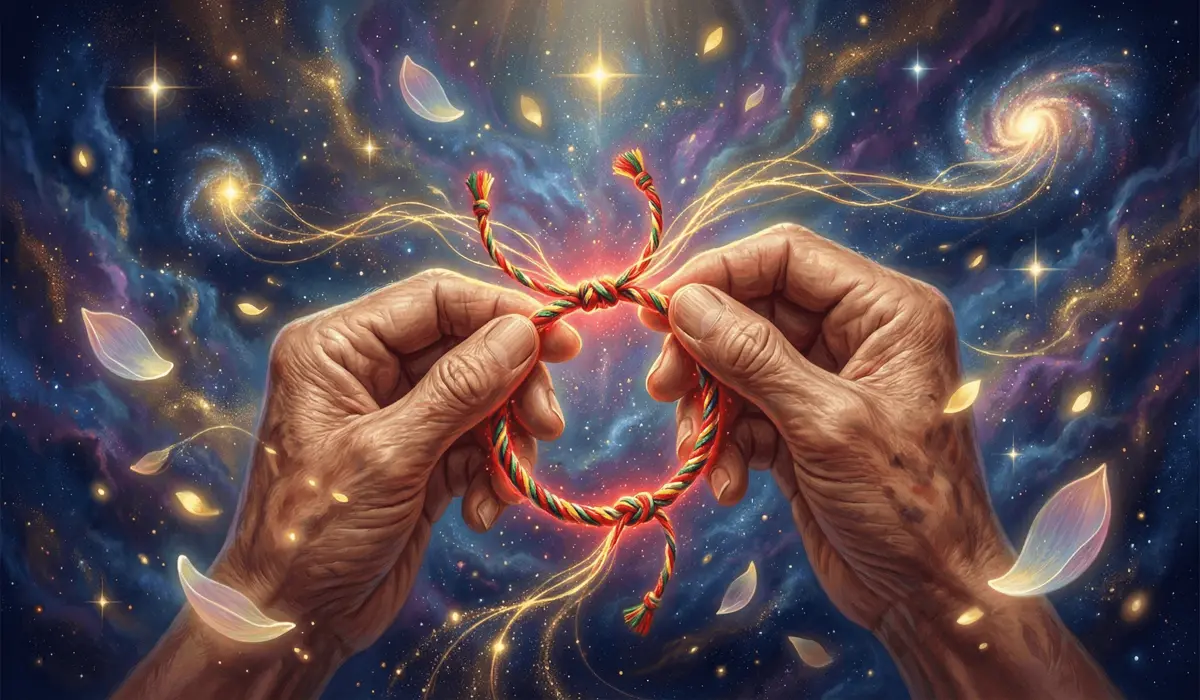
Hand-knotted Tibetan bracelets are sacred spiritual talismans for peace, traditionally crafted by monks to bring balance and harmony to the wearer. These beautiful accessories serve as a physical bridge between ancient wisdom and our busy modern lives. We believe that by understanding the meditative weaving process used to create them, you can better connect with their protective energy.
- These bracelets are authentic spiritual talismans for peace blessed with ancient mantras.
- The Tibetan lucky knot meaning represents the interconnected nature of all life and wisdom.
- Crafted through a meditative weaving process, each piece carries high-vibrational energy.
- They serve as effective zen knot meditation tools for grounding and daily mindfulness.
- Available in various colors, each traditional Tibetan hand-knotted cord has a specific symbolic purpose.
What Are Hand-Knotted Tibetan Bracelets?
Hand-knotted Tibetan bracelets, often called "lucky knots," are traditional spiritual protection bracelets made from high-quality, durable cord. These sacred items originate from the Tibetan monks knotting tradition, where they were historically given as blessings to travelers and followers. Our team has observed that the traditional Tibetan hand-knotted cord is valued for its strength and the specific repetitive sequence of knots that create its unique look.
The Meditative Weaving Process
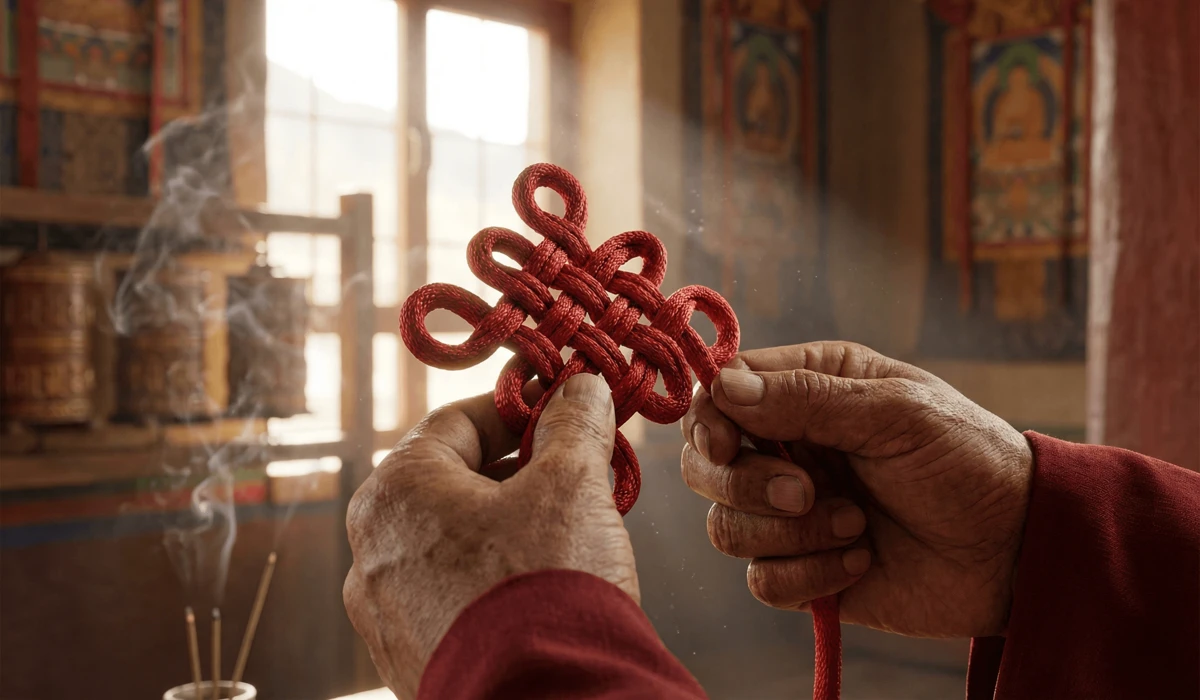
Unlike mass-produced jewelry, these pieces involve a meditative weaving process where the artisan maintains a focused and peaceful state of mind. The creator often recites prayers or mantras while tying each knot, creating Tibetan mantra bracelets that carry a specific energetic resonance. This handmade Tibetan craftsmanship ensures that every bracelet is a unique spiritual tool reflecting the energy of its maker.
In the Reddit community r/braceletcraft, user u/LycheeSimilar7046 shared their experience with these complex methods:
"A very ancient weaving technique with over 20 gradient colorful fine waxed cords, with gemstones or crystal beads strung in the middle."
*sources:[I’ve been experimenting with traditional weaving techniques – this bracelet took 20+ cords](https://reddit.com/r/braceletcraft/comments/1rxuq0u/ive_been_experimenting_with_traditional_weaving/)*
This insight highlights the incredible detail and patience required for Zen weaving techniques used in traditional spiritual jewelry.
Materials and Characteristics
Authentic pieces usually feature nylon or cotton cord that resists daily wear and environmental factors. The knots are often interlocking or "endless," representing the deep sacred knot symbolism found throughout Buddhist history. Most designs include an adjustable closure, making these authentic Buddhist bracelets comfortable for any wrist size while keeping the weave intact.
Spiritual Meaning and Symbolism
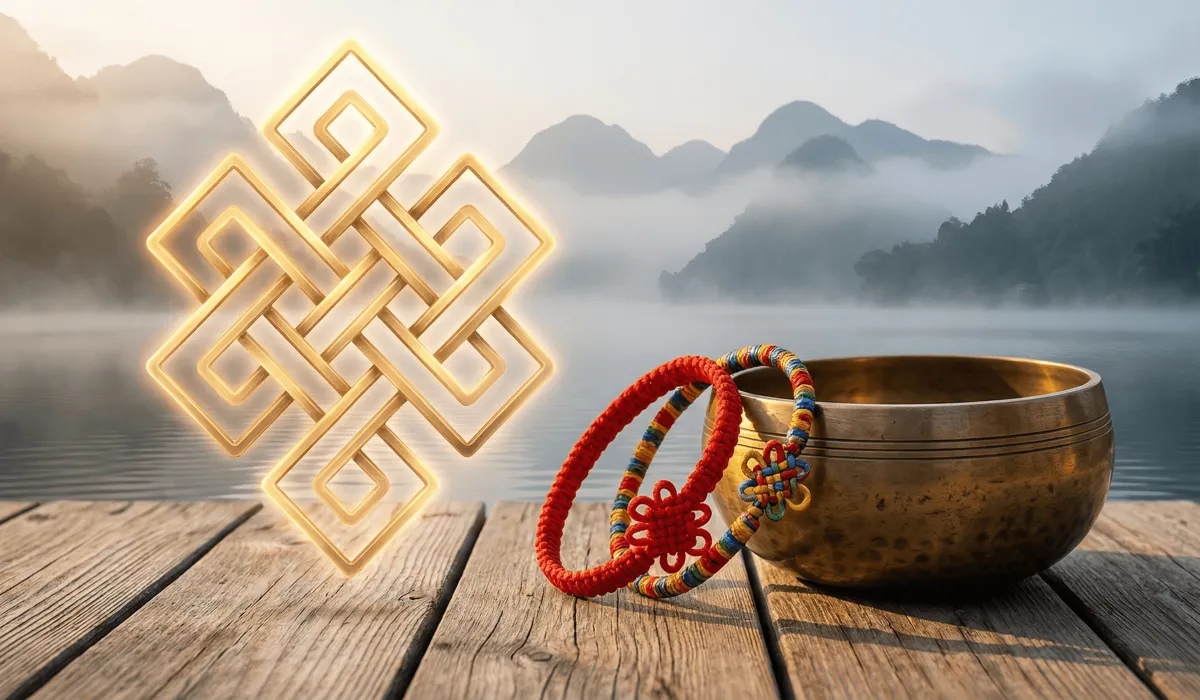
The Tibetan lucky knot meaning is deeply rooted in the "Endless Knot," which is one of the Eight Auspicious Symbols of Buddhism. It symbolizes the harmony of wisdom and compassion, reminding us that all events in the universe are linked. Many people wear these as spiritual talismans for peace to represent the beginningless and endless nature of reality and karma.
Vajra Knot Protection
A specific style often used is the Vajra knot protection, also known as the Dorje knot, which translates to "the diamond way." This symbol represents indestructibility and is believed to provide a powerful shield against negative influences or internal obstacles. Understanding this Buddhist string bracelet significance helps wearers feel more secure and grounded in their spiritual boundaries.
Color Symbolism in Tibetan Traditions
Colors play a vital role in the energy of the traditional Tibetan hand-knotted cord. We have put together a quick guide to help you choose the right color for your current needs:
| Cord Color | Spiritual Meaning | Best For |
|---|---|---|
| Red | Life force, bravery, and sacred energy | General protection and vitality |
| Multicolor | The five elements and Dhyani Buddhas | Holistic balance and harmony |
| Black | Grounding and absorption of negativity | Stability during difficult changes |
When selecting your bracelet, you might also look at established standards like the Gemological Institute of America for information on any gemstone beads included in the design. High-quality materials ensure the handmade Tibetan craftsmanship lasts for years.
Benefits and Intentions Associated with Zen Weaving
One of the major mindful jewelry benefits is having a constant tactile reminder to stay present throughout the day. Touching the knots during stressful times can act as a physical grounding technique, much like other zen knot meditation tools. Our customers often tell us that the Buddhist string bracelet significance provides a sense of calm and a connection to ancient lineages.
Commonly associated intentions for these bracelets include:
- 💎 Peace and Tranquility: Finding emotional stability and a quiet mind.
- 💎 Spiritual Protection: Using Vajra knot protection to feel safe in any environment.
- 💎 Compassion: Recalling our shared connection to all living beings.
These pieces also support personal practices by acting as a wearable "anchor" for your focus. The zen weaving techniques used in the cord represent the discipline and patience needed for spiritual growth. For those looking to expand their practice, you can explore Crystal Healing as a way to supplement the energy of your woven bracelets.
How to Wear a Tibetan Hand-Knotted Bracelet?
In many spiritual traditions, the left side of the body is known as the "receiving" side for energy. Most people choose to wear their authentic Buddhist bracelets on the left wrist to better absorb blessings and protective vibrations. On the other hand, wearing the bracelet on the right wrist is often linked to "giving" or sending your intentions out into the world.
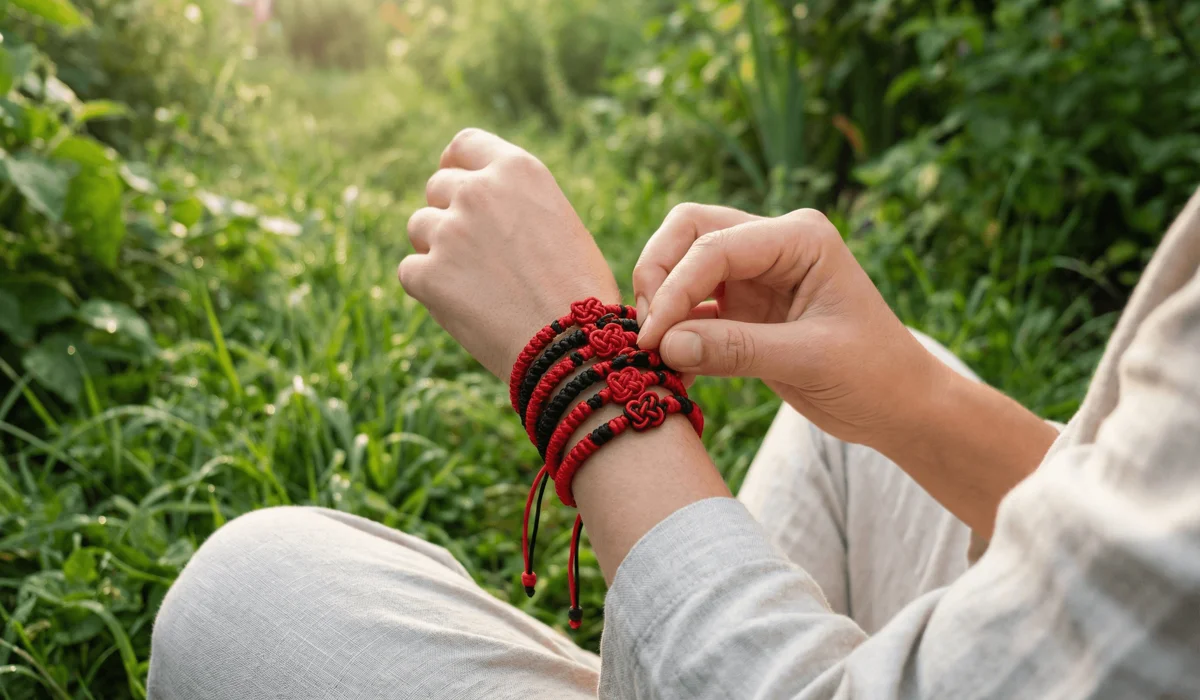
Many practitioners keep their bracelet on 24/7 to maintain a steady connection to their goals. It is very common to wear these during yoga or meditation to stay focused on spiritual talismans for peace. Since they are made from sturdy traditional Tibetan hand-knotted cord, they can handle most daily tasks, though you might remove them for heavy manual work.
Setting an intention is a key step when you first get your bracelet. Hold the piece in both hands and focus on a specific prayer or personal goal. This simple act prepares the handmade Tibetan craftsmanship to work with your unique energy. To find a piece that fits your path, you can explore Bracelet Collection to see various designs and styles.
Tibetan Knotted Bracelets vs. Mala Beads
While Mala beads are mainly used to count mantras during prayer, knotted bracelets serve as wearable reminders and protective charms. The meditative weaving process results in a flat profile that is comfortable against the skin, unlike larger Malas that can be bulky. These Tibetan mantra bracelets offer a subtle way to carry spiritual energy without looking too formal.
Material choice also affects how long your spiritual tool will last. Malas are often made of wood or seeds, which can be delicate, while traditional Tibetan hand-knotted cord is built for durability. Organizations like Gemmological Association of Great Britain offer great resources on the durability of different materials often paired with these weaves. Woven pieces won't crack if dropped, making them perfect for an active lifestyle.
On Reddit, users in r/Meditation often discuss the tools they use for focus. User u/OneGrapefruit5054 noted:
"Meditate how and why. To see and be in a moment where you focus on your breath more than you focus on thoughts in your head AT THAT MOMENT."
*sources:[Meditation is the process of observing breath](https://reddit.com/r/Meditation/comments/1s40juz/meditation_is_the_process_of_observing_breath/)*
A hand-knotted bracelet serves as a physical touchpoint to help achieve this state of breath-focused awareness during the day.
Who Are Tibetan Lucky Knots Suitable For?
These bracelets are perfect for anyone who appreciates handmade Tibetan craftsmanship and wants to support traditional skills. They are great for those seeking mindful jewelry benefits without the heavy weight of metal jewelry. Travelers often use them as spiritual protection bracelets to feel a sense of safety and "home" while they are on the road.
Chakra and Energy Alignment
Red knotted bracelets are usually linked to the Root Chakra, which helps with grounding and physical security. Yellow or gold threads can support the Solar Plexus, focusing on your personal power and confidence. If you are looking for spiritual connection, blue or white variants are often chosen to align with the Throat or Crown Chakras. You can explore Gemstone Collections to find stones that match these energy centers.
Gift-Giving Symbolism
Because these items symbolize luck and protection, they make very meaningful gifts for friends and family. They are popular for graduates, new mothers, or anyone recovering from a hard time. Giving an authentic Buddhist bracelet shows that you care about the recipient's well-being and spiritual journey.
How to Cleanse, Charge, and Care for Woven Bracelets?
To keep your bracelet's energy clear, you can use smoke cleansing with sage or sandalwood. Another method is sound cleansing, where you place the traditional Tibetan hand-knotted cord near a singing bowl. If the bracelet gets dirty, a gentle rinse with cool water while focusing on releasing old energy is very effective. For more history on these practices, Wikipedia provides extensive background on Buddhist rituals.
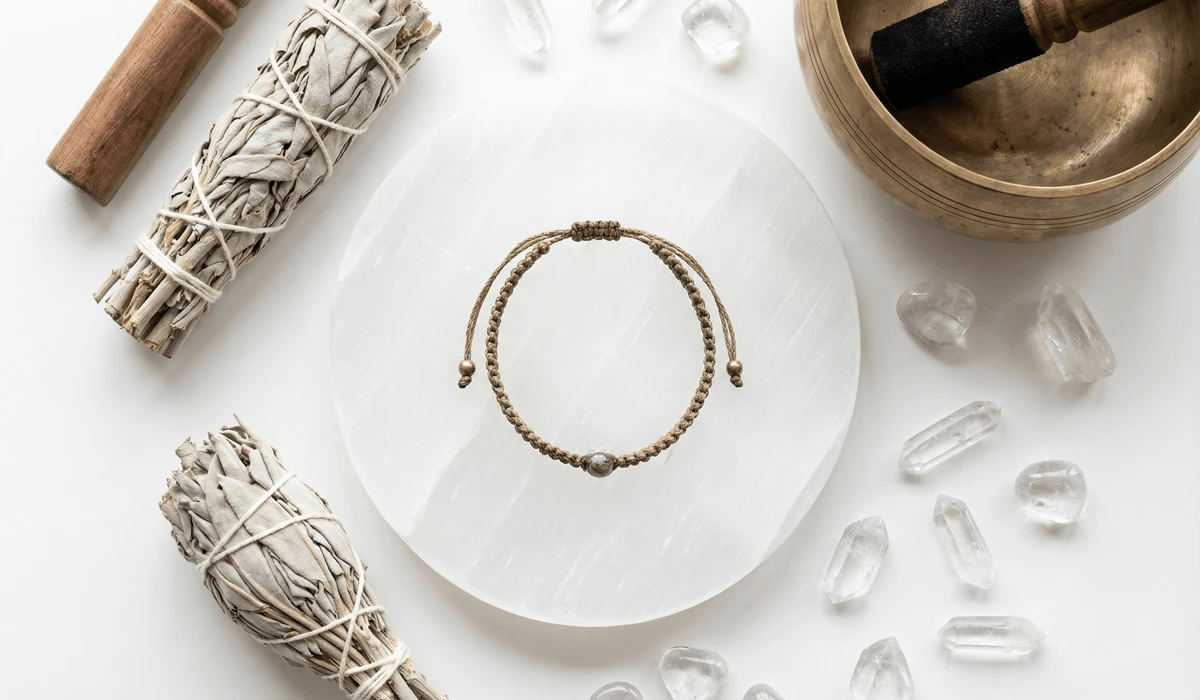
To charge your bracelet, leave it under the light of the full moon or hold it during a deep meditation session. Placing the knots on a selenite plate or near clear quartz also helps keep the spiritual protection bracelets vibrant. Avoid using harsh chemicals or bleach, as these can damage the fibers of the handmade Tibetan craftsmanship. When you aren't wearing it, store the bracelet in a clean pouch or a dedicated spiritual space to show respect.
Frequently Asked Questions
Q: What is the spiritual meaning of a Tibetan hand-knotted bracelet?
A: The spiritual meaning is centered on the concept of luck, protection, and the "Endless Knot" which symbolizes the infinite wisdom of the Buddha. These are considered spiritual talismans for peace that remind the wearer of the interconnectedness of all life and the importance of karma.
Q: Which wrist should I wear my Tibetan lucky knot bracelet on?
A: It is traditionally recommended to wear the bracelet on the left wrist, as this is considered the receptive side of the body for spiritual energy. However, there is no strict rule, and many choose the wrist that feels most comfortable or intuitive for their mindful jewelry benefits.
Q: How are authentic Zen bracelets traditionally woven?
A: Authentic pieces are created using specific Zen weaving techniques where each knot is tied while the creator is in a meditative state or reciting mantras. This meditative weaving process is what differentiates a sacred item from a decorative piece of fashion jewelry.
Q: How do I set an intention for my hand-knotted bracelet?
A: To prepare your bracelet, sit quietly and hold the piece in your hands, visualizing your goal or a feeling of peace flowing into the cord. State your intention clearly in your mind or aloud to align the sacred knot symbolism with your personal energy.
Q: How do I cleanse the energy of my Tibetan string bracelet?
A: You can cleanse your bracelet using sound (singing bowls), smoke (incense), or by placing it in a natural environment like moonlight. Regular cleansing helps maintain the effectiveness of the spiritual protection bracelets by removing stagnant energy.
Hand-knotted Tibetan bracelets are more than just jewelry; they are spiritual talismans for peace that carry centuries of tradition. By understanding the meditative weaving process and the deep sacred knot symbolism, you can use these tools to find more balance in your life. Whether you choose a red cord for protection or a multicolored one for balance, these authentic Buddhist bracelets help you stay connected to your highest intentions.

Longyi Luck
Longyi Luck is a Feng Shui practitioner and spiritual researcher who blends traditional year-based wisdom with modern lifestyle insights, specializing inFeng Shui, spirituality, meditation, and mindfulness. With years of dedicated study and practice, Longyi explores cultural symbolism and the practical application of ancient wisdom to help individuals cultivate balance, clarity, and harmony in everyday life. Since 2020, Longyi has been committed to translating timeless traditions into accessible guidance for the modern world.
longyi@auraandluck.com

.webp?w=1280&h=1280)
.webp?w=800&h=800)