
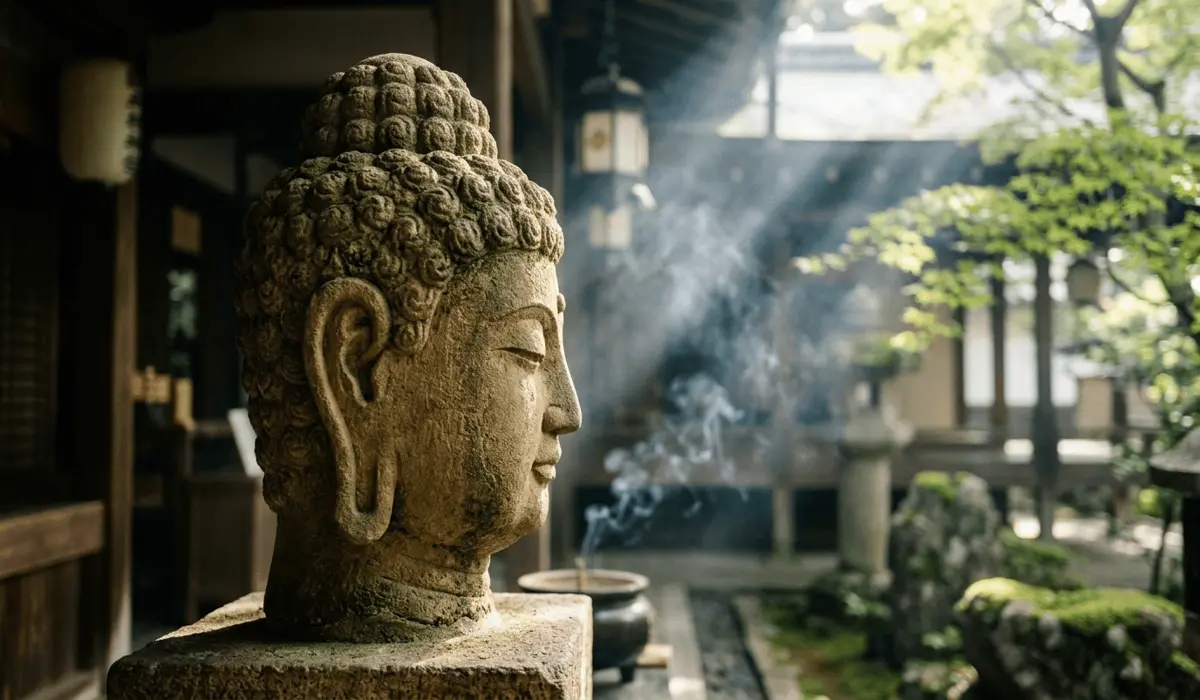
Many people see the Buddha head in gardens, spas, and homes today. It is a very popular image that stands for peace and a calm mind. We see this symbol everywhere, but it has a much deeper story than just being a pretty object. It represents the very peak of spiritual growth and the Mind of Enlightenment (Bodhicitta). For many, this face is a visual anchor that helps them stay present in a busy world.
The serene smile of the Buddha can actually change how we feel inside. When we look at a face that is perfectly calm, our own brains try to match that feeling. Scientists call this the mirror neuron system. In this way, a simple statue becomes a tool for mindfulness and inner quiet. It is not just a piece of art but a map of a high state of universal consciousness.
Quick Summary: The Buddha head symbolizes absolute wisdom and the triumph of the spirit over physical pain. It represents the "Mind of Enlightenment" where the head is seen as the home of the soul. While it is a global symbol of peace, it carries deep cultural meaning from ancient Theravada and Mahayana traditions. Proper respect and placement are key to honoring its sacred roots.
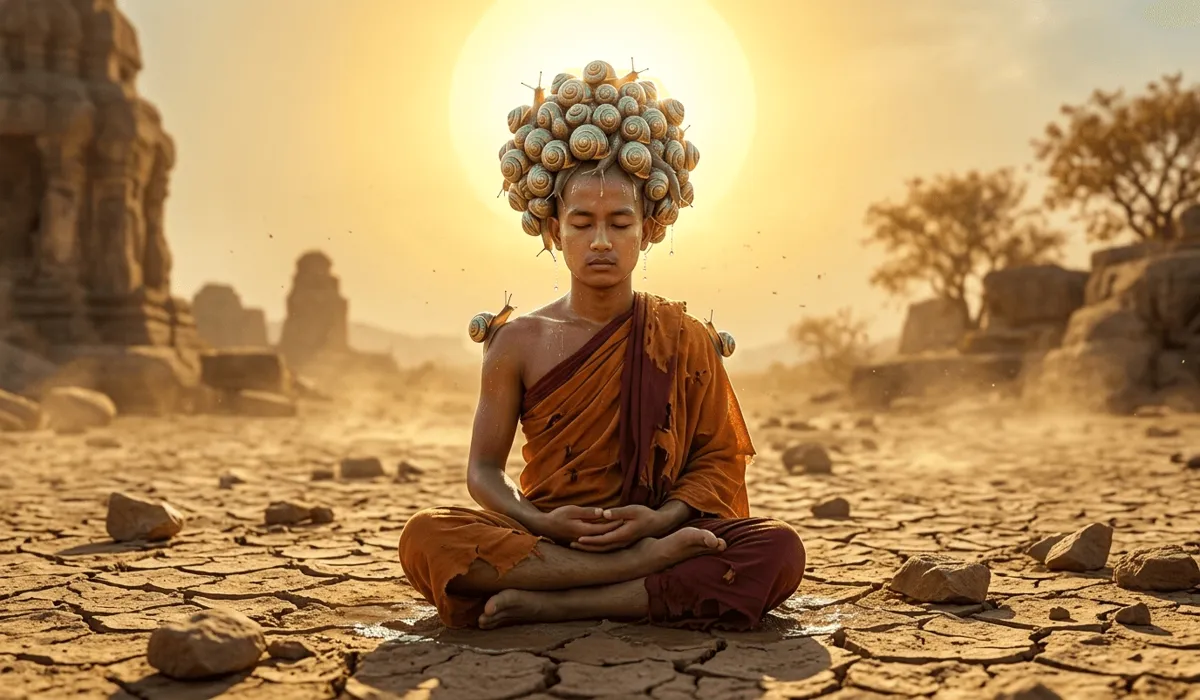
The Legend of the 108 Snail Martyrs: A Story of Sacrifice
The most famous story about the Buddha’s hair involves 108 snails. Long ago, Siddhartha Gautama was sitting in deep meditation under the hot sun. He was so focused on finding the truth that he did not feel the heat burning his skin. The sun was very strong, and he was in danger of getting a heatstroke. This is when a group of small iridescent snails saw his struggle.
These 108 snails crawled up his body and covered his shaved head. They used their own moist bodies to keep his skin cool and protected from the golden sun. They stayed there until they eventually died from the intense heat. Because of their sacrifice, the Buddha was able to reach his goal of enlightenment. Today, the curls we see on the Buddha head are actually those snails. They remind us of self-sacrifice and the connection between all living things in nature. This beautiful story is a core part of Buddhist mythology across Asia.
The Ushnisha and the Crown of Wisdom
On top of the head, there is often a large bump called the ushnisha. This is not just a hairstyle or a hat. It is a physical sign of the Buddha’s expanded psychic consciousness. It shows that his mind has grown beyond the normal human limit. In early art, it looked like a simple bun of hair, but later it became a symbol of illumination. Some people believe this bump represents the opening of the Sahasrara (Crown) Chakra. It is the place where transcendental knowledge flows into the physical world. Understanding this feature is essential when learning about Sacred Stone Meaning and spiritual art.
The Anatomy of Enlightenment: Reading the Sacred Face
Every single feature on a Buddha head has a specific meaning. The face is designed using sacred geometry to create a sense of perfect balance. This symmetry helps with aura cleansing just by looking at it. The serene smile is perhaps the most famous part. It shows a state of "Equanimity" (Upekkha), which means being calm no matter what is happening around you. It is a smile that comes from letting go of all desire and suffering.
Another key feature is the elongated earlobes. Before he was the Buddha, Siddhartha was a prince who wore very heavy gold jewelry. The weight of the gold stretched his ears over time. When he left his palace, he took off the jewelry to find the truth. His long ears now stand for his renunciation of worldly wealth. They also show that he is "The One Who Hears All," listening to the cries of the world with great compassion.
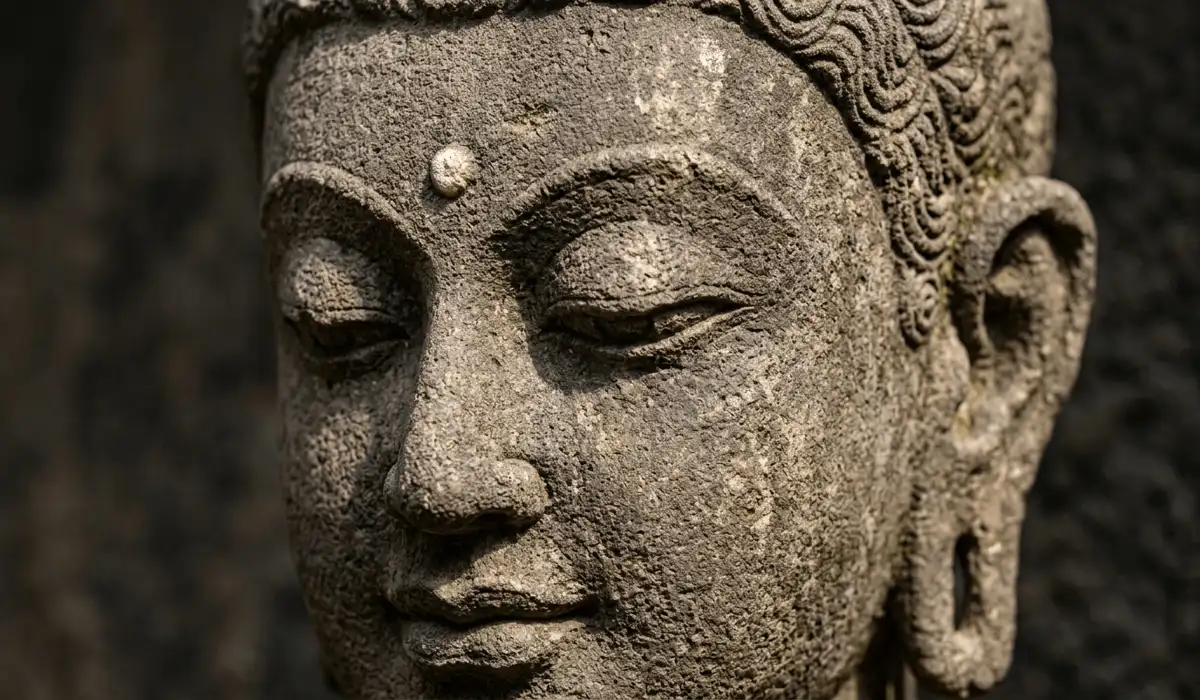
The Third Eye and Inner Vision
Between the eyebrows, you will often see a small dot called the Urna. This represents the Third Eye or the Ajna Chakra. It is the eye that sees the spiritual truth behind the physical world. It shows that the Buddha has moved past the veil of Maya (illusion). This dot is a reminder that we all have the power to see with inner wisdom. You can find more about these ancient concepts in the Universal Cultural Knowledge available online.
The Controversy: Why Just a Head Can Be Disrespectful
In recent years, a big debate has grown about using Buddha heads as simple home decor. In traditional cultures like Thailand and Sri Lanka, the Buddha statue is always a whole body. The head is the most sacred part of any person in these cultures. Taking the head off the body is seen as a violent act. Historically, many heads were cut off by looters and sold to museums or rich collectors. This colonial history makes the image of a "head only" statue very painful for some people.
For a practitioner, a decapitated statue represents a broken connection. It is important to treat these items with karmic respect. If you have a Buddha head, it should never be placed on the floor or in a bathroom. These are considered "unclean" areas that show a lack of honor. Instead, it should be placed in a high, clean spot. We must balance our love for the Zen aesthetic with a deep understanding of the cultural origins of the image.
Historical Roots: From Gandhara to the Kingdom of Siam
The way the Buddha looks today comes from a mix of many cultures. The first human-like faces of the Buddha were made in Gandhara (modern-day Pakistan and Afghanistan). This area was influenced by Indo-Greek art. This is why some early statues look a bit like Greek gods. Later, as the religion moved into Thailand and China, the features changed to match local styles. In Thailand, the "Serene Smile" became more defined during the Sukhothai period. Each culture added its own spiritual energy to the Buddha head.
The evolution of these styles shows how universal wisdom can fit into any culture. Whether in India or Japan, the core message remains the same. The face is meant to act as a visual mandala. It draws the eyes of the viewer into a state of meditative absorption. If you want to learn about other lucky symbols from these times, check out the history of Wealth Symbol History in Asian traditions.
Video source:YouTube
Author:Spiritual Universe Unlocked
Original video link:https://www.youtube.com/watch?v=nePgBW_yeG8
Why Wear Buddha Head Jewelry Today?
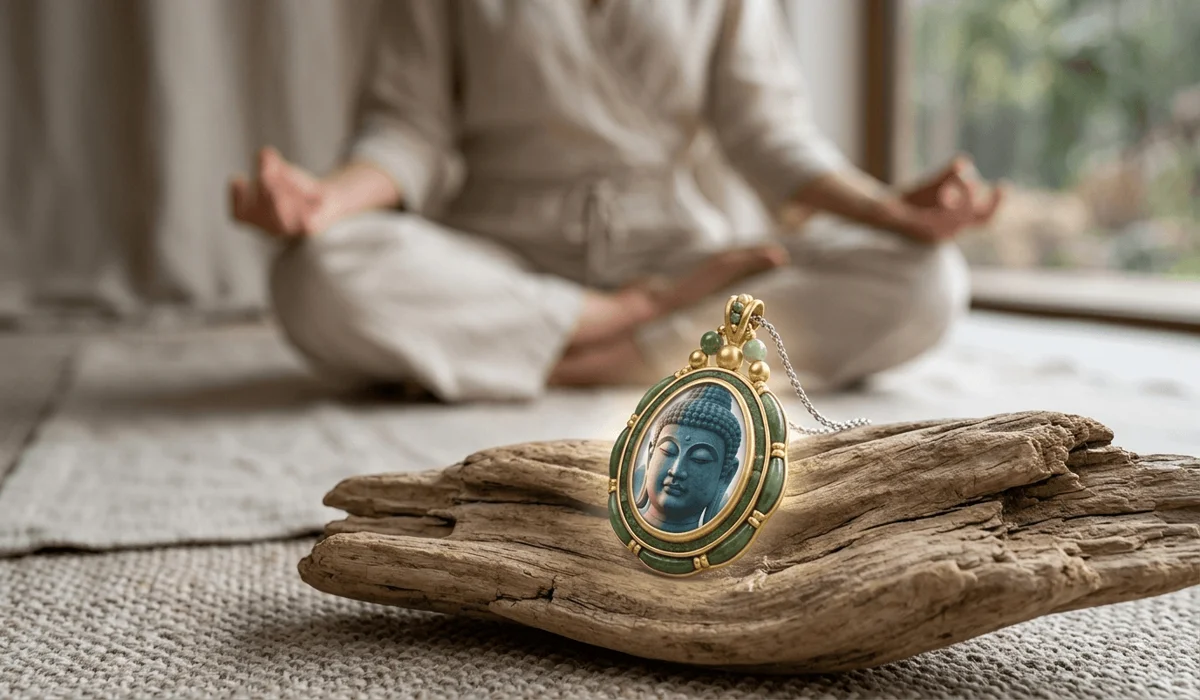
Carrying or wearing a Buddha head pendant is a popular way to keep this energy close. It serves as a mindfulness anchor throughout the day. In our modern world, we are often stressed by technology and digital burnout. Feeling the pendant against your skin can remind you to take a deep breath. It helps lower cortisol and brings the brain back to a state of calm. This is often called the "Serene Smile Effect."
Wearing the image of the Enlightened Mind is also about Dharma protection. It acts as a shield against negative thoughts and mental fog. For many, it is a tool for aura cleansing and keeping the upper chakras aligned. It is a way to tell the world, and yourself, that you value inner peace over external noise. This type of jewelry is more than a fashion choice; it is a spiritual commitment. It is similar to how people use a Wisdom Jewelry Lore to find focus and clarity.
Choosing the Right Material for Your Icon
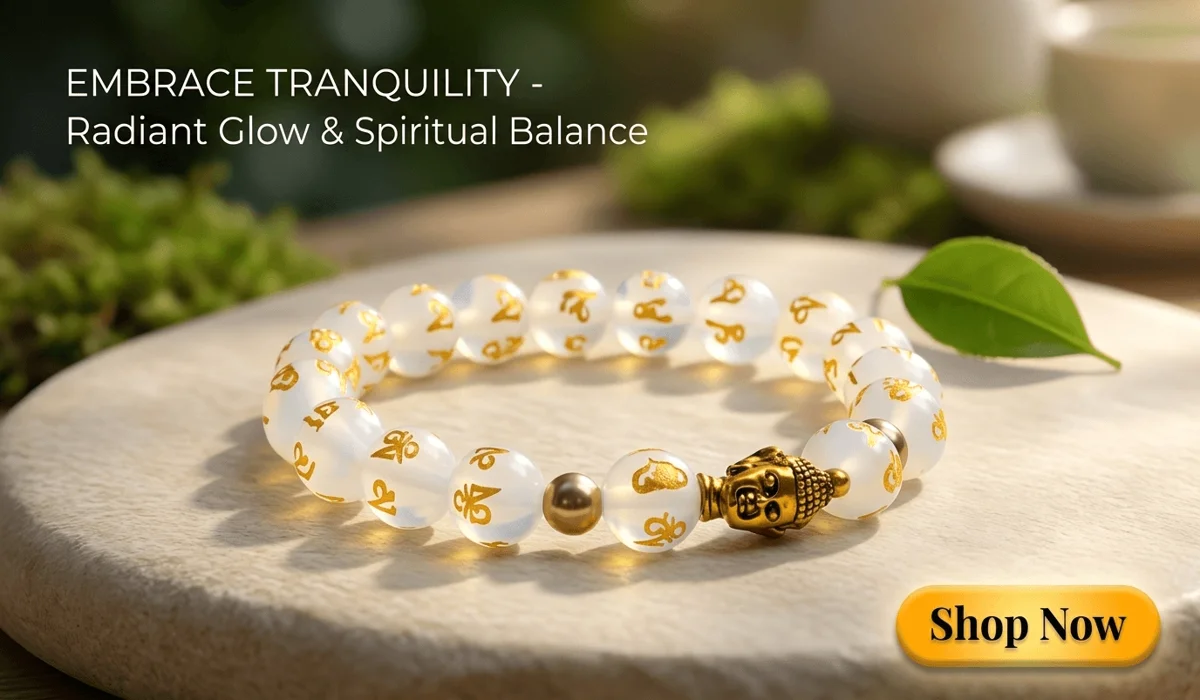
The material of your Buddha head also matters for its energetic frequency. Gold is often used to represent purity and solar energy. Stone or wood connects you to the earth and grounding. Some people prefer crystals to help with specific needs like calm or healing. Whatever you choose, make sure it is made with artisan care. A mass-produced plastic object does not hold the same vibrational quality as a handcrafted piece made with clear intent.
Feng Shui Mastery: Respectful Placement for Your Home
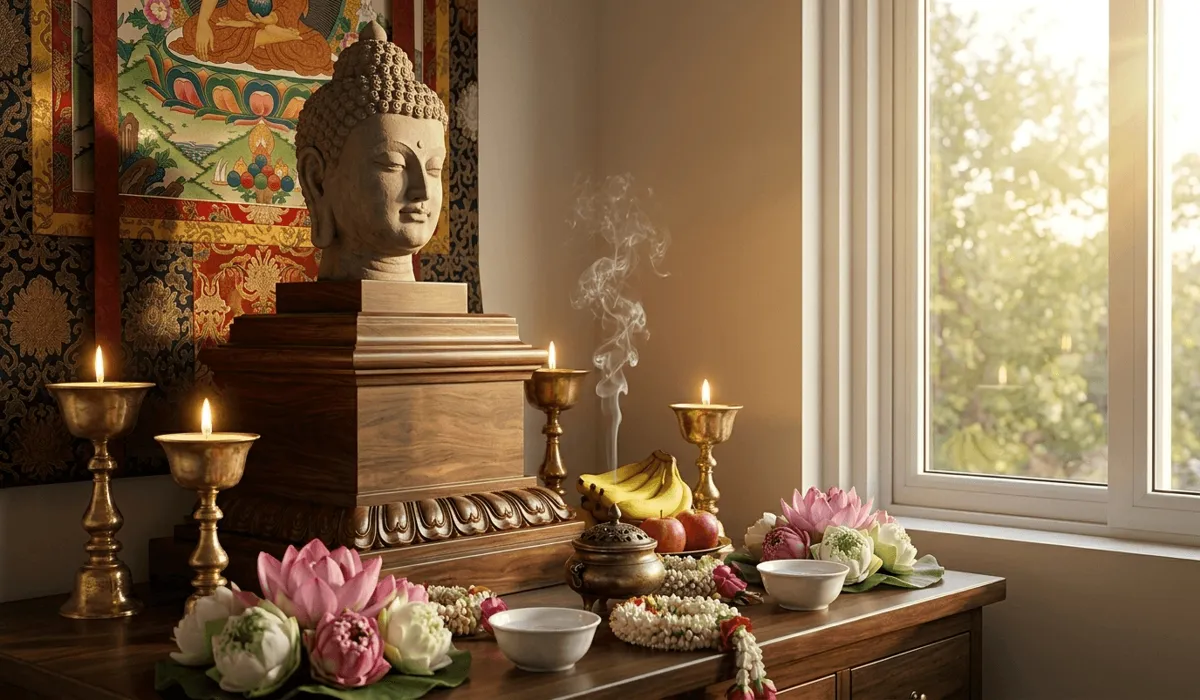
In Feng Shui, the placement of a Buddha head can change the Chi (气) of a room. It is not just about making a room look nice. It is about energy flow and spiritual alignment. The most important rule is height. You should always place the head at or above eye level. This shows that you look up to the Buddha’s wisdom. Placing it on the floor is a major taboo that can bring negative energy into your space.
You should also think about the direction the face is looking. Facing the Buddha head toward the main entrance of a room helps filter the energy coming in. It turns a chaotic room into a place of tranquility. If you are placing it in an office, it can invite transcendental knowledge into your work. For more professional advice on these Ancient Design Principles, you can visit the Balance Practice Group website. They offer many tips on creating a harmonious home.
Comparison of Buddha Head Symbolic Features
The following table shows how different parts of the Buddha head relate to spiritual concepts.
| Feature | Spiritual Meaning | Cultural Root |
|---|---|---|
| Ushnisha | Psychic consciousness and illumination | Gandharan and Thai art |
| Long Earlobes | Renunciation of wealth and deep listening | Ancient Indian royalty |
| Urna (Third Eye) | Ability to see spiritual truth | Vedic and Buddhist tradition |
| Serene Smile | Equanimity and inner peace | Sukhothai (Thai) period |
| Half-Closed Eyes | Balance between meditation and compassion | Mahayana Zen influence |
These features are documented in many World History Encyclopedia sources, such as Historical Fact Records, helping us understand the evolution of religious art.
The 2026 Perspective: Serenity in a High-Speed World
As we move into 2026, the Buddha head is becoming even more important for mental health. We live in a world that never stops. The constant notifications and social pressure can lead to high-beta brainwave states. This makes us feel anxious and tired. The image of the Buddha acts as a visual medicine. It helps shift our brain into alpha or theta waves, which are linked to relaxation and creativity.
The Ascension movement also looks at the ushnisha as a symbol of our own potential. It represents the "Next Step" in human conscious evolution. By focusing on this symbol, we are not just looking at a man from the past. We are looking at a mirror of our own soul. It shows us that we can also reach a state of absolute wisdom if we practice daily mindfulness and kindness.
Action Steps to Invite Buddha's Wisdom Into Your Life
- Mindfulness Visualization: Spend 5 minutes daily looking at the Buddha’s serene smile and matching your breath to his calm expression.
- Respectful Altar Setup: Place your Buddha symbol on a high shelf away from distractions to create a "Mindfulness Zone" in your home.
- Set a Daily Intention: Before leaving home, touch your Buddha pendant and set a goal to remain calm during stressful moments.
- Crown Chakra Focus: During meditation, visualize the ushnisha on your own head to help open your path to higher knowledge.
Frequently Asked Questions
Q: What is the specific karmic weight of displaying a Buddha head without its body?
A: Many believe that the intentionality of the owner is what matters most. If you display it with deep respect and use it for meditation, the energy is positive. However, in many Buddhist cultures, a head without a body is a reminder of historical trauma and theft. It is always better to understand the history and treat the object with the highest honor to avoid negative spiritual vibes.
Q: Why do 108 snails symbolize environmental protection and self-sacrifice?
A: The snails gave their lives to protect a meditating being from the harsh sun. This shows that all life, no matter how small, has value and can perform a sacred act. It connects ancient legends to modern ecological mindfulness. It teaches us that nature is not separate from us, but is a partner in our journey toward spiritual awakening.
Q: Is it culturally disrespectful to wear a Buddha head pendant in Southeast Asia?
A: In countries like Thailand, wearing Buddha images as jewelry can be seen as disrespectful if done purely for fashion. However, if the pendant is worn with devotion and tucked under a shirt near the heart, it is often more accepted. Travelers should be careful and avoid showing the symbol in "low" or disrespectful places like bars or beaches where alcohol is served.
Q: How does the ushnisha represent the crown chakra's evolution in 2026 spiritual practices?
A: In modern spiritual movements, the ushnisha is seen as a symbol of "Ascension." It represents the brain's ability to rewire itself through deep meditation. It shows the goal of moving from a physical identity to a spiritual one. In 2026, it serves as a visual goal for those trying to reach higher levels of consciousness and mental clarity.
Q: What is the difference between the Laughing Buddha head and the Sakyamuni Buddha head?
A: The Sakyamuni Buddha (the historical Siddhartha Gautama) represents wisdom, serenity, and the end of suffering. He is usually shown with a calm expression and the snail-curl hair. The Laughing Buddha (Budai) is a different figure, a 10th-century monk who represents abundance, joy, and good luck. Sakyamuni is about the mind, while Budai is about earthly happiness.
Conclusion: Integrating the Wisdom of the Awakened Mind
The Buddha head is a bridge between the ancient world and our modern lives. It is more than a Zen aesthetic choice; it is a call to awaken our own inner peace. By understanding the snail martyr legend and the meaning of the ushnisha, we can connect with the symbol on a much deeper level. We move from being "owners" of an object to being "practitioners" of a peaceful way of life.
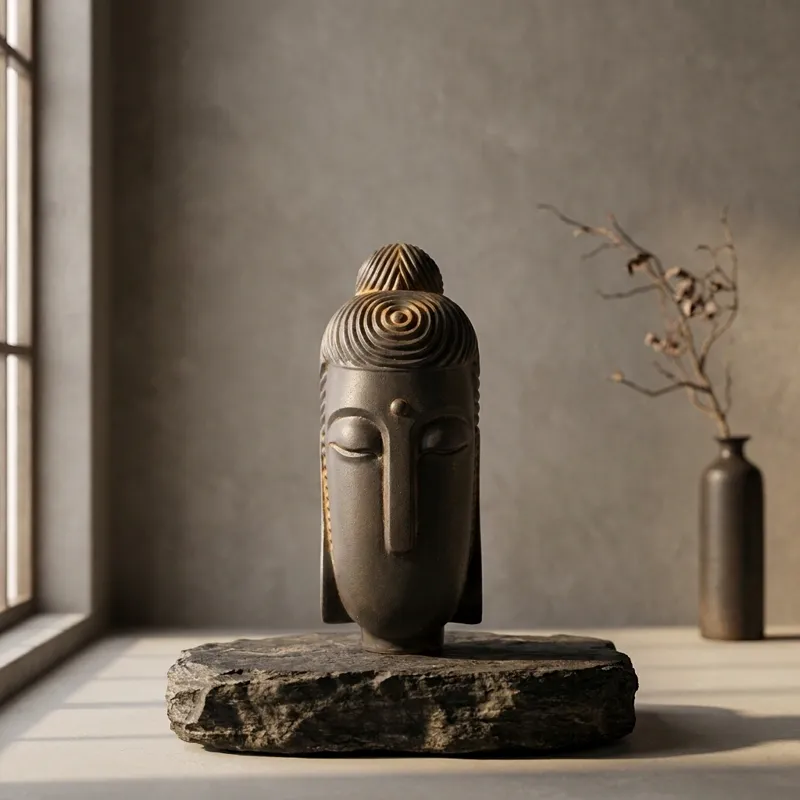
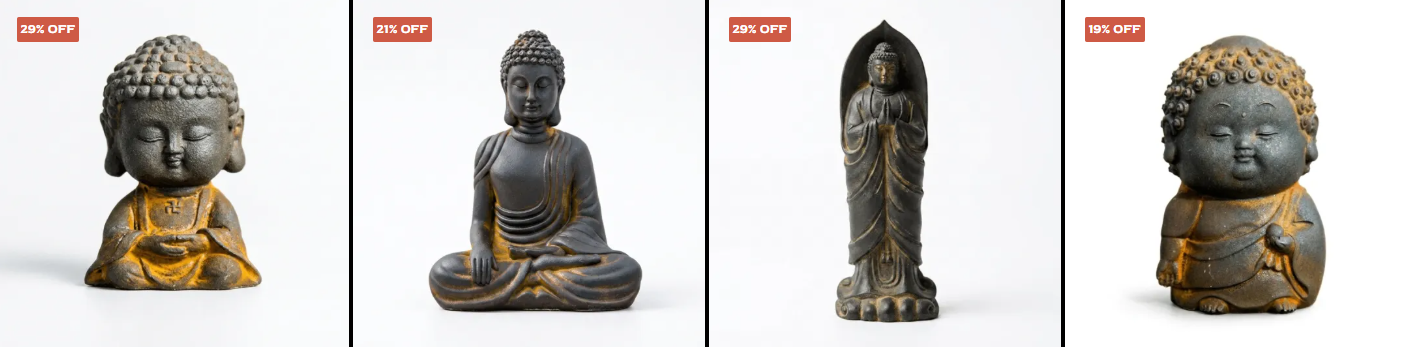
Natural Rust Iron & Resin Buddha Head – Inner Peace, Spiritual Serenity & Timeless Zen
Designed to resonate with the Third Eye and Crown Chakras, this Zen deity acts as a silent guardian for your home. It transmutes chaotic environmental vibrations into a steady frequency of focused calm, making it an essential companion for those seeking spiritual serenity, mental clarity, and a deeper connection to the Tao.
Shop NowAs we have seen, the path of the Buddha head is full of history, mystery, and cultural power. Whether you use it for aura cleansing or as a mindfulness anchor, remember to treat it with the karmic respect it deserves. When we honor the symbol, we honor the Awakened One that lives within all of us. Let this serene face be your guide toward a life of transcendental knowledge and great compassion.

Longyi Luck
Longyi Luck is a Feng Shui practitioner and spiritual researcher who blends traditional year-based wisdom with modern lifestyle insights, specializing in Feng Shui, spirituality, meditation, and mindfulness. With years of dedicated study and practice, Longyi explores cultural symbolism and the practical application of ancient wisdom to help individuals cultivate balance, clarity, and harmony in everyday life. Since 2020, Longyi has been committed to translating timeless traditions into accessible guidance for the modern world.
longyi@auraandluck.com
.jpg?w=1440&h=1440)
.jpg?w=1440&h=1440)
.jpg?w=1440&h=1440)
.jpg?w=1440&h=1440)