
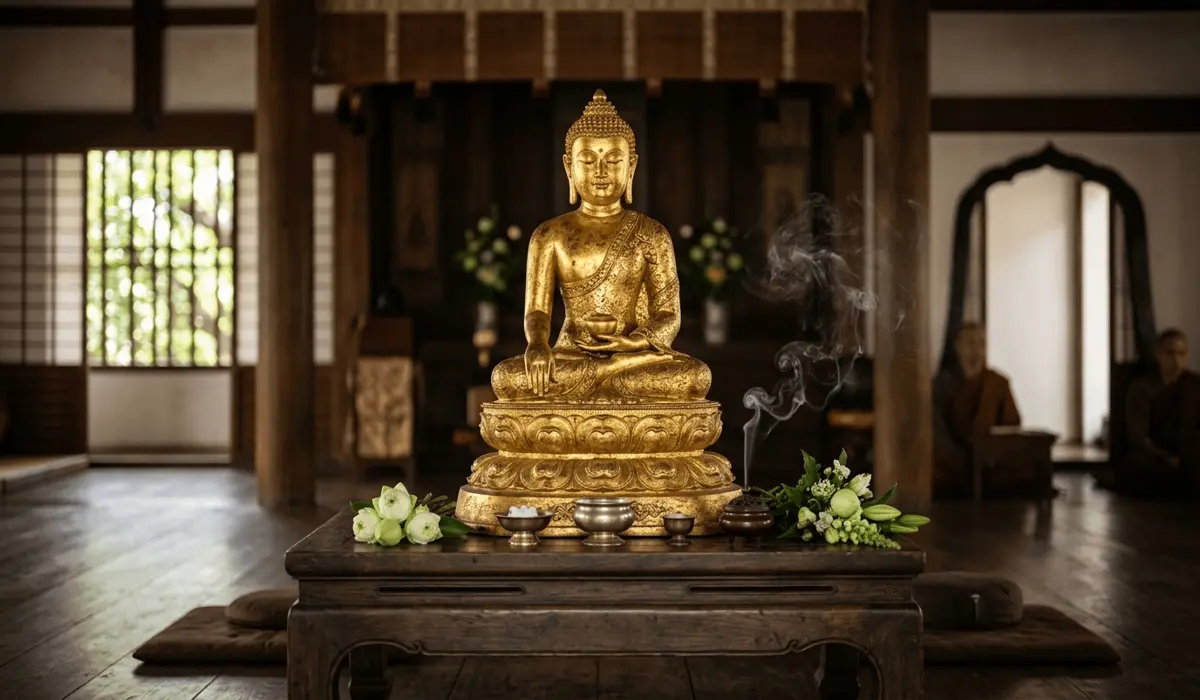
Placing a Buddha statue in your home is much more than a simple choice for your interior design. We at Aura & Luck believe it is a deep act of spiritual alignment that changes the energy of your living space. For thousands of years, this sacred icon has acted as a mirror for the human soul, showing us how to move past suffering and find absolute clarity. In a modern home, having a Buddha statue helps bridge the gap between ancient wisdom and your daily life, serving as a silent guard for mindfulness practice.
Ancient Origins and the Legend of the Awakened One
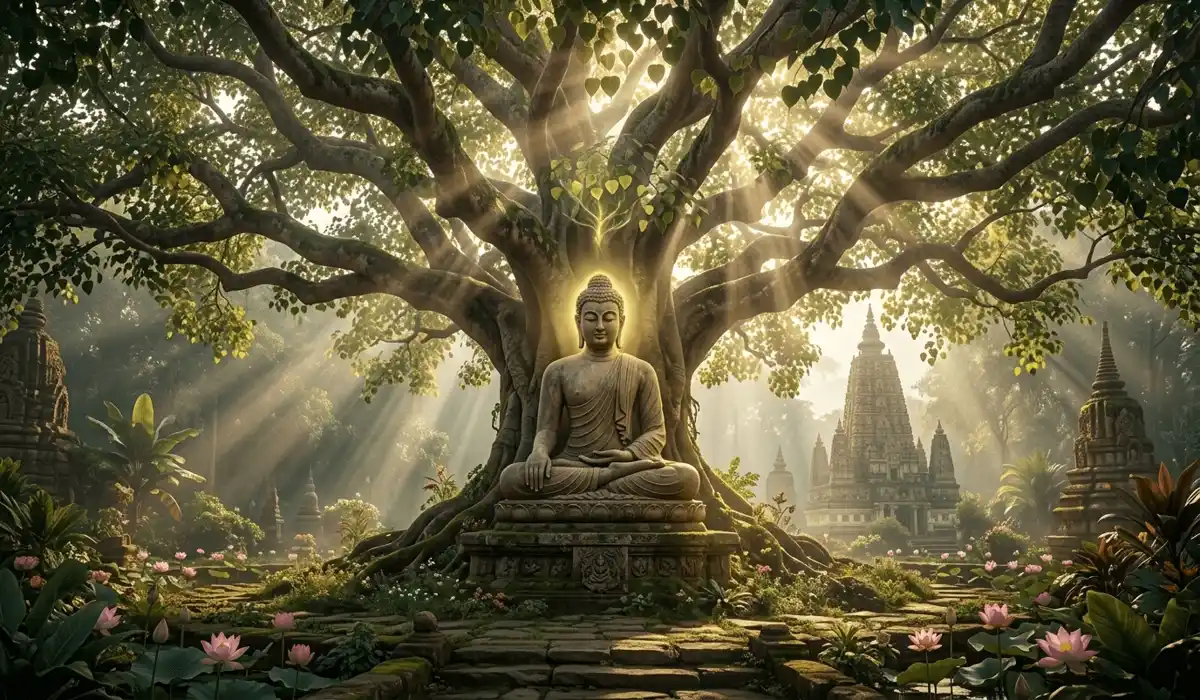
The story of this symbol begins with Siddhartha Gautama, a prince who left his wealth to find the truth about life. After many years of searching, he sat in deep meditation under a Bodhi tree at Bodhi Gaya. It was there that he became the Awakened One, moving beyond Samsara (cycle of rebirth) and worldly desires. His physical form is known as a Nirmanakaya, which is a visible sign of pure wisdom meant to help all living beings find freedom from pain.
Different traditions have unique ways of looking at these statues. In Theravada and Mahayana Buddhism, a statue is the main focus for a venerated deity during prayers and worship. Tibetan Buddhism uses very detailed rules because they see the statue as a tool for internal transformation. In Chinese Feng Shui, the Buddha is a powerful tool to balance Chi (气) within the Bagua map of a house. Meanwhile, Indian Vastu Shastra gives very specific rules for Vastu Shastra placement to keep your home in tune with cosmic vibrations.
The history of these icons shows a long cultural evolution from simple stone carvings to the Zen aesthetics we see today. Each statue tells a story of the Awakened One and his journey to find internalized peace. Understanding these roots helps us treat these objects with the spiritual decorum they deserve. We should never view a Buddha as just a decoration, but as a living part of a rich sacred architecture of the mind.
The Hidden Philosophy of Buddha Symbols
When you look at a Buddha statue, you are reading a visual language of divine protection and peace. The concept of Upaya (skillful means) teaches us that these images are just tools to help us focus our minds. They are not idols to be worshipped for their own sake, but reminders of the enlightened presence we all have inside. If we treat a statue poorly, it shows a clouded ego that gets in the way of our own growth.
Decoding the Physical Features
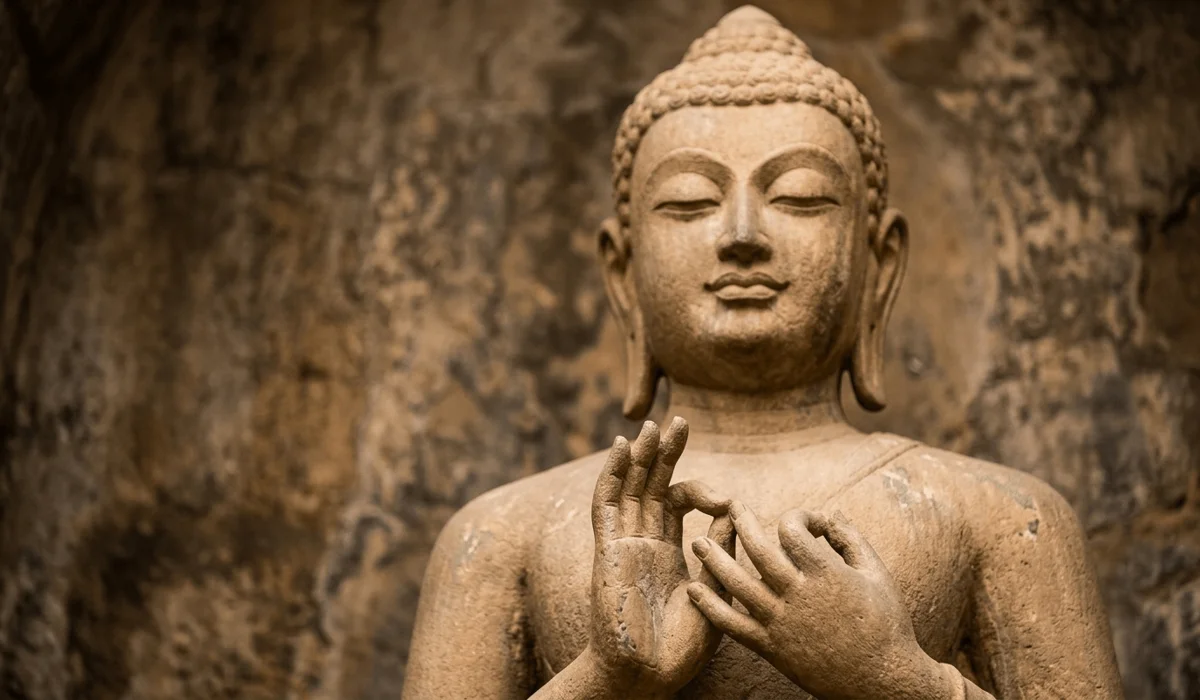
Every part of the Buddha’s body has a special meaning. The Usnisha is the bump on the top of the head that shows the expanded wisdom of a Buddha. The elongated ears represent the ability to hear the cries of all people who are suffering in the world. His closed eyes show us how to find internalized peace by looking inward instead of being distracted by things outside of ourselves. These features remind us to stay calm even when life feels very busy and loud.
The Meaning of Hand Gestures
The hand positions, known as Mudras, tell us what the Buddha is doing or teaching. For example, the Bhumisparsha Mudra shows him touching the earth to prove he reached enlightenment. The Dharmachakra Mudra represents the turning of the wheel of law and the sharing of wisdom. Understanding these symbols helps you choose a statue that matches your own goals for mindfulness practice and aura cleansing. You might find that a specific gesture speaks to your heart more than others.
| Tradition | Main Focus | Placement View |
|---|---|---|
| Theravada | Merit-making and respect | High altars in clean rooms |
| Mahayana | Compassion for all beings | Central focus of the living area |
| Feng Shui | Energy flow and Chi balance | Facing the main door or entrance |
| Vastu Shastra | Cosmic vibration alignment | Strictly the Northeast sector |
The Bedroom Dilemma: Intimacy vs. Purity
In Eastern traditionalism, the bedroom is rarely considered a good place for a sacred space. This is because the room is used for sleeping, changing clothes, and intimacy, which are seen as "worldly" or "unclean" activities. Many practitioners believe that the high-vibrational energy of a Buddha can clash with the Yin energy of rest. If you are looking for ways to bring more harmony to your life, you might look at a Laughing Buddha Jewelry piece instead. This allows you to carry the positive vibrations without worrying about room taboos.
However, Western Zen aesthetics have a different view. In the West, many people find that the image of a Buddha helps reduce sleep anxiety and digital burnout. It serves as a visual cue to breathe and let go of the day’s stress. If your only private space is a bedroom, such as in a studio apartment, you can still keep a statue there. You just need to follow spiritual boundaries to make sure you are still showing iconographic respect.
Feng Shui and Vastu Shastra Rules for Placement
To keep the Chi in your home moving correctly, you should follow the basic rules of auspicious placement. A Blessing Buddha should usually face the main door of the room. This helps to neutralize any negative energy that tries to enter your space. It also welcomes guests with a sense of internalized peace and kindness. If you are interested in how time affects your home energy, you can check out Tai Sui Placements for more detailed guidance on yearly energy shifts.
According to Vastu Shastra, the best spot for a Buddha is the Northeast sector of your home. This area is linked to water and wisdom, making it the perfect home for an enlightened presence. You should also make sure the statue is at eye level or higher. Looking down at a Buddha is thought to be a sign of a clouded ego, while looking up shows humility and a desire to learn. Keeping the area clean and free of clutter is also vital for maintaining positive vibrations.
The Elevation Rule
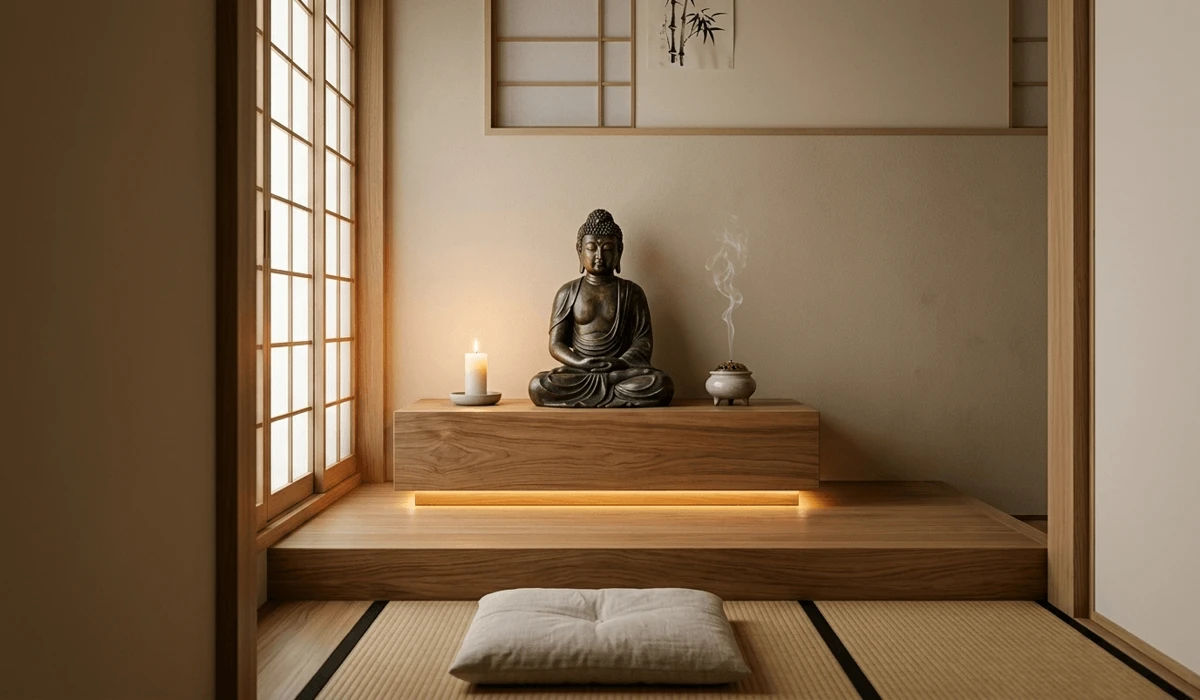
Never place your Buddha statue directly on the floor. This is considered very disrespectful in all Buddhist branches and Feng Shui schools. Use a pedestal or a dedicated meditation altar to raise the statue. This shows iconographic respect and helps the Chi flow around the image without being blocked by low-level clutter. A raised position ensures the sacred space feels important and protected.
Prohibited Zones to Avoid
There are certain places where a Buddha should never be placed. These include bathrooms, kitchens, and areas near trash cans or laundry. These spots have "waste" energy that does not match the pure wisdom of the Buddha. Also, never point your feet toward the statue while you are sitting or sleeping. In many cultures, feet are seen as the dirtiest part of the body, and pointing them at a venerated deity is a major taboo.
For those who want to combine natural beauty with spiritual symbolism, a hand-carved crystal Buddha statue can be an excellent choice. You might consider placing a Hand-Carved Natural Clear Quartz Green Tara Buddha Statue for Spiritual Meditation & Luxury Home Decor in the Northeast sector of your home, as this direction is traditionally associated with wisdom and spiritual growth in Feng Shui. Clear quartz is widely appreciated for its ability to cleanse the aura, enhance mental clarity, and amplify positive energy, making it a meaningful addition to a meditation space or sacred altar. 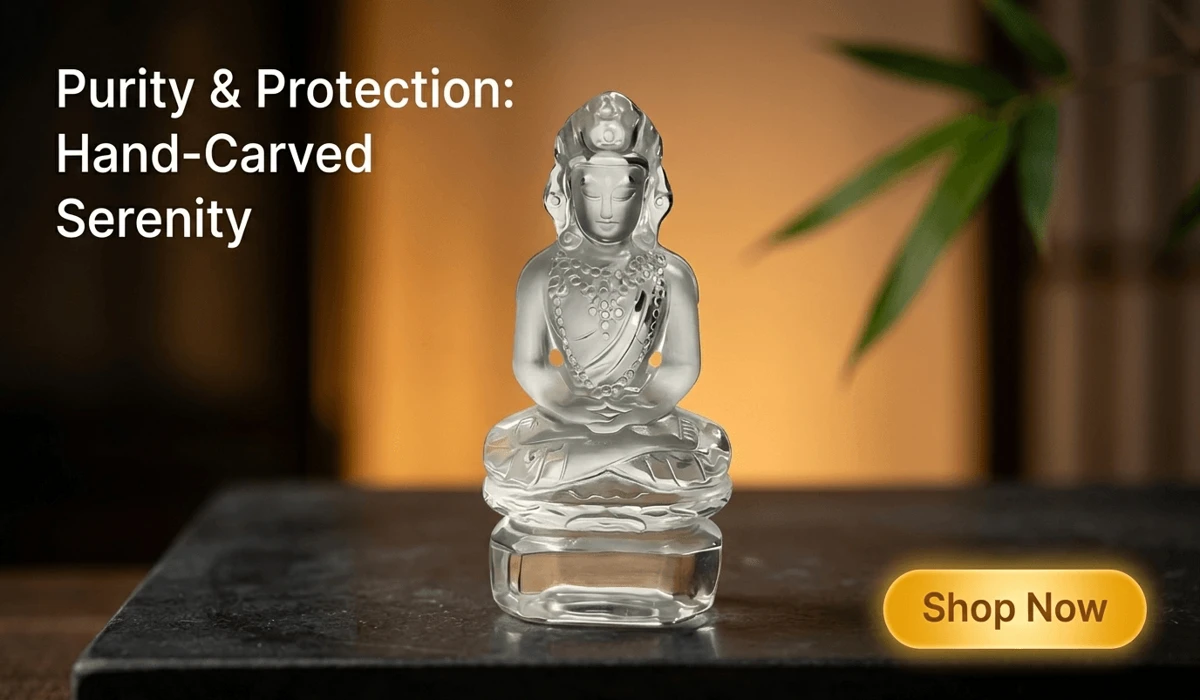
Why Wear Buddha Jewelry in the Modern Era?
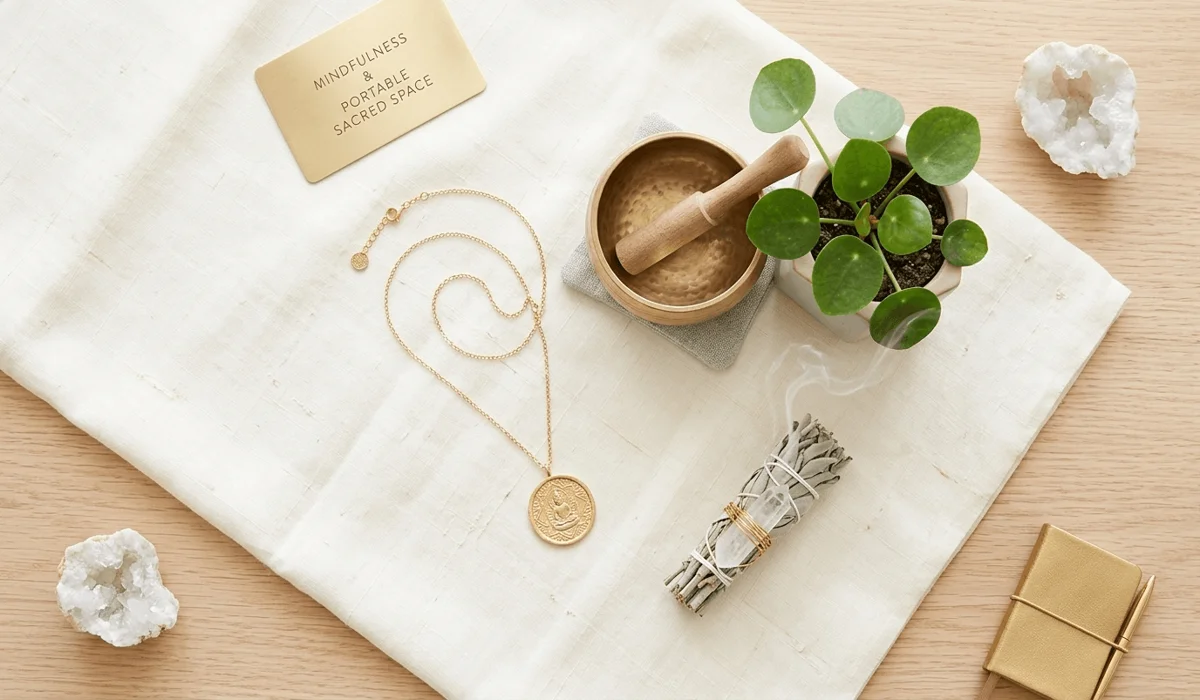
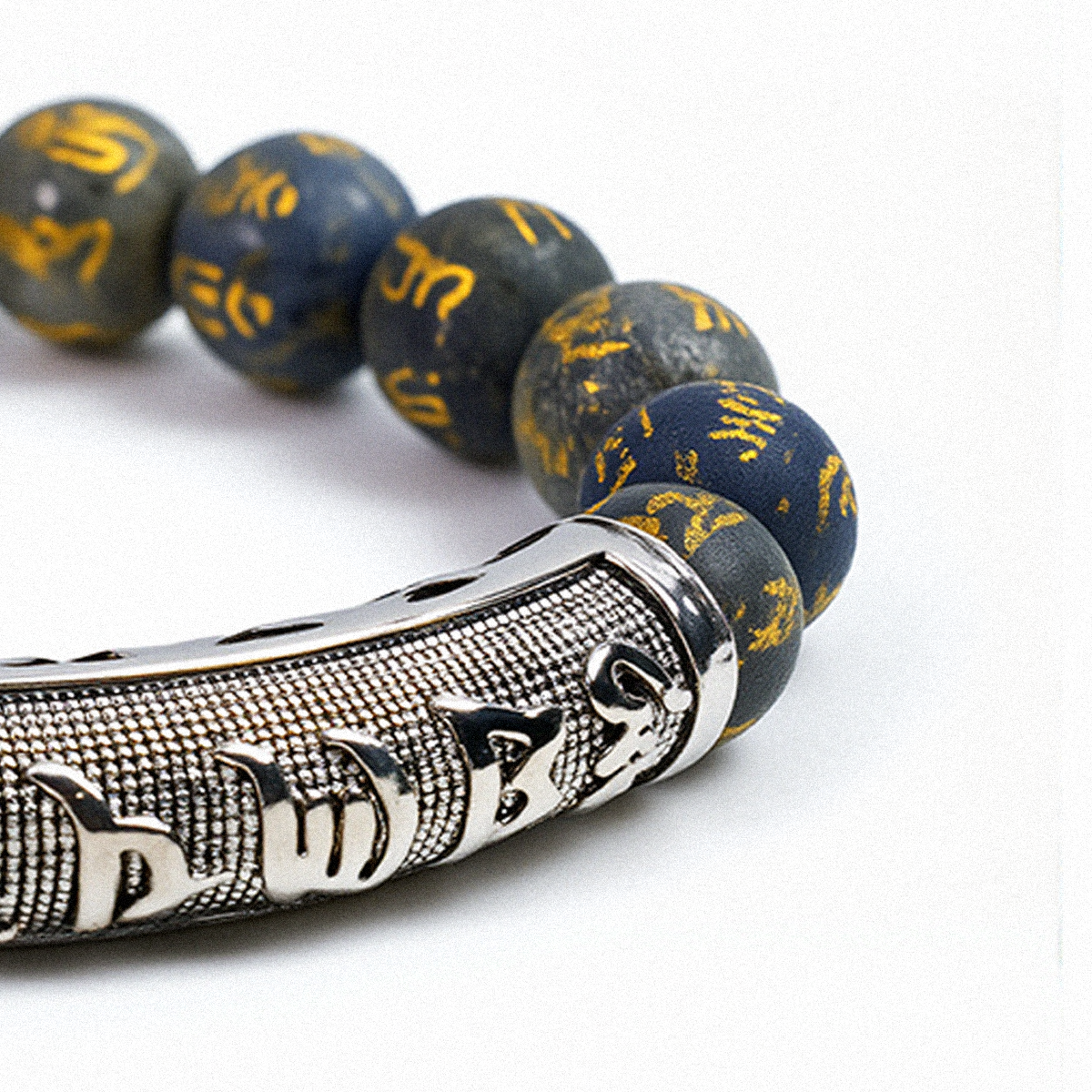
In our busy world, it is not always easy to find a "perfect" spot for a large statue. This is why Buddha jewelry has become so popular in Western Zen aesthetics. Wearing a Buddha pendant creates a portable sacred space that you carry with you everywhere. It serves as a mindfulness anchor during a long day at work or while traveling. It reminds you to breathe and stay connected to your internalized peace.
Many people believe that wearing these symbols offers divine protection and keeps their energy field clear. When you wear a symbol with devotion, it has a positive karmic implication. It shows that you are trying to live your life with the same compassion and wisdom as the Awakened One. This is a great way to handle digital burnout because the physical touch of the jewelry can ground you back into the present moment. It is like having a tiny meditation altar around your neck at all times.
According to the Feng Shui Society (UK), symbols worn on the body can influence your personal Chi. You can find more about how symbols work in history by visiting Wikipedia information. Wearing a symbol is often easier than managing the strict placement rules of a home statue. It allows for spiritual alignment without the worry of placing an object in the wrong room or at the wrong height.
How to Use the Buddha for Daily Meditation
If you have a statue, you should use it as more than just a piece of art. It should be a tool for your meditation practice. Start by performing a simple aura cleansing of your room. Remove any trash or clutter that has built up around your meditation altar. Lighting a candle or some incense can help set a sacred space and signal to your brain that it is time to be still.
Sit comfortably in front of your statue. Ensure your altar elevation is high enough so that you are looking slightly up or straight ahead at the Buddha. As you breathe, visualize the enlightened presence of the Buddha. Imagine a light coming from the statue and entering your own heart. This practice helps you connect with the internalized peace that the Buddha represents. It is a powerful way to end a day of digital burnout and prepare your mind for divine protection during sleep.
You can even try to match the Mudra of your statue with your own hands. If your Buddha is in the Dhyana Mudra (meditation pose), place your hands in your lap in the same way. This physical connection helps align your body's energy with the sacred icon. To learn more about other symbols that bring luck, you can read about the Mystic Knot Meaning. These symbols often work together to create a home filled with positive vibrations.
The World of Feng Shui suggests that a consistent ritual is key to getting the most benefit from your statues. You can find more tips on their website at Feng Shui Wisdom. By making the Buddha a part of your daily life, you turn a simple object into a source of pure wisdom. This daily contact helps keep your spiritual boundaries strong and your mind clear.
Video source: YouTube
Author: fridaykiss
Original video link: https://www.youtube.com/watch?v=F_YUMu3qnoM
Common Taboos to Avoid in 2026
Even as our styles change, the karmic implications of how we treat sacred objects remain the same. One of the biggest mistakes people make is buying a "Buddha head." In many cultures, a head without a body is seen as a sign of disrespect or "decapitation" of the sacred space. It is always better to have a full-body statue to represent the complete path to enlightenment. This ensures you are showing iconographic respect to the full history of the Awakened One.
Another common issue is placing the statue near a television or computer. The frantic energy of electronics can clash with the internalized peace of the Buddha. Try to give your statue a little bit of "breathing room" where it can sit in silence. Also, be careful not to hide your Buddha in a dark closet or a messy corner. A Buddha that is ignored will not help your home's Chi. Instead, it might create a sense of "stagnant" or "depressed" energy in your living space.
Following these rules helps you avoid any negative spiritual progress. It is about more than just Feng Shui; it is about showing that you care about the traditions that these symbols come from. When you show spiritual decorum, you invite divine protection into your life. You create a home that feels like a sanctuary rather than just a place to store your things. This is the true goal of auspicious placement.
Actionable Rituals for Your Buddha Statue
To truly integrate the energy of the Buddha into your life, follow these four simple steps:
- Daily Intention Setting: Every morning, spend one minute in front of your statue. State a simple goal, like "I will be patient today," to align your mind with pure wisdom.
- Gentle Cleaning: Use a clean, soft silk cloth to dust your statue once a week. This act of aura cleansing shows iconographic respect and keeps the energy fresh.
- Offerings of Light: Place a small candle or tea light near the statue (safely). The light represents the enlightened presence breaking through the darkness of ignorance.
- Mindful Visualization: If you feel stressed, look at the Buddha’s face for thirty seconds. Imagine his internalized peace flowing into you, calming your nervous system.
Frequently Asked Questions
Q: Is placing a Buddha head in the bedroom considered disrespectful in 2026?
A: Yes, many traditional practitioners see a Buddha head as disrespectful. It represents a severed part of the sacred body. In 2026, the trend is moving back toward full-body statues to show complete iconographic respect and maintain positive karmic implications.
Q: Why does Feng Shui prohibit sacred icons in intimate rooms?
A: Feng Shui teaches that the bedroom is a place for Yin energy, which is about rest and private intimacy. A Buddha statue has a very high, neutral vibrational energy. These two types of energy can clash, leading to restless sleep or a feeling of being watched in a private space.
Q: What is the symbolic meaning of a sleeping Buddha in personal spaces?
A: A sleeping Buddha usually represents the Mahaparinirvana, which is the final moment of absolute peace and release. It is a very calming image. While it is better for a quiet corner or a meditation room, it should still be elevated and treated with the same rules as any other statue.
Q: How does the height of a Buddha statue affect household energy?
A: A statue placed too low, such as on the floor or a low coffee table, creates "depressed" energy. It suggests that spiritual wisdom is not a priority. Elevating the statue to eye level or higher ensures that the enlightened presence dominates the room and lifts the Chi of the entire household.
Q: What to do with a gifted Buddha statue if you have no pure space?
A: If you live in a small space, try to find a high shelf in the Northeast sector of your main living area. If that is not possible, you can wrap the statue respectfully in a clean silk cloth and store it in a high, clean place until you have a better spot for it. You can also use a small cabinet with doors to create a private altar.
Conclusion: Integrating the Wisdom of the Buddha
Whether you choose to place a statue in your living room or a discreet corner of your bedroom, the ultimate goal is internal transformation. By following the rules of spiritual decorum, you invite a legacy of 2,500 years of peace into your home. The Buddha should be more than just a statue; it should be a daily reminder of your own potential for enlightenment. As we move through 2026 and beyond, keeping these ancient traditions alive helps us stay grounded in a fast-paced world.
We encourage you to experiment with your sacred space and see how it changes your mood. Remember that the principle of Anattā (non-self) tells us that our external environment is often a reflection of our internal state. By cleaning your home and placing your Buddha with care, you are also cleaning your mind. Let the Awakened One guide you toward a life filled with positive vibrations and divine protection every single day.

Longyi Luck
Longyi Luck is a Feng Shui practitioner and spiritual researcher who blends traditional year-based wisdom with modern lifestyle insights, specializing in Feng Shui, spirituality, meditation, and mindfulness. With years of dedicated study and practice, Longyi explores cultural symbolism and the practical application of ancient wisdom to help individuals cultivate balance, clarity, and harmony in everyday life. Since 2020, Longyi has been committed to translating timeless traditions into accessible guidance for the modern world.
longyi@auraandluck.com


.webp?w=800&h=800)
.webp?w=800&h=800)