
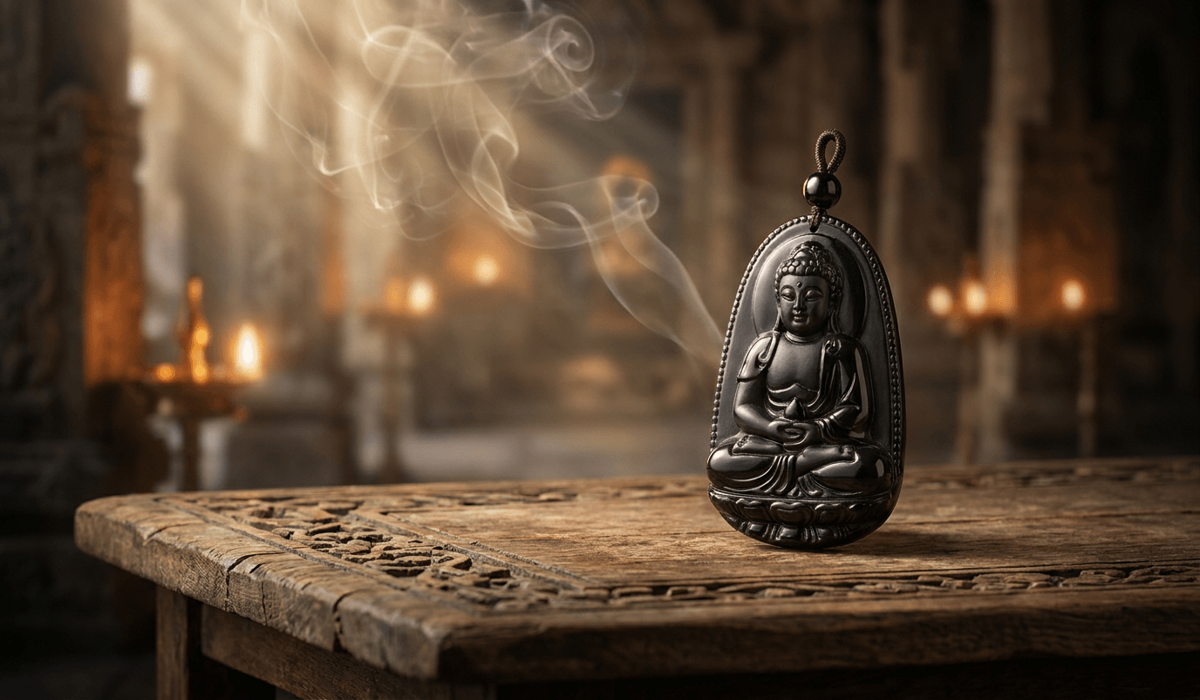
Many modern seekers feel drawn to sacred symbols that represent calm, balance, and wisdom. Questions often arise about whether wearing a sacred charm without belonging to the faith is acceptable.
We explore how sacred icons move through global culture while retaining their original spiritual weight. Understanding the line between casual fashion and heartfelt spiritual honor helps modern men wear these icons with grace.
When you wear a sacred item, your inner intention defines the energetic relationship you form with that image. Approach the image of the Enlightened One as a daily anchor for mindfulness rather than a simple trend.
Quick Summary: Wearing a Buddha pendant or bracelet as a non-Buddhist is not inherently disrespectful. Respect depends on your inner intention, correct placement, and mindful treatment of the sacred symbol. Keeping the icon elevated on your upper chest and honoring its core message of inner peace ensures proper cultural reverence.
Ancient Origins and Sacred Legends of the Buddha Symbol
Understanding the historical story behind the Enlightened One changes how we view sacred icons. The tradition began in ancient India with a young prince named Siddhartha Gautama of the Shakya clan.
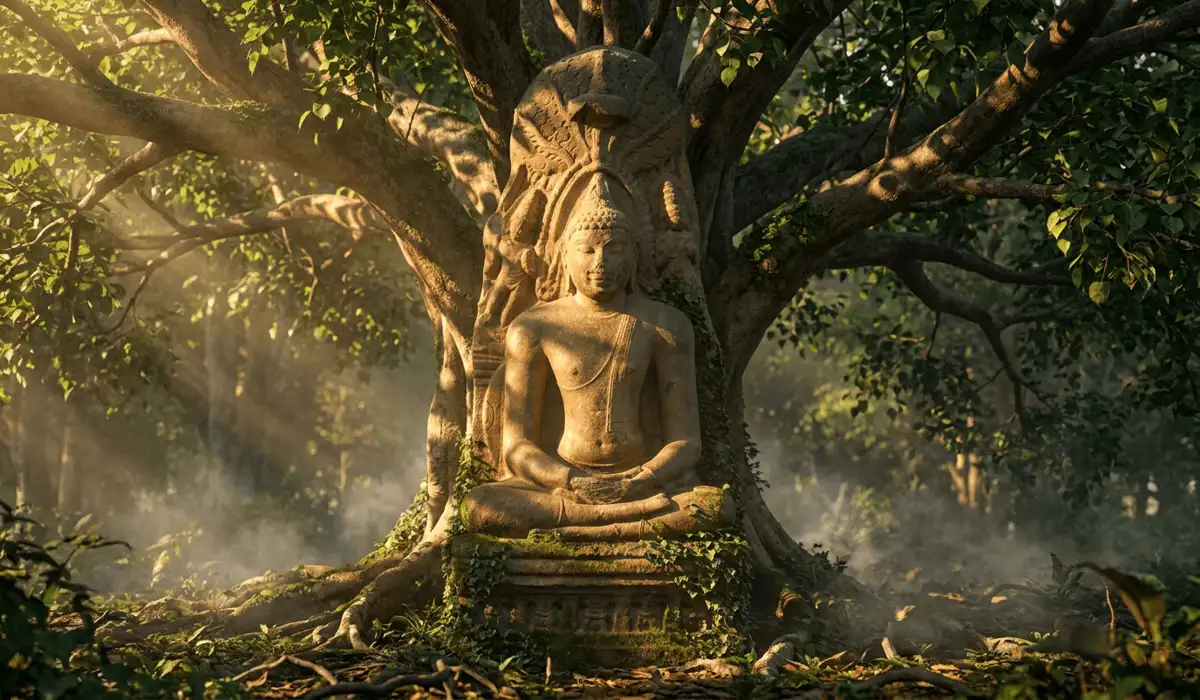
According to ancient Theravada and Mahayana traditions, Siddhartha Gautama attained supreme enlightenment under the Bodhi tree after relinquishing worldly royalty to discover the universal path to end suffering. His likeness became a revered beacon of ultimate wisdom, self-mastery, and inner tranquility, historically iconized in sacred art rather than profane ornamentation.
His journey transformed him into the historical Buddha, which translates directly to the Awakened One. Ancient communities created statues and sacred icons to help practitioners visualize enlightened qualities during meditation.
The Historical Genesis of Siddhartha Gautama
Prince Siddhartha lived a life of ultimate physical comfort inside grand palace walls. He eventually stepped outside and witnessed the reality of human sickness, aging, and mortality.
This deep discovery moved him to leave behind his royal title, wealth, and political influence. He wandered for years as a seeker, searching for a lasting answer to human hardship.
His profound awakening beneath the Bodhi tree revealed the core roots of mental suffering. You can learn more through Historical Cultural Knowledge to appreciate how these early events shaped Eastern philosophy.
Doctrinal Evolution Across Buddhist Traditions
As the teachings spread across Asia, different spiritual schools developed distinct artistic and philosophical perspectives. Each tradition added unique cultural art styles while keeping the core truths intact.
These traditions spanned ancient India, East Asia, and Southeast Asia over many centuries. The three primary paths offer unique approaches to human awakening and sacred art:
- ☸️ Theravada Tradition: Prevalent in Southeast Asia, focusing on the historical teacher, individual self-mastery, and strict monastic discipline.
- 🕉️ Mahayana Tradition: Widespread in East Asia, emphasizing universal compassion and the Bodhisattva ideal of helping all beings.
- 🧿 Vajrayana Tradition: Deeply rooted in Tibet and the Himalayas, utilizing rich ritual art, sacred mantras, and energetic symbols.
Each branch created distinct ways to depict spiritual balance and divine awareness.
From Symbolic Signs to Sacred Statues
In early times, followers did not carve direct human likenesses of the great teacher. They used symbolic signs like sacred footprints, the wheel of law, or empty meditation thrones.
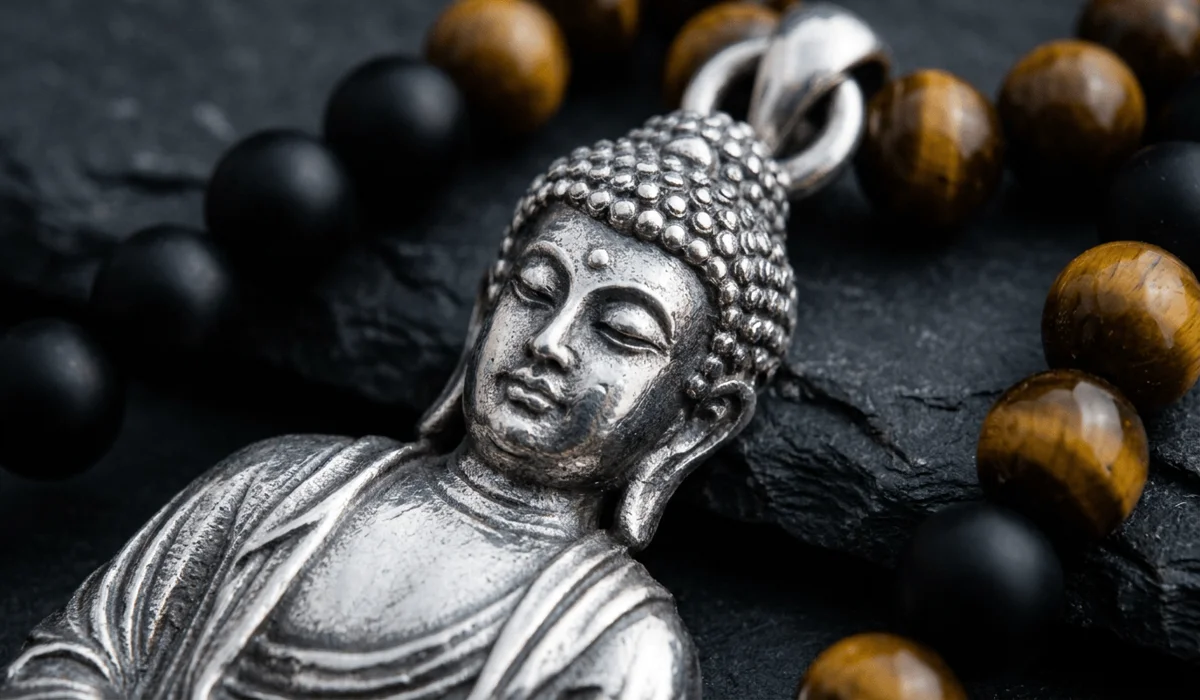
Centuries later, artistic contact in the Gandhara region led to carved stone figures. These early sculptures were made to inspire quiet reflection, deep peace, and self-mastery.
Every carved detail served as a visual teaching tool for spiritual seekers. Practitioners viewed these statues as live energetic reflections of enlightened energy.
| Buddhist Tradition | Primary Geographic Focus | Core Iconographic Meaning |
|---|---|---|
| Theravada | Sri Lanka, Thailand, Myanmar, Laos | Historical teacher, self-reliance, serene discipline |
| Mahayana | China, Japan, Korea, Vietnam | Universal compassion, Bodhisattvas, joyful abundance |
| Vajrayana | Tibet, Nepal, Bhutan, Mongolia | Esoteric symbols, protective energy, transformational art |
Hidden Philosophy: Unpacking the Sacred Symbolism
Sacred spiritual jewelry holds ancient lessons about the mind and universe. When you wear a sacred charm, you carry reminders of universal laws that govern human experience.
The physical structure of a sacred pendant encodes specific philosophical truths. Understanding these hidden details transforms simple metal or stone into a meaningful life guide.
Many men choose to align their daily thoughts with these ancient concepts. Exploring Feng Shui Protection Jewelry can help you discover how spiritual physical items encourage inner balance.
Core Philosophical Pillars Encoded in the Image
The ultimate realization of impermanence (Anicca), non-self (Anatta), and supreme wisdom (Prajna) aims at transcending worldly attachment and suffering through conscious action and mindfulness. These three truths form the foundation of Dharmic thought.
Impermanence teaches us that all worldly experiences change constantly, encouraging calm acceptance. Non-self reminds us to dissolve selfish pride and recognize our connection to all living beings.
Supreme wisdom acts as a bright light that clears confusion and mental distress. Wearing a sacred charm helps anchor these gentle truths during busy daily routines.
Deconstructing the Sacred Iconography
Every small detail carved into a sacred pendant carries symbolic meaning. The raised bump on top of the head represents spiritual awakening and boundless wisdom.
The subtle mark between the eyebrows signifies the eye of inner vision and spiritual clarity. Downward-gazing eyes model soft introspection, encouraging us to look inward rather than judge others.
Elongated earlobes recall the heavy gold earrings Prince Siddhartha cast aside when leaving his palace. This feature reminds us to practice detachment from material status and listen deeply to the world.
Key Insight: Sacred icons are not passive fashion accents. They are functional visual tools designed to quiet the mind, inspire personal discipline, and awaken inner peace.
Mudras and Gesture Meanings for Men's Jewelry
Hand positions on carved figures communicate specific spiritual energies and vows. The raised right hand with the palm facing outward creates a seal of fearlessness and calm protection.
Hands resting quietly in the lap form the classic gesture of deep meditative concentration. This posture encourages stable emotions and a quiet mind during stressful moments.
The gesture where right fingertips touch the earth signifies firm truth and victory over negative temptation. Choosing a specific hand gesture helps you focus on personal virtues you wish to build.
Cultural Evolution: Eastern vs. Western Perspectives
Spiritual symbols move across geographic borders as our global culture connects. Modern wearers often view icons differently than traditional communities in Asian nations.
In Buddhist-majority countries, sacred figures receive intense ritual reverence. Images are consecrated in temple ceremonies before being placed on high altars.
Many Asian nations have clear laws protecting holy icons from improper commercial use. Foreign visitors are encouraged to show respectful behavior when visiting temples or wearing spiritual items.
Modern Adoption in Western Culture
In modern Western societies, many people identify as spiritual rather than bound to single traditions. People seek meaningful anchors to manage modern stress and maintain focus.
A clear difference exists between cultural appreciation and casual cultural misuse. True appreciation involves learning the background story, respecting sacred rules, and wearing items honorably.
Modern men can bridge these cultural spaces by treating sacred icons with dignity. Understanding global perspectives enriched in the World Religion Encyclopedia helps build meaningful cross-cultural respect.
Video Discussion on Sacred Wear Etiquette
Learning directly from modern teachers offers clear guidance on sacred jewelry etiquette. Watch this insightful discussion on wearing spiritual symbols with proper respect:
Video source: YouTube
Author: TashiTangka
Original video link: https://www.youtube.com/watch?v=dwcJv-njqQ0
Wearing the Sacred Icon: Why Buddha Jewelry Matters Today
Modern daily life presents non-stop digital notifications, fast work paces, and ongoing stress. Carrying a tangible spiritual reminder offers a physical touchstone for present-moment awareness.
Touching a sacred pendant during a hard conversation reminds you to pause and breathe. This simple tactile cue breaks automatic stress reactions and encourages peaceful responses.
Wearing meaningful jewelry helps shift male focus away from egoic display toward quiet self-mastery. For related guidance on respectful spiritual jewelry practices, review our Spiritual Bracelet Etiquette Guide.
Energetic Synergy with Natural Stone Beads
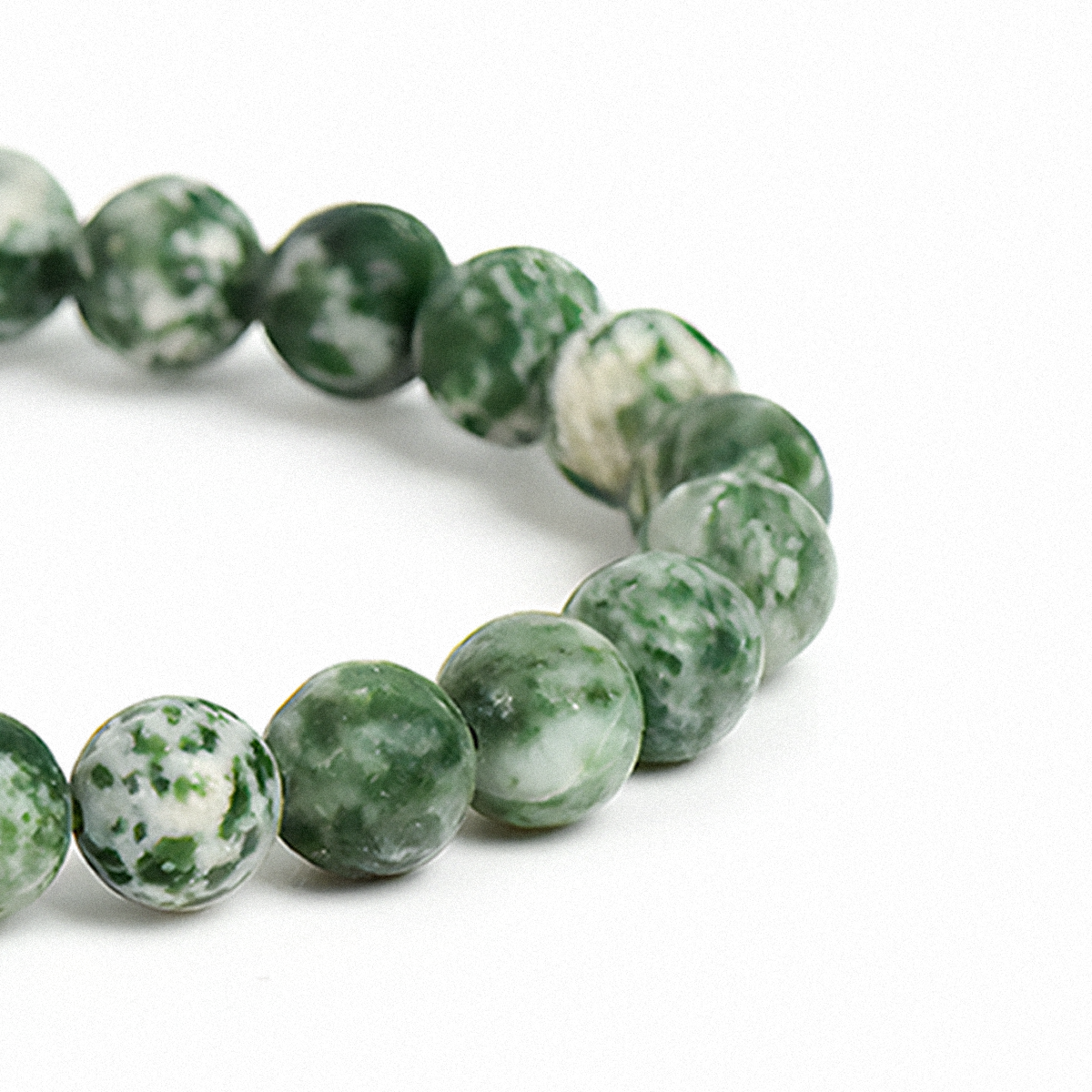
Pairing sacred icons with natural mineral beads combines visual symbolism with grounding earth energy. Natural stones carry steady physical frequencies that support emotional stability.
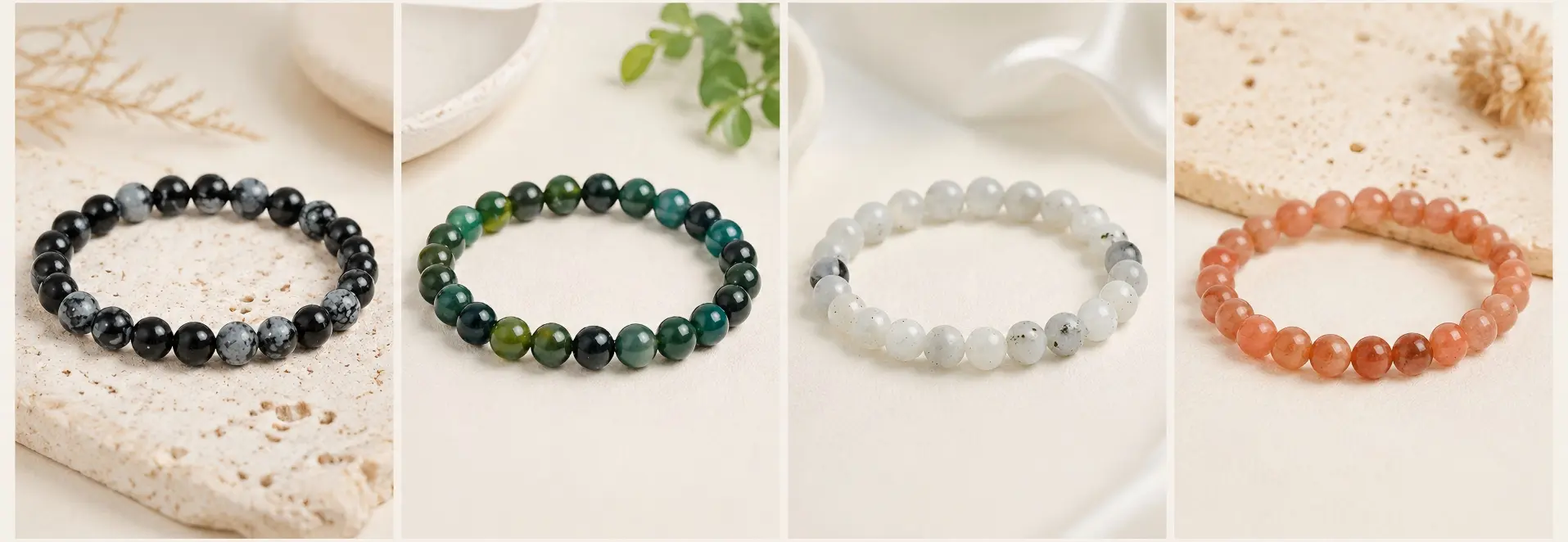
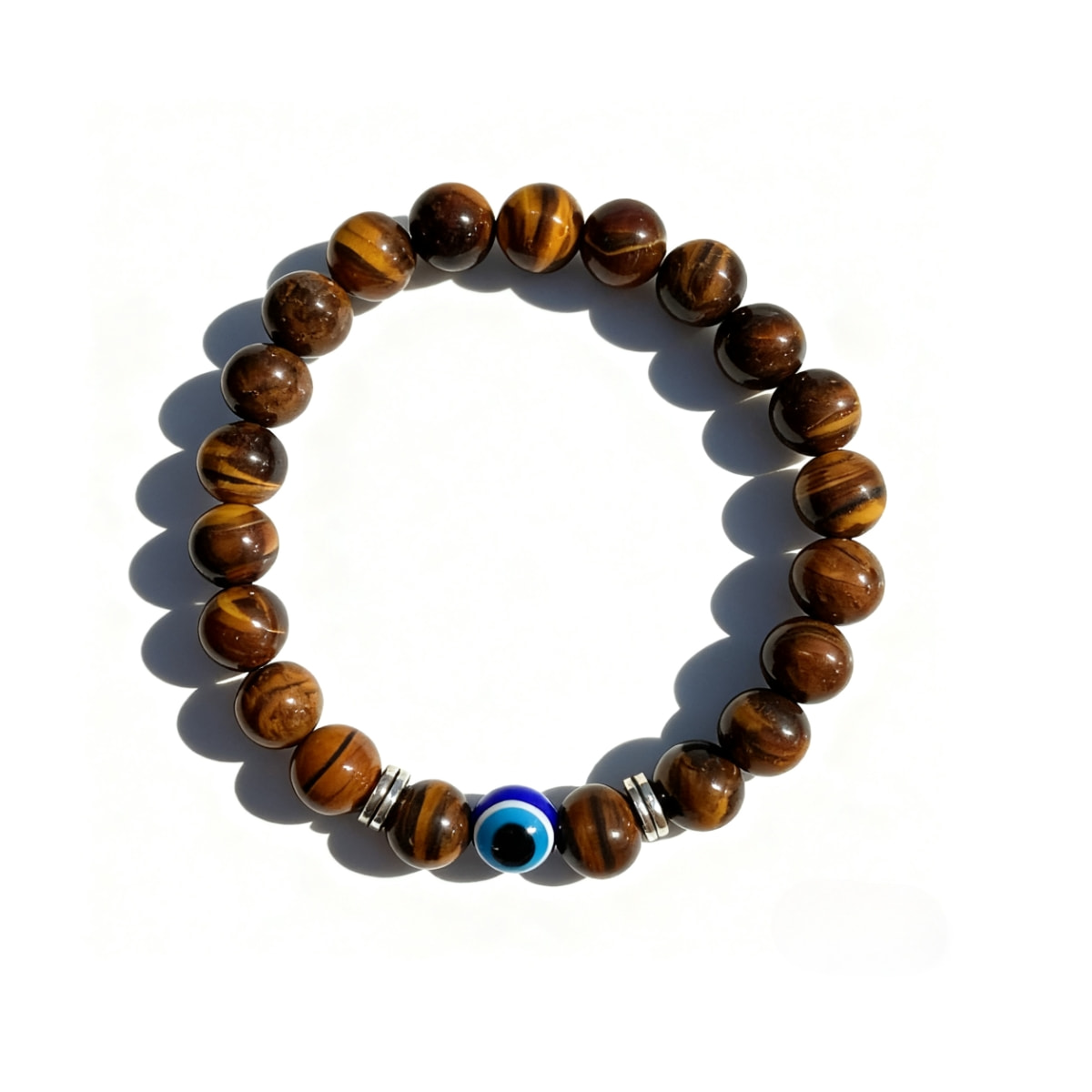
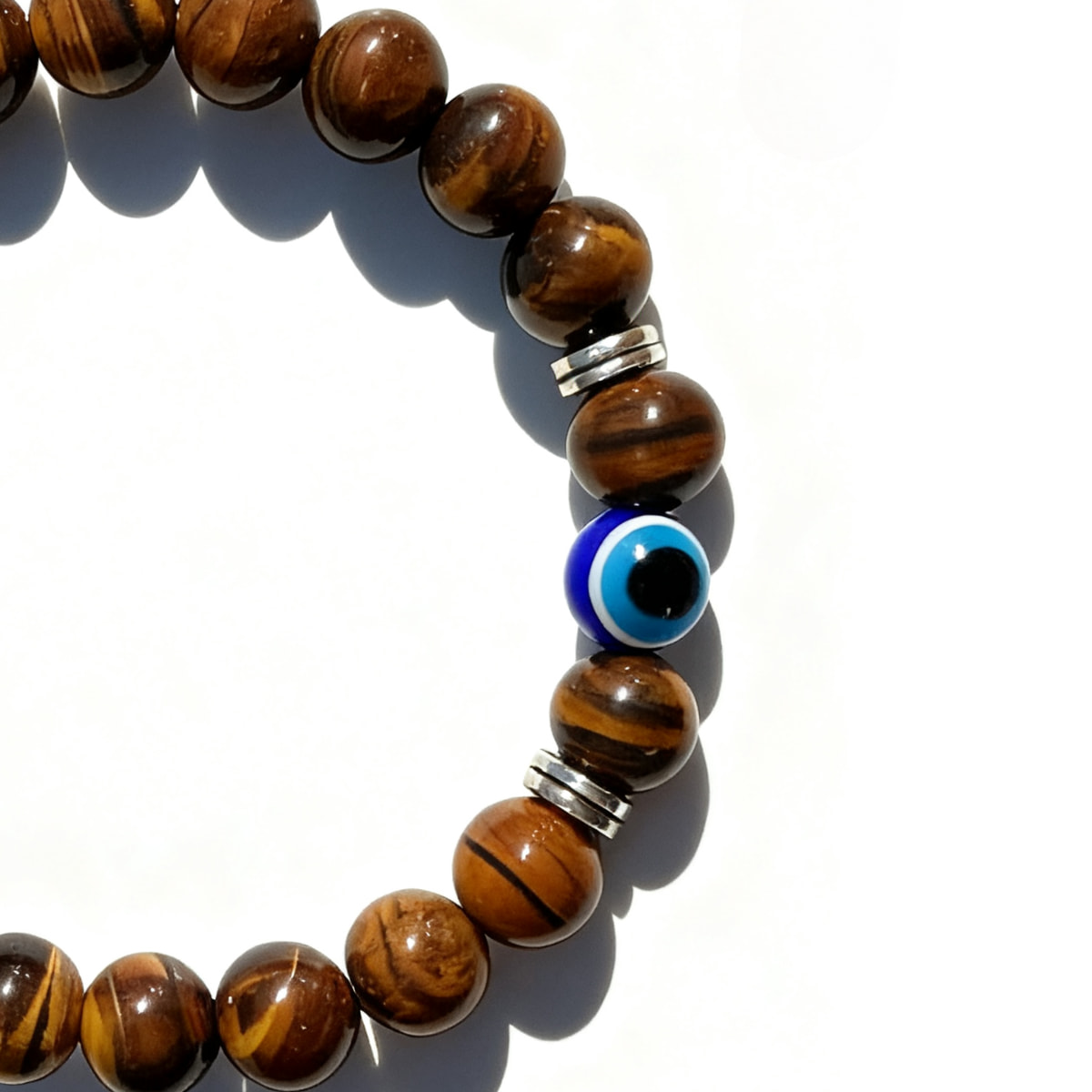
Matte black onyx offers protective grounding energy that helps anchor personal discipline. Lava stone provides resilient strength, while tiger eye sharpens mental focus and courage.
These natural elements complement sacred iconography to support overall personal balance. The combined piece becomes a functional daily tool for strength and calm focus.

Sacred Cultural Etiquette and Taboos: The Do's and Don'ts
To ensure your wear remains respectful, follow simple traditional rules established over centuries. Traditional Dharmic cultures maintain clear spatial rules for holy items.
The human body is viewed hierarchically, where the upper body represents high spiritual energy. The lower body, particularly feet and ankles, represents earthly contact and physical wear.
Understanding spatial placement prevents accidental disrespect while wearing sacred items. You can consult research from the Feng Shui Research Society for deeper insights on energetic placement traditions.
The Waist-Above Rule for Sacred Wear
Sacred pendants must always be worn on the upper chest, near the heart area. Never wear sacred figures on ankles, pants pockets, or shoes.
Placing holy imagery on lower garments or near the floor is considered deeply offensive in traditional societies. Keeping pendants elevated shows natural reverence for the teachings they represent.
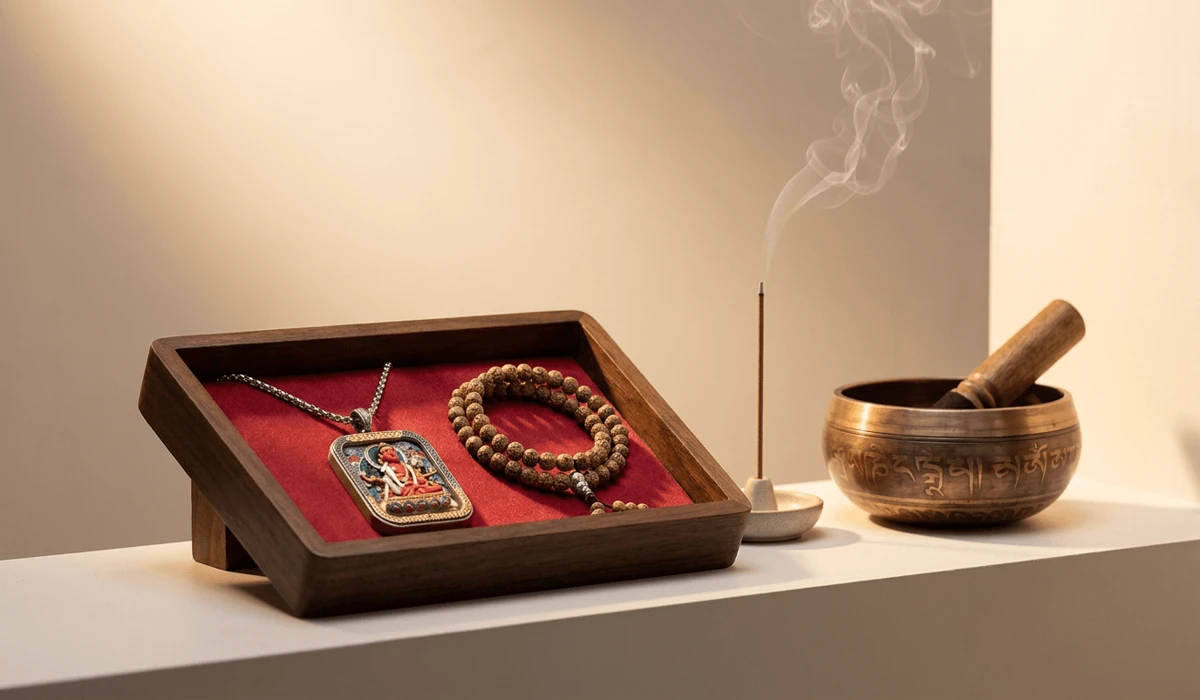
When taking off your necklace, avoid placing it directly on dirty floors or chaotic surfaces. Store your piece on a clean elevated shelf, wooden tray, or sacred home altar space.
The Buddha Head Controversy
Jewelry and home decor featuring isolated, severed heads carry sensitive historical background. These designs recall colonial periods when sacred statues were decapitated and stolen from Asian temples.
Traditional practitioners prefer complete, whole-body depictions over severed head motifs. Full figures preserve the artistic integrity and sacred purpose of the icon.
Choosing full seated figures honors traditional values and avoids painful historical associations. This thoughtful choice demonstrates deep cultural mindfulness.
Etiquette Checklist: Wear icons above the waist, choose complete figures, remove pieces before sleeping or exercising, and store items on elevated wooden trays.
Mindful Rituals to Align with Your Sacred Wear
Integrating a sacred charm into your daily routine creates a meaningful spiritual practice. Simple daily actions transform physical jewelry into an active mindfulness anchor.
4-Step Daily Alignment Ritual:
- 🌸 1. Elemental Cleansing: Pass your pendant through natural herb smoke or sound vibrations to clear prior energies before first wear.
- 🌸 2. Intent Setting: Hold the sacred piece between your palms and set a clear personal vow for patience, calm, or kindness.
- 🌸 3. Breath Anchor: Pause during stressful work moments, touch your pendant, and take three deliberate, slow breaths.
- 🌸 4. Respectful Rest: Remove your sacred jewelry each evening and place it on an elevated tray with quiet gratitude.
Regular practice deepens your connection to the peaceful qualities the symbol embodies. Explore our Sacred Spiritual Bracelet Collection to find handcrafted pieces designed for daily mindfulness.
Frequently Asked Questions
Q: Can a non-Buddhist man wear a Buddha pendant respectfully?
A: Yes, a non-Buddhist man can wear a Buddha pendant respectfully if his intention is grounded in sincere appreciation for mindfulness, peace, and self-mastery. Respect is maintained by keeping the pendant on the upper chest, storing it properly, and honoring the symbol's cultural roots.
Q: What are the cultural taboos associated with wearing Buddha images?
A: Major taboos include wearing sacred icons below the waist, using severed head designs, placing jewelry on the floor, and wearing holy images while consuming excessive alcohol or visiting inappropriate venues.
Q: Why is it considered disrespectful to wear a Buddha image below the waist?
A: In traditional Dharmic cultures, the human body is ordered hierarchically. The upper body represents purity and high spiritual awareness, while lower areas and feet represent physical impurities. Placing sacred imagery below the waist degrades the spiritual honor of the Enlightened One.
Q: What is the difference between wearing a Laughing Buddha and a Gautama Buddha pendant?
A: Gautama Buddha represents the historical spiritual teacher who achieved supreme enlightenment, symbolizing meditation, calm, and self-mastery. The Laughing Buddha, or Budai, was a 10th-century Chinese monk who symbolizes joy, abundance, generosity, and good fortune.
Q: Can men wear Buddha bracelets alongside natural stone beads for mindfulness?
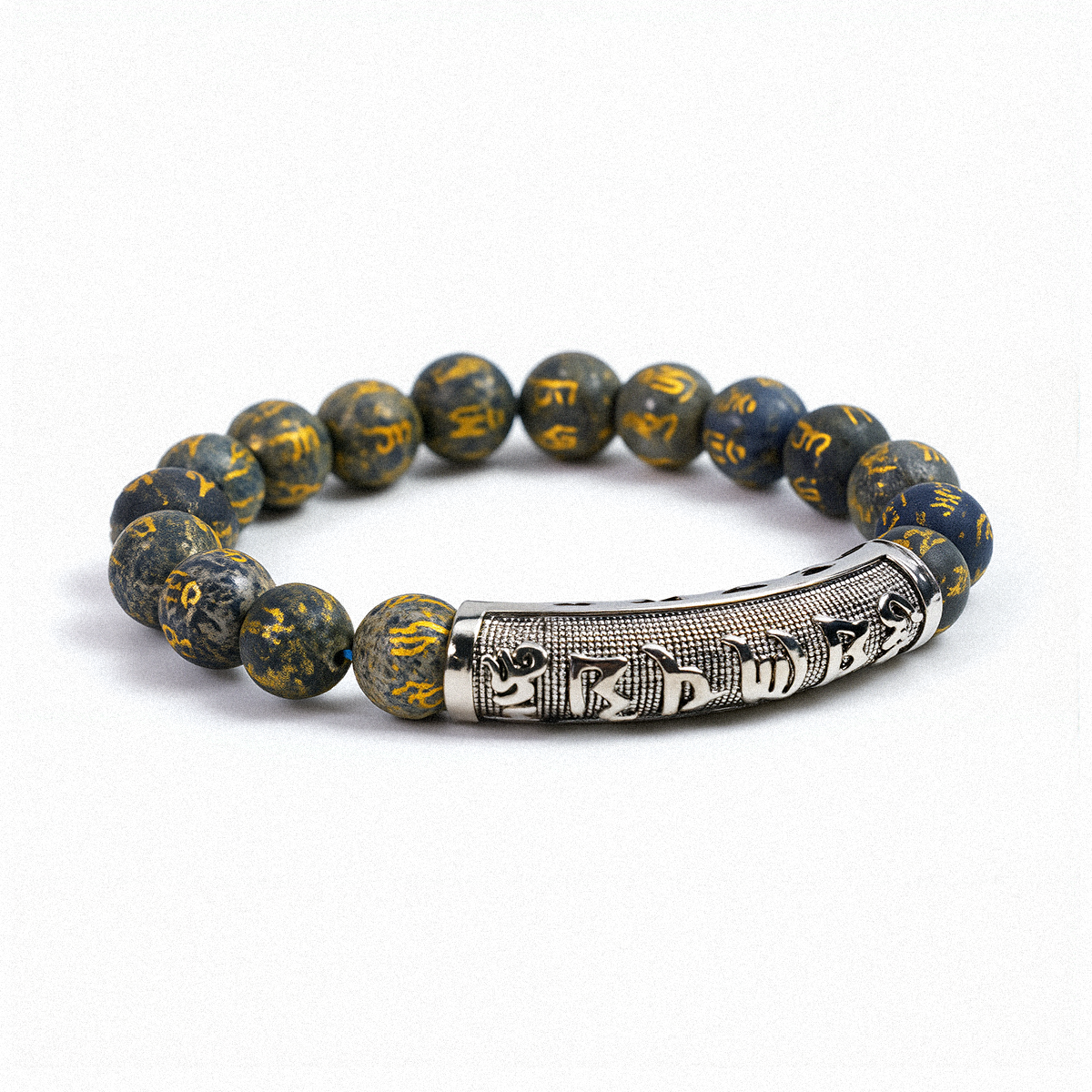
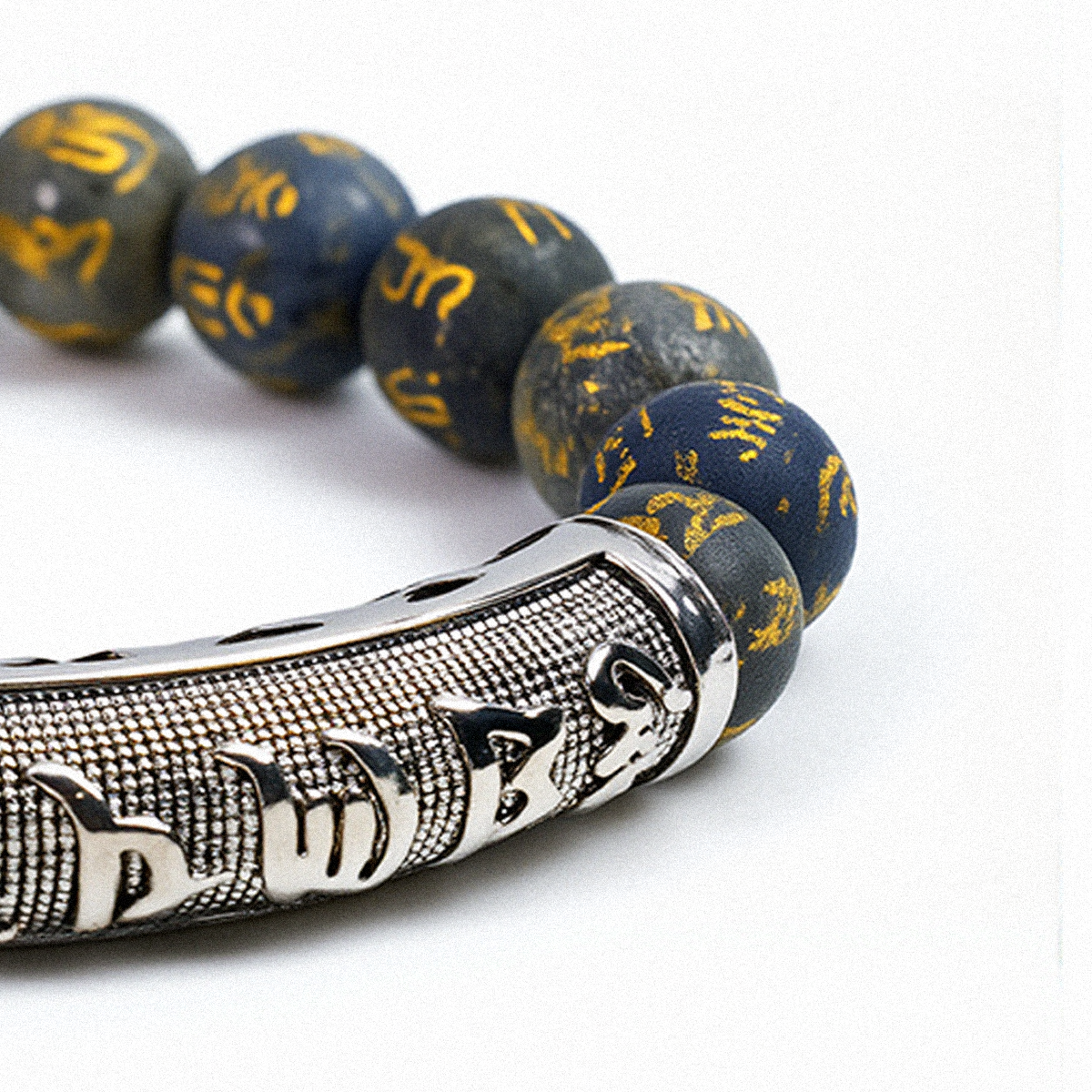
A: Yes, wearing a Buddha bracelet with natural mineral beads offers an effective mindfulness tool. The natural stones provide grounding physical energy, while the central charm serves as a steady visual reminder to act with emotional balance and conscious presence throughout the day.
Conclusion: Living the Wisdom of the Buddha
Wearing a sacred symbol as a non-Buddhist is ultimately a matter of inner intent, mindfulness, and cultural reverence. Moving beyond pure fashion allows you to build a personal relationship with ancient Dharmic wisdom.
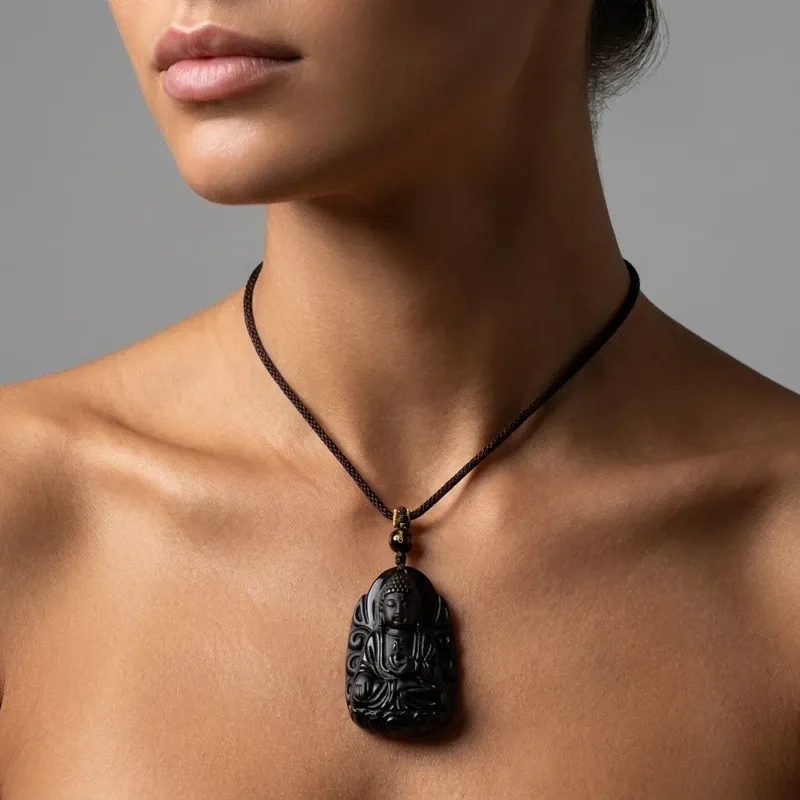
Obsidian Buddha Pendant – Protection, Healing & Inner Peace
Carved from the heart of volcanic fire, this Natural Obsidian Buddha Pendant serves as a powerful conduit for spiritual detoxification and emotional recovery. Obsidian, a stone of psychic protection, forms a shield against negativity, while the intricately carved Medicine Buddha (Bhaisajyaguru) radiates frequencies of health, longevity, and the alleviation of suffering.
Shop NowTrue spiritual respect is expressed through daily choices that honor peace, clarity, and kindness toward all beings. Carrying a physical symbol reminds us to walk through life with steady balance and calm courage.
When approached with sincere reverence, sacred wear becomes a personal anchor for mindful living. Wear your piece as a quiet vow to cultivate inner quiet, emotional strength, and wisdom every day.
Disclaimer: This article is provided strictly for educational, informational, and cultural exchange purposes. It does not constitute medical, legal, financial, or formal religious advice. Readers seeking specific spiritual guidance or health solutions should consult qualified professionals or traditional spiritual advisers.

Longyi Luck
Longyi Luck is a Feng Shui practitioner and spiritual researcher who blends traditional year-based wisdom with modern lifestyle insights, specializing in Feng Shui, spirituality, meditation, and mindfulness. With years of dedicated study and practice, Longyi explores cultural symbolism and the practical application of ancient wisdom to help individuals cultivate balance, clarity, and harmony in everyday life. Since 2020, Longyi has been committed to translating timeless traditions into accessible guidance for the modern world.
longyi@auraandluck.com


.webp?w=800&h=800)
.webp?w=800&h=800)