
Wearing a wooden mala in the shower is one of the most common—and costly—mistakes you can make with your spiritual tools. At Aura & Luck, we've witnessed countless cherished malas ruined by simple exposure to moisture and heat. Water and organic materials simply don't mix, and understanding this is the first step toward ensuring your mala remains a lifelong companion for your meditation practice.
This guide will walk you through everything you need to know about wood mala care, from understanding their sacred nature to practical maintenance tips that will keep your beads beautiful for years to come.
- Wooden beads are highly porous and absorb water rapidly, leading to structural damage.
- Exposure to steam and soap causes swelling and cracking in the organic fibers of the wood.
- Water strips away natural essential oils, causing the beads to lose their sacred fragrance.
- Traditional etiquette suggests removing sacred jewelry before entering bathrooms to maintain spiritual purity.
- Proper maintenance involves dry cleansing methods like smoke or sound to preserve the mala cord durability.
What Is a Wood Mala?
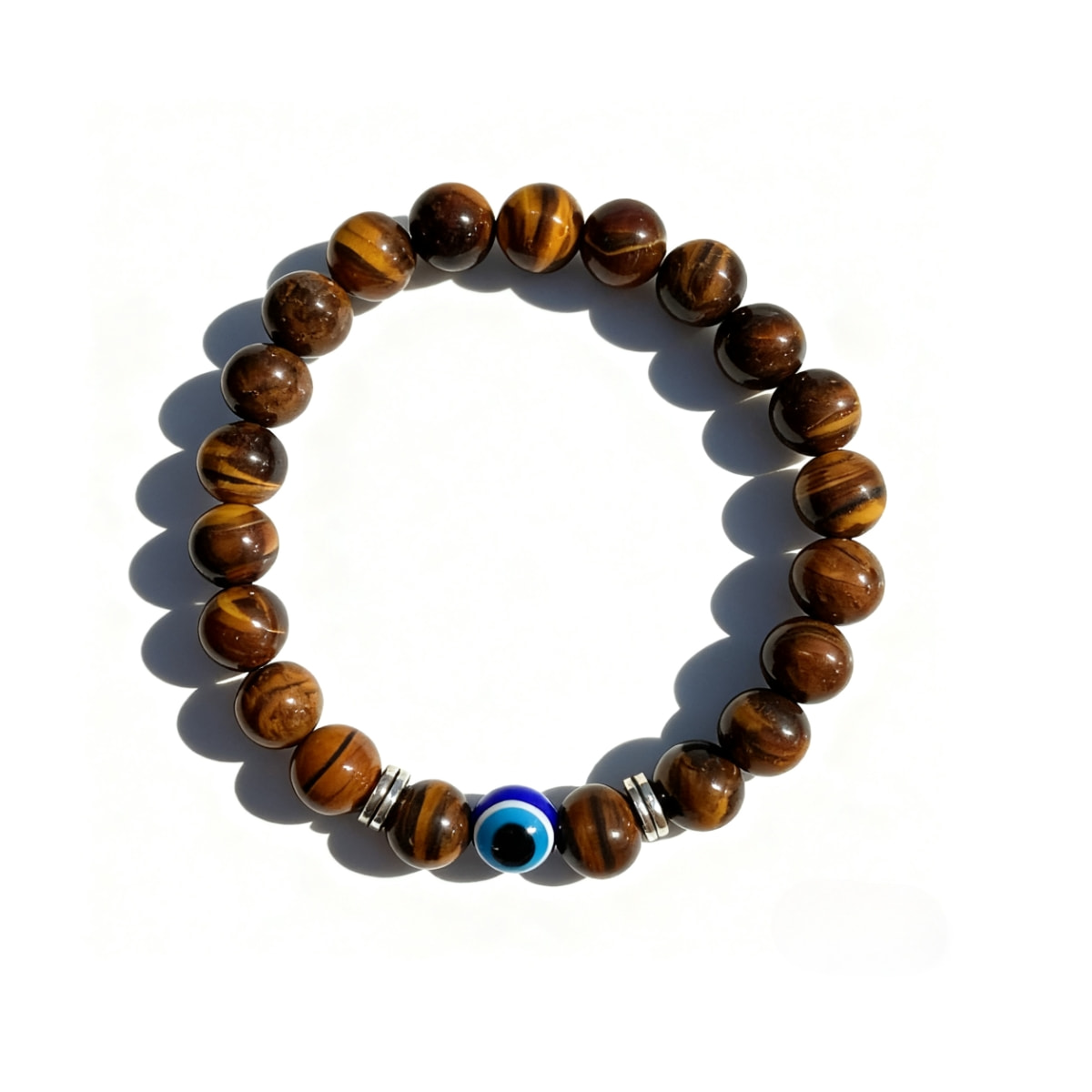
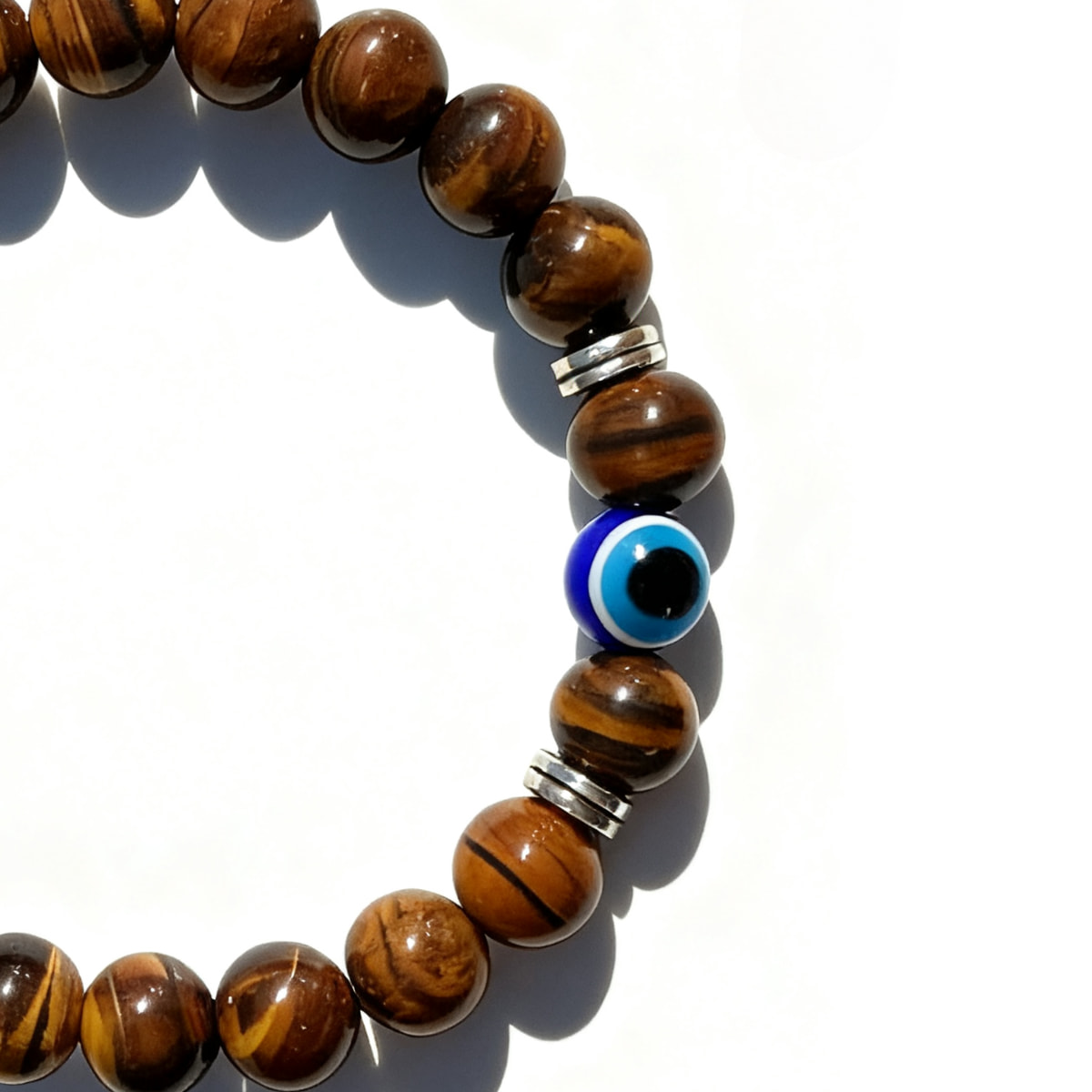
A wooden mala is a traditional string of 108 prayer beads used in meditation, mindfulness practices, and the recitation of mantras. Unlike mass-produced fashion accessories, these beads are crafted from organic, living materials that respond to their environment—making proper care essential.
Origins and Materials
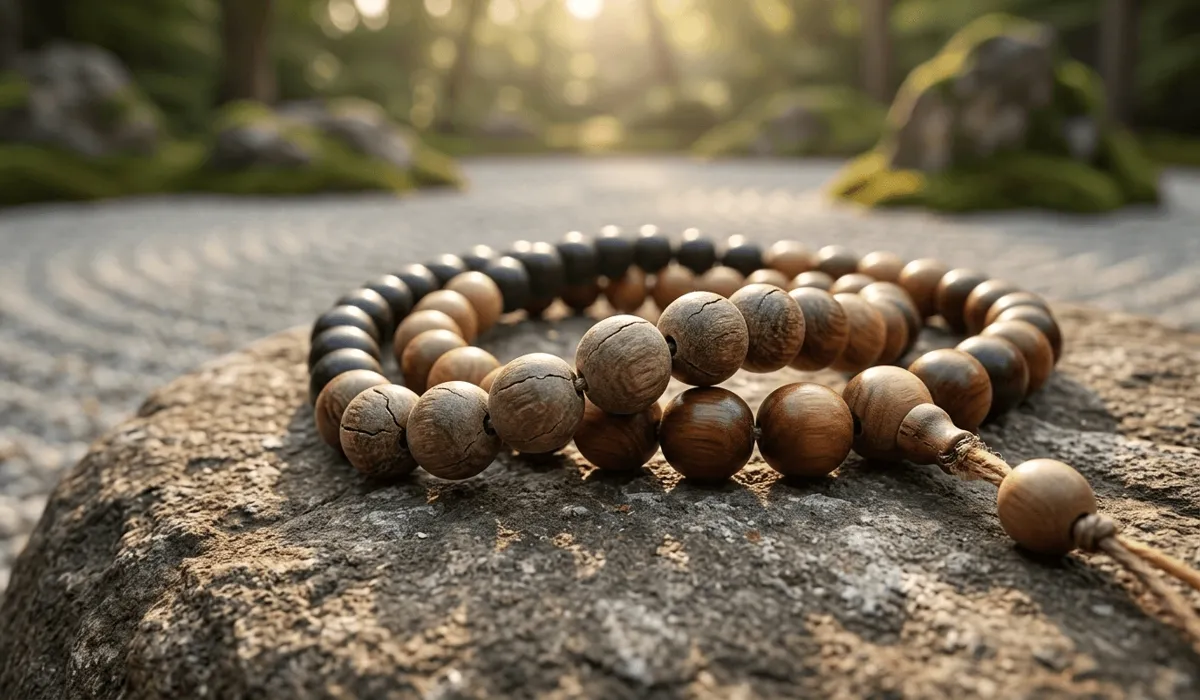
Traditional malas are often made from sacred woods such as:
-
Sandalwood – prized for its grounding energy and calming fragrance
-
Rosewood – known for its durability and warm, rich color
-
Tulsi (Holy Basil wood) – revered in Vaishnava traditions for its spiritual purity
These materials are chosen not just for their beauty but for their natural energetic properties. However, they are also quite delicate. Even Bodhi seed malas, while slightly more resilient, suffer similar damage when exposed to water.
Physical Characteristics
The defining trait of wood beads is their high porosity. This means they contain tiny openings that readily absorb moisture. When exposed to water, the wood swells, warps, and eventually cracks. Additionally, many woods contain natural resins and essential oils that give them their distinctive fragrance—these can be permanently stripped away by harsh soaps and shampoos.
Spiritual Significance
The 108 beads on a mala represent various spiritual concepts, including the 108 earthly temptations or the 108 energy lines in the body. The Guru bead (the larger bead at the center) serves as a reminder of inner wisdom and the teachers who guide our path.
In many traditions, wood symbolizes growth and a deep connection to the Earth. Wooden malas are most often associated with the Root Chakra (Muladhara), which governs our sense of safety, stability, and belonging.
Why You Should Never Wear a Wood Mala in the Shower
Moisture and Heat: A Destructive Combination
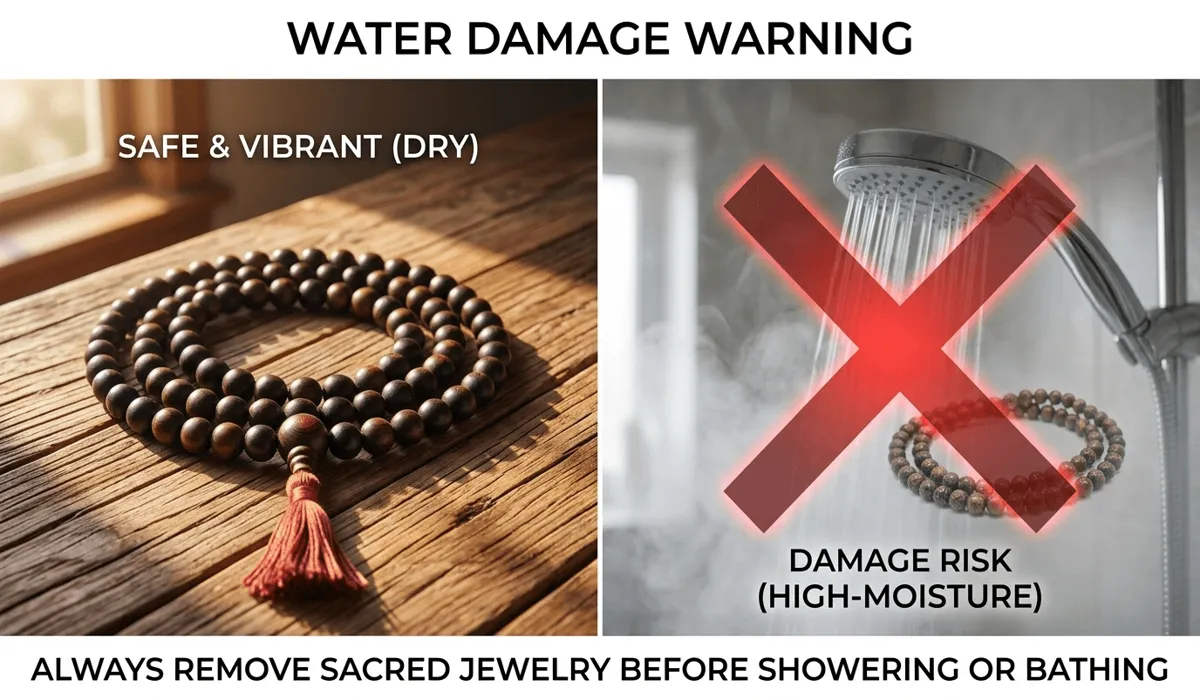
The shower environment combines two elements that are particularly harmful to wood:
-
High humidity – Steam penetrates deep into the wood's pores
-
Heat – Warm water accelerates the absorption process and weakens the wood's natural structure
Together, these factors create the perfect conditions for irreversible damage.
Soap and Chemical Damage
Modern soaps, shampoos, and body washes contain harsh chemicals that:
-
Dissolve the natural resins that protect the wood
-
Strip away essential oils responsible for the wood's sacred fragrance
-
Leave behind residue that clogs the wood's pores
-
Accelerate the breakdown of the string that holds the beads together
Traditional Etiquette
In Hindu and Buddhist traditions, a mala is considered a sacred tool requiring respect. Traditional etiquette suggests removing sacred jewelry before entering bathrooms or other "unclean" spaces. The beads are believed to store the energy of your prayers and mantras—keeping them pure is essential for spiritual progress.
The Long-Term Consequences
Even one shower can cause noticeable damage. Repeated exposure leads to:
-
Permanent warping and cracking
-
Loss of natural fragrance
-
Discoloration and dullness
-
Weakened cord that may break
-
Mold growth within the wood's pores
What Happens If Your Wood Mala Gets Wet?
Immediate Effects
When wood beads absorb water, they expand. This expansion creates internal pressure that can cause:
-
Cracking – as the wood swells unevenly
-
Warping – beads lose their round shape
-
Surface damage – the polished finish becomes rough and dull
Long-Term Damage
If the mala isn't properly dried, you may notice:
-
Mold and mildew growth – particularly in warm, humid environments
-
Bacterial buildup – trapped moisture creates an ideal breeding ground
-
Cord deterioration – dampness weakens the string, leading to breakage
-
Fragrance loss – natural oils are washed away, and the wood loses its characteristic scent
What to Do If Your Mala Gets Wet
If accidental exposure occurs, act quickly:
-
Pat dry immediately with a soft, lint-free cloth—never rub
-
Allow to air dry slowly in a shaded, well-ventilated area
-
Never use a hair dryer or direct heat source—rapid drying causes cracking
-
Do not wear until completely dry to prevent further damage
How to Wear Wood Mala?
Left Hand vs Right Hand (Feng Shui Logic)
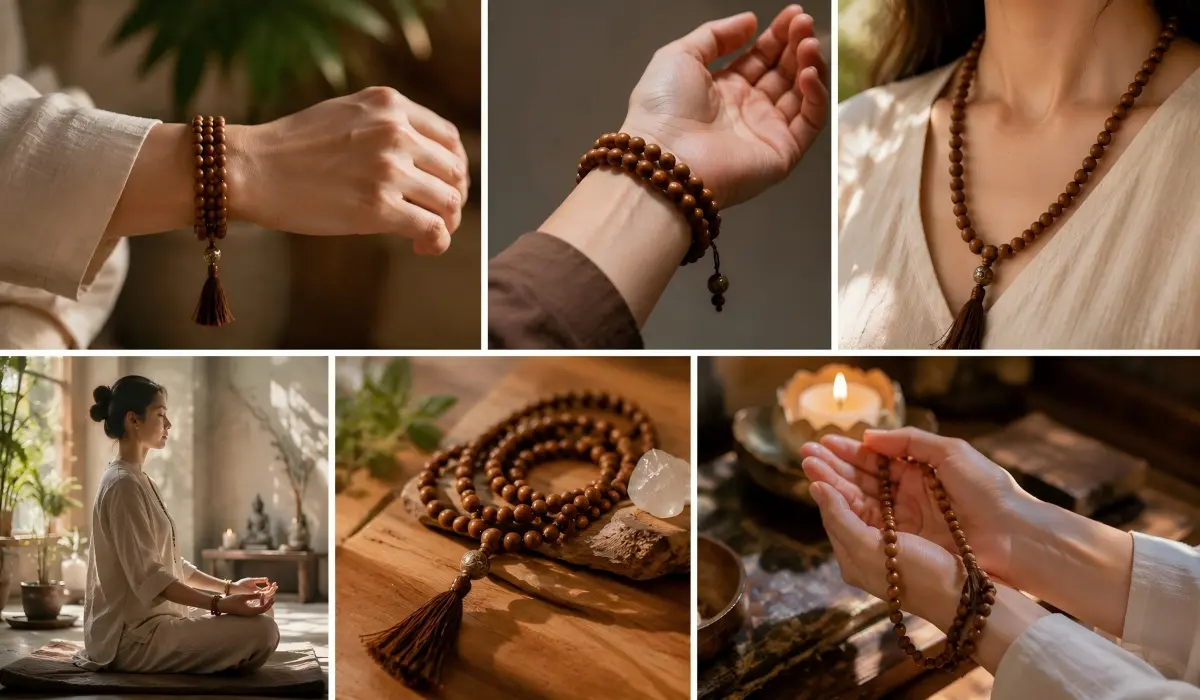
In Feng Shui and many spiritual traditions, the left hand is considered the receptive side of the body, making it a popular choice for absorbing calming and grounding energy. Wearing your wood mala on the left wrist is often associated with inner peace, mindfulness, and personal growth.
The right hand is viewed as the giving or projective side. Some practitioners choose to wear their mala on the right wrist when focusing on expressing intentions, taking positive action, or sharing compassionate energy with others. Ultimately, the most meaningful choice is the one that supports your personal practice and comfort.
Wearing It as a Bracelet or Necklace
A wood mala can be worn either as a Bracelet or as a Necklace, depending on its design and your personal preference. Bracelet styles are ideal for everyday wear and easy access during meditation or mantra practice. Necklace styles allow the beads to rest close to the heart, serving as a gentle reminder of your intentions and spiritual journey throughout the day.
Best Times to Wear Your Wood Mala
Many people wear their wood mala during meditation, yoga, mindfulness exercises, or quiet reflection. It can also be worn throughout the day as a meaningful spiritual accessory. To preserve the natural beauty of the wood, it is best to remove your mala before showering, swimming, exercising heavily, or engaging in activities that expose it to excessive moisture or chemicals.
Intention-Setting Before Wearing
Before wearing your mala for the first time or after a cleansing ritual, take a quiet moment to set your intention. Hold the beads gently in both hands, focus on your breath, and visualize a goal, affirmation, or prayer. Many practitioners believe this mindful practice strengthens the personal connection between the wearer and the mala, making it a more meaningful companion in daily life.
Wood Mala vs. Gemstone Mala
Choosing between a wood mala and a gemstone mala depends on your needs and lifestyle. Here's a quick comparison:
| Feature | Wood Mala | Gemstone Mala |
|---|---|---|
| Water Resistance | Very Low | Medium to High |
| Weight | Lightweight | Heavy |
| Primary Chakra | Root | Varies (stone-dependent) |
| Porosity | High | Very Low |
| Fragrance | Natural wood scent | None |
| Durability | Delicate | Generally robust |
| Price Range | Affordable to premium | Often more expensive |
Wood vs. Rudraksha
While both are organic materials, Rudraksha seeds and wood malas differ significantly in hardness, energetic properties, and maintenance requirements.
Rudraksha seeds are harvested from the fruits of specific species of evergreen trees. Their naturally occurring surface facets—known as "mukhi" or faces—give them a distinctive appearance and, more importantly, a denser, tougher structure compared to softer woods like Sandalwood. This makes Rudraksha malas more resistant to wear and tear; occasional minor knocks are unlikely to leave visible marks.
However, Rudraksha is by no means immune to moisture and heat. Like wood, it contains natural pores and oils internally. Prolonged exposure to steam can still cause cracking, discoloration, and the gradual loss of its natural luster. Therefore, even Rudraksha malas should never be worn in bathroom environments.
On an energetic level, the two serve distinctly different purposes:
-
Rudraksha — Traditionally associated with Lord Shiva, Rudraksha symbolizes protection, courage, and resolute strength. It is believed to create an energetic shield around the wearer, deflecting negative external influences—making it especially suitable for challenging periods or times of energetic turbulence.
-
Wood malas (such as Sandalwood) — These emphasize peace, stability, and gentle grounding energy. They help the practitioner calm the mind, relax the body, and cultivate a soft, inclusive meditative atmosphere. Wood malas are ideal for daily mantra recitation and introspective practices.
In essence: if you seek strength and protection amidst chaos, Rudraksha is an excellent choice. If you seek tranquility, stability, and gentle inner peace, a wood mala may serve you better.
Wood vs. Gemstone
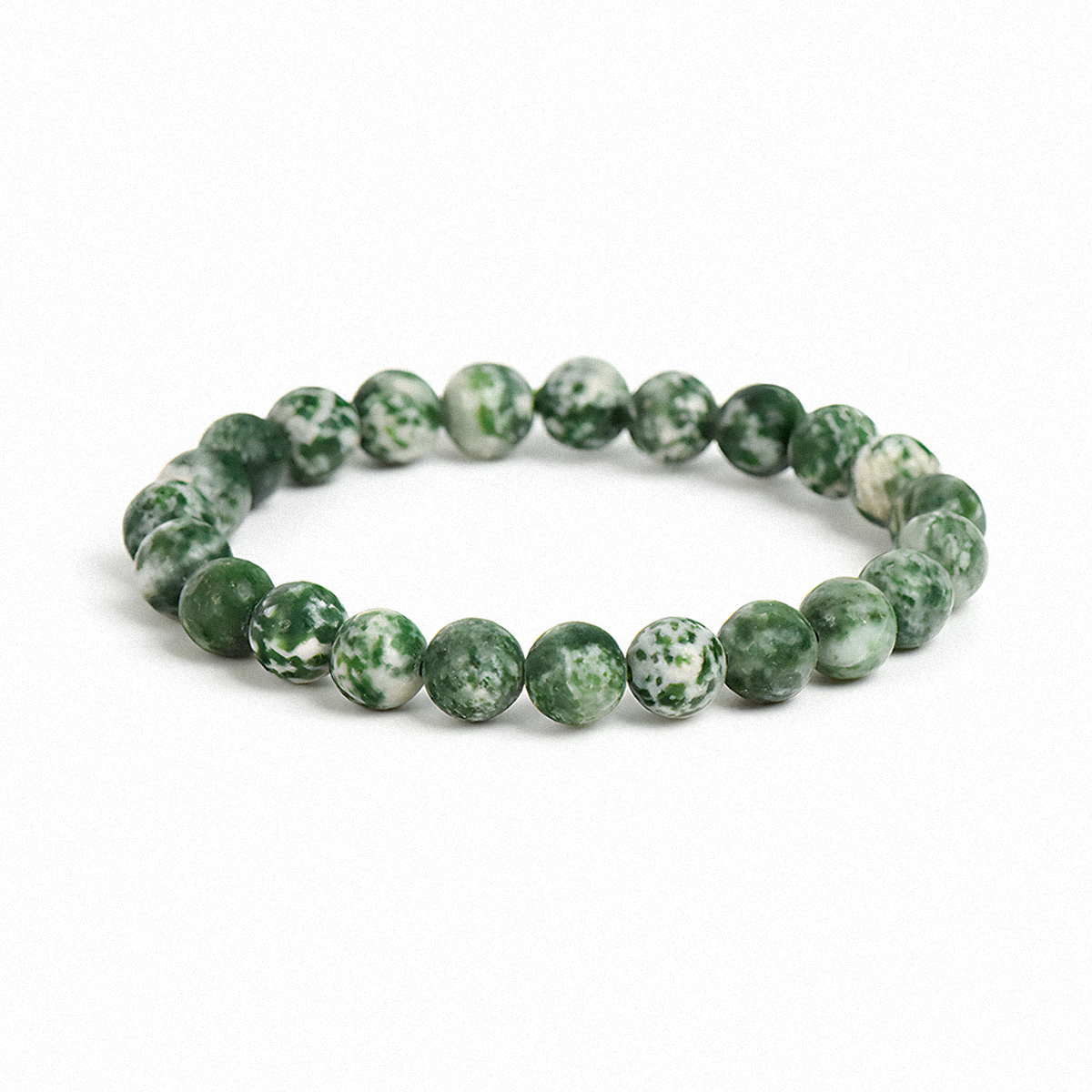
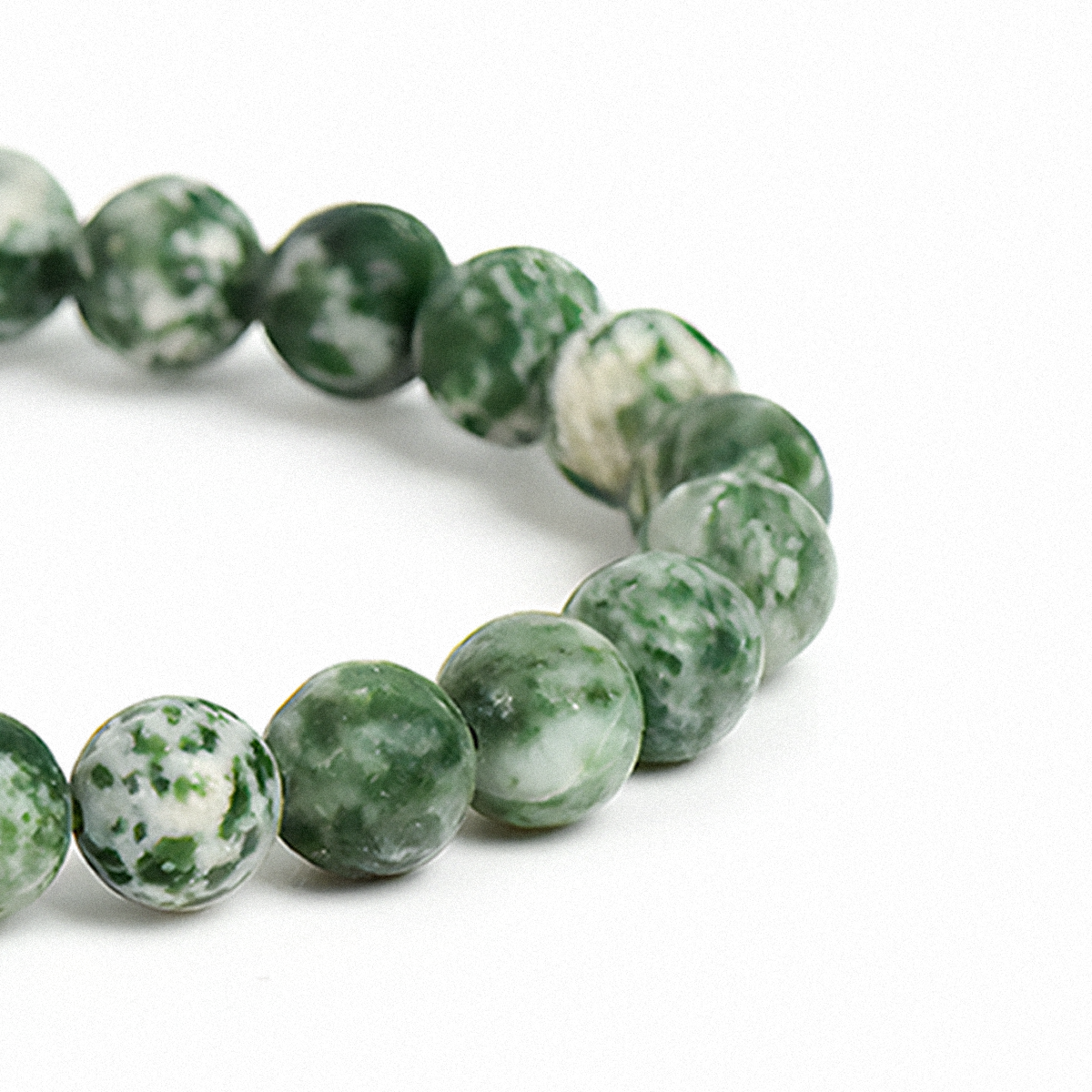
Gemstone malas, due to their crystalline mineral structure, are dense and nearly non-porous. This gives them a relatively high resistance to water and chemical corrosion. A light rinse or occasional accidental splash rarely causes damage—making gemstone malas more low-maintenance in daily wear.
However, the water-resistant nature of gemstones comes with certain trade-offs worth considering:
-
Different modes of energy conduction — Gemstones tend to "store" and "amplify" energy, whereas wood "absorbs" and "transforms" it. Over time, wooden beads absorb the warmth and subtle oils from your fingertips during practice, gradually developing a rich patina that reflects your personal journey. This sense of "co-evolution" between person and object is something gemstones rarely offer.
-
Temperature and tactile experience — Wood has a naturally warm, inviting feel against the skin, even in cold weather. Gemstones, by contrast, are thermally conductive and often feel cool to the touch—which some practitioners find distracting during meditation.
-
The unique gift of natural fragrance — One of the most cherished qualities of a wood mala is its naturally occurring, therapeutic aroma. The rich depth of Sandalwood, the sweet warmth of Rosewood—these scents themselves have calming and centering effects, creating a gentle "fragrant sanctuary" around the practitioner during chanting. This olfactory dimension deepens focus and aids in entering a meditative state more quickly. Gemstone malas, naturally, do not share this advantage.
-
Wearing comfort — Wood malas are lightweight and flexible, causing little to no strain even during extended practice sessions involving 108 repetitions or more. Gemstone malas, being significantly heavier, may cause fatigue around the wrist or neck over prolonged wear.
Therefore, if you prioritize ease of maintenance and appreciate the crystalline beauty of polished stones, a gemstone mala may suit you well. But if you seek a warm tactile connection, the therapeutic benefits of natural fragrance, and a relationship with your beads that deepens and matures with time, a wooden mala offers an irreplaceable experience.
Video source:YouTube
Author:Teresa @ Malaology
Original video link:https://www.youtube.com/watch?v=CsA12a9dp6U
Who Should Choose a Wood Mala?
Energy and Chakra Alignment
Wood malas are perfect for anyone feeling:
-
Scattered or disconnected from reality
-
Anxious or overwhelmed
-
In need of grounding during times of change
They are excellent tools for stabilizing energy and are particularly beneficial for balancing the Root Chakra.
Zodiac and Astrological Associations
Wood malas align strongly with Earth signs:
-
Taurus
-
Virgo
-
Capricorn
They also benefit those with heavy Saturn influences in their birth charts, providing the discipline and structure needed for spiritual growth.
Lifestyle Considerations
Wood is an ideal choice for:
-
Minimalists – the natural, organic look complements simple aesthetics
-
Meditation practitioners – light weight allows for extended practice without fatigue
-
Anyone seeking a personal connection – as you wear your mala, it develops a unique patina reflecting your personal journey
How to Clean, Charge, and Care for a Wood Mala
Cleansing Methods (Water-Free)
Never clean your wood mala with water. Instead, use these safe methods:
-
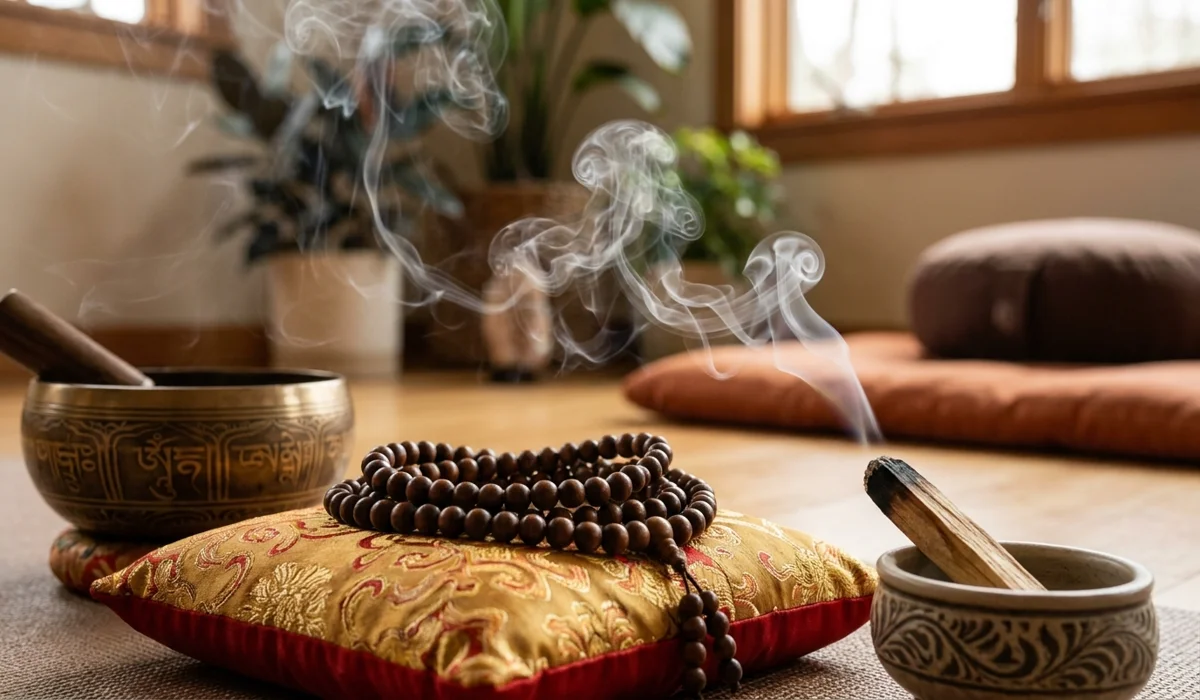
Smoke cleansing – pass the mala through the smoke of dried herbs (Palo Santo, sage, or lavender)
-
Sound cleansing – use a Tibetan singing bowl or bell to clear stagnant energy
-
Moonlight – place the mala in gentle moonlight to reset its spiritual resonance
-
Sunlight (briefly) – fifteen minutes of gentle morning sunlight can revitalize the beads
Charging Practices
To charge your mala with intention:
-
Hold each bead and recite your personal mantra
-
Visualize your intention flowing through the entire strand
-
Place the mala on a sacred space or altar overnight
Daily Care and Storage
Proper storage is essential for longevity:
-
Store in a soft silk or cotton pouch
-
Keep away from direct sunlight and heat sources
-
Avoid humid environments like bathrooms
-
Handle with clean, dry hands
Re-conditioning Dry Beads
If your mala begins to look dry or dull:
-
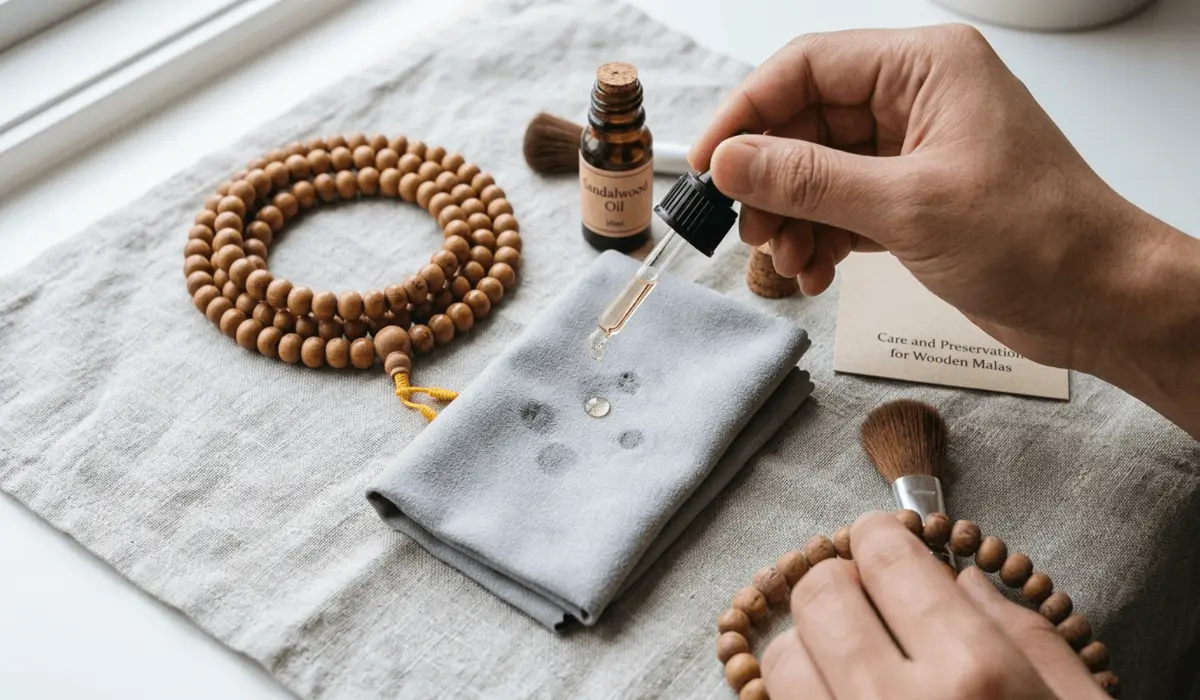
Apply a very small amount of jojoba or sandalwood oil to a soft cloth
-
Gently rub each bead
-
Wipe away excess oil
-
Allow to absorb overnight
This helps maintain flexibility and prevents brittleness.
Video source:YouTube
Author:Holy Harmonies
Original video link:https://www.youtube.com/watch?v=yWx7JIeok38
Frequently Asked Questions
Q: Can sandalwood beads get wet?
A: While an accidental splash may not ruin them immediately, frequent wetting will cause sandalwood beads to lose their fragrance and become brittle. Water strips away the natural oils that protect the wood and provide its sacred scent.
Q: How do I dry my wood mala if it accidentally gets wet?
A: You should immediately pat the beads dry with a soft, lint-free cloth. Allow the mala to air dry slowly in a shaded area and never use a hair dryer, as direct heat causes the wood to crack.
Q: Does soap damage wooden prayer beads?
A: Yes, soap contains chemicals that dissolve the natural resins inside the wood, leading to severe maintenance issues. Soap residue can also clog the pores of the wood, making the beads look dull and lifeless.
Q: Is it okay to wear a wood mala while sweating?
A: Light moisture is generally okay, but heavy sweat can soak into the cord and beads. Over time, the salt in sweat can weaken the string and lead to the growth of bacteria or mold inside the wood.
Q: How do I restore the scent of my sandalwood mala?
A: You can place the beads in a sealed container with a few drops of high-quality sandalwood oil or powder for several days. Gently rubbing the beads with a soft cloth can also help release the natural oils stored deep within.
Conclusion & Gentle Next Step
Preserving your wood mala is an act of respect—for your spiritual practice, for the materials of the Earth, and for the intentions you've poured into your beads. By avoiding water exposure and practicing proper care, you ensure that your mala remains strong, vibrant, and energetically clear for years to come.
Gentle Next Steps
-
Evaluate your current care routine – make adjustments if needed
-
Invest in proper storage – a silk pouch protects against environmental damage
-
Set a regular cleansing schedule – monthly smoke or sound cleansing maintains energetic purity
-
Consider a backup mala – for travel or active situations where your primary mala might be at risk

Longyi Luck
Longyi Luck is a Feng Shui practitioner and spiritual researcher who blends traditional year-based wisdom with modern lifestyle insights, specializing in Feng Shui, spirituality, meditation, and mindfulness. With years of dedicated study and practice, Longyi explores cultural symbolism and the practical application of ancient wisdom to help individuals cultivate balance, clarity, and harmony in everyday life. Since 2020, Longyi has been committed to translating timeless traditions into accessible guidance for the modern world.
longyi@auraandluck.com


.webp?w=1280&h=1280)
.webp?w=800&h=800)