
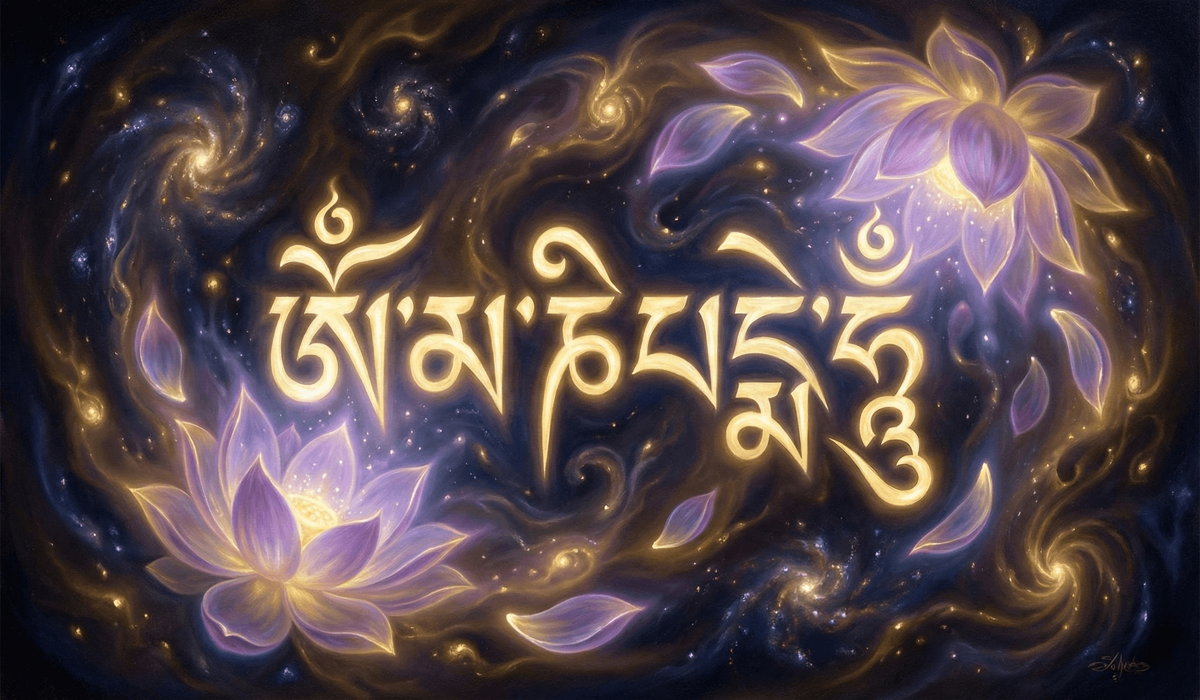
Om Mani Padme Hum Tattoos vs. Jewelry: Spiritual View represents a deep choice for anyone seeking to carry the vibration of the "Mantra of Compassion" in their daily life. Choosing between a permanent tattoo and a piece of jewelry depends on your commitment to the "body as a temple" philosophy versus the need for flexible, removable sacred objects. Many people seek these symbols to align with universal wisdom and find inner peace through visual reminders of enlightenment.
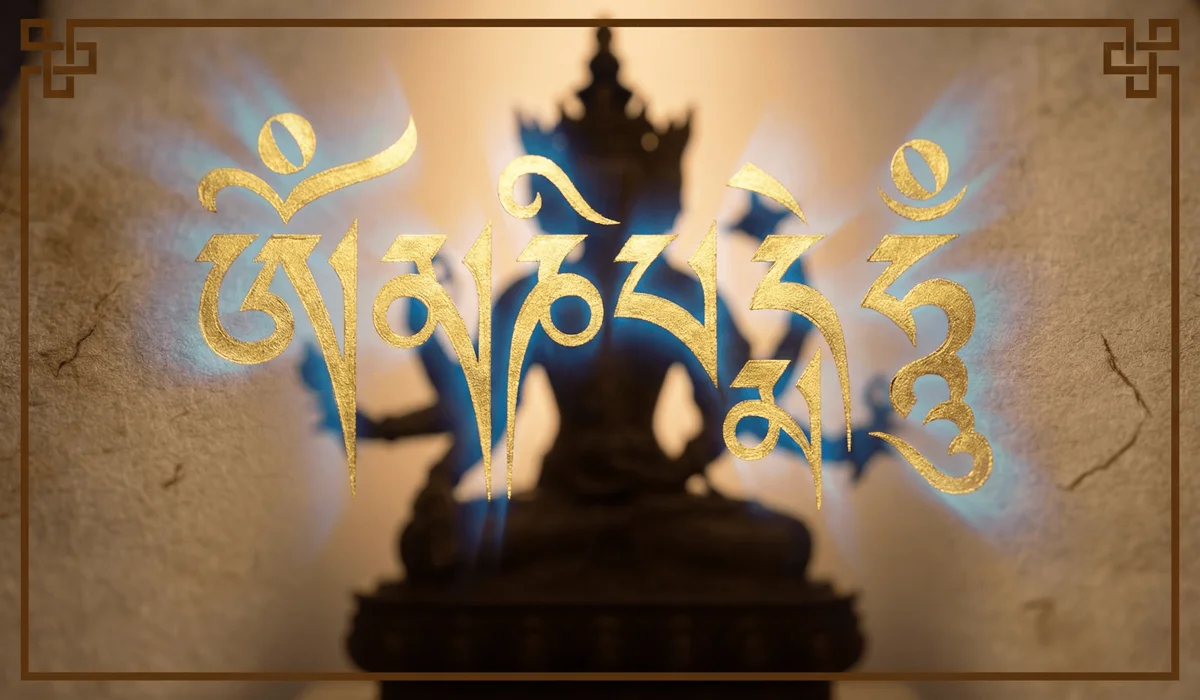
- Tattoos offer a lifelong spiritual commitment and a permanent seal of protection on the skin.
- Jewelry provides a flexible way to wear the mantra, allowing for regular ritual cleansing and charging.
- Both mediums serve as powerful mindfulness tools to transform pride and jealousy into wisdom.
- Proper placement and respectful intention are more important than the material form itself.
- Tibetan Buddhist tradition emphasizes "sacred script etiquette" to honor the teachings of compassion.
What Is Om Mani Padme Hum Tattoos vs. Jewelry: Spiritual View?
Definition and Origins
The Om Mani Padme Hum mantra is the most sacred chant in Tibetan Buddhism, known as the "Mantra of Compassion." It is deeply rooted in the lineage of Chenrezig (Avalokiteshvara), the bodhisattva who represents the infinite compassion of all Buddhas. When we recite or display this mantra, we are calling upon a verbal and visual representation of enlightened qualities that exist within us all.
Mediums of Expression
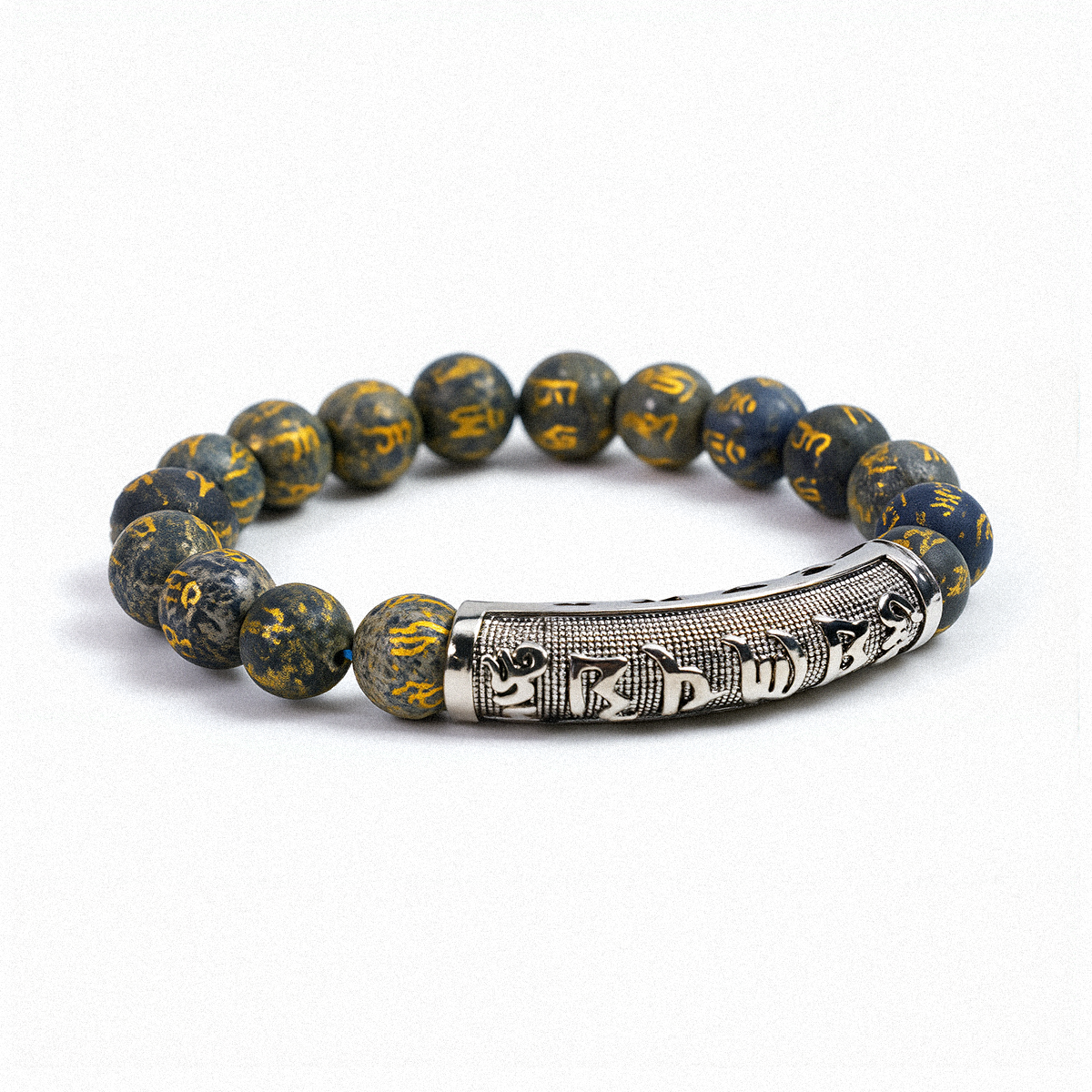
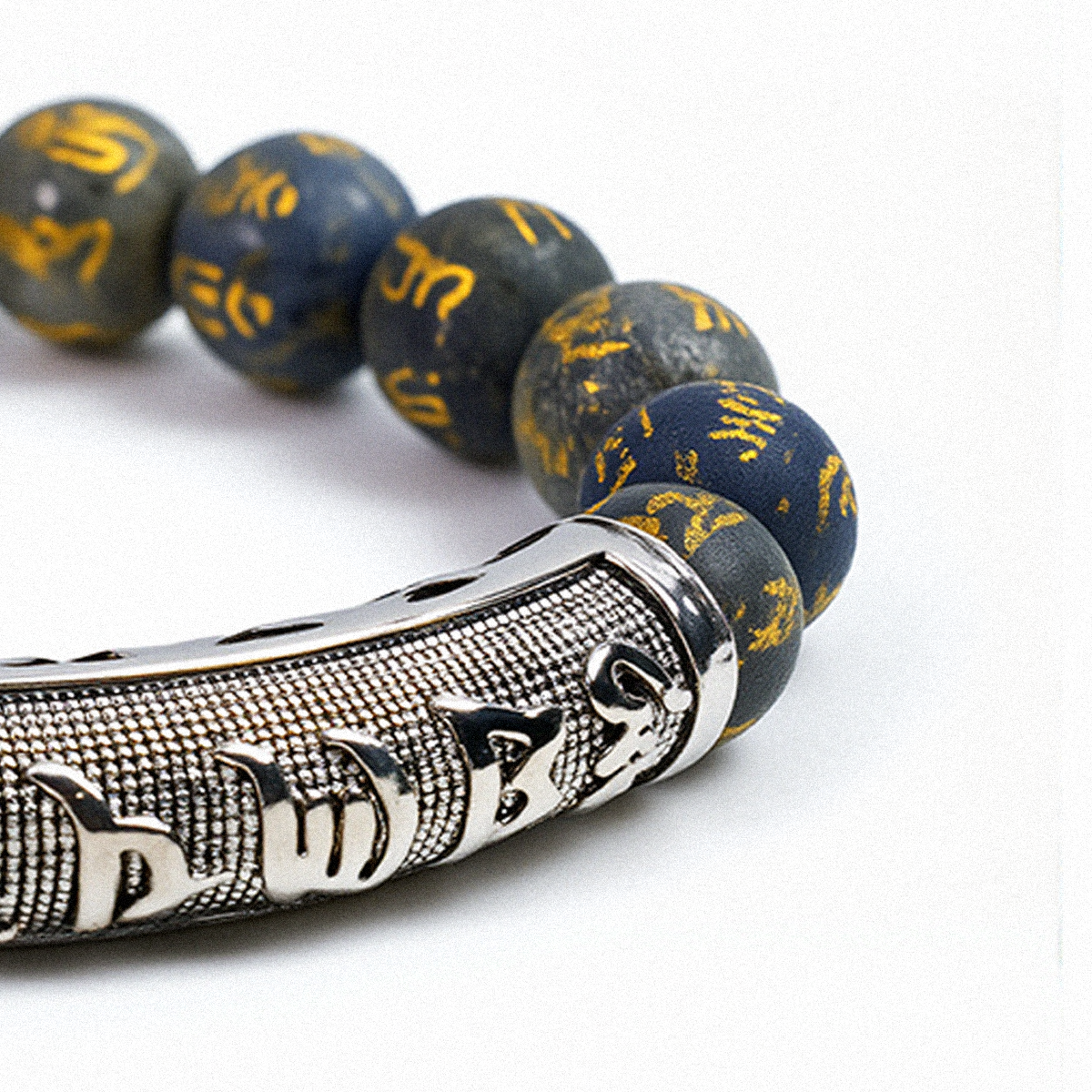
In our experience at Aura & Luck, the medium you choose carries a specific spiritual weight. Permanent ink on the skin merges the mantra with your physical being, turning your body into a living prayer. On the other hand, mantra-engraved jewelry offers the benefit of being a tactile tool that you can hold during meditation or remove when needed. While Westernized artistic interpretations are popular, many still prefer the traditional spiritual power of Tibetan Buddhist Script for its authentic vibration.
Basic Characteristics
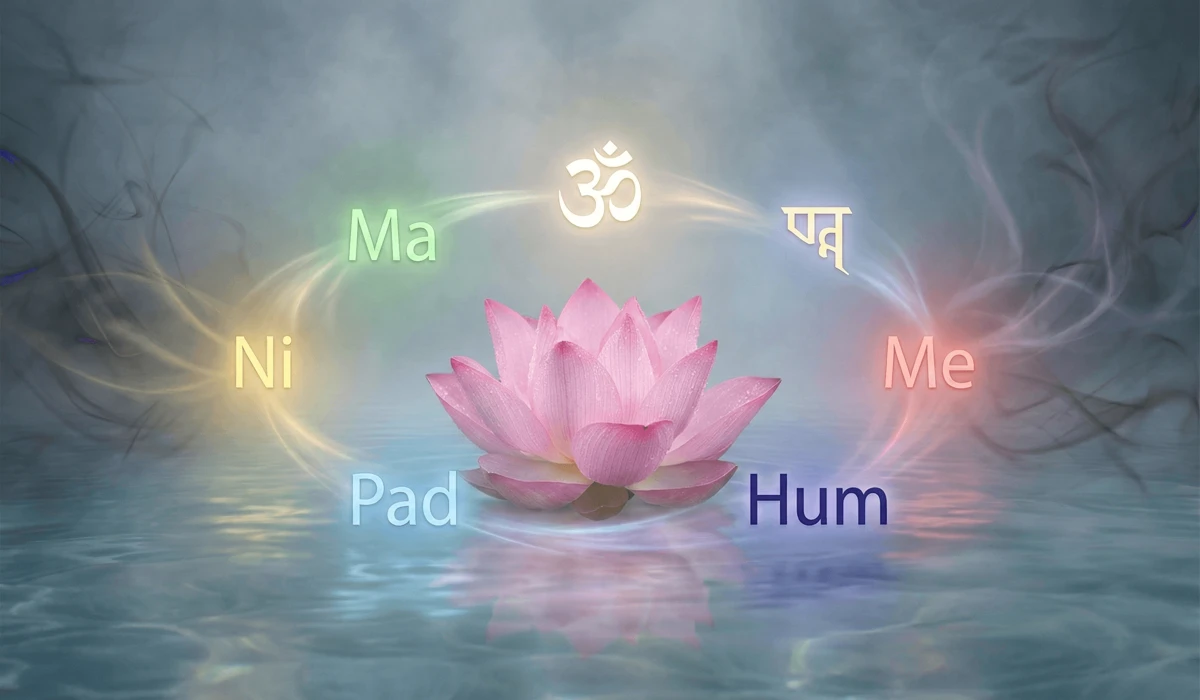
The six syllables—Om, Ma, Ni, Pad, Me, Hum—each carry a specific spiritual vibration intended to purify the mind. A tattoo is an unwavering statement of faith, while jewelry is adaptable to different professional or social environments. Both forms act as a constant mirror, reflecting your internal spiritual state and reminding you to act with kindness.
Spiritual Meaning & Symbolism
The symbolism of this mantra is vast, covering the entire path of spiritual development. Each syllable targets a specific human emotion that prevents us from reaching peace. According to our observations of traditional teachings, the transformation occurs through the following aspects:
- Om: This syllable represents the vibration of the universe and purifies the ego and pride.
- Ma and Ni: These focus on removing jealousy and the constant craving for entertainment or distraction.
- Pad and Me: These syllables symbolize the lotus flower, helping us overcome ignorance and unhealthy attachments.
- Hum: This final sound represents the indissolubility of wisdom and the method used to achieve it.
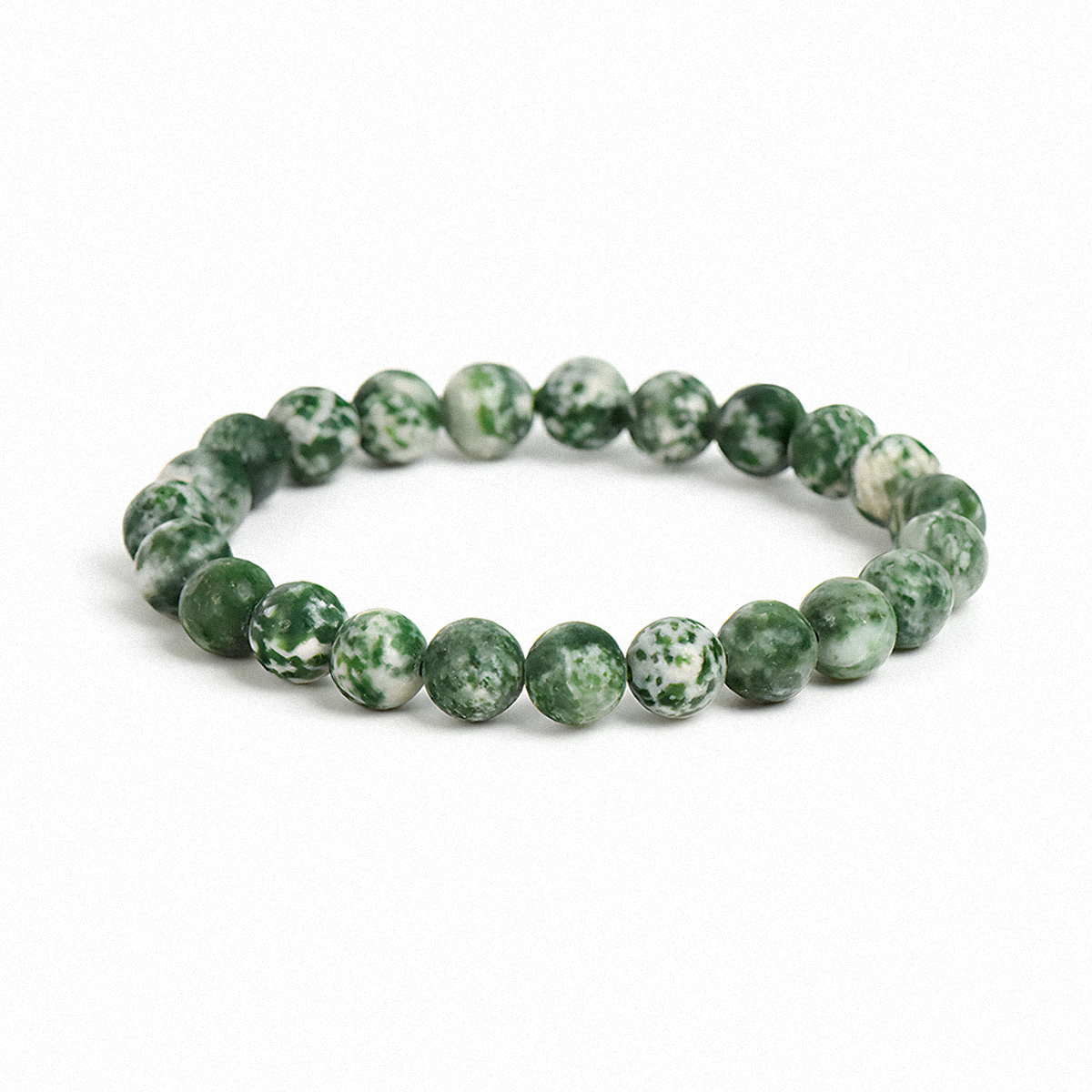
The energetic presence of these sacred symbols acts as a cleansing force for the wearer's aura. When placed on the skin, they are often seen as a seal of protection that guards the wearer from negative influences. This practice often integrates Crystal Healing Principles when combined with specific gemstones in jewelry designs.
Cultural and Historical Context
Historically, Tibetans carved this mantra into "Mani stones" placed along paths for travelers to see. Over time, these stones evolved into personal adornments like prayer wheels and rings. Modern spiritual views continue to respect these origins, ensuring that even aesthetic forms maintain the sacred essence of the script.
Benefits & Intentions Associated with Om Mani Padme Hum Tattoos vs. Jewelry
The primary intention behind wearing this mantra is to cultivate a deeper sense of universal compassion. It serves as a spiritual shield that helps you maintain focus when the world around you feels chaotic. By keeping the symbol close, you ground yourself in the present moment through a visual reminder of your higher self.
| Feature | Mantra Tattoo | Mantra Jewelry |
|---|---|---|
| Permanence | Lifelong commitment | Removable and flexible |
| Cleansing | Internal/Meditative | Physical and energetic rituals |
| Visibility | Fixed location | Adjustable placement |
| Tactile Use | Visual focus only | Can be touched/rotated |
Jewelry often acts as a tactile aid during breathing exercises, where you can touch each bead or engraving. A permanent tattoo, however, shows an unwavering commitment to a compassionate lifestyle that cannot be set aside. We suggest setting a spiritual intention every morning, regardless of which form you choose to wear.
How to Wear Om Mani Padme Hum Tattoos vs. Jewelry: Spiritual View
In many traditions, including Feng Shui Guidance, the left hand is considered the "receiving" hand. Wearing a mantra bracelet on your left wrist helps you absorb the vibration of compassion into your own energy field. If you wish to project that energy outward to help others, the right hand is often preferred.
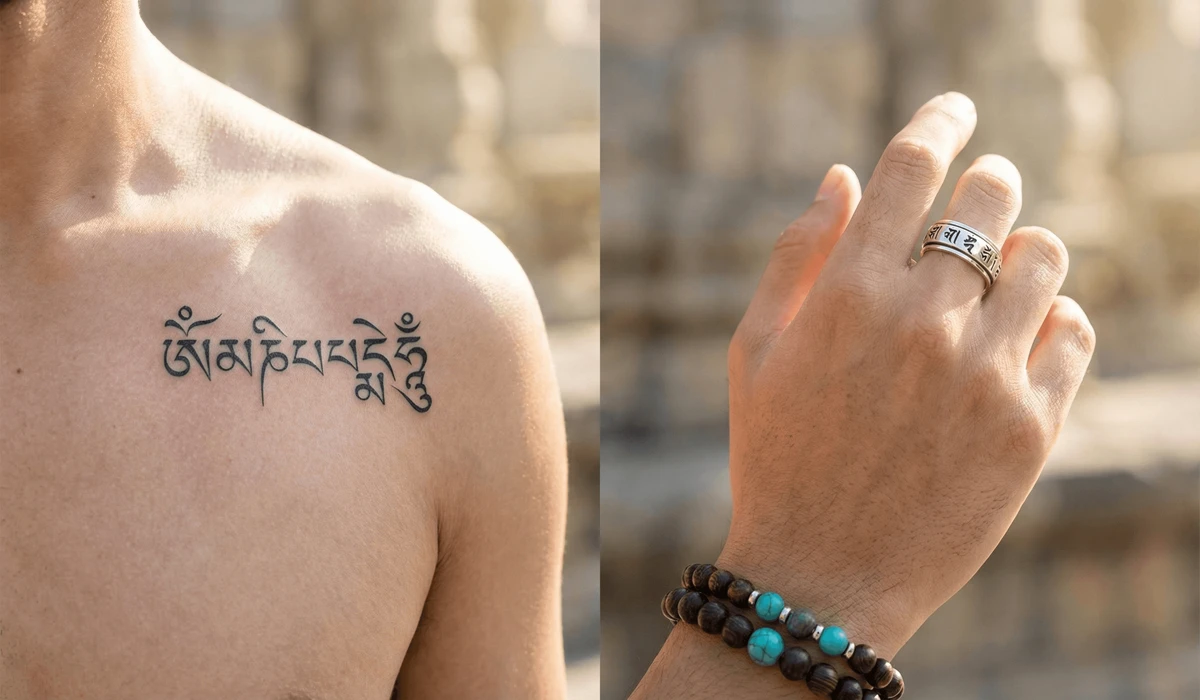
Sacred script etiquette is vital when deciding where to place a tattoo. It is generally recommended to keep the mantra on the upper body, such as the shoulders, chest, or arms. Placing sacred symbols on the feet or lower body is considered disrespectful because these areas are closer to the ground and "lower" energies.
Intention-Setting Practices
Before wearing a new piece of jewelry, it is helpful to develop a small ritual of silence. Reflect on the spiritual weight of the syllables and how they will guide your actions throughout the day. You can also explore our A Guide to the Six-Syllable Mantra to deepen your connection to the script.
Om Mani Padme Hum Tattoos vs. Jewelry: Spiritual View vs. Similar Amulets
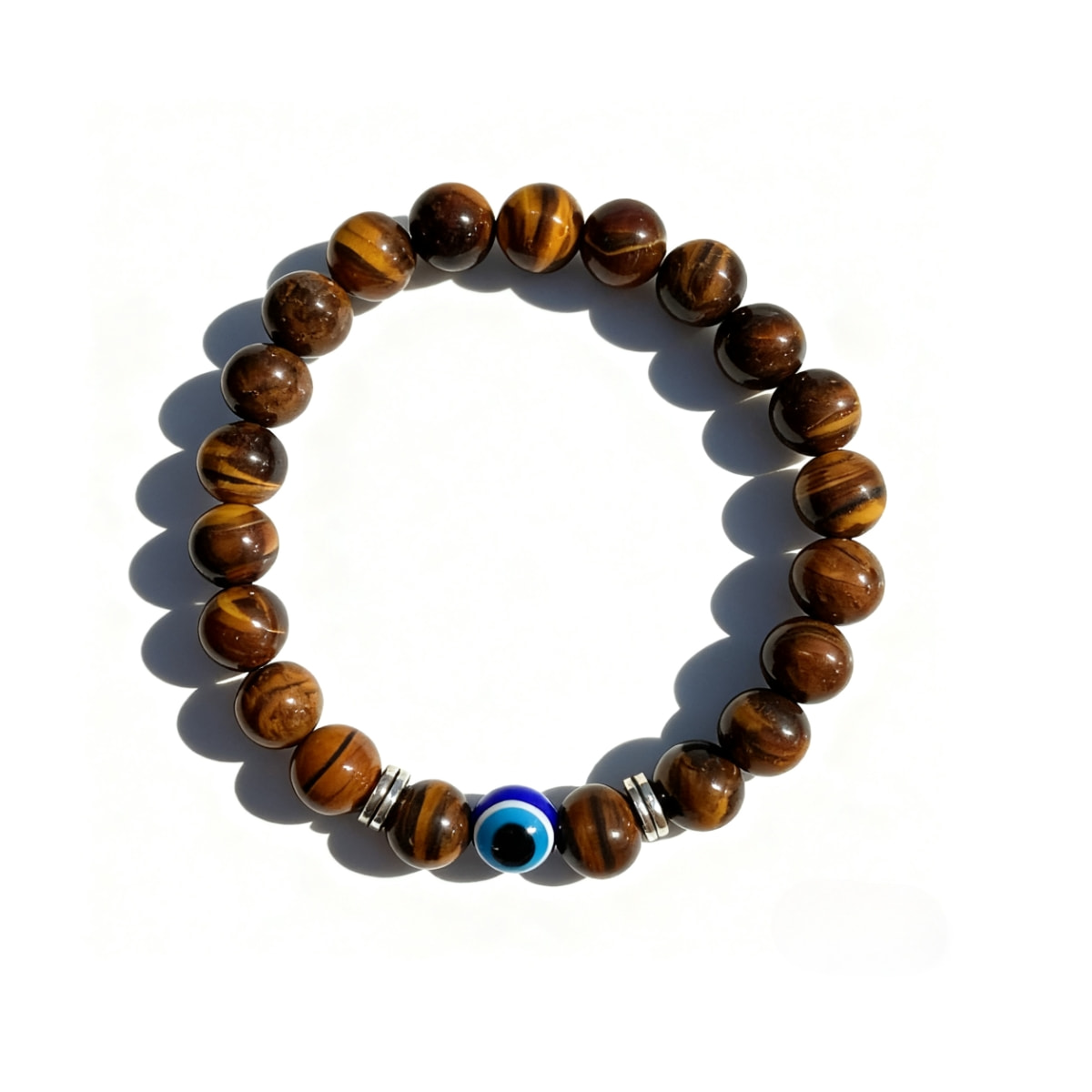
Many people compare the Om Mani Padme Hum mantra to symbols like the Hamsa or the Evil Eye. While those symbols focus heavily on protection from external harm, the Tibetan mantra focuses on internal transformation and compassion. The Hamsa is often a passive shield, whereas a mantra is an active vibration that requires your participation.
There is also a difference between a single "Om" symbol and the full six-syllable mantra. The single "Om" represents the universal sound of creation and is very broad in its meaning. The Mani mantra is a specific path that outlines the journey of the soul toward enlightenment through the practice of kindness.
Who Is Om Mani Padme Hum Tattoos vs. Jewelry: Spiritual View Suitable For?
This symbol is perfect for individuals who aim to embody the qualities of Chenrezig in their daily life. If you find yourself seeking a constant reminder to act with wisdom and empathy, these adornments are for you. They are especially helpful for those who work in high-stress environments and need a "spiritual anchor."
Jewelry is most suitable for people who require removable sacred objects due to their professional or social settings. Tattoos are chosen by seekers who view their skin as a canvas for their spiritual autobiography. Both groups share a common goal: carrying the vibration of the Dharma wherever they go.
How to Cleanse, Charge, and Care for Om Mani Padme Hum Jewelry
To keep your jewelry's energy clear, we recommend using smoke from sacred herbs like sage or palo santo. Sound vibrations from a Tibetan singing bowl can also harmonize the mantra's energy perfectly. Keeping the physical piece clean ensures that the sacred symbols remain bright and powerful.
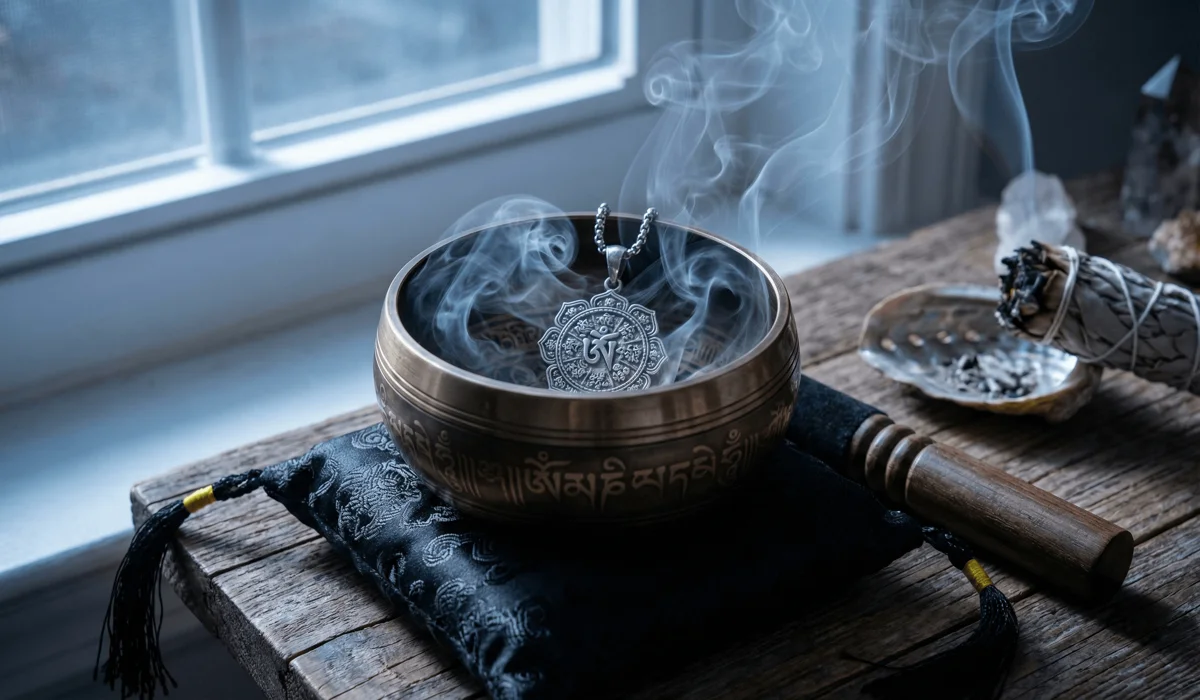
Charging your jewelry is best done under the soft light of the full moon. While holding the piece, recite the mantra "Om Mani Padme Hum" to align the object's vibration with your own voice. This process reinvigorates the purpose of the six syllables and strengthens your bond with the tool.
When you are not wearing your sacred jewelry, store it in a high-placed, clean area. Never place these items on the floor, as they should be treated with the same reverence as a prayer wheel. We often look to organizations like the Gemmological Association of Great Britain for advice on maintaining the physical integrity of the materials used in these pieces.
Daily Care & Respectful Storage
Handling your jewelry with mindfulness preserves both its physical beauty and its spiritual charge. Use a soft cloth for cleaning and avoid harsh chemicals that might damage the engravings. This level of care reflects your internal respect for the teachings the mantra represents.
Frequently Asked Questions
Q: Is it disrespectful to have an Om Mani Padme Hum tattoo?
A: Traditionally, Tibetan culture views the script as sacred. Many practitioners suggest that if it is placed above the waist and treated with high respect, it is a devout expression. However, some traditionalists prefer jewelry to keep the skin free of permanent markings.
Q: What are the spiritual benefits of wearing mantra jewelry?
A: Wearing mantra jewelry provides a constant visual and tactile reminder to remain present and compassionate. It serves as a removable tool that can be regularly cleansed and charged to maintain a high spiritual frequency.
Q: Where should an Om tattoo be placed on the body according to tradition?
A: It should always be placed on the upper half of the body, such as the arms, shoulders, or upper back. Traditional etiquette dictates avoiding the feet or areas that contact the ground to maintain the symbol's purity.
Q: Can I wear Om Mani Padme Hum jewelry on my left or right hand?
A: The left hand is typically the "receiving" hand, best for absorbing the mantra's energy. The right hand is the "giving" hand, used if you want to project compassion and peace out into the world.
Q: What do the six syllables of Om Mani Padme Hum represent?
A: They represent the purification of the six realms of existence and emotions like pride, jealousy, and greed. Each syllable helps transform the mind into a state of wisdom and compassion.
Conclusion & Gentle Next Step
Whether you choose the permanent commitment of a tattoo or the flexible grace of jewelry, the spiritual view remains the same. The power of the Om Mani Padme Hum mantra lies in your intention and your practice. By keeping this sacred script close to your body, you are inviting a life of greater empathy and mindfulness. When selecting materials for your jewelry, you may want to consult standards from the Gemological Institute of America to ensure the quality of your stones. We invite you to explore our Spiritual Crystal collection and find the piece that best supports your unique spiritual journey.

Longyi Luck
Longyi Luck is a Feng Shui practitioner and spiritual researcher who blends traditional year-based wisdom with modern lifestyle insights, specializing inFeng Shui, spirituality, meditation, and mindfulness. With years of dedicated study and practice, Longyi explores cultural symbolism and the practical application of ancient wisdom to help individuals cultivate balance, clarity, and harmony in everyday life. Since 2020, Longyi has been committed to translating timeless traditions into accessible guidance for the modern world.
longyi@auraandluck.com

.webp?w=800&h=800)
.webp?w=800&h=800)