
Understanding Small Leaf vs. Large Leaf Red Sandalwood: Critical Differences helps collectors and spiritual seekers choose the right sacred timber for their personal journey. Many people seek these woods because they want authentic energetic grounding, historical beauty, and lasting craftsmanship. In this comprehensive guide, we unpack the botanical origins, physical traits, and spiritual properties that make true small-leaf wood unique.
When we source these rare woods at our studio, we test every piece for weight and density. The differences between these two materials affect how they look, how they age, and how they feel during meditation. Let us explore the key qualities that separate genuine royal timber from everyday trade alternatives.
Key Highlights:
- 🌿 Botanical Identity: True small-leaf wood is authentic Zitan(紫檀), while large-leaf timbers are commercial padauk substitutes.
- 💎 Density and Weight: Genuine small-leaf red sandalwood is an ultra-dense sinking wood that immediately drops in water.
- 🔮 Surface Aging: Small-leaf specimens develop a mirror-like natural patina, while large-leaf species remain matte or porous.
- 🌿 Energetic Focus: Authentic Zitan connects directly to Root Chakra stability and harmonious Feng Shui wood energy.
What Is Small Leaf vs. Large Leaf Red Sandalwood: Critical Differences
The term red sandalwood is often used loosely across modern artisan markets. Knowing the specific botanical classifications helps you identify authentic heirlooms with confidence.
Definition and Botanical Distinctions
Small-leaf red sandalwood refers strictly to Pterocarpus santalinus, a protected tree species native to Southern India. For centuries, royal courts recognized this rare timber as authentic Zitan wood. It grows at an extraordinarily slow pace and requires hundreds of years to form its dense heartwood core.
Large-leaf red sandalwood is a commercial trade label rather than a single botanical family. It usually refers to faster-growing trees such as African Padauk or related tropical bloodwoods. These trees develop broader leaves, open canopies, and mature over much shorter harvesting cycles.
Standard material verification often references testing guidelines from the Gemological Institute of America to confirm organic density and structural integrity. Authentic Zitan remains one of the most strictly regulated botanical treasures on Earth due to its historical rarity.
Origin and Material Sourcing
Genuine Indian small leaf red sandalwood grows almost entirely in the rocky hills of Andhra Pradesh, India. The mineral-rich soil and harsh, dry climate force the tree to grow with remarkable cellular tightness. This specific environment gives the heartwood its unmatched weight and high natural resin content.
In contrast, large-leaf commercial woods are harvested widely across central and western Africa. These rainforest zones provide abundant rainfall, which encourages swift cellular growth and wide vascular tubes. Because the trees expand quickly, their wood fibers lack the tight compression found in genuine Indian Zitan.
Our team always verifies the exact geographic origin before selecting raw beads for carving. Sustainable sourcing preserves the sacred history of these ancient forests for future generations.
Basic Physical Characteristics
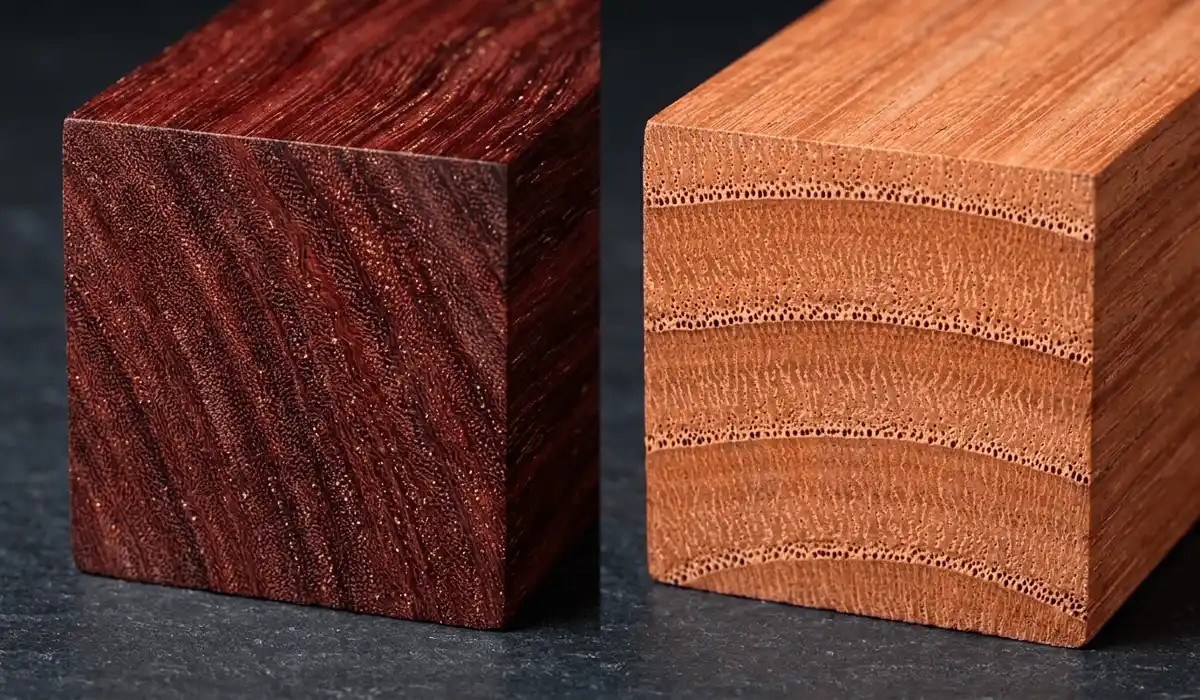
The easiest way to tell these timbers apart is by studying their cellular grain patterns under bright light. Small-leaf red sandalwood displays fine, wavy lines known as ox-hair striations, alongside tiny golden micro-flecks. Large-leaf varieties show open, straight pores that look like coarse pencil lines across the surface.
Color shifts also reveal the true identity of your wood over time. Fresh small-leaf wood begins as a vibrant orange-red before oxidizing into a magnificent, deep wine-crimson or purple-black hue. Large-leaf timbers tend to hold a dry, uniform brick-orange or brownish-red color without deepening dramatically.
| Feature | Small-Leaf Red Sandalwood (Zitan) | Large-Leaf Red Sandalwood (Padauk) |
|---|---|---|
| Botanical Name | Pterocarpus santalinus | Pterocarpus soyauxii / Bloodwood |
| Primary Origin | Andhra Pradesh, Southern India | Central & Western Africa |
| Water Density | Sinks rapidly (Density > 1.05 g/cm³) | Floats or sinks very slowly |
| Pore Structure | Microscopic, curved ox-hair veins | Large, straight, open vascular pores |
| Aging Patina | Deep purple-black mirror gloss | Muted brownish-red matte finish |
Testing density is one of the most reliable experiments for distinguishing between wood types. Watch this quick demonstration showing how genuine red sandalwood behaves in water compared to lighter alternatives.
Video source: YouTube
Author: The Oud Artisan
Original video link: https://www.youtube.com/watch?v=M9EKSqEM_Kw
Spiritual Meaning and Sacred Symbolism
Beyond its physical rarity, authentic red sandalwood carries deep metaphysical symbolism across ancient spiritual schools. Its remarkable life cycle teaches us the value of quiet strength and spiritual dedication.
Traditional Symbolism and Sacred Heritage
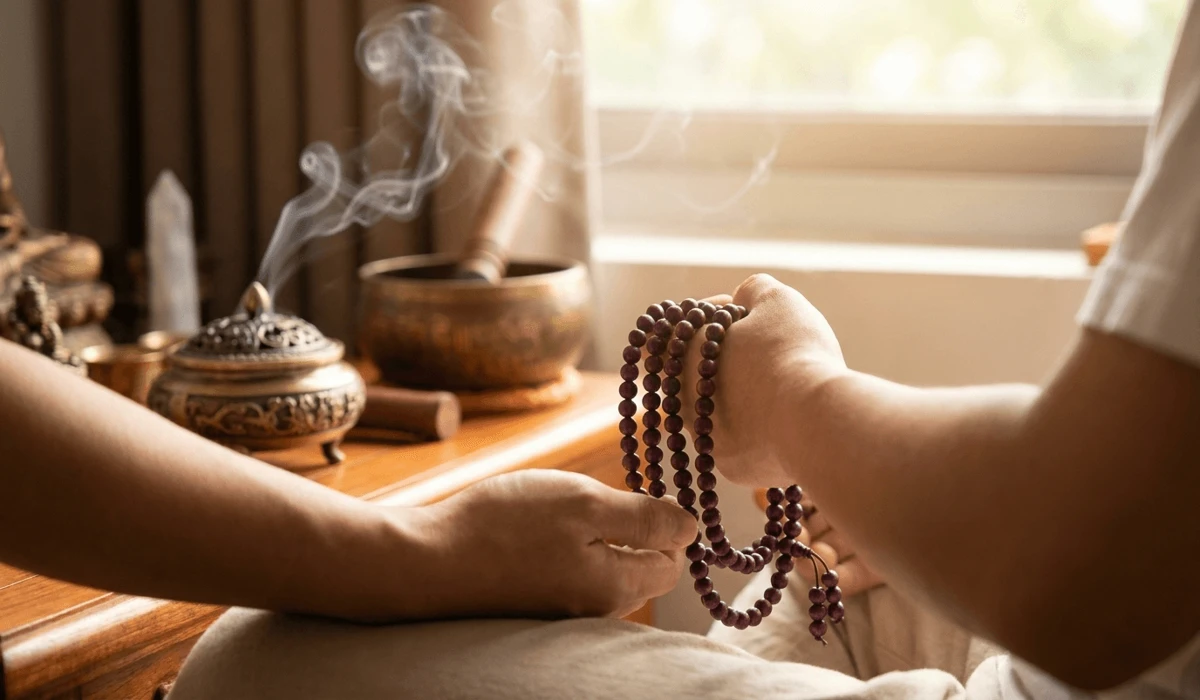
In traditional Asian philosophies, small-leaf Zitan symbolizes steady leadership, noble character, and emotional restraint. Monasteries and imperial palaces crafted sacred furniture and meditation beads from this wood because it remains unchanged across generations. It reminds the seeker that spiritual maturity cannot be rushed.
Ancient practitioners crafted red chandan mala strands to cultivate mental discipline during chanting. The physical beads act as sacred counters that absorb the focused intentions of daily prayer. Many of our clients report feeling an immediate sense of quiet reverence when holding an authentic strand.
Large-leaf woods certainly provide rustic decorative charm, yet they carry the active energy of fast tropical expansion. True small-leaf wood holds the serene stillness of hundreds of years of solitary mountain growth.
Chakra Associations and Grounding Energy
Energetically, red sandalwood resonates strongly with the Muladhara, commonly known as the Root Chakra. When your base energy is out of balance, you may experience mental fatigue, scattered thoughts, or a sense of restless anxiety. Meditating with dense wood beads helps tether your awareness firmly back to the physical body.
Understanding vibrational balance often intersects with classic Crystal Healing Principles that pair organic minerals with grounding woods. The deep crimson color frequency stimulates personal vitality without overexciting your nervous system. It creates a steady energetic baseline that supports emotional resilience.
True grounding is not about feeling heavy. It is the quiet confidence of being fully present in your own life.
Cultural Context and the Feng Shui Wood Element
In classical Chinese metaphysics, authentic Zitan represents the ultimate balance of the feng shui wood element. It embodies slow organic growth, enduring wisdom, and protection against seasonal imbalance. Its presence harmonizes the movement of Chi(气) throughout your personal environment.
Temples historically placed red sandalwood screens and statues in meditation halls to shield the space from chaotic external forces. The natural density of the wood absorbs negative environmental tension while fostering clear, peaceful thinking. It serves as an unshakeable energetic anchor for any room.
Benefits and Intentions
Working intentionally with sacred wood allows you to direct your mental energy toward meaningful personal goals. Both types offer unique physical textures, but their energetic depth differs significantly.
Commonly Associated Intentions
Many practitioners work with small-leaf sandalwood to cultivate lasting patience during demanding life transitions. The wood serves as an everyday physical teacher, showing that true greatness requires time to ripen. It helps quiet the impulse to rush toward premature outcomes.
You can use these sacred beads to focus on several practical life intentions:
- 💎 Emotional Anchoring: Stabilizing erratic mood swings and staying centered during difficult conversations.
- 🌿 Mental Clarity: Filtering out digital overstimulation and maintaining single-pointed focus on your daily priorities.
- 🔮 Spiritual Endurance: Building a consistent, sustainable meditation practice that survives life distractions.
By touching the beads throughout the day, you reconnect with these chosen intentions in seconds.
Mindfulness and Personal Practices
Incorporating sacred beads into breathwork helps anchor your wandering thoughts. As you inhale slowly, slide your thumb over one bead to feel its cool, silky surface. When you exhale, release the stress of the day and move gently to the next bead.
Sound therapy also pairs beautifully with the calming presence of sacred wooden beads. Using resonant acoustic vibrations helps align your inner field before you begin focused contemplation.
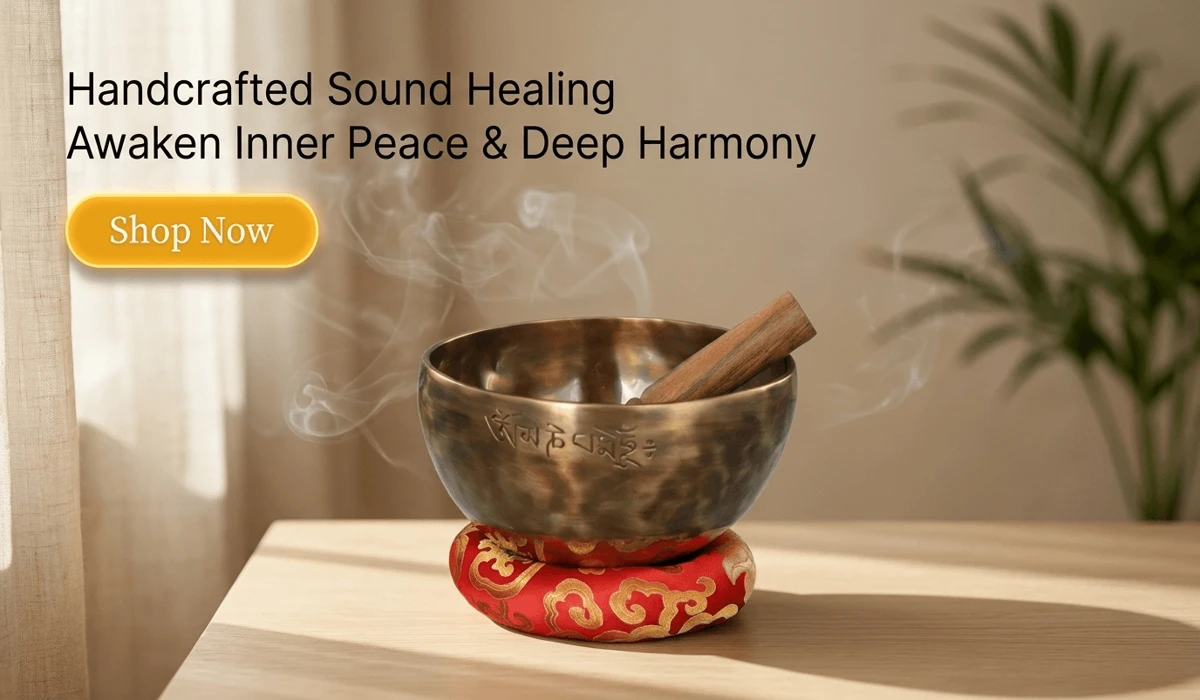
Keeping a strand of beads on your desk creates a mindful visual pause in your workspace. When pressure builds, take three quiet breaths while holding the wood to restore your inner balance.
How to Wear Red Sandalwood
Wearing wooden bead jewelry allows you to stay connected to grounding earth energy throughout your active day. Traditional energy philosophies offer clear guidelines on which wrist to use based on your personal goals.
Left Hand vs. Right Hand (Feng Shui Logic)
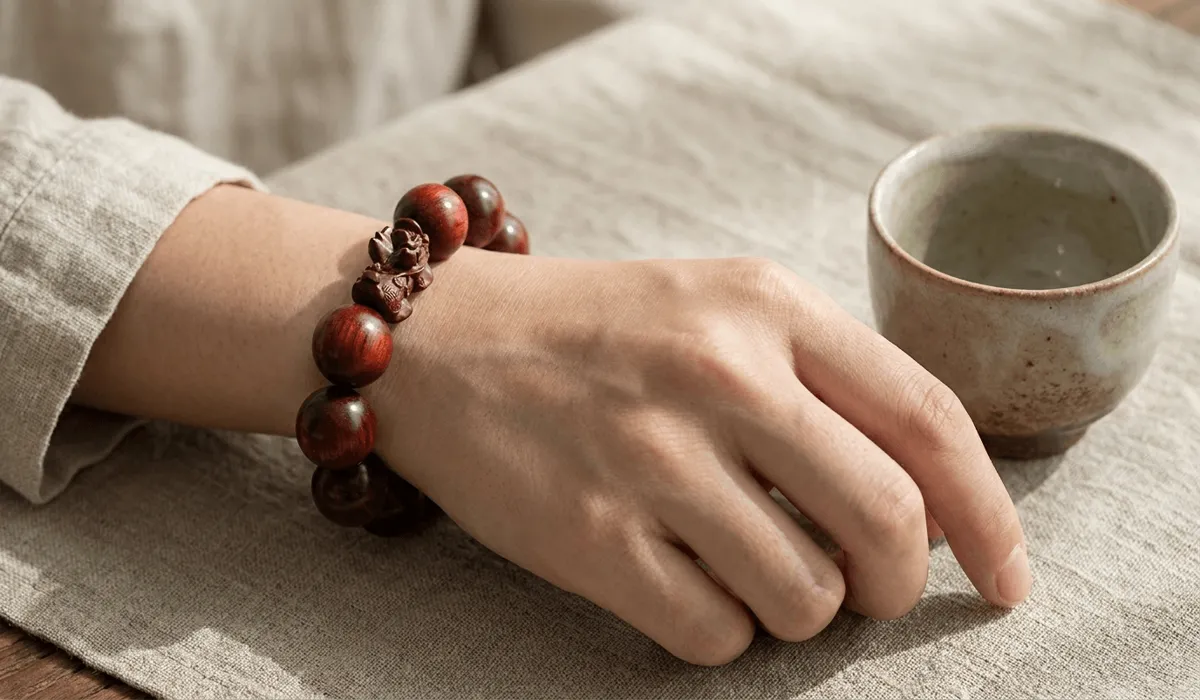
In traditional Eastern philosophies, your left wrist is considered the receptive energetic gateway of the body. Wearing your small-leaf red sandalwood bracelet on the left wrist helps you draw in tranquil Chi(气), inner peace, and grounding stability. This placement is ideal when you want to reduce personal stress and nurture quiet self-reflection.
According to research from the Feng Shui Society, directional body energy plays a vital role in balancing internal harmony. Wearing your bracelet on the right wrist activates your expressive energy. This placement helps you project steady boundaries, professional authority, and protective composure into your workplace.
We recommend choosing your wrist based on what you need most each morning. Switch hands mindfully whenever your daily environment calls for a different energetic balance.
When People Choose to Wear It
Many people wear their beads during quiet morning meditation routines or yoga sessions. The physical weight of genuine sinking wood helps lower your center of gravity during seated poses. It establishes a serene atmosphere before you engage with the busy world outside.
Travelers and commuters frequently wear red sandalwood to shield themselves from draining public environments. The wood acts like a gentle energetic buffer against noisy crowds and unpredictable transit schedules. It helps you stay rooted in your personal bubble of calm.
Intention-Setting Practices
Before putting on your bracelet, take a quiet moment to wash your hands and clear your thoughts. Hold the beads between both palms and draw them close to your heart space. Breathe deeply and state your primary intention in simple, clear words.
Gently roll the guru bead between your thumb and index finger to lock in this commitment. For a deeper perspective on this sacred tradition, read our Red Sandalwood Heritage Guide for advanced rituals. Taking this brief moment creates a meaningful bond between you and your jewelry.
Small Leaf Red Sandalwood vs Similar Woods
Several botanical species share the marketplace with genuine Indian Zitan. Comparing these materials side by side helps you recognize genuine quality before making an investment.
Small Leaf Zitan vs Large Leaf African Padauk
The most common substitute for authentic small-leaf wood is African Padauk, often marketed as large-leaf red sandalwood. While Padauk is a durable hardwood, it lacks the extreme density of true *Pterocarpus santalinus*. Authentic Zitan immediately sinks to the bottom of a water container, whereas Padauk often floats or hovers near the surface.
Padauk has large, porous canals that feel coarse against the skin before heavy lacquers are applied. Genuine small-leaf wood feels naturally silken, cool, and dense from the moment it is carved. Its rich internal resins create a luminous, natural gloss without any synthetic coatings.
Energetically, Padauk offers an open, lively frequency suitable for creative expression. True Indian Zitan carries an ancient, solemn resonance that anchors the spirit in profound stillness.
Small Leaf Red Sandalwood vs White Sandalwood (*Santalum album*)
Many beginners confuse red sandalwood with fragrant white or yellow sandalwood. White sandalwood belongs to the botanical genus *Santalum* and is prized worldwide for its intense, cooling aromatic oils. It is frequently distilled into perfumes, essential oils, and ceremonial incense.
True small-leaf red sandalwood contains almost no volatile aromatic scent compounds. Its value lies entirely in its physical weight, mineral density, and vibrant organic pigments. If a piece of red sandalwood smells heavily of perfume, it has likely been treated with synthetic fragrance oils.
White sandalwood opens the Crown Chakra and stimulates higher spiritual visions. Red sandalwood works in the opposite direction, rooting your foundation firmly into the physical earth.
Who Is Small Leaf Red Sandalwood Suitable For?
Sacred wood carries a gentle, organic vibration that works well with diverse lifestyle profiles. Certain individuals feel an immediate, profound kinship with its stabilizing weight.
Chakra and Energy Alignment
Small-leaf red sandalwood is perfect for anyone feeling energetically scattered, overwhelmed, or detached from their body. If your mind constantly jumps between past regrets and future worries, this wood gently calls you back to the present moment. It offers a safe, steady container for emotional restoration.
Many practitioners who find high-vibration crystals too intense prefer the organic warmth of ancient timber. You can complement your practice by exploring our Spiritual Crystal Collection to find stones that pair naturally with dense hardwoods. The combination of ancient wood and natural minerals creates a beautifully rounded energetic environment.
Astrological and Elemental Compatibility
Individuals with prominent Fire placements in their astrological chart benefit greatly from the cooling, grounding influence of dense wood. It tempers restless impulsive energy and helps channel creative passion into disciplined, long-term accomplishments. It prevents burnout while sustaining inner drive.
Earth signs naturally appreciate the material craftsmanship and mineral-rich mountain heritage of authentic Zitan. Vedic astrology traditions frequently recommend sacred red chandan to harmonize personal vitality and cultivate dignified leadership qualities. It aligns beautifully with anyone seeking steady personal authority.
Lifestyle and Mindfulness Profiles
Writers, artists, and researchers who spend long hours on demanding mental projects love keeping red sandalwood nearby. Its presence helps quiet background mental chatter so you can focus on deep, concentrated work. It acts as an anchor of calm in demanding modern offices.
Yoga instructors and meditation facilitators also use these beads to hold a clean, grounded space during classes. Anyone who appreciates sustainable heirloom craft will cherish a piece that matures alongside them across a lifetime.
How to Cleanse, Charge, and Care for Small Leaf Red Sandalwood
Natural hardwoods are living, breathing organic materials that require gentle, conscious maintenance. Caring for your beads properly preserves their physical luster and energetic purity.
Gentle Cleansing Methods
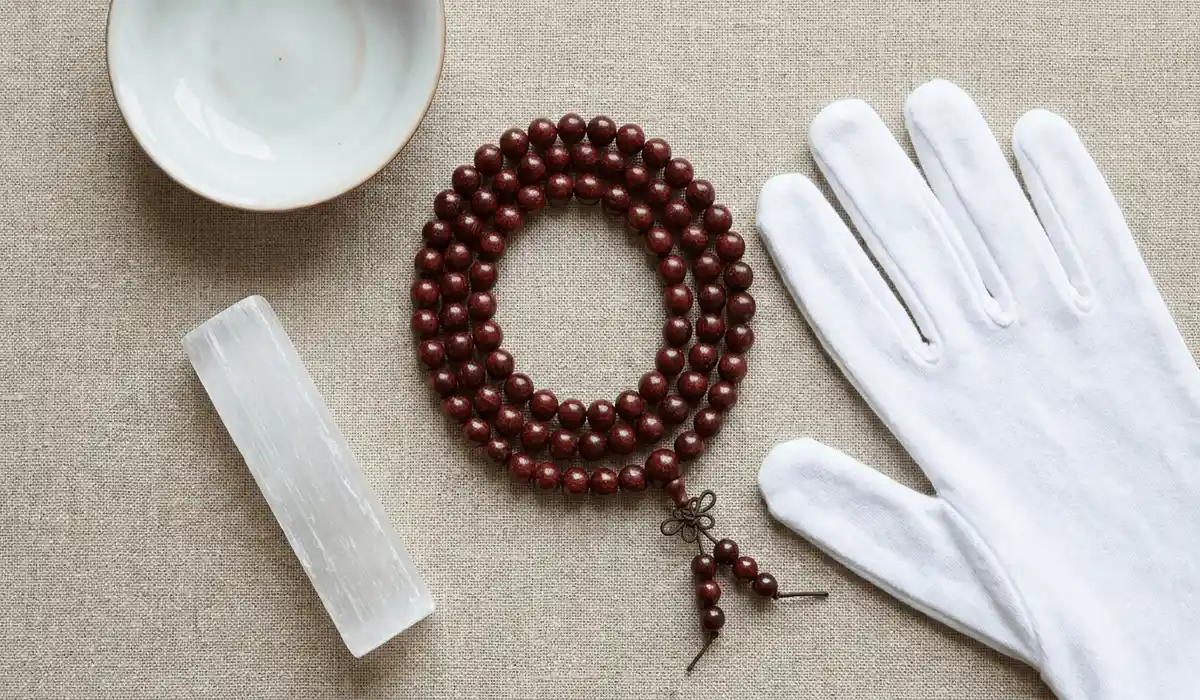
Never submerge your red sandalwood jewelry in water or clean it with household soaps. Liquid washes can penetrate the wood pores, causing the cellular fibers to swell, crack, or lose their natural oils. Instead, simply wipe the beads with a dry, clean microfiber cloth after daily wear.
To cleanse the beads energetically, use gentle acoustic vibrations from singing bowls or brass bells. You can also pass the wood through the cool smoke of natural sandalwood or sage incense. These non-invasive methods clear stagnant energies without harming the physical surface of the wood.
Charging Practices
Leave your beads near a window under the soft illumination of a full or waxing moon. Moonlight offers cool, restorative energy that refreshes the wood without causing thermal stress. Avoid placing your beads in harsh, direct sunlight, which can dry out the natural resins and fade the deep crimson tones.
You can also rest your wooden bracelet on a slab of clean selenite overnight. Selenite gently lifts accumulated static energy and returns the wood to its original grounded baseline. This simple habit keeps your jewelry feeling vibrant and ready for your next practice.
Daily Care, Patina Development, and Storage
The hallmark of genuine small-leaf red sandalwood is its ability to develop a mirror-like glass patina over time. During your first few months of ownership, buff the beads gently for a few minutes daily using clean white cotton gloves. This soft friction warms the wood, allowing internal resins to rise and seal the outer surface.
Environmental tips shared by classical resources like the World of Feng Shui emphasize protecting precious natural materials from extreme temperature shifts. Store your beads inside a breathable cotton or velvet pouch away from air conditioning vents and damp bathrooms. Proper storage ensures your beads remain pristine for decades to come.
Frequently Asked Questions
Q: How to tell difference between small leaf and large leaf red sandalwood?
A: Authentic small leaf red sandalwood is a high density wood that sinks rapidly in water, whereas large leaf red sandalwood is lighter and often floats. Small leaf timber exhibits microscopic, wavy ox-hair grain patterns and golden micro-flecks, while large leaf varieties display wide, straight, and noticeably open pores. Additionally, true small leaf wood oxidizes over time into a deep purple-black patina, whereas large leaf wood retains a static, lighter brownish-red color.
Q: What are authentic pterocarpus santalinus identification markers?
A: Genuine Pterocarpus santalinus feels exceptionally heavy and cool in your hand due to its dense cellular structure. When gently drawn across an unglazed white porcelain tile, dry authentic Zitan heartwood leaves a distinct natural reddish-orange streak without damaging the wood structure. Under close magnification, you will notice curved micro-vascular canals rather than coarse, uniform industrial wood stripes.
Q: Why does small leaf red sandalwood develop patina?
A: Authentic small leaf wood contains dense internal oils and natural plant resins that slowly migrate toward the surface over time. When exposed to ambient air, these natural compounds undergo oxidation, gradually hardening into a protective, translucent layer. Daily handling and gentle buffing polish these surfacing oils, creating a lustrous, glass-like shine prized by seasoned collectors.
Q: Which hand should I wear a red sandalwood bracelet for feng shui?
A: Wear your red sandalwood bracelet on the left wrist if your goal is to absorb calm Chi, cultivate inner peace, and stabilize your emotional balance. Wear the bracelet on your right wrist when you want to project clear personal boundaries, steady confidence, and protective composure into your environment. You can alternate wrists depending on whether your daily focus is inward contemplation or outward leadership.
Q: How do you cleanse and charge red sandalwood mala beads?
A: Cleanse your mala beads using non-invasive methods such as sound vibrations from a singing bowl or passing them through purifying incense smoke. Avoid using water, detergents, or chemical cleaners, which can cause the delicate wood fibers to swell and crack. Charge the beads by placing them under gentle moonlight overnight or resting them beside a natural selenite cleansing crystal.
Conclusion and Gentle Next Steps
Choosing between small-leaf and large-leaf red sandalwood is about honoring authenticity, density, and sacred heritage. While large-leaf varieties provide pleasant everyday decoration, authentic small-leaf Zitan stands alone as a true miracle of nature. Its slow growth, heavy weight, and mirror-like patina reflect centuries of quiet resilience.

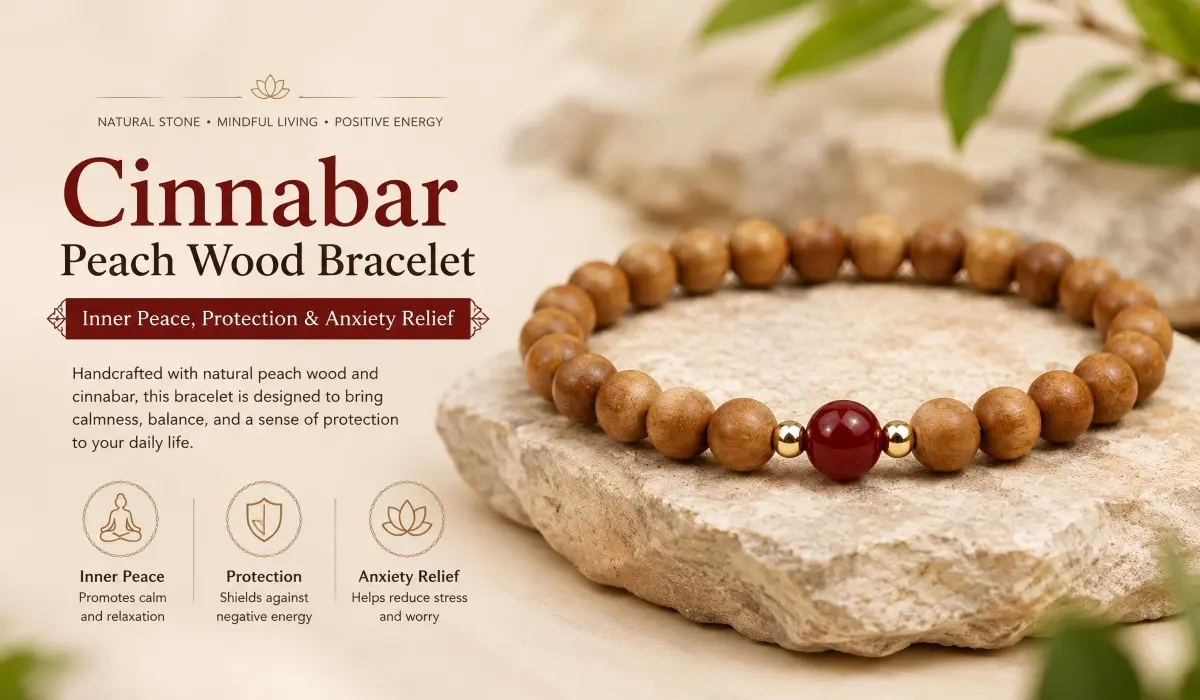
Natural Small-Leaf Red Sandalwood Disc Bead Bracelet with Crystal or Spacer Accents
Warm wood tones meet refined decorative details in this small-leaf red sandalwood bracelet. Polished 3 × 6 mm disc beads create a slim, structured silhouette, while carefully spaced accents add contrast and a subtle touch of shine.
Shop NowReflect on Your Journey:
Take your time when selecting sacred wood for your mindfulness practice. Choose a piece that speaks directly to your need for calm, grounded strength in a noisy world. When you hold authentic Zitan, you carry the quiet wisdom of ancient mountain forests wherever you walk.

Longyi Luck
Longyi Luck is a Feng Shui practitioner and spiritual researcher who blends traditional year-based wisdom with modern lifestyle insights, specializing in Feng Shui, spirituality, meditation, and mindfulness. With years of dedicated study and practice, Longyi explores cultural symbolism and the practical application of ancient wisdom to help individuals cultivate balance, clarity, and harmony in everyday life. Since 2020, Longyi has been committed to translating timeless traditions into accessible guidance for the modern world.
longyi@auraandluck.com