
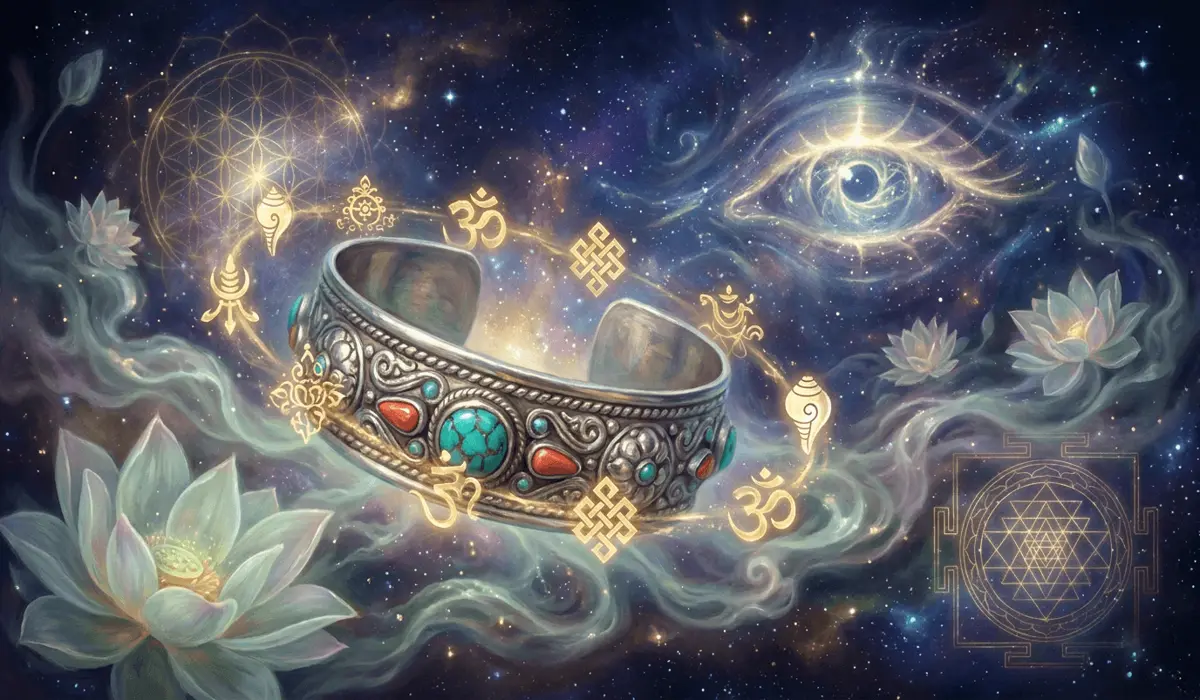
What is Tibetan Silver? Real vs. Fake Material Guide is essential for anyone seeking clear answers about this unique, antique-style metalwork found in modern jewelry markets. When exploring handcrafted jewelry, understanding the true chemical composition behind rustic silver ornaments helps you make informed choices. In this complete studio guide, we reveal the metal properties, rich Himalayan symbolism, and spiritual benefits of Tibetan silver jewelry.
Many jewelry enthusiasts encounter conflicting claims about whether Tibetan silver is solid precious silver or an uncertified base metal blend. In our work at Aura & Luck, we receive questions daily about metal authenticity, energetic grounding, and skin safety. Modern pieces labeled as Tibetan silver are generally silver-colored base metal alloys, yet they carry profound sacred motifs and artistic value.
Quick Summary:
- Material Reality: Modern Tibetan silver is typically a copper-nickel-zinc alloy with an aged patina, rather than pure sterling silver.
- Spiritual Symbolism: Carved pieces often display sacred Himalayan Buddhist motifs like the Endless Knot and Lotus Flower for grounding and protection.
- Authenticity Checks: True sterling silver features standard hallmarks and bright luster, whereas base alloys offer a dark, rustic finish at lower costs.
- Energetic Care: Cleanse metallic jewelry using sound vibrations or Palo Santo smoke to maintain personal energetic clarity.
- Wear Guidelines: Wear on the left wrist to receive calm grounding energy or the right wrist to project personal boundary strength.
What Is Tibetan Silver?
Definition and Modern Industry Standards
To understand modern Tibetan silver, you must look past commercial branding and examine the actual metal composition used by jewelry makers. Historically, items made in the Himalayan region contained genuine silver crafted by skilled local artisans. Today, the commercial white metal alloy definition refers to a non-precious combination of copper, nickel, and zinc designed to mimic oxidized antique metalwork.
In contemporary retail markets, base metal alloy jewelry identification shows that most items contain little to no elemental silver unless accompanied by official laboratory testing. Educational resources from the Gemological Institute of America emphasize that white metal alloys without hallmarks should never be sold as pure silver. Recognizing this distinction helps buyers appreciate the aesthetic and symbolic value of pieces without paying pure silver bullion prices.
Our clients often wonder why these items remain so popular despite lacking high silver content. The answer lies in their rustic visual charm, dark antique patina, and accessible price point. When you purchase modern Tibetan silver, you are acquiring a beautifully cast cultural ornament rather than a certified precious metal investment.
Origin and Traditional Himalayan Craftsmanship
Traditional tibetan metalwork developed centuries ago in the remote mountain villages of Tibet and Nepal. Indigenous metalsmiths crafted sacred ritual tools, amulets, and personal jewelry using hand-hammered metallurgy and intricate repoussé carving. Historically, authentic tibetan artisan craftsmanship utilized imported silver coins and local metal ingots to create heavy protective ornaments.
In ancient times, the historical tibetan silver alloy composition varied widely depending on local material availability. Artisans often combined genuine silver with copper and bronze to increase structural strength for daily wear. These traditional pieces were valued for their hand-carved spiritual engravings and deep connection to sacred Himalayan rituals.
Modern commercial production shifted toward using a balanced copper nickel zinc alloy finish to mass-produce complex carved designs. While these factory-cast alloys lack the hand-forged nature of antique relics, they continue to showcase iconic Himalayan motifs. Artisans in Nepal still hand-carve select pieces, preserving traditional techniques for conscious jewelry collectors worldwide.
Key Visual Characteristics and Authenticity Testing
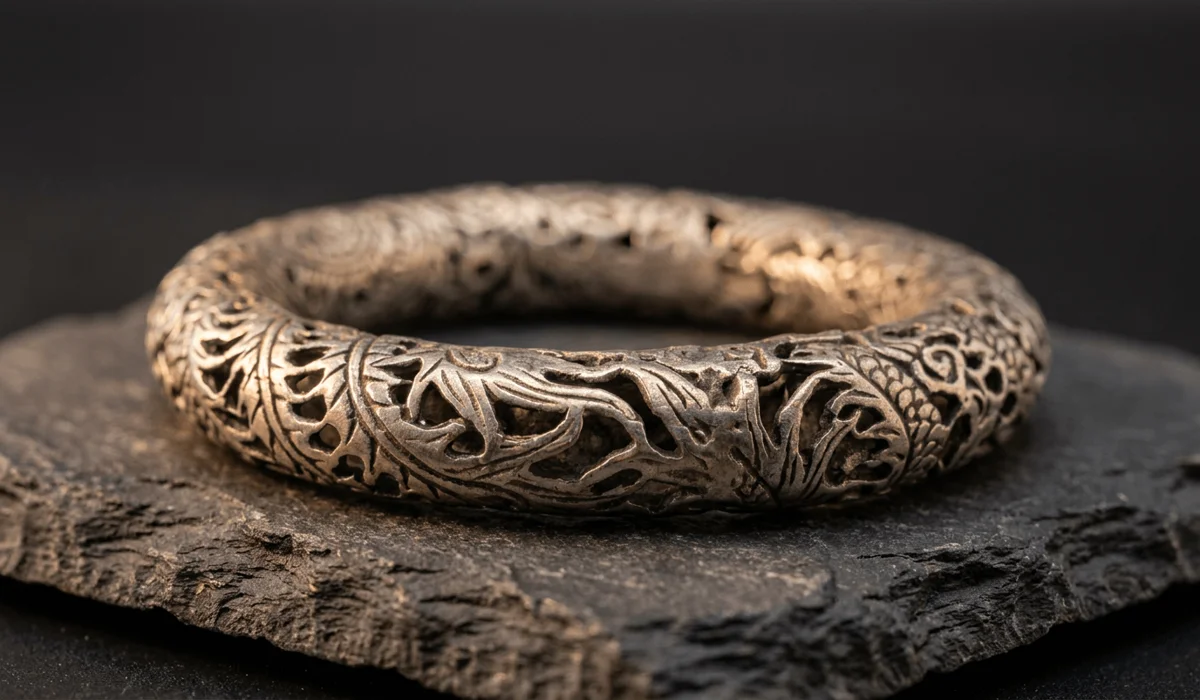
Identifying genuine precious silver from base metal imitations requires careful visual inspection and simple physical tests. Modern pieces display a dark, intentionally aged surface created through specialized chemical oxidation treatments. This dark finish settles into deeply carved grooves, giving the metal an instant rustic appearance.
Knowing how to spot fake tibetan silver starts with examining metal weight, surface wear, and hallmark stamps. Certified 925 sterling silver possesses a bright metallic luster, a smooth feel, and clear purity stamps like 925 or Sterling. In contrast, base metal alloys feel noticeably lighter, exhibit a duller grayish color, and may show copper or yellow under-layers when worn heavily over time.
Testing methods can help you verify the metal quality of unlabelled pieces in your personal collection. Watch this helpful video demonstrating practical home testing methods to differentiate real silver from base metal alloys:
Video source: YouTube
Author: Jewelers Mutual Group
Original video link: https://www.youtube.com/watch?v=4vZugWUjp0E
When evaluating pieces in our studio, we always recommend prioritizing transparency and personal comfort. Base metal items provide wonderful daily wear and spiritual symbolism, provided you know exactly what material you are wearing.
Spiritual Meaning and Symbolism
Traditional Himalayan Beliefs and Metal Energy
The spiritual meaning of tibetan metal jewelry is deeply anchored in Himalayan spiritual traditions, sacred geometry, and talismanic protection. In Tibetan energy philosophy, metals represent physical anchors that connect human consciousness with earthly energies. Wearing metal ornaments helps stabilize chaotic mental states and encourages a steady inner focus.
Historical documentation in the Online Cultural Encyclopedia shows that metals were believed to balance subtle body energies and protect wearers from harmful external influences. The solid weight of metal jewelry acts as a gentle physical reminder to remain centered during daily stressors. Metal symbolism in Tibetan culture focuses on transformation, strength, and spiritual harmony.
In our experience at Aura & Luck, clients who wear heavy metal cuffs report feeling more grounded during stressful situations. The metallic presence creates a soothing energetic boundary around the personal aura, reinforcing emotional balance throughout the day.
Sacred Symbols and Buddhist Engravings
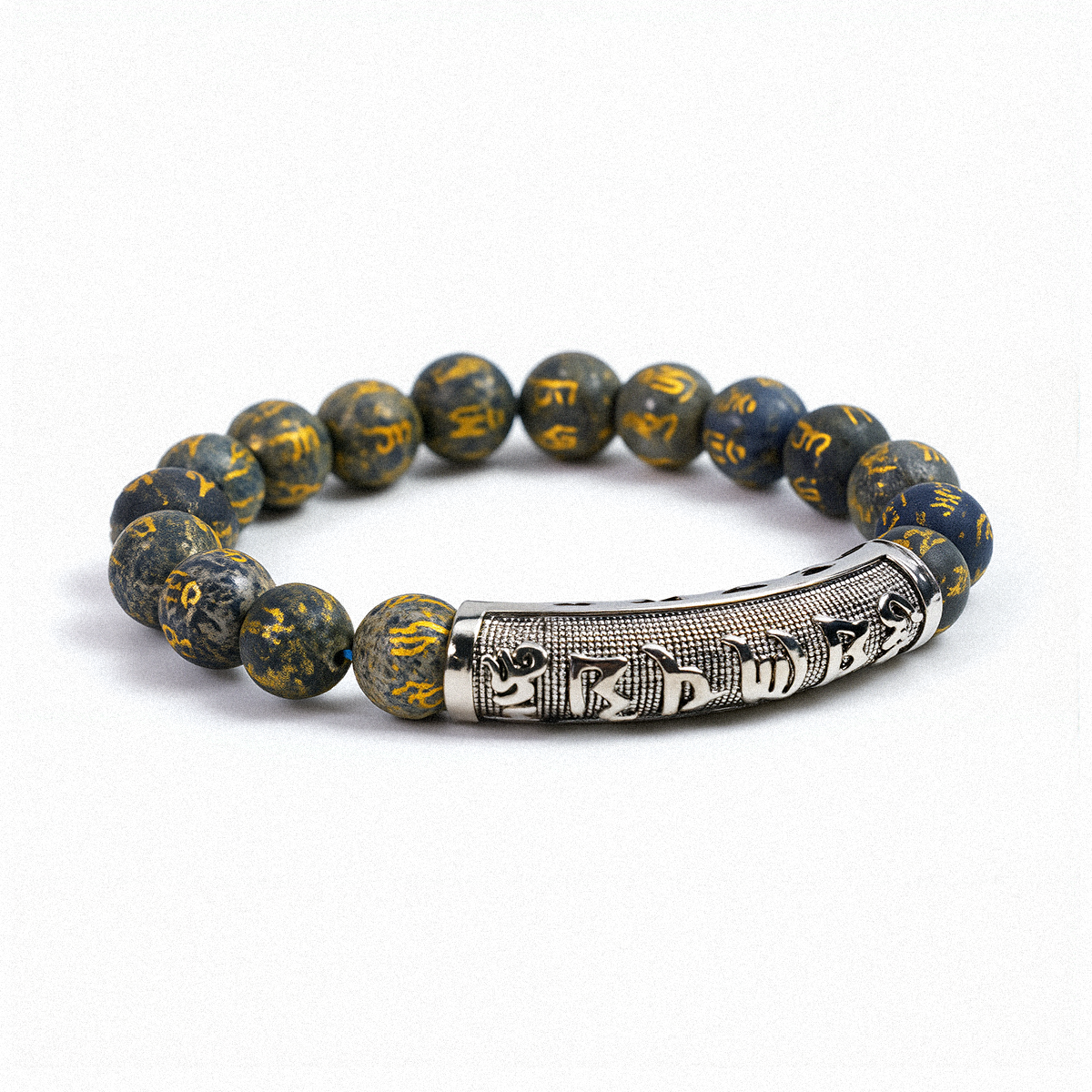
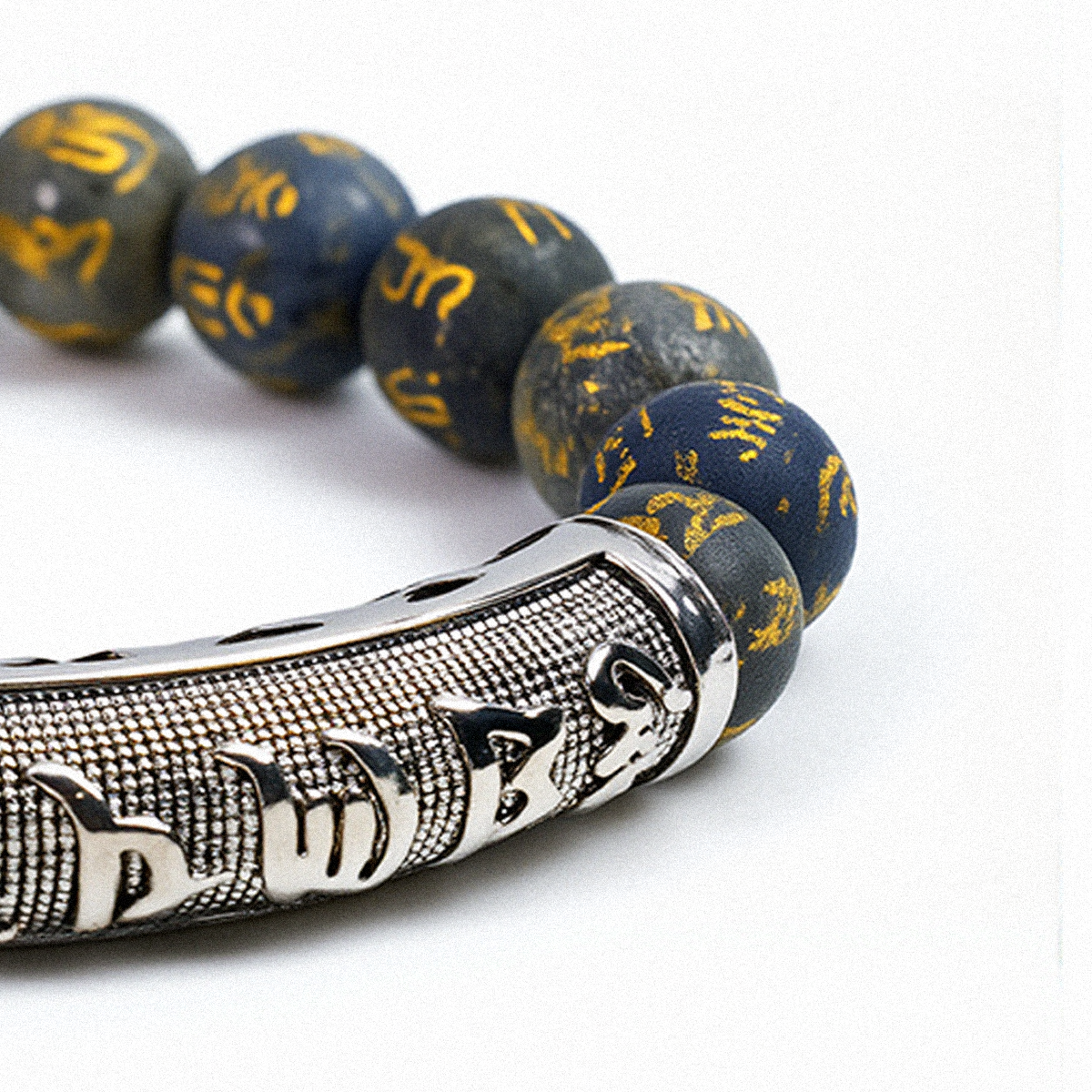
Sacred engravings turn ordinary metallic cuffs and pendants into powerful spiritual tools. Ancient mantras like Om Mani Padme Hum are frequently carved into metal surfaces to radiate waves of compassion and peace. Repeating or wearing this mantra helps calm turbulent emotions and aligns your heart with universal wisdom.
The Lotus Flower motif is another cherished spiritual emblem carved into Himalayan metalwork. Growing out of murky waters to blossom into pure beauty, the Lotus symbolizes spiritual awakening and emotional resilience. It reminds the wearer that clarity and beauty can emerge from life's greatest difficulties.
Iconic Symbols in Tibetan Metalwork
The list below highlights key sacred symbols commonly carved into Tibetan metal jewelry and their traditional meanings:
- Endless Knot: Represents infinite wisdom, interconnectedness, and the eternal cycle of life and harmony.
- Lotus Flower: Symbolizes spiritual purity, personal growth, and rising above obstacles with grace.
- Dharma Wheel: Represents the noble spiritual path, ethical living, and continuous mindfulness.
- Om Mantra: Radiates protective energy, sacred sound resonance, and universal spiritual connection.
These sacred symbols transform everyday jewelry into meaningful talismans. Every engraved line serves as an intentional reminder of your higher spiritual path.
Cultural and Historical Context
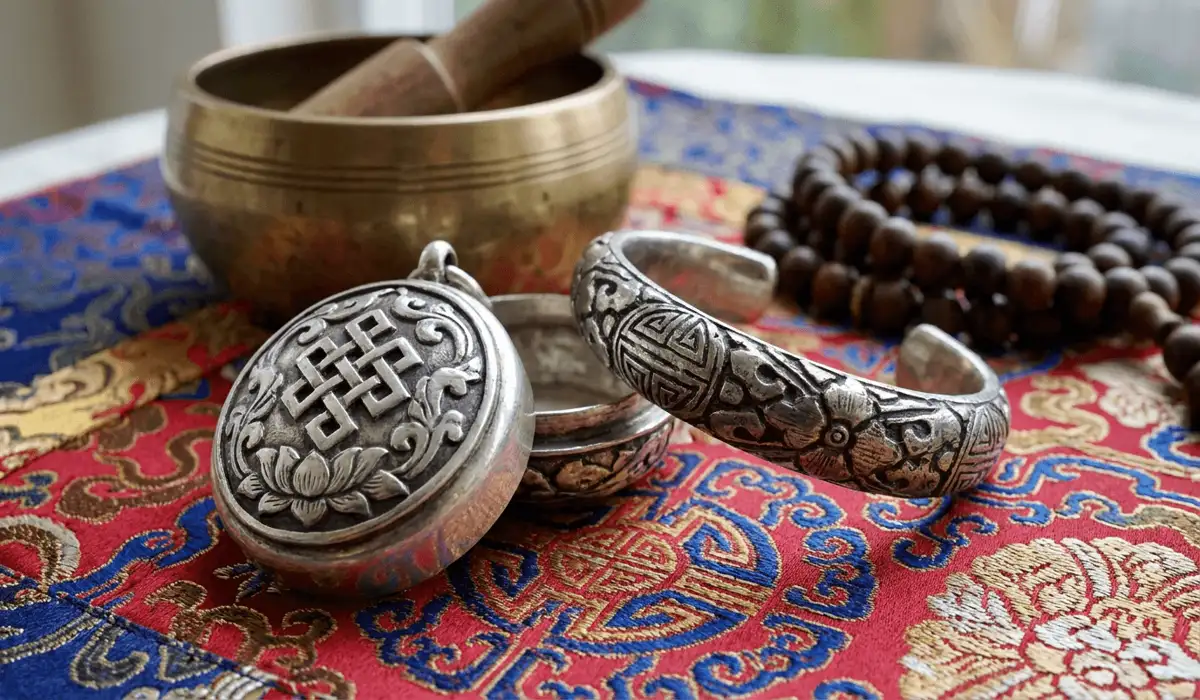
Historically, nomadic Tibetan communities lived in harsh high-altitude environments and carried their wealth in portable forms. Metal jewelry served as physical currency, family heritage, and spiritual armor during long mountain journeys. Men and women alike wore heavy metal cuffs and prayer boxes adorned with natural gemstones.
Traditional artisans embedded stones like turquoise, coral, and lapis lazuli into hand-carved silver settings. Turquoise represented sky energy and protection, while red coral provided vitality and strength. Combining metal settings with natural earth stones created balanced talismans designed to harmonize human life with nature.
Artisans approached their craft as a form of active prayer, reciting mantras with every hammer stroke. This deep spiritual devotion infused the finished metallic pieces with sacred reverence that continues to inspire modern jewelry lovers.
Benefits and Intentions Associated with Tibetan Silver
Commonly Associated Energetic Intentions
Wearing metal jewelry offers unique subtle energy benefits for conscious daily living. The heavy, tactile feel of metal acts as a physical anchor when your mind feels scattered or overwhelmed. Many individuals use metallic cuffs to invite stability and peaceful focus into their personal routines.
Metal element symbolism is traditionally linked to strength, structure, and protective boundary awareness. By wearing an oxidized metal cuff, you build a mental signifier that protects your subtle energy field from absorbing external stress. It encourages clear boundary setting while maintaining an open, compassionate heart.
In our studio practices, we encourage using metal jewelry as an anchor for intentional living. Touching the carved surface during moments of anxiety helps direct your attention back to your breath and present surroundings.
Mindfulness Practices and Daily Rituals
Integrating carved metal jewelry into your daily mindfulness rituals enhances focus during meditation and breathwork. Tracing the raised engravings on a mantra cuff gives your physical hands a soothing focus while calming active thoughts. This simple tactile technique helps deepen quiet reflection and meditation consistency.
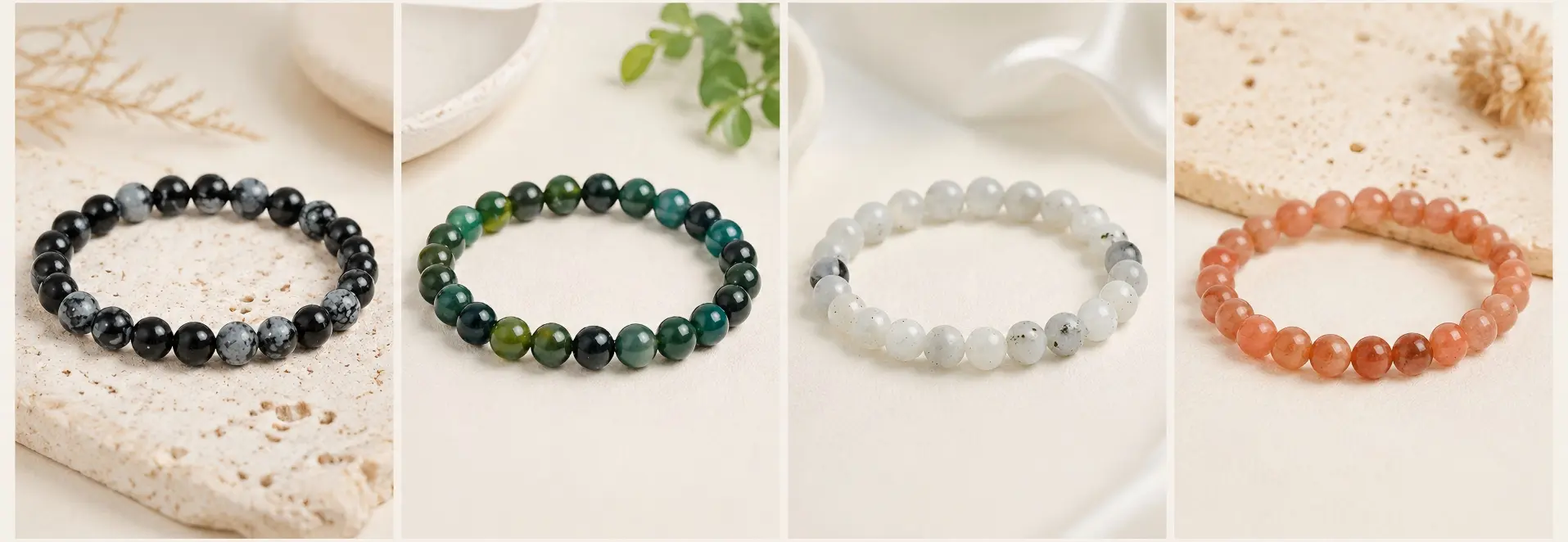
Pairing metallic bracelets with natural gemstone beads creates a harmonious energetic balance between earth and metal elements. For example, combining metal accents with protective stones provides both stabilizing weight and uplifting energetic clarity. You can explore our curated Spiritual Gemstone Collections to find complementary stone bracelets for your stack.
Combining sacred pendants with carved metal accessories enriches your daily spiritual practice. Setting a clear intention each morning empowers your jewelry to support your spiritual goals throughout the day.
How to Wear Tibetan Silver for Maximum Balance
Left Hand vs Right Hand Energetic Principles
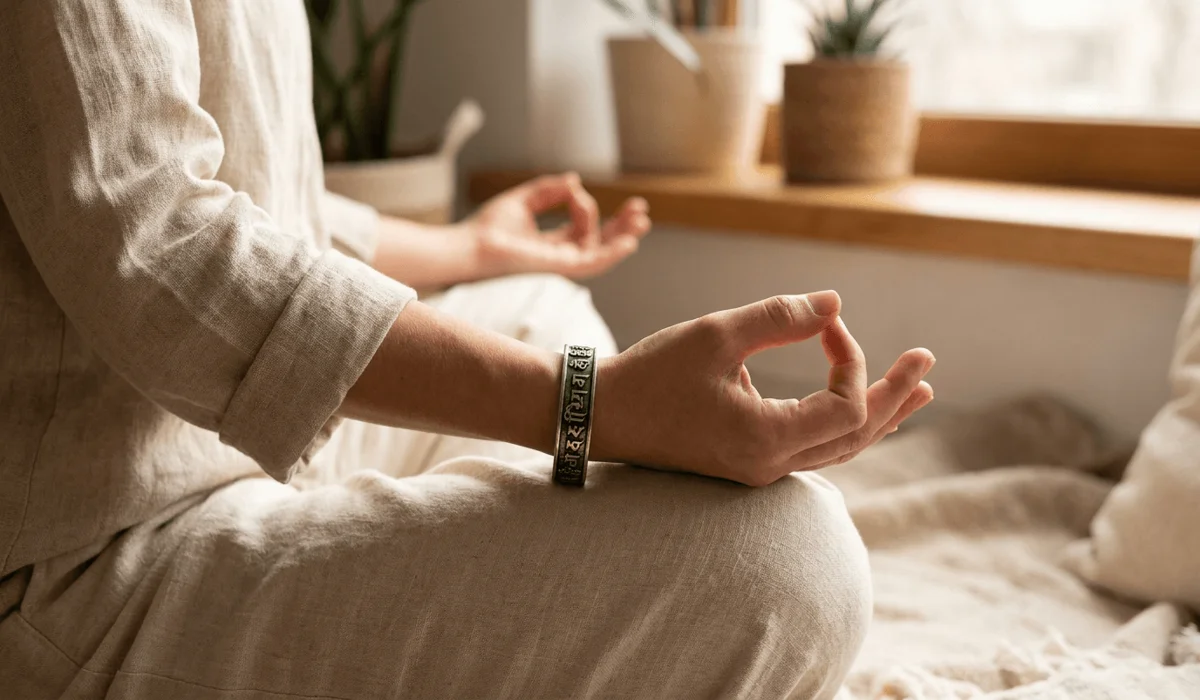
In traditional energy practices and Feng Shui wisdom, choosing which wrist to wear your metal jewelry depends on your daily intentions. The left side of the body is considered the receptive channel, receiving energy from your external surroundings into your personal aura. Wearing a metal bracelet on the left wrist helps absorb calm, protective, and grounding Chi(气) energy.
The right wrist represents the expressive side, projecting your inner strength, personal boundaries, and active intentions outward into the world. Placing a carved metal cuff on your right hand supports assertive communication, leadership, and energetic shielding. It signals to your environment that your boundaries are firm and secure.
We recommend alternating wrists based on what your spirit needs most each morning. Choose the left wrist when seeking calm inner peace, and switch to the right wrist when stepping into demanding external situations.
Optimal Occasions and Everyday Styling
An oxidized silver finish tibetan bracelet pairs effortlessly with relaxed, bohemian, or professional attire. Its antique appearance adds rich cultural depth to minimalist wardrobe choices while providing continuous spiritual grounding. You can wear a single carved cuff as a subtle statement piece or stack multiple bracelets for an expressive look.
Many spiritual practitioners select carved metal cuffs specifically during yoga practices, breathwork sessions, or travel. The stabilizing weight offers constant reassurance during transitional moments or busy travel schedules. Its versatile aesthetic makes it a timeless accessory for any occasion.
Whether attending a formal gathering or spending a quiet weekend in nature, rustic metalwork harmonizes with your personal energy. It brings an authentic touch of artisan tradition to your daily style.
Intention-Setting Rituals
Before wearing a new metal piece, taking time to activate it with clear personal intentions enhances its emotional resonance. Hold the jewelry softly between both hands while sitting comfortably with a straight spine and relaxed shoulders. Take three deep, slow breaths to clear your mind and center your attention.
Visualize a bright white light surrounding the metal ornament while mentally repeating your chosen focus. State your intention clearly, such as "I am grounded, safe, and protected in every moment." Feel the metal absorb this positive intent before placing it onto your wrist.
Discover inspiring wristwear options in our Spiritual Wristwear Collections to find pieces that align with your unique energetic journey.
Tibetan Silver vs Similar Jewelry Metals
Tibetan Silver vs 925 Sterling Silver
Understanding the metallurgical differences between Tibetan silver alloys and 925 sterling silver is crucial when shopping for jewelry. Sterling silver is legally regulated worldwide to contain at least 92.5% pure elemental silver combined with 7.5% copper for structural strength. Standardized sterling silver retains intrinsic precious metal bullion value and displays official hallmarks.
In contrast, modern commercial Tibetan silver represents an unstandardized base metal alloy definition made primarily of copper, zinc, and nickel. Research guidelines published by the Gemmological Association of Great Britain highlight that base alloys lack regulated precious metal content. While sterling silver polishes to a high shine, Tibetan silver features a dark, pre-aged antique patina.
The table below compares the physical and practical differences between these two popular metals:
| Feature | Tibetan Silver (Modern) | 925 Sterling Silver |
|---|---|---|
| Metal Composition | Copper, Nickel, Zinc Alloy | 92.5% Pure Silver, 7.5% Copper |
| Precious Metal Value | Low (Fashion / Artisan Value) | High (Precious Bullion Value) |
| Surface Appearance | Dark, Rustic Antique Patina | Bright, Reflective Silver Polish |
| Hallmark Requirements | None Standardized | Stamped 925 or Sterling |
Both materials offer distinct advantages depending on your preferences. Choose sterling silver for lasting financial value, or select Tibetan silver for affordable antique aesthetics.
Tibetan Silver vs Stainless Steel and Pewter
Comparing Tibetan silver to modern industrial alternatives like stainless steel and pewter reveals further material choices. Stainless steel provides superior tarnish resistance, high durability, and completely hypoallergenic properties for daily wear. However, industrial steel often lacks the handcrafted, aged aesthetic characteristic of Himalayan traditional metalwork.
Pewter is a soft tin-based alloy that offers a similar dull gray color, but it lacks the deep hand-hammered engravings of traditional Tibetan designs. While pewter is easy to cast, modern Tibetan silver alloys capture delicate sacred motifs with sharper detail and dramatic contrast.
For spiritual jewelry seekers, the deep cultural symbolism and artistic antique charm of Tibetan metalwork often outweigh the industrial benefits of steel. The decision depends on whether you prioritize modern utility or rich cultural aesthetics.
Who Is Tibetan Silver Suitable For?
Chakra Alignment and Energy Needs
Tibetan silver jewelry is ideal for individuals seeking strong Root Chakra alignment and physical grounding. The substantial feel of metal elements anchors subtle energies, helping quiet nervous thoughts and promote emotional stability. It provides a steadying foundation for anyone feeling distracted or ungrounded.
Pieces engraved with sacred mantras or sound symbols also resonate strongly with the Throat Chakra. Wearing sacred engraved sound symbols encourages authentic personal expression, spiritual truth, and clear communication. Learn more about chakra balancing techniques in our guide to Holistic Crystal Healing to enhance your spiritual practice.
Furthermore, metal jewelry creates protective energetic shielding for highly sensitive individuals. It helps maintain intact aura boundaries when navigating busy social or work environments.
Lifestyle Aesthetics and Personal Preferences
Beyond spiritual energy benefits, rustic metal jewelry appeals to art lovers, collectors, and bohemian fashion enthusiasts. The weathered dark patina complements layered texturing, earthy fabrics, and gemstone bracelet stacks. It offers an effortless vintage look that adds character to any outfit.
This metalwork is also perfect for budget-conscious buyers who desire meaningful symbolic jewelry without high costs. You can build a diverse collection of detailed prayer boxes and carved cuffs affordably.
Whether you are a seasoned practitioner or simply drawn to Himalayan artistry, Tibetan metal jewelry offers an accessible way to connect with ancient wisdom traditions.
How to Cleanse, Charge, and Care for Tibetan Silver
Energetic Cleansing Methods
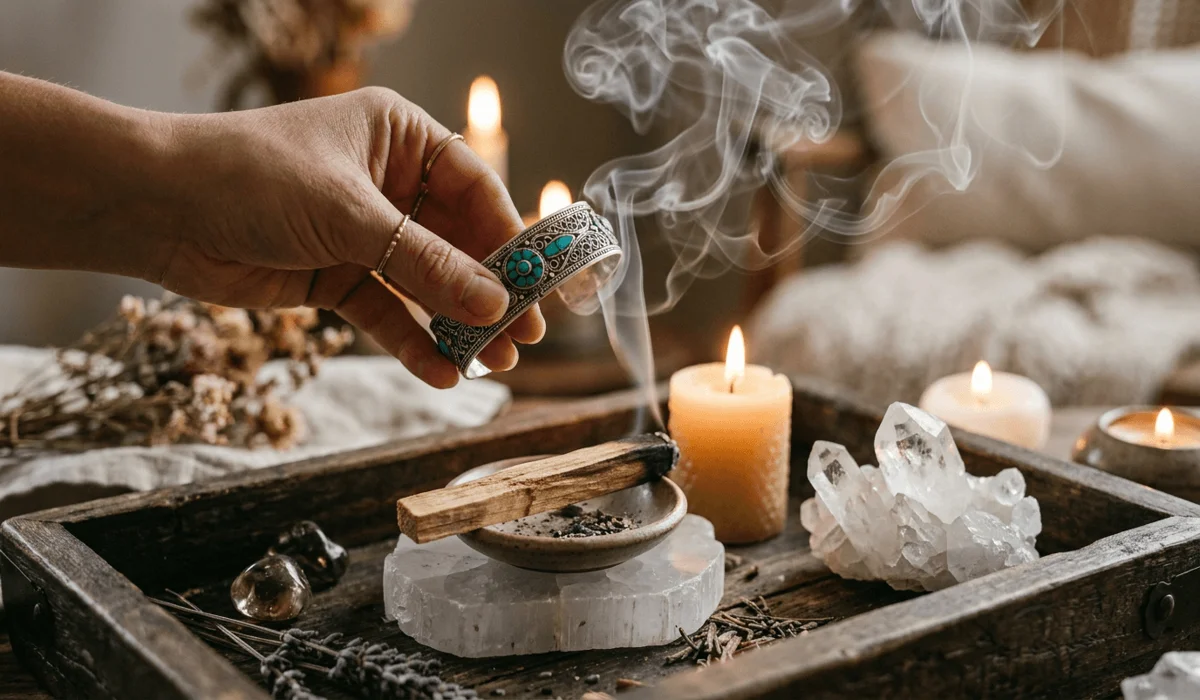
Regular energetic cleansing removes accumulated environmental stress and refreshes the subtle vibration of your metallic accessories. Sound cleansing using Tibetan singing bowls or tingsha bells is one of the most effective methods for metal objects. The pure acoustic sound waves clear heavy energy quickly without damaging the metal finish.
Smoke cleansing with natural Palo Santo wood or white sage offers another traditional method. Gently wave your metal jewelry through the fragrant smoke while maintaining a peaceful intention of purification and renewal.
Avoid soaking base metal jewelry in water or salt baths. Harsh liquids can cause rapid oxidation, surface peeling, or damage to the underlying copper-zinc alloy.
Charging Practices
To revitalize your metal jewelry after cleansing, place it overnight on a natural Selenite charging plate or near clear quartz crystals. Selenite continuously clears stagnant energies and restores high vibrational frequencies to metal ornaments.
Moonlight charging under a full moon cycle is another powerful way to infuse your jewelry with tranquil intuition. Set your pieces on a clean windowsill overnight to absorb gentle lunar energy.
When not wearing your metallic cuffs, store them on a sacred altar or near your meditation space to maintain their cleansed state.
Daily Care and Storage
Maintaining the physical beauty of your jewelry requires mindful silver tarnishing and oxidation care. Keep metal items away from harsh household chemicals, perfumes, hairsprays, and lotions. Always put your jewelry on after applying cosmetic products to protect the metal coating.
When learning cleaning tibetan silver bracelets, use a dry microfiber polishing cloth to gently wipe away surface oils and dust. Avoid harsh chemical metal polishes, as they can scrub off intentional antique patinas and dark background detailing.
Store your metal pieces in a dry, cool jewelry pouch away from high humidity to prevent premature discoloration. Following proper steps on how to cleanse and care for tibetan metal bracelets ensures your favorite pieces stay vibrant and beautiful for years to come.
Frequently Asked Questions
Q: What is Tibetan Silver actually made of?
A: Modern commercial Tibetan silver is typically a base metal alloy composed of copper, nickel, and zinc, often finished with an aged silver-colored coating. While antique pieces crafted in Himalayan regions contained varying amounts of real silver, modern uncertified retail items rarely contain pure precious silver.
Q: Is Tibetan Silver real 925 sterling silver?
A: No, Tibetan silver is not equivalent to certified 925 sterling silver. Sterling silver legally requires a minimum of 92.5% pure silver content, whereas Tibetan silver is classified as a non-precious white metal alloy valued for its antique aesthetic rather than bullion purity.
Q: Does Tibetan Silver tarnish or turn skin green?
A: Yes, because modern Tibetan silver contains base metals like copper and nickel, exposure to moisture, sweat, and air oxidation can cause tarnishing over time. The copper content within the alloy may react with skin acids, occasionally leaving a harmless green mark on sensitive skin.
Q: Is Tibetan silver safe for sensitive skin?
A: Individuals with known metal or nickel allergies should exercise caution when wearing Tibetan silver. Uncertified alloys often contain nickel or trace base metals that may trigger skin reactions. If you have highly sensitive skin, opting for certified 925 sterling silver or high-grade stainless steel is recommended.
Q: How do you properly clean and preserve Tibetan Silver jewelry?
A: Clean Tibetan silver using a dry, soft jewelry polishing cloth, gently wiping away surface oil and dust without abrasive cleaners. Preserve the metal by storing it in an airtight, moisture-free pouch and removing it before swimming, showering, or applying lotions.
Conclusion and Mindful Next Steps
Tibetan silver offers a unique bridge between ancient Himalayan aesthetic traditions, sacred symbolism, and accessible modern style. While contemporary commercial pieces are primarily base metal alloys rather than solid sterling silver, their visual charm and meaningful motifs continue to inspire spiritual seekers worldwide.
By understanding metal composition, authenticity indicators, and proper energetic care, you can select and care for your sacred jewelry with total confidence. Incorporate these timeless protective symbols into your everyday life with practical awareness and clear intentional focus.
We invite you to explore our thoughtfully crafted spiritual designs in the Spiritual Wristwear Collections to support your daily mindfulness practice and personal energetic balance.
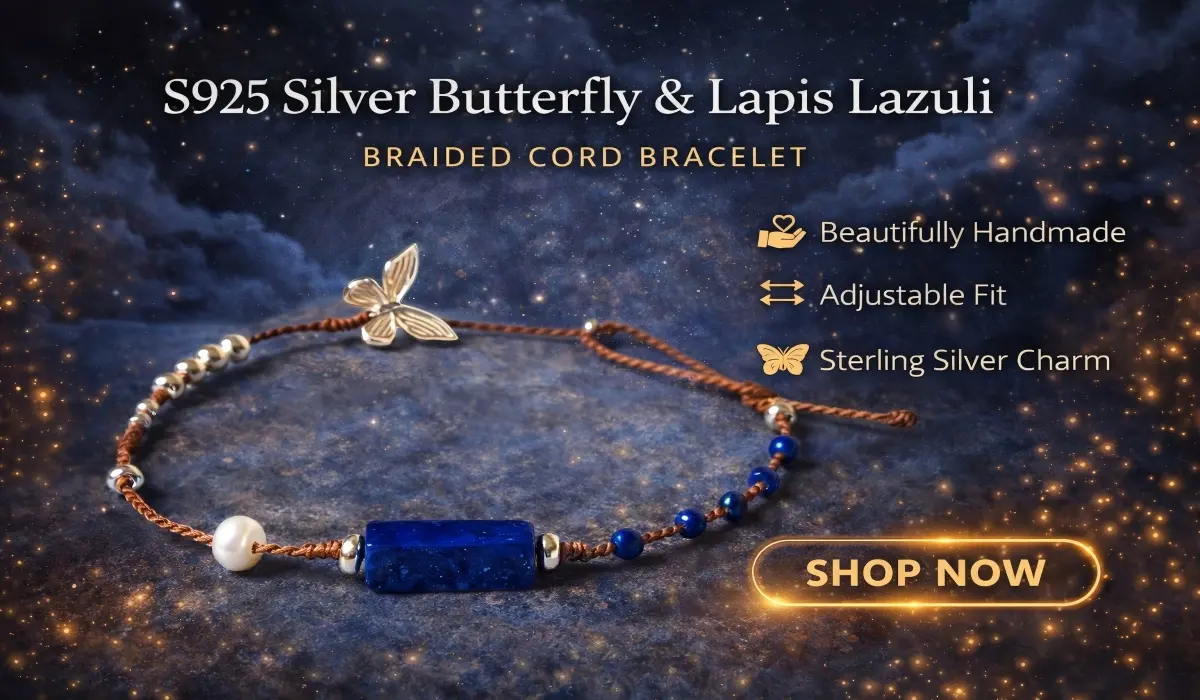
S925 Silver Butterfly & Lapis Lazuli Braided Cord Bracelet
The S925 Silver Butterfly Lapis Lazuli Bracelet is a Neo-Chinese style accessory combining deep royal blue Lapis Lazuli—the stone of wisdom—with a handcrafted S925 sterling silver butterfly.
View product →Disclaimer: The contents of this article are intended solely for informational purposes and cultural exchange. Spiritual and gemstone energetic attributes are based on traditional practices and intuitive beliefs, and do not constitute medical, legal, financial, or professional advice. Readers experiencing health issues should always consult qualified healthcare professionals.

Longyi Luck
Longyi Luck is a Feng Shui practitioner and spiritual researcher who blends traditional year-based wisdom with modern lifestyle insights, specializing in Feng Shui, spirituality, meditation, and mindfulness. With years of dedicated study and practice, Longyi explores cultural symbolism and the practical application of ancient wisdom to help individuals cultivate balance, clarity, and harmony in everyday life. Since 2020, Longyi has been committed to translating timeless traditions into accessible guidance for the modern world.
longyi@auraandluck.com
.webp?w=800&h=800)
.webp?w=800&h=800)