
Knowing how to spot real vs. fake rosewood helps you avoid chemically painted imitations while choosing authentic sacred jewelry for your daily spiritual practice. Many buyers search for genuine pieces only to receive cheap timber saturated with red industrial dye or synthetic plastic resins. In this detailed guide, our Aura & Luck workshop team shares practical tests, botanical facts, and mindful insights so you can verify genuine hardwood with complete confidence.
Key Takeaways:
- True rosewood comes exclusively from dense tropical trees belonging to the botanical genus Dalbergia.
- Authentic beads carry organic pores, interlocking wood grain patterns, and a faint sweet floral aroma.
- Cheap stained imitations bleed bright chemical dye when gently wiped with an alcohol-moistened cotton swab.
- Genuine seasoned rosewood heartwood feels noticeably heavy in hand and sinks or suspends low in water.
- Natural untreated timber develops a rich, lustrous patina as it absorbs natural skin warmth over time.
Real vs. Fake Rosewood: How to Spot Stained Imitations
Genuine rosewood stands out as one of the most treasured botanical materials in both fine artisan woodworking and holistic spiritual traditions. Unfortunately, the high demand for sacred meditation beads has caused discount markets to flood with stained softwoods and plastic composites. Learning the difference between living botanical timber and synthetic mass production ensures your sacred pieces remain spiritually uplifting and safe for sensitive skin.
Dalbergia Identification and Botanical Origins
True rosewood belongs strictly to the botanical genus Dalbergia, which grows naturally throughout tropical regions of Asia, Madagascar, and Central America. When examining botanical records documented by the global taxonomy library on Wikipedia, one discovers that slow tree growth creates an exceptionally tight vascular fiber system. Artisans prize this dense heartwood for fine lutherie, meditative carvings, and durable mala strands.
Because these wild trees mature across decades, their cell walls become packed with natural organic resins. This slow biological progression produces distinct wood growth rings that mass manufacturing simply cannot copy. Synthetic resin substitutes completely miss this organic history, leaving them flat, brittle, and structurally hollow.
Visual and Sensory Characteristics of Natural Rosewood
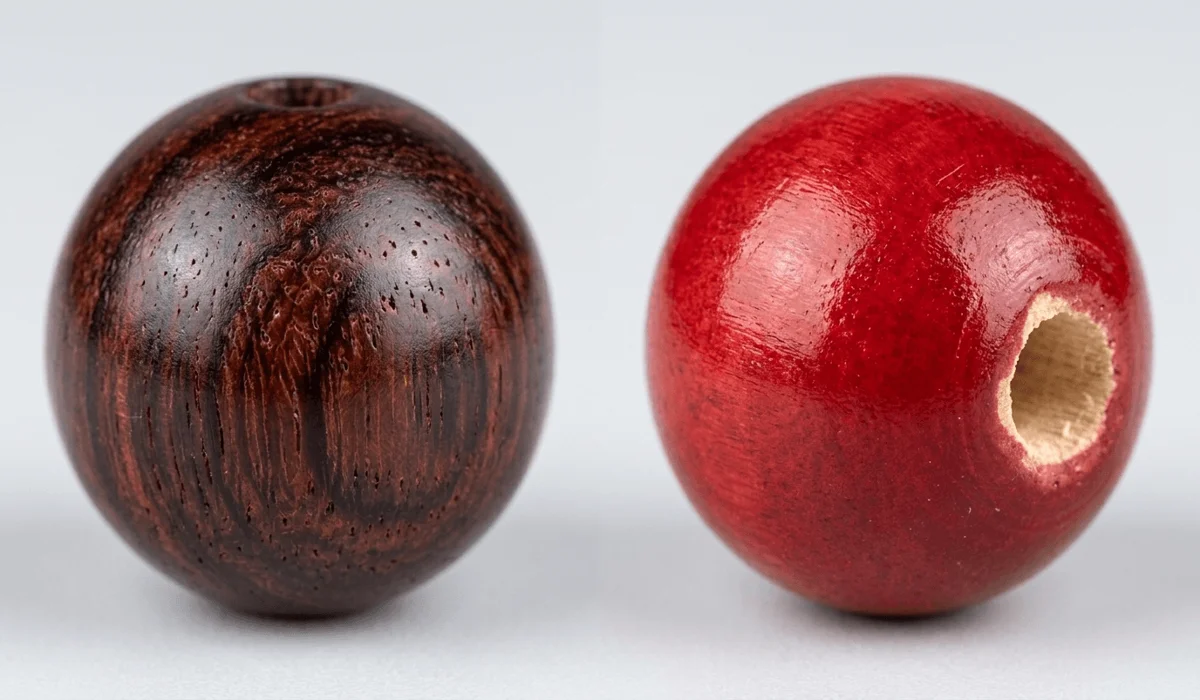
Authentic rosewood beads feature earthy tones ranging from warm dark chocolate to deep reddish-brown, interlaced with fine dark brown or black striations. Under daylight, you will observe open vascular pores that run parallel to the grain lines rather than a completely glassy surface. Real timber breathes constantly, adapting gently to the humidity and warmth of the human body.
When you gently rub an untreated bead with your thumb, friction heat releases a subtle sweet floral-woody fragrance. This signature aroma gave the tree its poetic common name centuries ago. Over months of regular wear, natural skin oils interact with inner resins, building an organic satin glow called a natural patina.
Common Stained Wood Imitation Practices
Unscrupulous factories frequently coat porous, low-cost timber such as rubberwood, pine, or birch in red chemical dye baths. These artificially stained wood beads mimic rosewood heartwood superficially, but their drill holes often reveal pale raw wood beneath. Some sellers even compress leftover sawdust with petrochemical adhesives to mold completely synthetic bead cores.
To hide the missing organic pores, factories spray fake beads with thick polyurethane varnishes. This creates an unnatural, reflective gloss that feels cold and plastic to the touch. When unwrapping parcels containing stained wood imitation products, buyers often notice harsh solvent smells, petroleum fumes, or pungent synthetic perfumes.
Video source: YouTube
Author: AtoZ Wood Company
Original video link: https://www.youtube.com/watch?v=SHlRB-v6_Lk
Spiritual Meaning & Symbolism
For centuries, traditional cultures have revered sacred wood jewelry as a physical embodiment of nature's patient wisdom. Unlike manufactured stones or metallic alloys, natural timber holds the memory of earth, rain, and sunlight within its rings. Wearing natural botanical elements invites quiet harmony and contemplative balance into everyday modern life.
Traditional Symbolism of Sacred Wood Jewelry
Spiritual seekers regard genuine rosewood as an ancient emblem of compassionate protection, inner fortitude, and spiritual love. The tree perseveres through severe monsoon winds and long dry seasons, teaching us the value of emotional endurance. In monastic settings, practitioners craft the genuine rosewood mala to serve as a steady anchor during silent breath awareness.
Each smooth sphere reminds the wearer to embrace personal transformation at a steady, unhurried pace. By touching each bead during contemplative counting, wandering thoughts return gently to the physical present. The hardwood does not retain negative static energy, allowing personal intentions to remain pure and unobstructed.
Heart and Root Chakra Associations
In traditional energetic anatomy, rosewood creates a powerful energetic bridge linking the Root Chakra (Muladhara) to the Heart Chakra (Anahata). The earthy chocolate and red tones connect our physical roots directly to stabilizing telluric energy. This deep earthly connection provides the emotional safety required to open our higher heart centers without fear.
Energy practitioners associate the delicate botanical perfume with unconditional forgiveness, emotional softness, and inner balance. When personal tension flares, this organic frequency encourages a calm exhale and a softened chest. It nurtures gentle boundaries, allowing you to care for others while keeping your own spirit firmly supported.
Cultural and Historical Reverence
Within classical Eastern philosophy, natural hardwoods represent the vibrant Wood element, which governs vitality, kind beginnings, and steady creative expansion. Harmonizing your living space requires welcoming authentic living materials that cultivate smooth Chi(气) throughout personal environments. Devotional carvers traditionally blessed their tools before working with rosewood heartwood, honoring the spirit of the fallen tree.
Ancient Tibetan and Indian lineages prioritized untreated timber beads because organic wood forms an energetic partnership with the practitioner. Synthetic resin substitutes and dyed plastics lack this living cellular structure. Authentic wood remains an enduring link between earthly forest sanctuaries and mindful interior devotion.
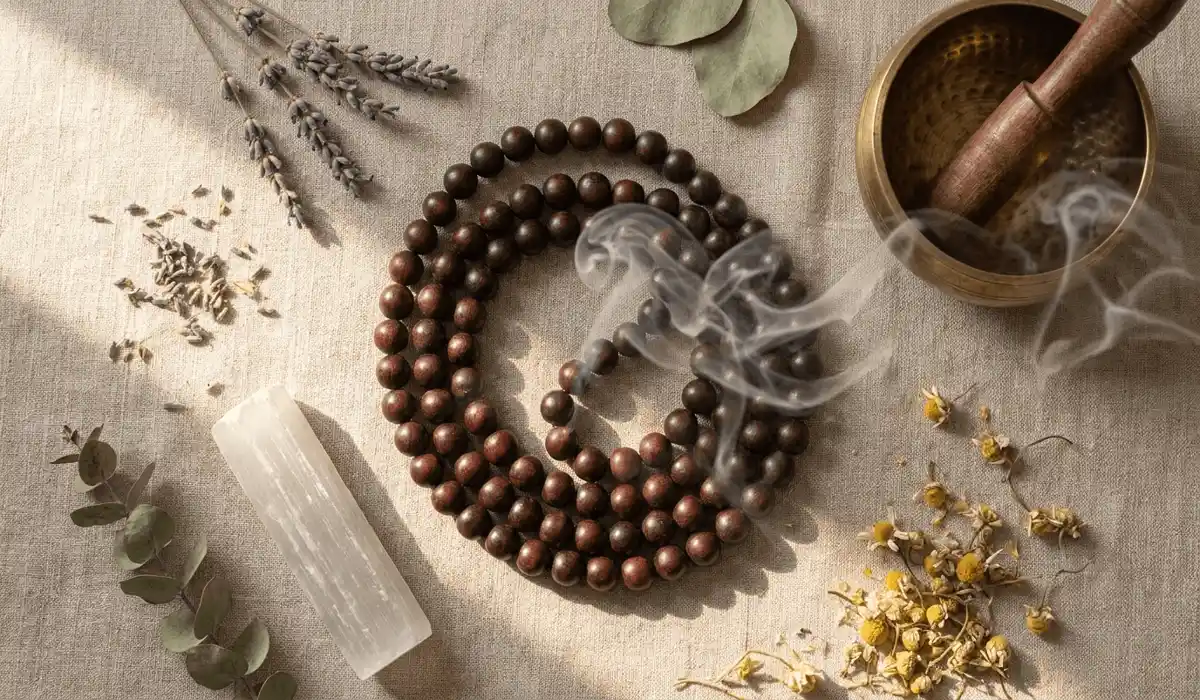
Benefits & Intentions Associated with Rosewood
Wearing authentic sacred timber offers profound emotional reassurance during demanding days filled with digital noise and mental strain. True wood provides a warm tactile surface that invites the nervous system to settle into a state of peaceful equilibrium. Knowing your piece is genuine allows you to engage with its traditional properties without lingering doubts.
| Feature | Authentic Rosewood Beads | Stained Imitation Wood |
|---|---|---|
| Botanical Origin | Genuine Dalbergia heartwood | Birch, pine, or synthetic resin composite |
| Primary Aroma | Faint, naturally sweet and floral | Chemical lacquer, solvent, or unscented |
| Surface Grain | Visible vascular pores and organic striations | Uniformly painted or smooth plastic lacquer |
| Alcohol Swab Test | Remains clean with zero dye transfer | Bleeds intense red or purple stain immediately |
| Specific Gravity | Dense and heavy; sinks or suspends low in water | Lightweight; bobs high on water surface |
| Energetic Balance | Root-Heart grounding and earth stability | Dull, synthetic, static-prone energy |
Traditional Grounding and Emotional Equilibrium
Meditators turn to grounding energy rosewood whenever racing thoughts pull their awareness away from the present moment. Rolling dense wooden beads between your fingers provides an immediate sensory focus that calms rapid breathing patterns. Our customers often share that wearing organic beads serves as a discreet tactile reminder to pause and unwind.
The traditional rosewood spiritual properties emphasize emotional composure, patience, and peaceful self-reflection. When life presents sudden obstacles, resting your fingers against the natural wood helps neutralize stress. The organic warmth of genuine botanical fiber feels soothing against the wrist throughout the day.
Mindfulness Practices and Daily Intentions
Integrating pure botanical beads into morning mindfulness routines establishes an empowering tone for the hours ahead. You can whisper intentions of clarity, inner patience, and compassion into each bead during your breathing practice. As you navigate daily tasks, touching the smooth wood reactivates those positive intentions instantly.
Unlike cold plastic imitations, pure untreated hardwood reacts dynamically to your personal body chemistry. Over time, the beads absorb your natural oils and turn deeper, richer, and more uniquely yours. This visual evolution serves as a personal reminder of continuous inner progress and emotional development.
How to Wear Rosewood
Wearing natural wooden jewelry requires an understanding of traditional energetic principles to fully complement your lifestyle intentions. In mindful traditions, the sides of the human body manage different directions of spiritual energy flow. Adjusting how you style your beads ensures your piece works harmoniously with your daily personal routine.
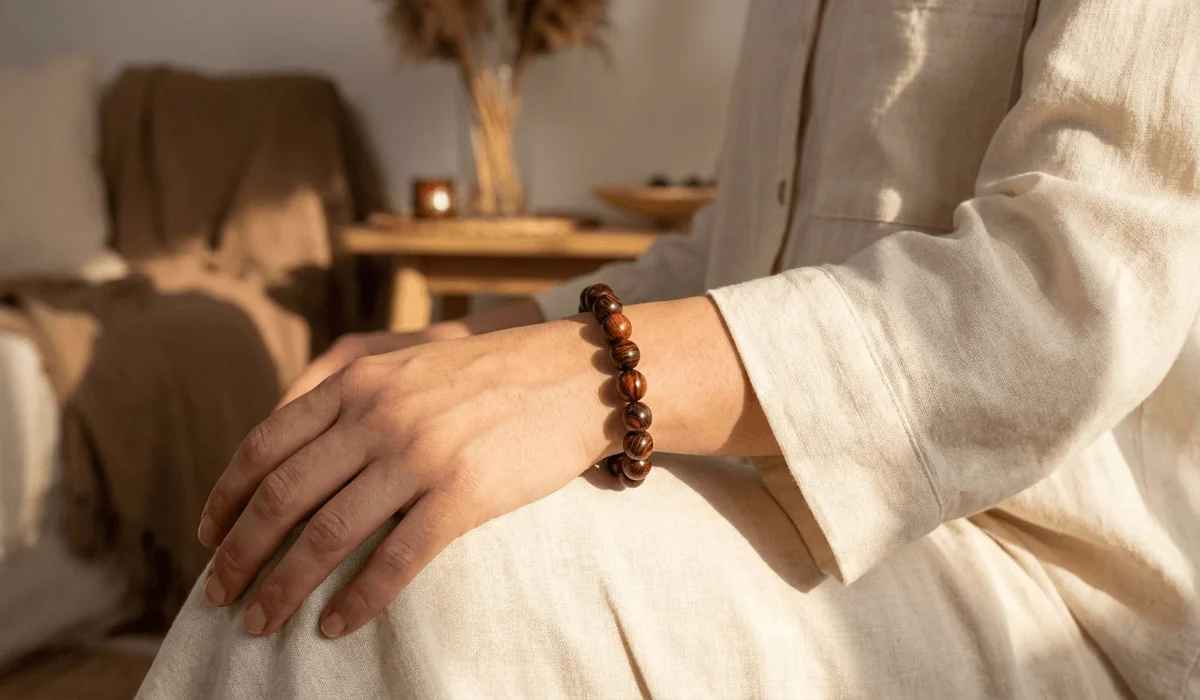
Left Hand vs. Right Hand Placement (Feng Shui Energy Flow)
Wearing a rosewood bracelet on your left wrist honors the ancient receptive principle of the body. In holistic traditions, the left side draws nurturing, protective earth energy inward to comfort the emotional body. Choose the left wrist when your focus is finding inner serenity, self-compassion, and stress relief.
Placing the bracelet on your right wrist activates the projective energy principle. The right hand directs your personal energy outward into your work environment and social relationships. Position your beads on the right side when you need to project grounded boundaries, steady patience, and composed leadership.
Gentle Daily Rituals and Intention Setting
Before fastening your bracelet in the morning, cradle the wooden beads between both palms for a few quiet breaths. Visualize a peaceful beam of warm golden-green light infusing the natural timber with focused daily intentions. This simple ritual transforms mindful jewelry from a decorative accessory into a deeply personal companion.
Protect your genuine wood beads by taking them off before swimming in chlorinated pools or washing dishes. Excessive exposure to running water strips the organic oils out of the hardwood, leaving the timber dull. Similarly, spray perfumes and cosmetic lotions onto your skin and let them dry before slipping on your bracelet.
Pairing organic wood with balancing crystals creates an intentional jewelry stack that promotes emotional equilibrium. If you love combining natural timber with vibrant minerals, read our guide on Real Vs Fake Fluorite to ensure every stone in your spiritual stack is fully authentic. Combining real gemstones with dense wood balances both crystalline structure and earthly warmth.

Rosewood vs. Similar Woods
Identifying sacred wood jewelry requires comparing true rosewood against other popular aromatic hardwoods. Many buyers confuse rosewood with sandalwood or dark ebony because all three woods share a rich history in meditation practice. Reviewing their distinct sensory profiles prevents costly misunderstandings during your purchasing journey.
Rosewood vs. Sandalwood
True sandalwood (Santalum album) carries a distinct, intense fragrance known for warm, creamy, and exotic balsamic notes. In contrast, rosewood emits a very light, airy, and mildly sweet floral-woody aroma that requires friction heat to notice. If a so-called rosewood bracelet fills the entire room with strong fragrance right out of the box, it has been doused in artificial perfume.
Visually, sandalwood presents light beige, golden-tan, or pale caramel hues with very subtle grain lines. Rosewood showcases dramatic shades of chocolate, deep chestnut, and dark purple-red striations. Energetically, sandalwood guides consciousness upward toward the Crown Chakra, whereas rosewood keeps energy rooted in the Heart and Root chakras.
Rosewood vs. Dark Ebony Wood
Ebony (Diospyros) is recognized globally for its near-total pitch-black coloration and dense structure. Its natural pores and growth rings are so compact that they appear practically invisible to the naked eye. In educational research publications shared by gemological and materials experts at the Gemological Institute of America, natural growth lines serve as primary identification keys for organic materials.
Authentic rosewood always reveals warm reddish-brown undertones and open, flowing vascular pores under natural daylight. While ebony carries a severe, stoic presence traditionally used as a protective shield against outer negativity, rosewood feels much softer and warmer. It encourages soothing, heart-centered balance rather than strict spiritual defense.
Video source: YouTube
Author: AtoZ Wood Company
Original video link: https://www.youtube.com/watch?v=3sB_KiNvFUk
Who Benefits Most from Authentic Rosewood?
Authentic rosewood beads provide practical daily support for anyone seeking to create peaceful pauses amidst chaotic modern schedules. Because wood bridges living biological energy with mindful intention, it suits those who find raw crystals too energetically stimulating. Connecting with the gentle warmth of living hardwood helps reestablish grounded awareness.
Energetic and Mindful Alignments
If you experience chronic mental fatigue, digital burnout, or sensory overload, genuine rosewood provides a steadying foundation. Holding the dense beads during stressful work calls anchors nervous tension down through the soles of your feet. Many yoga practitioners rely on wooden malas to maintain gentle cadence during rhythmic breathing exercises.
Creative individuals also benefit from natural wood's steadying rhythm when starting new artistic projects. The Wood element nurtures sustainable growth, preventing mental exhaustion before creative work reaches completion. It serves as a gentle daily reminder that meaningful personal growth requires patience and steady care.
Astrological and Elemental Resonance
In astrological studies, rosewood resonates strongly with practical Earth signs (Taurus, Virgo, and Capricorn). These signs appreciate authentic tactile textures and naturally align with the stabilizing frequencies of ancient hardwood. The beads reinforce their innate gifts of reliability, emotional endurance, and pragmatic problem-solving.
Air signs (Gemini, Libra, and Aquarius) discover tremendous grounding value in sacred wooden beads as well. Because Air placements often suffer from overactive mental chatter, touching dense wood helps guide scattered thoughts back down to earth. Discovering how natural timber interacts with your unique personal energy profile is an enriching branch of traditional Crystal Healing philosophy.

How to Cleanse, Charge, and Care for Rosewood
Caring for natural botanical jewelry differs significantly from maintaining mineral gemstones or precious metals. Hardwood is an organic, breathing substance that reacts sensitively to moisture, arid heat, and synthetic household chemicals. Simple testing and gentle conditioning practices ensure your treasured beads remain lustrous and structurally sound for decades.
Safe Authenticity Testing Tips
You can verify whether your wooden jewelry is genuine without damaging its surface by following simple inspection methods. When selecting pieces to combine with items from our Spiritual Crystal catalog, apply these practical verification steps at home:
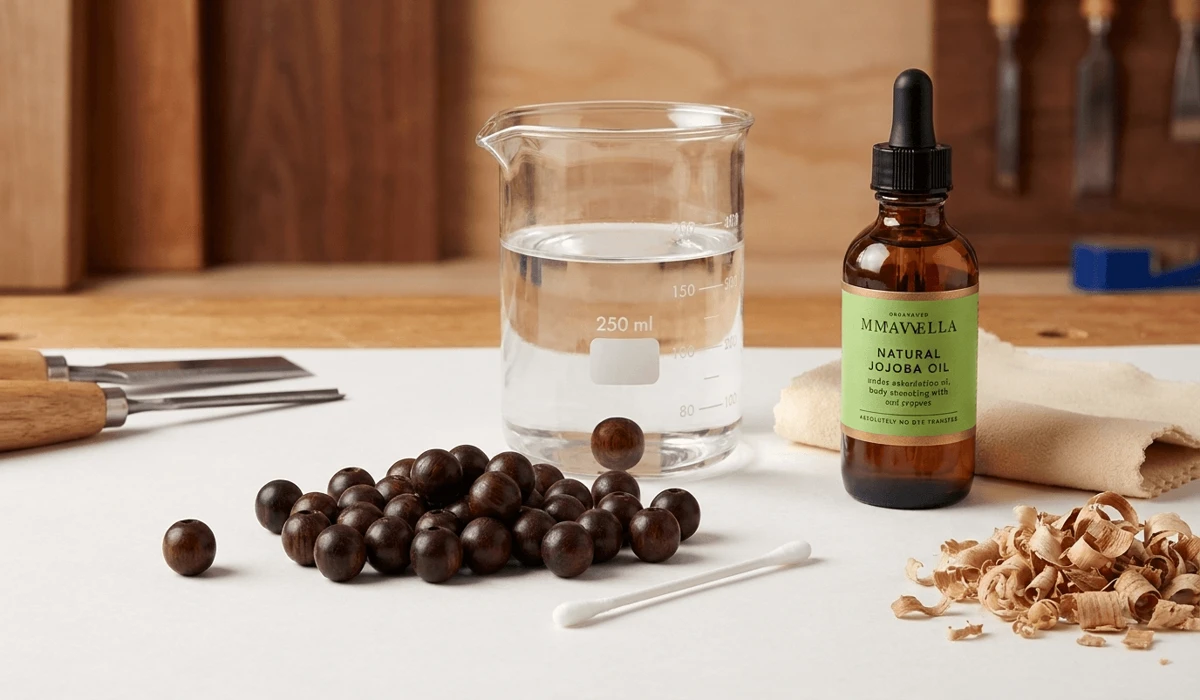
- 🌿 Alcohol Swab Test: Gently rub the hidden interior wall of a bead drill hole with a 70% isopropyl alcohol cotton swab; genuine rosewood will not bleed color, whereas cheap stained timber immediately transfers bright red or purple chemical dye onto the cotton tip.
- 💎 Acetone Spot Check: Apply a tiny drop of acetone with a fine needle to an inconspicuous area; synthetic lacquer dissolves instantly into sticky goo, while natural wood grain remains stable.
- 🔮 Water Density Test: True seasoned Dalbergia heartwood possesses high physical density; raw sample beads will sink or suspend near the bottom of a glass, while lightweight pine or composite substitutes float high on the water surface.
- 🌿 Pore Inspection: Inspect the bead surface under direct sunlight using a magnifying lens to confirm open, elongated vascular pores and organic grain irregularities rather than uniform plastic seams.
- 💎 Friction Aroma Test: Rub the bead vigorously with a dry thumb for ten seconds; body friction releases a soft, sweet floral-woody scent, whereas fake wood produces chemical solvent odors or no fragrance at all.
These simple non-destructive tests quickly separate authentic forest-harvested hardwood from cheap factory counterfeits. Genuine wood requires no superficial paint to demonstrate its rich natural character. Relying on authentic materials honors both the ancient artisan traditions and your personal wellness goals.
Mindful Cleansing and Energetic Clearing Practices
Because organic wood fibers absorb ambient energy from your environment, periodic spiritual clearing keeps your beads vibrating clearly. Pass your wooden bracelet slowly through the purifying herbal smoke of dried white sage, mountain cedar, or sweetgrass. This smoke bath clears accumulated psychic weight without exposing the delicate wood fibers to moisture damage.
Alternatively, rest your wooden jewelry overnight beside a natural wand of raw selenite or atop a bed of clear quartz chips. Crystalline minerals restore subtle energetic harmony naturally. You can also bathe the beads in the harmonious acoustic resonance of a Tibetan singing bowl or high-frequency tuning fork.
Never submerge your natural rosewood jewelry in salt water baths; harsh mineral salts dehydrate delicate botanical pores, causing the hardwood to crack and split irreversibly.
Long-Term Conditioning and Physical Preservation
Over months of faithful wear, your wooden beads may begin to look thirsty or dry due to low indoor humidity. Restore their natural luster by placing a single tiny drop of organic jojoba oil or cold-pressed walnut oil onto a soft microfiber cloth. Gently buff the surface of each bead, allowing the botanical oil to feed the thirsty wood fibers.
Store your wooden jewelry in a breathable cotton pouch away from heat vents, radiators, and harsh sunlit windowsills. Rapid temperature fluctuations pull moisture out of the wood core too quickly, which leads to fine hairline fractures. Taking mindful care of your sacred wood jewelry honors the living forest from which it came.
For those interested in technical microscopic timber analysis, studying scholarly forestry papers published by the scientific team at Gemmological Association of Great Britain reveals the fascinating cellular architecture that makes precious hardwoods so distinct. Understanding this inner structure gives you a deeper appreciation for the sacred craft.
Mindful Collection Guidance: Always prioritize authentic materials when curating personal meditation items. Genuine wooden beads carry an organic history of natural resilience that supports your daily wellness practices. Take your time inspecting each piece, celebrating the small, beautiful imperfections that only authentic nature can create.
Frequently Asked Questions
Q: How can I tell if my rosewood beads are real?
A: Look closely at the weight, vascular pore arrangement, and organic color variations across the beads under natural sunlight. Rub a bead briskly with your dry thumb to generate friction heat, which should reveal a faint, sweet floral wood scent. Finally, inspect the inside of the drill holes to ensure the deep reddish-brown color is consistent all the way through rather than painted over pale softwood.
Q: What does natural rosewood smell like compared to fake wood?
A: Authentic rosewood releases a delicate, earthy, and softly sweet floral fragrance that becomes noticeable when warmed against warm skin. Stained wood imitations smell like industrial chemical varnishes, petroleum sealants, or paint thinners. If an unboxing reveals an overpowering chemical perfume, the maker likely added synthetic fragrance to hide cheap lumber.
Q: Does genuine rosewood sink or float in water?
A: Most genuine Dalbergia species feature dense heartwood with high specific gravity, causing authentic raw beads to sink or hover near the bottom of a water glass. Common commercial substitutes like pine, birch, or rubberwood are lightweight and float high on the surface. Keep water immersion tests brief to avoid damaging jewelry cords and natural wood finishes.
Q: How do I perform a safe alcohol swab test on dyed wood?
A: Moisten the tip of a cotton swab with standard rubbing alcohol and gently rub it against the hidden interior wall of a single bead drill hole. If the swab turns vibrant red, pink, or purplish-brown, the bead has been chemically dyed. True rosewood heartwood never bleeds artificial pigment onto a brief alcohol wipe.
Q: Why do synthetic rosewood imitations lack grounding energy?
A: Synthetic resin beads and chemically coated softwoods lack the decades-long organic growth cycle that imbues real timber with natural earth resonance. Plastics and industrial solvents introduce disruptive chemical off-gassing and artificial static rather than stable natural energy. Traditional mindfulness practices rely on an authentic sensory link between the human spirit and untouched nature.
Conclusion
Learning how to identify real vs. fake rosewood protects your jewelry investment and preserves the sacred purity of your mindfulness practice. Genuine Dalbergia heartwood provides an unmatched combination of natural density, intricate vascular grain, and gentle grounding resonance. By utilizing non-destructive testing methods like the alcohol swab rub and friction aroma check, you can quickly spot chemically stained imitations. Choose authentic botanical treasures that honor nature's enduring craftsmanship, and let your sacred wood beads ground your daily spiritual journey with confidence.

Natural Thuja Wood Bead Bracelet – Polished Round Bead Harmony Design for Men and Women
Warm color, flowing grain and a clean circular silhouette define this natural Thuja wood bracelet. Nineteen polished round beads come together in a simple, balanced design that highlights the organic beauty of the wood without unnecessary decorative elements.
View product →Disclaimer: The information provided in this article is for educational, cultural, and spiritual exploration purposes only. Mindful practices and energetic concepts discussed are not intended to substitute for professional medical, legal, or financial advice. Readers experiencing health concerns should always consult a licensed medical professional.

Longyi Luck
Longyi Luck is a Feng Shui practitioner and spiritual researcher who blends traditional year-based wisdom with modern lifestyle insights, specializing in Feng Shui, spirituality, meditation, and mindfulness. With years of dedicated study and practice, Longyi explores cultural symbolism and the practical application of ancient wisdom to help individuals cultivate balance, clarity, and harmony in everyday life. Since 2020, Longyi has been committed to translating timeless traditions into accessible guidance for the modern world.
longyi@auraandluck.com