
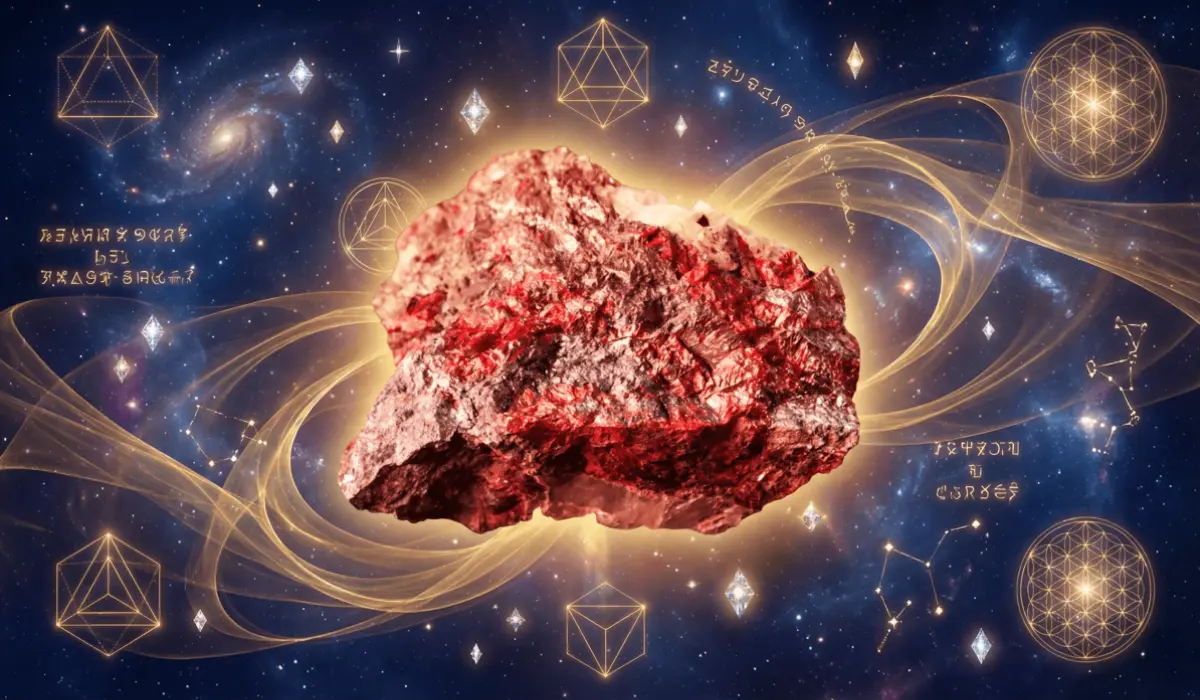
Polished cinnabar jewelry is generally considered safe for skin contact because the mercury within the stone is chemically bonded with sulfur, creating a highly stable compound known as mercuric sulfide. Many people worry about the mercury content, but the actual risk comes from inhaling raw dust or ingesting particles rather than wearing finished, smooth beads against your skin. In the world of Crystal Healing, this vibrant red stone is prized for its ability to manifest wealth and protect the wearer from negative energy. By understanding the science of mercuric sulfide and following basic handling tips, we can enjoy the many spiritual benefits of this ancient "Merchant's Stone" without any health concerns.
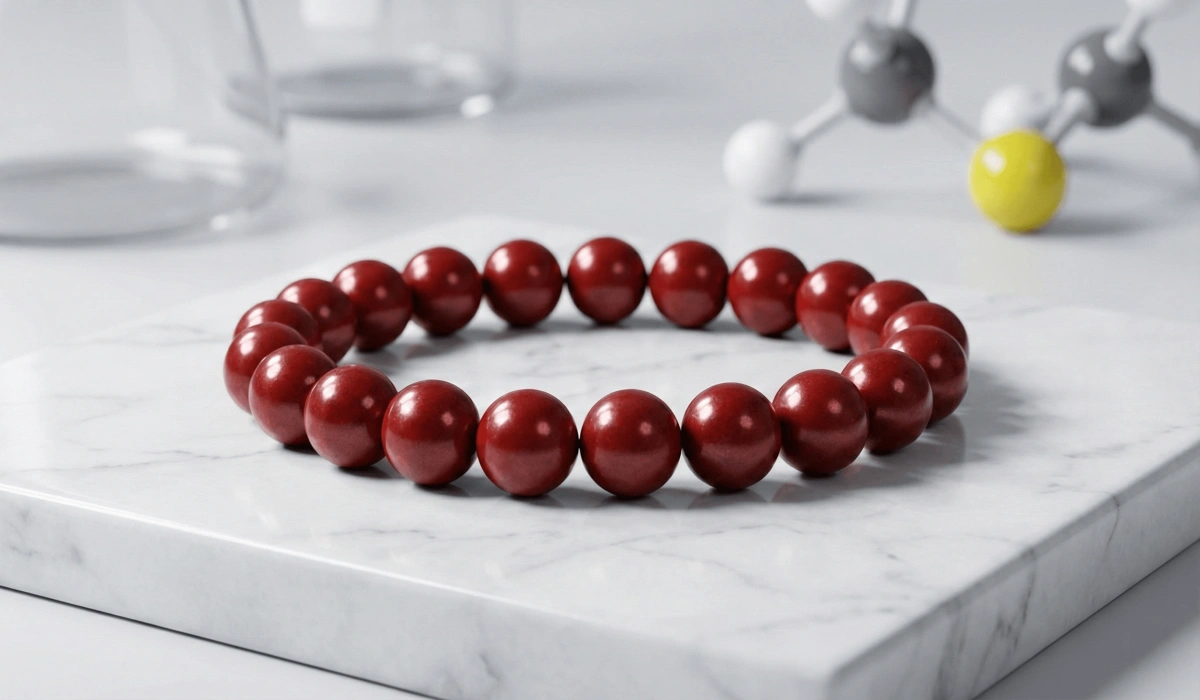
1. Polished cinnabar is safe for daily wear as the mercury is locked in a stable sulfide bond.
2. Most modern "cinnabar" jewelry is actually made of safe, mercury-free synthetic resin or lacquer.
3. The primary safety risks are linked to raw mineral dust or extreme heat, not finished jewelry.
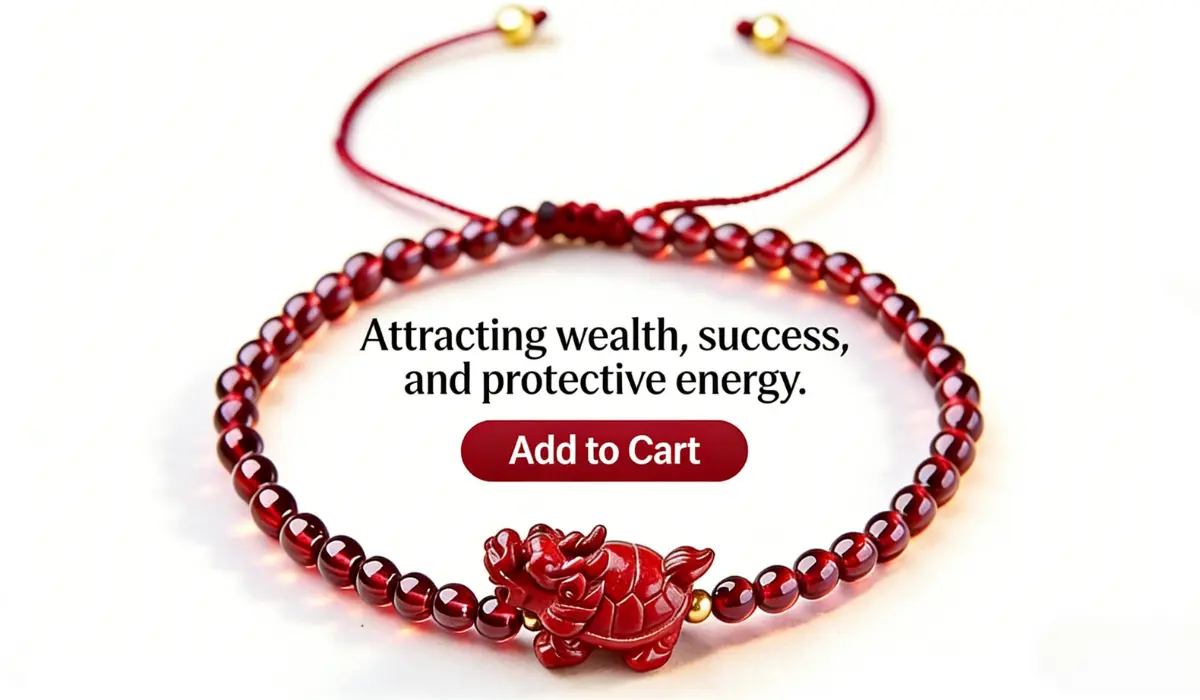
4. Cinnabar is a powerful Feng Shui tool for attracting wealth, success, and protective energy.
5. Proper care involves keeping the stone dry and avoiding harsh chemicals or high temperatures.
What Is Cinnabar?
Cinnabar is a striking red mineral that serves as the primary ore for mercury, known in the scientific community as mercury(II) sulfide (HgS). We often find it forming in shallow veins near volcanic activity or hot springs, which gives it that iconic, deep cochineal-red color that has fascinated humans for thousands of years. From a geological perspective, Gemological Institute America researchers note that the stability of mercuric sulfide is quite high under normal conditions. This means the mercury is not easily released unless the stone is heated to extreme temperatures or ground into a fine powder.
Natural Cinnabar vs Synthetic
Natural cinnabar is a relatively soft mineral, ranking only between 2.0 and 2.5 on the Mohs scale of hardness. Because it is so soft, it is often found in massive or granular forms rather than large, clear crystals. In our experience working with these materials, we have found that many modern pieces are actually "organic cinnabar," which is a safe resin-based alternative. You can often tell the difference because real mineral cinnabar is much heavier and feels significantly cooler to the touch than lightweight plastic or resin imitations.
Mercury Content and Mineral Forms
While it is true that cinnabar contains about 86% mercury by weight, the strong chemical bond with sulfur prevents the mercury from being absorbed through your skin. The main raw cinnabar mineral risks occur during the industrial cutting or grinding process, where dust can be inhaled. Once the beads are polished and sealed into jewelry, they become stable and safe for personal use. We always recommend that our clients choose finished, high-quality beads to ensure the mineral remains intact during daily activities.
Spiritual Meaning & Symbolism
Historically, cinnabar has earned the title of the "Merchant's Stone" because of its long association with wealth, abundance, and the flow of prosperity. Its blood-red hue represents the vital life force and the "dragon’s blood" (Long Xue) of ancient alchemy, symbolizing total transformation. In many cultures, wearing this stone is thought to help the wearer achieve victory and success in business ventures. It acts as a constant reminder of one's power to turn spiritual intentions into tangible, physical reality.
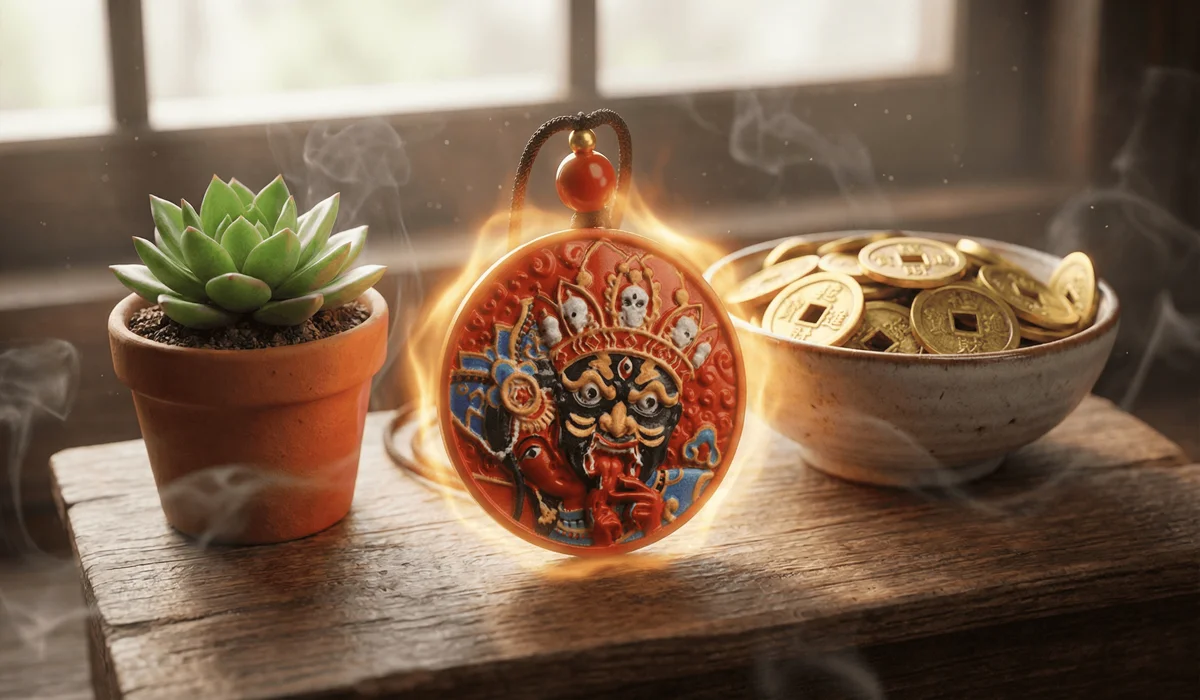
In the practice of Feng Shui, cinnabar is a legendary protection stone used to ward off negative energy or "evil spirits" (Xie Qi). Many people use carved cinnabar beads to create a protective barrier around their personal energy field. The vibrant red color is the ultimate expression of "Yang" energy, which promotes vitality, alertness, and a positive atmosphere. According to the Feng Shui Society, placing or wearing red symbols can significantly shift the energy of a space or a person’s aura.
Chakra Associations
Cinnabar is most closely linked to the Root Chakra (Muladhara), providing a powerful sense of grounding and physical security. When we feel safe and grounded, we are better equipped to handle the stresses of modern life and pursue our financial goals. It is also used in Sacral Chakra work to stimulate creativity and help manifest personal desires. By aligning these lower chakras, cinnabar helps bridge the gap between our thoughts and the physical world.
Benefits & Intentions Associated with Cinnabar
Many practitioners choose cinnabar specifically for intentions related to wealth creation and the smoothing of difficult business transactions. It is widely considered a leader among manifestation stone properties, helping individuals recognize their internal power to change their external circumstances. We have seen many clients use these beads to enhance their mental agility and find creative solutions to problems that have felt stuck for a long time. The energy of the stone is active and forward-moving, encouraging the wearer to take bold steps toward their future.
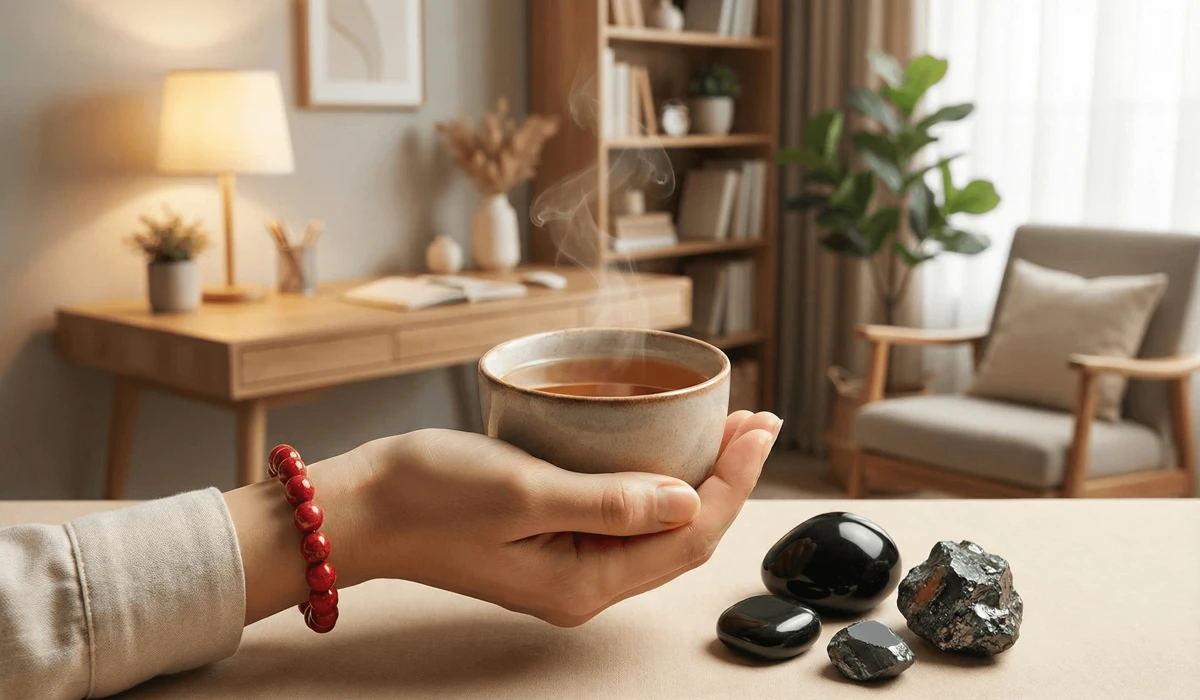
Cinnabar is also a wonderful tool for mindfulness rituals, helping to ground flighty thoughts and bring focus back to the present moment. The spiritual properties of cinnabar are said to provide courage during major life transitions, such as starting a new job or moving to a new city. It acts as the "spark" needed to ignite a new journey, providing the energy and persistence required to see a project through to the end. Holding the stone during meditation can help solidify your focus and keep your goals at the forefront of your mind.
How to Wear Cinnabar Jewelry Safely
When deciding how to wear your jewelry, Feng Shui tradition suggests that wearing a cinnabar bracelet on the left hand is best for "receiving" energy. This hand is considered the gateway for wealth and protective vibrations to enter your body and spirit. Conversely, wearing it on the right hand is often intended for "releasing" energy or projecting protection outward into your environment. You can Cinnabar Jewelry Collection to find various designs that fit your specific spiritual needs and manifestation goals.
To ensure total safety while wearing cinnabar, we recommend following these simple precautions:
- Always choose polished beads that have a smooth, finished surface to prevent any mineral dust from touching your skin.
- Avoid wearing cinnabar jewelry if you have broken skin, rashes, or open wounds on your wrist or neck.
- Remove your cinnabar pieces before engaging in heavy physical labor, exercise, or sports to prevent the soft beads from chipping.
- Do not wear your cinnabar jewelry in the shower, pool, or hot tub, as moisture and chemicals can degrade the surface of the stone.
Before you begin wearing your new piece, it is helpful to "prepare" the stone by holding it and visualizing your specific intentions. The benefits of a cinnabar bracelet are thought to be much stronger when the wearer maintains a clear, positive focus throughout the day. To create a balanced energy profile, you might consider pairing cinnabar with grounding stones like Black Obsidian or Hematite. This combination ensures that the high "Yang" energy of the cinnabar is anchored by more stable, "Yin" earthy energies.
Cinnabar vs Similar Stones or Materials
Traditional cinnabar lacquerware was made by layering many coats of lacquer mixed with powdered cinnabar mineral, but modern versions are almost always resin-based. These modern resin pieces are completely safe and contain no mercury, making them a popular choice for those who want the look without any mineral concerns. When you Stone Collections, you will notice that real cinnabar has a distinct weight and a metallic-to-silky luster that resin cannot perfectly replicate. Authentic cinnabar is a mineral ore, while lacquerware is a decorative craft technique.
| Feature | Natural Cinnabar | Red Jasper |
|---|---|---|
| Chemical Base | Mercury Sulfide (HgS) | Silicon Dioxide (SiO2) |
| Hardness (Mohs) | 2.0 - 2.5 (Soft) | 6.5 - 7.0 (Hard) |
| Primary Energy | Manifestation & Wealth | Nurturing & Grounding |
| Visual Tone | Vibrant, Electric Red | Earthy, Brick Red |
Red Jasper is often used as a mercury-free alternative for those who prioritize safety above all else. While both stones are great for the Root Chakra, they have very different "personalities" in the spiritual world. Cinnabar is seen as an alchemical catalyst for rapid change, whereas Red Jasper is known as a "nurturing" stone that provides slow and steady support. Experts at World Feng Shui often recommend choosing the stone that best matches the speed at which you want your life to change.
How to Cleanse, Charge, and Care for Cinnabar
Proper care is essential for keeping your cinnabar jewelry beautiful and energetically clear. Because it is a soft mineral, you should never use abrasive brushes, salt water, or ultrasonic cleaners. Instead, simply use a soft, dry microfiber cloth to gently wipe away any dust or skin oils that have accumulated on the beads. Keeping the stone dry ensures that the mercuric sulfide stability remains intact over many years of wear.
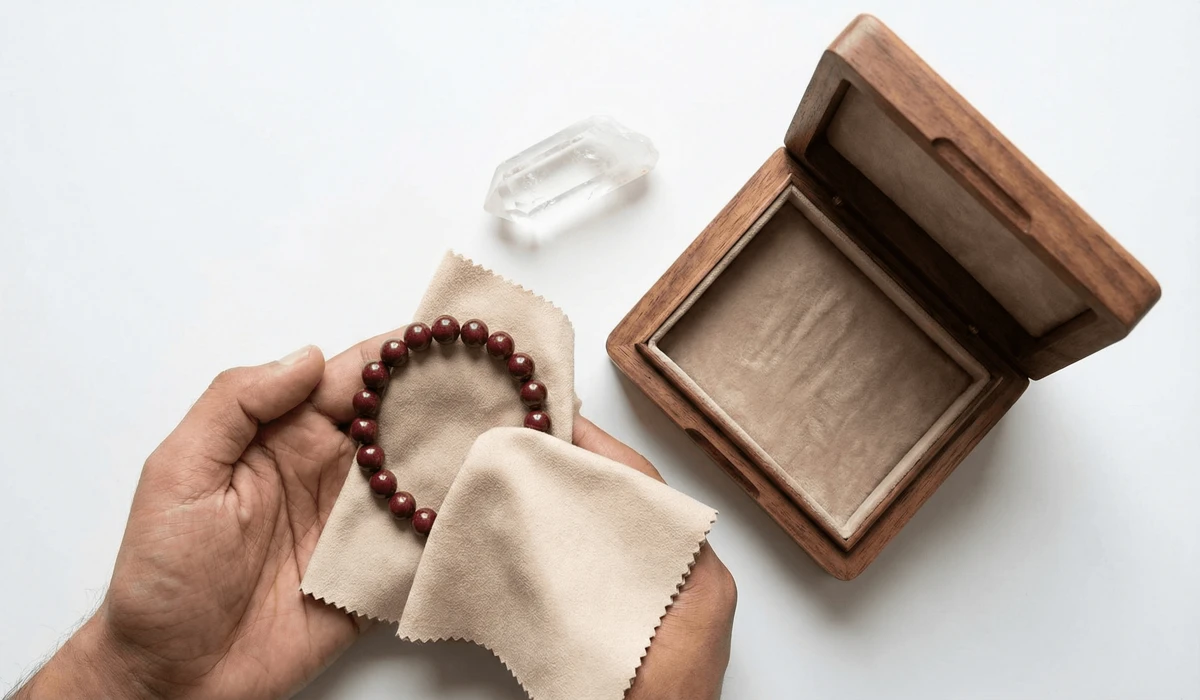
To cleanse the energy of the stone, we recommend using non-physical methods like sound or smoke. Passing the beads through the smoke of burning sage or using the vibrations of a singing bowl is a safe way to clear away stagnant energy. To "charge" the stone’s intentions, you can place it near a piece of Clear Quartz or Selenite overnight. Avoid leaving cinnabar in direct, hot sunlight for long periods, as excessive heat can potentially damage the surface and cause the vibrant red color to fade.
Daily Care & Storage Tips
When you are not wearing your cinnabar jewelry, store it in a separate soft pouch or a dedicated jewelry box. This prevents the soft beads from being scratched by harder stones like Quartz or Amethyst. We also suggest washing your hands after handling any raw specimens, though this is less of a concern for polished jewelry. By treating the stone with respect and care, you ensure that its protective and prosperous energies remain strong for a lifetime.
Frequently Asked Questions
Q: Is cinnabar toxic to humans when worn as jewelry?
A: In its polished and finished form, cinnabar is not considered toxic for skin contact. The mercury is chemically locked with sulfur, making it stable and preventing absorption through the skin. Toxicity risks are mainly linked to inhaling dust from raw ore or heating the mineral to release vapors.
Q: Can you wear a cinnabar bracelet while sleeping?
A: While not dangerous to your skin, it is best to remove cinnabar jewelry before bed. This prevents physical damage to the soft beads and allows you to rest without the highly active, manifestation-focused energy of the stone, which some find too stimulating for sleep.
Q: Is it dangerous to touch polished cinnabar beads?
A: No, touching polished cinnabar beads is considered safe. The smooth surface is stable and does not release mercury under normal conditions. As with any mineral jewelry, maintaining clean beads and washing your hands after handling unpolished specimens is a good hygiene practice.
Q: Does all cinnabar contain harmful mercury?
A: Natural cinnabar is always composed of mercury sulfide, but whether it is "harmful" depends on the form and exposure level. Solid, polished stones are safe. Additionally, many modern "cinnabar" items are actually made of resin or synthetic materials that contain no mercury at all.
Q: How do I safely clean my cinnabar jewelry?
A: The safest way to clean cinnabar is with a soft, dry or slightly damp cloth. Avoid soaking the jewelry in water, and never use steam cleaners or harsh chemicals. Because cinnabar is soft, you should handle it gently to avoid scratches or surface damage.

Longyi Luck
Longyi Luck is a Feng Shui practitioner and spiritual researcher who blends traditional year-based wisdom with modern lifestyle insights, specializing inFeng Shui, spirituality, meditation, and mindfulness. With years of dedicated study and practice, Longyi explores cultural symbolism and the practical application of ancient wisdom to help individuals cultivate balance, clarity, and harmony in everyday life. Since 2020, Longyi has been committed to translating timeless traditions into accessible guidance for the modern world.
longyi@auraandluck.com


.webp?w=800&h=800)
.webp?w=800&h=800)