
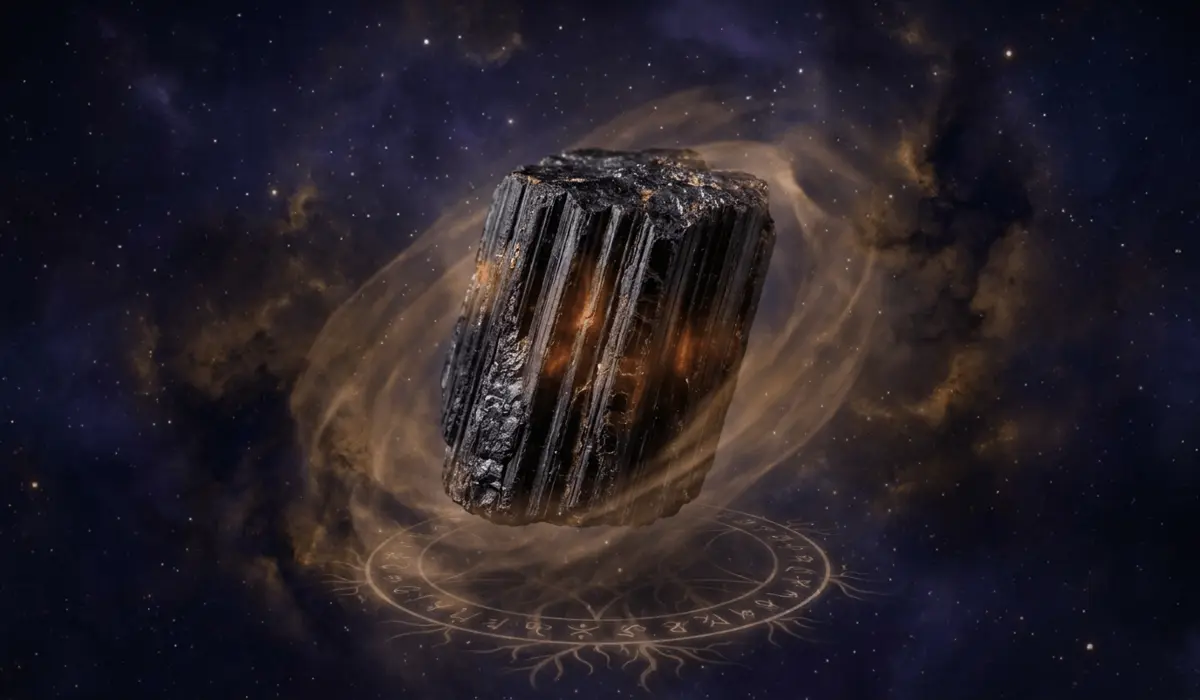
Black Tourmaline is a premier protective grounding mineral celebrated worldwide for absorbing dense energy and fostering deep mental stability. In our studio at Aura & Luck, we regularly examine raw and polished mineral samples to help collectors distinguish authentic geological specimens from cheap imitations. Learning to spot painted glass, molded plastic, and synthetic lookalikes ensures that your crystal collection remains truly authentic and energetically supportive.
Quick Summary: Key Authentication Markers
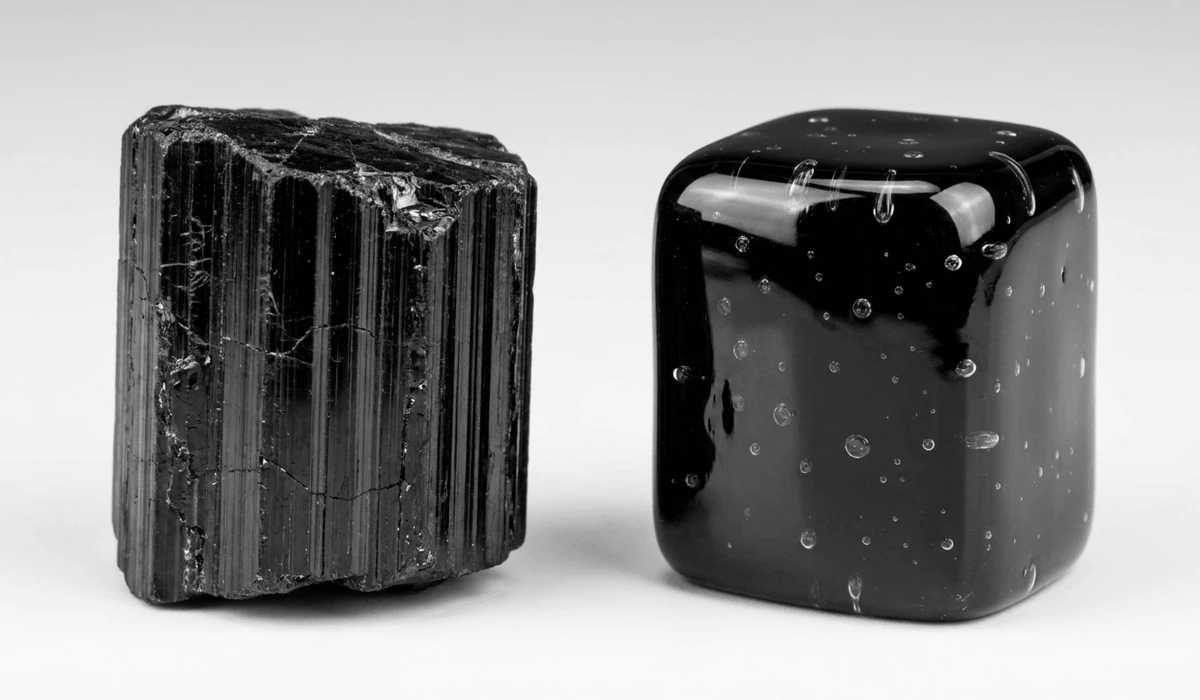
- Natural Texture: Genuine raw Schorl features sharp, continuous vertical striations along its primary crystal axis.
- Temperature & Weight: Real tourmaline feels noticeably cold to the touch initially and possesses heavy mineral heft.
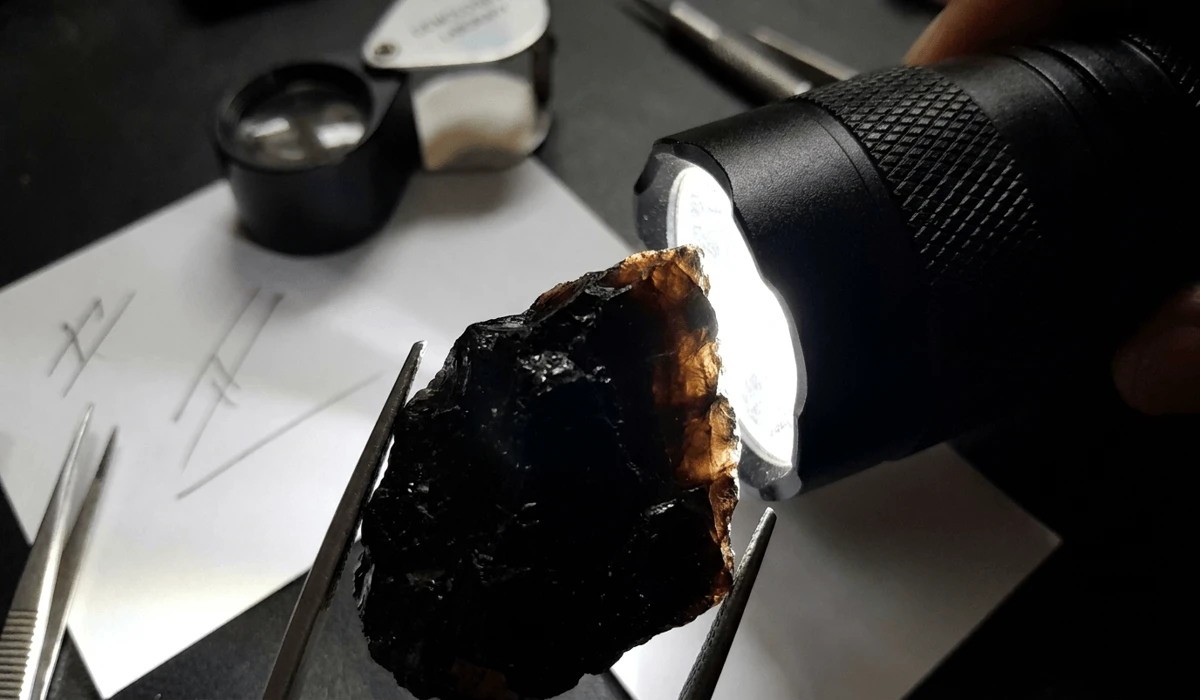
- Flashlight Test: Edge illumination reveals a subtle warm brownish or dark amber tint on genuine thin mineral slivers.
- Hardness Check: Registers 7 to 7.5 on the Mohs scale, easily scratching standard glass plates without sustaining surface damage.
- Fake Red Flags: Perfectly round internal air bubbles, smooth molded seams, and flaking surface black paint signal cheap glass or resin copies.
What Is Black Tourmaline?
Definition
Black Tourmaline, known scientifically in geological circles as Schorl, is a complex iron-rich aluminum borosilicate mineral. It belongs to the broader Tourmaline crystal family and accounts for roughly ninety percent of all natural tourmaline found across Earth's crust. Understanding accurate mineral traits established by reputable institutions like the Gemological Institute Research Standards helps buyers separate genuine earth-formed crystals from manufactured imitations.
When collectors evaluate real vs fake black tourmaline, they look closely at structural alignment and chemical density. Authentic pieces exhibit a trigonal crystal system that forms rigid, column-like structures with distinct vertical ridges. Synthetic alternatives, on the other hand, are artificially poured into molds or painted over base materials to mimic this natural appearance.
Differentiating genuine Schorl from synthetic counterparts guarantees that your investment holds real geological and aesthetic value. Natural minerals carry unique physical properties that factory-made plastic or glass simply cannot reproduce.
Origin & Materials
Authentic Black Tourmaline forms deep underground inside pegmatites and high-temperature igneous rock veins over millions of years. As hydrothermal fluids cool under immense geological pressure, iron molecules bind with boron and silicate elements to produce rich, opaque black columns. This slow natural crystallization process naturally introduces microscopic internal fractures, mineral inclusions, and rough growth planes.
Conversely, artificial imitations are rapidly mass-produced in factory environments using inexpensive materials. Common raw materials for fake stones include melted soda-lime glass, acrylic plastic resins, and dense dark slag metal. Some manufacturers go so far as to coat clear glass beads in black acrylic spray paint to duplicate a polished gemstone finish.
When these painted surfaces wear off over time, cheap grey or clear substrates become visible underneath. In our workshop experience, inspecting fine surface details under bright studio lights immediately exposes these artificial surface coatings.
Basic Characteristics
Evaluating raw and polished specimens requires a basic understanding of key physical properties. Real Schorl presents a deep, vitreous to resinous luster that reflects light off continuous vertical striations. It feels remarkably solid and cool when first picked up, absorbing body heat gradually over several minutes.
We recommend paying attention to the following fundamental characteristics when examining suspect crystals:
- Continuous Striations: Parallel vertical ridges running longitudinally down the long axis of the raw crystal body.
- Subtle Edge Translucency: Dark brownish-amber optical flare along paper-thin fractured edges when exposed to intense light.
- High Mineral Density: Substantial weight in the palm that feels significantly heavier than hollow acrylic or light glass.
- Resilient Surface Hardness: Resistance to everyday steel blades and copper coins due to its high position on the Mohs scale.
These natural markers form naturally during subterranean growth and cannot be perfectly duplicated by commercial casting processes. Lacking these physical signatures strongly indicates that a stone is either glass, slag, or molded resin.
Video source: YouTube
Author: Spirit Magicka Rock'n Crystals
Original video link: https://www.youtube.com/watch?v=Kngx87AZFho&t=2s
Spiritual Meaning & Symbolism
Traditional Symbolism
Throughout history, Black Tourmaline has served as a primary energetic anchor across various traditional wisdom systems. Ancient practitioners regarded its intense opaque hue as an impenetrable shield capable of repelling heavy mental atmosphere and chaotic environmental influences. Rather than simply blocking energy, Schorl is culturally believed to absorb excess tension and convert it into balanced, quiet composure.
Historical carvers and spiritual guardians used dark Schorl pillars to mark perimeter boundaries around living spaces and sacred sanctuaries. Placing raw tourmaline near doorways was believed to establish a stable sanctuary free from external stress. Many enthusiasts explore our Spiritual Gemstone Collection to find handcrafted pieces that honor these ancient protective traditions.
In modern daily life, holding a natural specimen provides a physical connection to the earth beneath us. This tactile sensation reminds us to stay composed during high-pressure situations.
Chakra Associations
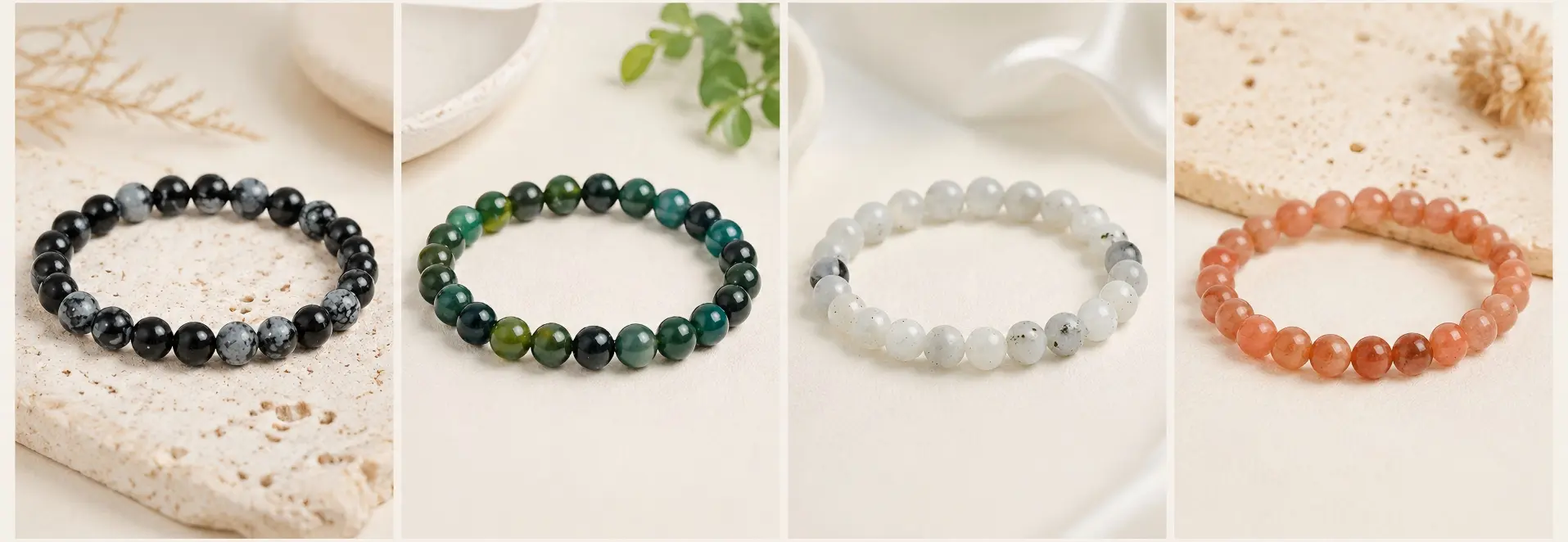
In subtle energy traditions, Black Tourmaline is deeply tied to the Root Chakra, known traditionally as Muladhara. Located at the base of the spine, this foundational energy center governs our basic feelings of physical safety, survival instinct, and personal stability. When the base chakra is balanced, individuals report feeling calm, focused, and emotionally securely anchored.
Working with real Schorl during mindfulness routines helps draw scattered thoughts downward toward the feet. This downward energetic movement builds a felt sense of presence during breathwork or deep meditation. When using fake glass stones, practitioners often notice a lack of tactile depth and heavy grounding resonance.
Maintaining an aligned base chakra enables better emotional regulation during modern daily challenges. It creates a sturdy base that allows higher creative and intellectual pursuits to flourish naturally.
Cultural or Historical Context
The historical journey of Black Tourmaline spans centuries across multiple continents and trading routes. Dutch traders during the early 1700s imported colorful and dark tourmaline crystals from Sri Lanka under the Sinhalese name turmali. They noticed that warm tourmaline crystals picked up ash and dust particles, calling them aschentrekker or ash pullers due to their natural pyroelectric properties.
Native American traditions historically revered dark protective stones as sacred mineral allies during rites of passage. These deep black minerals were carried in medicine pouches to maintain steady courage during long journeys through unfamiliar wilderness. Their presence symbolized enduring strength, endurance, and deep earth connection.
During the Victorian era in Europe, deep black gemstones gained immense popularity in formal mourning jewelry. Gem artisans appreciated Schorl for its dark elegance, carving it into intricate brooches and heavy memorial pendants. Today, this rich historic heritage continues to inspire modern gemstone enthusiasts around the world.
Benefits & Intentions Associated with Real Black Tourmaline
Commonly Associated Intentions
Modern crystal practice centers around using physical minerals as tangible focal points for daily intentional living. Black Tourmaline is widely chosen by practitioners aiming to cultivate personal boundaries, emotional composure, and mental focus. Keeping a raw chunk on an office desk serves as a constant visual cue to remain centered amidst frantic emails and deadlines.
Our clients frequently share how carrying a small pocket stone helps them maintain personal space during busy commutes. Combining clear mental focus with protective crystal wisdom enhances daily routines; you can discover more about these practices through our Holistic Crystal Healing Practices resource hub. The dark mineral acts as an anchor that reinforces your personal boundary goals.
Intentional practices built around Schorl focus on practical, real-world mindfulness rather than superstitious expectations. The true value lies in how the stone's physical weight and cool texture remind you to breathe and slow down.
Mindfulness & Personal Practices
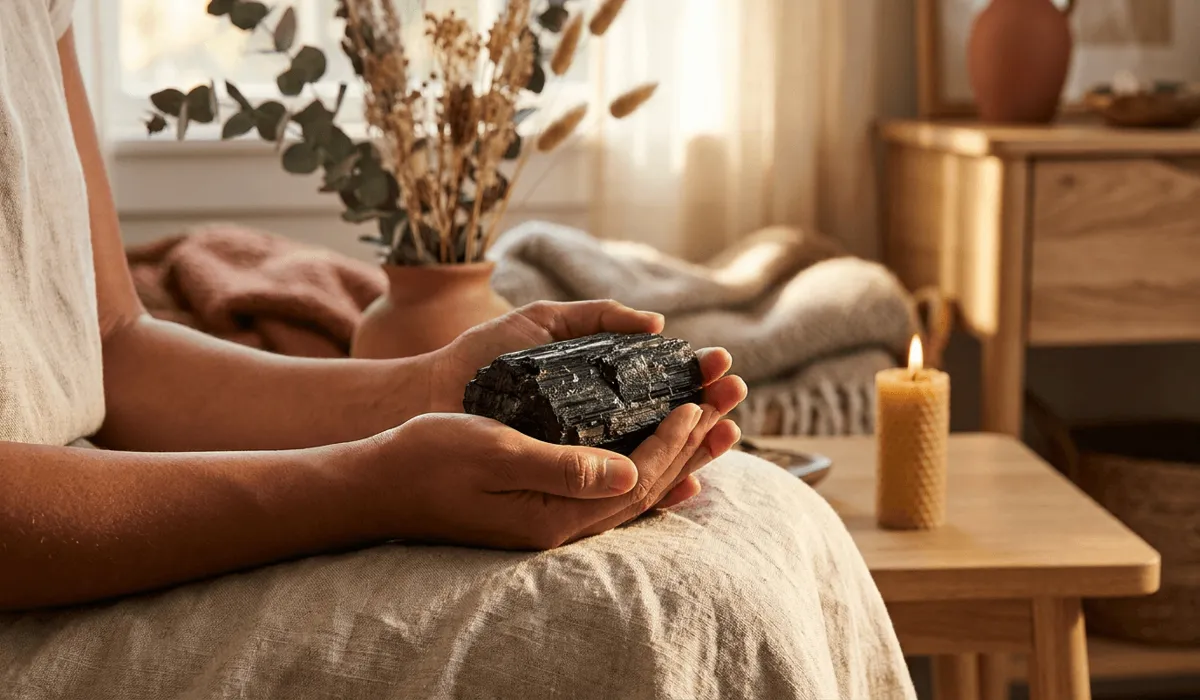
Integrating Black Tourmaline into simple daily reflection routines builds healthy sensory awareness. Holding a heavy, ridged raw crystal during morning breathing exercises helps center your awareness on physical touch. By noticing the cold stone warm up gradually against your skin, you anchor your mind firmly in the present moment.
We recommend creating a simple evening reset ritual to clear accumulated workday tension. You can try these simple reflection steps in a quiet space:
- Tactile Focus: Hold the mineral in both hands, closing your eyes while paying attention to its cool, ridged surface.
- Rhythmic Breathing: Inhale deeply for four counts, hold briefly, and exhale slowly while visualizing mental stress melting away.
- Silent Affirmation: Repeat a grounding phrase such as "I am safe, composed, and securely anchored in this moment."
- Physical Placement: Rest the stone near your bedside table to maintain a peaceful, undisturbed resting atmosphere.
Practicing these intentional pauses regularly helps build emotional resilience over time. Over weeks of steady practice, touch cues become reliable triggers for deep physical relaxation.
How to Wear Real Black Tourmaline
Left Hand vs Right Hand (Feng Shui Logic)
In traditional Feng Shui philosophy and oriental energy practices, bodily placement plays a key role in guiding daily intention. The left side of the body is viewed as the receptive portal, absorbing ambient qualities from your environment into your internal system. Wearing a Black Tourmaline bracelet on your left wrist helps absorb grounding energy and stabilize internal emotional flux.
Conversely, the right side is recognized as the projective or giving hand, responsible for releasing internal energy outward. Placing your stone bracelet on your right wrist signifies a strong boundary action, pushing away unwanted energetic chaos and maintaining personal space. Selecting which wrist to use depends on your personal daily focus:
- Left Wrist (Receptive): Wear here when seeking internal grounding, stress relief, and personal energy restoration.
- Right Wrist (Projective): Wear here when working in crowded spaces, setting interpersonal boundaries, or projecting quiet authority.
Both methods are equally valid and effective within traditional wisdom systems. We suggest testing both wrists on alternate days to observe which placement aligns best with your bodily comfort.
When People Choose to Wear It
Many individuals choose to wear Black Tourmaline jewelry during demanding social, travel, or workplace engagements. Wearing a sleek beaded bracelet or raw pendant keeps the mineral's heavy density directly against your skin throughout the day. This constant physical contact offers steady comfort during crowded flights, public presentations, or high-stakes business meetings.
Learning to verify natural stones across your entire collection helps ensure you receive real spiritual value; read our Authentic Citrine Identification Guide to learn how to test popular bright crystals for authenticity. Wearing verified natural gems builds a deeper, more satisfying connection with your personal jewelry pieces.
Whether worn under a dress shirt sleeve or as a statement piece, Schorl provides quiet aesthetic charm alongside functional grounding symbolism. Its dark neutral tone effortlessly pairs with modern daily wardrobes.
Intention-Setting Practices
Before placing a new crystal piece onto your wrist or around your neck, take two minutes to dedicate its purpose. Hold the jewelry cleanly between both hands and focus your thoughts on what you wish the stone to represent. Visualizing a clear protective boundary around your body helps frame your mindset for the day ahead.
Reinforce this focus by speaking a short, affirmative statement aloud or quietly within your mind. Phrases like "I walk through my day with calm confidence and firm boundaries" set a clear mental direction. Whenever you notice the bracelet shift on your wrist, use that physical sensation to reconnect with your daily goal.
Revisiting your intentions regularly prevents your crystal jewelry from becoming just another forgotten accessory. This consistent attention turns your daily dressing routine into a meaningful act of self-care.
Real Black Tourmaline vs Similar Stones
Real Black Tourmaline vs Painted Glass Imitations
Spotting painted glass crystal fakes requires a careful eye for manufacturing shortcuts. Glass imitations are made by melting cheap silica mixtures and pouring them into mass-production molds. This liquid pouring process routinely traps tiny round air bubbles inside the cooling glass matrix. Natural Schorl forms under subterranean pressure where spherical gas bubbles simply cannot survive or exist.
Running a targeted black tourmaline light test with a strong LED flashlight quickly uncovers fake painted glass. When held against thin edges of genuine Schorl, strong light reveals a warm brownish tint or dark amber glow. Painted glass either blocks light completely due to thick surface paint or reveals flat, synthetic dye colors like harsh green or blue.
To further examine physical traits, consulting educational resources provided by the Gemmological Association Educational Resources offers deeper insight into crystal structures. Real tourmaline rates 7 to 7.5 on the Mohs hardness scale, easily scratching common window glass while remaining unharmed by pocket knives. Fake glass pieces often feature chipped black enamel around bead holes, revealing cheap transparent glass underneath.
Black Obsidian & Black Kyanite
Collectors frequently confuse Black Tourmaline with other natural dark minerals such as Black Obsidian and Black Kyanite. Black Obsidian is a natural volcanic glass formed when lava cools rapidly above ground. Consequently, Obsidian breaks with smooth, curved conchoidal fractures, presenting a glassy shine that lacks the vertical ridged striations of Schorl.
Black Kyanite displays a distinct bladed, fan-like crystal habit that grows in delicate, flattened splinters. While tourmaline forms heavy trigonal prisms with rectangular cross-sections, Kyanite forms soft, layered blades that can be scratched easily with a copper penny. Recognizing these structural differences prevents confusing distinct dark mineral species.
To help you quickly evaluate key differences between these dark materials, we have compiled a quick physical comparison table below:
| Mineral / Material | Mohs Hardness | Surface Texture | Flashlight Test | Internal Inclusions |
|---|---|---|---|---|
| Real Black Tourmaline | 7.0 - 7.5 | Vertical ridges, rough striations | Warm brownish/amber edge translucency | Natural micro-fractures, minerals |
| Painted Glass Fake | 5.0 - 5.5 | Smooth, molded seams, flaking paint | Uniform black or synthetic green/blue | Spherical trapped air bubbles |
| Black Obsidian | 5.0 - 5.5 | Glassy smooth, conchoidal curves | Smokey grey or greenish edge glow | Flow lines, rare dust speckles |
| Black Kyanite | 4.5 - 7.0 (Variable) | Bladed fan clusters, splintery edges | Completely opaque dark silver-black | Fibrous bladed layers |
Watching experienced mineralogists demonstrate physical identification tests offers clear visual guidance for identifying real pieces. The following video walkthrough demonstrates practical steps to spot genuine raw Schorl from fake glass imitations:
Video source: YouTube
Author: Jacobs Trading Ye Olde Rock Shop
Original video link: https://www.youtube.com/watch?v=CEsXeFFo9ys
Who Is Real Black Tourmaline Suitable For?
Chakra or Energy Alignment
Authentic Black Tourmaline is ideally suited for individuals who feel easily overwhelmed by chaotic environments or fast-paced modern daily lives. Highly sensitive individuals, intuitive practitioners, and empathetic personalities often benefit from keeping Schorl nearby. Its dense physical structure provides an ideal anchor for building stable personal energy boundaries.
People who spend long hours engaged in intense creative or analytical thinking can use Schorl to stay physically grounded. Drawing excess mental energy back down toward the physical body helps prevent burnout and mental fatigue. It balances abstract mental work with reassuring earthly touch.
If you regularly feel scattered or detached during busy workdays, working with real tourmaline offers a comforting physical anchor. Its presence encourages slow, rhythmic breathing and physical stability.
Zodiac or Astrological Associations
In astrological traditions, Black Tourmaline aligns particularly well with Libra, Scorpio, and Capricorn birth signs. Diplomatic Libras often spend considerable energy balancing the feelings of others, sometimes neglecting their own personal boundaries. Schorl offers Libras a steadying foundation that encourages decisive personal choices and self-care.
For intense Scorpio personalities, tourmaline acts as a peaceful release valve during periods of strong emotional transformation. It absorbs excess tension, allowing Scorpios to navigate deep personal shifts without feeling overwhelmed. Capricorns benefit from tourmaline's practical, earthly discipline, reinforcing their natural resilience and long-term goal focus.
Even if your sun sign lies elsewhere, anyone can incorporate Schorl into their routines during challenging planetary transits. Earthy minerals offer universal benefits regardless of specific astrological charts.
Lifestyle & Personal Intentions
This grounding stone is particularly useful for modern professionals working in digital environments filled with constant notifications. Placing a raw specimen on your desk near computers and phones acts as a symbolic break from perpetual screen time. Touching the cool, textured stone provides a healthy sensory break during long work sessions.
Therapists, bodyworkers, and healthcare professionals who care for others throughout the day also find Schorl immensely supportive. Keeping natural minerals in consultation rooms helps maintain clear boundaries between client sessions. It creates a pristine space conducive to peaceful healing work.
Finally, anyone creating a dedicated quiet area or meditation corner at home can use tourmaline as a foundational piece. Its deep black tone grounds bright decor elements, setting a quiet, reverent mood for daily practice.
How to Cleanse, Charge, and Care for Real Black Tourmaline
Cleansing Methods
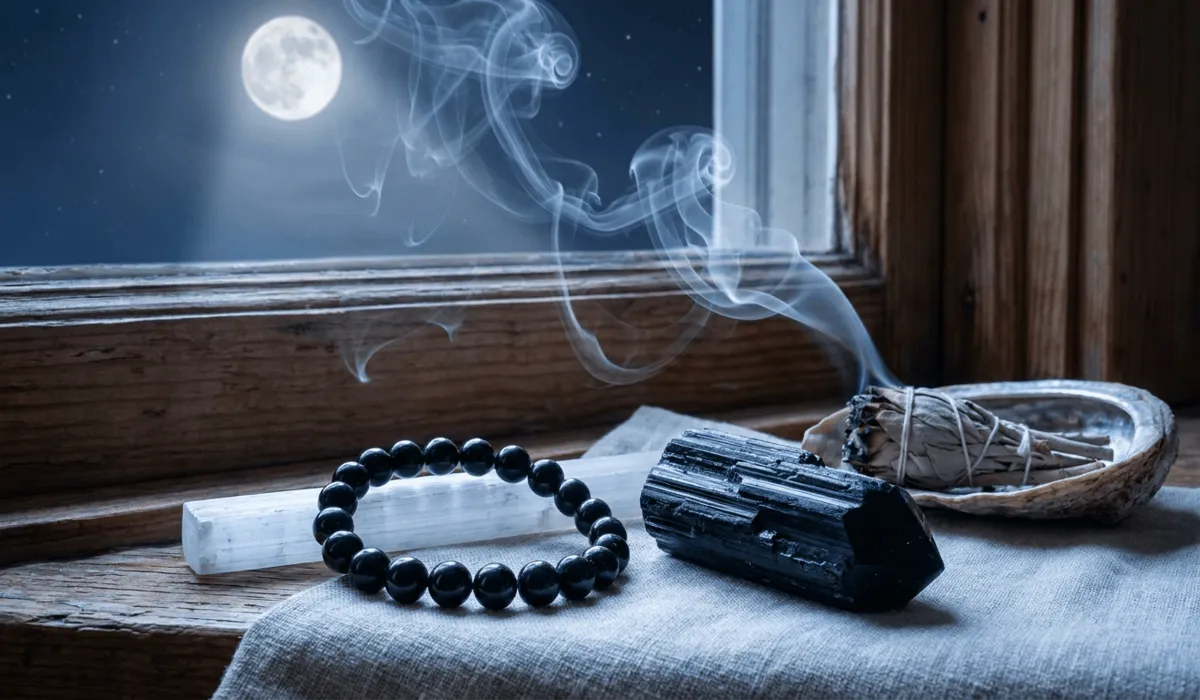
Because Black Tourmaline is believed to absorb surplus environmental tension, practitioners recommend clearing your pieces regularly. Smoke cleansing is one of the most gentle, effective methods for both raw crystals and delicate beaded jewelry. Passing your stone through rising smoke from dry white sage, palo santo, or natural incense refreshes its surface atmosphere quickly.
Sound clearing offers another excellent, completely non-invasive option for delicate pieces. Placing your jewelry near a acoustic singing bowl or ringing chime uses gentle sound waves to reset stagnant energy without liquid contact. You can also review comprehensive background entries in the Geological Mineralogy Reference Information archives to understand how mineral care varies based on structural hardness.
"Caring for natural minerals with gentle, non-destructive methods preserves both their delicate physical surface features and their rich spiritual symbolism over time."
Avoid soaking raw, heavily striated Schorl in salt water for extended periods. Natural fissures along its surface can absorb moisture, potentially expanding internal fractures over time.
Charging Practices
Recharging your verified Black Tourmaline restores its symbolic vitality after routine cleansing sessions. Placing your stone on a clean windowsill under full moonlight overnight offers a peaceful, restoring bath. Cool lunar light is widely considered gentle and soothing for dark protective minerals.
You can also rest your Schorl jewelry directly on a Selenite charging plate or alongside Clear Quartz clusters for several hours. High-vibrational white minerals naturally amplify and balance surrounding crystals without requiring liquid or direct heat. Alternatively, placing raw pieces on natural garden soil reconnects them directly with terrestrial earth energy.
Daily Care & Storage
Proper physical storage ensures your Schorl collection remains free from surface scratches or accidental breakage. Although tourmaline rates high in hardness, its natural brittle structure makes it vulnerable to sharp impacts along internal fissure lines. Store beaded bracelets and raw specimens separately in soft cloth pouches or lined jewelry box dividers.
Clean rough specimens using a soft-bristled dry paintbrush to remove household dust caught inside narrow vertical ridges. Avoid using harsh chemical cleaners, industrial ultrasonic units, or boiling hot water on raw crystals. Sudden temperature drops can cause thermal shock, damaging natural internal growth planes.
Taking these simple precautions ensures that your natural stones maintain their rich luster and structural integrity for years to come. Treating natural earth gifts with mindful care honors their long geological journey.
Frequently Asked Questions
Q: How can you tell if Black Tourmaline is real or painted glass?
A: Check the surface texture for sharp vertical striations and natural surface micro-fractures, which are distinct features of genuine raw Schorl. Inspect the piece under bright magnification for round air bubbles, smooth molded glass seams, or flaking black surface paint that reveal cheap glass copies. Additionally, natural stone feels noticeably cool against the skin initially, whereas glass or plastic warms up rapidly.
Q: Does real Black Tourmaline let light through?
A: Real Black Tourmaline is predominantly opaque to the naked eye, appearing completely solid black in ambient indoor lighting. Passing a powerful LED flashlight directly through thin fractured edges of genuine Schorl reveals a subtle dark brownish tint or dark amber cast. Painted glass fakes either block light completely due to heavy surface paint or reveal uniform synthetic color dyes like blue or green.
Q: Why does real Black Tourmaline have vertical ridges and rough surface texture?
A: Vertical ridges, known gemologically as longitudinal striations, develop naturally along the trigonal crystal axis during underground formation. Raw Tourmaline possesses a naturally brittle mineral structure that creates rough, uneven terminations and small natural surface fissures. Flawless, perfectly smooth surfaces without any ridges or natural micro-fractures are usually strong indicators of molded plastic or polished glass imitations.
Q: Can authentic Black Tourmaline have air bubbles inside?
A: Authentic natural Black Tourmaline never contains spherical air bubbles, as it forms under subterranean pressure rather than liquid glass cooling. Internal natural inclusions may resemble small feathers, veiled cracks, or liquid-filled cavities, but they never take perfectly round bubble shapes. The presence of spherical, trapped gas bubbles inside a smooth black material confirms that the object is manufactured glass or synthetic resin.
Q: How to test if black tourmaline is real?
A: Perform a safe hardness check by attempting to lightly scratch a glass plate; real Tourmaline easily leaves a clear mark without sustaining damage itself. Weigh the specimen in your hand to confirm its dense mineral feel compared to lightweight plastic or standard hollow glass imitations. Finally, examine the mineral closely under bright lighting for continuous vertical striations, a cold touch response, and subtle brownish edge translucency.
Conclusion & Gentle Next Step
Distinguishing authentic Black Tourmaline from painted glass fakes relies on evaluating physical markers like vertical striations, cold touch response, high density, and subtle edge translucency. Factory-made glass imitations betray themselves through spherical air bubbles, smooth molded seams, light weight, and chipping surface paint. Choosing genuine geological specimens ensures an authentic connection to traditional grounding practices and Root Chakra alignment.
Explore Verified Natural Crystal Jewelry
At Aura & Luck Studio, every crystal in our collection undergoes rigorous authenticity checks to guarantee natural geological origin and uncompromised quality. Discover our handcrafted grounded bracelets and protective pendants today to bring authentic earth wisdom into your daily mindfulness practice.

Longyi Luck
Longyi Luck is a Feng Shui practitioner and spiritual researcher who blends traditional year-based wisdom with modern lifestyle insights, specializing in Feng Shui, spirituality, meditation, and mindfulness. With years of dedicated study and practice, Longyi explores cultural symbolism and the practical application of ancient wisdom to help individuals cultivate balance, clarity, and harmony in everyday life. Since 2020, Longyi has been committed to translating timeless traditions into accessible guidance for the modern world.
longyi@auraandluck.com


.webp?w=800&h=800)
.webp?w=800&h=800)