
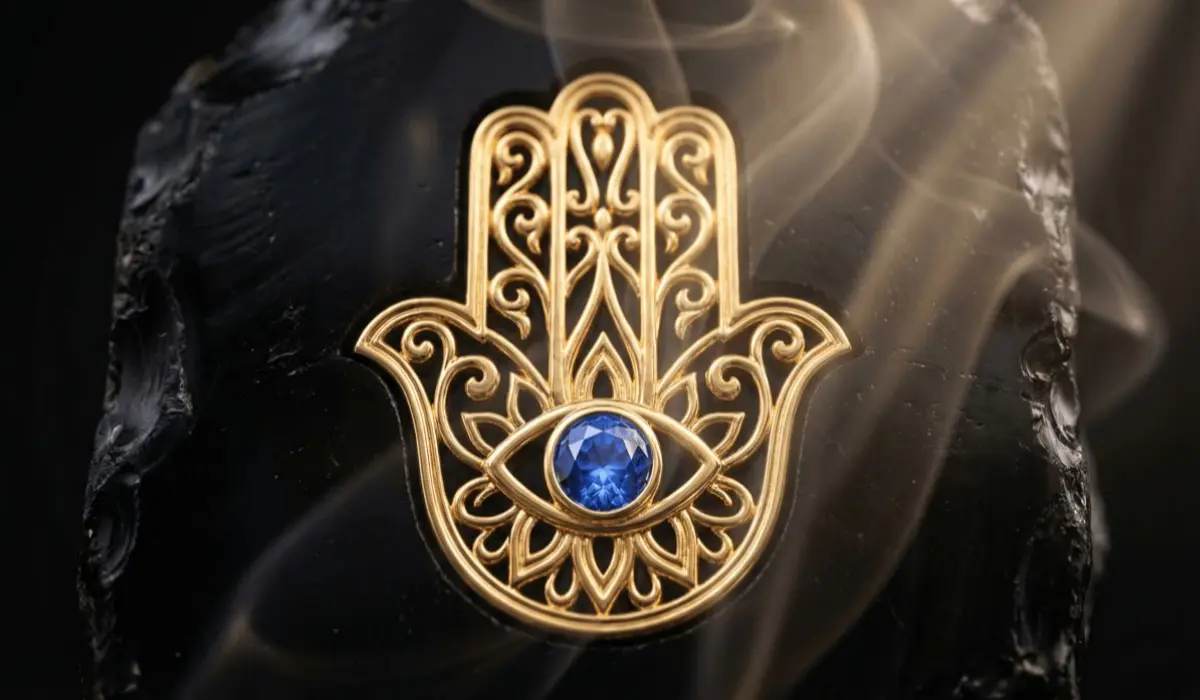
The Hamsa Hand is much more than a beautiful design found in modern jewelry or home decor. We see it as a profound bridge between our physical lives and the celestial realms that watch over us. This ancient symbol acts as a spiritual anchor, helping people feel safe and connected in a world that often feels fast and chaotic. Its lasting popularity shows that we all share a deep hunger for protection, good luck, and a way to push away negative energy. Across many different cultures, the Hamsa speaks a universal language of the soul that transcends time and borders.
Ancient Origins and Sacred Legends: A Journey Through Time
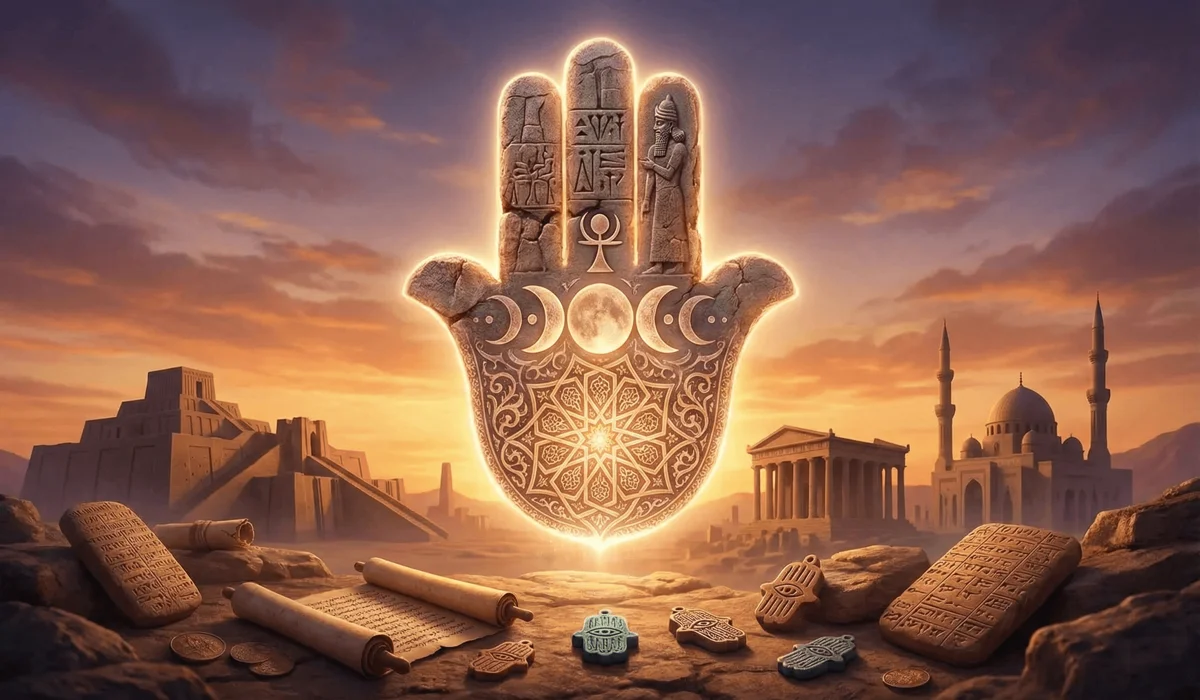
The story of the Hamsa begins thousands of years ago in the cradle of civilization. In ancient Mesopotamia, it was known as the Hand of Ishtar, a powerful tool used to drive away disease and spiritual blockages. The Phoenicians in ancient Carthage also revered this shape as the Hand of Tanit, representing a lunar goddess who watched over her people with a protective gaze. These early versions laid the foundation for the symbol we recognize today as a guardian of the home and the spirit.
In the Islamic tradition, the symbol is affectionately called the Hand of Fatima (Fatima), named after the daughter of the Prophet Muhammad. It represents patience, loyalty, and faith, with its five fingers often linked to the Five Pillars of Islam. Many people in the Sufi tradition use the Hamsa to help channel Baraka (divine blessing) into their daily lives. It serves as a constant reminder of God's presence and the power of a faithful heart to overcome any obstacle.
Jewish history also holds a deep connection to this sacred palm, often calling it the Hand of Miriam (Miriam) after the sister of Moses. In the teachings of the Wikipedia, the Hamsa is a visual way to show the Hebrew letter "Shin," which stands for a divine name of protection. For centuries, Sephardic and Mizrahi families have placed this symbol in their homes to guard against misfortune. It represents the "strong hand" that delivered people from hardship and continues to offer safety to those who carry it.
Hidden Philosophy: Decoding the Sacred Geometry
At its core, the Hamsa functions as a "spiritual filter" for the human energy field. It is designed to let in abundance and light while catching and neutralizing the Ayin Ha’ra (Evil Eye). This concept of Divine Providence suggests that the hand acts as a middleman between Heaven and Earth. By wearing or displaying the Hamsa, we are inviting a higher power to watch over our movements and keep our path clear of envy.
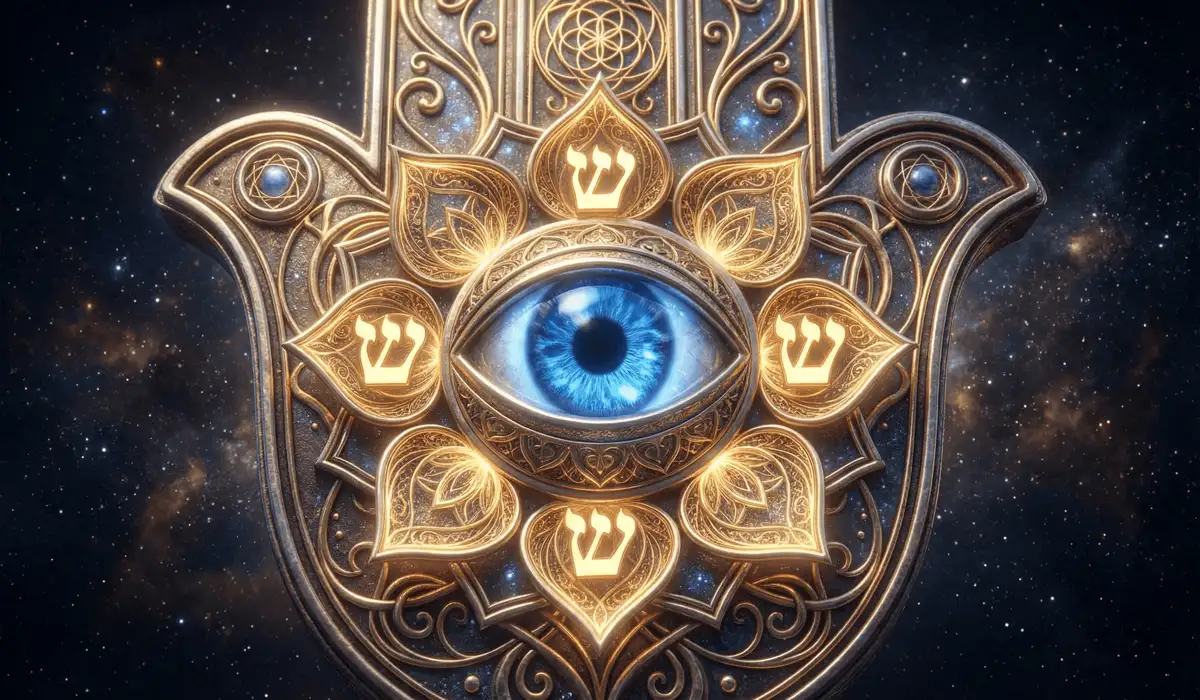
The anatomy of the Hamsa is filled with deep meaning, especially the eye often placed in the center of the palm. This "benign gaze" is meant to look back at any malicious stares from others, effectively canceling out the energy of jealousy. The symmetry of the stylized Hamsa, which usually features two thumbs, represents a state of perfect balance. This sacred geometry reminds us to stay centered and calm, even when the world around us feels polarized or tilted.
The number five, or "Khamsa" in Arabic, holds its own special power in neutralizing curses and bad luck. We find that the five fingers can also represent our five physical senses, which we should use to appreciate the world and stay mindful. In some designs, you will see eight petals or lotus imagery surrounding the eye. This symbolizes the unfolding of spiritual consciousness and the growth of the soul as it moves toward enlightenment.
The Hamsa in Eastern Traditions: Chakras and Elements
While the Hamsa is famous in the Middle East, it also has surprising roots in Hindu and Buddhist practices. In these traditions, the open palm is closely related to the Abhaya (fearlessness) mudra, a hand gesture that dispels fear and gives divine protection. This connection shows how the symbol has always been about making the heart feel safe and strong. It helps us face the world with an open hand rather than a clenched fist.
In Ayurvedic philosophy, each finger of the Hamsa is tied to one of the five elements that make up our universe. This makes the symbol a great tool for balancing Prana (life force) within the body. When we look at the Hamsa, we are reminded of our connection to the physical world and the energies that flow through us.
The elemental breakdown of the fingers often looks like this:
- The thumb represents the Fire element and the Solar Plexus chakra.
- The index finger represents the Air element and the Heart chakra.
- The middle finger represents the ethereal Space element and the Throat chakra.
- The ring finger represents the Earth element and the Root chakra.
- The pinky finger represents the Water element and the Sacral chakra.
By understanding these connections, we can use the Hamsa as a map for our own inner healing and balance.
Warding Off the 'Evil Eye': Neutralizing Modern Envy
In our modern world, the "Evil Eye" has taken on new forms through social media and digital connection. We often feel the weight of "digital envy" when we see the lives of others online, or when we feel judged by people we don't even know. The Hamsa is a perfect tool for 21st-century "energy hygiene." It helps us build a wall against the negative vibes that can travel through our screens and into our mental space.

Wearing a Hamsa necklace acts as a physical reminder to keep our vibration high and our intentions pure. It encourages us to be happy for others while staying protected in our own joy. This is why many people find comfort in keeping Protection Talismans nearby when they are working or navigating busy social environments. It is about creating a safe space for your spirit to thrive without being drained by the external world.
Up vs. Down: Decoding the Spiritual Direction
One of the most common questions we receive is about the orientation of the Hamsa fingers. Both directions are powerful, but they serve slightly different purposes for your energy. Choosing the right direction depends on what you feel you need most in your life right now. As we look toward the energy of the coming years, understanding this distinction becomes even more helpful for your practice.
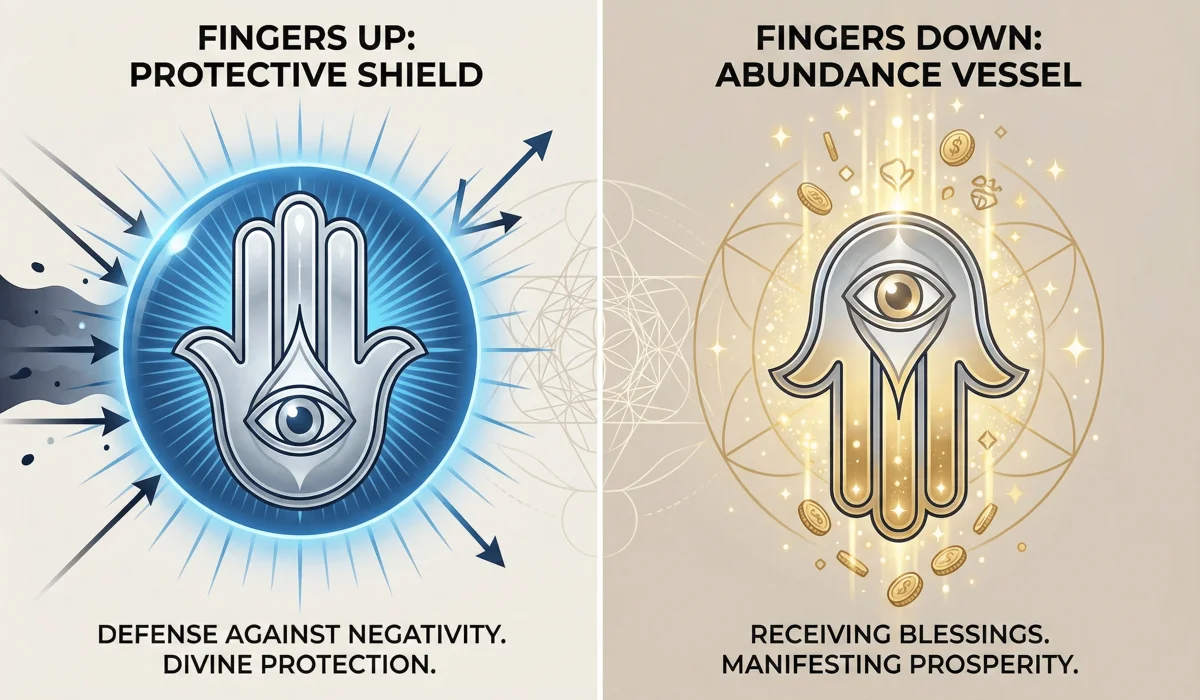
When the fingers point up, the Hamsa is a powerful "stop" sign against negativity. This orientation is best for warding off "energy vampires" and protecting yourself from outside harm. It is a bold gesture of strength that says you are not open to negative influences. Many people choose this style when they are going through a tough time and need a solid shield to stay focused and safe.
When the fingers point down, the Hamsa becomes a receptive vessel, much like a cup. This orientation is focused on welcoming in blessings, fertility, and abundance. It is the perfect choice for manifestation and for those who want to invite more grace into their lives. If you are starting a new project or looking to grow in a specific area, the "fingers down" position helps you stay open to the gifts the universe wants to give you.
Wearing the Talisman: Why Jewelry Matters
There is a big difference between an amulet and a talisman in the world of spiritual symbols. An amulet is usually seen as a passive shield that just sits there and protects you. A talisman, like a Hamsa, is an active tool that you "charge" with your own intentions and prayers. By wearing Hamsa jewelry, you are participating in your own protection and success every single day.
We believe that jewelry serves as a mindfulness anchor that you carry with you everywhere. Every time you catch your reflection or feel the pendant against your skin, it brings your mind back to your goals. It is a way to ground your spiritual beliefs into your physical body. This helps you stay aligned with your highest self even when things get busy or stressful.
If you are interested in how to position symbols in your environment, you might want to Understand Placement Directions to maximize the flow of good energy. Just as we wear jewelry to protect our personal space, we can use symbols to protect our homes. The Hamsa is a versatile guardian that works well in almost any setting where you spend time and energy.
Cultural Evolution: Comparison of Traditions
The Hamsa is a rare symbol that is loved by many different religions and cultures. It proves that despite our differences, we all want the same things: safety for our families and success in our work. In the Levant region, it is often called the "Hand of Mary" by Christians, showing how it bridges the gap between different faiths. This shared history makes the Hamsa a symbol of peace and unity in a world that can often feel divided.
| Tradition | Common Name | Primary Meaning | Key Connection |
|---|---|---|---|
| Islamic | Hand of Fatima | Patience & Loyalty | Five Pillars of Islam |
| Jewish | Hand of Miriam | Divine Deliverance | Five Books of the Torah |
| Buddhist | Abhaya Mudra | Fearlessness | Flow of Prana |
| Ancient Phoenician | Hand of Tanit | Lunar Protection | Fertility and Growth |
This table shows how the "Five" is a constant theme across history. Whether it represents the five books of the Torah or the five senses, the number brings a sense of completeness. The Hamsa reminds us that we are whole and protected when we stay connected to our heritage and our spirituality. It is a symbol that has grown and changed with humanity, yet its core message remains exactly the same.
How to Use the Hamsa Hand for Meditation
You can use the Hamsa as a visual aid to deepen your meditation and mindfulness practice. We recommend holding a Hamsa charm or looking at a Hamsa image while you breathe deeply. This helps to center your thoughts and clear away any "mental clutter" from your day. It is a simple but effective way to recalibrate your energy and feel more grounded.
During your meditation, you can also focus on each finger one by one to balance your elements. This is a great way to check in with your physical and emotional health. If you feel "fiery" or angry, focus on the thumb. If you feel "unsettled" or ungrounded, focus on the ring finger. The Hamsa provides a physical map for your internal journey toward wellness.
Taboos and Ethics: Wearing the Hamsa with Respect
Because the Hamsa is a sacred symbol, it is important to wear it with a sense of respect and understanding. It is not just a fashion accessory; it is a piece of living history. We always encourage people to learn about the Levantine and Semitic roots of the symbol before they bring it into their lives. This honors the cultures that have kept the Hamsa alive for thousands of years.
When it comes to gifting, the Hamsa is a wonderful choice for special occasions. It is traditionally given to new mothers to protect their babies, or to new homeowners to bring peace to their living space. If you know someone starting a new job or a business venture, a Hamsa can be a great way to wish them luck. It is a gift that says, "I want you to be safe, happy, and successful."
If you are looking for ways to protect yourself from specific influences, you might find the Tai Sui Guide helpful for understanding how different energies interact. While the Hamsa is a general protector, combining it with other cultural knowledge can create a more complete spiritual practice. We believe that the more you learn, the more power you can draw from these ancient tools.
Placement for Maximum Protection
Where you put your Hamsa symbol can change the way it interacts with your space. In the practice of Feng Shui, symbols are used to direct the flow of energy in a room. We suggest hanging a Hamsa near the main entrance of your home to greet guests with a protective vibe. This "screens" the energy coming into your house and keeps the atmosphere positive for everyone inside.
In a home office, placing a Hamsa on your desk can help you stay productive and focused. It acts as a shield against the "evil eye" of competition or the stress of a heavy workload. If you find yourself spending a lot of time on social media, having a Hamsa nearby can help you stay detached from digital negativity. It reminds you to stay in your own lane and focus on your own growth.
The Hamsa is also a great addition to a bedroom to promote peaceful sleep. It can be placed on a nightstand or hung on a wall to create a sanctuary where you feel completely safe. By intentionally placing these symbols, you are telling the universe that your home is a place of light and protection. It is a simple way to take control of the "vibe" in your personal environment.
Rituals and Practice: Activating Your Hamsa
When you get a new piece of Hamsa jewelry or decor, it is a good idea to "activate" it with your own energy. This clears any lingering vibrations and makes the symbol uniquely yours. You don't need fancy tools to do this; your intention is the most powerful part of the process. We suggest doing this during a quiet moment when you can really focus on what you want the symbol to do for you.
- Cleanse your Hamsa by letting it sit in the moonlight overnight or using a gentle incense like sage.
- Hold the symbol in your hands and take three deep, grounding breaths.
- State your intention clearly, such as "I am protected from all harm" or "I welcome abundance and joy."
- Visualize a soft blue or golden light surrounding the symbol, locking in your words.
This simple ritual helps you build a personal connection with your talisman. You can repeat this cleansing process whenever you feel like your energy has been heavy or if you have gone through a stressful time. It is a way to "reset" your spiritual shield and keep it working at its best. Taking care of your Hamsa shows that you value the protection it provides.
Q: What is the deeper metaphysical meaning of the Hamsa Hand?
A: The Hamsa Hand serves as a metaphysical filter that mediates between the spiritual and physical worlds. It is designed to block negative intentions like the Evil Eye while simultaneously acting as a conduit for divine blessings, luck, and health to flow into your life. It represents the concept of Divine Providence, suggesting that a higher power is constantly watching over and guiding you.
Q: Hamsa hand up vs down: which orientation do I need for 2026 energy?
A: If you feel you need to establish boundaries and protect yourself from external negativity or energy vampires, the "fingers up" orientation is best as it acts as a protective shield. If your goal is manifestation, fertility, or welcoming new opportunities and abundance, choose the "fingers down" orientation. Many people find that the receptive energy of the downward hand is particularly helpful during years of transition and growth.
Q: How to activate and cleanse your Hamsa jewelry for the first time?
A: To activate your Hamsa, first cleanse it by placing it in the light of a full moon or passing it through the smoke of a natural incense. Once cleansed, hold it in your dominant hand and close your eyes. Speak your intention for protection or luck out loud or in your mind, and visualize a bright light charging the symbol. This creates a personal bond between you and the talisman, making it an active tool for your spiritual wellbeing.
Q: Is it culturally respectful for non-religious people to wear a Hamsa?
A: Yes, it is generally considered respectful as long as you wear it with awareness and respect for its history. The Hamsa is a universal symbol that predates many modern religions and has roots in ancient Mesopotamian and Phoenician cultures. By learning about its meaning as a "Hand of God" and its role in Middle Eastern heritage, you honor the tradition rather than just using it as a fashion trend.
Q: Can you wear the Hamsa and the Evil Eye together for amplified protection?
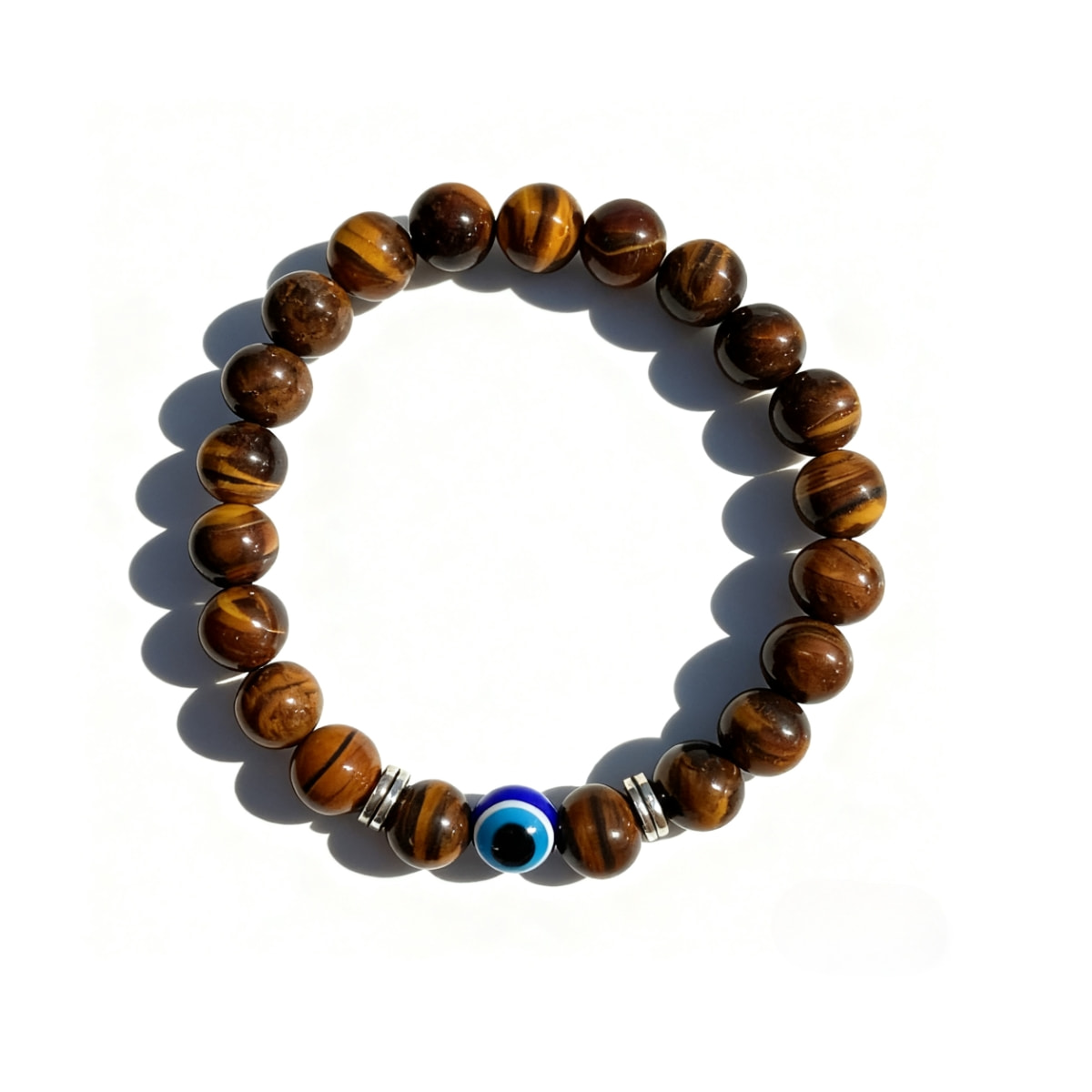
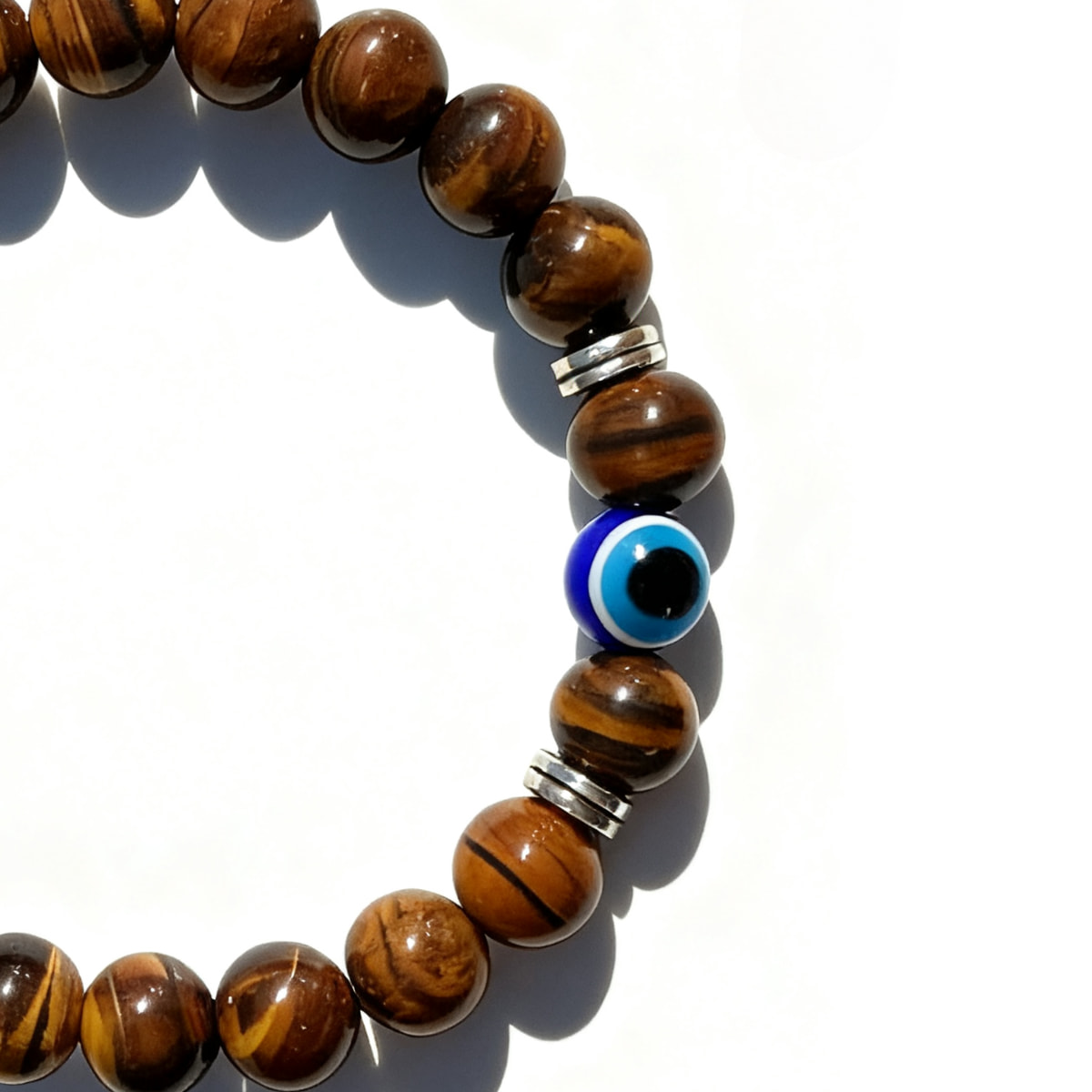
A: Absolutely, these two symbols are frequently used together and create a powerful synergy. The Evil Eye (Nazar) is specifically designed to reflect and neutralize a malicious stare, while the Hamsa provides a broader shield of divine protection and brings in positive blessings. Together, they offer a complete system of "spiritual defense" that both guards you and empowers your personal energy.
Conclusion: Integrating the Wisdom of the Hamsa Hand
The Hamsa Hand is a timeless reminder of our resilience and our eternal connection to a protective force. Whether you view it through the lens of history, religion, or modern energy work, its message is clear: you are not alone, and you are worthy of safety and joy. By bringing this symbol into your life, you are choosing to walk a path of mindfulness and strength. We hope the wisdom of the Hamsa helps you feel shielded from the shadows of envy and open to the many blessings the universe has in store for you.
As you move forward, remember that the most powerful protection comes from within your own heart and mind. The Hamsa is a beautiful tool to help you access that inner power and stay focused on your light. May your hand always be open to give and receive, and may your spirit remain bright. We invite you to explore the many ways this ancient palm can support your journey toward a more balanced and harmonious life.

Longyi Luck
Longyi Luck is a Feng Shui practitioner and spiritual researcher who blends traditional year-based wisdom with modern lifestyle insights, specializing inFeng Shui, spirituality, meditation, and mindfulness. With years of dedicated study and practice, Longyi explores cultural symbolism and the practical application of ancient wisdom to help individuals cultivate balance, clarity, and harmony in everyday life. Since 2020, Longyi has been committed to translating timeless traditions into accessible guidance for the modern world.
longyi@auraandluck.com


.webp?w=800&h=800)
.webp?w=800&h=800)