
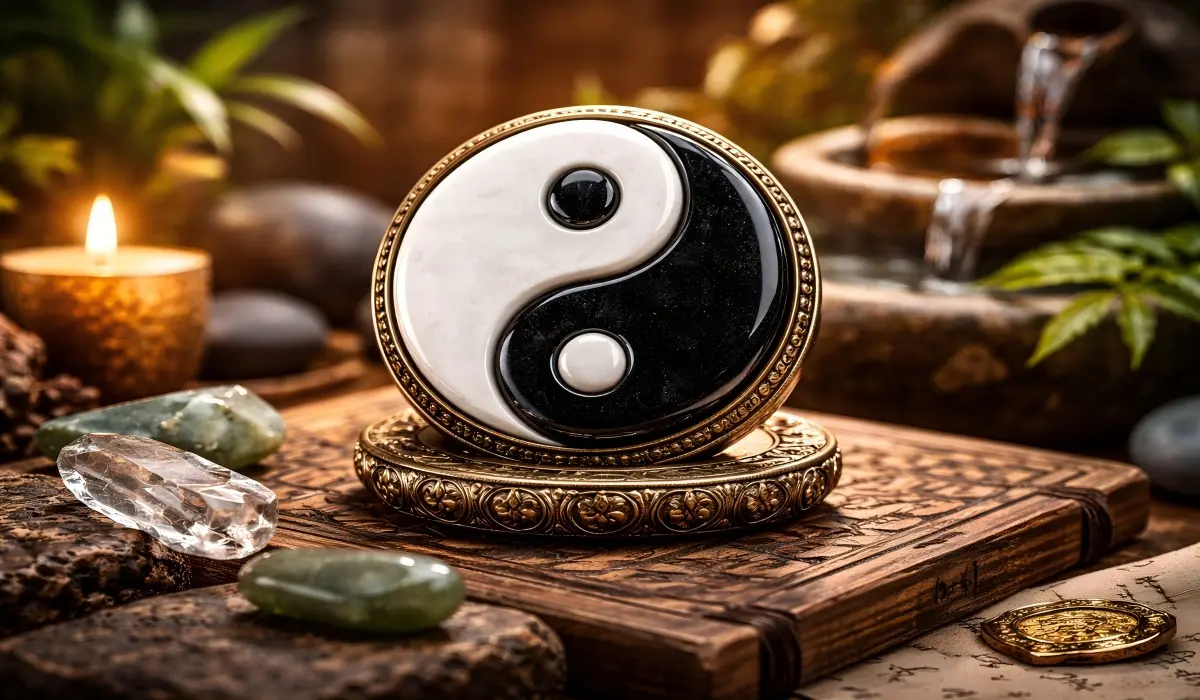
We often think of our homes as just four walls and a roof, but in Ancient Chinese Cosmology, a house is a living vessel for energy. The Taiji (太极) symbol , often called the Yin Yang, is the ultimate map for understanding how this energy flows through your rooms and your life. At Aura & Luck, we believe that your living space is a mirror of your inner world, and by adjusting one, you inevitably transform the other.
Beyond the Aesthetic: Why the Taiji Symbol Resonates with the Soul?
The Taiji symbol is much more than a simple black-and-white graphic found on posters or t-shirts. It is a visual heartbeat of the universe, showing the constant dance between stillness and action, or shadow and light. For thousands of years, people have looked to this shape because it mirrors the dual nature of being human—our constant search for calm inside a world that often feels like chaos.
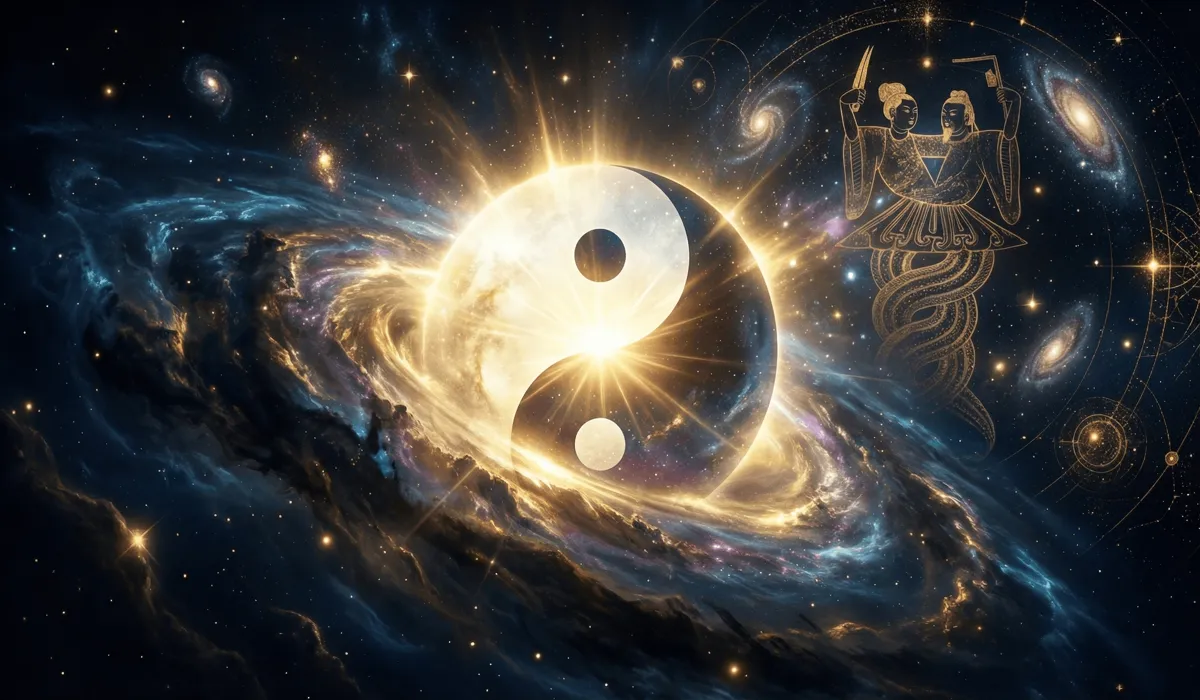
In the digital age of 2026, finding this balance is harder than ever because we are always "on" and connected. The symbol reminds us that we cannot have the sun without the moon, and we cannot have productive Yang (阳) energy without the restful Yin (阴) energy to back it up. Understanding this Cosmic balance is the first step toward building a home that actually feeds your spirit instead of draining it.
By looking at the curves of the symbol, we see that life is never a straight line but a series of waves. This Geometry of life helps us accept that low moments are just the seeds for future highs. This is the foundation of World of Feng Shui practices that help people navigate their daily lives with more grace and less stress.
Ancient Origins and Sacred Legends: The Birth of Balance
To truly use Feng Shui, we must look back to where it all began in Taoism. The Taiji symbol did not just appear; it emerged from the Wuji (无极), which is the primordial void or a state of total nothingness. It represents the very first movement of the universe, where the dance of the sun and moon created the rhythm of time and the changing of the four seasons.
There is a beautiful legend about Fuxi (伏羲) and Nüwa (女娲), the divine creators often shown with serpent bodies twisted together. Their union is said to have restored order to a broken universe by aligning the masculine and feminine forces perfectly. This story teaches us that Duality and unity are not separate things, but two sides of the same coin that hold the world together.
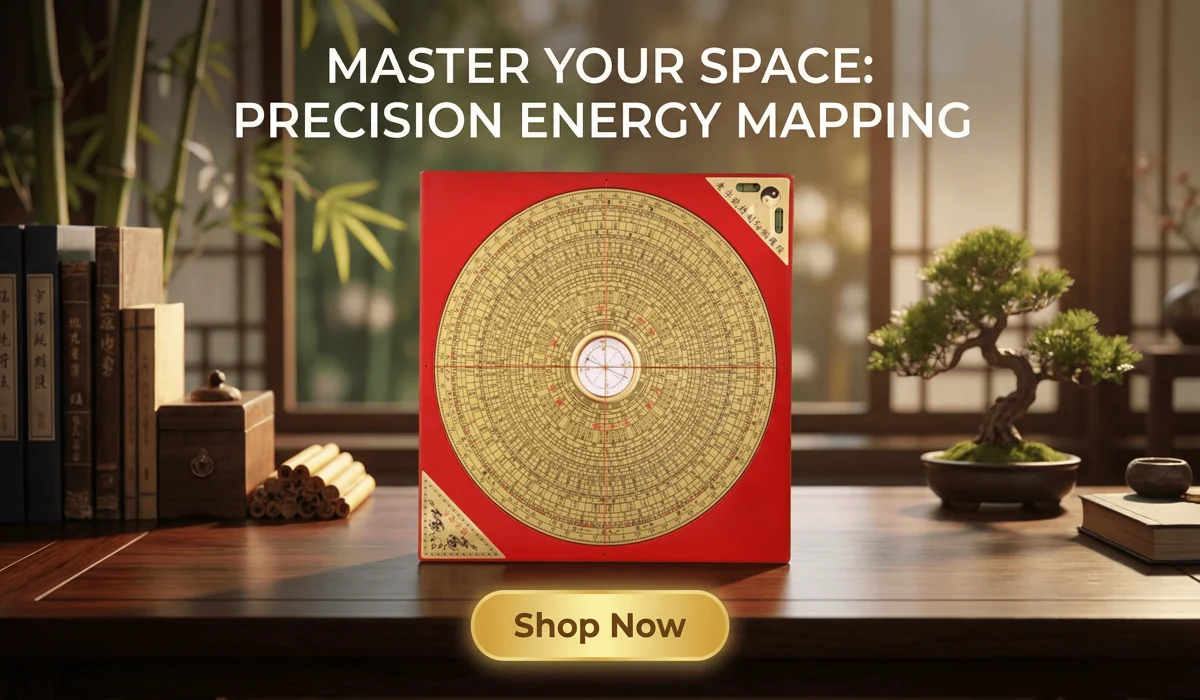
Historically, these concepts were used for "Internal Alchemy," a practice to help people align their personal Qi (气) energy flow with the stars. Masters used a Luo Pan(罗盘) to map out these energies on the earth. You can see how these tools look in a modern setting below:
The Hidden Philosophy: Decoding the Geometry of the Taiji
The Taiji symbol is a masterclass in Sacred geometry because every line has a deep meaning. The 'S' curve in the middle is not just for looks; it represents the "Flow of Tao," which tells us that change is the only thing we can count on. It suggests that if energy stops moving, it becomes stagnant and unhealthy, much like water in a pond that doesn't flow.
Then there are the dots, or the "eyes" of the symbol, which are vital for Emotional regulation. The white dot in the black section and the black dot in the white section prove that nothing is ever purely one thing. Every shadow has a spark of light, and every joy has a touch of quietness, which keeps us humble and hopeful during life's many changes.
The Power of the Circle
The outer circle acts as a Cosmic Egg, a boundary that holds all the energy inside. It serves as a Spiritual grounding tool, reminding us that we are whole exactly as we are, containing both our strengths and our flaws. This circle is also a form of Metaphysical protection, acting as a shield for our inner peace against the noise of the outside world.
Understanding the Seed of Change
In Ancient Chinese Cosmology, the dots represent the moment when one force reaches its peak and begins to turn into its opposite. When the sun is at its highest point at noon, the seed of evening is already born. This is why Dynamic equilibrium is so important; it teaches us to prepare for rest while we are active and to look for inspiration while we are still.
The Flow of Qi
The way energy moves through your home follows this same curved path. If your furniture is lined up in harsh, straight rows, the Qi energy flow becomes too fast and "piercing," which is known as Sha Chi (煞气). By using the Taiji symbol as a guide, we learn to create soft curves and pathways that allow energy to meander and nourish every corner of the room.
Feng Shui 101: Mapping the Yin-Yang Balance in Your Home
Applying these rules to your house starts with identifying which areas are Yin and which are Yang. Yang energy is bright, loud, and active, making it perfect for your kitchen, front door, or living room. Yin energy is dark, quiet, and cool, which is exactly what you need in a bedroom or a meditation corner to ensure Interior harmony.
A common mistake is having too much of one energy in the wrong place. For example, a bedroom with bright red walls and a television is too Yang, which can lead to bad sleep and Digital burnout. Conversely, a home office that is too dark and cluttered is too Yin, making it hard to focus or feel motivated about your work.
We can use a Bagua map (八卦) to see how different parts of the home relate to different parts of our lives. Balancing these sectors often requires simple shifts in color, light, or furniture placement. Here is a quick guide to common household items and their energy types:
| Element/Area | Energy Type | Symbolic Meaning | Best Use in Home |
|---|---|---|---|
| Sunlight & Lamps | Yang | Vitality and Growth | Living Room & Office |
| Water Features | Yin/Yang Mix | Wealth and Movement | Near the Entryway |
| Soft Pillrooms/Rugs | Yin | Rest and Recovery | Bedrooms & Nooks |
| Large Mirrors | Yang | Expansion and Clarity | Dining Rooms |
| Plants | Yang | Life Force and Healing | East/Southeast Corners |
To get the best results, many people use a Fire Horse Guide to see how the current year's energy affects their specific space. This helps in choosing the right Five Elements theory (五行) colors to balance out the annual shifts in luck and energy.
The Modern Alchemist: Using Balance to Combat Digital Overload
In 2026, our biggest challenge is the Energetic Drain caused by smartphones and constant notifications. This is a very "hot" or Yang energy that never stops. To fix this, we need to intentionally bring Yin back into our daily routines. This isn't just about turning off your phone; it's about creating a "sacred pause" in your day to reset your Bio-energetic field.
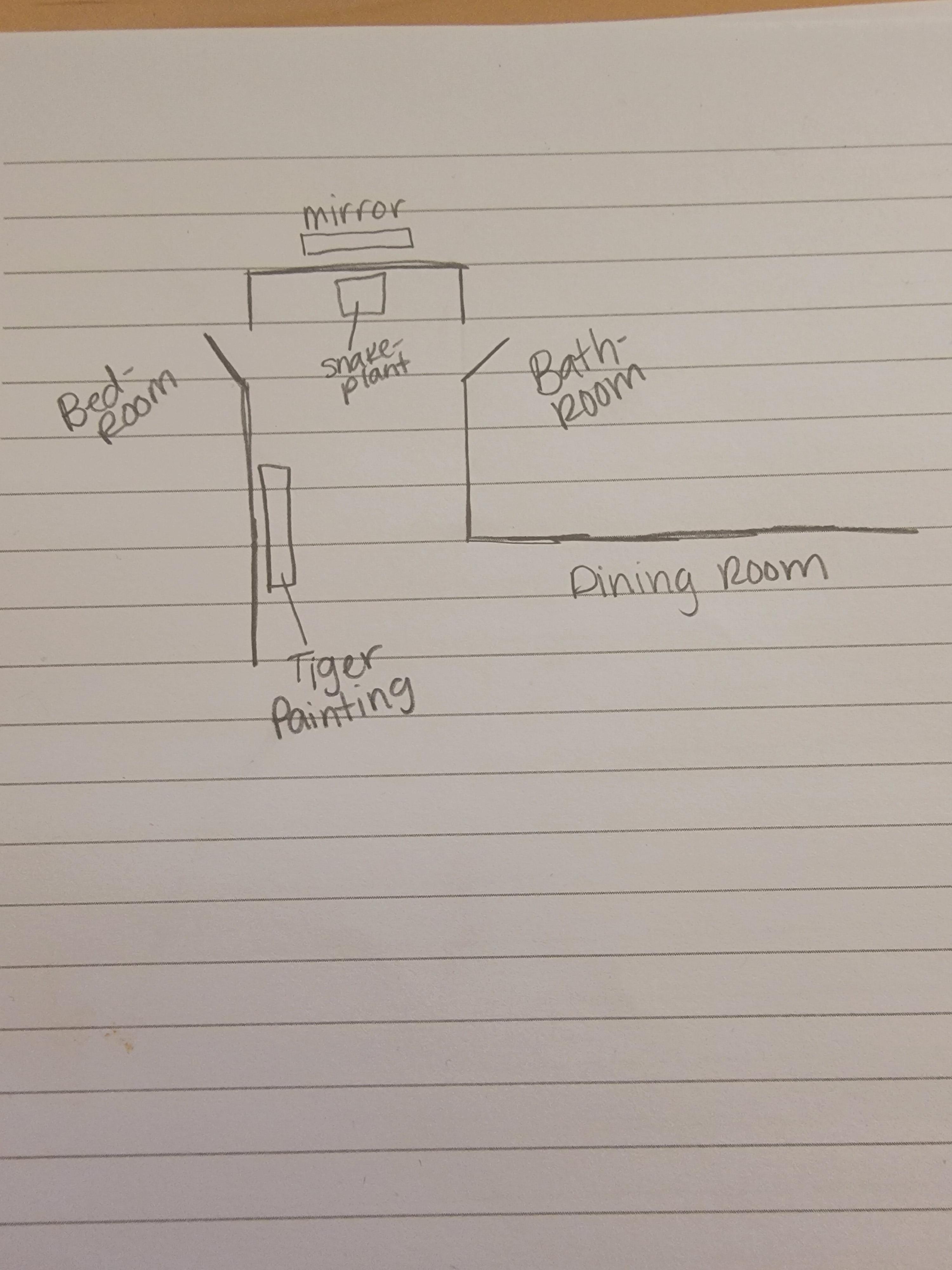
On Reddit, users in the r/FengShui community often discuss how small layout changes help with this mental load. For instance, user u/gemini_cat90 mentioned their struggles with a small apartment layout:
<"So, I am a beginner with Feng Shui and live in a small west facing apartment. To start my journey, I chose to work on my bathroom, the area outside of it, and going eventually into my bedroom next... the bathroom door is directly across from the bedroom door.">
*sources:[Help with beginner Feng Shui](https://reddit.com/r/FengShui/comments/1rl0px3/help_with_beginner_feng_shui/)*
This shows that even in small spaces, the goal is to prevent energy from rushing straight through. Using a mirror or a plant can help slow down the Qi energy flow, making the space feel more grounded. When we balance the physical space, our Mindful living practices become much easier to maintain.
 *sources:[Reddit - u/gemini_cat90 - Help with beginner Feng Shui](https://reddit.com/r/FengShui/comments/1rl0px3/help_with_beginner_feng_shui/)*
This image helps us see how a Mindful Anchor like a mirror can redirect energy. It prevents the active energy of the hallway from crashing into the quiet energy of the bedroom, which is a key part of Interior harmony.
Why Wear a Yin Yang Necklace? The Power of Sacred Geometry
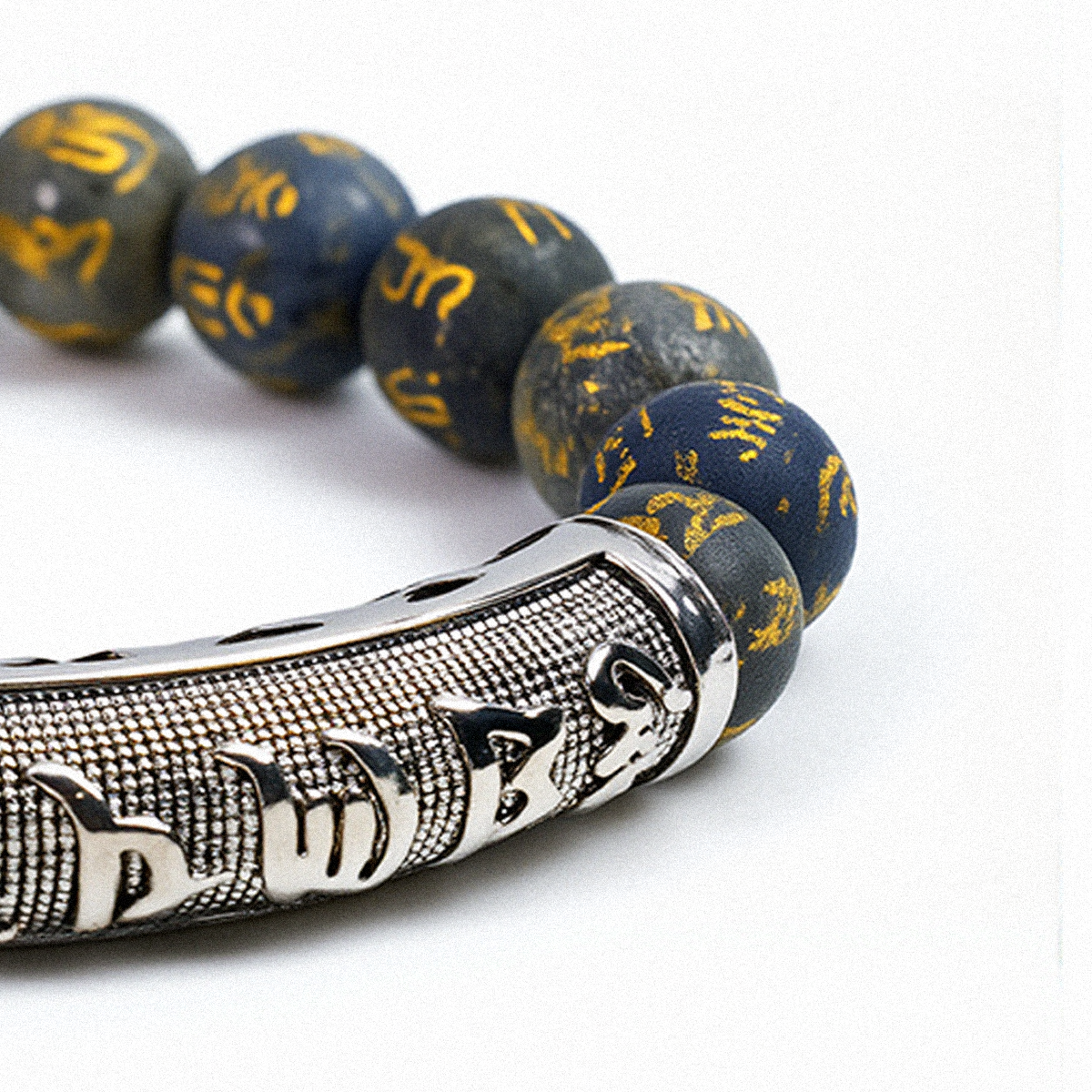
Your home is your primary sanctuary, but your body is your secondary one. Wearing Talismanic jewelry featuring the Taiji symbol acts as a portable Energy shielding tool. It helps you stay centered when you step out into the "noisy" world of work and travel. Think of it as a Metaphysical protection device that regulates your Harmonious frequency throughout the day.
Many people find that touching their pendant during a stressful meeting acts as a Mindful Anchor. It brings your focus back to the present moment and reminds you that the current stress is only temporary. This is a practical way to use Holistic wellness techniques without needing to sit down for a full meditation session.
We have seen a rise in the use of these symbols to fight Sha Chi in modern offices. A necklace can help maintain your Vibrational alignment even when surrounded by electronic equipment and high-pressure environments. You can see how these pieces fit into a modern lifestyle here:
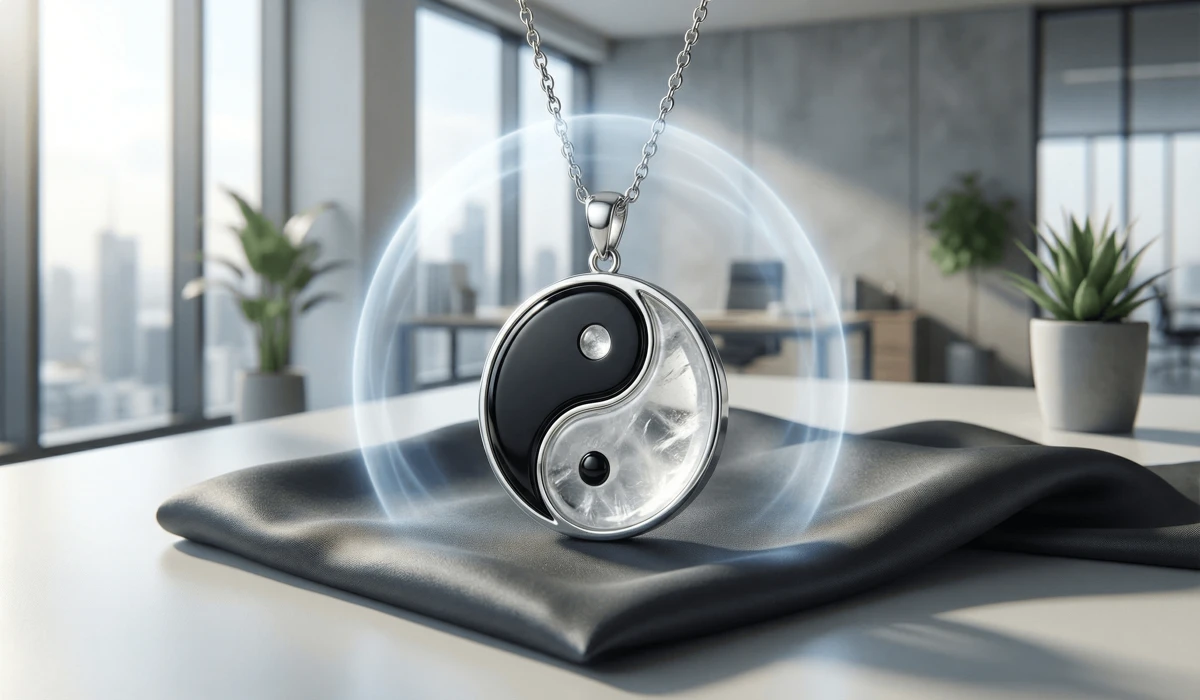
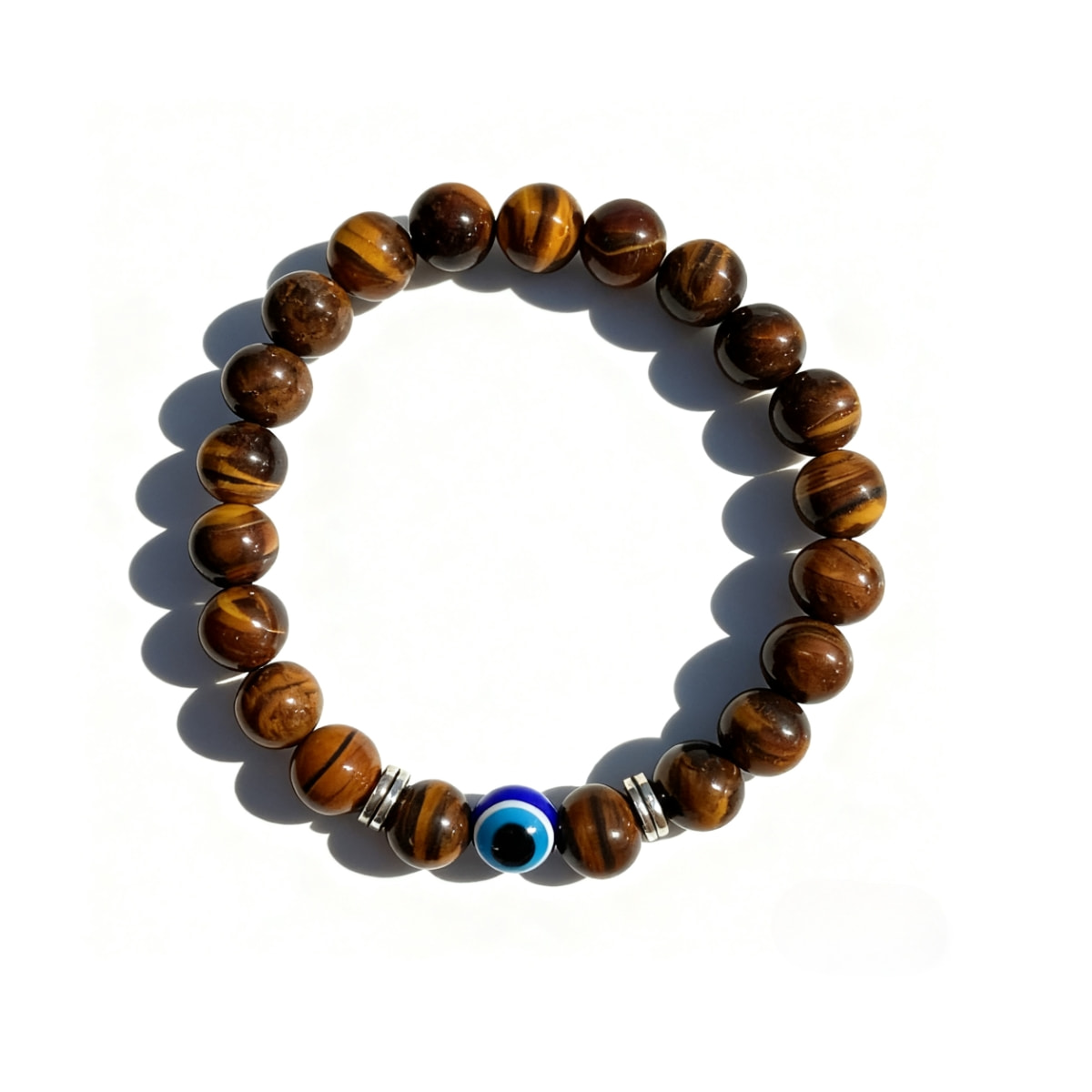
When choosing a piece, consider the materials. Combining the Taiji symbol with specific stones can double the benefits. For example, Black Obsidian is great for Yin and protection, while Clear Quartz boosts Yang and mental clarity. This combination creates a Harmonious frequency that helps you stay balanced no matter what the day throws at you.
Rituals for Realignment: Meditating with the Taiji Symbol
You don't need a lot of time to start using Feng Shui principles in your spiritual life. Simple rituals can help you clear mental clutter and achieve Spiritual grounding. One of our favorite methods is the Ming Tang (明堂) or "Bright Hall" visualization. This involves picturing a glowing Taiji symbol in the space right in front of your forehead to clear away confusing thoughts.
Another powerful ritual is "Wu Wei" (无为) breathwork. This translates to "effortless action." As you breathe in, imagine you are gathering cooling Yin energy from the earth. As you breathe out, imagine you are releasing bright Yang energy into the world. This simple cycle mimics the Cosmic balance of the universe and helps lower your heart rate.
- 🌸 Morning Intention: Hold your Yin Yang pendant and set one goal for the day that balances work (Yang) with self-care (Yin).
- 🌸 Commanding Position: Ensure your desk or bed allows you to see the door without being directly in line with it to feel secure.
- 🌸 Five Element Scan: Check if your room has all five elements (Wood, Fire, Earth, Metal, Water) to ensure a complete energy cycle.
- 🌸 Digital Sunset: Turn off all screens 30 minutes before bed to allow your Yin energy to rise for a deep sleep.
These small steps help you move away from a life of constant reaction and toward a life of Dynamic equilibrium. By being intentional, you become the master of your own space and energy.
Placement Mastery: Where to Position Symbols for Maximum Qi?
Where you put your symbols matters just as much as the symbols themselves. In the Feng Shui Society (UK) guidelines, it is often noted that the Commanding position is the most important spot in any room. This is the place where you feel most powerful and protected, usually diagonal from the entrance.
Placing a Taiji symbol in your office can help balance the "doing" with the "thinking." It keeps you from becoming a workaholic by reminding you that rest is part of the process. However, there are rules of respect you must follow. Never place these sacred symbols on the floor or in a bathroom, as these are seen as areas of "waste" and can disrespect the Taoist philosophy.
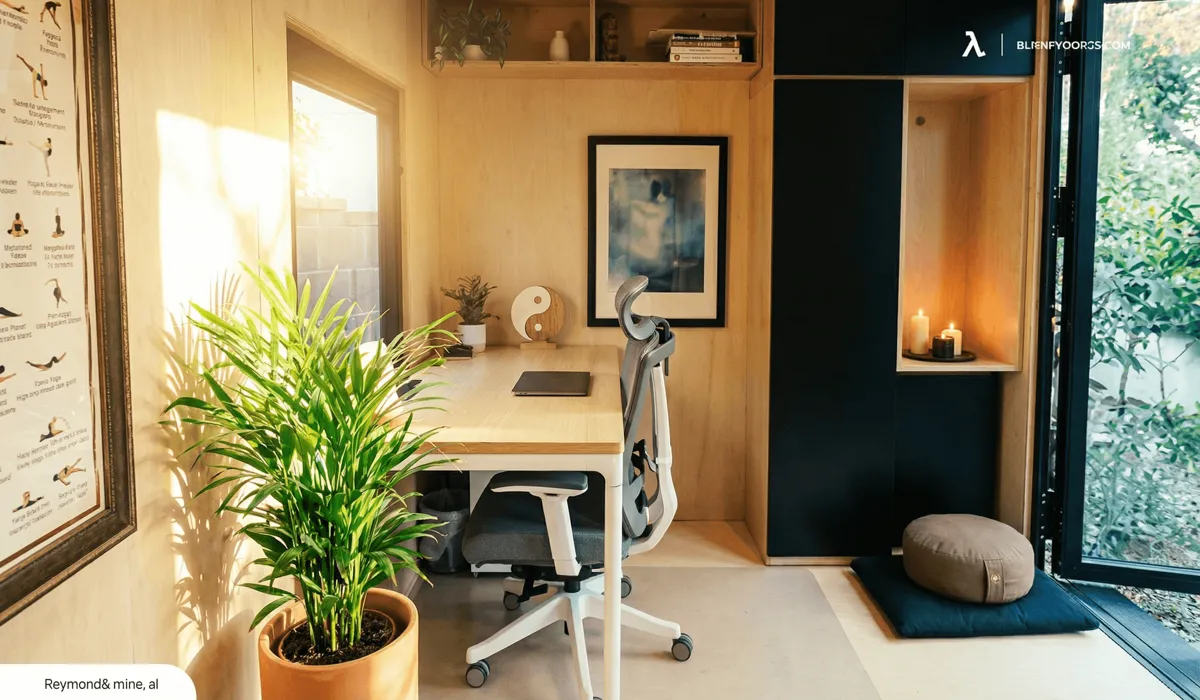
When you are looking to fix a "cramped" feeling in a room, you can follow advice from community experts. For instance, u/victoribarbo on Reddit shared a common problem with room layouts:
<"My room has been feeling cramped for space recently so I’ve been looking to rearrange it. My room is quite small and do I want to follow Feng shui principles but I know it’s hard with the sizing...">
*sources:[Advice rearranging room](https://reddit.com/r/interiordecorating/comments/1s5sp8t/advice_rearranging_room/)*
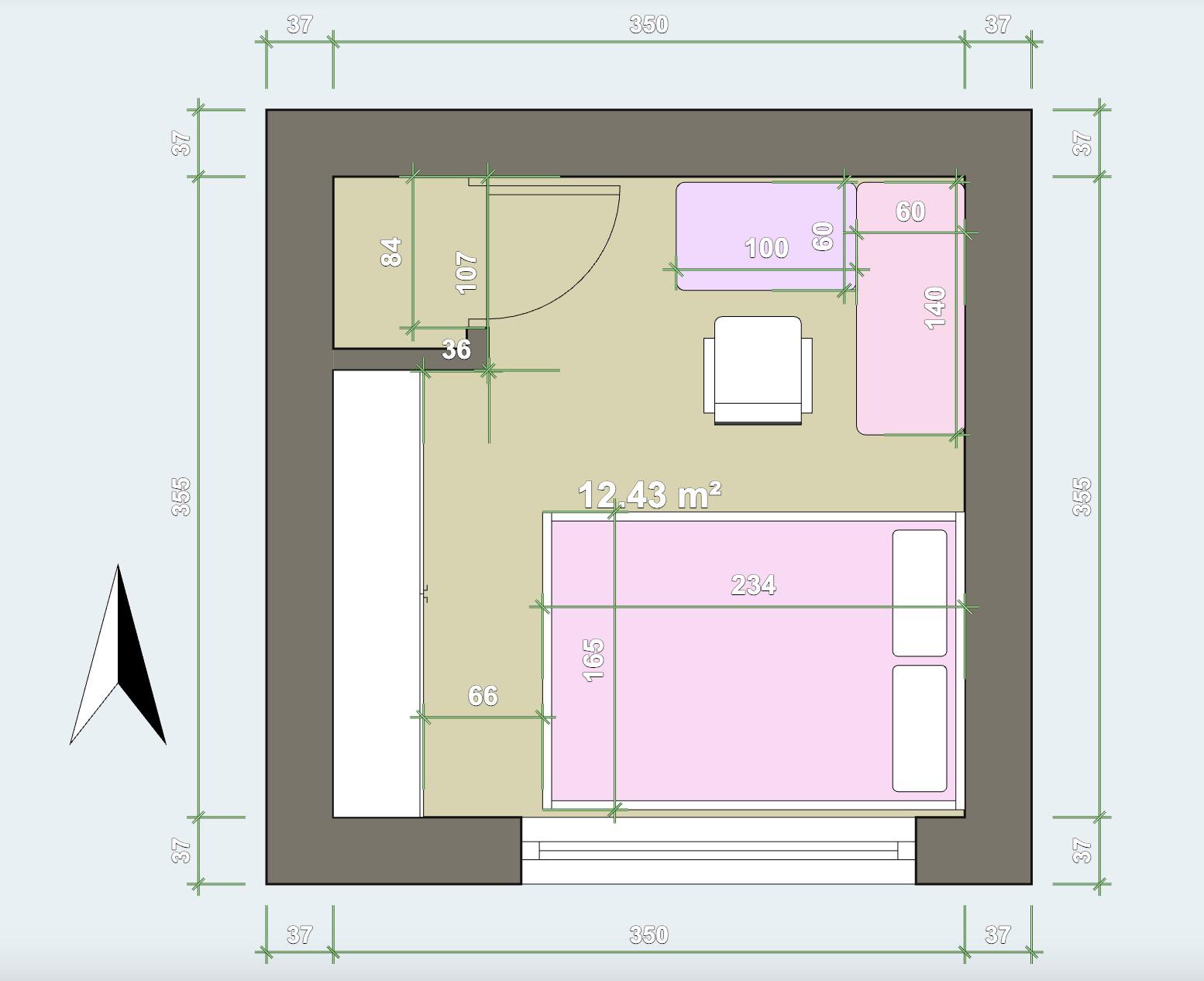
In these cases, using the Taiji symbol to find the balance between empty space (Yin) and furniture (Yang) is key. Don't feel you have to fill every corner; let the Qi energy flow breathe.
 *sources:[Reddit - u/victoribarbo - Advice rearranging room](https://reddit.com/r/interiordecorating/comments/1s5sp8t/advice_rearranging_room/)*
This floor plan shows how we must be careful with where we place large objects. If the bed is too close to the door, the Yang energy of the hallway will disturb your sleep. Moving it to the Commanding position creates a better Vibrational alignment for rest.
Taboos and Respectful Usage: Honoring the Taoist Tradition
Using the Taiji symbol is a privilege that comes with a responsibility to understand its roots in Ancient Chinese Cosmology. It is not just a "Zen aesthetic" for your home; it is a sacred tool. One major taboo is wearing or using the symbol purely as a fashion statement without knowing its meaning. The effectiveness of any Talismanic jewelry is tied to the wearer's conscious respect for its history.
Another important point is the orientation of the symbol. In traditional settings, the Yang (white) side usually faces upward or toward the light. This represents the natural growth of life and the rising of the sun. Keeping your symbols clean and well-lit also ensures that the Qi energy flow around them remains fresh and positive.
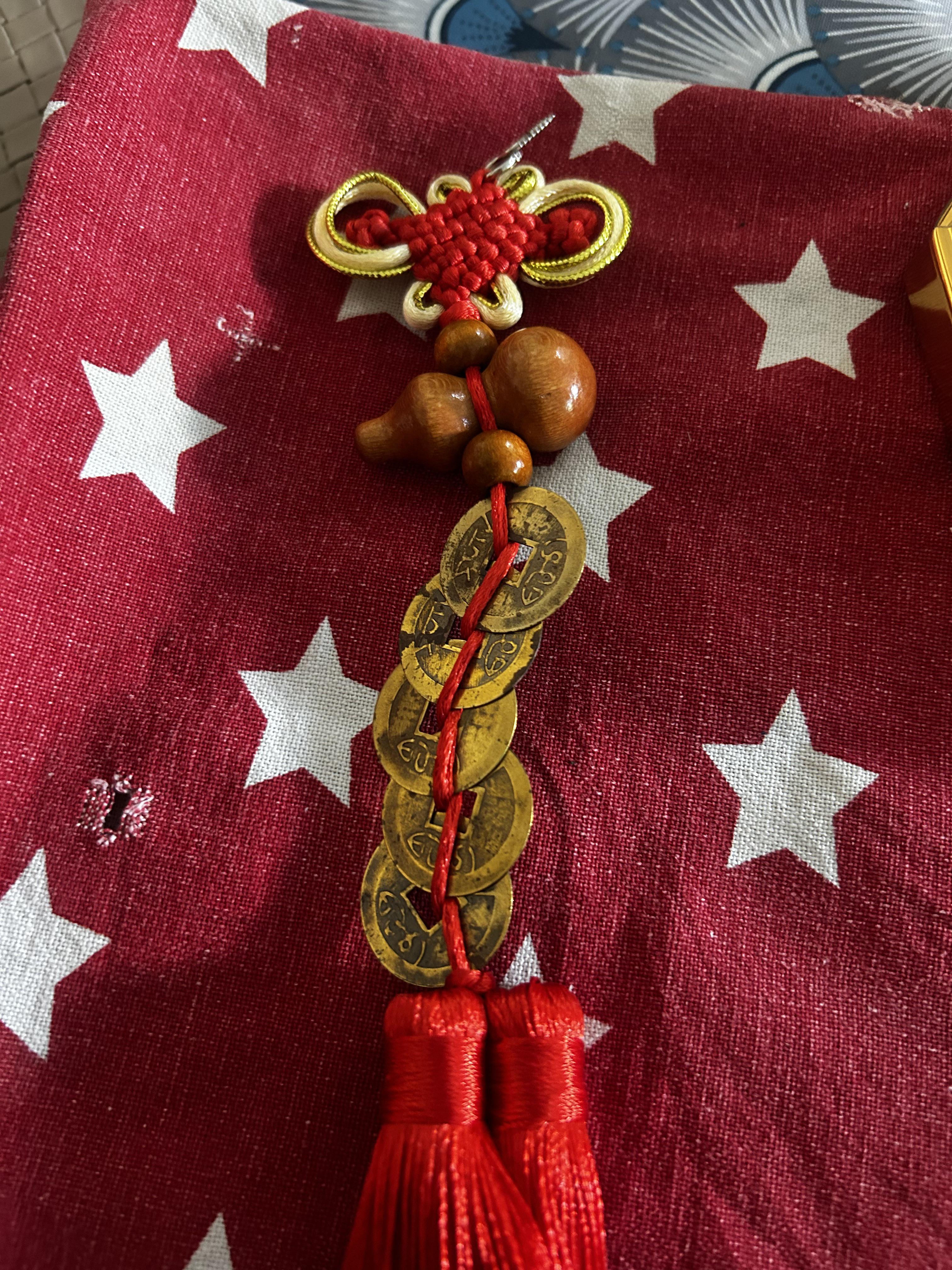
If you have recently acquired a charm and aren't sure what to do, you aren't alone. Reddit user u/RemoteRookie asked for help with a new item:
<"I got this for free, where can I place this? Hello to Feng Shui experts in this sub! I need help regarding this charm, I’m not sure where I can place it, I know I can’t just place it anywhere...">
*sources:[I got this for free, where can I place this?](https://reddit.com/r/FengShui/comments/1s44hui/i_got_this_for_free_where_can_i_place_this/)*
The best advice is to treat the item with intention. If it is a protective charm, place it near the entrance or in a Commanding position. If it is for wealth, place it in the Southeast area of your home. Always ensure it is at eye level or higher to show respect for the Taoist philosophy it represents.
 *sources:[Reddit - u/RemoteRookie - I got this for free, where can I place this?](https://reddit.com/r/FengShui/comments/1s44hui/i_got_this_for_free_where_can_i_place_this/)*
FAQ: Navigating the Energy of the Taiji
Q: What is the deeper spiritual meaning of the Yin Yang symbol in 2026's digital age?
A: It represents the essential need for "Analog Stillness" in a digital world. It reminds us that our bio-fields require periods of inactivity to prevent soul-exhaustion from constant connectivity.
Q: Why is the Taiji symbol considered a master talisman for emotional stability?
A: Because it teaches the psyche that "this too shall pass." Knowing that highs will lead to lows and vice versa creates a grounded perspective that prevents emotional volatility.
Q: What is the difference between active (Yang) and passive (Yin) energy in home offices?
A: Yang energy is found in bright light, upright chairs, and focused tasks. Yin energy comes from soft rugs, hidden storage, and moments of quiet contemplation. Balance between them prevents burnout.
Q: How does wearing a Yin Yang necklace influence the wearer's personal bio-field?
A: It acts as a frequency regulator. By wearing the symbol, you smooth out chaotic energy spikes and create a "Harmonious Frequency" that others can subconsciously sense and respond to.
Q: How can I use Yin Yang jewelry to manifest professional and personal harmony?
A: You can set an intention upon the symbol each morning. The jewelry then becomes a "Metaphysical Compass" that guides your daily decisions toward the "Middle Way" of the Tao.
Conclusion: Integrating the Wisdom of the Taiji
The Taiji symbol teaches us that we do not need to fight the shadows in our lives. Instead, we simply need to find the light within them and keep moving. By balancing Yin and Yang in your home and on your body, you create a life that feels less like a struggle and more like a graceful dance.
We hope this guide helps you find your own Dynamic equilibrium. Whether you are rearranging your furniture or choosing a new piece of jewelry, remember that every small change is a step toward a more balanced you. You can start your journey by checking out some Tai Sui Amulets to protect your energy throughout the year.
May you move with the grace of the sun and the moon. If you are looking for a personal anchor to keep you centered, we invite you to look through our Spiritual Necklace Collection to find the piece that speaks to your soul.

Longyi Luck
Longyi Luck is a Feng Shui practitioner and spiritual researcher who blends traditional year-based wisdom with modern lifestyle insights, specializing inFeng Shui, spirituality, meditation, and mindfulness. With years of dedicated study and practice, Longyi explores cultural symbolism and the practical application of ancient wisdom to help individuals cultivate balance, clarity, and harmony in everyday life. Since 2020, Longyi has been committed to translating timeless traditions into accessible guidance for the modern world.
longyi@auraandluck.com
.webp?w=800&h=800)
.webp?w=800&h=800)