
Real vs. Fake Sandalwood: How to Identify Authentic Wood is a vital skill for anyone who values the deep spiritual and aromatic power of this sacred tree. We know that the market is often filled with synthetic imitations that lack the true essence of Santalum album. In this guide, we will share our expert tips on how to spot the difference using simple home tests and sensory clues.
- Authentic sandalwood has a creamy, persistent scent that grows stronger with warmth.
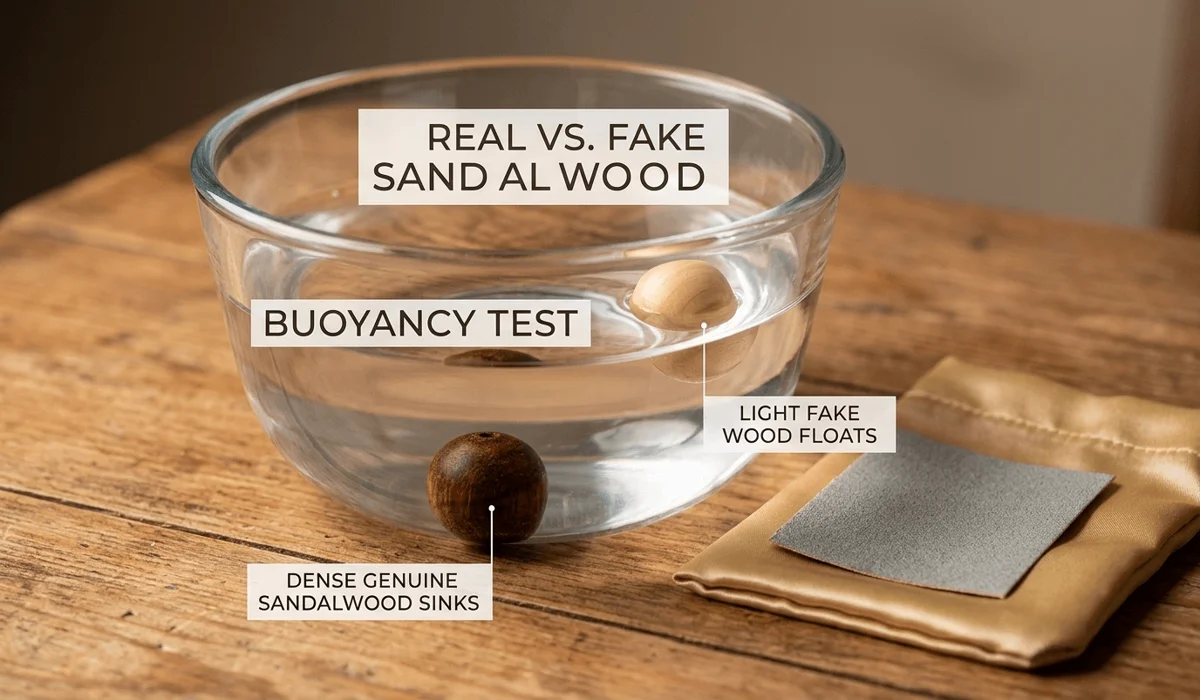
- Genuine heartwood is dense and will typically sink in water during a buoyancy test.
- The wood grain should be fine, straight, and free of artificial dye or heavy knots.
- Real sandalwood provides grounding energy and connects deeply with the Root Chakra.
What Is Real vs. Fake Sandalwood: How to Identify Authentic Wood?
Authentic sandalwood is the fragrant heartwood of trees belonging to the Santalum genus, most notably the Indian Sandalwood variety. According to our experience sourcing these materials, the most prized version comes from Mysore, known for its high oil content. These trees are hemiparasitic, meaning they rely on host plants to grow over several decades before they are ready for harvest.
Origin and Natural Materials
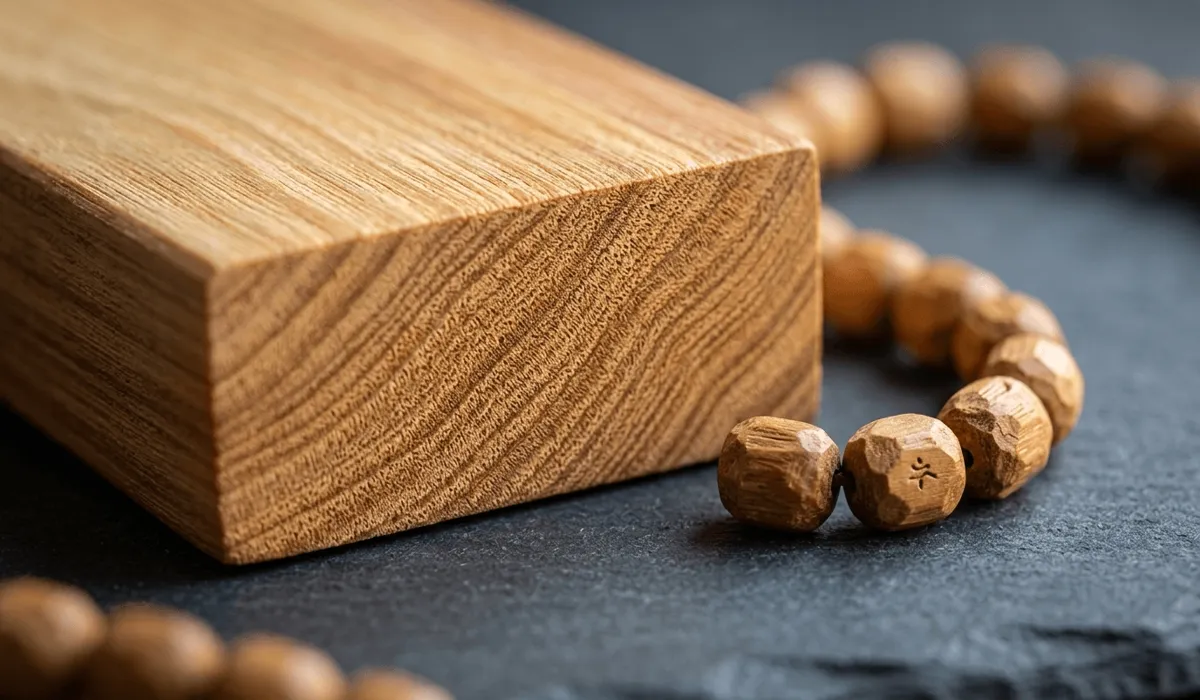
True sandalwood grows in specific regions like India, Australia, and Hawaii, each offering a slightly different Sandalwood fragrance longevity profile. When we examine high-quality mala beads, we look for wood harvested from trees that are at least 30 to 80 years old. This age ensures the sandalwood resin content is high enough to provide the lasting aroma that practitioners cherish.
Basic Physical Characteristics
One of the easiest ways to identify the real thing is by looking at the sandalwood grain patterns, which are usually very fine and even. The wood should have a unique sandalwood waxy texture that feels smooth and slightly oily to the touch, not dry or splintery. Unlike fake wood that is sprayed with perfume, the scent of real heartwood is locked inside the fibers and can last for many years.
Video source:YouTube
Author:Business Insider
Original video link:https://www.youtube.com/watch?v=QPRpWg_wU0A
Spiritual Meaning & Symbolism
In many cultures, sandalwood is known as a "sacred wood" that helps clear the mind and protect the spirit. We often suggest using it as a spiritual shield to help you stay calm during busy or stressful days. Historically, it has been a staple in Vedic rituals and Buddhist ceremonies to signify purity and the journey toward enlightenment.
Chakra Associations
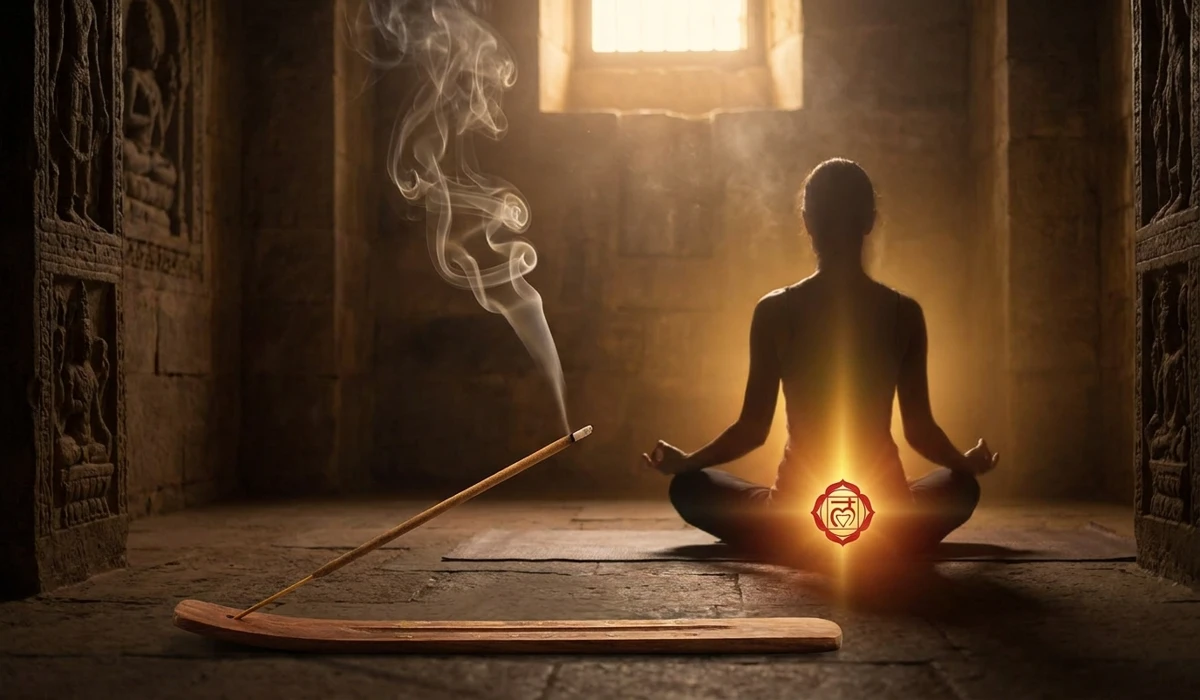
This wood is strongly tied to the Root Chakra, which is the foundation of our energy system. By wearing or holding authentic sandalwood, you can create a Spiritual Vibration that makes you feel more secure and stable. Many of our clients also find that the scent helps open the Third Eye, making it easier to reach deep states of meditation.
Cultural and Historical Context
For thousands of years, practitioners have used this wood to balance "pitta," or internal body heat, in Ayurvedic traditions. It is considered a cooling element that can soothe a restless mind and bring a sense of Tranquility to any space. Because of its rarity and spiritual importance, it has remained one of the most guarded treasures of the botanical world.
Benefits & Intentions Associated with Real vs. Fake Sandalwood
Using genuine sandalwood allows you to set clear intentions for inner peace and emotional balance. Whether you are using it for Crystal Healing or as a standalone tool, the natural properties of the wood support a mindful lifestyle. We have found that the tactile sensation of moving beads through your fingers can greatly enhance focus during prayer.
When you use the real wood, you benefit from the aromatic properties that synthetic versions simply cannot provide. Many people notice a physical sense of calm the moment they catch a whiff of the natural oil. It is an excellent choice for those who want to let go of external stress and focus on self-reflection.
How to Wear Sandalwood Jewelry
In the world of Feng Shui, which hand you choose to wear your bracelet on can change its energy flow. We generally suggest wearing it on the left hand if you want to attract Positive Energy and peace into your life. If you feel the need to release stress or project calm to those around you, the right hand is the traditional choice.
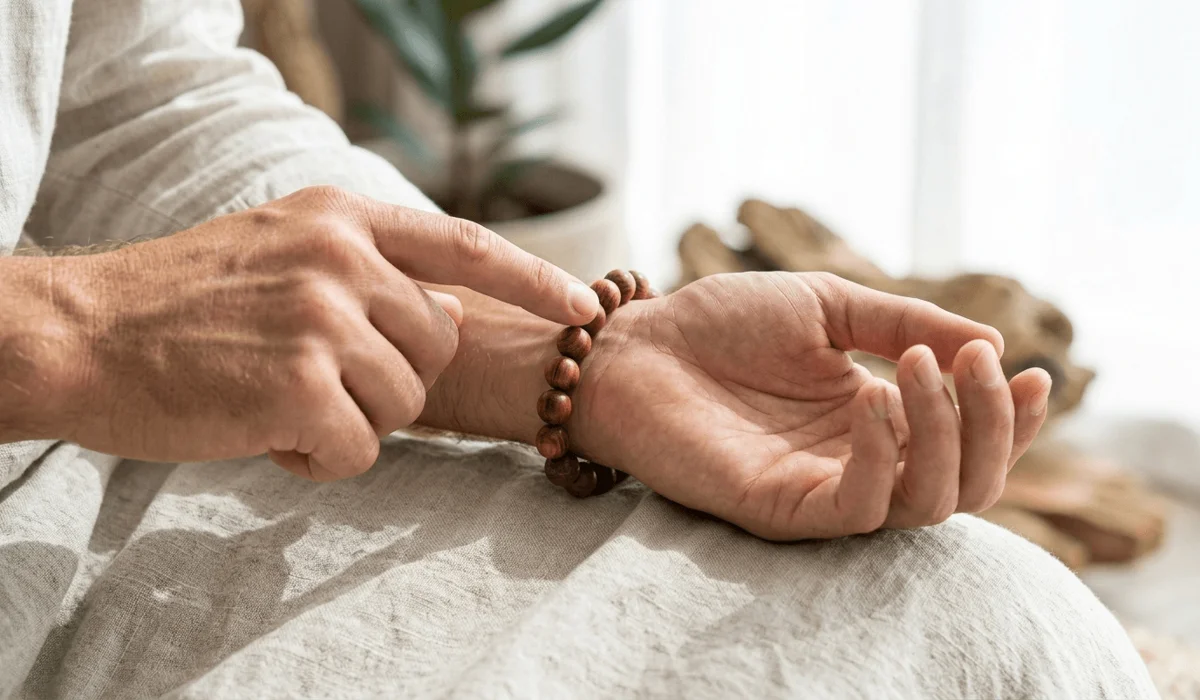
Many people wear these beads daily as a quiet reminder of their spiritual journey. To get the most out of your jewelry, you can read more about the Sandalwood Bracelet Meaning to align it with your personal goals. Before putting them on, take a moment to hold the beads in your palms and sync your breathing with their natural frequency.
Real Sandalwood vs. Similar Woods and Bracelets
It is common to confuse sandalwood with other woods like rosewood or cedarwood. To help you distinguish between them, we have created a comparison table based on their physical and energetic traits.
| Feature | Real Sandalwood | Rosewood | Cedarwood |
|---|---|---|---|
| Primary Scent | Creamy, Sweet, Woodsy | Faint, Earthy, Floral | Sharp, Camphoric, Spicy |
| Density | High (Sinks in Water) | Medium | Low (Lightweight) |
| Chakra | Root and Third Eye | Heart | Solar Plexus |
While Rosewood is beautiful for its dark swirls, it lacks the Grounding Energy that sandalwood provides. Similarly, cedarwood is much lighter and has a scent that fades quickly compared to the Santalum album. You can check resources like Wikipedia for more botanical details on these different species.
Who Is Real Sandalwood Suitable For?
Sandalwood is perfect for anyone who feels "unmoored" or physically exhausted. Its Earth Element properties help pull your energy down from a busy head and back into your body. We often recommend it for zodiac signs like Taurus and Capricorn because they resonate with the stability of slow-growing wood.
It is also a great addition for Gemstone Collection enthusiasts who enjoy combining natural wood elements with their favorite crystals and stones. The cooling nature of sandalwood helps promote emotional harmony, especially for those influenced by the Moon or Venus.
How to Cleanse, Charge, and Care for Sandalwood
To keep your sandalwood beads in top condition, you must treat them with care. We suggest using Smoke Cleansing with sage or palo santo to clear away any stagnant energy. Never soak your beads in water, as this can cause the wood to swell and ruin the Sandalwood resin content.
To charge your beads, you can place them on a selenite plate or leave them under the light of a full moon. If you find the scent has faded, you might wonder how to reactivate sandalwood fragrance naturally. We suggest gently rubbing the beads with a soft cloth to generate warmth, which helps release the trapped oils from deep within the wood.
Frequently Asked Questions
Q: How can you tell if sandalwood beads are real?
A: You can tell by rubbing the beads to generate heat; real wood will release a stronger, creamy scent. Also, look at the grain; real sandalwood has natural inconsistencies, while fakes often look too perfect or uniform.
Q: Does real sandalwood sink or float in water?
A: High-quality, dense sandalwood heartwood will typically sink in water because of its high density and oil content. If a bead floats high on the surface, it is likely sapwood or a cheaper, lighter wood species.
Q: What is the difference between core wood and sapwood?
A: Heartwood is the older, darker, and more fragrant center of the tree, while sapwood is the outer layer that is lighter in color. The heartwood contains the most essential oil and is considered the best for spiritual use.
Q: How do I restore the scent of my sandalwood bracelet?
A: You can lightly sand a small area with high-grit sandpaper to expose new fibers or keep the beads in a sealed container for a few days. This allows the internal oils to migrate back to the surface of the wood.
Q: Why is Mysore sandalwood more expensive than others?
A: Mysore sandalwood is rare due to strict government regulations and its incredibly slow growth rate. It is prized as the gold standard because it has the highest concentration of oil and the most refined fragrance.

Longyi Luck
Longyi Luck is a Feng Shui practitioner and spiritual researcher who blends traditional year-based wisdom with modern lifestyle insights, specializing inFeng Shui, spirituality, meditation, and mindfulness. With years of dedicated study and practice, Longyi explores cultural symbolism and the practical application of ancient wisdom to help individuals cultivate balance, clarity, and harmony in everyday life. Since 2020, Longyi has been committed to translating timeless traditions into accessible guidance for the modern world.
longyi@auraandluck.com


.webp?w=800&h=800)
.webp?w=800&h=800)