
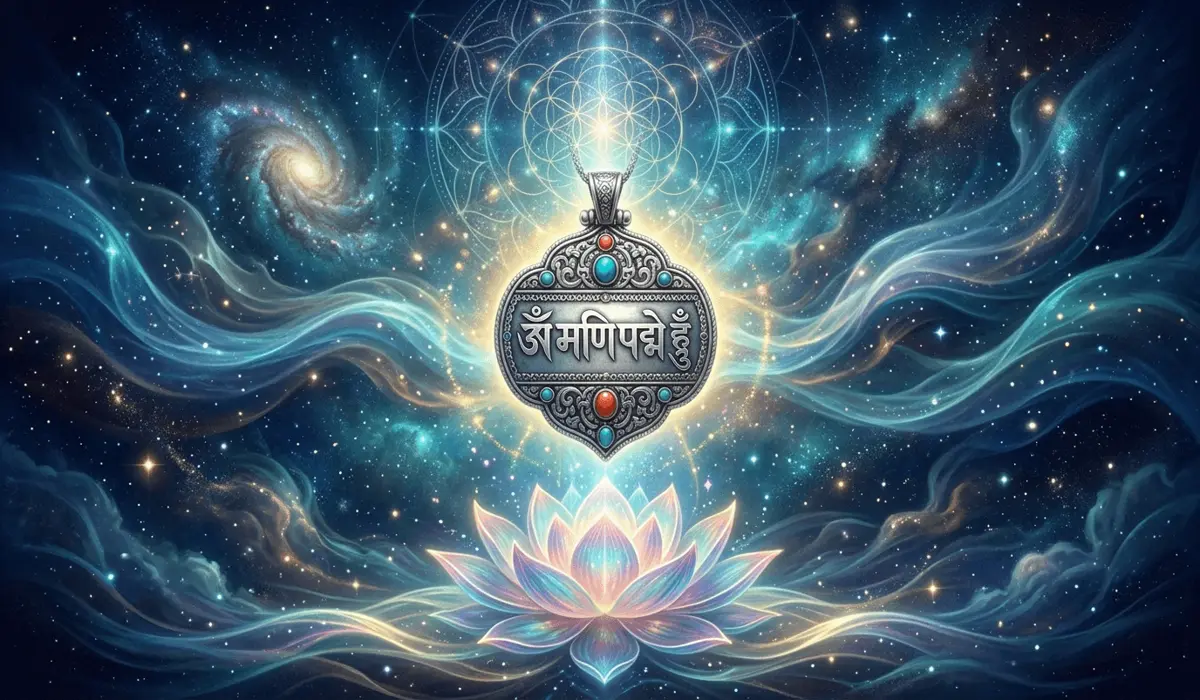
Wearing Om Mani Padme Hum jewelry is not disrespectful when approached with genuine reverence, humble awareness, and an understanding of its sacred roots. Many people search for this answer because they admire Buddhist art but worry about committing cultural appropriation. In this guide, our team at Aura & Luck shares traditional customs, energetic principles, and practical rules so you can honor this sacred invocation with confidence.
Quick Summary:
- 💎 Universal Blessing: Tibetan teachers affirm that the six-syllable mantra is an offering of universal compassion open to everyone, not just practicing Buddhists.
- 🌿 Mindful Intention: Disrespect occurs only when the sacred syllables are treated as cheap novelties, worn below the waist, or handled without basic care.
- 🔮 Body Etiquette: Always wear sacred mantra rings, beads, and amulets above the waistline, keeping them off bathroom counters and clean of physical debris.
- 💎 Energetic Alignment: Wearing your mantra bracelet on the left wrist helps absorb peaceful energy, while the right wrist projects kindness into the world.
What Is Om Mani Padme Hum Jewelry?
Definition and Sacred Origins
Om Mani Padme Hum jewelry features the beloved six-syllable Sanskrit and Tibetan prayer dedicated to Avalokiteshvara, known as Chenrezig in Tibetan Buddhism. Avalokiteshvara represents infinite compassion, embodying the vow to help all sentient beings find peace. Within Tibetan tradition, this single mantra holds the essence of all Buddhist teachings in six holy syllables.
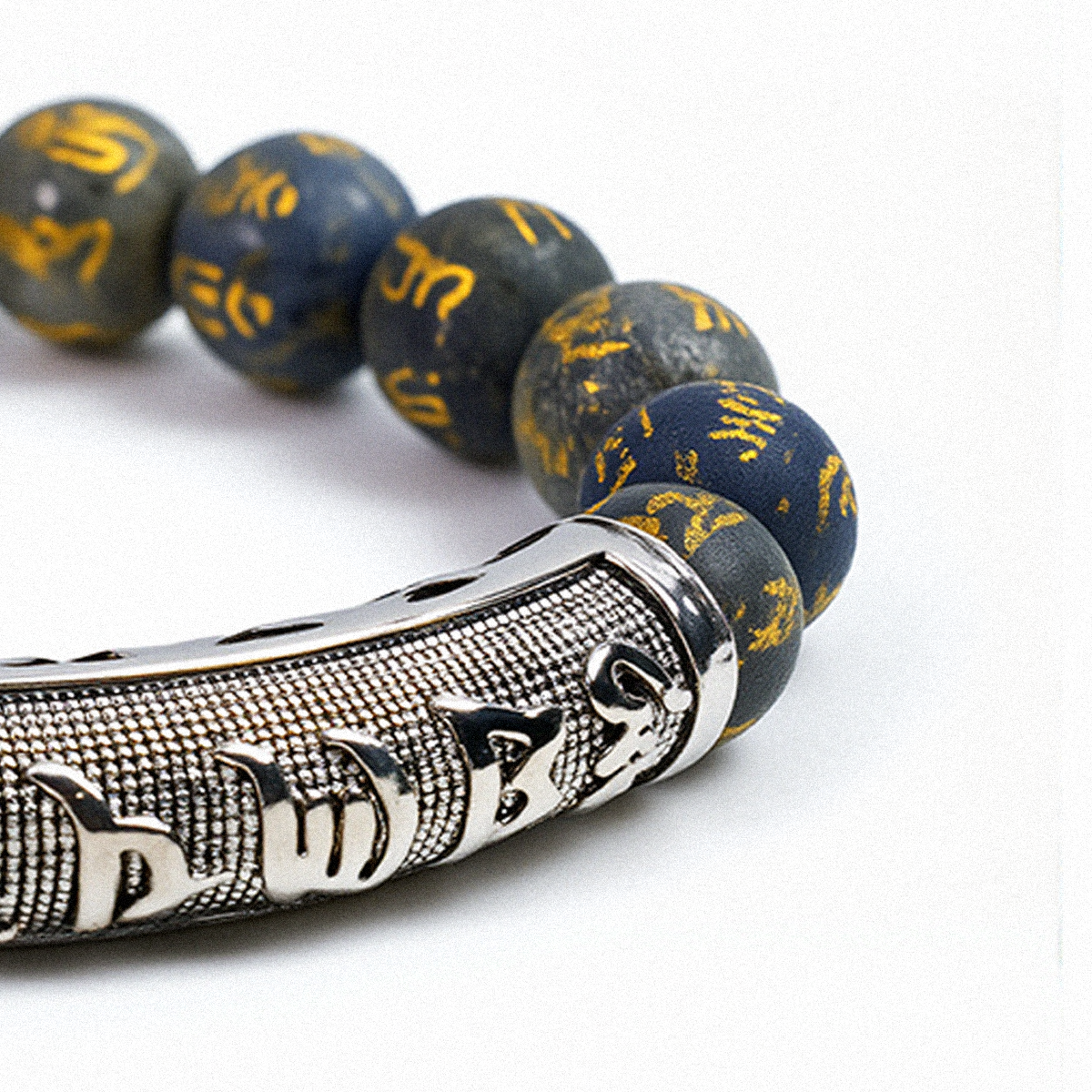
Artisans carve, stamp, or cast these characters into personal wearable talismans like spinner rings, cuffs, and beaded malas. When crafting pieces in our studio, we treat each syllable as a living vibration rather than mere lettering. Seeing the mantra acts as a visual blessing that inspires kind speech and gentle thoughts throughout the day.
Video source: YouTube
Author: Buddhist PSY
Original video link: https://www.youtube.com/watch?v=dr_d5J4CZoI
Traditional Materials and Craftsmanship
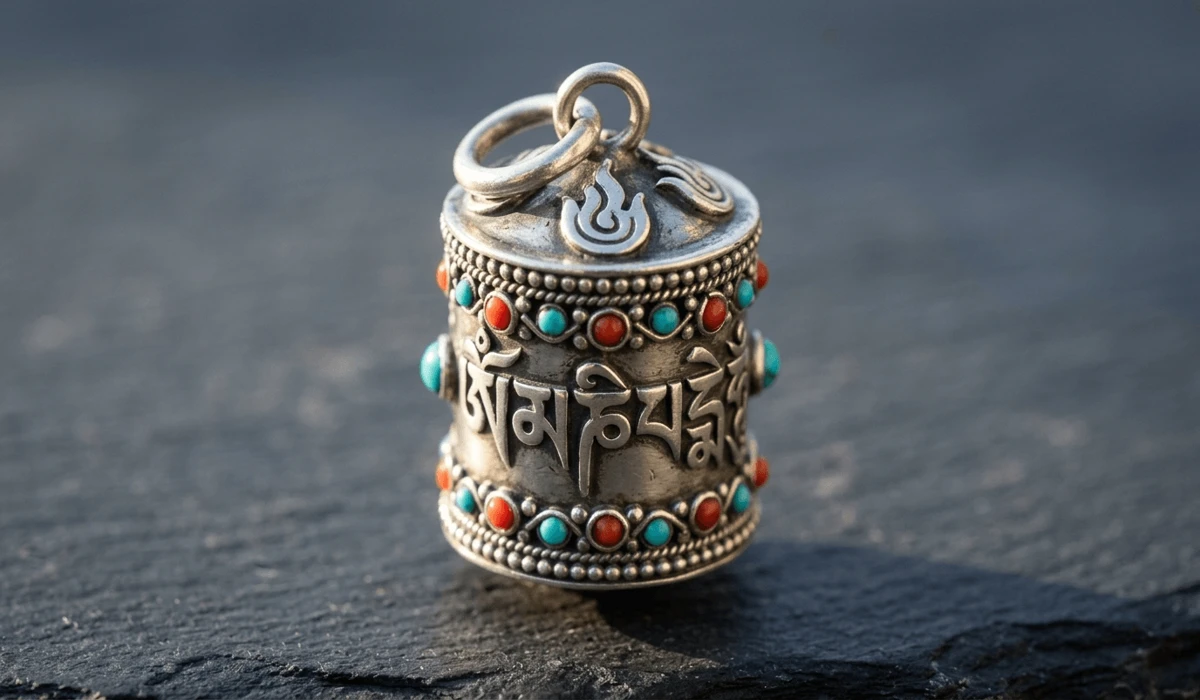
Historically, Himalayan metalsmiths made sacred jewelry using Tibetan silver, warm brass, and solid copper. These metals are often set with vibrant gemstones such as turquoise, red coral, lapis lazuli, and cinnabar. Traditional craftsmen often hide tiny printed scrolls of sacred text inside hollow prayer cylinder pendants to multiply their protective power.
Authenticity relies on accurate script rendering and conscientious sourcing. When inspecting materials, spiritual researchers often reference standards from the Gemological Institute of America to distinguish genuine minerals from synthetic glass beads. Genuine handcrafted talismans honor centuries of Himalayan heritage through precise proportions and patient craftsmanship.
Spiritual Meaning & Symbolism
The Six Syllables in Tibetan Buddhism
The mantra is often translated poetically as "Praise to the Jewel in the Lotus." On an inner level, it symbolizes transforming an ordinary, confused mind into the clear wisdom of a Buddha. Each syllable corresponds to one of the six realms of cyclic existence (samsara), dissolving a specific mental affliction.
Tibetan masters teach that the six sounds actively cleanse our deepest emotional patterns:
- 💎 Om: Purifies pride and ego-driven delusion within the god realm.
- 🌿 Ma: Purifies jealousy and restless craving within the demi-god realm.
- 🔮 Ni: Purifies selfish desires and attachment within the human realm.
- 💎 Pad: Purifies prejudice, ignorance, and stubbornness within the animal realm.
- 🌿 Me: Purifies possessiveness and relentless greed within the hungry ghost realm.
- 🔮 Hum: Purifies deep anger, hatred, and aggression within the hell realm.
Avalokiteshvara and Universal Compassion
Wearing this mantra connects your personal aura directly to Avalokiteshvara's ocean of mercy. It acts as an invisible shield against harsh vibrations by awakening loving-kindness in your own heart. In Himalayan thought, real protection never comes from aggression; it arises naturally from gentle, fearless compassion.
When we wear these symbols, we become part of that compassionate field. The sacred letters remind us to practice non-harming (ahimsa) in our daily conversations. You can read more about mindful energetic balance in our comprehensive guide to Crystal Healing traditions.
Cultural and Sacred Text Etiquette
In Buddhist culture, written scripture shares the same sacred standing as a statue of the Buddha. Inscribed jewelry serves as a wearable altar rather than an ordinary fashion accessory. Treat your sacred jewelry with dignity, keeping it off the ground and placing it only on clean surfaces.
Viewing the six sacred syllables creates an auspicious impression upon the consciousness, gently awakening our innate capacity for universal love.
Lamas frequently install large prayer wheels inscribed with this mantra along public roads so travelers can spin them freely. In the same generous spirit, wearing the text openly shares its visual blessing with everyone you meet.
Benefits & Intentions Associated with Om Mani Padme Hum Jewelry
Commonly Associated Intentions
Wearers frequently turn to the mantra to anchor patience during challenging daily routines. The syllables remind you to pause, breathe, and choose kindness whenever stress builds up. Traditional beliefs regard these items as protective shields that harmonize unsettled personal Chi (气).
Many of our clients share that wearing an engraved talisman brings an unmistakable sense of mental stillness. It curbs impulsive reactions, softens stubborn grievances, and encourages clear self-reflection. The talisman serves as an anchor, gently guiding your thoughts toward steady balance.
Mindfulness & Personal Practices
You can weave your jewelry directly into daily mindfulness sessions. During quiet walking meditation, repeat the syllables under your breath while syncing your steps to each sound. Tracing the raised metal letters with your thumb provides an immediate sensory anchor when anxious thoughts loop.
Engraved spinning rings work exceptionally well for subtle stress relief during long office meetings. Rotating the outer band replicates the movement of a traditional Tibetan prayer wheel, turning nervous tension into focused prayer. This tactile habit replaces mental restlessness with steady, rhythmic presence.
How to Wear Om Mani Padme Hum Jewelry
Wrist Placement and Energetic Logic
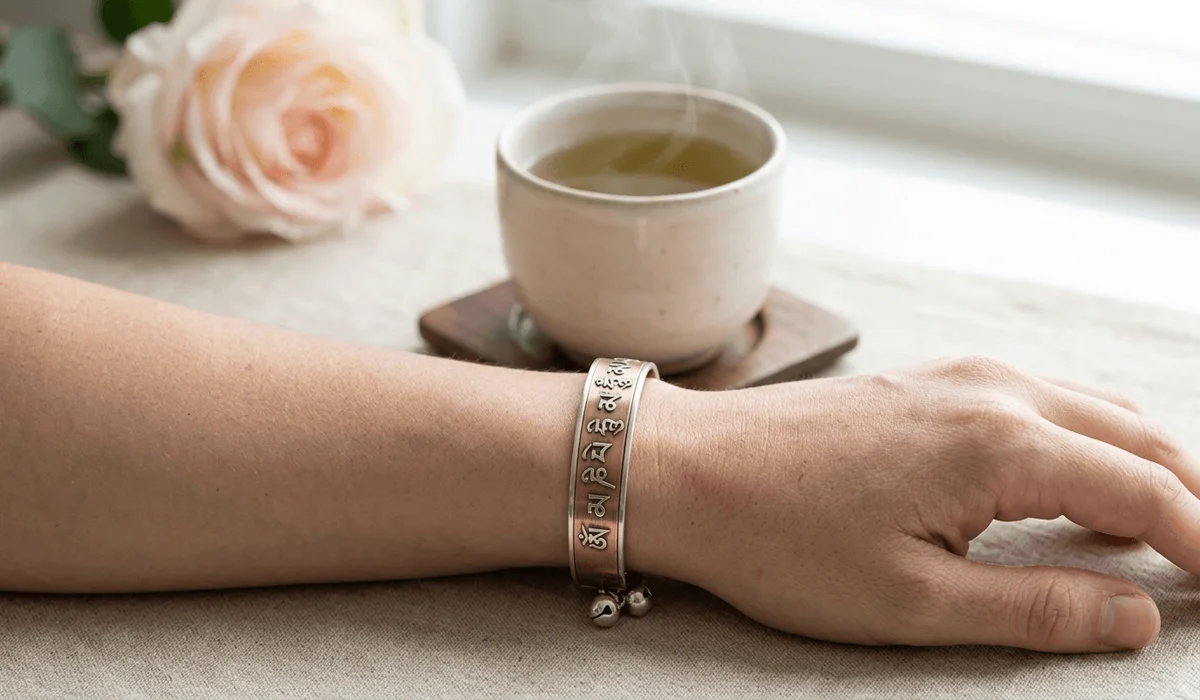
Energetic systems view the body as a balanced channel of incoming and outgoing currents. The left wrist is your receptive side, absorbing peaceful, soothing vibrations from the environment into your inner meridians. Choose the left arm when you need emotional comfort, patience, and internal grounding.
The right wrist is your expressive side, projecting your inner energy out toward the world. Wear your bracelet on the right arm when your daily goal is to project calm, diffuse family tension, or shield others with patient kindness. Both placements are fully respectful, so select the wrist that matches your daily intention.
Sacred Placement: Wearing Mantra Jewelry Above the Waist
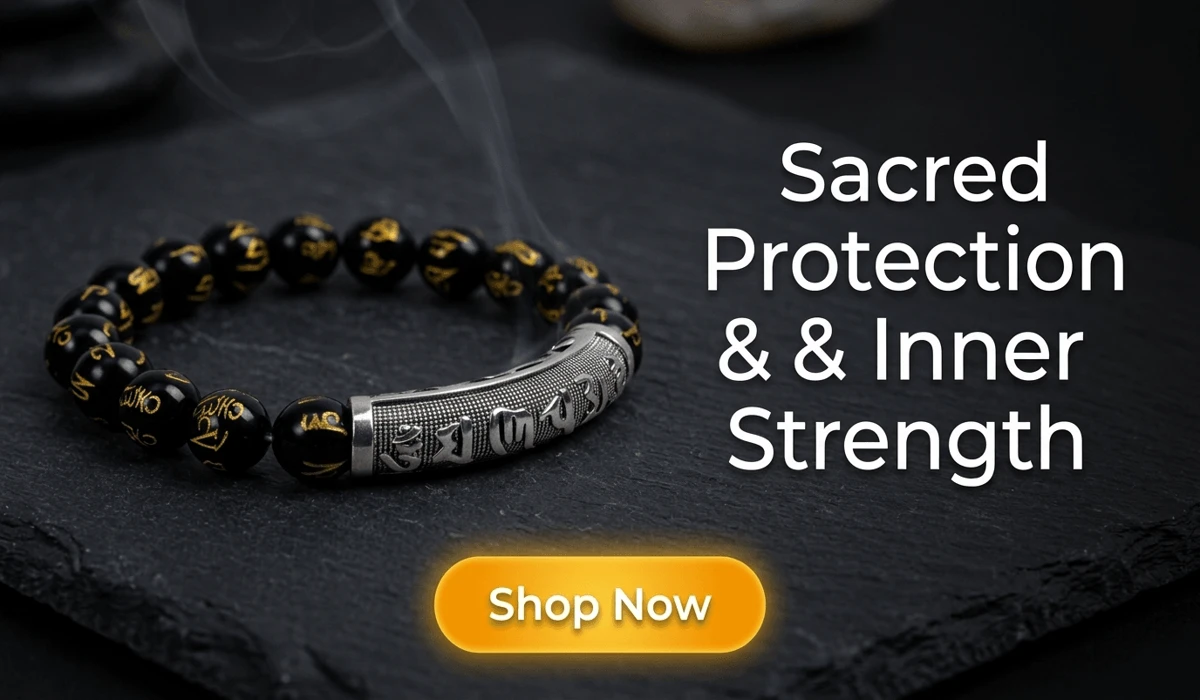
The most important rule across all Buddhist traditions is to keep sacred texts above the waistline. Buddhist philosophy associates the upper body with spiritual elevation and the lower body with mundane, physical grounding. Never wear the mantra as an anklet, toe ring, or attach it to footwear.
Mantra rings sit best on the index or middle fingers of clean hands. Pendants should rest gracefully near the Heart Chakra (Anahata), where their compassionate vibration sits close to your chest. Discover our hand-finished Protection Talismans to find authentic designs that honor these sacred boundaries.
Daily Life Guidelines and Boundaries
Show genuine respect by taking off your sacred pieces before taking showers, swimming, or sleeping. Bathrooms are traditionally regarded as energetically impure spaces for housing sacred words. Removing your jewelry also protects sensitive silver and natural gemstones from harsh chlorinated water and corrosive soap films.
Never leave your talisman sitting on the floor, low coffee tables, or near footstools. When retiring for the evening, place your jewelry on a clean wooden dresser, a dedicated vanity tray, or an elevated meditation altar. These small habits show that you view the piece as a living spiritual ally rather than casual clutter.
Om Mani Padme Hum Jewelry vs Similar Spiritual Talismans
Spiritual jewelry serves distinct energetic purposes depending on its historical tradition. The comparative table below clarifies how this Buddhist mantra differs from other protective talismans.
| Talisman Type | Primary Tradition | Core Intention | Chakra Association | Primary Function |
|---|---|---|---|---|
| Om Mani Padme Hum Jewelry | Tibetan Buddhism | Universal Compassion & Inner Peace | Heart (Anahata) & Crown | Spiritual Liberation & Emotional Calming |
| Black Obsidian Pi Xiu Bracelet | Taoism & Feng Shui | Wealth Attraction & Fierce Defense | Root (Muladhara) | Spatial Chi Harmony & Protection |
| Bodhi Seed Mala Beads | Classical Buddhism | Mantra Counting & Dedicated Practice | All Chakras | Active Japa Meditation & Mindfulness |
Om Mani Padme Hum vs Black Obsidian Pi Xiu Bracelets
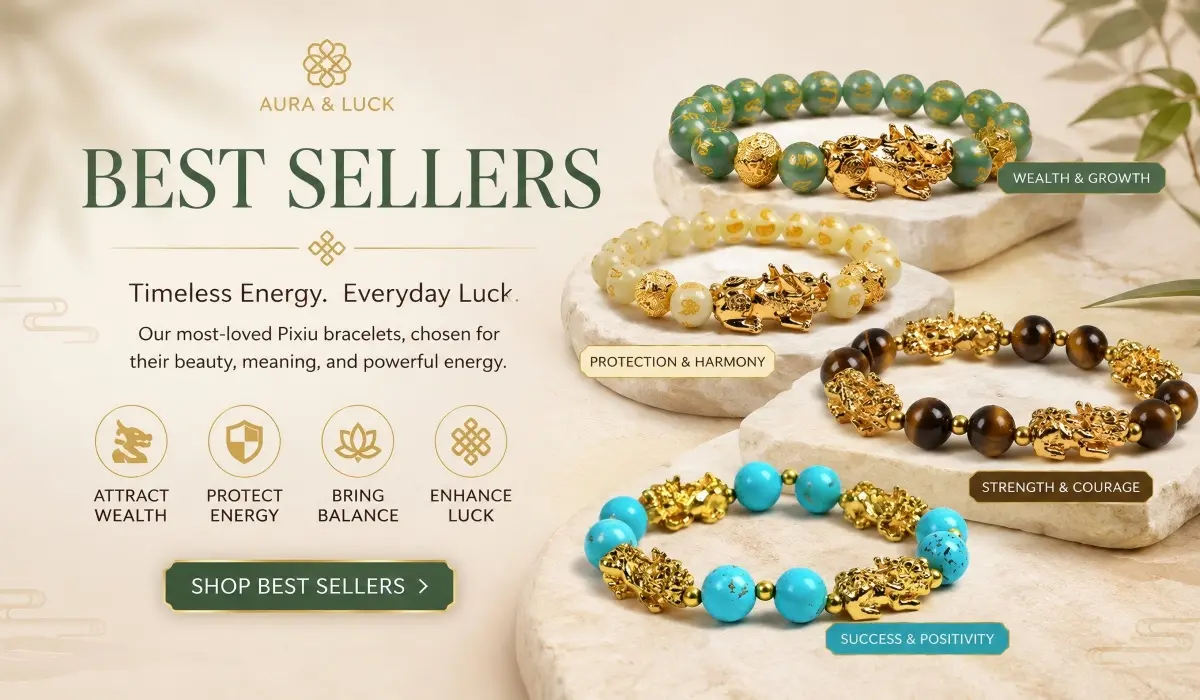
While an Om Mani Padme Hum piece focuses entirely on purifying mental poisons and cultivating love, Pi Xiu bracelets stem from Taoist folklore. The celestial beast Pi Xiu is famous for drawing financial fortune and devouring negative psychic intrusions. Obsidian works on the Root Chakra, providing fierce energetic boundaries against ill-willed peers.
Conversely, the six-syllable mantra dissolves inner conflict rather than battling outside enemies. It operates through soft, radiant acceptance, transforming your inner perspective to achieve liberation. If your primary goal is practical grounding and prosperity, explore our carefully curated Spiritual Crystal selections to find matching mineral pairings.
Om Mani Padme Hum vs Traditional Bodhi Seed Mala Beads
Engraved jewelry provides accessible, passive protection you can wear comfortably all day long. In contrast, 108-bead Bodhi seed malas serve primarily as active counting tools for formal japa recitation. Malas carry deep monastic roots and require focused, sit-down spiritual practice.
Jewelry brings the sacred wisdom of the Dharma into modern spaces where carrying a large mala might feel impractical. Wearing a carved ring or a delicate silver bracelet keeps your spiritual vows close without drawing unwanted attention. Each talisman supports your practice in its own unique, complementary way.
Who Is Om Mani Padme Hum Jewelry Suitable For?
Non-Buddhists and Spiritual Seekers
You do not need to be a formal Buddhist to wear this sacred mantra. Revered teachers like the Dalai Lama constantly emphasize that love, compassion, and patience are universal human qualities. The mantra belongs to all beings searching for relief from mental turmoil and emotional fatigue.
Spiritual appreciation differs sharply from cultural appropriation. Appropriation treats sacred symbols as disposable fashion trends without caring about their background. Appreciation studies the history, honors proper etiquette, and wears the symbol with genuine, heartfelt humility.
Energetic and Chakra Associations
This ancient chant resonates powerfully with the Heart Chakra (Anahata), softening emotional barriers, releasing old grief, and restoring self-forgiveness. It also aligns with the Throat Chakra (Vishuddha), guiding you toward considerate, truthful speech. Its higher harmonics connect with the Crown Chakra (Sahasrara), quieting ego-driven worries.
To explore the physical properties of minerals paired with sacred syllables, check out educational resources like Gemmological Association Great Britain. High-grade natural gems harmonize effortlessly with sacred script, creating balanced jewelry that supports your daily energetic well-being.
Lifestyle and Personal Dispositions
This jewelry provides immense support for therapists, nurses, teachers, and caregivers who regularly hold emotional space for others. It acts as an energetic refuge, preventing emotional exhaustion by reminding you to stay anchored in calm awareness. It is equally valuable for anyone working through anger, impatience, or major life changes.
If your daily path focuses on kindness, non-harming, and mindful presence, this mantra will feel right at home on your wrist. It serves as an intimate talisman, constantly reminding you that inner peace begins with gentle self-mastery. Anyone walking a mindful path can enjoy its quiet reassurance.
How to Cleanse, Charge, and Care for Om Mani Padme Hum Jewelry
Cleansing Mantra Jewelry Mindfully
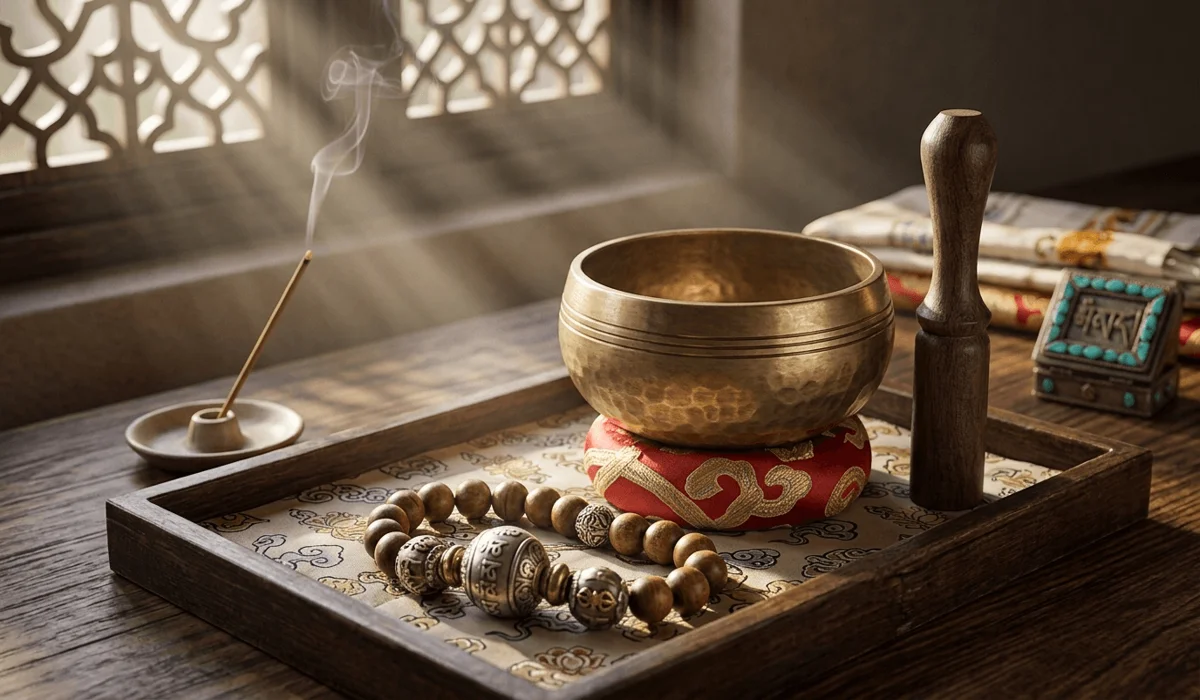
Because spiritual jewelry absorbs environmental energies, gentle regular cleansing maintains its clear resonance. Sound cleansing works wonderfully; simply place your piece near an authentic hammered singing bowl or chime tingsha cymbals above it. Pure sound waves clear lingering static from the metal without scratching delicate stones.
Passing your jewelry through fragrant smoke is another time-honored cleansing tradition. Use wildcrafted sandalwood, cedar, or traditional Tibetan herbal incense sticks, circling the piece through the smoke three times. Avoid soaking mixed-metal talismans in saltwater, which can weaken internal cords and pit soft gemstones.
Setting Intentions and Re-Centering
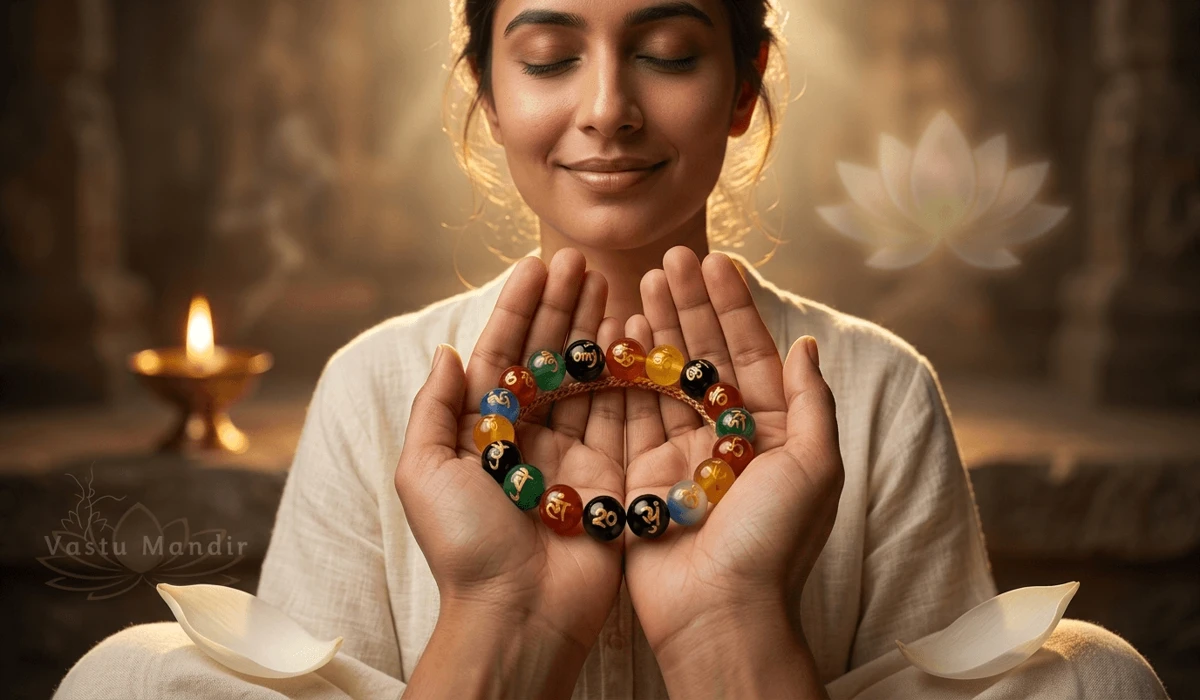
Once cleansed, recharge the talisman with clear, focused intention. Hold the piece between your palms in prayer position at your chest, closing your eyes in a quiet room. Chant the syllables *Om Mani Padme Hum* aloud six or twenty-one times, visualizing clear golden light flowing through the lettering.
For those interested in historical artisan styles, publications like The Jewelry Loupe offer wonderful insights into sacred metalwork. Dedicating your personal jewelry with mindful prayer transforms a beautiful accessory into a devoted spiritual companion.
Physical Care and Mindful Preservation
Preserve fine metal engravings by wiping them regularly with a dry, lint-free microfiber cloth. This prevents natural skin oils and sweat from tarnishing silver or dulling polished brass carvings. Store your talisman in a fabric-lined box away from direct sunlight when not in use.
Check elastic cords, clasps, and bezel settings every few months to prevent unexpected breaks. If a piece begins to show wear, have it restrung promptly by an experienced jeweler. Treating the physical object with care mirrors your inward respect for the mantra itself.
Frequently Asked Questions
Q: Is it disrespectful to wear Om Mani Padme Hum jewelry if you are not Buddhist?
A: No, wearing the mantra is not considered disrespectful by Buddhist teachers as long as you wear it with sincere reverence and understanding. Tibetan masters view compassion as a universal human virtue that belongs to everyone rather than an exclusive religious dogma. Disrespect only arises if the piece is worn mockingly or treated as a cheap aesthetic gimmick.
Q: Which hand should you wear an Om Mani Padme Hum bracelet on?
A: Wear your bracelet on the left wrist if your goal is to absorb calm, compassionate, and protective energy into your inner meridian system. Choose the right wrist when you want to actively project patience, loving-kindness, and gentle understanding outward to others around you. Most practitioners recommend the receptive left hand for daily grounding and balance.
Q: Can you wear Om Mani Padme Hum jewelry in the shower?
A: You should avoid wearing sacred mantra jewelry in the shower out of both cultural respect and practical preservation. In Buddhist culture, bathing areas are viewed as spaces of bodily waste, making them unsuitable for sacred Dharma scripture. In addition, moisture, body washes, and warm water can corrode metal engravings, loosen glue settings, and damage natural gemstones.
Q: Why must sacred mantra jewelry stay above the waist?
A: Buddhist traditions view the human body hierarchically, associating the upper torso with spiritual focus and the lower body with mundane physical functions. Wearing sacred text below the waistline—such as on anklets, toe rings, or kept inside pants pockets—is seen as deeply disrespectful to enlightened wisdom. Keeping jewelry near your chest, neck, or wrists honors the teachings properly.
Q: What should you do if your mantra jewelry breaks?
A: In Eastern traditions, a broken protective talisman is not bad luck; it signifies that the piece has absorbed or deflected a heavy energetic burden on your behalf. Thank the broken piece for its protection and mindful service during its lifespan. If it cannot be repaired, dispose of it respectfully by burying it in clean garden soil or returning natural elements to nature.
Conclusion & Gentle Next Step
Wearing Om Mani Padme Hum jewelry is a wonderful, personal commitment to living with universal compassion, patience, and clear mindfulness. When you honor the sacred syllables, keep your jewelry above the waist, and handle it with clean intentions, you participate in a living tradition of peace. Sincere reverence transforms simple metal and stone into a daily anchor for enlightened living.
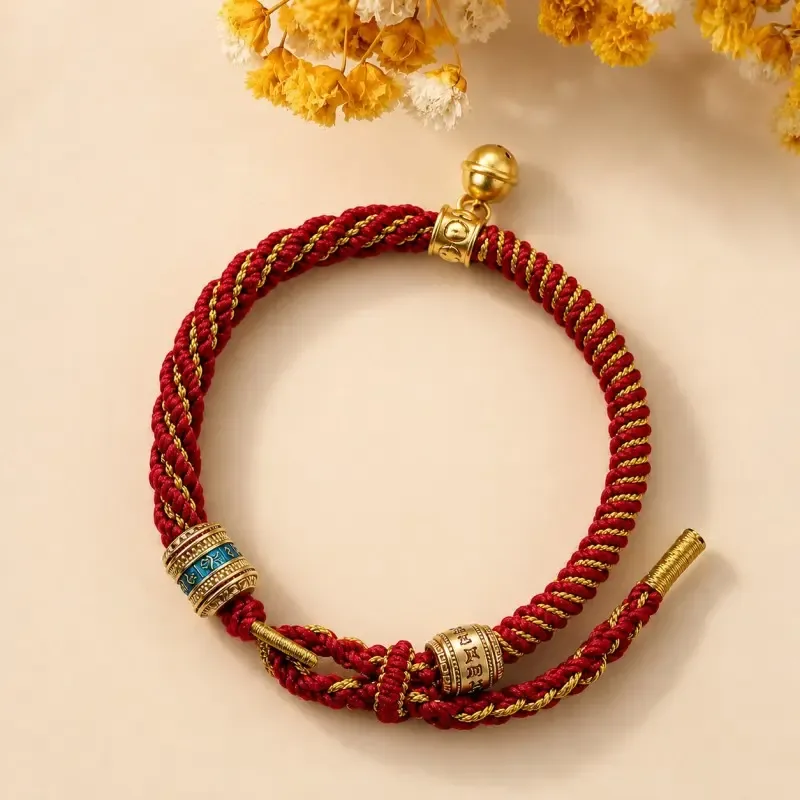
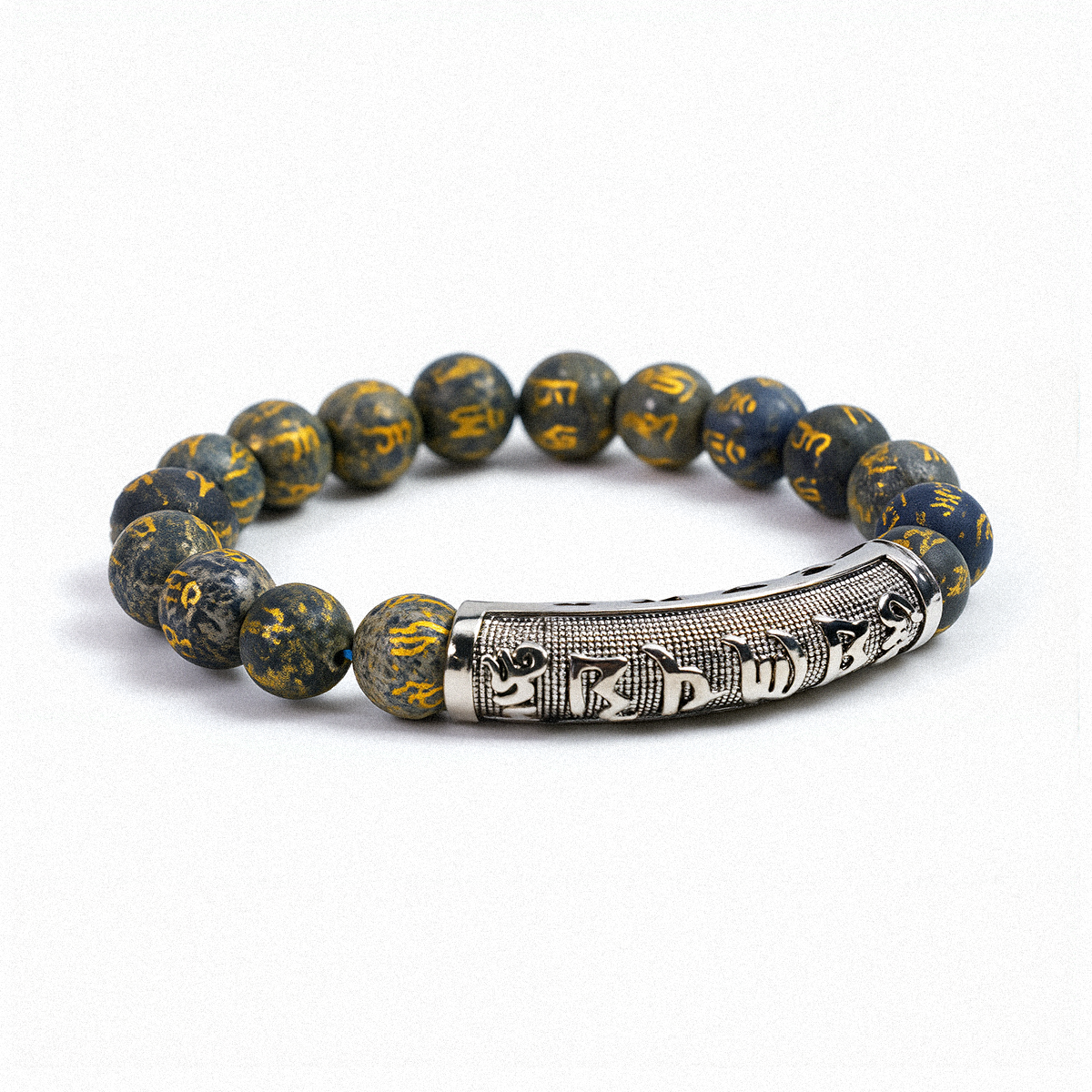
Tibetan-Inspired Om Mani Padme Hum Red & Gold Braided Cord Bracelet – Compassion, Mindfulness & Protection
The design is inspired by Om Mani Padme Hum, the six-syllable mantra traditionally associated with Avalokiteshvara, the Bodhisattva of Compassion. Rather than serving as a promise of a particular outcome, the inscription can be worn as a personal reminder to respond to life with patience, awareness, kindness, and wisdom.
Shop NowTake a quiet moment to reflect on your personal daily intention before choosing your sacred piece. Browse thoughtfully designed talismans crafted with traditional methods, and let your jewelry serve as a constant reminder of loving-kindness wherever you go.
Disclaimer: The information presented in this article is provided solely for educational, cultural, and spiritual exploration purposes. It does not constitute medical, psychological, legal, or financial advice. Spiritual healing practices and gemstone properties should never replace professional medical care. Readers experiencing physical or psychological conditions should always consult a licensed medical professional.

Longyi Luck
Longyi Luck is a Feng Shui practitioner and spiritual researcher who blends traditional year-based wisdom with modern lifestyle insights, specializing in Feng Shui, spirituality, meditation, and mindfulness. With years of dedicated study and practice, Longyi explores cultural symbolism and the practical application of ancient wisdom to help individuals cultivate balance, clarity, and harmony in everyday life. Since 2020, Longyi has been committed to translating timeless traditions into accessible guidance for the modern world.
longyi@auraandluck.com
.webp?w=1200&h=700)

.webp?w=800&h=800)
.webp?w=800&h=800)
.webp?w=800&h=800)
.webp?w=800&h=800)