
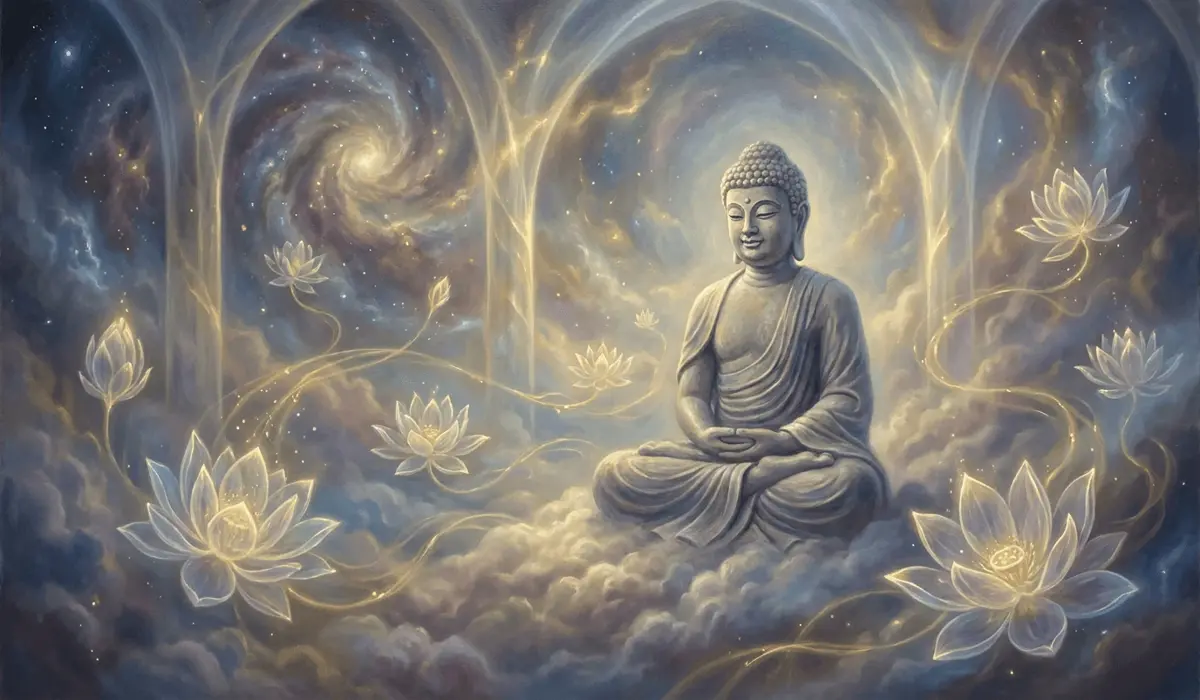
You might wonder, can I wear Buddha head earrings without causing unintentional cultural offense? The direct answer is that wearing Buddha head earrings is widely considered disrespectful in traditional Buddhist cultures because isolated head motifs originate from statue decapitation and sacred iconography should never be worn on low or pierced body parts. At Aura & Luck, our team guides spiritual seekers toward conscious and respectful ways to enjoy sacred adornments while honoring living traditions.
Quick Summary:
- 💎 Buddha head earrings are viewed as disrespectful due to historical statue decapitation and colonial looting.
- 💎 Traditional Buddhist customs require sacred symbols to remain elevated above the heart level.
- 💎 Piercing a sacred image through the earlobe creates spiritual dissonance for traditional communities.
- 💎 Full Buddha figures or botanical symbols like the lotus offer respectful alternatives for daily wear.
- 💎 Intentional adornment balances personal fashion with cultural sensitivity and spiritual reverence.
What Is Buddha Head Jewelry?
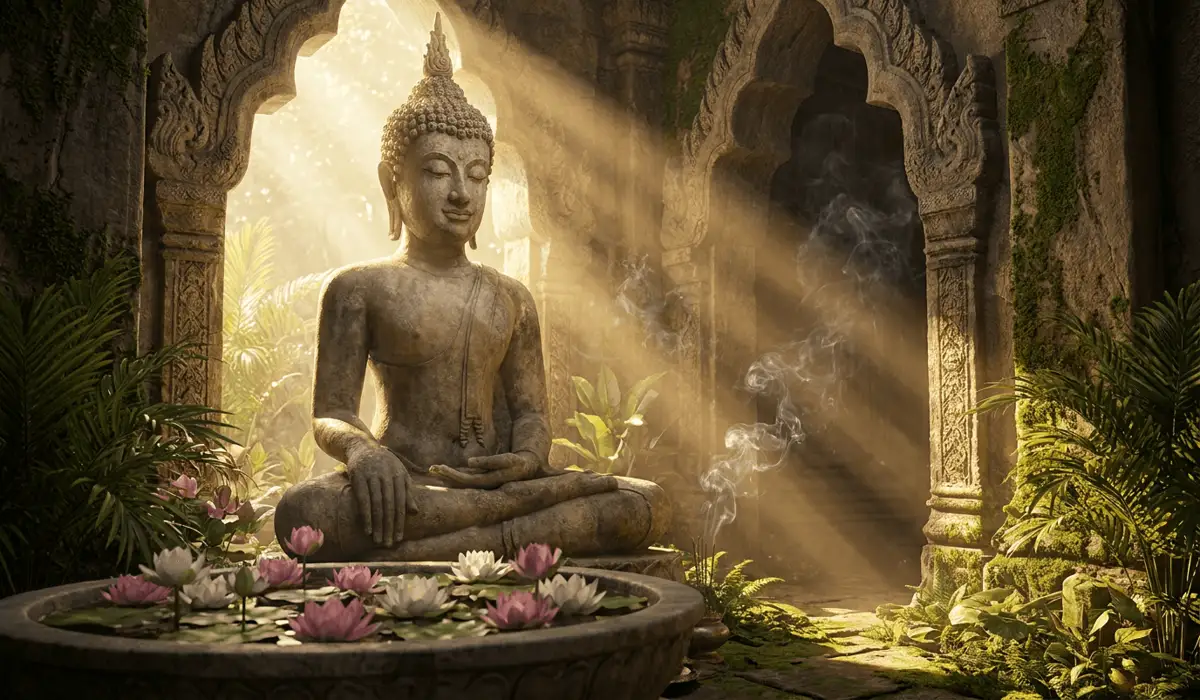
Buddha head jewelry refers to fashion accessories, pendants, and ear ornaments that feature only the head or face of Siddhartha Gautama. Over recent decades, these items have become popular in modern bohemian fashion styles around the world. However, understanding their true origin helps us make thoughtful, culturally aware jewelry choices in our daily lives.
Definition and Colonial History
In traditional Eastern art history, severed Buddha heads were never created as standalone sacred artwork by ancient monks or stone carvers. During colonial eras across Southeast Asia, foreign plunderers frequently decapitated ancient temple statues to sell the heads on foreign art markets. Consulting Traditional Buddhist Educational Resources reveals how these dark historic events damaged priceless sacred heritage sites throughout Asia.
Modern commercial production has transformed these historical artifacts into mass-produced fashion items sold across fashion stores. Many modern jewelry wearers do not realize that severed head motifs carry deep historical trauma for living Asian communities. Recognizing this historic context allows us to view fast-fashion trends with greater empathy, awareness, and spiritual clarity.
Iconography and Key Features
Traditional depictions of the Buddha feature iconic artistic details that carry deep spiritual instructions for practitioners. The downcast eyes represent serene meditation, gentle self-reflection, and inner peace during daily contemplation. Elongated earlobes symbolize the historical Buddha's decision to leave behind heavy royal jewelry and material riches in pursuit of truth.
The crown bump, known as the ushnisha, represents supreme wisdom, cosmic consciousness, and ultimate spiritual awakening. When these sacred features are severed from the complete body, the holistic message of the artwork becomes broken. Intact temple statues always present the Buddha complete with hand gestures, known as mudras, and grounded postures.
Spiritual Meaning and Symbolism
To understand why body placement matters, we must explore traditional Eastern philosophy and sacred art rules. Sacred icons are designed to help spiritual seekers cultivate patience, loving kindness, and mental focus during daily meditation routines. Wearing these images requires a balance between personal appreciation and cultural respect.
Traditional Buddhist Iconography Meaning
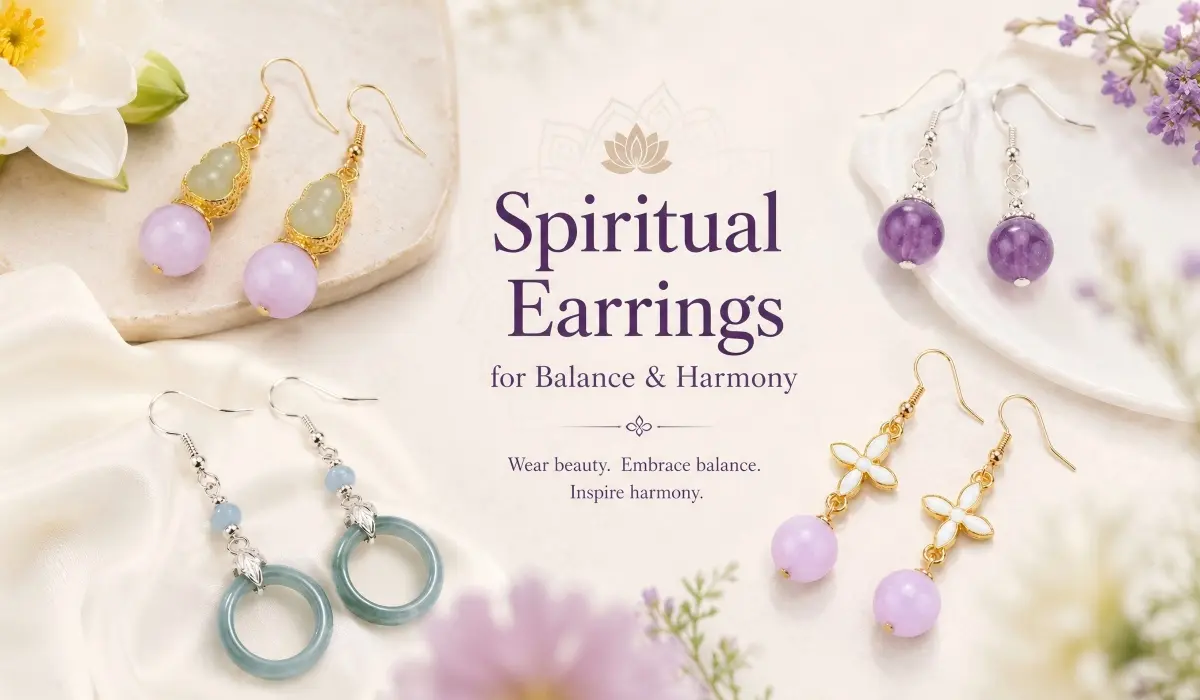
Sacred Buddhist art follows precise artistic proportions developed over thousands of years across Asian monasteries. Every hand posture, eye shape, and lotus petal carries specific devotional meanings for spiritual growth. Exploring our Spiritual Ear Adornments collection allows you to discover alternative pieces crafted with harmony, beauty, and cultural balance in mind.
In Eastern spiritual traditions, the head is regarded as the highest physical seat of divine wisdom and pure mind. It represents ultimate liberation from cyclic suffering and the radiant light of universal truth. Treating the sacred head as a detached body ornament weakens its original spiritual foundation and devotional purpose.
Full Buddha vs Buddha Head Significance
Comparing a complete Buddha figure with an isolated head reveals clear differences in vibrational energy and artistic intent. A complete figure shows total equilibrium, spiritual stability, and active teaching through sacred mudra postures. An isolated head represents physical severance, reminding traditional observers of historical temple looting and vandalism.
At Aura & Luck, our practitioners observe that complete spiritual representations maintain balanced energy within home altars and personal jewelry. Whole imagery honors the entire spiritual path from grounded roots up to crown enlightenment. Isolated heads lack this holistic foundation, making them inappropriate for body adornments like ear piercings.
Chakra and Energy Associations
In subtle energy body systems, the head aligns with the Crown Chakra and Third Eye Chakra centers. These energy points regulate divine connection, spiritual intuition, higher perception, and mental clarity. Placing sacred head imagery near lower body extremities or pierced tissue causes a perceived energetic conflict.
Furthermore, driving a metal pin through a sacred face to create an earring is viewed as physically disrespectful in traditional cultures. Traditional spiritual guidelines emphasize keeping sacred figures untouched, pristine, and elevated above lower physical areas. Respecting body hierarchy helps maintain a smooth, harmonious flow of subtle energy throughout your personal space.
Video source: YouTube
Author: Spiritual Universe Unlocked
Original video link: https://www.youtube.com/watch?v=VhIuq4-Mtj8
Benefits and Intentions Associated with Spiritual Symbols
Wearing spiritual symbols can align your mind with daily intentions of peace, patience, and mindful presence. When selected with true cultural awareness, sacred jewelry acts as a gentle anchor for emotional wellness and personal growth. Choosing appropriate designs allows you to enjoy spiritual fashion while maintaining high vibrational integrity.
Commonly Associated Intentions
Many people feel drawn to Eastern spiritual icons because they inspire calm focus during challenging life moments. Looking at a meaningful jewelry piece reminds us to pause, breathe, and practice compassionate non-reaction. Reading through Holistic Crystal Healing Insights can further enrich your daily mindfulness practice and crystal journey.
Spiritual adornments serve as visual reminders of your personal commitment to self-mastery and inner balance. They help redirect anxious thoughts toward gratitude, clarity, and grounded emotional strength. Ensuring your jewelry choices align with cultural respect keeps your personal energy light, radiant, and positive.
Mindfulness and Personal Practices
Mindful adornment requires reflecting on why we select specific fashion items for our daily wardrobe. Are we choosing a piece purely for temporary aesthetic trends, or do we honor its deep cultural roots? True spiritual growth expands beyond personal style to include active respect for global spiritual heritage.
When we educate ourselves about sacred symbols, our personal choices carry greater authenticity and power. We move away from unexamined consumer trends and cultivate a grounded, respectful lifestyle. This conscious approach deepens our connection to natural forces and ancient human wisdom.
How to Wear Sacred Symbols Respectfully
If you feel a profound personal connection to sacred icons, following traditional etiquette ensures your practice remains respectful. Proper physical placement and gentle handling allow you to honor living Asian cultures while wearing inspiring accessories. Learning these simple rules bridges modern fashion with timeless spiritual reverence.
Spiritual Placement and Placement Etiquette
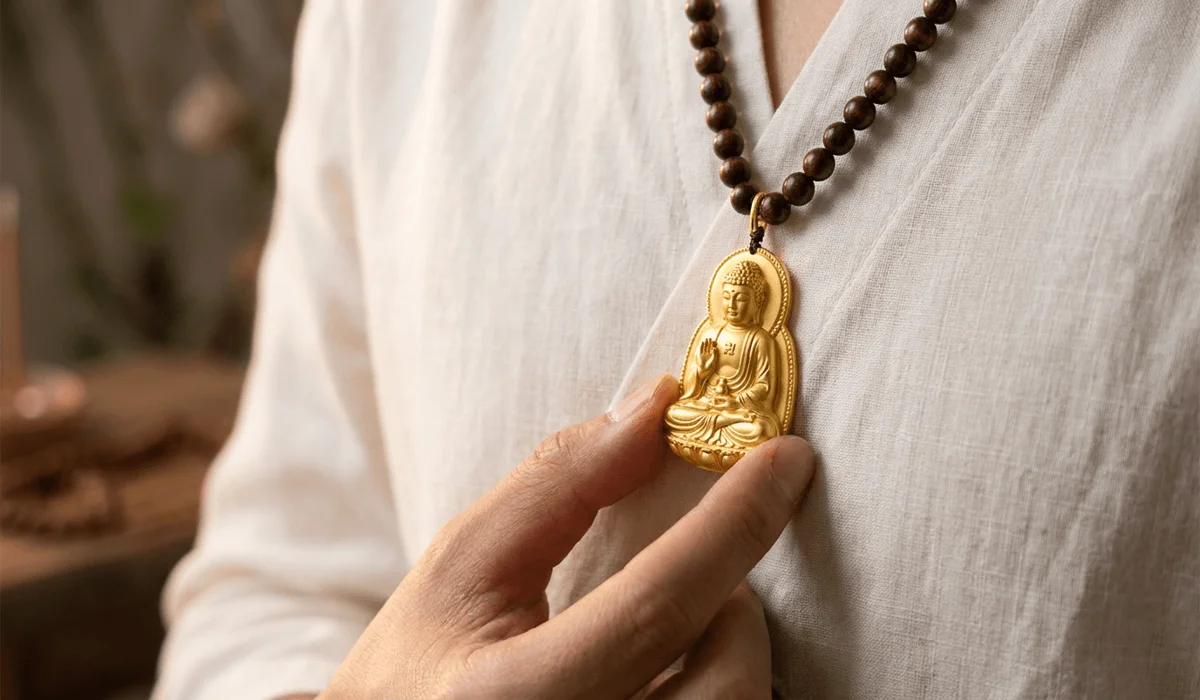
The main rule of sacred symbol etiquette requires keeping divine representations physical elevated on the body. Devotional pendants should always rest at or above the heart level on a clean, dignified chain. Reviewing Gemological Institute Standards helps jewelry enthusiasts appreciate how quality craftsmanship supports lasting adornments.
Sacred items should never be placed near feet, ankles, lower waistlines, or pierced body tissue like earlobes. It is custom to remove sacred pieces before sleeping, bathing, swimming, or resting on the floor. Storing your jewelry in an elevated, clean box shows deep reverence and protects precious materials.
Mindful Adornment Choices
Selecting respectful alternative motifs allows you to enjoy spiritual jewelry without causing unintended cultural offense. Botanical icons, natural gemstones, and sacred geometric patterns provide rich vibrational energy for daily wear. These choices express spiritual values while honoring the communities that safeguard ancient teachings.
We recommend selecting designs that celebrate nature and personal transformation without misusing sacred divine figures. These elegant options deliver calm energy while aligning with global ethics and cultural sensitivity. Wearing non-offensive symbols ensures your personal expression remains inspiring and harmonious.
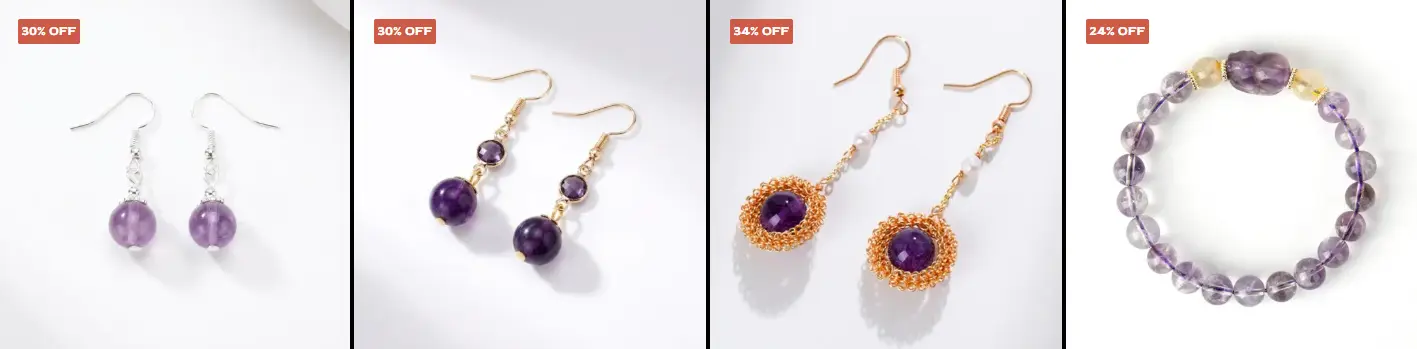
Buddha Head Earrings vs Alternative Sacred Symbols
Comparing different sacred jewelry forms clarifies why certain designs are appropriate while others cause spiritual dissonance. Let us examine how Buddha head earrings compare with full figure pendants and botanical alternative symbols for everyday fashion.
Buddha Head vs Full Buddha Pendant
Buddha head earrings place isolated sacred heads below the ears, directly violating traditional height placement rules. In contrast, a full Buddha pendant presents the complete figure seated peacefully above the chest level. The full figure preserves sacred mudra hand gestures and holistic spiritual balance.
When worn with humble intention on a long neck chain, full Buddha pendants are widely accepted by traditional practitioners. They serve as devotional tools rather than decorative fashion novelties. Earring placements, however, inherently conflict with traditional rules regarding sacred body hierarchy.
Buddha Head vs Lotus Flower Earrings Alternative
The lotus flower is one of the most cherished symbols in Eastern philosophy, representing pure spiritual emergence and rebirth. A lotus grows up through muddy pond waters to bloom pristine and unblemished on the surface. Wearing lotus flower earrings offers profound spiritual meaning without misusing sacred religious iconography.
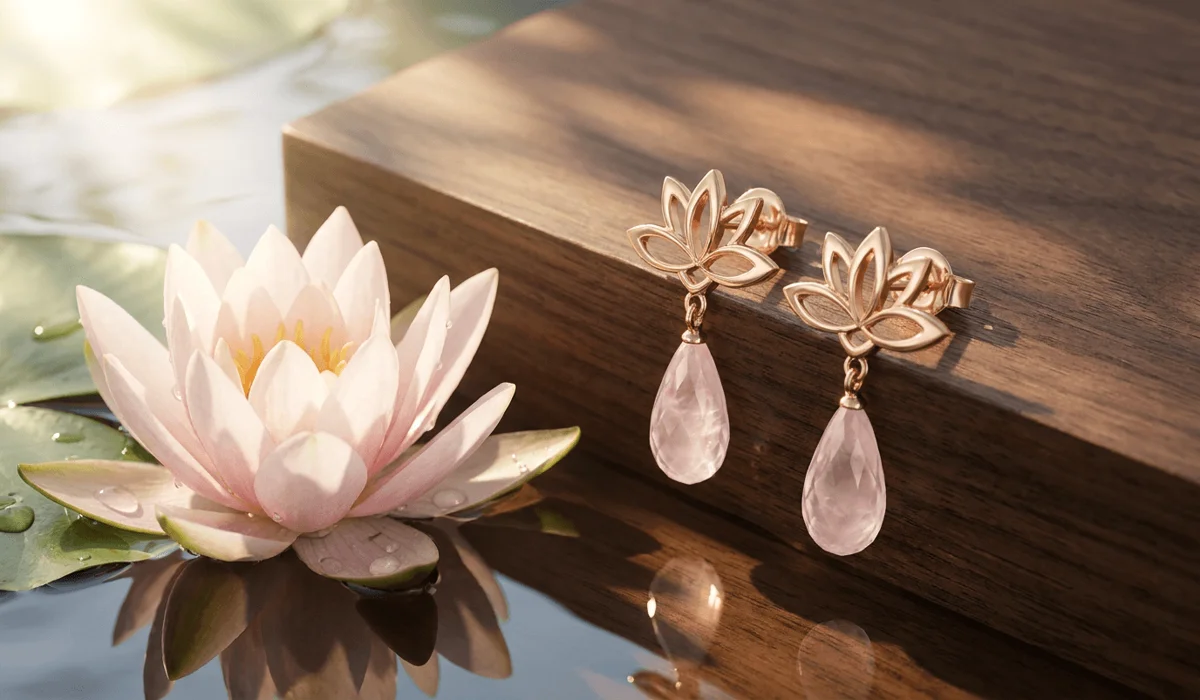
Here is a detailed comparison table between Buddha head earrings and lotus flower alternatives:
| Feature | Buddha Head Earrings | Lotus Flower Earrings |
|---|---|---|
| Cultural Appropriateness | Widely considered disrespectful | Universally respected and appreciated |
| Historical Background | Linked to temple statue looting | Inspired by natural botanical growth |
| Spiritual Placement | Violates heart-level placement rules | Ideal for elegant ear adornment |
| Energetic Balance | Severed representation causes dissonance | Harmonious, high vibrational focus |
By choosing lotus flower designs, you carry a timeless symbol of emotional resilience and inner purity. You can explore our handcrafted lotus creations for daily energetic balance and personal refinement.
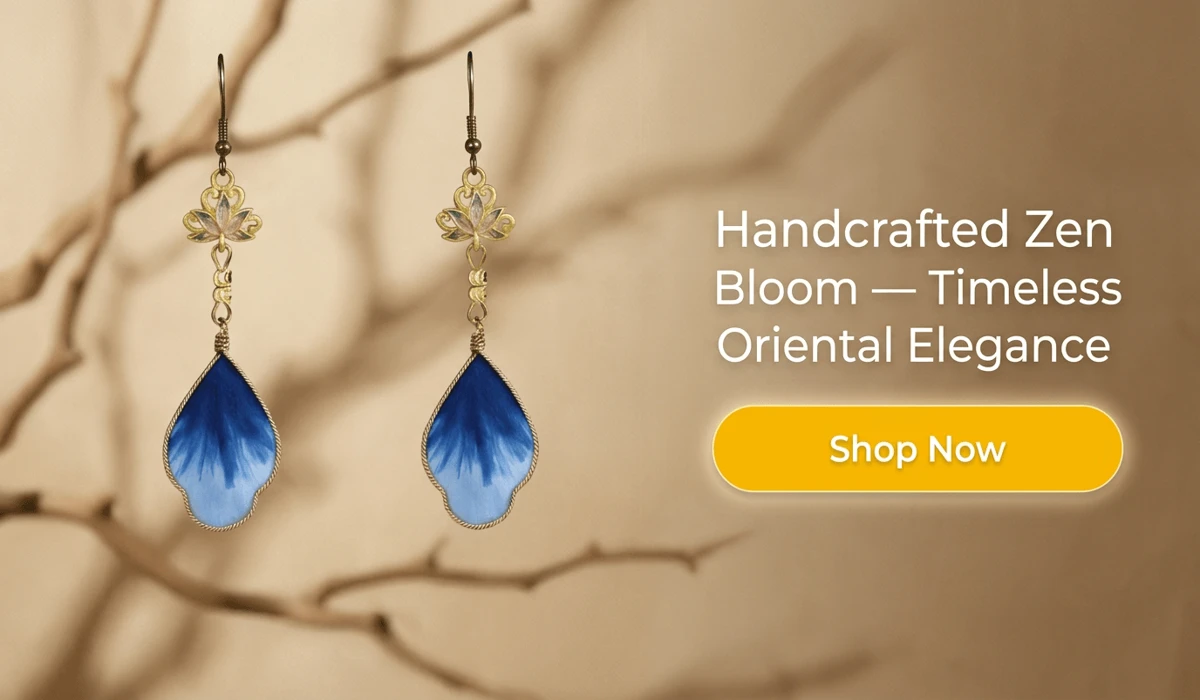
Who Are Spiritual Symbols Suitable For?
Spiritual symbols welcome anyone who seeks emotional tranquility, mindful focus, and authentic self-expression. You do not need to identify with a specific religion to appreciate universal wisdom and natural energetic principles.
Mindful Seekers and Non-Buddhists
Many non-Buddhists explore Eastern wisdom to build healthy daily meditation habits and mindfulness routines. You can honor these ancient teachings by choosing respectful, non-offensive symbols like sacred geometry or natural crystals. Browsing our Natural Gemstone Jewelry selection provides beautiful options that support your spiritual journey.
True cultural appreciation begins with sincere learning about the traditions that inspire your personal lifestyle. When you choose respectful adornments, you show genuine appreciation for Asian cultures and heritage. This open-minded approach fosters mutual respect and conscious global community.
Energy and Astrological Alignment
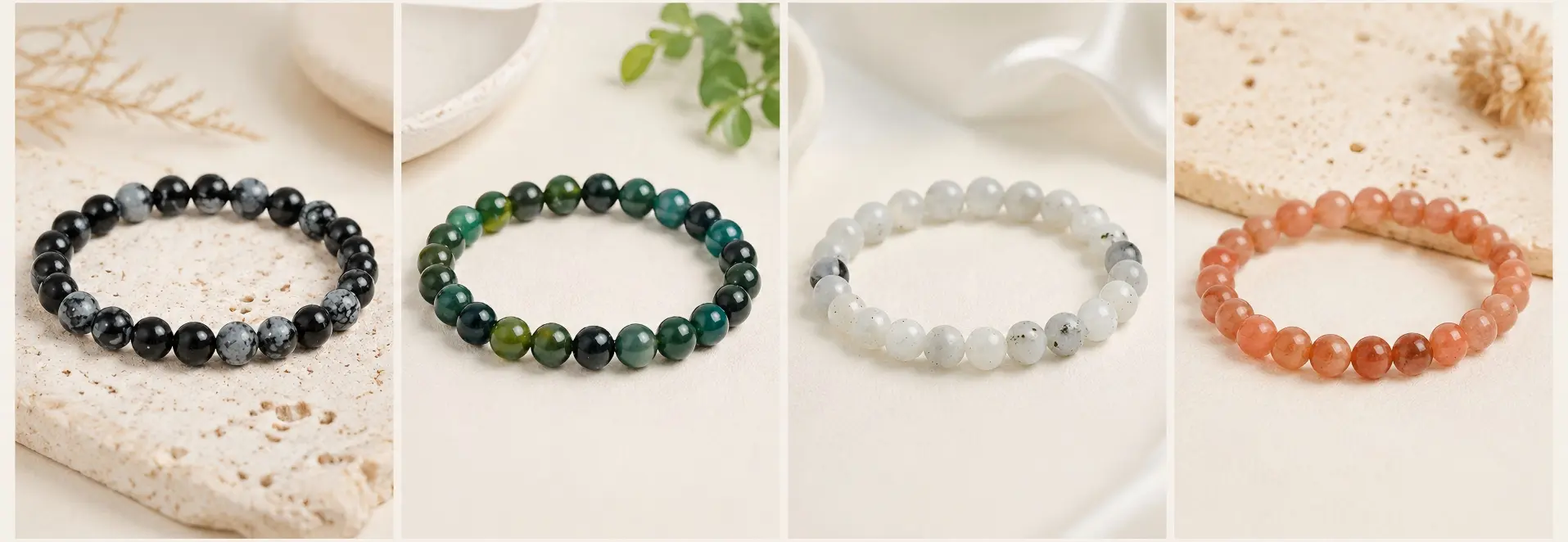
Spiritual gemstone earrings work wonderfully for individuals focusing on chakra alignment and astrological harmony. Natural crystals help smooth emotional stress and enhance intuitive clarity during major life transitions. They resonate strongly with water and air zodiac signs seeking gentle, peaceful energetic focus.
Integrating natural gemstones into your ear jewelry collection supports balanced chakra energy without violating cultural boundaries. It provides a grounded, beautiful way to carry high intentions wherever your life journey leads.
How to Cleanse, Charge, and Care for Sacred Ear Jewelry
Proper physical and energetic care ensures your spiritual jewelry remains radiant, vibrant, and clean over time. Regular clearing removes stagnant energies collected during busy daily activities in public environments.
Cleansing Methods
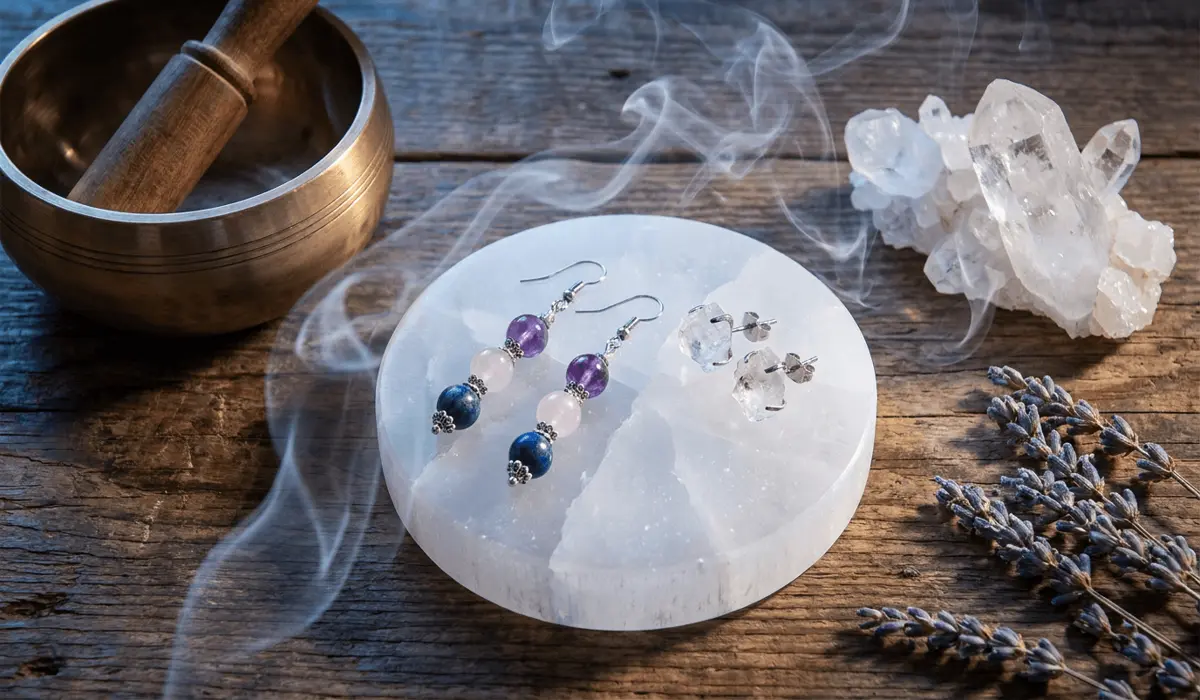
You can clear your gemstone jewelry by passing it gently through natural incense smoke, palo santo, or dried sage. Sound bath frequencies from Tibetan singing bowls or crystal harps also work exceptionally well to restore vibrational clarity. Exploring Contemporary High Fashion Trends shows how modern designers value proper care for precious metal jewelry.
Placing your ear jewelry on a selenite charging plate overnight gently purifies accumulated static energy. Selenite acts as a self-cleansing stone, restoring natural vibrational resonance to surrounding crystals. This gentle process preserves both physical craftsmanship and energetic freshness.
Charging Practices
To recharge your spiritual jewelry, place your pieces under soft moonlight during a clear night or full moon phase. Lunar energy brings calm, intuitive balance that restores natural gemstone vibrations. Avoid exposing delicate natural stones to harsh direct sunlight for extended periods.
While charging your jewelry, state silent personal intentions of peace, patience, and mindful compassion. This simple ritual establishes a personal connection between your heart goals and your daily adornments. It ensures your jewelry serves as an uplifting, respectful companion throughout your day.
Frequently Asked Questions
Q: Is it considered disrespectful to wear Buddha head earrings?
A: Yes, wearing Buddha head earrings is generally considered disrespectful because decapitated head imagery stems from colonial statue destruction and sacred Buddhist symbols should never be worn as ear piercings or below heart level.
Q: Why do some traditional Buddhists view Buddha head jewelry as inappropriate?
A: Traditional Buddhists view Buddha head jewelry as inappropriate because isolated head representations trivialize sacred iconography, recall painful historical statue looting, and violate cultural rules placing sacred images at the highest physical point of respect.
Q: Can non Buddhists wear Buddha head jewelry?
A: Non-Buddhists can appreciate Buddhist philosophy, but wearing Buddha head jewelry is strongly discouraged due to its decapitated historical context; non-Buddhists seeking respectful options should choose full Buddha pendants worn high on the chest or neutral symbols like the lotus flower.
Q: What is the cultural difference between a full Buddha figure and a Buddha head?
A: A full Buddha figure represents the complete, undivided journey toward enlightenment with sacred hand mudras intact, whereas a Buddha head is an incomplete representation born from historical vandalism, colonial trade, and modern commercialization.
Q: What are respectful alternative symbols to Buddha head earrings?
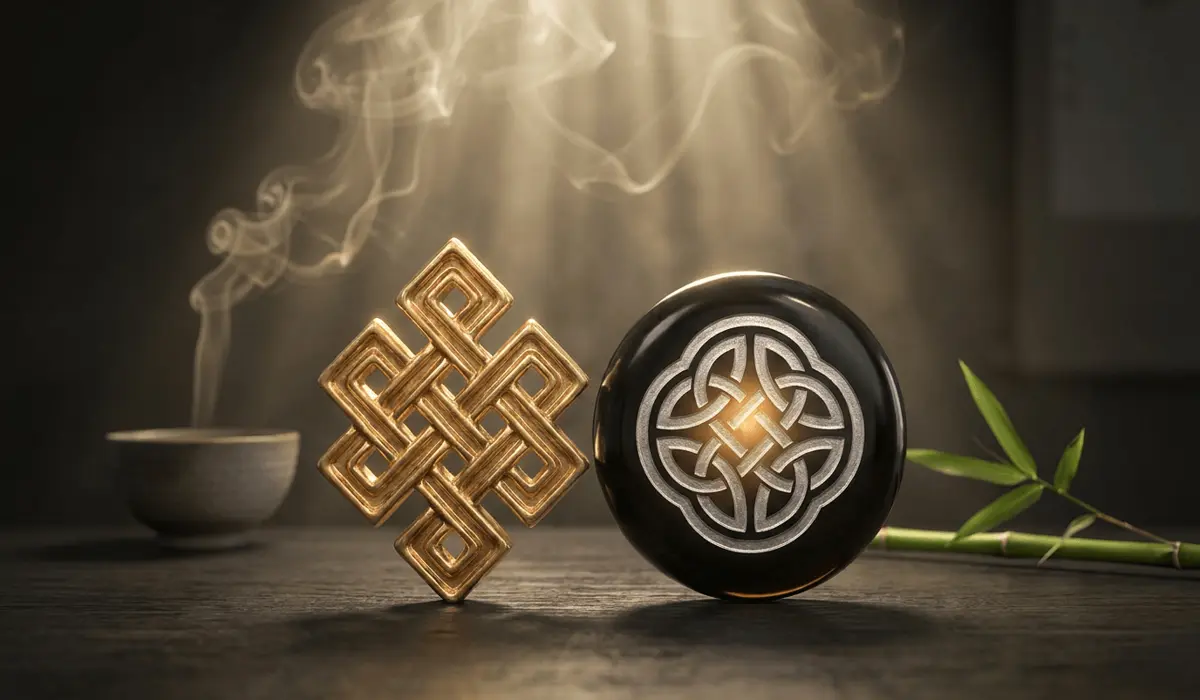
A: Respectful alternatives include lotus flowers, the Dharma Wheel (Dharmachakra), the Endless Knot, Unalome symbols, or natural gemstone earrings, all of which represent spiritual growth and mindfulness without misusing sacred iconography.
Key Takeaway: True spiritual beauty begins with cultural respect. By choosing whole representations or lotus motifs, you honor ancient wisdom while cultivating personal elegance.
Understanding sacred iconography empowers us to choose body adornments that honor ancient living traditions. Replacing isolated head motifs with respectful symbols like lotus blossoms or natural gemstones maintains a high-vibration lifestyle. Choosing mindful adornments ensures our personal style reflects true compassion, wisdom, and cultural harmony. We invite you to explore our thoughtfully crafted selection of spiritual ear jewelry and natural gemstone pieces to support your daily wellness journey.
Disclaimer: The information provided in this guide is for educational, cultural, and spiritual exploration purposes only. It does not constitute formal medical, legal, or financial advice. Spiritual and gemstone practices are meant to complement individual wellbeing and should not replace professional medical diagnosis or treatment. Please consult qualified experts for specific advice regarding health or legal matters.

Longyi Luck
Longyi Luck is a Feng Shui practitioner and spiritual researcher who blends traditional year-based wisdom with modern lifestyle insights, specializing in Feng Shui, spirituality, meditation, and mindfulness. With years of dedicated study and practice, Longyi explores cultural symbolism and the practical application of ancient wisdom to help individuals cultivate balance, clarity, and harmony in everyday life. Since 2020, Longyi has been committed to translating timeless traditions into accessible guidance for the modern world.
longyi@auraandluck.com
.webp?w=800&h=800)
.webp?w=800&h=800)