
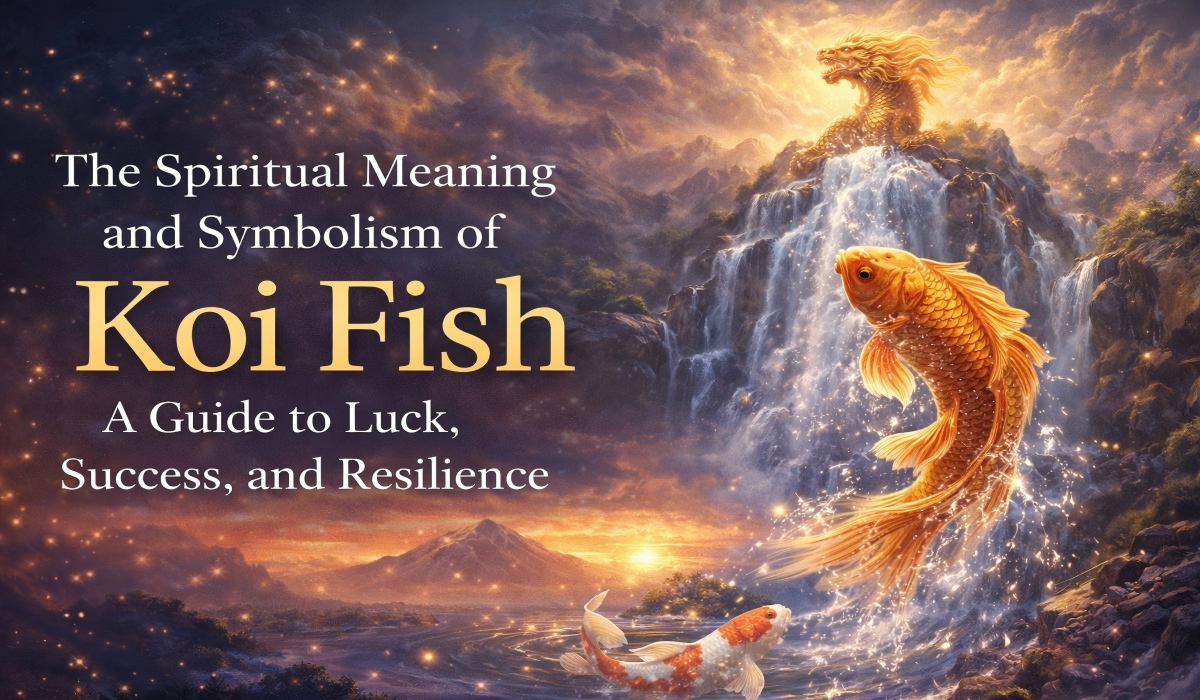
The Koi fish is far more than a vibrant inhabitant of ornamental ponds. It is a profound living talisman of the human spirit's capacity for self-transformation. For centuries, this "living jewel" has served as a bridge between the physical world and the spiritual realm. We see it as a symbol of the arduous but rewarding journey from a humble state to celestial greatness.
Ancient Origins and Sacred Legends: The Birth of a Totem
The Dragon Gate Legend: An Oracle of Upstream Struggle
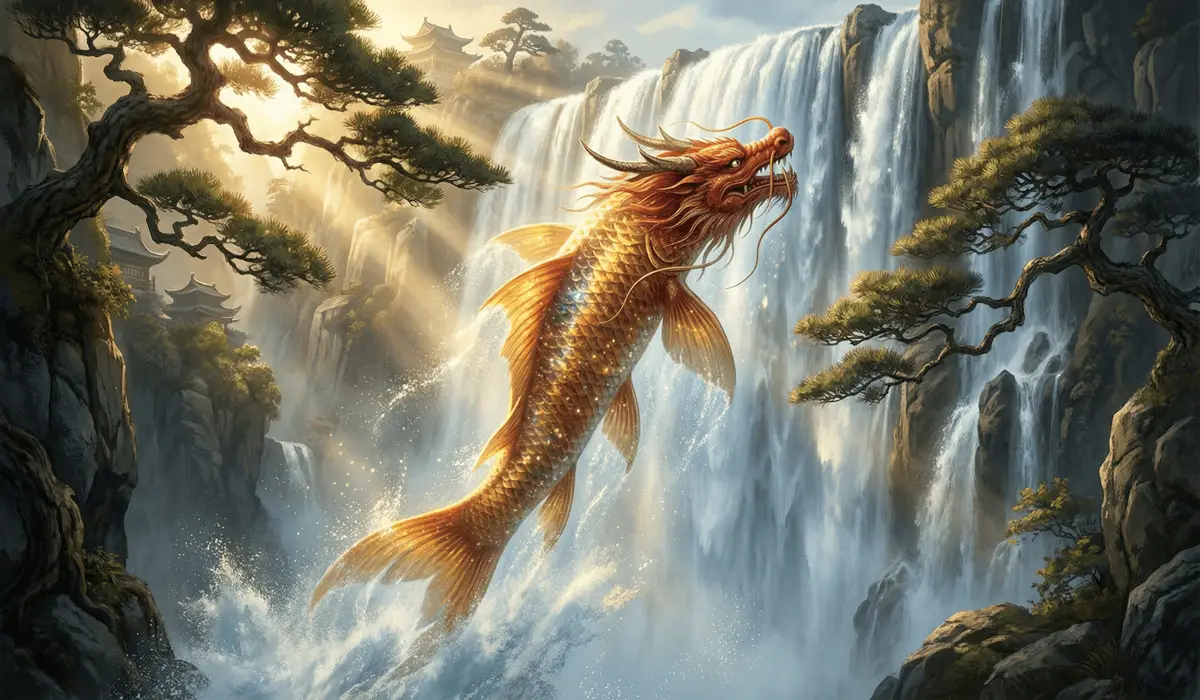
The story of the Koi begins with the Legend of the Dragon Gate (Longmen Falls). We find this myth in ancient Chinese lore, describing a school of golden Koi swimming upstream against the Yellow River's powerful current. While many fish gave up, a few reached the top of a massive waterfall. One single fish leaped through the mist and was transformed into a celestial dragon. This myth establishes the Koi as a bridge between the earthly and the divine, and serves as an archetypal metaphor for career success and social mobility.
In Chinese Taoism, the Koi embodies "Chi" (Qi), the life force that flows through all things. It is often used as a wealth cure in Feng Shui practices to attract prosperity. The Dragon Gate serves as a metaphor for passing difficult exams and achieving high social status. For many, the Koi represents the dream of moving upward through hard work—a philosophy of striving deeply rooted in the collective unconscious of East Asian civilizations.
Japanese Shinto and the Samurai Spirit
Japanese Shintoism also deeply honors the "Nishikigoi." These fish are viewed as spirits (Kami) of the water, representing purity and nature's power. Over time, they evolved from a simple food source into a symbol of national identity. They carry the same bravery, loyalty, and spirit of sacrifice once seen in the samurai warriors of old—even when placed upon a cutting board, the Koi does not struggle or cry out, and this silent fortitude is regarded by the Japanese as the noblest of virtues.
Risshin Shusse: The Eastern Philosophy of Success
At the heart of Koi symbolism is the Japanese philosophy of "Risshin Shusse." This translates to advancement in the world through merit, grit, and spiritual resilience. It teaches us that success is not given but earned through constant effort. The Koi acts as a teacher of strength of purpose, refusing to take the easy path downstream. This "upstream philosophy" in contemporary society resonates perfectly with modern warriors who choose to start businesses, switch careers, or break out of their comfort zones.
Eastern vs. Western Philosophies of Success
| Dimension | Eastern (Koi Philosophy) | Western (Common Success View) |
|---|---|---|
| Core Drive | Inner cultivation · Aligning with flow | External competition · Resource acquisition |
| Time Horizon | Long-term accumulation · Generational legacy | Short-term breakthroughs · Individual heroism |
| View of Failure | A necessary refinement within the current | A system flaw or disgrace |
| Ultimate Goal | Harmonious unity of spirit and matter | Maximized wealth and status |
Chart Insight: The wisdom of the Koi lies in treating the "upstream swim" itself as part of the cultivation process, not merely as a means to an end. This aligns remarkably with the "resilience theory" in modern positive psychology.
Hidden Philosophy: Decoding the Symbolism of the Koi
The Courage to Swim Against the Current
The Koi represents the courage to stand against the status quo—to swim upstream. While other fish drift with the current, the Koi chooses the hard path. This non-conformity makes it a primary symbol for the lone path of the seeker. It reminds us that individual strength is born from resistance and the will to keep moving forward. Psychologically, this "anti-fragility" trait is the core competency for navigating modern uncertainty.
Yin-Yang Balance and the Eye of Awareness
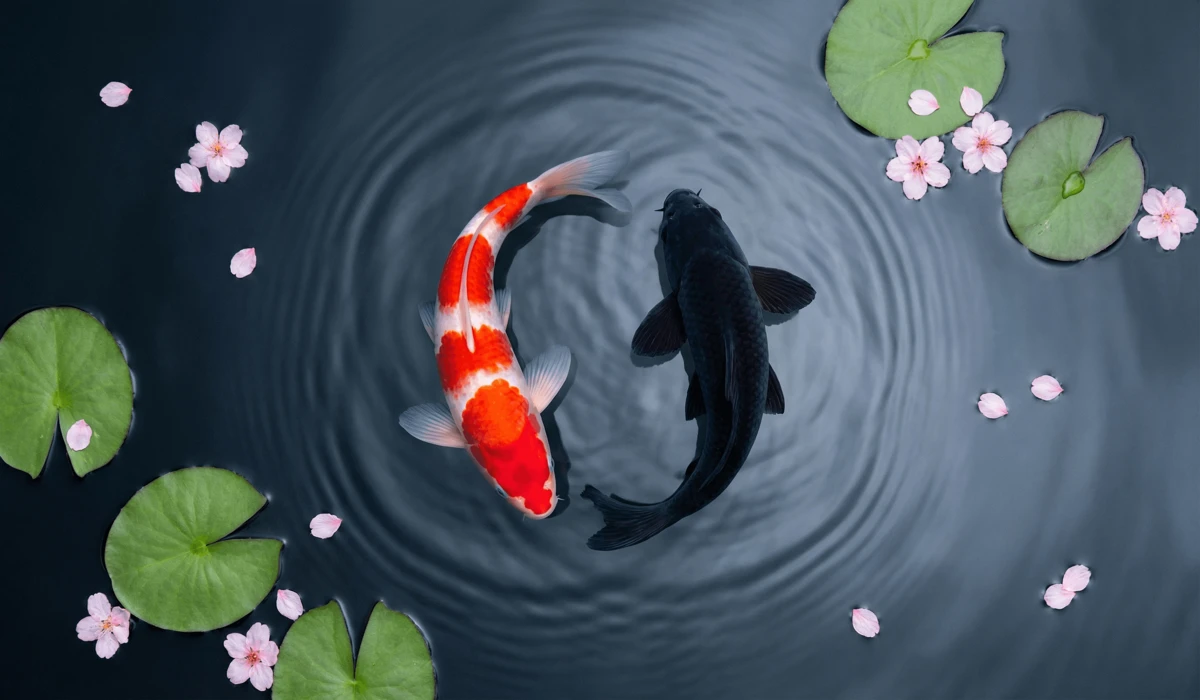
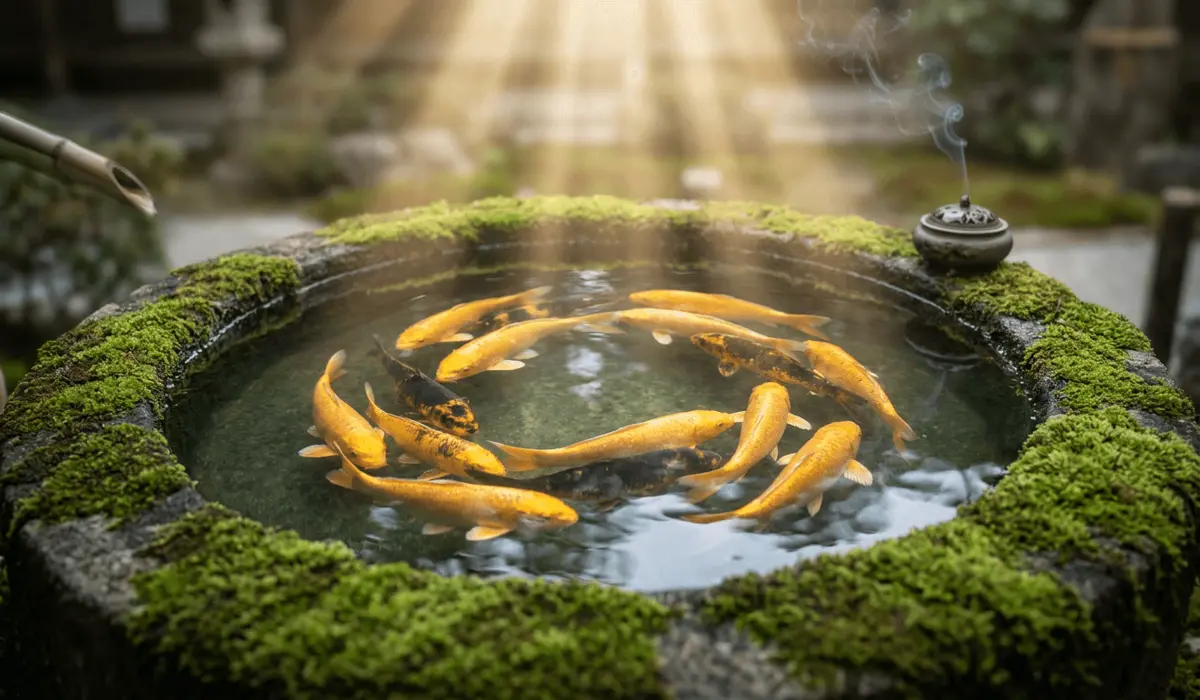
We often see two Koi swimming in a circle, forming a Tai Chi pattern. This represents the harmony of opposing forces in the universe. The dark and light fish show that balance is necessary for growth. The teardrop shape of the fish looks like a watchful eye, symbolizing constant awareness and mental fortitude. In meditation traditions, this "double-fish eye" is seen as a metaphor for the third eye—representing the intuitive wisdom that transcends dualistic thinking.
Karmic Flow and the Art of Patience
The Koi also teaches us about karmic flow and patience. In a Zen water garden, these fish move with a steady, calm rhythm. They wait for the right moment to strike or move, showing us how to manage our energy. This mental stillness is vital for anyone facing a long-term challenge or a major life goal. Just as water nourishes all things without contending, the Koi's patience is a form of passive power—it transforms external turbulence into internal sedimentation.
Cultural Evolution: Eastern vs. Western Interpretations
Chinese Perspective: Wealth and Generational Legacy
The Chinese perspective focuses heavily on wealth and generational legacy. Many people keep nine fish in a pond to create a cycle of eternal abundance. This number represents completion and long-lasting luck. The longevity of the fish suggests that the wealth you build today will last for your children and grandchildren. In Feng Shui, the combination of Koi and the water element is believed to activate the wealth sector, particularly the southeastern "Xun Gong" area.
Japanese Perspective: Bravery and Family Bonds
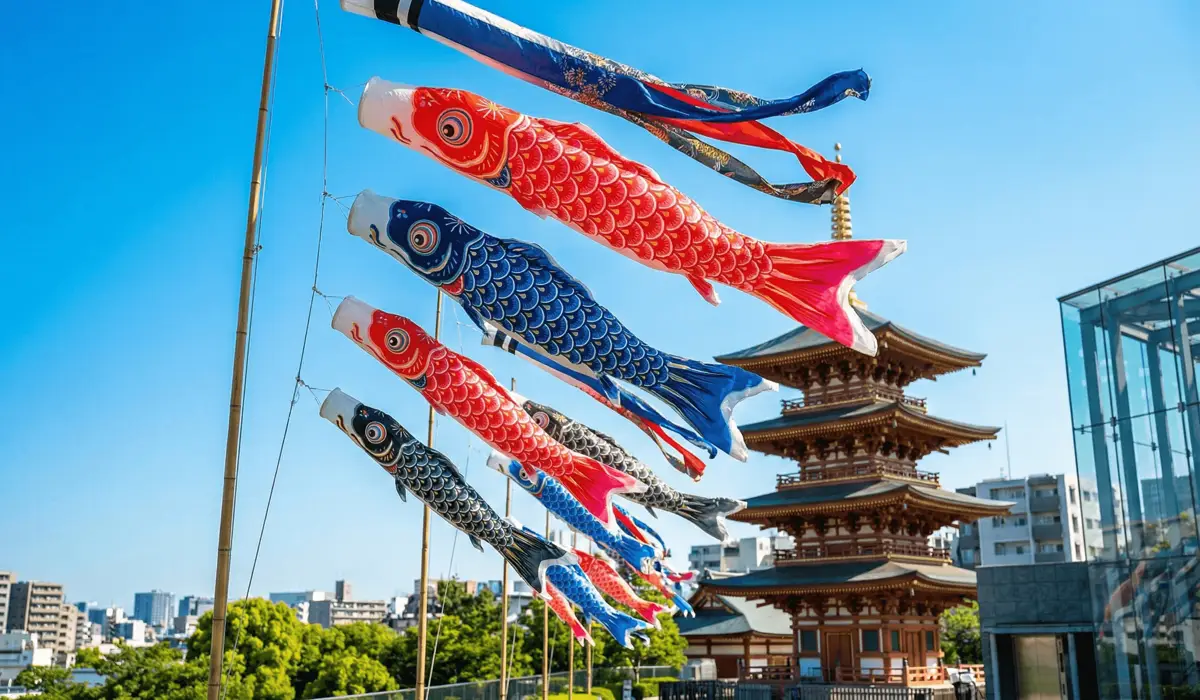
In Japan, the focus shifts toward bravery and family bonds. We see this during the Koinobori tradition, where carp streamers fly in the wind on Children's Day. These streamers instill "Piscean energy" and courage in the next generation. It is a way for families to pray that their children grow up strong and healthy. Each streamer represents a family member—the largest black carp for the father, red for the mother, and blue/green for the children—forming a colorful flow of blessings.
Western Perspective: Personal Transformation and Psychological Healing
Modern Western views have adopted the Koi as a symbol of personal transformation. Many people use the image to represent recovery from trauma or mental health struggles. In a high-pressure modern world, the Koi serves as a success talisman. It reminds us that we can survive the "current" of modern life without losing our inner peace. In recent years, Koi tattoos have surged in the West, often combined with mandalas, lotus flowers, and other elements to form a cross-cultural healing symbol.
Directional Symbolism in Tattoos and Art
The direction a Koi swims in a tattoo or painting changes its meaning. A fish swimming upstream shows that the person is currently in a battle or facing a major obstacle. A fish swimming downstream suggests that the person has already achieved their goal. Both views are respected as part of the cycle of life according to authoritative sources. Additionally, Koi paired with peonies represents wealth and honor; paired with waves, it represents fearlessness; paired with a dragon, it represents the ultimate transformation.
Wearing the Amulet — The Modern Spiritual Value of Koi Jewelry
An Anchor of Mindfulness in the Digital Age
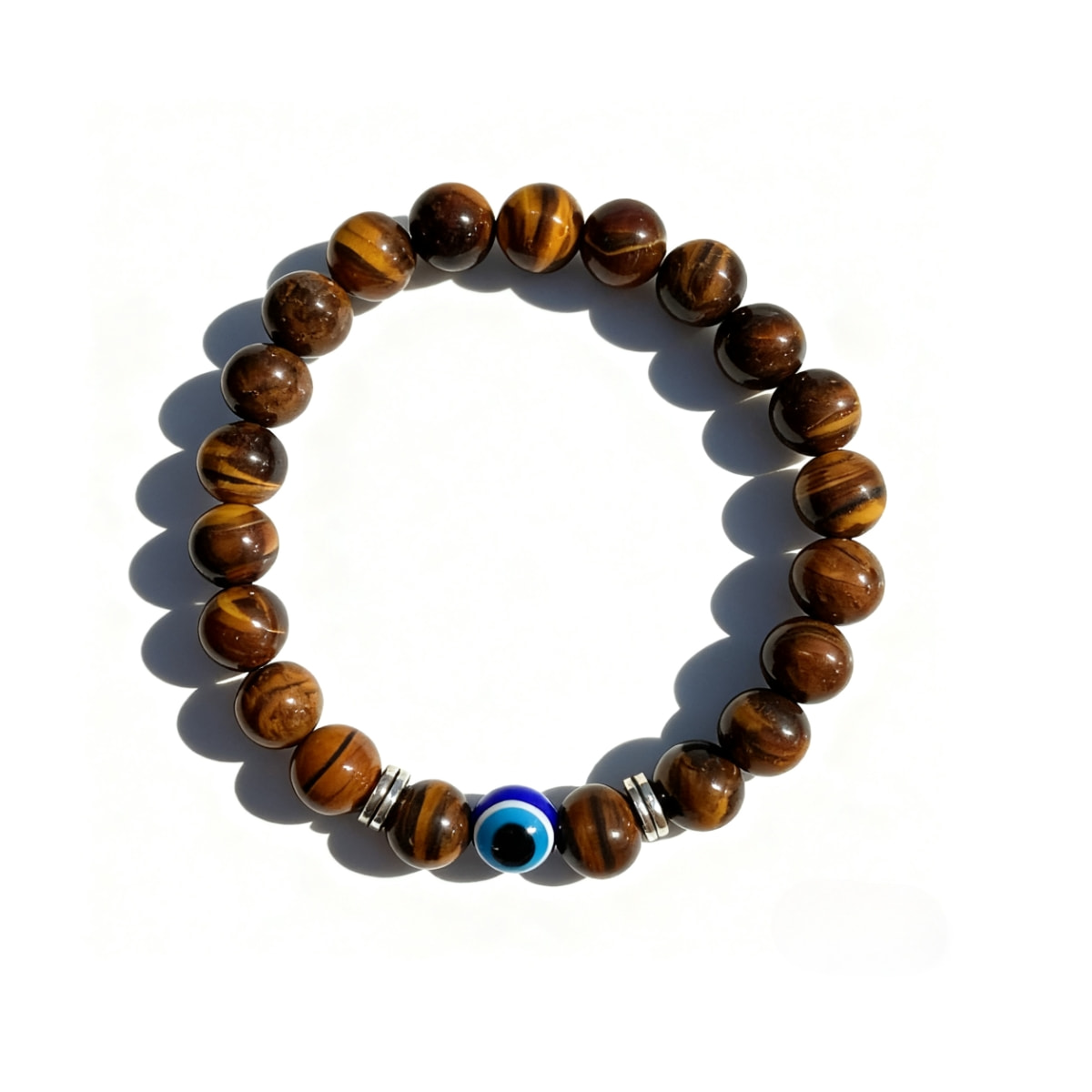
In 2026, our lives are faster than ever, often leading to digital burnout. Using Koi jewelry acts as a mindfulness anchor to keep us grounded. When you feel the weight of a pendant, it reminds you to breathe and be patient. It helps you navigate the hyper-speed "digital stream" with the steady resolve of the Koi. You can find many pieces in our Best Sellers collection that capture this spirit.
The color of the Koi also changes the energy it brings to the wearer. Different colors focus on specific areas of life like career, money, or emotional healing. Choosing the right color helps align your personal energy with your specific goals for the year. This is especially useful when following a Feng Shui guide for modern living.
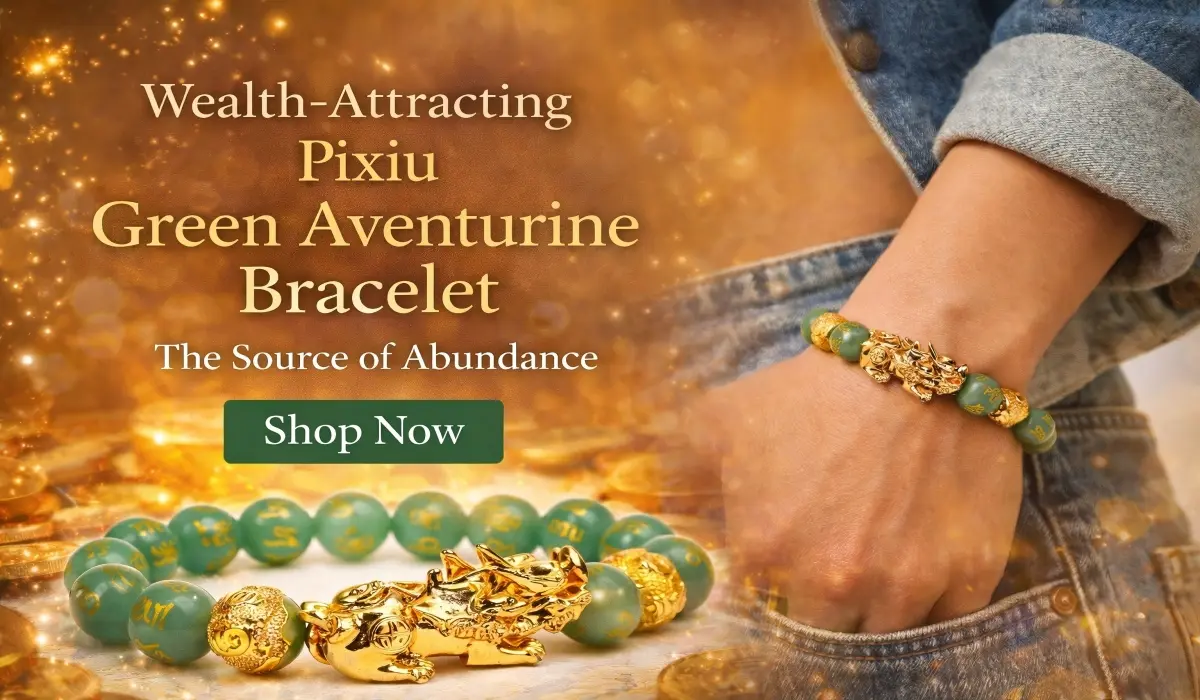
Complete Guide to Color Energies
The Power of Specific Colors:
-
Kohaku (Red and White) : The ultimate symbol for career advancement and professional success. Red represents action and passion; white represents pure intention and fresh starts. Ideal for those job-seeking, pitching for promotion, or in the early stages of entrepreneurship.
-
Yamabuki (Gold) : Anchoring the abundance mindset and attracting physical prosperity. Gold corresponds to the solar plexus chakra, embodying confidence and wealth. Suitable for sales professionals, financiers, or anyone aspiring to income growth.
-
Karasu (Black) : Representing the "dark night of the soul" and the strength found in overcoming trauma. In the Five Elements theory, black belongs to Water and can absorb negative energy while providing deep protection. Ideal for those undergoing major loss or transitions.
-
Ogon (Platinum) : Focused on business success and attracting wealth through clear communication. The platinum sheen symbolizes higher wisdom and precise decision-making, suitable for executives, negotiators, and creative directors.
Wearing a Koi totem is essential during major life transitions. Whether you are moving to a new city or starting a new job, this fish provides transformational energy. It ensures that you don't just survive the change, but thrive in your new environment. This connection to the water element keeps your "Chi" moving and prevents stagnation.
Koi in Feng Shui: Harmonizing the Flow of Wealth and Energy
In the World of Feng Shui, the placement of Koi imagery is very important. To stimulate career growth, place your Koi art in the North sector of your office. For wealth and money, the Southeast sector is the most auspicious choice. These directions help the energy of the Koi flow into your daily work life.
The number of fish you display also carries a specific vibration. Most practitioners suggest using nine fish: eight bright ones and one black one. The black fish is said to absorb any negative energy or "Sha Chi" that enters the space. This creates a protective shield around your prosperity and peace of mind.
Advanced Feng Shui Techniques for Koi
Beyond direction and number, the flow of water is equally crucial—water should flow inward toward the building, symbolizing wealth entering the home. The swimming direction of the Koi should ideally be clockwise, representing energy circulation and endless renewal. If using a Koi painting, ensure that the fish are facing toward bright, open spaces rather than walls or dead corners.
| Target Area | Best Direction | Recommended Number | Recommended Color | Taboos |
|---|---|---|---|---|
| Career Growth | North (Kan Gong) | 1 or 6 | Red-White / Black | Avoid near toilet |
| Wealth Accumulation | Southeast (Xun Gong) | 8+1 | Gold / Red-White | Avoid facing main door |
| Academics / Exams | Northeast (Gen Gong) | 4 | Blue-White / Red-White | Avoid in bedroom |
| Health / Healing | East (Zhen Gong) | 3 or 9 | Platinum / Red-White | Avoid stagnant or dirty water |
| Relationships / Love | Southwest (Kun Gong) | 2 (paired) | Red-White / Red | Avoid odd numbers or black |
Symbolic Comparison and Cultural Integration
| Culture | Primary Meaning | Core Element | Typical Application |
|---|---|---|---|
| Chinese | Wealth and Social Mobility | Dragon Gate Legend | Feng Shui ornaments, New Year paintings, jade carvings |
| Japanese | Bravery and Fortitude | Koinobori Streamers | Children's Day decorations, samurai family crests |
| Western | Personal Growth and Healing | Mental Fortitude | Tattoo art, psychotherapy metaphors |
| Buddhist | Fearlessness and Persistence | Upstream Struggle | Zen paintings, sutra transformation tales |
Understanding these differences helps you choose a symbol that fits your current life stage. If you are looking for a promotion and salary raise, use the Chinese focus on the Dragon Gate. If you need courage for a personal battle, look toward the Japanese samurai spirit. This wisdom is also shared in our Zodiac Predictions Guide for the coming year.
Rituals and Practice: Using the Koi for Meditation
Daily Four-Step Practice
You can bring the energy of the Koi into your daily life through simple rituals. These practices help you build the same inner heat and resolve as the fish swimming upstream. They don't require much time but can greatly improve your focus and calm. We recommend these steps for anyone feeling overwhelmed by their goals.
- 🌸 Upstream Breath: Inhale deeply while imagining yourself pushing through water, building internal strength.
- ☸️ Dragon Gate Vision: Spend 5 minutes daily visualizing your current struggle ending in a brilliant transformation.
- 🕉️ Setting Daily Intent: Touch your Koi jewelry and state one small step you will take toward your bigger goal.
- 🧿 Water Cleansing: Place your Koi jewelry near running water or a fountain to refresh its "prosperity energy."
Advanced Weekly Practice
Every Sunday evening, you can engage in a deeper Koi Water Meditation: Fill a bathtub or basin with warm water, add sea salt, sit in it, and imagine yourself as a Koi fish, feeling the embrace and support of water. In this state, silently recite: "I am like the Koi—even against the current, I am at ease." Continue for 11 minutes, allowing the water element to thoroughly wash away the week's fatigue and blockages.
By repeating these rituals, you align your mind with the "abundance mindset." You stop seeing obstacles as walls and start seeing them as the current you were born to swim against. This shift in perspective is the true "magic" of the Koi symbol. It changes your inner world before it changes your external reality.
Ethical Symbolism and Cultural Respect
Respect the cultural roots of the Dragon Gate legend by keeping your Koi symbols clean and bright. In spiritual practice, a dusty or broken symbol can lead to stagnant energy. Treating your jewelry or artwork with care shows respect for the journey it represents. This ensures the "luck" associated with the symbol stays active and strong. Furthermore, never use the Koi symbol in frivolous or derogatory contexts, as this may sever its spiritual connection.
FAQ: Navigating the Wisdom of the Koi
Q: What is the spiritual significance of a Koi swimming upstream vs. downstream?
A: Upstream represents the active battle and the pursuit of goals against all odds. Downstream represents having achieved success, accepting the current flow of life, or a period of rest after a long struggle.
Q: How does the Dragon Gate myth apply to modern career success in 2026?
A: It serves as a reminder that the "leap" into new technology or leadership roles requires intense effort. The myth teaches that the most difficult part of the journey is often right before the greatest transformation.
Q: Why is the Kohaku (red and white) Koi considered a symbol of career advancement?
A: The white represents the purity of intent and a clean slate, while the red represents power, passion, and the energy required to lead others. Together, they create a balanced approach to professional growth.
Q: What does a black Koi (Karasu) represent in terms of overcoming trauma?
A: It symbolizes the "void" and the ability to emerge from the darkest, deepest waters. It represents the strength found in silence and the resilience built through surviving life's hardest moments.
Q: How does the Koi's longevity symbolize legacy and generational wealth?
A: As fish that can live for many decades, they represent the "compounding interest" of your efforts over time. They symbolize a name and a fortune that will last long after the initial struggle is over.
Conclusion: Integrating the Wisdom of the Koi
The Koi does not ask for the river to be calm; it asks only for the strength to swim against it. By aligning with this energy, we embrace the "transformational energy" required to reach our own Dragon Gate. May your path be steady, your resolve be golden, and your transformation be absolute. Remember that every small stroke upstream brings you closer to your celestial form.

Longyi Luck
Longyi Luck is a Feng Shui practitioner and spiritual researcher who blends traditional year-based wisdom with modern lifestyle insights, specializing in Feng Shui, spirituality, meditation, and mindfulness. With years of dedicated study and practice, Longyi explores cultural symbolism and the practical application of ancient wisdom to help individuals cultivate balance, clarity, and harmony in everyday life. Since 2020, Longyi has been committed to translating timeless traditions into accessible guidance for the modern world.
longyi@auraandluck.com
.webp?w=800&h=800)
.webp?w=800&h=800)