
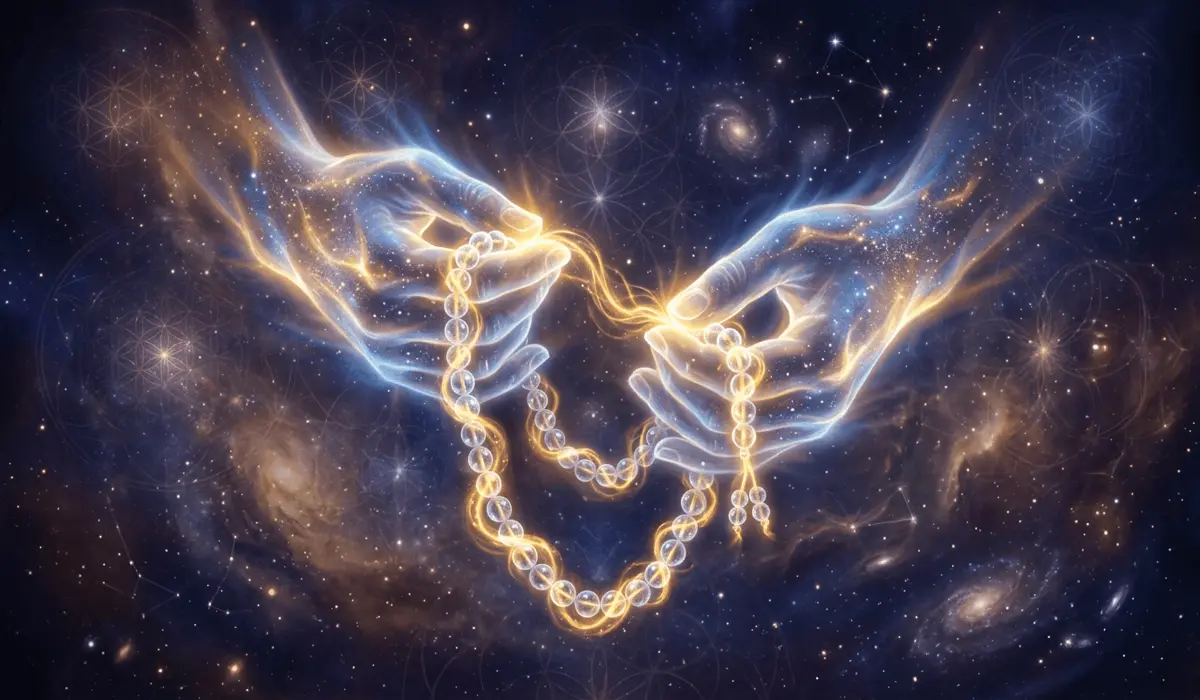
Holding your mala beads correctly is the first step toward a successful Japa meditation practice. We use the right hand to move the beads while avoiding the touch of the index finger. This traditional method helps focus the mind and keeps spiritual energy flowing through your body during the ritual.
- Mala beads serve as a physical tool for counting mantras and staying present.
- The right hand is the primary tool for holding and moving beads in traditional practice.
- Avoiding the index finger represents setting aside the ego during spiritual work.
- The guru bead acts as a sacred boundary and should never be crossed.
- Materials like Rudraksha and Sandalwood offer unique energetic benefits for practitioners.
What Is Japa Meditation and How Do You Hold Your Mala?
Definition of Japa Meditation
Japa is a sacred tradition from the Vedic era that uses repetitive sounds to calm the brain. We often describe Japa as the soft whispering or mental repetition of a holy name or phrase. This practice helps create a rhythmic flow of Chi (气) that clears the path for deeper self-reflection and peace.
A mala is more than just a necklace; it is a spiritual anchor for your daily ritual. By moving each bead with your fingers, you give your body a task that keeps the mind from drifting away. Our team at Aura & Luck often suggests this practice for anyone looking to build a consistent mindfulness routine.
Traditional Mala Bead Placement
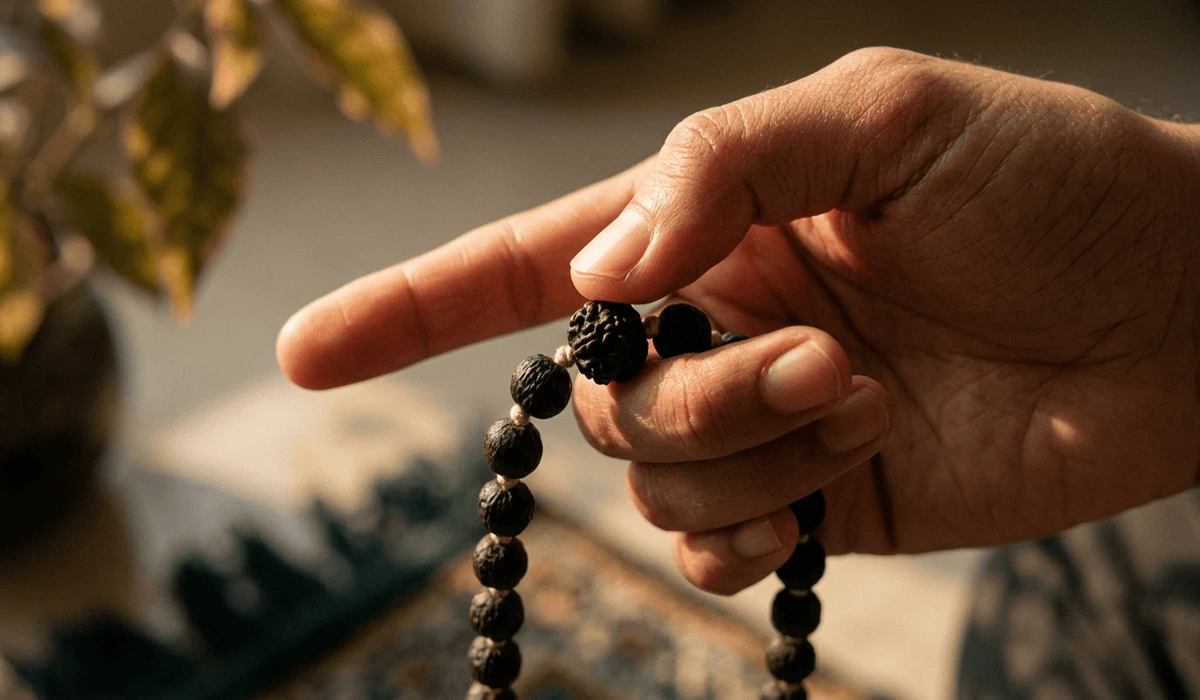
Proper meditation hand posture begins with placing the mala over your middle finger. You should hold your right hand near your heart center or rest it on your knee while sitting. The thumb acts as the driver, pulling each bead toward you after every completed mantra recitation.
Maintaining this specific posture ensures that your focus stays on the physical sensation and the sacred sound. Using the right hand is vital in many Eastern traditions because it is considered the hand of giving and pure action. This simple act of placement sets the stage for a powerful energetic experience.
Basic Characteristics of Prayer Beads
A standard mala has 108 beads plus one larger bead known as the guru bead. This special bead marks the start and end of your meditation cycle and should be honored. Most malas also feature a vibrant tassel that represents the connection to divine energy and the roots of the lotus flower.
The beads are usually hand-knotted, which means there is a small knot between every single stone or seed. These knots make it easier to move the beads one by one without them slipping or sticking together. This thoughtful design helps practitioners maintain a steady pace even during very long meditation sessions.
Spiritual Meaning & Symbolism of Mala Beads
Traditional Symbolism
The number 108 is highly significant in many cultures and represents the wholeness of existence. Some believe there are 108 earthly desires that we must overcome to find true inner freedom. Others point to the 108 energy lines that meet at the heart chakra to form our spiritual center.
The guru bead significance is found in its role as a mountain of spiritual achievement. It reminds us of the teachers who have shared this ancient wisdom over many generations. Every time we reach this bead, we pause to express gratitude for the guidance we have received on our journey.
Chakra Associations
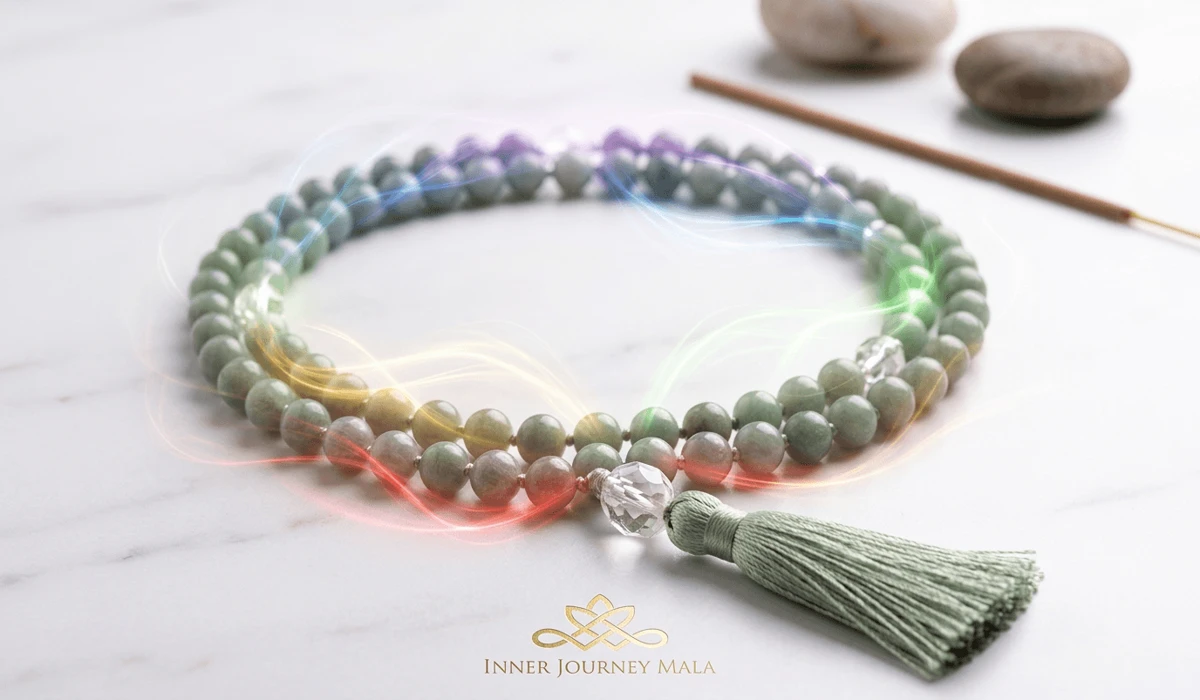
Moving the beads creates a specific vibration that helps align your heart and throat chakras. This is especially true when you chant out loud, as the sound resonates through your entire physical being. The tactile touch on your fingertips also stimulates nerve endings that are linked to different energetic pathways.
Different stones can amplify these effects depending on their unique properties and colors. For example, a heart-focused stone might help with compassion, while a grounding seed helps with stability. We have seen how choosing the right material can make a big difference in how a practitioner feels after their ritual.
Cultural and Historical Context
The use of prayer beads for mindfulness has been a part of human history for thousands of years. From the high mountains of Tibet to the temples of India, these tools have helped millions find clarity. Traditionally, a student would receive their first mala from a teacher along with a specific mantra to practice.
This lineage ensures that the sacred bead etiquette is kept alive and respected. The mala is often called a "threngwa" in some traditions, which means a garland of beautiful flowers. It is treated as a living object that stores the personal energy and devotion of the person who uses it daily.
Benefits & Intentions Associated with Mala Meditation
Commonly Associated Intentions
Many people start using a mala to find relief from the stress of a busy modern life. The rhythmic nature of the practice acts like a mental massage that slows down racing thoughts. It is a wonderful way to set a positive tone for the day or to wind down before sleeping at night.
Using a mala also helps you build a dedicated "sacred space" wherever you happen to be. Whether you are at home or traveling, holding your beads reminds you of your deeper purpose and goals. Our clients often tell us that their mala feels like a protective shield during difficult times.
Mindfulness & Personal Practices
The physical act of counting beads prevents the "monkey mind" from taking over your meditation. If your mind starts to wander, the sensation of the bead under your thumb brings you back to the present. This tactile feedback is one of the most effective ways to deepen your levels of concentration.
Regular practice can lead to a greater sense of patience and emotional balance in your daily life. It teaches you to stay focused on one task at a time, which is a rare skill in today's world. Many find that the calm they feel during Japa starts to follow them into their work and relationships.
"I’ve been trying to stay consistent with daily japa, but honestly… it’s harder than I expected... I ended up building a very simple app just for myself: a 108 bead counter... It’s been helping me stay more consistent."
*sources:[Mala Japa, Sankalp, Bhakti and Daily life](https://reddit.com/r/hindu/comments/1so23rd/mala_japa_sankalp_bhakti_and_daily_life/)*
This user's experience shows how modern tools can sometimes help, but the core goal remains consistency and focus. A physical mala provides a sensory experience that apps cannot fully replicate, making it a preferred choice for many.
How to Wear and Carry Your Mala
Left Hand vs Right Hand (Feng Shui Logic)
In the tradition of Japa, the right hand is strictly used for the active movement of the beads. This is because the right hand is associated with solar energy and the projection of power. The left hand is typically used for receiving energy and is often kept in a relaxed position during meditation.
When you wear your mala as a bracelet, the choice of wrist can change the energetic effect. Wearing it on the right side helps you give more of your light and strength to the world. Wearing it on the left helps you absorb the healing properties of the stones and stay receptive to guidance.
When People Choose to Wear It
Many choose to wear their Mala Meditation Guide throughout the day to keep their intentions close. It serves as a beautiful reminder of the peace you found during your morning practice. Some people prefer to tuck the mala inside their shirt to keep the energy private and close to the skin.
If you are not wearing your beads, it is best to keep them in a small cloth bag made of silk or cotton. This keeps the tassel from getting tangled and protects the beads from picking up outside influences. We always recommend keeping your mala in a clean, elevated place when it is not in use.
Intention-Setting Practices
Before you begin your session, take a moment to hold the mala in both hands and breathe deeply. This is the perfect time to set a Sankalpa, which is a focused intention or a heartfelt desire. You might focus on a word like "peace," "strength," or "clarity" as you start your counts.
Touching the guru bead to your forehead or heart is a beautiful way to acknowledge the sacredness of the tool. This gesture connects your physical body to the spiritual energy stored within the beads. Treating your mala with this level of respect helps deepen the impact of every mantra you recite.
Video source:YouTube
Author:The Yoga Institute
Original video link:https://www.youtube.com/watch?v=IuPmTCbZwSQ
Rudraksha Mala vs Sandalwood Mala
| Feature | Rudraksha Mala | Sandalwood Mala |
|---|---|---|
| Primary Association | Strength and Protection | Peace and Tranquility |
| Texture | Rugged and Seed-like | Smooth and Silky |
| Fragrance | Earthy and Subtle | Sweet and Long-lasting |
| Best For | Discipline and Focus | Healing and Compassion |
Rudraksha Mala Benefits
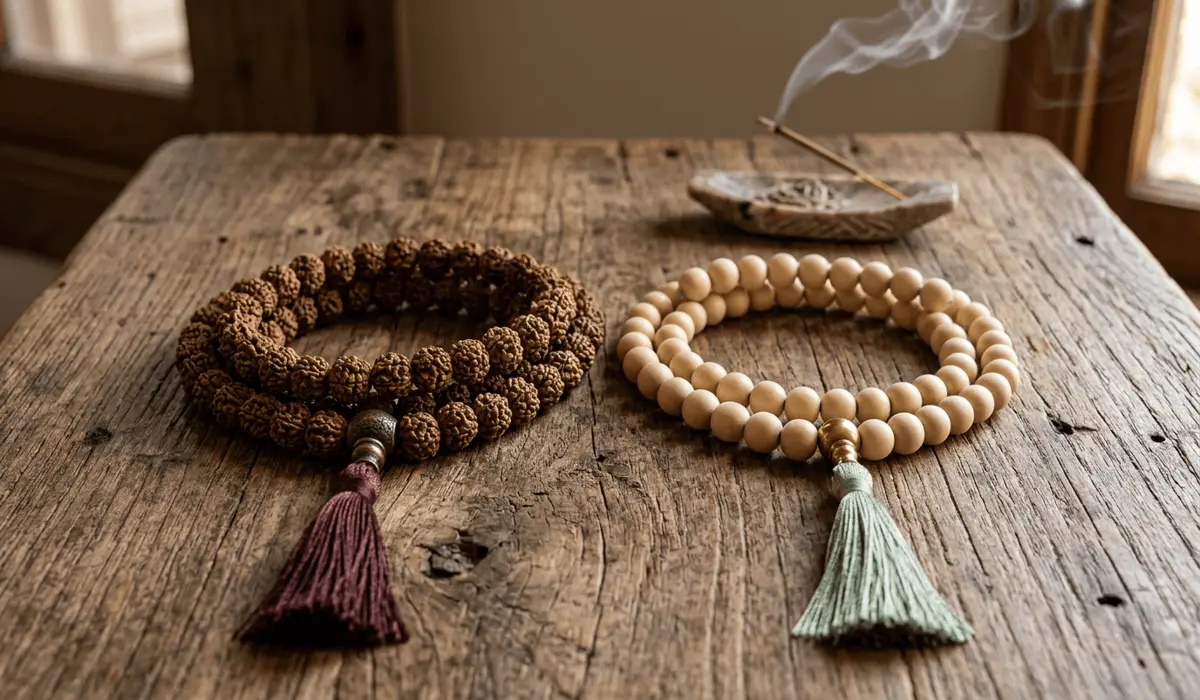
Rudraksha beads are the seeds of the Elaeocarpus tree and are very sacred in the Hindu tradition. They are known for their bumpy, rugged texture which provides excellent tactile feedback during meditation. These seeds are believed to create a cocoon of your own energy, protecting you from external stress.
Many practitioners choose Rudraksha when they are working on building personal discipline or physical health. They have a very grounding energy that helps you feel stable and connected to the earth. Our team often recommends these for those who want a very traditional and "raw" feel to their practice.
Sandalwood Mala Properties
Sandalwood is a precious wood known for its cooling properties and its wonderful, soothing scent. The aroma of Sandalwood has been used for centuries to help calm the nervous system and prepare the mind for prayer. Its smooth surface feels very comfortable against the skin during long chanting sessions.
This material is often chosen by those who seek a sense of inner peace and emotional healing. The gentle energy of Sandalwood makes it ideal for practices focused on compassion and loving-kindness. It is a perfect choice for beginners who want a soft and inviting introduction to the world of Japa.
Who Is Japa Meditation Suitable For?
Chakra or Energy Alignment
Japa meditation is suitable for anyone who feels their energy is out of balance or scattered. It is particularly helpful for those who want to work on their Spiritual Healing Crystals connection. The rhythmic sound and movement help harmonize the different centers of the body, creating a sense of total alignment.
If you find it hard to sit still in silence, the active nature of Japa provides the physical engagement you need. It turns a stationary practice into a moving prayer that keeps your senses occupied. This makes it an excellent choice for people with busy minds or high levels of daily anxiety.
Zodiac or Astrological Associations
In Vedic traditions, specific bead materials are often chosen based on an individual's birth chart. For example, some might be told to use a specific type of seed or gemstone to help balance planetary influences. This personalized approach helps tailor the meditation to your unique astrological needs.
Many practitioners also choose their beads based on the elements they wish to invite into their lives. An earthy stone might be perfect for a Taurean seeking stability, while a clear seed might help a Gemini find mental clarity. Choosing a mala that aligns with your sign can add an extra layer of meaning to your ritual.
Lifestyle & Personal Intentions
This practice is inclusive and can be adapted for anyone, regardless of their personal beliefs. You do not need to use ancient Sanskrit mantras to see the benefits of the technique. You can use simple affirmations in your own language to cultivate a positive mindset and personal growth.
It fits easily into a modern lifestyle because you can do as many or as few rounds as you have time for. Even ten minutes of focused Japa can shift your mood and improve your focus for the rest of the day. It is a versatile tool that grows with you as your personal practice evolves over the years.
"The temple priest told me not to wear the mala while using the washroom... telling that we are apavitra (impure) during these times... Needed some guidance whether wearing a rudraksh mala comes with such rules or not."
*sources:[Rules and practices for wearing rudraksh mala](https://reddit.com/r/Tantrasadhaks/comments/1staxb5/rules_and_practices_for_wearing_rudraksh_mala/)*
This Reddit discussion highlights how cultural rules can vary, but the underlying message is always about showing respect. Whether you follow strict rules or a more personal path, keeping your mala in a clean state is a good general practice.
How to Cleanse, Charge, and Care for Your Mala
Cleansing Methods
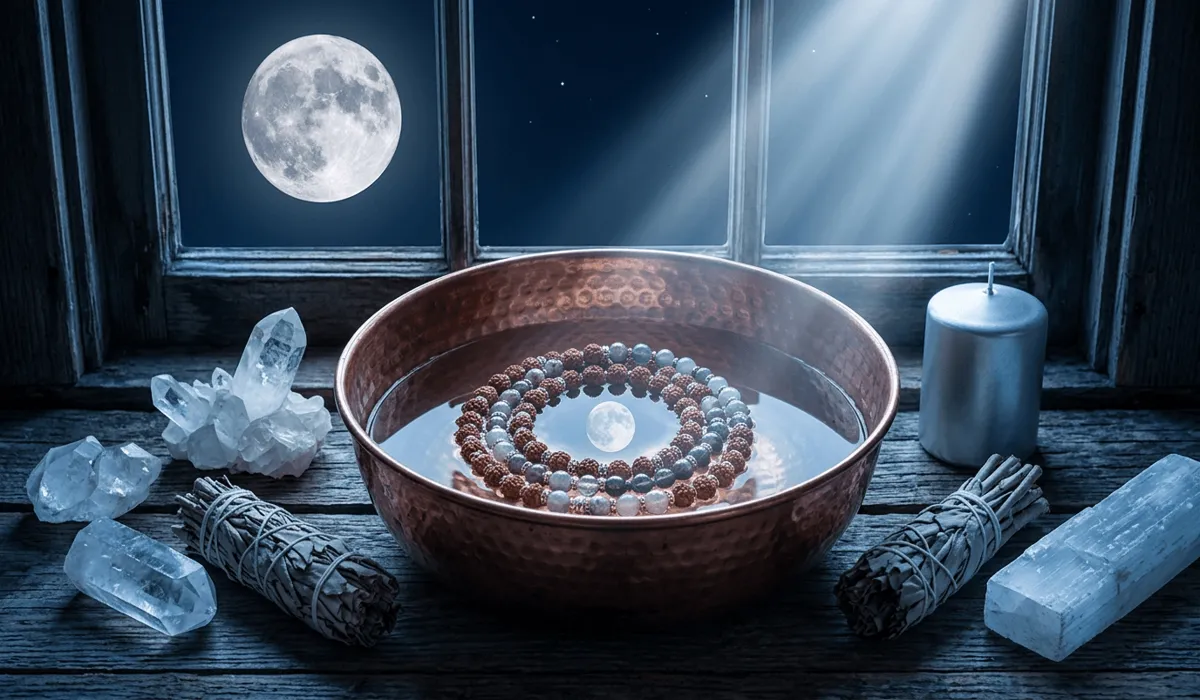
Since malas absorb the energy of the practitioner and the environment, regular cleansing is essential. According to Historical Buddhist traditions, smoke is one of the most effective ways to clear old energy. You can pass your beads through the smoke of burning sage or Palo Santo to refresh them.
Sound is another powerful cleansing tool that uses vibration to break up stagnant energy. Placing your mala near a singing bowl while it is being played can restore the natural frequency of the beads. This is a gentle method that works well for both delicate gemstones and sturdy seeds alike.
Charging Practices
After cleansing, you should charge your beads to fill them with fresh, vibrant energy. Many people leave their mala on a windowsill during a full moon to soak up the moonlight. This practice is believed to infuse the beads with a calm and feminine energy that supports intuition.
You can also charge your beads by placing them on a cluster of clear quartz or inside a copper bowl. These tools help amplify the intentions you set during your meditation sessions. Following Gemological Research Foundation concepts, keeping stones in an organized and clean environment helps maintain their beauty and integrity.
Daily Care & Storage
The most important rule for daily care is to keep your mala off the ground. If your beads do touch the floor, it is traditional to touch them to the top of your head as a sign of apology and respect. This habit helps you maintain a mindful relationship with your spiritual tools.
Avoid wearing your mala while swimming or bathing, as water and soap can weaken the silk or cotton string. Over time, the cord may become frayed, which is a natural sign that it has absorbed a lot of energy. Many choose to follow Gemological Institute Standards by having their beads re-strung every few years to keep them safe.
Frequently Asked Questions
Q: Why shouldn't you use your index finger when holding a mala?
A: In traditional Vedic culture, the index finger represents the ego and the act of pointing or judging. By keeping this finger away from the beads, we symbolize our desire to set aside the ego during meditation. This helps the practitioner focus on humility and spiritual growth rather than personal pride.
Q: Which hand should I use to hold my mala during meditation?
A: You should traditionally use your right hand to hold and move the beads. This hand is associated with giving and the active pursuit of spiritual goals. Even if you are left-handed, using the right hand is recommended to stay in line with the energetic flow of the Japa tradition.
Q: What is the significance of the guru bead?
A: The guru bead marks the start and end point of the 108-bead cycle and represents the teacher or divine wisdom. It is a place to pause, take a deep breath, and offer a prayer of gratitude. It serves as a reminder that every journey has a beginning and an end that should be honored.
Q: Can I cross over the guru bead during my practice?
A: No, you should never cross over the guru bead when you reach the end of a round. Instead, you should flip the mala 180 degrees and start moving the beads in the opposite direction. Crossing the guru bead is seen as a sign of disrespect toward the teacher and the spiritual lineage.
Q: How do I move the beads while reciting a mantra?
A: You use your thumb to pull a single bead over your middle finger toward your body for each mantra. This inward movement signifies that you are pulling the energy and wisdom of the mantra into your heart. Each bead move should be slow, intentional, and synced with your breath or the sound of your voice.
Conclusion & Gentle Next Step
Learning how to hold your mala is the foundation of a meaningful Japa meditation ritual. By using your right hand and avoiding the index finger, you honor ancient traditions and keep your ego in check. Remember that the guru bead is a sacred boundary that requires you to pause and flip your beads before starting a new round.
Whether you choose the grounding strength of Rudraksha or the calming peace of Sandalwood, your mala will become a loyal companion. We invite you to explore our Spiritual Gemstone Collection to find a piece that truly speaks to your heart. Starting a 40-day mantra journey with a mala you love is a wonderful way to bring more balance into your life.

Longyi Luck
Longyi Luck is a Feng Shui practitioner and spiritual researcher who blends traditional year-based wisdom with modern lifestyle insights, specializing inFeng Shui, spirituality, meditation, and mindfulness. With years of dedicated study and practice, Longyi explores cultural symbolism and the practical application of ancient wisdom to help individuals cultivate balance, clarity, and harmony in everyday life. Since 2020, Longyi has been committed to translating timeless traditions into accessible guidance for the modern world.
longyi@auraandluck.com

.webp?w=800&h=800)
.webp?w=800&h=800)