

Using Om Mani Padme Hum mala beads is a powerful way to ground your spiritual practice and find inner peace. These sacred tools help you focus your mind while reciting one of the most famous mantras in the world. By following traditional techniques, you can transform your daily meditation into a deeply calming ritual that fosters compassion and mindfulness.
- Discover how Tibetan prayer beads deepen spiritual mindfulness and focus.
- Learn the traditional Japa meditation technique for mantra recitation.
- Understand the significance of the 108 beads and the Guru bead.
- Follow step-by-step instructions to harmonize your breath and intention.
- Learn how to properly cleanse and care for your sacred meditation tool.
What Are Om Mani Padme Hum Mala Beads?
Definition
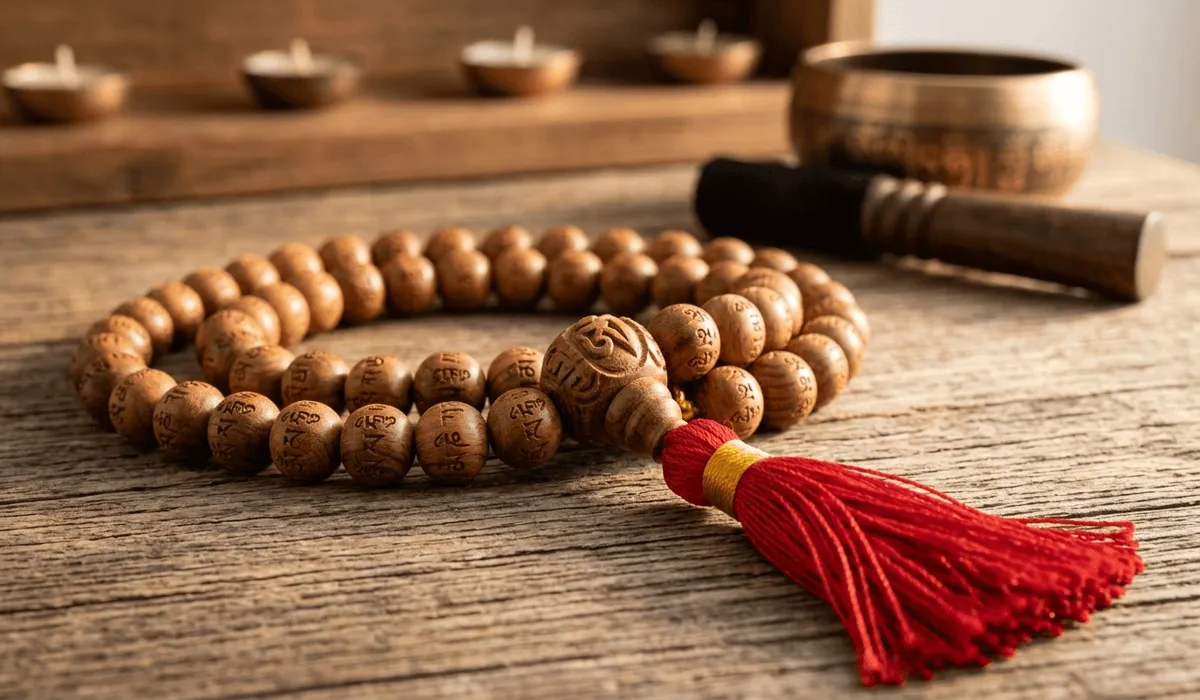
A mala is a traditional string of sacred beads used as a kinesthetic tool for bead counting meditation. We use these beads to track repetitions of prayers or mantras so the mind does not wander during the practice. Specifically, these malas support the recitation of the Om Mani Padme Hum mantra, which is central to Tibetan Buddhism.
Origin & Materials
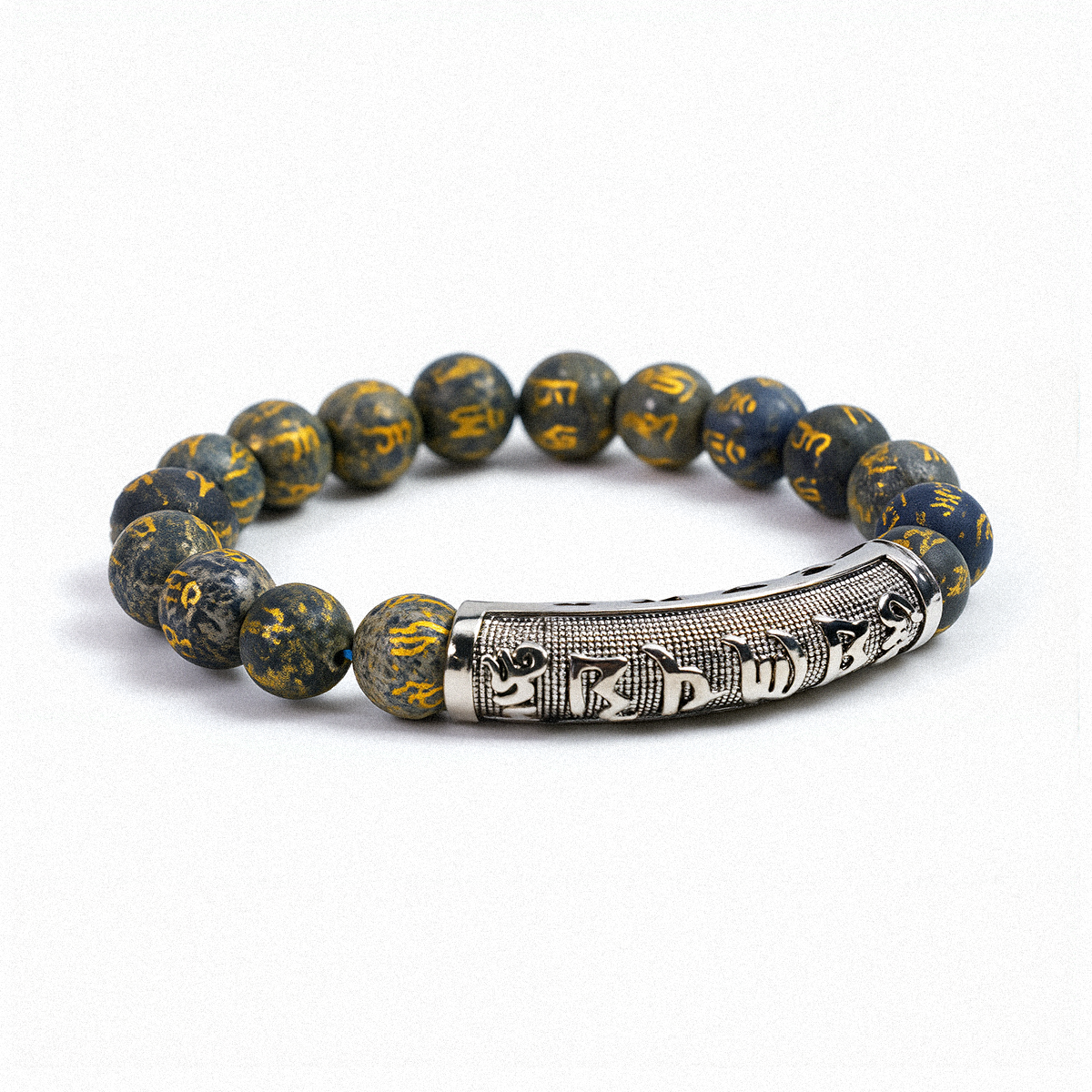
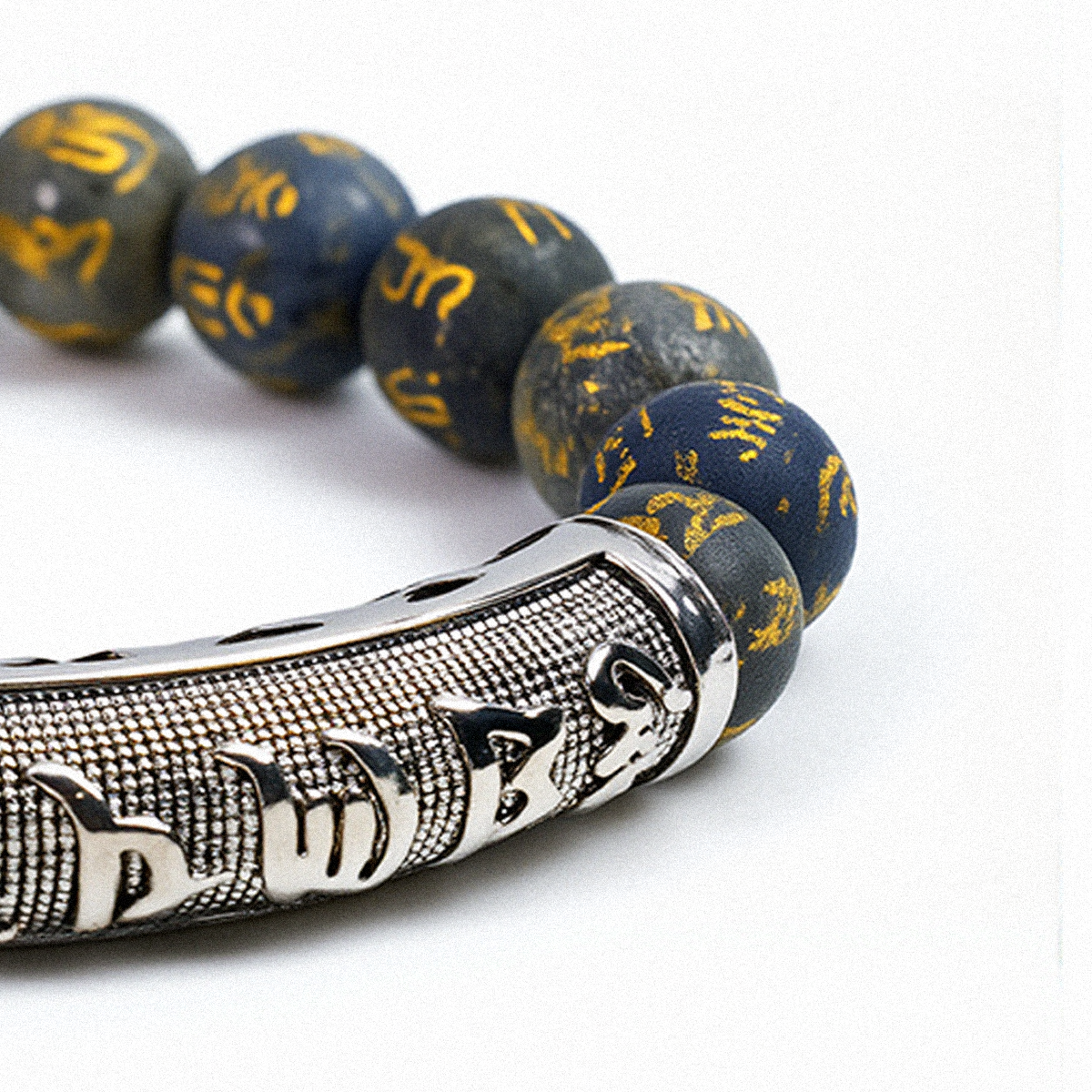
The use of these beads is deeply rooted in the lineage of Avalokiteshvara, the embodiment of infinite compassion. Many malas are crafted from sustainable woods like sandalwood, lotus seeds, or semi-precious stones found in the Himalayas. Traditional beads often feature the sacred syllables of the mantra carved directly into their surface for extra spiritual resonance.
Basic Characteristics
A full mala traditionally consists of 108 beads plus one larger anchor bead known as the Sumeru or Guru bead. This special bead signifies the sacred relationship between the teacher and the student. Many sets also include three "counter beads" or spacers to help you track your progress through different sections of your meditation.
Spiritual Meaning & Symbolism
Traditional Symbolism
The Om Mani Padme Hum mantra represents the path to transforming an impure body into a pure, enlightened state. Each of the six syllables is associated with a specific spiritual virtue that purifies a different realm of existence. The circular shape of the mala itself symbolizes the interconnectedness of all living beings in the great circle of life.
Chakra Associations
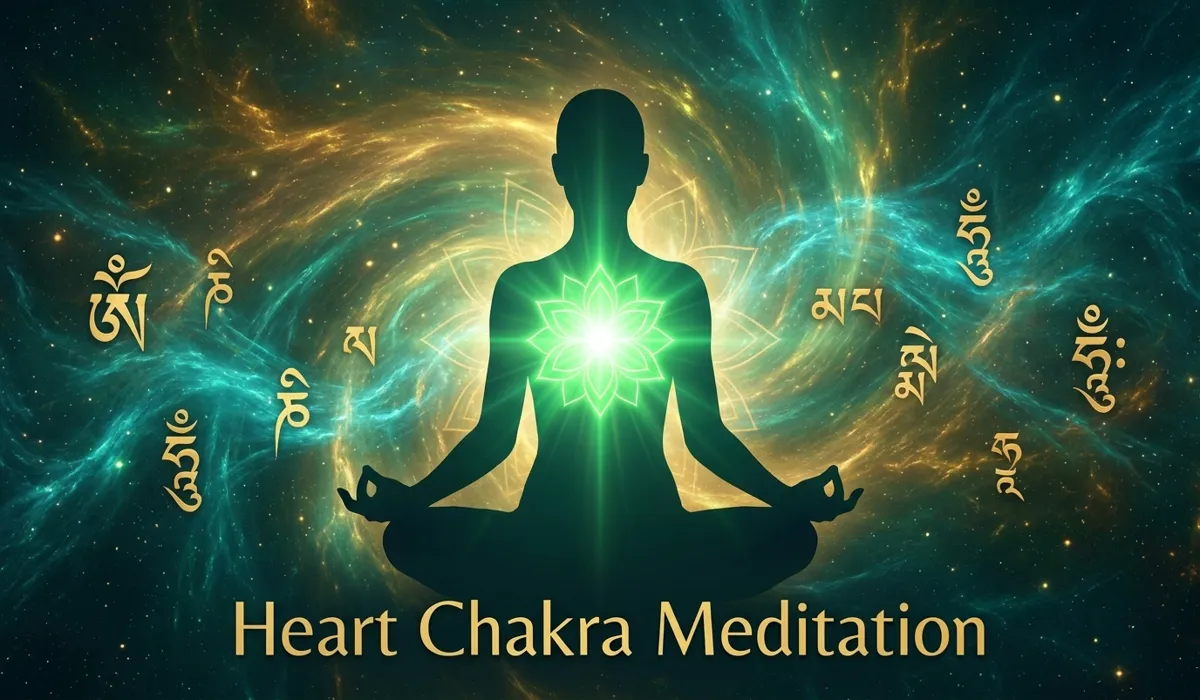
Regular practice with these beads is traditionally believed to resonate with the Heart Chakra (Anahata). This connection helps foster deep empathy and love for oneself and others. The physical vibration created by chanting the mantra also helps clear blockages in the Throat Chakra (Vishuddha), allowing for more honest and compassionate communication.
Cultural or Historical Context
Historically, these beads are linked to the bodhisattva Chenrezig, who is the Tibetan form of Avalokiteshvara. For centuries, practitioners have used malas to accumulate merit and cultivate an awakened heart. According to Online Encyclopedia Information, the number 108 holds great cosmic significance in many Eastern traditions and reflects the geometry of the universe.
Benefits & Intentions Associated with Mala Meditation
Commonly Associated Intentions
We often recommend focusing your heart on the well-being of others to enhance the power of your practice. Using the tactile rhythm of the beads can significantly ground your nervous system and reduce stress. Many practitioners use a specific Sankalpa, or spiritual intention, to dedicate the energy of their chanting to a specific goal or person.
Mindfulness & Personal Practices
Enhanced concentration is one of the most immediate benefits of using a mala during meditation. The act of moving the beads with your thumb helps keep your mind from drifting toward daily worries. Over time, this repetitive motion promotes emotional regulation and creates a peaceful ritual for self-reflection in a busy world.
| Mala Type | Primary Benefit | Element |
|---|---|---|
| Sandalwood | Grounding and Peace | Earth |
| Lotus Seed | Spiritual Growth | Water |
| Crystal | Energy Alignment | Spirit |
How to Wear and Use Mala Beads
Hand Etiquette and Traditional Use
In many lineages, the mala is held in the right hand to represent active energy. However, in many Tibetan traditions, the left hand is used to represent receptive wisdom. When practicing, the beads should be draped over the middle or ring finger while the thumb moves each individual bead.
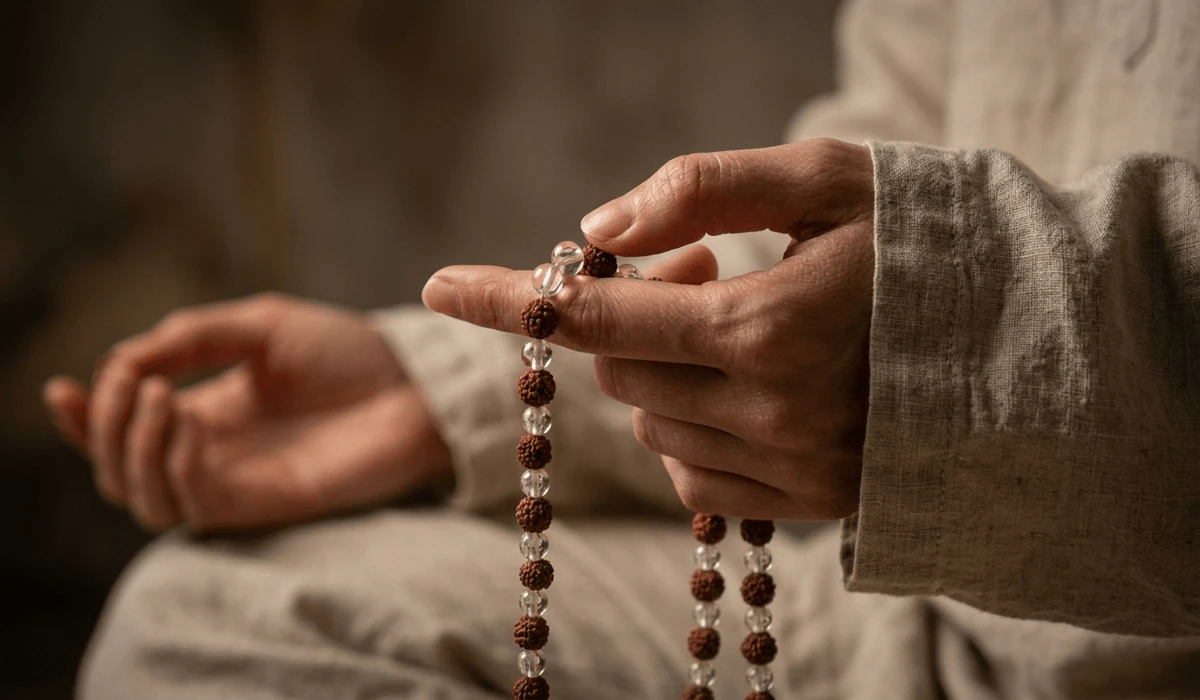
To see this technique in action, watch how a Buddhist monastic demonstrates the traditional method:
Video source:YouTube
Author:Great Compassion Bodhi Prajna Temple
Original video link:https://www.youtube.com/watch?v=op68neAjiZg
When People Choose to Wear It
Many people wear their mala as a necklace or wrap it around the wrist to keep the mantra's energy close. This serves as a physical reminder of your spiritual commitments throughout a hectic day. When you are not using it for active practice, we suggest keeping it on a clean home altar to maintain its sacred energy.
Intention-Setting Practices
Before you begin your session, hold the beads between your palms and take several deep breaths. Silently state your intention for the practice to focus your energy before you start counting. You can explore Meditation Mala Technique to learn more about setting a proper Japa rhythm.
Mala Beads vs Similar Prayer Tools
Traditional Tibetan Mala vs Wrist Malas
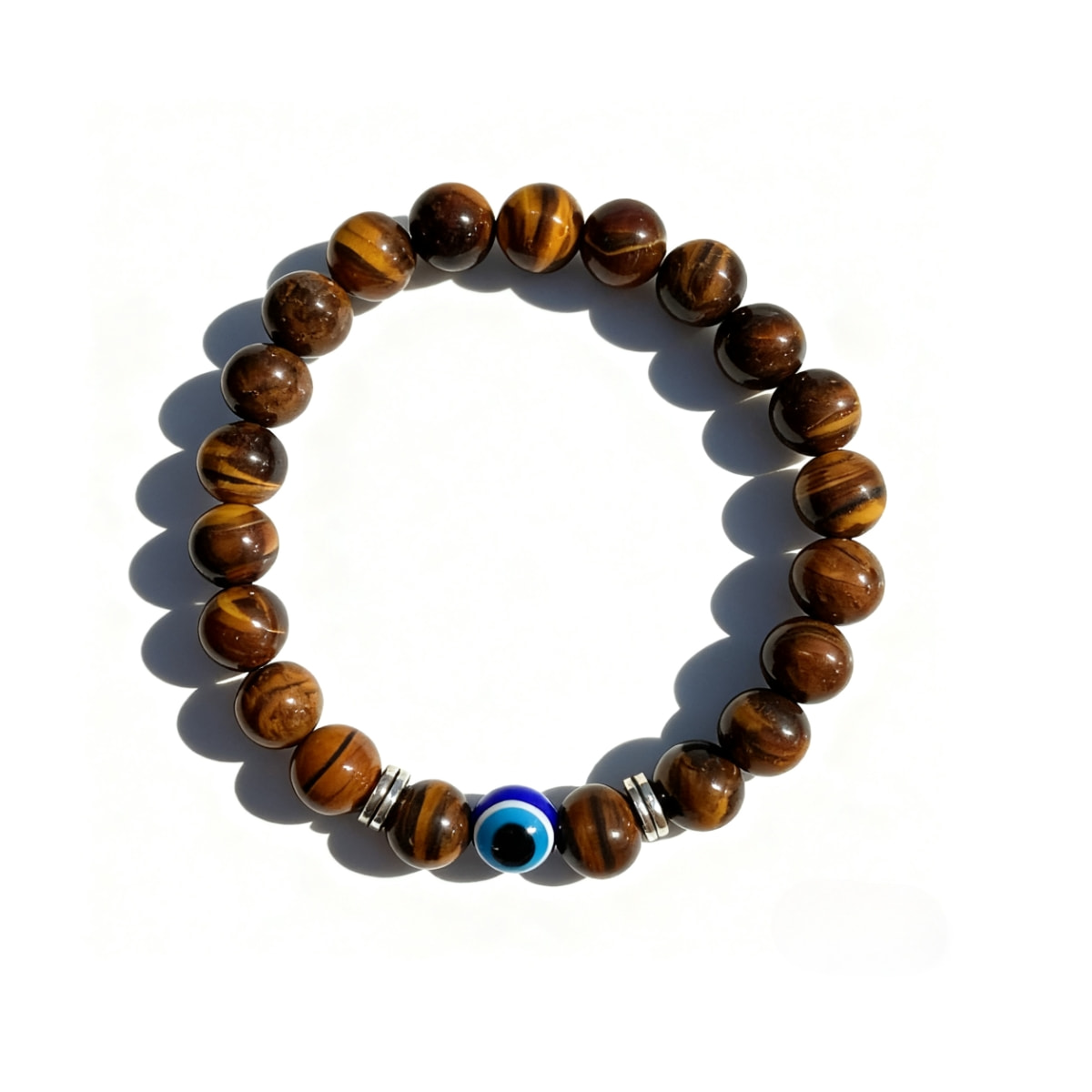
Traditional malas contain 108 beads, which is the standard for full-length mantra accumulation. Wrist malas, often having 21 or 27 beads, are designed for portability and shorter sessions of mindful breathing. While both share the same deep symbolism, the 108-bead version is preferred for those completing full rounds of the Chenrezig mantra.

Wood Malas vs Crystal Malas
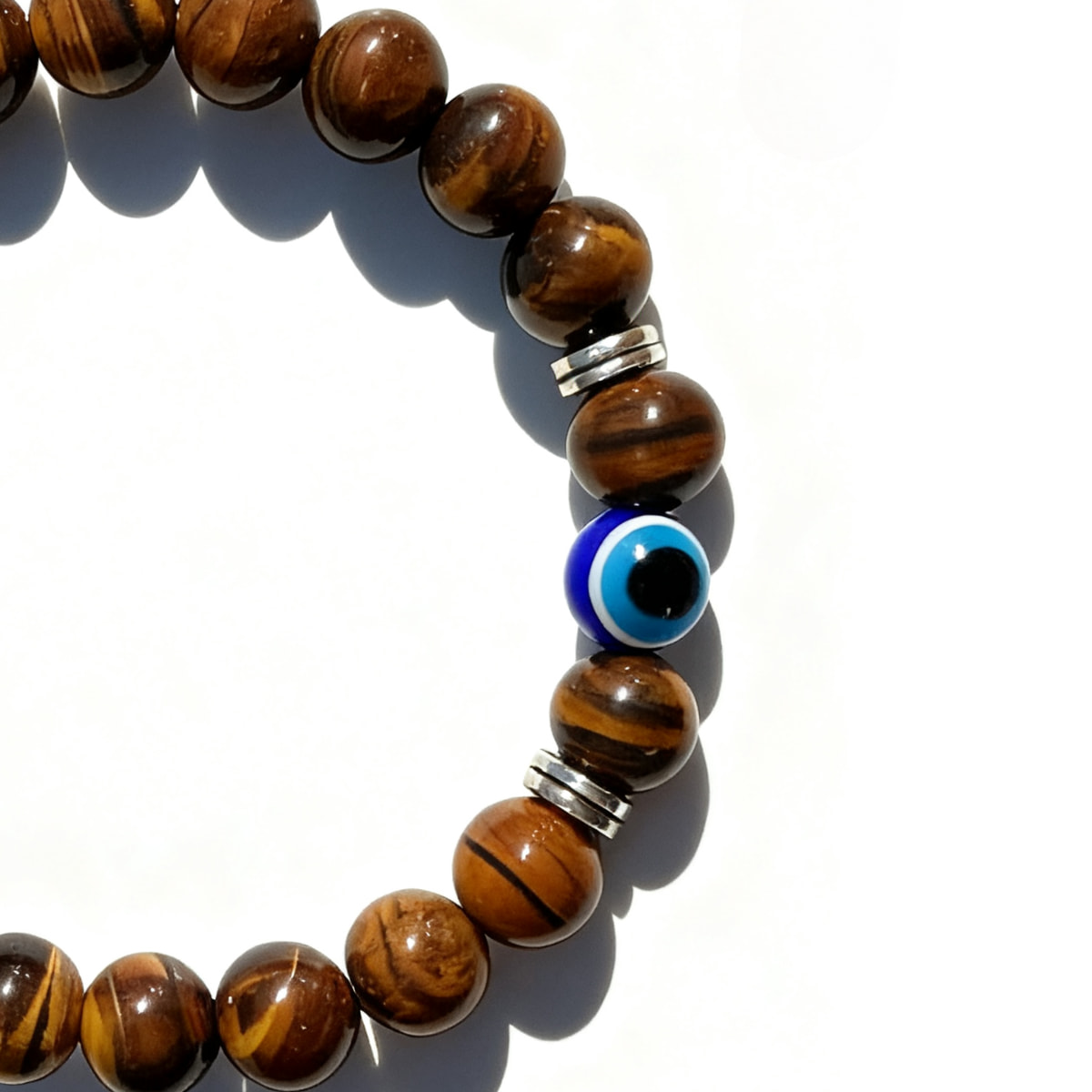
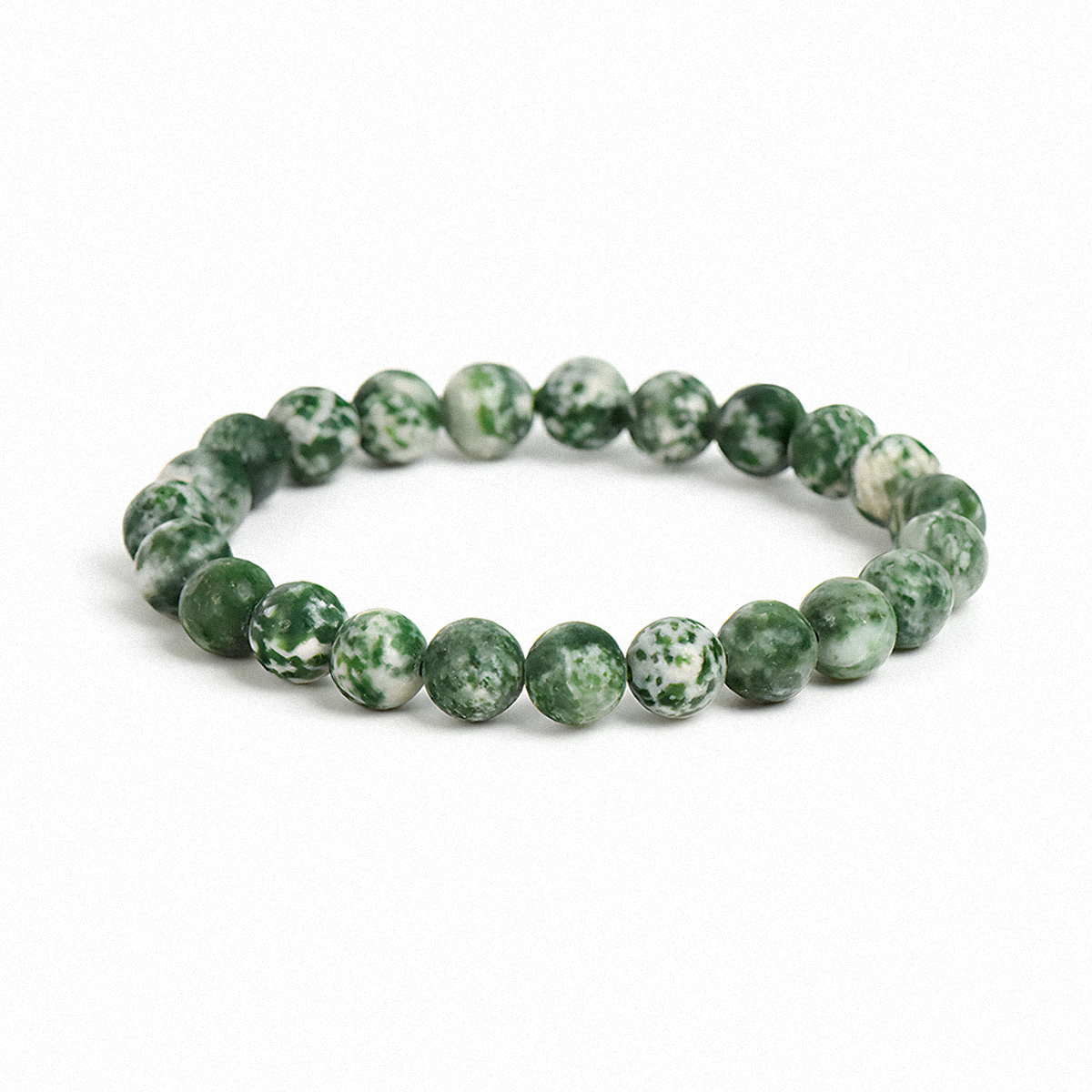
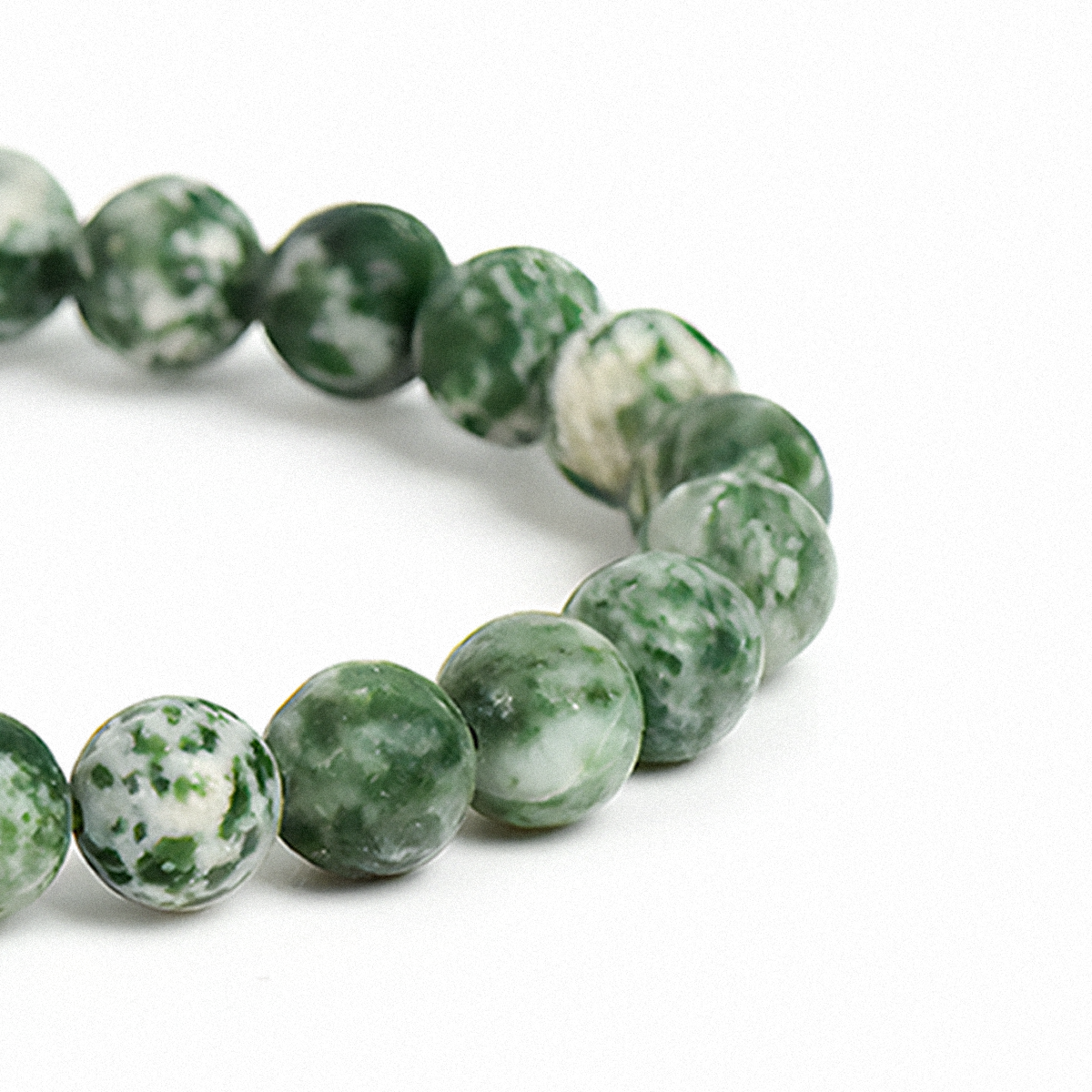
Wood beads are highly valued for their grounding scent and their natural, warm texture against the skin. Crystal beads are often chosen for their specific chakra associations or aesthetic beauty. You should choose the material that feels most comfortable and supports your current spiritual goal, as you can see when you explore Spiritual Crystal Collection for inspiration.
Who Are Om Mani Padme Hum Beads Suitable For?
Chakra or Energy Alignment
These beads are ideal for anyone seeking to soften a hardened heart or build deeper empathy. They are especially helpful for people who feel "scattered" and need a tactile anchor for their focus during meditation. Practitioners looking to connect with ancient Tibetan traditions will find these beads particularly meaningful.
Lifestyle & Personal Intentions
Beginners who find silent meditation difficult often benefit from the rhythmic activity of using beads. Busy professionals can use them as a portable tool for stress management and quick moments of calm. We have seen that even experienced practitioners find new depth in their practice when focusing on the Chenrezig mantra.
"The green color of the mala reminded me both of mother Green Tara and also Nature itself. I wanted the green color of the string to accent the natural stones with a knot between each one... As I string them I recite a mantra over each bead."
*sources:[My brother brought me his mala that was gifted to him broken and mangled. It was missing a few beads, but I found a color that matched somewhat and patched it together. They inevitably break and need to be pieced back together again. A reminder of impermanence and rebirth!](https://reddit.com/r/Buddhism/comments/1t5uwy1/my_brother_brought_me_his_mala_that_was_gifted_to/)*
This user's experience highlights the deep personal connection and spiritual mindfulness that comes from maintaining and using a mala.
How to Cleanse, Charge, and Care for Your Mala
Cleansing Methods
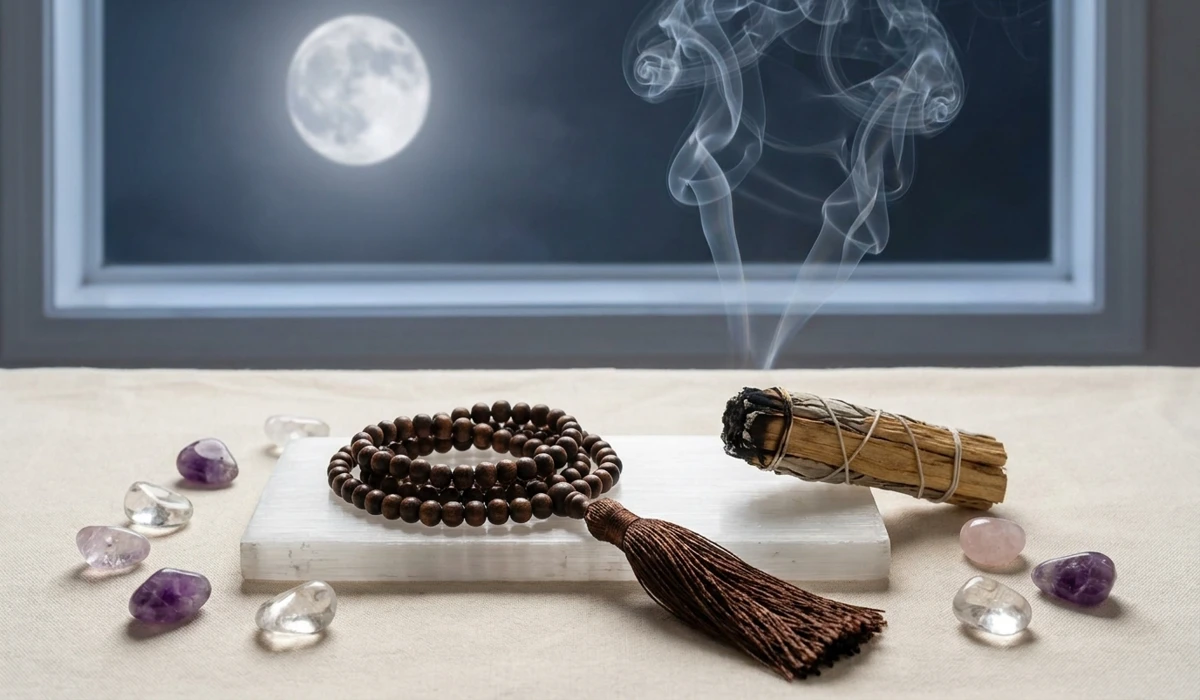
We recommend moving your beads through the smoke of Palo Santo or white sage to clear any lingering energy. You can also use the vibration of a singing bowl for a "sonic cleanse" that won't damage delicate materials. For physical cleaning, simply wipe wooden beads with a slightly damp, soft cloth to remove dust.
Charging Practices
Place your mala under the light of a full moon to refresh its spiritual intention and energy. Setting the beads on a Selenite charging plate overnight is another excellent way to keep them vibrant. However, the most powerful way to charge your mala is through the consistent daily practice of chanting itself.
Daily Care & Storage
Store your sacred beads in a dedicated silk or cotton pouch whenever you are not wearing or using them. Avoid wearing your mala while sleeping, bathing, or doing high-intensity exercise to prevent damage. Always treat the beads with reverence and try to avoid placing them directly on the floor.
To ensure your beads are of high quality, you may want to research the standards set by the Gemological Institute of America or learn about gemstone sourcing from Gemmological Association of Great Britain. Understanding the materials can deepen your appreciation for the tool. For more insights on the metaphysical properties, visit our Crystal Healing Blog.
Frequently Asked Questions
Q: Which finger should I use to move my mala beads?
A: Drape the mala over your middle or ring finger for stability. Use your thumb to pull each bead toward you, symbolizing drawing in virtue. Traditional etiquette suggests avoiding the index finger, as it is often associated with the ego.
Q: Why shouldn't I cross the Guru bead during meditation?
A: The Guru bead represents your teacher or the peak of spiritual realization. Crossing over it is symbolically viewed as stepping over sacred wisdom. When you reach the Guru bead, flip the mala and move in the opposite direction to start a new cycle.
Q: How do I synchronize my breath with the mantra?
A: Inhale fully before beginning the mantra for the first bead. Recite the syllables "Om Mani Padme Hum" on a slow, controlled exhale. Allow the movement of the bead to happen at the natural pause between your breath cycles.
Q: Can I wear my mala beads as a necklace?
A: Yes, many practitioners wear their beads to stay connected to their spiritual intentions. Ensure the Guru bead and tassel hang at the heart center for optimal energy alignment. Be mindful of the sacred nature of the tool and remove it in environments where it may be treated with disrespect.
Q: How do I activate my mala beads?
A: Prepare your beads by cleansing them with smoke or sound before their first use. Sit in a quiet space and hold the beads to your heart while visualizing your intention. Commit to a 40-day practice of daily chanting to fully bond with the energy of the beads.
Conclusion & Gentle Next Step
Using a mala is a timeless way to cultivate compassion and focus through the Om Mani Padme Hum mantra. By following these traditional steps, you honor the lineage and enhance your own meditative journey. Remember that the true power of the beads comes from the consistency and sincerity of your daily practice. We invite you to find a mala that resonates with you and begin your journey toward a more peaceful mind today.
Start your practice with just five minutes a day. Focus on the feeling of the beads and the sound of your voice. Over time, this small ritual will become a powerful source of strength and clarity in your life.

Longyi Luck
Longyi Luck is a Feng Shui practitioner and spiritual researcher who blends traditional year-based wisdom with modern lifestyle insights, specializing inFeng Shui, spirituality, meditation, and mindfulness. With years of dedicated study and practice, Longyi explores cultural symbolism and the practical application of ancient wisdom to help individuals cultivate balance, clarity, and harmony in everyday life. Since 2020, Longyi has been committed to translating timeless traditions into accessible guidance for the modern world.
longyi@auraandluck.com
.webp?w=800&h=800)
.webp?w=800&h=800)