Many people believe that an elephant statue must always have its trunk raised to bring good fortune. However, ancient traditions tell a much deeper and richer story about the quiet power of an elephant with its trunk pointing downward. At Aura & Luck, we study sacred symbols across history to help you create a peaceful, protected, and balanced home sanctuary.
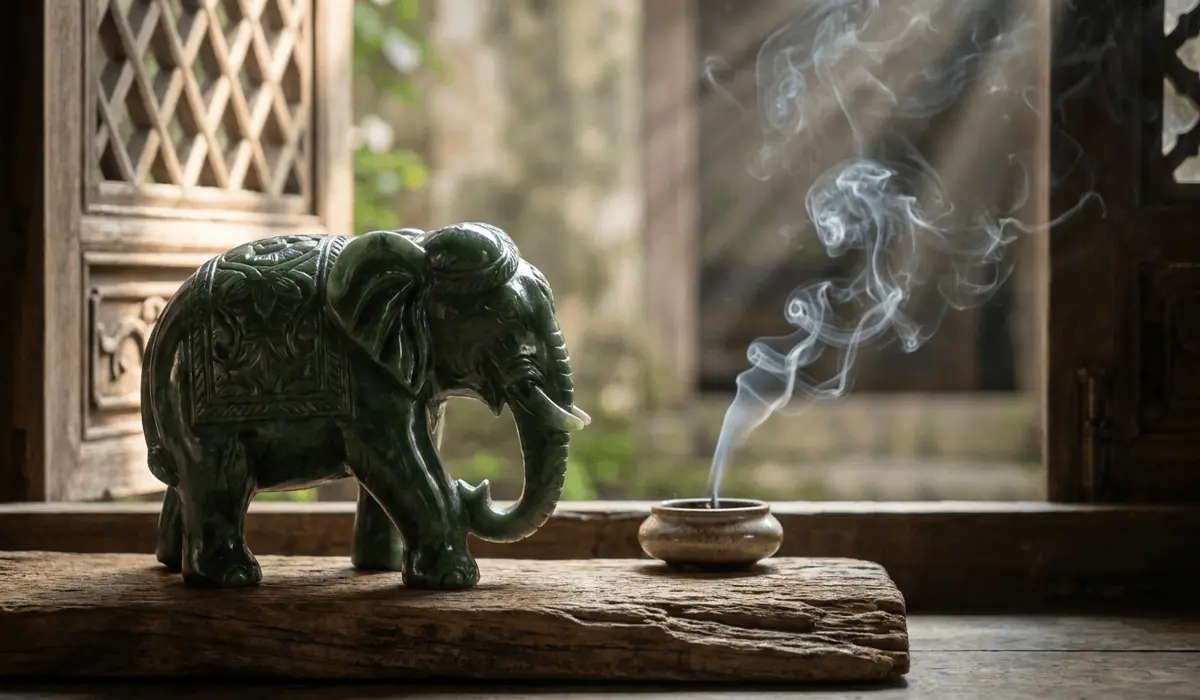
In sacred art, an elephant with a lowered trunk is not sad or weak. Instead, it represents inner strength, deep peace, and the gathering of life force within the home. While an upward trunk pushes energy outward into public success, a downward trunk pulls protective energy deep into the earth to guard your family.
Quick Summary: An elephant with its trunk down represents fertility, emotional grounding, steady wealth savings, and household energetic defense. Rooted in ancient Buddhist and Vedic wisdom, this posture gathers vital Yin life energy. It acts as a sacred anchor for parents seeking conception, families wanting peace, and anyone needing relief from daily stress.
Ancient Origins and Sacred Lore: Vedic and Buddhist Foundations
The story of the downward-trunk elephant begins thousands of years ago in sacred spiritual texts. Across ancient India and Asia, royal families and spiritual seekers honored the elephant as a living bridge between heaven and earth. By studying these timeless legends, we discover why this gentle giant brings blessings to your personal space.
The Divine Conception of Siddhartha Gautama
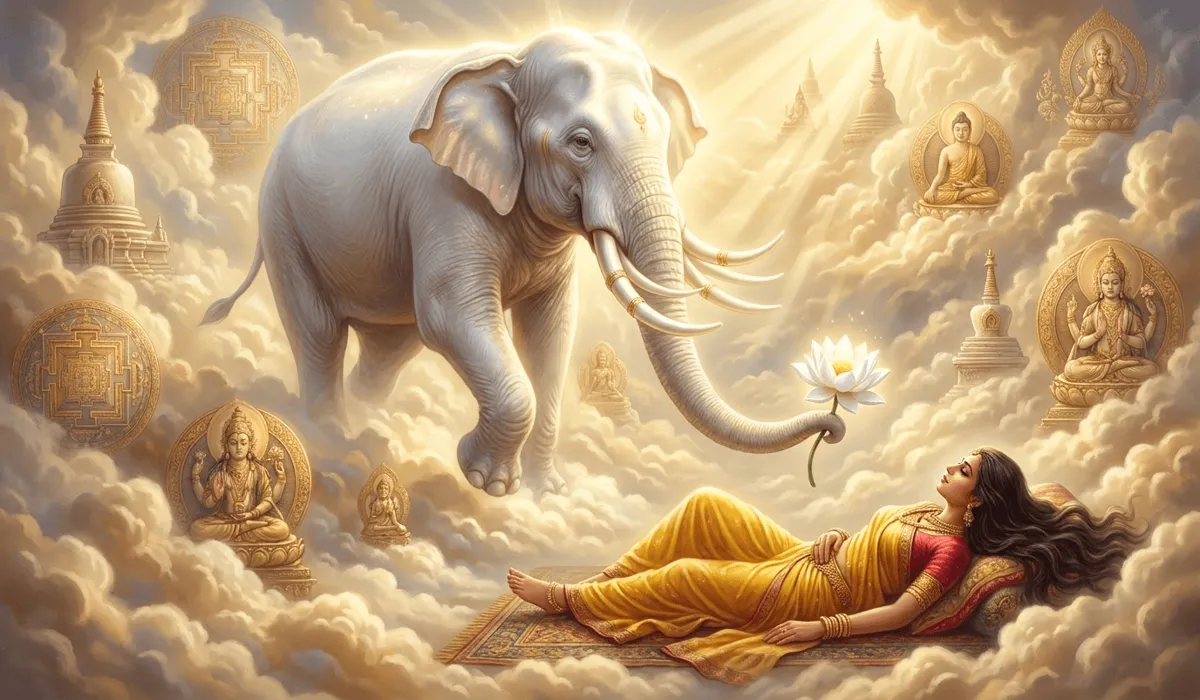
In traditional Buddhist teachings, the downward trunk is directly connected to the miracle of birth and divine motherhood. Queen Maya, the mother of the historical Buddha, experienced an auspicious dream before her pregnancy. In her dream, a radiant white elephant with six luminous tusks descended softly from the heavens holding a sacred white lotus flower.
This celestial visitor lowered its trunk as it circled her bed and entered her right side without any pain. Because of this holy descent, Buddhist history honors the downward elephant as the ultimate harbinger of miraculous conception. Historical accounts in Ancient Buddhist Iconography Records show that mothers have revered this downward pose for centuries to bless their future children.
The downward-curving trunk acts as a sacred channel that carries heavenly blessings into the physical world. It represents life coming down into the mother's womb to grow in safety and warmth. For this reason, families who wish to welcome a new baby keep downward-trunk figurines near their resting areas.
Vedic Cosmology and the Churning of the Ocean
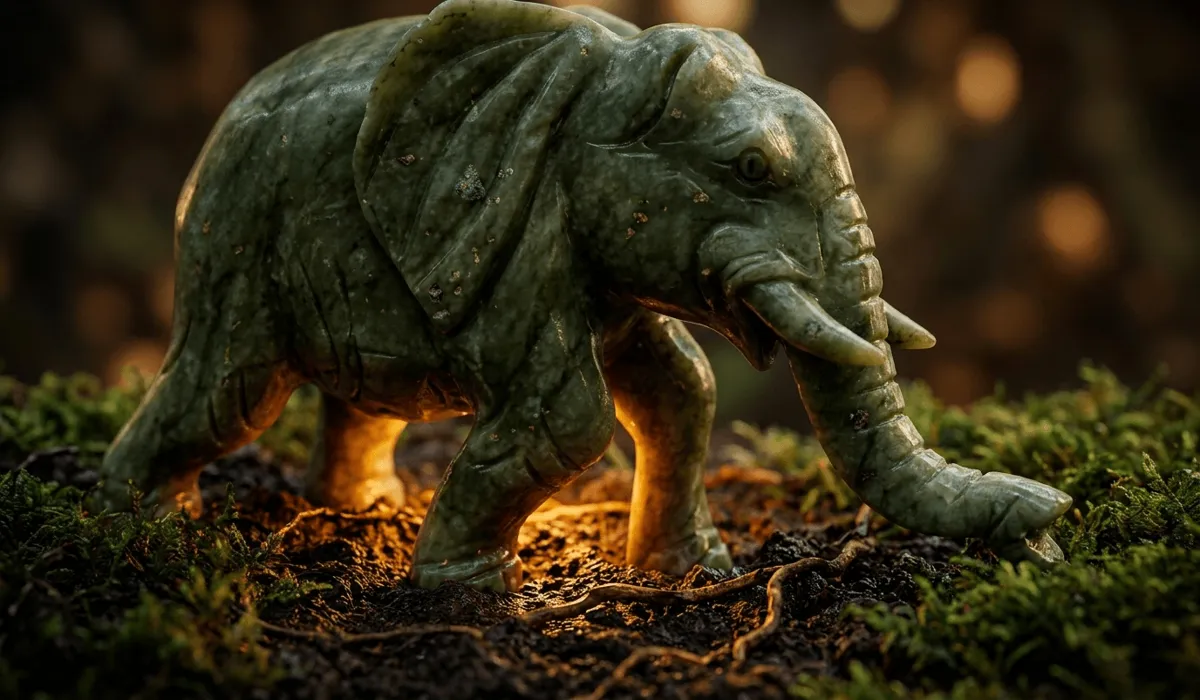
In Vedic spiritual lore, the elephant holds an equally majestic position within the universe. During the great cosmic event known as the Churning of the Milk Ocean, divine beings and cosmic forces worked together to uncover sacred treasures. From the foam of the ocean emerged Airavata, the king of all elephants and the faithful mount of Lord Indra.
Airavata possessed four massive tusks and a trunk as strong as a mountain torrent. Ancient stories tell us that Airavata lowered his great trunk deep into the underworld waters beneath the earth. He drew up this cool, sacred moisture and sprayed it into the clouds, ending terrestrial droughts and restoring life to crops.
This myth teaches us that the downward trunk is an instrument of deep nourishment. When an elephant lowers its trunk, it reaches deep into hidden reserves to draw up life-giving water. It shows us that survival and growth depend on our ability to tap into deep, steady roots during dry seasons.
Roots in Traditional Feng Shui Lineages
As these sacred Indian concepts traveled along ancient trade routes, Chinese masters adopted the elephant into energy sciences. In the Chinese language, the word for elephant sounds just like the word for prime minister and auspicious luck. Because of this phonetic bond, emperors placed massive stone elephant statues along royal pathways to guard their dynasties.
Feng Shui practitioners realized that the elephant is an elemental master of water. In traditional geomancy, moving water represents income, while stored water represents lasting wealth and savings. A downward trunk dips quietly into underground streams, drawing prosperity into the house without making any reckless noise.
These wise teachers used downward-trunk statues inside royal courtyards to stop the leak of precious life force. If a home suffered from restless arguments or sudden financial losses, the downward elephant acted as an immovable anchor. It secured the property against heavy winds, chaotic spirits, and sudden misfortune.
These ancient stories show how our ancestors relied on the elephant to nourish the soil, protect mothers, and anchor royal households.
The Hidden Philosophy: Decoding the Symbolism of the Downward Trunk
Beyond ancient legends, the downward trunk carries a profound philosophical meaning that touches our daily lifestyle. In a modern society that constantly demands speed, loud ambition, and endless work, this posture reminds us of the value of quiet strength. We can understand this power by exploring how energy moves through our physical and spiritual bodies.
The Metaphysics of Yin Gathering and Prana Containment
Traditional energy practices divide the universe into two balancing forces: active Yang energy and receptive Yin energy. An elephant with its trunk held high represents expansive Yang energy, leaping upward like a dancing flame. However, non-stop outward energy leads to physical fatigue, emotional burnout, and empty bank accounts.
The downward trunk represents the sacred power of Yin gathering and the containment of vital life force, known as prana. Instead of projecting its power into external conflicts, the downward elephant pulls its strength inward. You can discover more about these dynamic energetic differences in our Elephant Trunk Feng Shui Guide to harmonize your space.
This quiet posture represents spiritual gestation, much like a seed resting beneath the winter snow before it blooms in spring. It protects our private plans, our creative ideas, and our inner peace from outside criticism. By honoring the downward trunk, we give ourselves permission to rest, heal, and gather strength in private.
Anatomical and Esoteric Symbolic Deconstruction
Every single feature of the downward-trunk elephant carries a specific spiritual purpose that supports home harmony. When we break down its anatomy, we see a complete system of balance, protection, and sensory wisdom.
To help you understand these sacred physical attributes, we have detailed each body part below:
- ☸️ The Downward Trunk: Acts as an energetic bridge connecting directly to the Root Chakra, grounding your mind and body into the earth.
- 🕉️ Pillar-like Legs: Represent absolute stability, personal integrity, and the power to stand firm during emotional storms.
- 🧿 Broad Listening Ears: Symbolize quiet contemplation, emotional wisdom, and the ability to filter out distracting gossip or negative words.
- 🌸 Heavy Downward Tusks: Embody great defensive strength held in peaceful reserve, showing that true strength never needs to act aggressively.
When these anatomical elements work together, they transform the statue into a fortress of peace for your household. The heavy feet press down into chaotic vibrations, making your living room feel safe and steady.

Quiet Wealth Accumulation and the Water Element
Many people struggle with financial anxiety, worrying that their hard-earned money slips through their fingers too quickly. In energetic studies, reckless spending and unexpected costs are viewed as energetic leaks. Because the elephant drinks water through its trunk, it holds natural mastery over how liquid assets move.
An upward trunk sprays water into the air, creating a celebratory shower that spreads energy everywhere. In contrast, an elephant with its trunk pointed downward siphons water quietly into its belly to build a private reservoir. This makes the downward elephant an exceptional cure for families who want to curb impulsive spending and build lasting savings.
It acts like a spiritual savings account sitting silently on your desk or bookshelf. It protects your hard work from market crashes, family emergencies, and unnecessary loans. It teaches us that enduring wealth is built quietly over time through patience and mindful preservation.
Core Wisdom Note: The downward elephant is not a symbol of loss, but an emblem of sacred containment. It seals the exits of your home against financial loss and emotional exhaustion, helping you gather the steady energy needed to support family dreams.
Cultural Evolution: How the East and West Perceive the Elephant
Symbols evolve as they travel across oceans and centuries, sometimes picking up misunderstandings along the way. By looking at how different cultures view the downward elephant, we can clear away old superstitions and embrace its authentic blessings.
Classical Eastern Perspectives
In Eastern homelands, wild elephants live in close matriarchal herds guided by the oldest and wisest female. When danger approaches or rivers dry up, the matriarch does not run around in panic or raise her trunk aggressively. She lowers her trunk to scent the soil, finds hidden water paths, and keeps her herd calm.
Because of this real-world behavior, Eastern traditions associate the lowered trunk with feminine leadership, family care, and emotional poise. In Hindu and Buddhist temples, large stone carvings depict downward-trunk elephants flanking shrines. They welcome devotees into an atmosphere of quiet devotion, asking visitors to leave their noisy pride outside the temple gate.
These ancient communities recognized that true authority does not shout or demand attention. An elephant with its trunk down displays the supreme dignity of an elder who holds the family together. It brings this same respectful, grounding energy into modern family rooms.
Western Misconceptions and Modern Reassessment
During the nineteenth century, European travelers visiting Asian markets frequently misunderstood the downward trunk. Accustomed to loud statues of rearing horses and trumpeting beasts, some merchants assumed a downward trunk meant sadness or bad luck. This false myth spread into western folklore, causing some gift shops to avoid downward-trunk figurines.
Fortunately, contemporary cultural research has overturned this narrow view. Today, thoughtful homeowners look beyond commercial myths to understand authentic traditional wisdom. Modern interior designers and spiritual seekers now celebrate the downward trunk for its restorative, calming nature.
People realize that a home filled only with loud, outward-reaching symbols can feel chaotic and unrestful. If every decorative piece screams for attention, your living space cannot offer true recovery. Balancing active decor with downward-trunk pieces creates a tranquil environment where you can recharge.
The Modern Synthesis for Peaceful Homes
In our modern world, our nervous systems face constant noise from cell phones, deadlines, and social media feeds. This non-stop mental stimulation leaves many people feeling ungrounded, restless, and unable to sleep deeply. Incorporating timeless items from our Sacred Home Altar Principles helps you anchor these ancient solutions in modern rooms.
The downward-trunk elephant serves as an immediate visual reminder to breathe deeply and reconnect with the ground beneath your feet. When you glance at the statue after a long commute, its heavy posture reminds your body to release muscle tension. It acts as an energetic paperweight for an overstimulated mind.
By placing this emblem in your entryway or office, you declare your home to be a sanctuary of calm. It filters out the noise of the outside street, letting you unwind in genuine comfort.
Understanding this cultural journey allows us to appreciate the downward trunk as a universal remedy for fast-paced modern living.

Stainless Steel Ganesha Elephant Head Pendant Necklace – Vintage Hindu Amulet for Men & Women
Ganesha is traditionally associated with wisdom, prosperity and favorable beginnings. He is also widely known as the remover of obstacles, giving the necklace meaningful appeal for new ventures and important personal transitions.
Shop NowComparison of Elephant Trunk Directions and Symbolism
Choosing the right elephant statue depends entirely on what kind of energy your home needs most right now. Both upward and downward postures offer wonderful benefits, but they serve completely different energetic goals. Respected researchers at the Traditional Feng Shui Society emphasize that matching symbolic forms to your personal goals brings the best balance.
The detailed comparison table below explains how each trunk position impacts your domestic space:
| Symbolic Dimension | Trunk Pointing Downward | Trunk Pointing Upward |
|---|---|---|
| Primary Energy | Receptive Yin, internal gathering, and quiet contemplation | Dynamic Yang, outward projection, and active celebration |
| Dominant Element | Earth and Deep Stored Water (stability and retention) | Fire and Flowing Water (expansion and recognition) |
| Chakra Alignment | Muladhara Root Chakra and Sacral Womb Center | Solar Plexus, Heart Chakra, and Third Eye |
| Ideal Living Space | Master bedroom, meditation corner, nursery, or foyer | Executive desk, marketing office, and retail counter |
| Core Life Benefit | Fertility blessings, emotional peace, and asset protection | Career promotions, public fame, and victory over rivals |
| Sacred Archetype | The Wise Matriarch and the Patient Guardian Earth Spirit | The Victorious Warrior and the Joyful Herald of Good News |
As this comparison illustrates, neither posture is superior; they simply work as partners to create total balance throughout your home.
Wearing the Talisman: Personal Grounding and Maternal Blessings
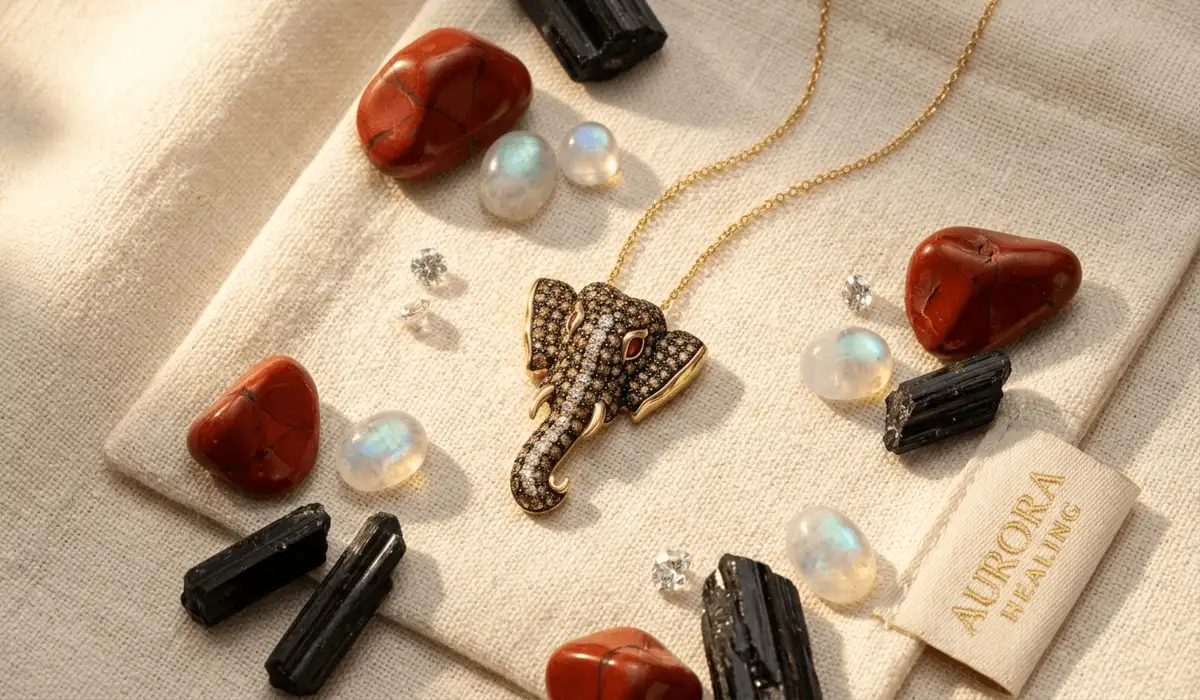
You do not have to limit the blessings of the downward elephant to statues on a table. Wearing this sacred animal as an amulet keeps its protective frequency close to your heartbeat throughout the day. Whether crafted from fine gold, sterling silver, or carved jade, an elephant pendant becomes a personal sanctuary you can carry anywhere.
Neurological and Energetic Anchoring Against Burnout
When you navigate crowded subways, busy office meetings, or stressful family gatherings, your personal aura can absorb emotional tension. Touching a downward-trunk talisman around your neck acts as a physical anchor for your nervous system. It sends a gentle signal to your brain to take a slow breath and relax your shoulders.
This physical grounding helps prevent psychic fatigue caused by endless digital notifications. If you spend many hours traveling or working in unpredictable environments, explore our guide on Protective Travel Crystal Talismans to shield your daily aura. The pendant reminds you that no matter how fast the world moves, your spirit can remain calm and steady.
It acts like a spiritual anchor dropped into a stormy sea. Even while waves crash on the surface, your inner consciousness stays safely connected to the solid bedrock below.
The Amulet as an Anchor for Conception and Maternal Grace
For women hoping to welcome a new baby, wearing an elephant talisman over the heart or lower abdomen is a cherished custom. Inspired by the holy dream of Queen Maya, prospective mothers wear this symbol to invite divine conception and safe pregnancy. It surrounds the womb with a soothing field of gentle, protective energy.
During fertility treatments, hormone therapies, or adoption journeys, emotional strain can feel overwhelming. The downward elephant offers maternal reassurance, helping mothers release fear and trust the natural timing of life. It reminds parents that growing a new life takes patience, warmth, and steady nourishment.
After childbirth, the amulet continues to offer comfort during late-night nursing and postpartum recovery. It gives new mothers the grounded patience needed to care for an infant with gentle grace.
Mineral Synergies to Amplify Downward-Trunk Talismans
Pairing your downward-trunk jewelry with natural gemstones creates an even stronger energetic resonance. Genuine minerals vibrate with the heartbeat of Mother Earth, enhancing the natural strengths of the elephant emblem.
Here are three wonderful gemstone synergies to pair with downward-trunk symbols:
- 🌸 Red Jasper: Connects deeply with the Root Chakra, boosting physical stamina, warming the womb, and increasing blood vitality.
- 🕉️ Rainbow Moonstone: Carries sacred lunar energy, balancing female hormones and supporting peaceful emotional gestation during fertility cycles.
- 🧿 Black Tourmaline: Creates an impenetrable psychic shield around your body, deflecting negative thoughts and transmuting environmental stress.
Wearing these gemstone pairings alongside your talisman wraps your daily aura in an envelope of peaceful strength.
Rituals and Practices: How to Meditate with the Downward Elephant
To awaken the full energetic blessings of your downward-trunk figurine, we recommend connecting with it through mindful meditation. Taking a few quiet moments to focus your intention turns a simple home decor piece into a dedicated spiritual companion. This simple practice grounds your household energy and clears away mental clutter.
Sacred Space Preparation
Begin by finding a quiet time during early morning or dusk when your living space feels peaceful. Place your elephant statue on a clean shelf, side table, or altar away from clutter and electronics. Light a stick of natural sandalwood or frankincense to cleanse the air and honor the grounding earth element.
Sit comfortably on the carpet or on a meditation cushion so your body feels supported by the floor. Rest your hands gently on your knees with your palms facing downward toward the earth. Look softly at the elephant statue, paying close attention to its heavy feet and resting trunk.
Take three slow, deep breaths, allowing your stomach to expand fully with each breath. Feel the solid weight of your body pressing into the floor, just like the unshakeable legs of the elephant.
The Earth-Prana Breathwork Practice
Now, begin the simple practice of earth-attuned breathing to quiet your active thoughts. As you inhale slowly through your nose, visualize clean golden light flowing downward through the top of your head into your heart. Hold that gentle breath for a brief moment, feeling your chest fill with warmth and light.
As you exhale slowly through your mouth, visualize that energy traveling down your spine and into the floor. Picture the breath flowing down like the elephant's trunk, sinking deep into the rich, cool soil beneath your home. Imagine any worries, fears, or physical tiredness draining safely into the earth to be absorbed.
Rest in quiet stillness at the bottom of each exhale before breathing in again. Repeat this circular breathing cycle for five to ten minutes until your entire body feels deeply relaxed and centered.
Intention Gestation Meditation
If you are holding a special hope, such as conceiving a child, buying a home, or healing a relationship, write it on a small slip of paper. Use positive, grateful words as if your wish is already unfolding in your life. Fold the paper neatly and place it gently beneath the feet of your downward-trunk elephant statue.
Close your eyes and visualize your intention resting safely underground, just like a flower bulb waiting for the right season. Trust that the downward elephant will guard your prayer against impatience and outside negativity. Thank the spirit of the sacred animal for watching over your hopes with silent dedication.
Meditation Insight: True manifestation does not require forceful striving or constant worry. By placing your prayer under the feet of the downward elephant, you surrender anxious control and allow the quiet wisdom of the earth to bring your dreams to life.
Cultural Etiquette, Vastu, and Feng Shui Placement Rules
Where and how you place your downward-trunk elephant inside your home makes an enormous difference in its energetic effectiveness. Ancient architectural systems like Vastu Shastra and traditional Feng Shui offer clear guidelines to maximize harmony and prevent mistakes. Following these placement guidelines ensures that your statues bring blessing, dignity, and calm.
Optimal Placement for Fertility and Conception
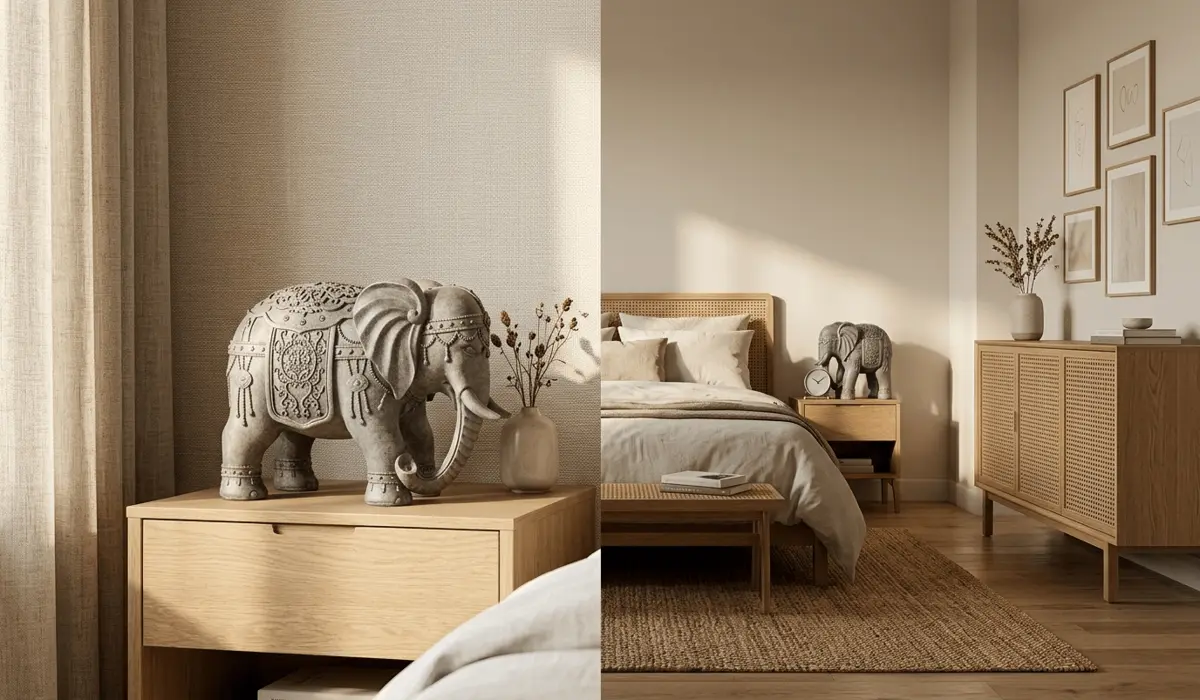
If your primary goal is to encourage fertility and welcome a new baby, the master bedroom is the most sacred location. We recommend using a matching pair of downward-trunk elephants to honor the loving partnership between parents. Place one statue on each bedside table, or position the pair on a dresser near the bedroom entrance.
Position the statues so their heads face inward toward the mattress rather than out the doorway. This inward focus gathers soothing Yin energy directly around your sleeping bodies, nourishing reproductive health and reducing night stress. It wraps the entire bedroom in a soft, protective bubble that encourages restful sleep and emotional closeness.
Keep the nightstands clean and free from work files, bills, and laptops. Honoring this quiet space allows the downward-trunk pair to cultivate the calm environment necessary for new beginnings.
Safeguarding the Home Sanctuary and Wealth Retention
To defend your household against outside negativity, the main entryway of your home is the ideal spot. Place a downward-trunk elephant inside the front foyer, facing inward toward the interior living quarters. In traditional energy practices, an elephant facing inside draws good fortune across the threshold and anchors it safely within your walls.
Never place a downward-trunk elephant facing directly out an open front door, as this can inadvertently signal that resources are walking away. If your home has a long back hallway, a descending staircase, or a back door directly aligned with the front entrance, place a statue there. It stops escaping wealth, ensuring that money earned by the family stays within the household.
Placing an elephant in the family living room also helps settle household arguments. It absorbs emotional tension between family members, fostering patience, forgiveness, and kind conversations.
Vastu Shastra Guidelines and Sacred Taboos
According to Indian Vastu Shastra traditions, the South-West zone of any building governs stability, leadership, and family bonds. Placing a heavy stone or brass downward-trunk elephant in this sector reinforces the energetic foundation of your entire house. It provides ancestral stability, helping the heads of the household make wise, grounded decisions.
Renowned consultants at World Feng Shui Masters warn against placing heavy statues in the North-East sector, which should remain light and open for spiritual clarity. Always place your sacred statues on elevated furniture at least three feet above the floor, showing proper cultural respect. Never display sacred elephant symbols inside bathrooms, laundry rooms, dirty garages, or damp basements.
Inspect your statues regularly and keep them free from dust and cobwebs. If a ceramic or stone statue becomes cracked or broken, thank it for its service and retire it respectfully rather than keeping broken items on display.
Video source: YouTube
Author: Divine Mantra
Original video link: https://www.youtube.com/watch?v=9i-kfGuTZ48
Following these respectful placement traditions ensures that your home remains a peaceful sanctuary supported by ancient blessings.
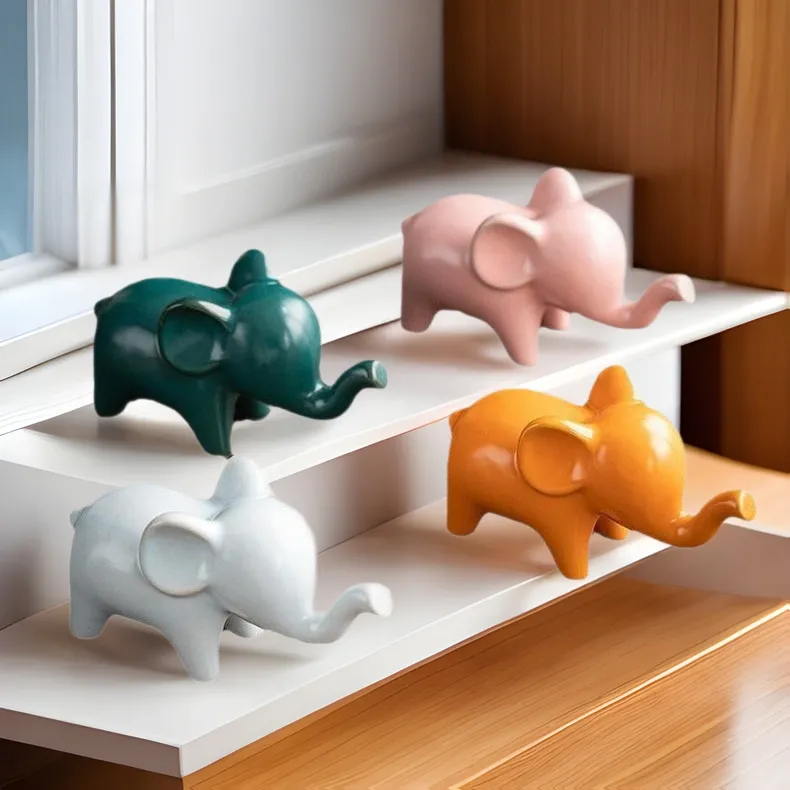
Feng Shui Ceramic Elephant Figurine – Trunk-Up Good Luck Statue for Home & Office Decor
The elephant’s upward-curving trunk forms the most distinctive feature of the design. In popular Feng Shui-inspired decor, an uplifted trunk is commonly associated with good fortune, confidence, positive momentum and the welcoming of favorable opportunities.
Shop NowFour Steps to Ground Your Home Energy
Actionable Home Grounding Ritual: Follow these four simple steps to welcome the grounding energy of the downward elephant into your living space today:
- 🌸 Step 1: Cleanse Your Chosen Space: Dust your entryway shelf or bedroom nightstand thoroughly and diffuse a few drops of cedarwood or lavender oil to clear stagnant air.
- ☸️ Step 2: Set an Inward Intention: Hold your elephant statue in both hands, close your eyes, and speak a clear prayer for family health, quiet peace, and lasting savings.
- 🕉️ Step 3: Position with Mindful Direction: Place the statue at least three feet above the floor, making sure its face points inward toward the center of the room to anchor blessings.
- 🧿 Step 4: Practice Daily Connection: Touch the cool back or trunk of your elephant statue whenever you return home, taking one slow breath to release outside work stress.
Frequently Asked Questions
Q: What is the symbolic and spiritual meaning of an elephant with its trunk down?
A: An elephant with its trunk down represents fertility, emotional grounding, quiet wealth storage, and household protection. Unlike the outward, celebratory energy of a raised trunk, this posture gathers soothing Yin energy. It connects directly with the earth, helping families build a stable foundation and preserve their inner peace.
Q: Is an elephant with its trunk facing downward bad luck or a sign of quiet abundance?
A: A downward trunk is definitely not bad luck; it is a profound sign of quiet abundance and defensive security. In authentic Buddhist and Vedic traditions, this posture stores life force and stops financial leaks. It ensures that good fortune and household savings remain safely contained within your home instead of draining away.
Q: How does a trunk-down elephant activate fertility and assist in conception according to Feng Shui?
A: This sacred meaning comes from the ancient story of Queen Maya, who conceived the Buddha after a celestial white elephant descended with a lotus flower. In Feng Shui, placing a pair of downward-trunk elephants beside the bed fills the room with calm, restorative Yin energy. This peaceful atmosphere relaxes prospective parents, eases anxiety, and creates a warm energetic space for conception.
Q: Where is the ideal placement for a trunk-down elephant statue to maximize home protection?
A: The most effective placement for household defense is near your main front door, positioned inside the foyer and facing inward toward the living quarters. Placed here, the statue acts as a steadfast guardian that anchors incoming prosperity and blocks chaotic street energy. Placing one in the family living room also helps dissolve daily arguments and encourages gentle understanding.
Q: What is the metaphysical difference between an elephant with trunk up versus trunk down?
A: An upward trunk channels active Yang fire energy, inspiring career fame, public victories, and outward celebrations. In contrast, a downward trunk gathers receptive Yin earth energy, fostering emotional balance, maternal blessings, restful sleep, and steady savings. Both postures are auspicious, but they support different life goals and room functions.
Integrating the Wisdom of the Elephant with Trunk Down
In our modern world, we are often told that success requires constant noise, rapid growth, and aggressive ambition. Yet nature teaches us that real power does not need to shout or trumpet constantly. The greatest trees stand tall only because their roots reach deep into the dark, quiet earth beneath them.
The downward-trunk elephant offers us the priceless gift of grounded composure. It invites us to slow our breathing, gather our resources in private, and protect the people we cherish most. By bringing this gentle guardian into your home or wearing it as a personal amulet, you honor the sacred art of quiet strength.
May the steadfast presence of the downward elephant bless your household with deep peace, lasting prosperity, and the abundant joys of a grounded sanctuary.

Longyi Luck
Longyi Luck is a Feng Shui practitioner and spiritual researcher who blends traditional year-based wisdom with modern lifestyle insights, specializing in Feng Shui, spirituality, meditation, and mindfulness. With years of dedicated study and practice, Longyi explores cultural symbolism and the practical application of ancient wisdom to help individuals cultivate balance, clarity, and harmony in everyday life. Since 2020, Longyi has been committed to translating timeless traditions into accessible guidance for the modern world.
longyi@auraandluck.com