

Mastering Real vs. Fake Aquamarine: How to Spot Blue Glass helps you tell natural beryl apart from cheap factory glass before buying. Crystal lovers often seek these tests because synthetic stones and colored glass flood online marketplaces today. In this hands-on guide, we share proven studio tests, visual markers, and mineral facts so you can shop with confidence.
Key Quick Summary:
- Authentic aquamarine feels cold to the touch and warms up very slowly.
- Imitation glass crystals feature round gas bubbles that never occur in real beryl.
- Natural gems show gentle color shifting and organic internal growth needles under light.
- Colored glass scratches easily and displays rounded, soft facet edges over time.
- Natural stones showcase soft ocean pastel hues rather than oversaturated electric blues.
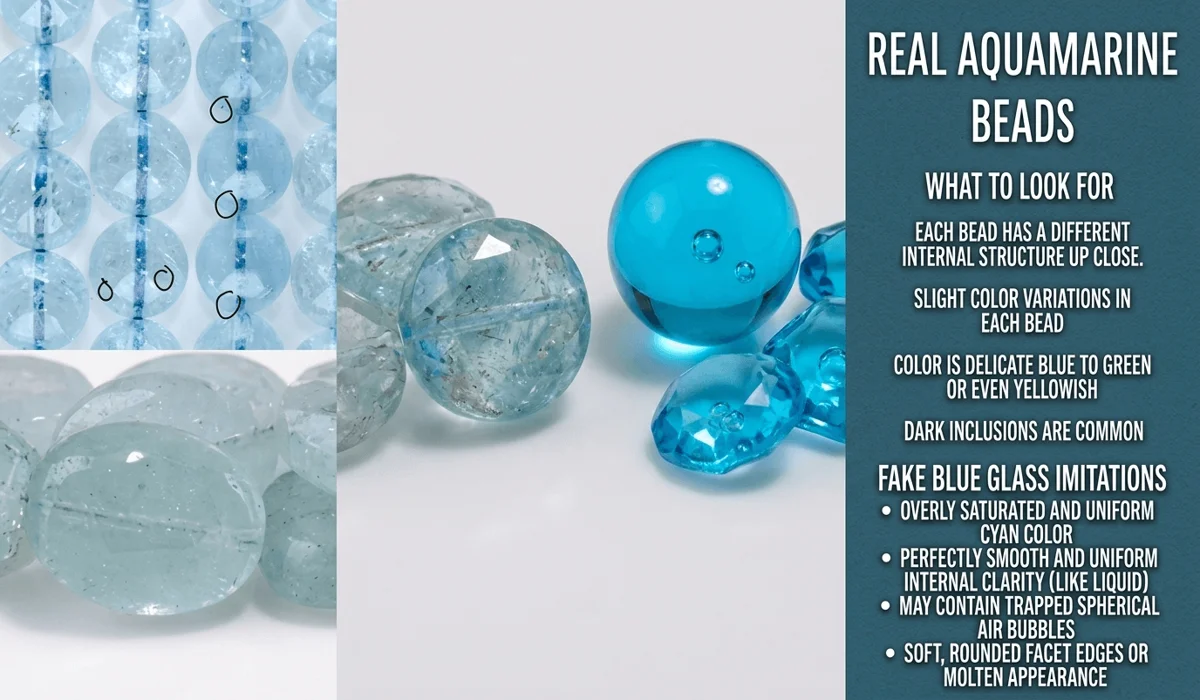
What Is Real vs. Fake Aquamarine: How to Spot Blue Glass?
Telling authentic gems from factory glass begins with understanding basic mineral science. When we evaluate stones in our studio, we always check their basic physical origins first.
Definition of Authentic Beryl vs Imitation Materials
Real aquamarine is the blue to blue-green variety of the natural beryl mineral family. Blue glass copies are non-crystalline materials melted down in mass factories to copy genuine stones at a low cost. True gem identification relies on spotting the difference between natural hexagonal crystal systems and molded glass.
Origin and Geological Materials
Natural aquamarine forms over millions of years inside granitic pegmatites and hydrothermal veins deep within the earth. In contrast, colored glass substitutes consist of melted silica mixed with copper or cobalt dyes. Lab-created hydrothermal beryls exist too, but common cheap market fakes are almost always simple glass.
You can check the mineralogy overview on Wikipedia to see how pegmatites form natural beryl varieties over long geological eras.
Basic Physical Characteristics
Natural gems contain internal liquid tubes, veil-like fingerprints, or delicate needle textures known as rain. Glass imitations cool rapidly during production, which traps spherical gas bubbles inside that never form in beryl crystals. Furthermore, real aquamarine displays gentle pleochroism, showing two subtle blue tones when tilted under clear daylight.
Here are the key physical differences to watch for when inspecting a specimen:
- Natural stones feel icy cold against your skin due to fast heat absorption.
- Molded glass acts as a thermal insulator and warms up within seconds in your hand.
- Real beryl displays crisp, sharp facet edges that resist daily scratches.
- Fake glass pieces often show blunt facet edges and tiny surface abrasions.
These tactile and visual markers give you immediate clues during any in-person inspection.
Video source: YouTube
Author: Pak Minerals & Gems
Original video link: https://www.youtube.com/watch?v=1tJuQT67rv4
Spiritual Meaning & Symbolism
Natural aquamarine carries centuries of maritime lore and peaceful energy. Working with natural minerals connects us deeply to ancient traditions of serenity and emotional balance.
Traditional Maritime Symbolism
Sailors once carried natural aquamarine as a protective talisman across stormy oceans. They believed the stone brought tranquil waters and safe passage on long voyages. Today, it still represents clear communication, honest speech, and emotional stillness during major life shifts.
Chakra Associations
Energy workers connect this blue beryl to the throat chakra center. It helps clear stagnant tension around the neck, making room for calm self-expression and compassionate listening. Many people use it during silent reflection to align heartfelt feelings with clear, spoken words.
You can discover more about balancing energy centers through our educational articles on Crystal Healing practices.
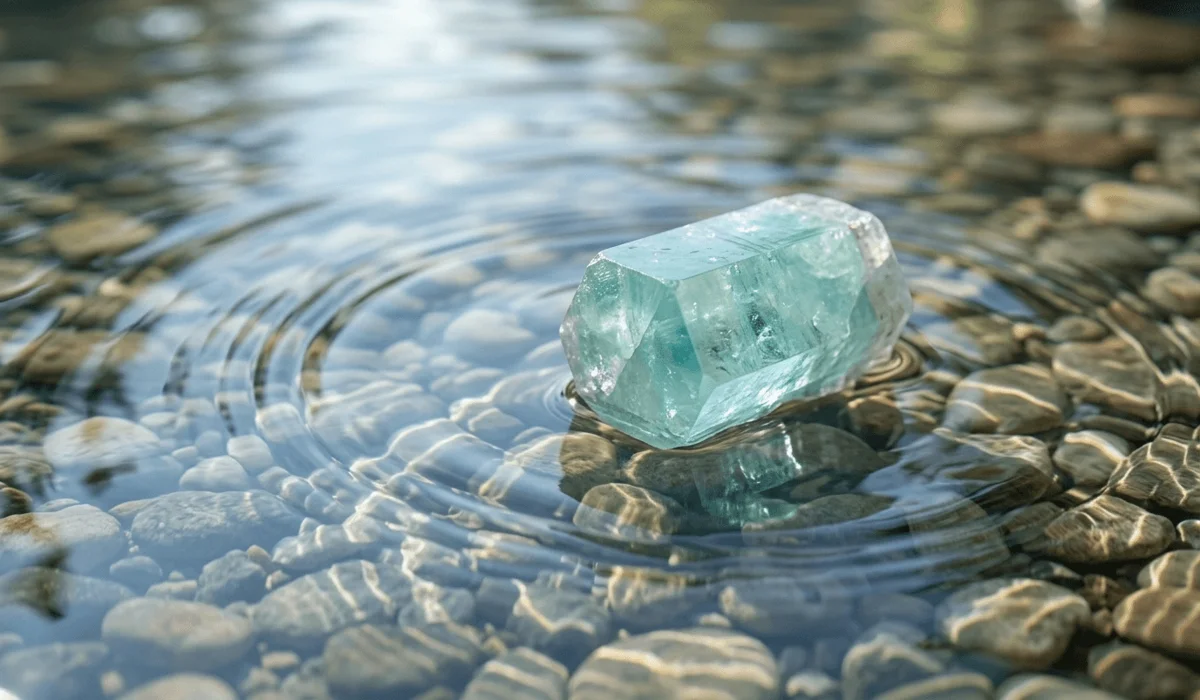
Cultural and Feng Shui Context
In classical Feng Shui, aquamarine belongs to the water element, helping replenish vital Chi (气) when daily environments feel too hectic. Mediterranean lore linked the stone to moon deities and calm sea waters to invite peaceful household harmony. Historically, couples exchanged this gentle stone to promote lasting mutual understanding and emotional patience.
Benefits & Intentions Associated with Aquamarine
Working with authentic earth-mined stones creates a grounded touchpoint for mindfulness. Many of our customers report that wearing genuine beryl reminds them to pause before responding under pressure.
Commonly Associated Intentions
People turn to natural aquamarine to set intentions around inner calm, reduced friction, and patient listening. It provides mental focus when you tackle complex work tasks or stressful team negotiations. Keeping a piece near your desk helps you articulate thoughts with quiet confidence.
Mindfulness and Personal Practices
During morning breathwork, you can place a polished palm stone over your upper chest to remain anchored in relaxed breathing. Holding a raw mineral specimen while journaling encourages an unhurried, reflective flow of ideas. Choosing genuine jewelry gives you a tactile anchor that grounds your mindset throughout busy workdays.
How to Wear Aquamarine
How you wear your gemstone jewelry affects your daily focus and energetic alignment. Simple wrist choices create subtle shifts in how you interact with your surroundings.
Left Hand vs Right Hand Placement
In traditional energy practices, your left wrist represents the receptive side of your body. Wearing your bracelet on the left hand helps you absorb soothing, restorative energy during stressful routines. Wearing it on your right wrist supports outward articulation, diplomatic speaking, and graceful boundary setting during meetings.
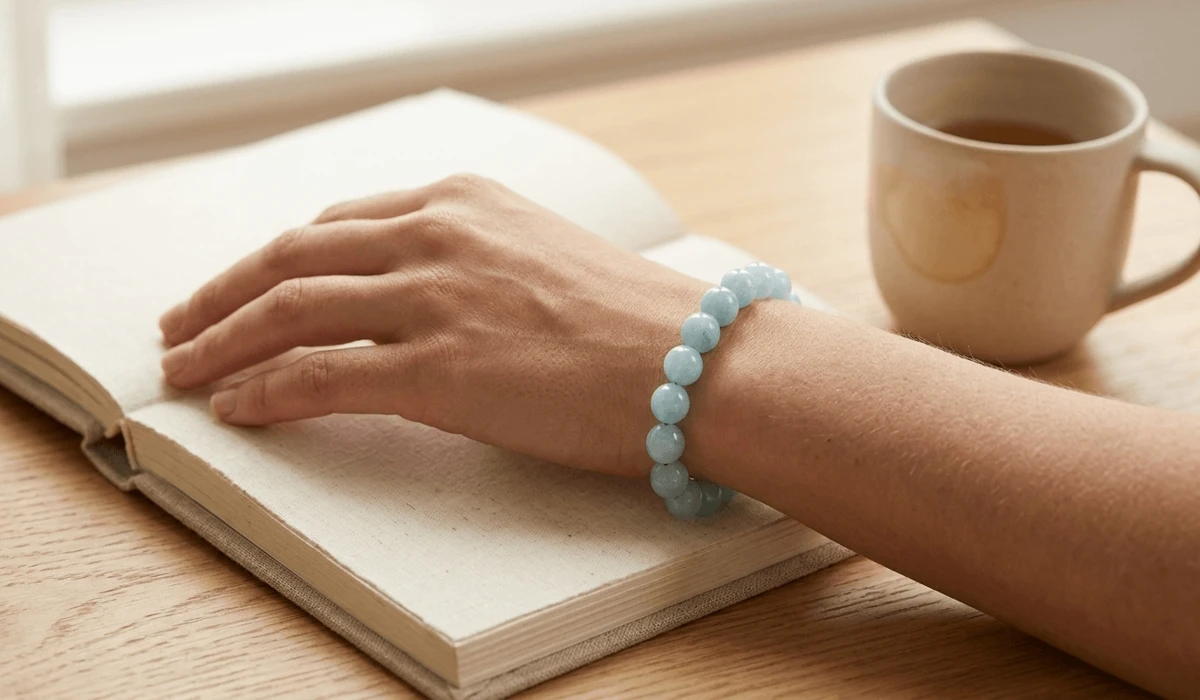
When People Choose to Wear It
Many individuals slip on genuine beads during public speeches, client presentations, or difficult conversations. It is also an ideal companion for ocean travels, wellness retreats, or restorative weekend getaways. Pairing soft blue beads with neutral daily attire serves as a quiet visual cue to breathe deeply.
If you enjoy examining genuine stones, take a moment to explore Fluorite Crystal Verification to see how glass imitations affect other popular mineral varieties.

Intention-Setting Practices
When starting your day, hold your beads gently in both hands during early morning stillness. Speak a simple sentence centered on patience, calm words, or clear thinking. Feel the natural mineral chill against your wrists to anchor your focus in the present moment.
Aquamarine vs Similar Stones
Shoppers often confuse real beryl with colored glass, treated blue topaz, or synthetic hydrothermal crystals. Knowing their physical markers ensures you receive authentic value.
Aquamarine vs Blue Glass
Glass imitations often show an unnatural, flat, candy-blue saturation across the entire piece. Natural aquamarine displays soft, watery hues that shift slightly depending on the lighting angle. Glass also develops scratched, rounded facet borders quickly, while real beryl preserves sharp edges.
Aquamarine vs Blue Topaz
Blue topaz is routinely irradiated to create vivid, electric blue tones that look brighter than natural beryl. Topaz is also noticeably heavier in hand due to its higher specific gravity. Furthermore, topaz splits cleanly along perfect cleavage planes, whereas aquamarine breaks with an uneven fracture.
For professional gemstone testing guidelines, gemologists consult research published by the Gemological Institute on mineral identification.
Aquamarine vs Synthetic Hydrothermal Beryl
Hydrothermal synthetic stones share the same chemical formula as natural beryl, making testing challenging without laboratory tools. Under magnification, synthetic stones often reveal zig-zag growth patterns never seen in nature. Real specimens showcase organic growth tubes and hold higher collector value.
| Gemstone Material | Mohs Hardness | Internal Features | Surface Temperature |
|---|---|---|---|
| Natural Aquamarine | 7.5 - 8.0 | Hollow needles, veils, liquid tubes | Stays icy cold, warms slowly |
| Blue Glass Imitation | 5.0 - 5.5 | Spherical gas bubbles, swirl lines | Warms almost instantly to touch |
| Irradiated Blue Topaz | 8.0 | High clarity, 2-phase inclusions | Feels cold, noticeably heavy |
"True mineral elegance lies in the quiet imperfections crafted by earth and time, never in the sterile uniformity of molded glass."
Who Is Aquamarine Suitable For?
Because of its balanced presence, genuine beryl appeals to a wide range of individuals. Matching your lifestyle with the right stone brings genuine daily satisfaction.
Chakra and Energy Alignment
This soothing gem is perfect for writers, vocalists, teachers, and public speakers who rely on an open throat chakra. It also suits individuals with fiery temperaments who wish to cultivate a cooler, more patient interpersonal style. Meditators appreciate its calming aura during long, quiet breathing sessions.
Zodiac and Astrological Connections
Traditional birthstone calendars celebrate aquamarine as the primary jewel for March. It naturally complements water signs like Pisces, Cancer, and Scorpio by strengthening intuitive reflection. Air signs like Gemini, Libra, and Aquarius also benefit from its grounding effect on racing thoughts.
Lifestyle and Daily Roles
Leaders and corporate negotiators wear this subtle stone to maintain composure during high-stakes meetings. It also appeals to collectors who appreciate authentic geology and natural earth history. You can browse our handcrafted Healing Crystal Collection to find genuine pieces that suit your routine.
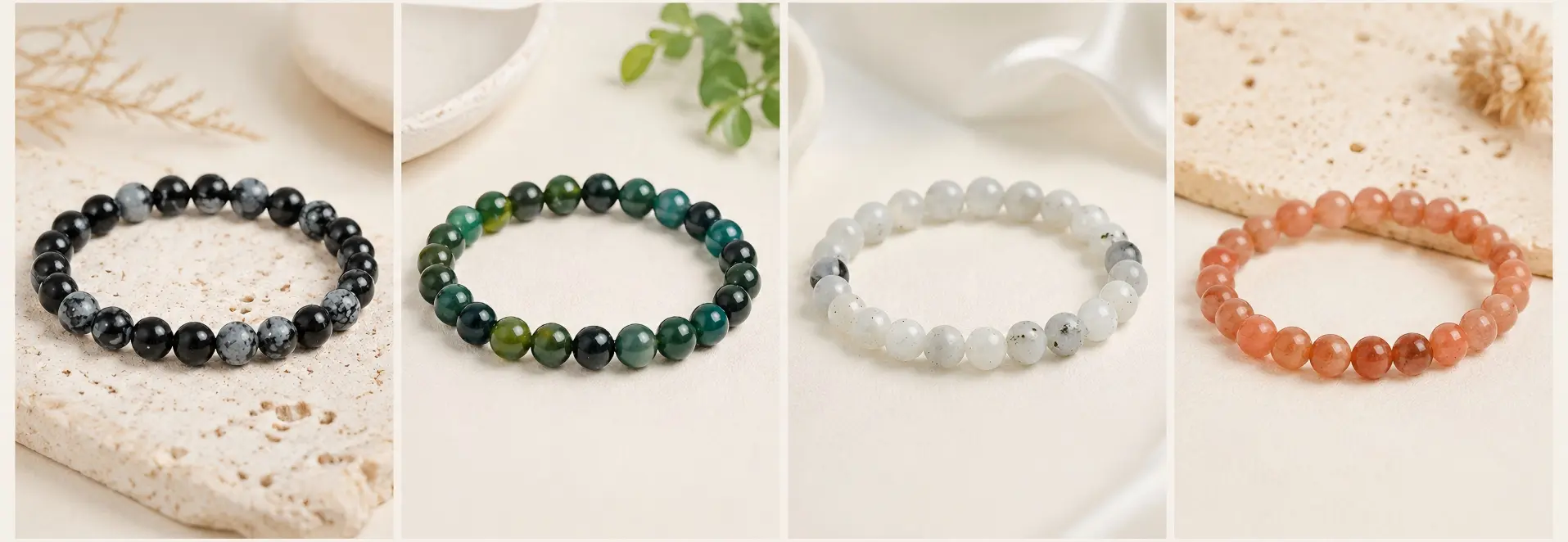
How to Cleanse, Charge, and Care for Aquamarine
Caring for natural beryl preserves its crystalline luster and delicate energy. Gentle maintenance protects your investment for decades to come.
Cleansing Methods
Rinse your jewelry briefly under lukewarm tap water to rinse away surface oils and dust. You can also pass the gemstone through natural sage or frankincense smoke to refresh its energetic presence. Placing your stones near a brass singing bowl cleanses static energy through harmonic sound vibrations.
Charging Practices
Leave your piece beneath the gentle light of the full moon to recharge its peaceful water resonance. Early dawn sunlight also revitalizes the mineral without subjecting delicate beryl to harsh midday heat. Resting your jewelry inside a selenite bowl keeps its energy crisp and clear between daily wears.
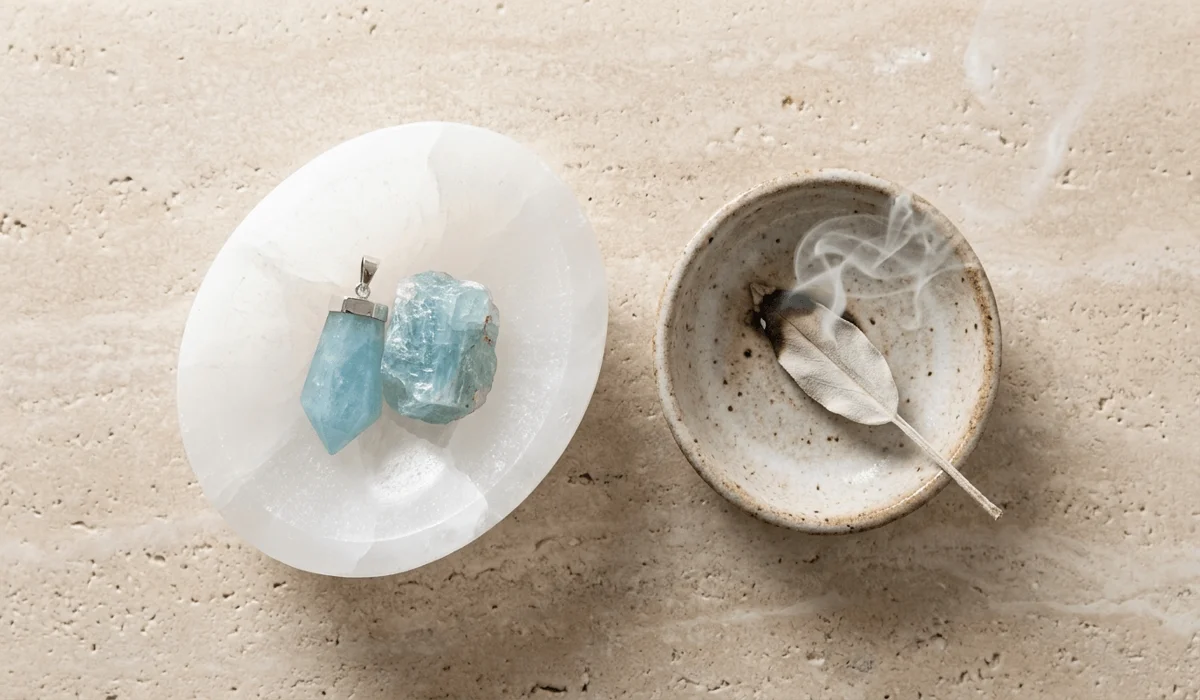
Daily Care and Storage
Aquamarine ranks between 7.5 and 8 on the Mohs scale, giving it dependable durability for everyday rings and bracelets. Never attempt scratch tests with steel needles or sharp quartz at home, as aggressive tests can permanently ruin fine gems. Store your bracelets separately in soft cloth pouches to prevent scratches from diamonds or harder stones.
For further material safety standards, explore reference articles provided by Gemmological Association specialists regarding gem durability.
Frequently Asked Questions
Q: how to tell if aquamarine is real or colored glass
A: Look closely inside the stone using a magnifying loupe to check for round gas bubbles, which only occur in glass. Natural aquamarine feels cold against your skin, shows subtle color changes from different angles, and maintains sharp, crisp facet junctions that glass cannot match.
Q: does real aquamarine have air bubbles inside
A: Real aquamarine never contains round spherical air bubbles inside its crystalline structure. Round bubbles indicate melted glass or plastic imitations. While natural beryl can feature internal liquid pockets or angular negative crystals, these show organic, jagged borders rather than smooth spheres.
Q: How can I tell the difference between a natural and a synthetic aquamarine?
A: Natural aquamarine features organic internal inclusions like microscopic needles, delicate veils, and subtle color zoning. Lab-grown hydrothermal beryl shares the same chemical makeup but often displays telltale chevron or zig-zag growth patterns visible under gemological magnification.
Q: which hand to wear aquamarine bracelet for calm energy
A: Wear your aquamarine bracelet on your left wrist if your primary goal is to absorb calming, restorative energy into your daily routine. The left side serves as your receptive energetic gateway, while the right wrist is best when you need to speak clearly in public presentations.
Q: Can you shower with aquamarine jewelry?
A: Showering with genuine aquamarine jewelry is not recommended because soaps, body washes, and hard tap water leave dull films across the stone. Sudden shifts in water temperature can also cause thermal shock, which can damage natural crystals containing microscopic fluid inclusions.
Conclusion & Gentle Next Step
Spotting authentic aquamarine comes down to evaluating temperature, facet sharpness, and internal inclusions. Natural gems carry genuine geological history, throat chakra balance, and peaceful water element intentions. Taking time to inspect your gemstones protects your collection and brings true peace of mind to your daily mindful rituals.
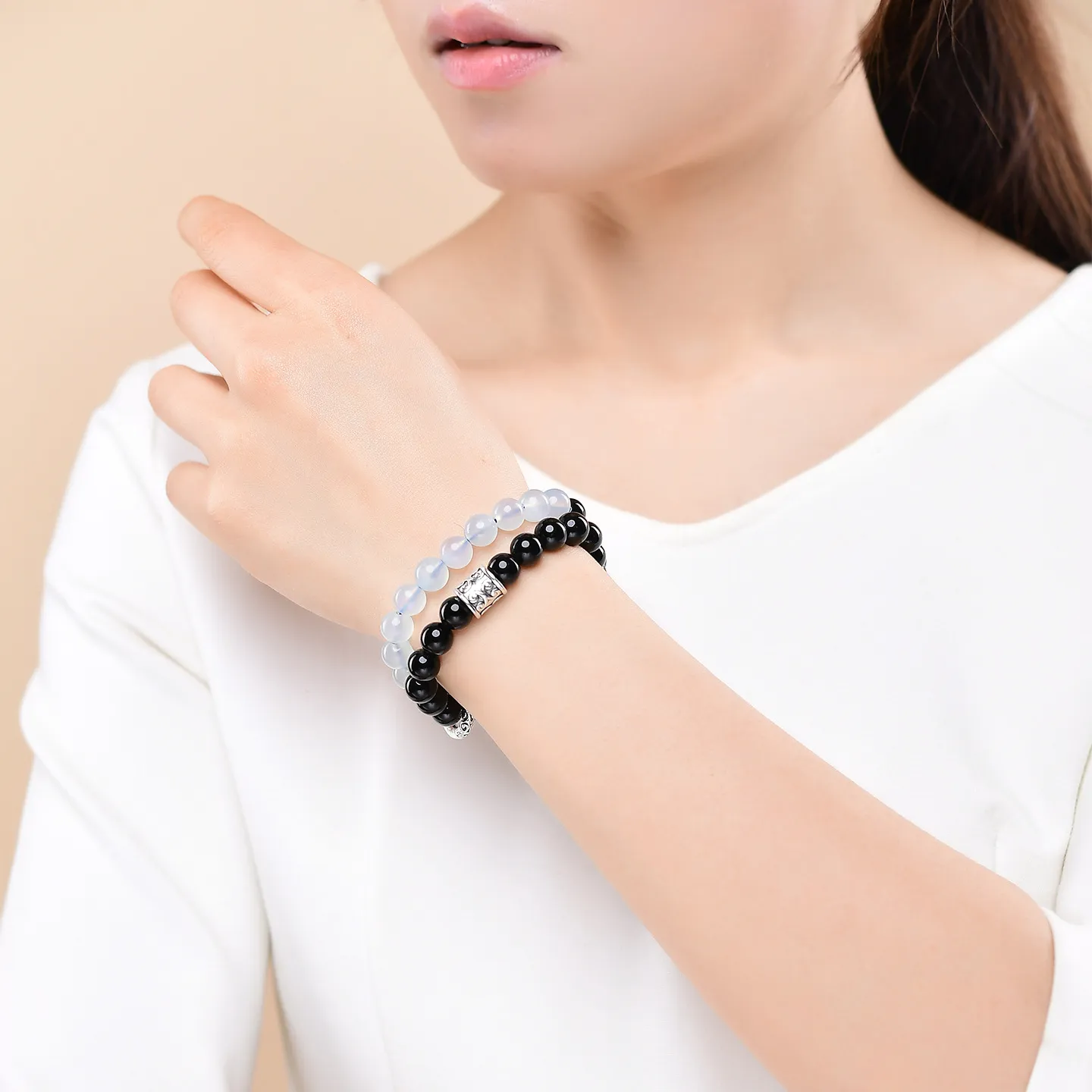
Obsidian & Aquamarine Bracelet – Protection, Serenity & Inner Peace
Discover the profound equilibrium of the Obsidian & Aquamarine Bracelet, a sacred tool designed to anchor your spirit while elevating your voice. Obsidian, a powerful volcanic glass, acts as an energetic shield, drawing out mental stress and tension to provide a foundation of absolute security.
Shop NowReady to add genuine tranquility to your mindful collection? Explore our verified gemstone pieces to find natural stones that bring clarity, composure, and timeless balance to your life.
The contents of this guide are provided strictly for informational and cultural exchange purposes. This material does not constitute professional medical, legal, financial, or gemological evaluation advice. Readers should always consult qualified professionals or certified gemological laboratories for specific gemstone appraisals and personal health needs.

Longyi Luck
Longyi Luck is a Feng Shui practitioner and spiritual researcher who blends traditional year-based wisdom with modern lifestyle insights, specializing in Feng Shui, spirituality, meditation, and mindfulness. With years of dedicated study and practice, Longyi explores cultural symbolism and the practical application of ancient wisdom to help individuals cultivate balance, clarity, and harmony in everyday life. Since 2020, Longyi has been committed to translating timeless traditions into accessible guidance for the modern world.
longyi@auraandluck.com