
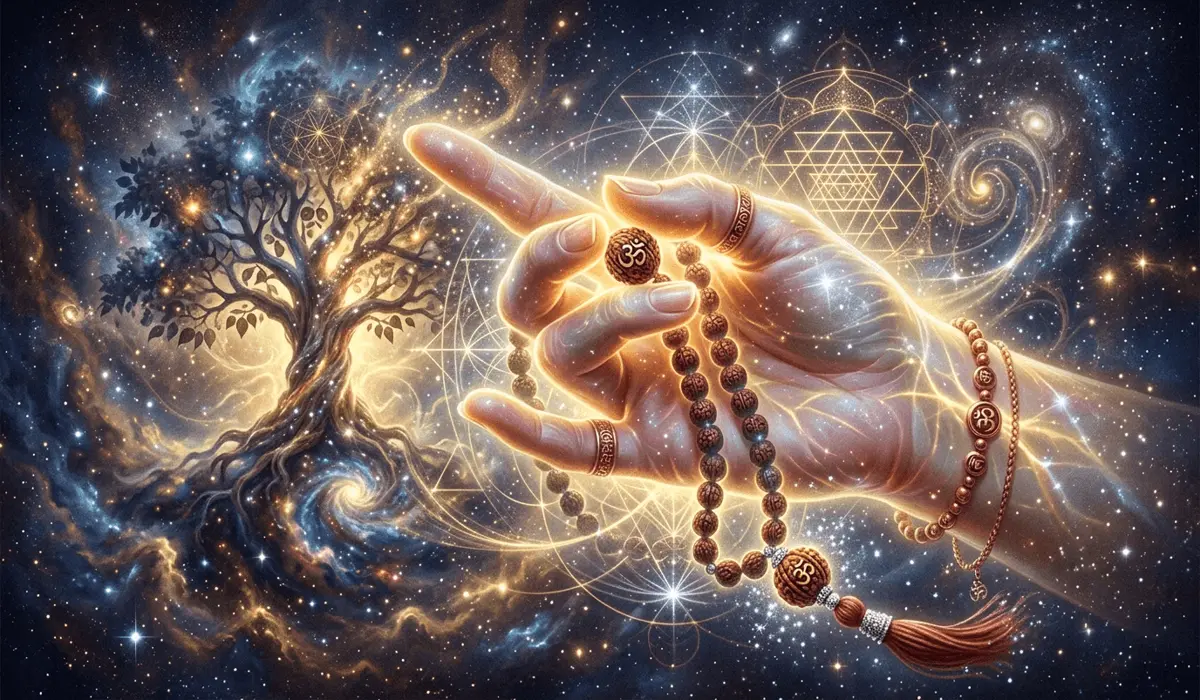
Holding your Bodhi seed mala correctly is the first step toward a disciplined and rewarding Japa meditation practice. To properly hold a Bodhi mala, drape it over the middle finger of your right hand and use your thumb to pull each bead toward you, ensuring your index finger never touches the seeds.
- Bodhi seeds represent the path to enlightenment and spiritual awakening.
- Always use your right hand to move the beads to channel solar energy.
- The index finger must stay extended to avoid the influence of the ego.
- Proper care involves keeping the beads off the ground and cleaning them with a soft cloth.
- Synchronizing your breath with your mantra deepens the mindfulness experience.
What Is a Bodhi Seed Mala?
Definition
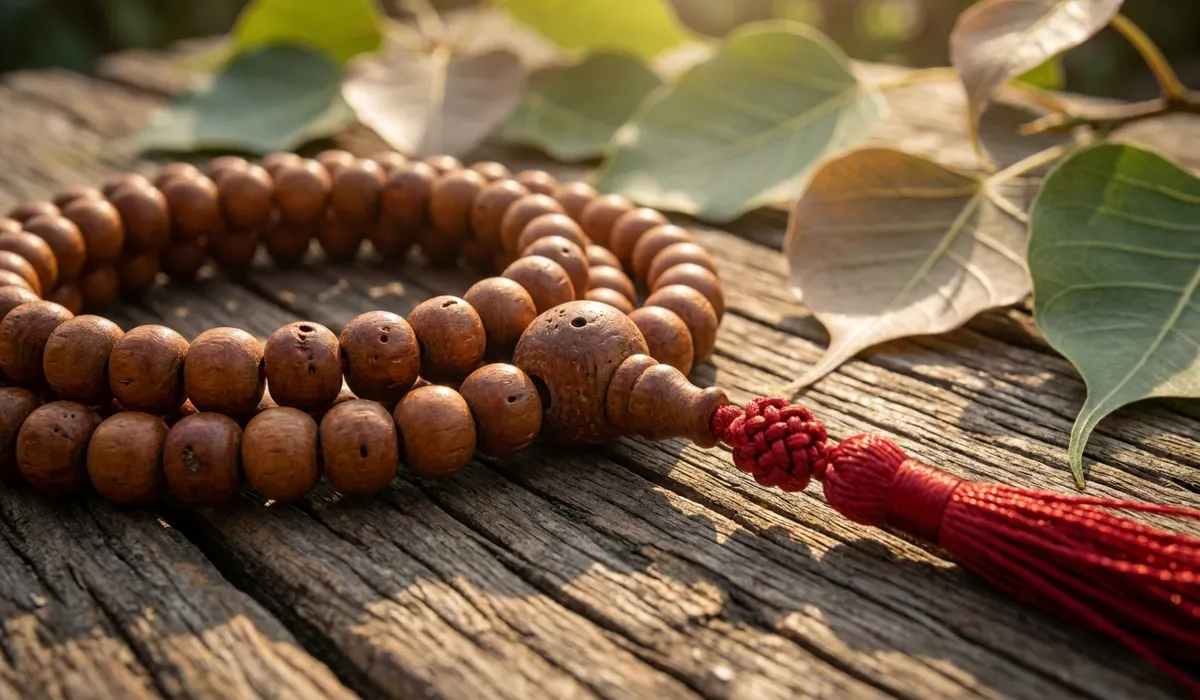
A Bodhi seed mala is a traditional string of 108 prayer beads plus a Guru bead used primarily for counting mantras. The word Bodhi translates to "awakened" or "enlightened" in Sanskrit, linking the tool directly to spiritual expansion.
Origin and Materials
These beads are harvested from the Ficus religiosa tree, famously known as the Bodhi tree. Authentic Bodhi seeds are prized for their durability and natural textures, which become smoother and darker with years of meditative use. To ensure the authenticity of your spiritual tools, you might want to look into standards set by the Gemological Institute for material verification.
Basic Characteristics
A standard Japa mala contains 108 beads, a number rooted in the sacred geometry of malas representing the universe's wholeness. Bodhi seeds are distinct from other seeds like Rudraksha or lotus due to their specific connection to Buddhist history and enlightenment.
Spiritual Meaning and Symbolism
Traditional Symbolism
Bodhi seeds are powerful symbols of enlightenment and Bodhi seeds signify the potential for every being to reach their highest consciousness. The seeds represent the seed of Buddha-nature that exists within every individual, waiting to be cultivated through practice. We often find that using these seeds helps practitioners feel a tangible link to ancient wisdom.
Chakra Associations
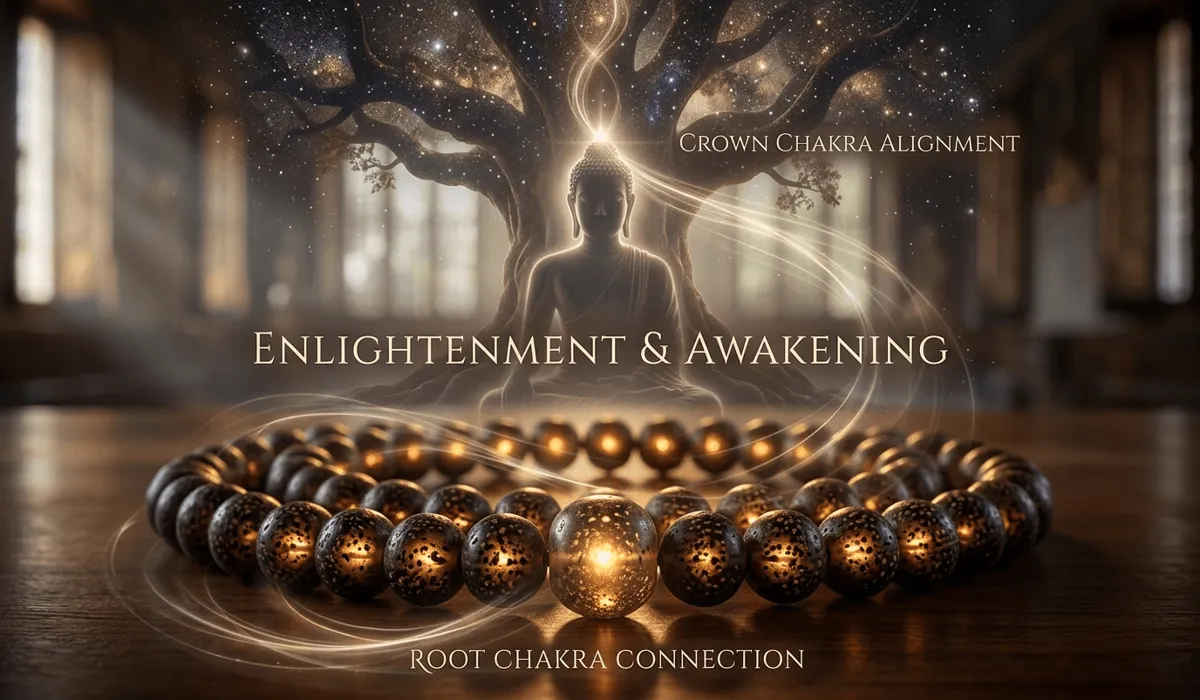
In many traditions, these seeds are used for spiritual grounding with prayer beads, connecting the Root Chakra to the Earth's energy. They are also associated with the Crown Chakra, facilitating a connection to divine wisdom and higher guidance. For those interested in the broader cultural impact of these traditions, Free Encyclopedia provides extensive historical context.
Cultural or Historical Context
In the Buddhism meditation tools tradition, the Bodhi seed is the most revered material because Siddhartha Gautama attained enlightenment beneath a Bodhi tree. In the Hindu tradition japa mala use, these seeds are respected as "seeds of wisdom" that help the practitioner overcome the illusions of the ego.
Benefits and Intentions Associated with Bodhi Seed Malas
Commonly Associated Intentions
Practitioners often use Bodhi seeds for intention setting with seeds focused on clarity, patience, and the removal of mental obstacles. They are traditionally believed to help the user maintain a steady focus during long periods of recitation. According to our experience, the weight of the seeds provides a comforting presence during difficult transitions.
Mindfulness and Personal Practices
The tactile sensation of the seeds promotes meditative breath control by providing a physical anchor for the mind. Regular use is observed by many to create a sense of calm and a "protective" energetic field around the practitioner's daily life. You can learn about Crystal Healing and how different natural materials impact your personal energy field.
How to Properly Hold Your Bodhi Mala
Proper hand placement is vital for maintaining the flow of energy during your practice. Following the traditional Japa meditation techniques ensures that your focus remains on the mantra rather than the mechanics of the beads.
Video source:YouTube
Author:Himalayan Institute
Original video link:https://www.youtube.com/watch?v=IuPmTCbZwSQ
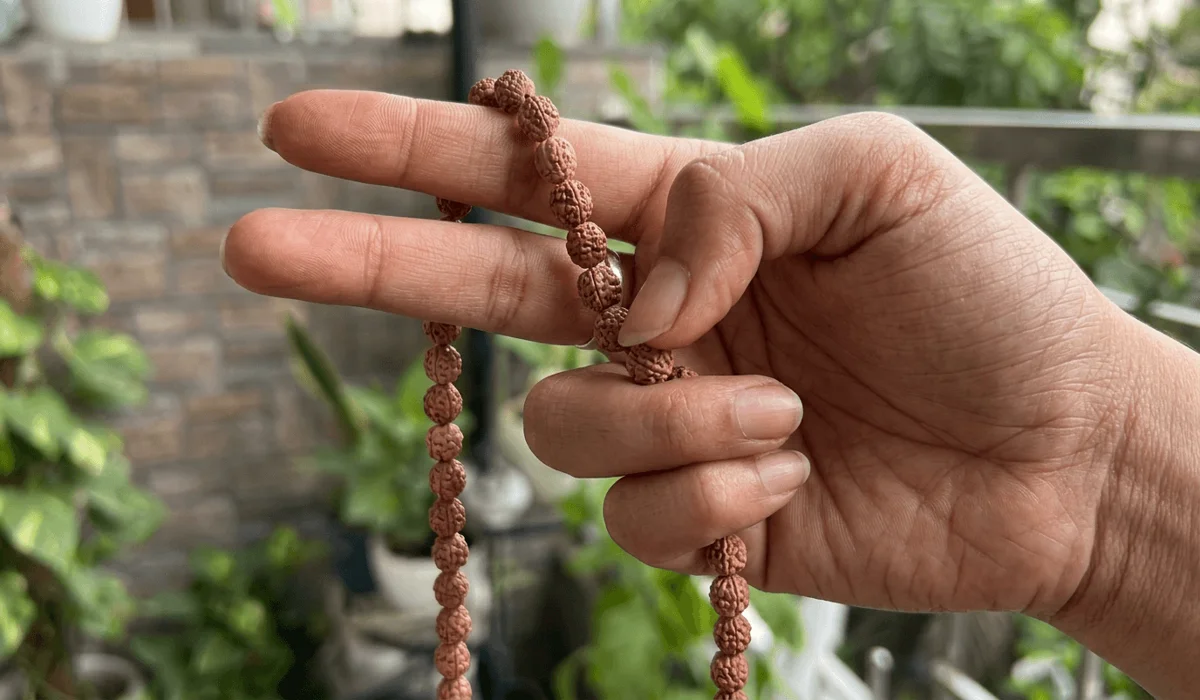
The right hand is almost always used for Japa meditation. This hand represents spiritual solar energy, which is active and purifying. The left hand is considered "receptive" and is usually kept resting on the knee or in a specific mudra during practice.
How to Wear Your Bodhi Seed Mala
Hand Selection Logic
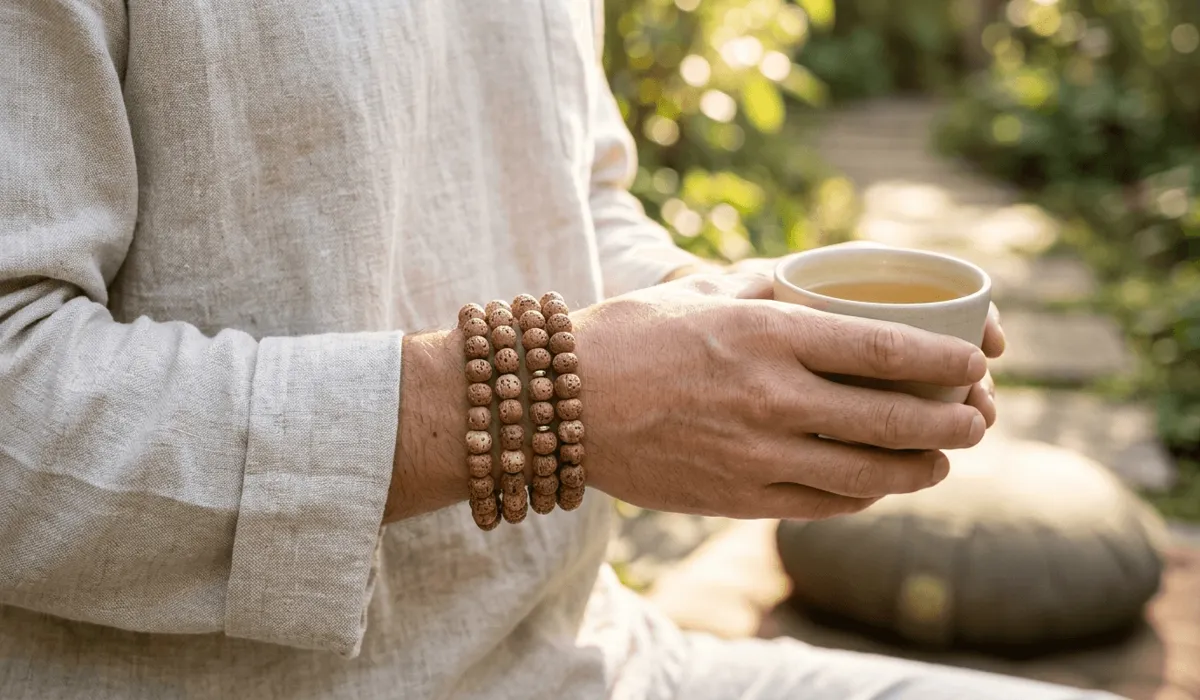
Tradition dictates a strict right hand vs left hand for mala rule; the right hand is used for Japa to represent spiritual solar energy. While the mala is held in the right hand for meditation, it may be worn on either wrist when not in use, depending on personal energetic needs. Many practitioners find that wearing it on the left wrist helps them stay receptive to peace.
When People Choose to Wear It
Many choose to wear their mala as a necklace or wrap it around their wrist to keep the mantra’s vibration close to the body throughout the day. It serves as a constant reminder of one's commitment to mindfulness and spiritual growth. Keeping the mala hidden can also be a personal preference for some users.
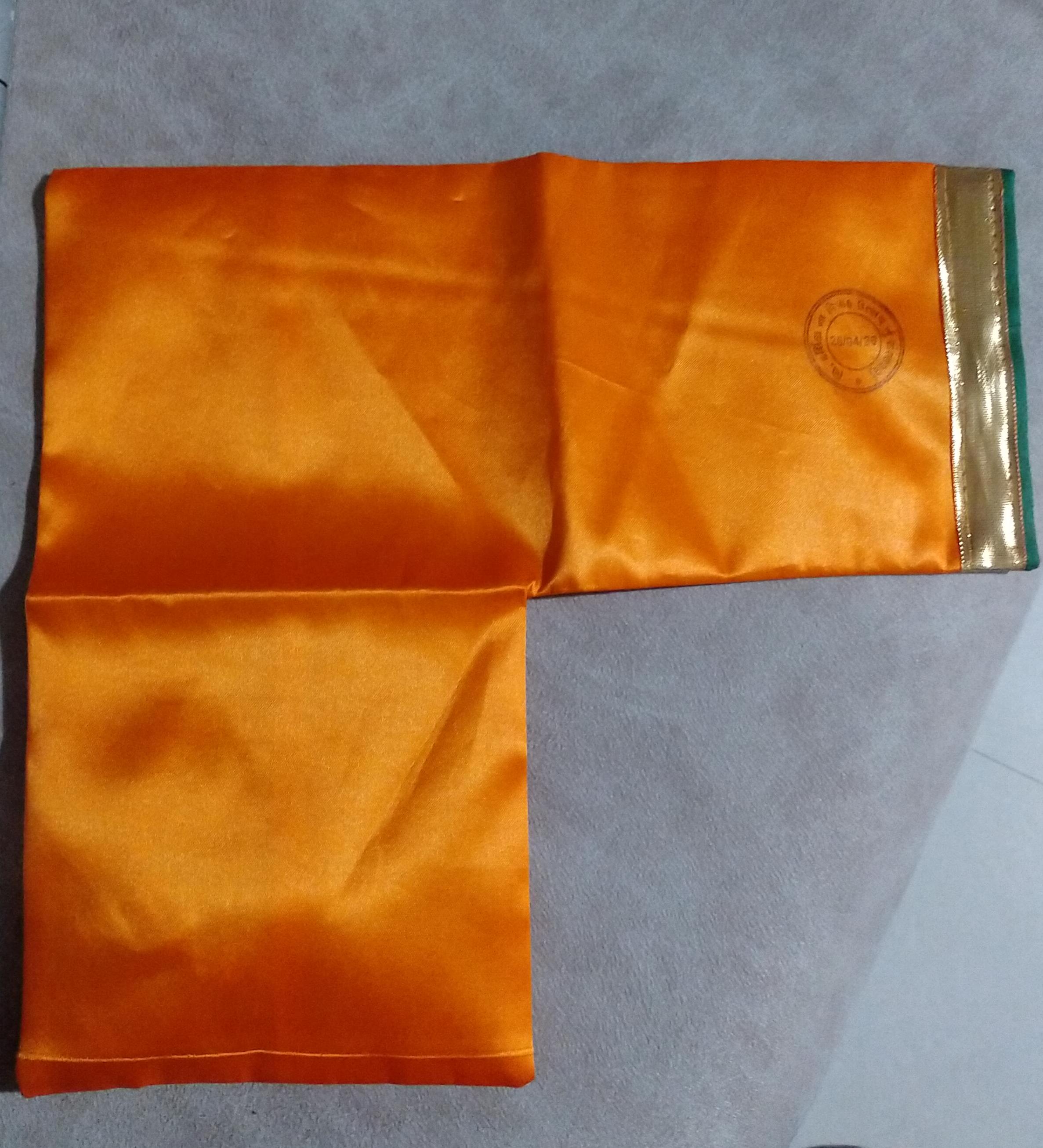
"So basically my mom went to a wedding of her friend's daughter and she gifted them something and for which they gave my mum this return gift, its a gaumukh in which you can put your mala there and no one would be able to see it other than you..."
*sources:[Gaumukh related query...](https://reddit.com/r/Tantrasadhaks/comments/1tek4ms/gaumukh_related_query/)*
This Reddit post highlights the tradition of using a Gaumukh (bead bag) to keep the mala private during use. This practice is common when traveling or in public spaces to maintain the sacredness of the mantra.
*sources:[Reddit - u/ketefsod - Gaumukh related query...](https://reddit.com/r/Tantrasadhaks/comments/1tek4ms/gaumukh_related_query/)*
This image demonstrates the practical use of a prayer bag to protect the Bodhi seeds from outside view and physical impurities.
Intention-Setting Practices
Before wearing or using the beads, many practitioners perform a simple ceremony to activate the seeds with a specific goal or prayer. You can find detailed instructions in our Mala Meditation Techniques guide. This process helps align your personal vibration with the energy of the Bodhi seeds.
Bodhi Seed vs Similar Meditation Tools
| Feature | Bodhi Seed | Rudraksha | Sandalwood |
|---|---|---|---|
| Primary Focus | Enlightenment & Wisdom | Protection & Shiva | Heart & Peace |
| Texture | Smooths with age | Rough & Textured | Smooth & Fragrant |
| Durability | Extremely High | High | Moderate |
Bodhi Seed vs Rudraksha
While both are seeds, Rudraksha is traditionally associated with Lord Shiva and protection, whereas Bodhi seeds focus on enlightenment and wisdom. Bodhi seeds typically have a smoother, more "aged" feel over time compared to the rugged, multi-faceted texture of Rudraksha. Professional organizations like Gemmological Association often emphasize the importance of identifying organic materials correctly.
Bodhi Seed vs Sandalwood
Sandalwood is a wood-based bead known for its cooling scent and association with the heart, while Bodhi seeds are denser and focused on grounding. Bodhi seeds are often considered more "durable" for a lifetime of daily Japa practice than aromatic woods. Many of our customers prefer Bodhi seeds because they do not lose their physical integrity over decades of use.
Who Is the Bodhi Seed Mala Suitable For?
Chakra or Energy Alignment
Ideal for those seeking to balance their Third Eye and Crown chakras to gain better insight and intuition. Suitable for individuals who feel "scattered" and require the heavy, grounding energy of a natural seed. You can also explore Gemstone Mala options if you are looking for specific mineral energies to complement your Bodhi seeds.
Zodiac or Astrological Associations
While inclusive to all, Bodhi seeds are often favored by those under the signs of Sagittarius or Pisces, who naturally seek higher truth. They are frequently recommended for anyone entering a period of deep study or spiritual transition. We have seen many students benefit from the calming influence of these beads during exams.
Lifestyle and Personal Intentions
Recommended for serious practitioners of Japa meditation who want a traditional, time-tested tool. Suitable for those who appreciate the aesthetic of natural, earthy materials that change and "grow" with the owner. The way Bodhi seeds darken over time is a beautiful physical representation of your spiritual progress.
How to Cleanse, Charge, and Care for Bodhi Seeds
Cleansing Methods
Cleaning Bodhi seed malas should be done with a soft, slightly damp cloth; avoid soaking them in water as it can cause the seeds to crack. To energetically cleanse, many use the smoke of sacred herbs like sage or incense to clear stagnant energy. Keeping your spiritual space clean is just as important as cleaning the beads themselves.
Charging Practices
Place your mala in a clean space under the light of a full moon to refresh its natural vibrations. Mantras themselves are considered the best way to charge the beads; the more you practice, the more "charged" the seeds become. According to tradition, the energy you put into the beads is what makes them truly sacred.
Daily Care and Storage
General mala bead care and maintenance includes storing the beads in a silk or cotton pouch when not in use. Following the traditional etiquette for using mala beads during meditation, always keep them off the floor to show respect for the sacred tool. If a mala breaks, it is often seen as a sign of progress or a shift in energy.
"They inevitably break and need to be pieced back together again. A reminder of impermanence and rebirth!... As I string them I recite a mantra over each bead."
*sources:[My brother brought me his mala that was gifted to him broken and mangled...](https://reddit.com/r/Buddhism/comments/1t5uwy1/my_brother_brought_me_his_mala_that_was_gifted_to/)*
This insight from a Reddit user reminds us that even when a mala breaks, the act of repairing it with mantras can be a profound meditative practice in itself. It reinforces the idea of impermanence.
Frequently Asked Questions
Q: How should I properly hold my Bodhi mala during Japa?
A: Drape the mala over your middle finger. Use your thumb to move the beads one by one toward you. Ensure your index finger is extended away from the beads at all times.
Q: Why is it forbidden to touch the mala with the index finger?
A: In traditional Japa meditation techniques, the index finger represents the ego. Touching the beads with the ego-finger is believed to interrupt the flow of spiritual energy and focus.
Q: How do I use the Guru bead during my meditation practice?
A: The Guru bead acts as a marker for the beginning and end of your 108 repetitions. When you reach the Guru bead, do not cross over it. If you wish to do another round, rotate the mala 180 degrees and move in the opposite direction.
Q: Can I wear my Japa Mala around my neck?
A: Yes, it is common to wear a Japa mala as a necklace to carry the energy of your practice. However, it is traditionally recommended to tuck it inside your shirt if you are in an impure environment or during strenuous activity.
Q: How can I synchronize my breathing with my mantra repetition?
A: Inhale deeply before starting a mantra. Recite the mantra fully on the exhale as you pull one bead toward you. This creates a natural rhythm that calms the nervous system.
Conclusion and Gentle Next Step
Holding your Bodhi mala correctly is more than just a physical gesture; it is an act of devotion and mindfulness. By respecting the tradition of using the middle finger and thumb while avoiding the index finger, you maintain the spiritual purity of your meditation. The Bodhi seed is a living tool that absorbs your intentions and becomes a sacred companion on your path to enlightenment. We invite you to explore our curated collection to find a tool that resonates with your personal journey.
Ready to deepen your spiritual practice? Finding the right Bodhi seed mala can transform your meditation into a truly sacred ritual of mindfulness and peace.

Longyi Luck
Longyi Luck is a Feng Shui practitioner and spiritual researcher who blends traditional year-based wisdom with modern lifestyle insights, specializing inFeng Shui, spirituality, meditation, and mindfulness. With years of dedicated study and practice, Longyi explores cultural symbolism and the practical application of ancient wisdom to help individuals cultivate balance, clarity, and harmony in everyday life. Since 2020, Longyi has been committed to translating timeless traditions into accessible guidance for the modern world.
longyi@auraandluck.com

.webp?w=800&h=800)
.webp?w=800&h=800)