
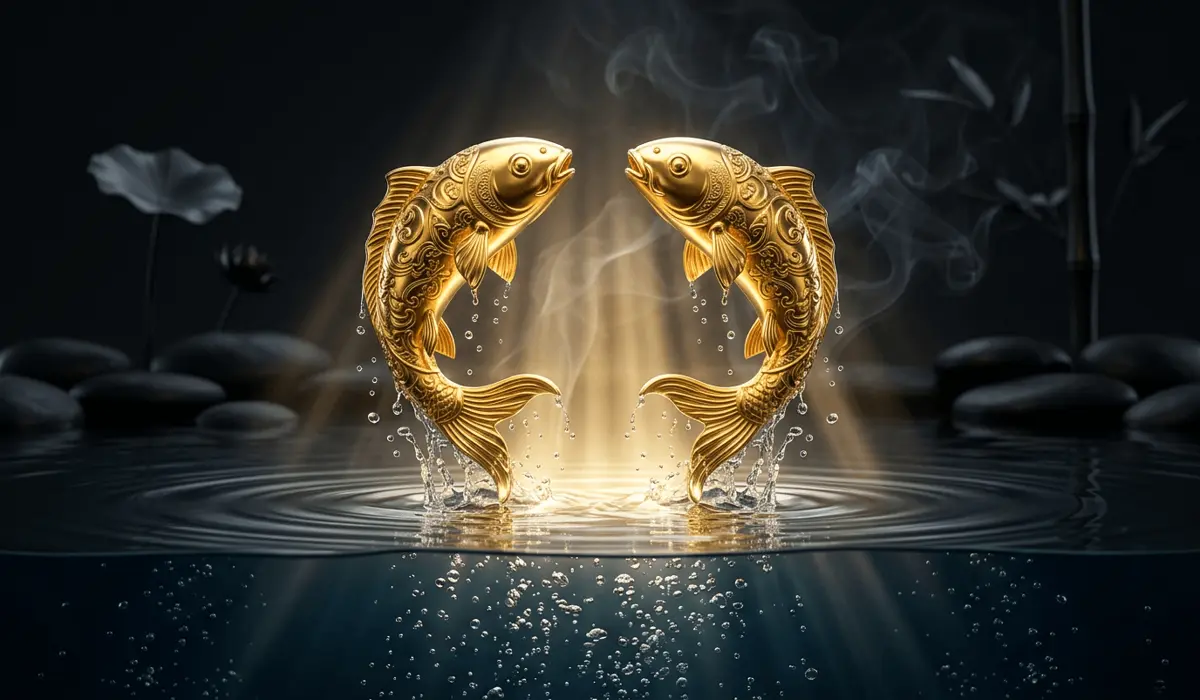
We often see the Koi Fish as a beautiful creature in a pond. But at Aura & Luck, we see much more than just a "living jewel." This fish is a mirror for the human soul. It shows us how to grow and change. We believe the Koi Fish is a physical metaphor for spiritual evolution. In our research, we find it sits at the crossroads of nature and sacred geometry. It is deeply tied to the deep wisdom of Tibetan Buddhism.
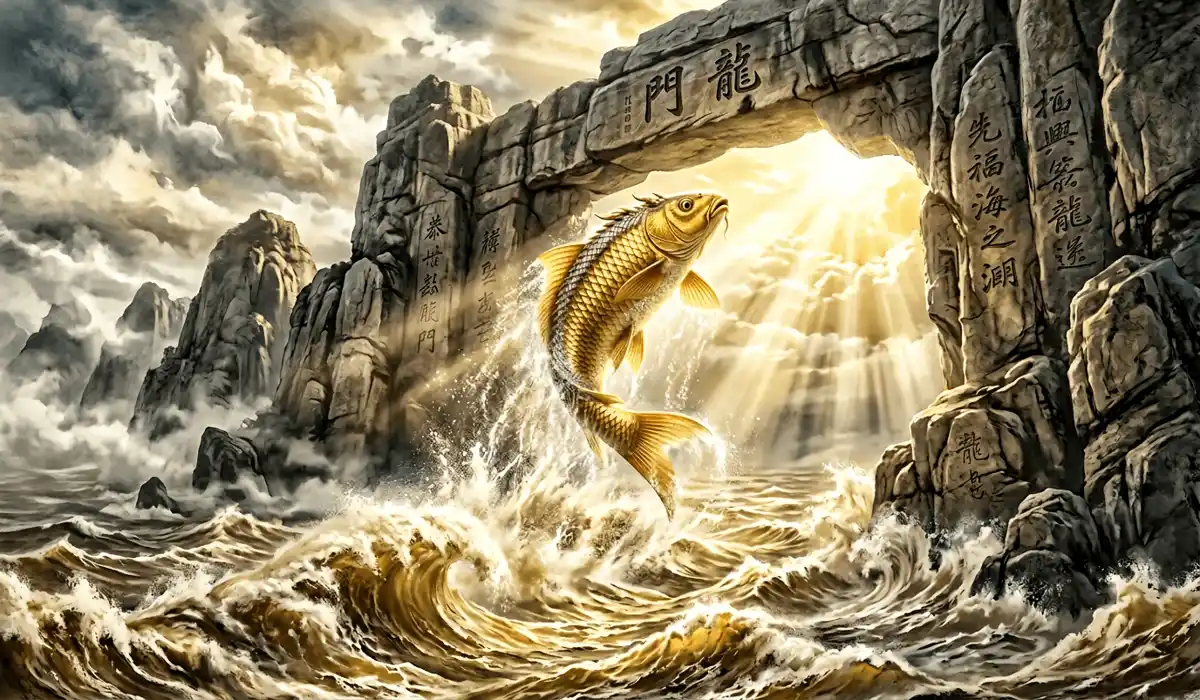
Ancient Origins and Sacred Lore: From the Dragon Gate to the Golden Fish
The story of the fish begins long ago in ancient legends. In Taoist Mythology, the most famous story is about the Longmen (Dragon Gate). A persistent carp swims up the Yellow River against a strong current. When it leaps over the high gate, it transforms into a celestial dragon. This story shows the shift from a normal life to an enlightened state.
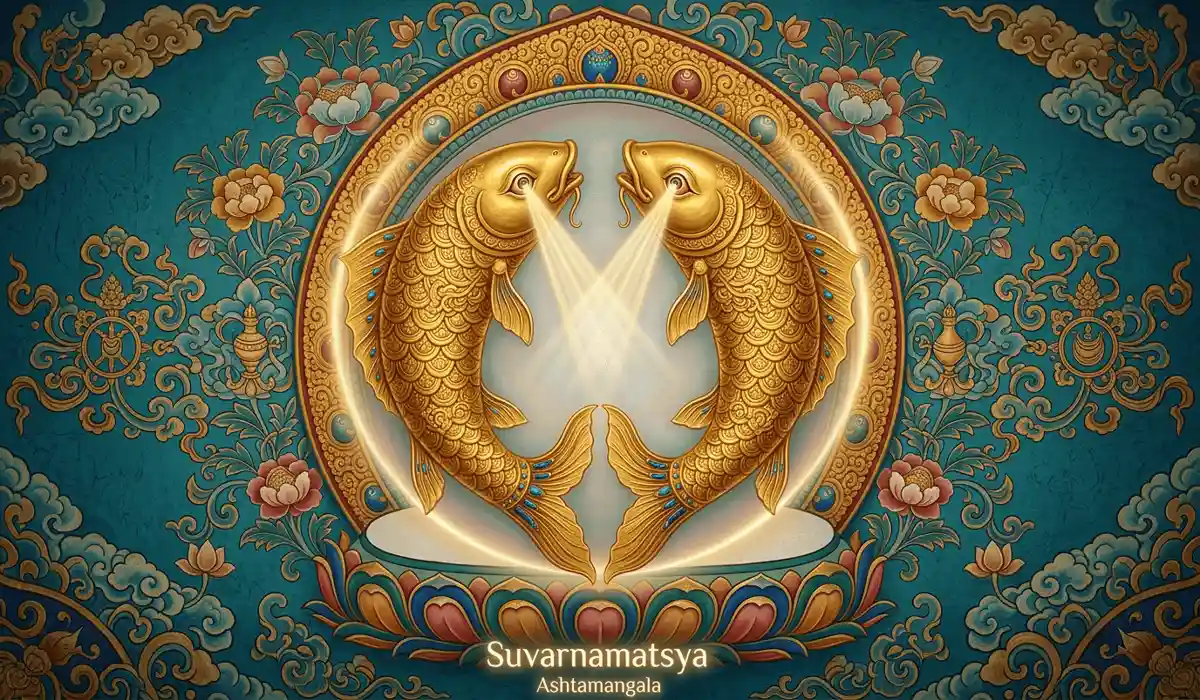
In Tibetan Buddhism (Vajrayana), the symbol changed into the Suvarnamatsya. This is one of the Ashtamangala (Eight Auspicious Signs). These fish were once symbols of the great rivers of India, like the Ganges. In Tibet, they became high-altitude symbols of spiritual freedom. They represent the Prana (气) or life energy that flows through us.
Zen Buddhism uses the fish as a teaching tool for Zazen (sitting meditation). It represents the "unfettered mind." This is a mind that swims through thoughts without getting caught. It helps people find mental clarity. You can find this in many Encyclopaedia Britannica records about Eastern art and faith.
The Hidden Philosophy: Decoding the Golden Fish Symbolism
The core of this symbol is Abhaya, or spiritual fearlessness. The Golden Fish shows us how to live without the fear of drowning in sadness. It is a shift from just "surviving" to "becoming" the flow of life itself. When we stop fighting the water, we learn to master it.
We also look at the Virya Paramita, which means the energy of persistence. Virya is the spiritual strength needed for enlightenment. The journey of the Koi Fish swimming upstream is a map for our own lives. It shows the heroic effort we need to fight against old habits and bad luck.
The fish are often called the eyes of the Buddha. This is because fish never close their eyes. They represent the constant, watchful compassion of the Awakened One. By watching the fish, we can learn to open our own "wisdom eye." We can see the truth of the world more clearly.
The Power of Sacred Geometry
The scales and fins of the fish follow a divine order. This order shows that all living things are connected. Each scale is part of a bigger pattern, just like we are part of the Dharma. This harmony brings a sense of peace to anyone who sees it.
If you want to see how these signs look in a real temple, watch this video:
Video source:YouTube
Author:Buddhism Guide
Original video link:https://www.youtube.com/watch?v=8tmE9yuOJf0
Cultural Evolution: Eastern and Western Perspectives on the Koi Fish
In Japan, the Nishikigoi stands for valor and family. It is a symbol of the Warrior Spirit (Bushido). Families use Koinobori (Koi windsocks) to wish for the growth and health of their children. It is a sign of high resilience and strength.
In Tibet, the fish are always shown in pairs. This represents the union of wisdom and compassion. You cannot have one without the other. They are like the solar and lunar channels in our bodies. This balance is key to finding true happiness and peace.
Today, the West has adopted the Koi Fish too. In modern culture, it often marks a person who has overcome personal trauma. It is no longer just a religious symbol. It has become a personal sign of being unique and strong in a crowded world.
| Culture | Main Symbol | Key Spiritual Meaning |
|---|---|---|
| Tibetan Buddhism | Suvarnamatsya | Liberation and Fearlessness |
| Taoist Mythology | Dragon Carp | Aspiration and Transformation |
| Japanese Culture | Nishikigoi | Warrior Spirit and Valor |
| Zen Buddhism | Swimming Koi | Mental Clarity and Stillness |
For more details on how these symbols work, you can read about the Koi Fish Symbolism in our latest cultural guide.
Wearing the Talisman: Why Koi Fish Jewelry Remains Vital Today
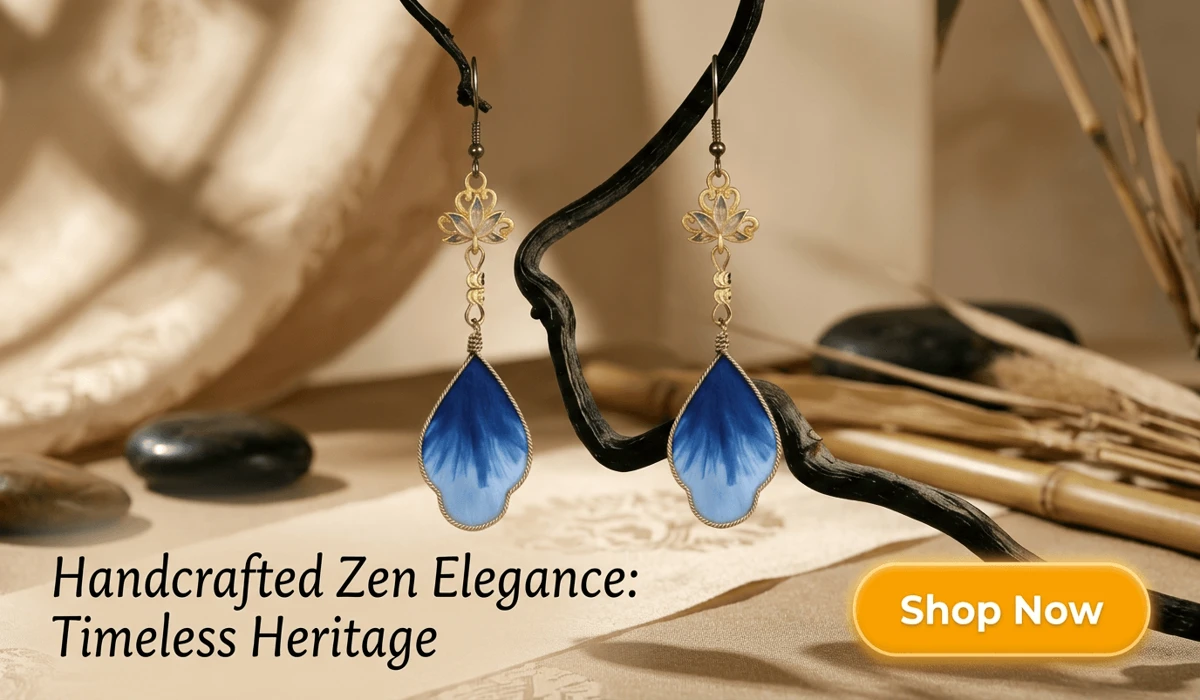
Wearing a Koi Fish talisman can be a powerful mindfulness anchor. It serves as a physical reminder to stay fluid when life gets hard. In a world full of stress, this symbol helps us keep our emotional fluidity. It grounds us in the present moment.
We face a lot of digital burnout today. The "upstream journey" is now about resisting the noise of the internet. The Koi Fish is a symbol of mental sovereignty. it reminds us to choose our own path instead of following the crowd. This is very important for our mental health.
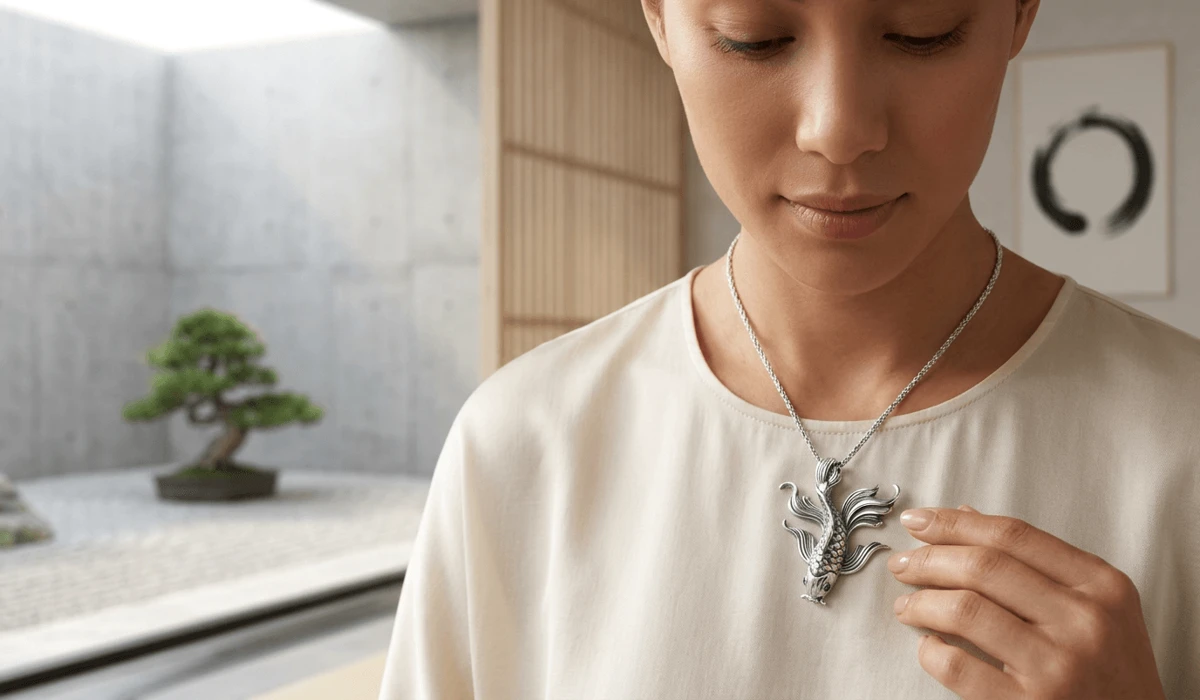
Many people use this symbol to overcome social anxiety. They imagine themselves as a fish swimming easily through a crowd. This uses the Abhaya principle to find inner peace. It protects the wearer from chaotic environments and bad energy.
The Value of Sacred Symbols
Investing in sacred symbols can enhance your abundance consciousness. It is not just about fashion. It is about connecting to a state of "no-lack." When you feel connected to the universe, you attract more positive energy and wealth.
Rituals and Practice: How to Meditate with the Koi Fish Symbol
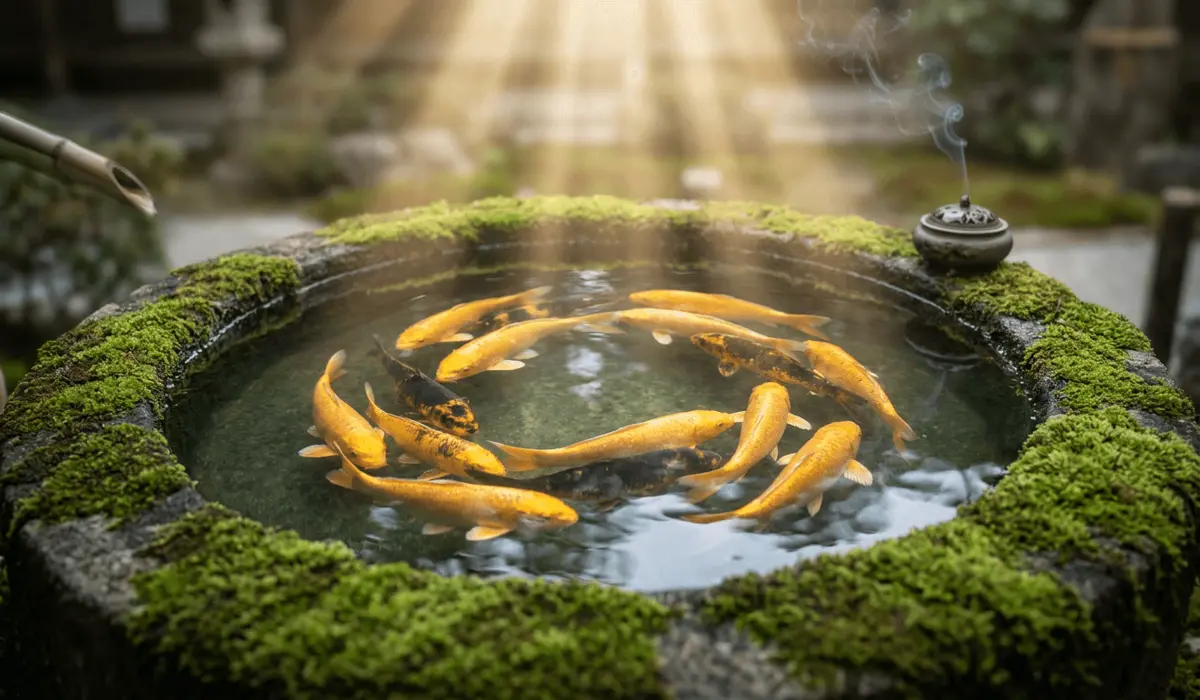
You can use the Golden Fish in your meditation practice. Imagine yourself floating in the ocean of Samsara. Visualize yourself as a golden fish, weightless and free. This helps you let go of anxiety and find your center.
You can also try Koi and Lotus breath-work. Breathe in and imagine a fish circling a flower. This helps you cultivate a Lotus Heart of purity and a Koi Spirit of strength. It is a simple way to bring mindfulness into your daily routine.
Placement in the home is also important. Many people place these symbols in the wealth corner. Others put them on a meditation altar. Using water elements, like a small fountain, can help activate this energy. You can learn more about placement from the Feng Shui Society.
- ☸️ Place symbols in the north or southeast for prosperity.
- 🕉️ Use pairs of fish to bring harmony to your relationships.
- 🧿 Keep a talisman near your workspace to help with focus.
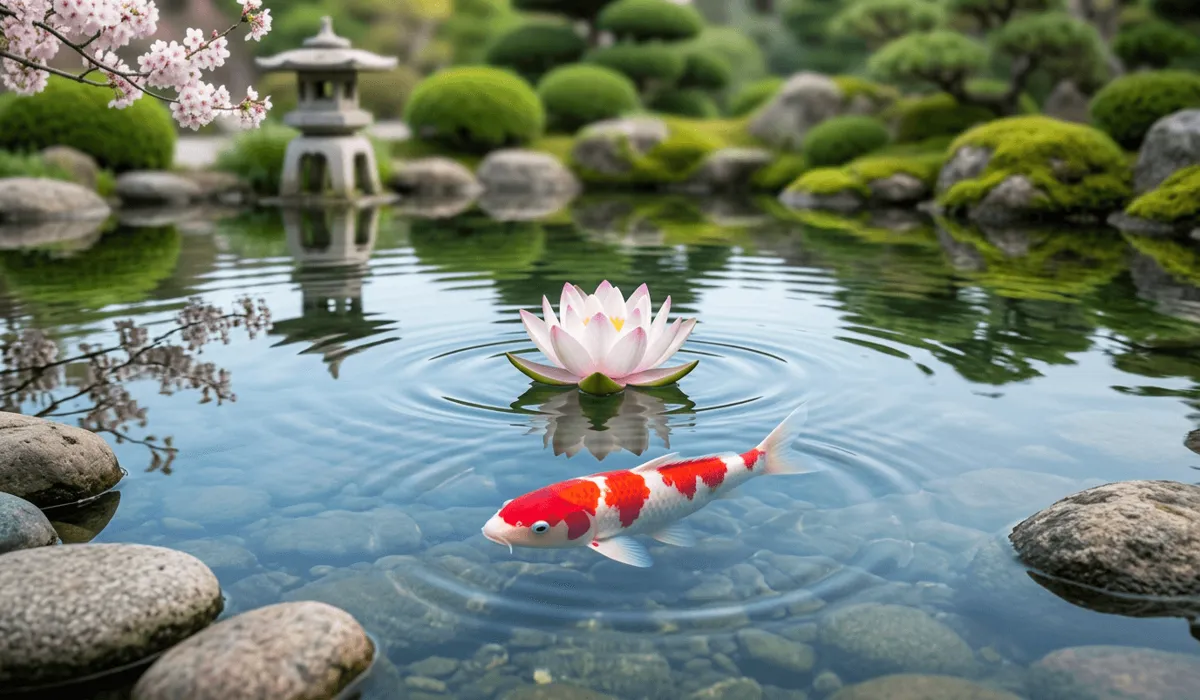
- 🌸 Combine the fish with lotus flowers for spiritual growth.
If you are worried about your luck this year, check out the Tai Sui Guide for more advice. This will help you balance your energy and stay safe.
Cultural Etiquette and Taboos
It is important to respect these sacred signs. There is a difference between a pet fish and the Suvarnamatsya. When using these symbols in fashion, do not just treat them as "cool" art. Understand their spiritual roots first.
The direction the fish swims matters too. A fish swimming "up" shows striving and ascension. A fish swimming "down" shows the distribution of blessings. Always try to keep the fish in pairs in Vajrayana art. This keeps the balance of energy correct.
Who should wear the Koi Fish? Anyone can benefit from its energy. While it has deep roots in the Dharma, its message of resilience is universal. It is a gift for anyone seeking inner transformation and a better life.
For more on balance, read about the Two Koi Fish and how they bring harmony to your home. Understanding these details shows deep respect for the culture.
Instructions for Daily Life
Here are some steps you can take to bring this wisdom into your day:
- Set a daily intention to be as fluid as a fish in water.
- Wear a Koi talisman when you have a difficult meeting.
- Spend five minutes visualizing your spiritual goals each morning.
- Learn one new fact about the Wikipedia history of Buddhism every week.
Frequently Asked Questions
Q: What is the significance of the Golden Fish in the Eight Auspicious Signs?
A: The Golden Fish, or Suvarnamatsya, represent liberation from the ocean of suffering. They symbolize sentient beings who swim freely through life without the fear of drowning in worldly pain.
Q: How does the Koi Fish represent the Buddhist concept of fearlessness?
A: Fish never close their eyes and move with great ease in deep water. This represents the state of Abhaya, where a person is no longer afraid of the changes and troubles of the world.
Q: Why are there two fish depicted in the Buddhist Suvarnamatsya?
A: The two fish represent the union of wisdom and compassion. They also stand for the two sacred rivers of India and the balance of energy within the human body.
Q: How do Koi and Lotus symbols work together?
A: The Koi represents the effort and persistence needed for growth. The Lotus represents the purity and beauty that blooms from the mud. Together, they show the journey to enlightenment.
Q: What is the difference between Japanese Koi legends and Buddhist symbolism?
A: Japanese legends focus on the carp turning into a dragon through hard work. Buddhist symbolism focuses on the fish as the eyes of the Buddha and the freedom of the soul in the ocean of life.
Conclusion: Integrating the Wisdom of the Koi Fish
As you navigate your own ocean of life, remember the Golden Fish. Adopt their tenacity and fearlessness. Even when the current is strong, you have the power to swim through it. Karmic liberation is possible for those who do not give up on their practice. We hope this guide helps you find your own path to peace. To continue your journey, you can see more about the Tattoo Meanings and how they connect to ancient jewelry traditions.

Longyi Luck
Longyi Luck is a Feng Shui practitioner and spiritual researcher who blends traditional year-based wisdom with modern lifestyle insights, specializing inFeng Shui, spirituality, meditation, and mindfulness. With years of dedicated study and practice, Longyi explores cultural symbolism and the practical application of ancient wisdom to help individuals cultivate balance, clarity, and harmony in everyday life. Since 2020, Longyi has been committed to translating timeless traditions into accessible guidance for the modern world.
longyi@auraandluck.com

.webp?w=800&h=800)
.webp?w=800&h=800)