
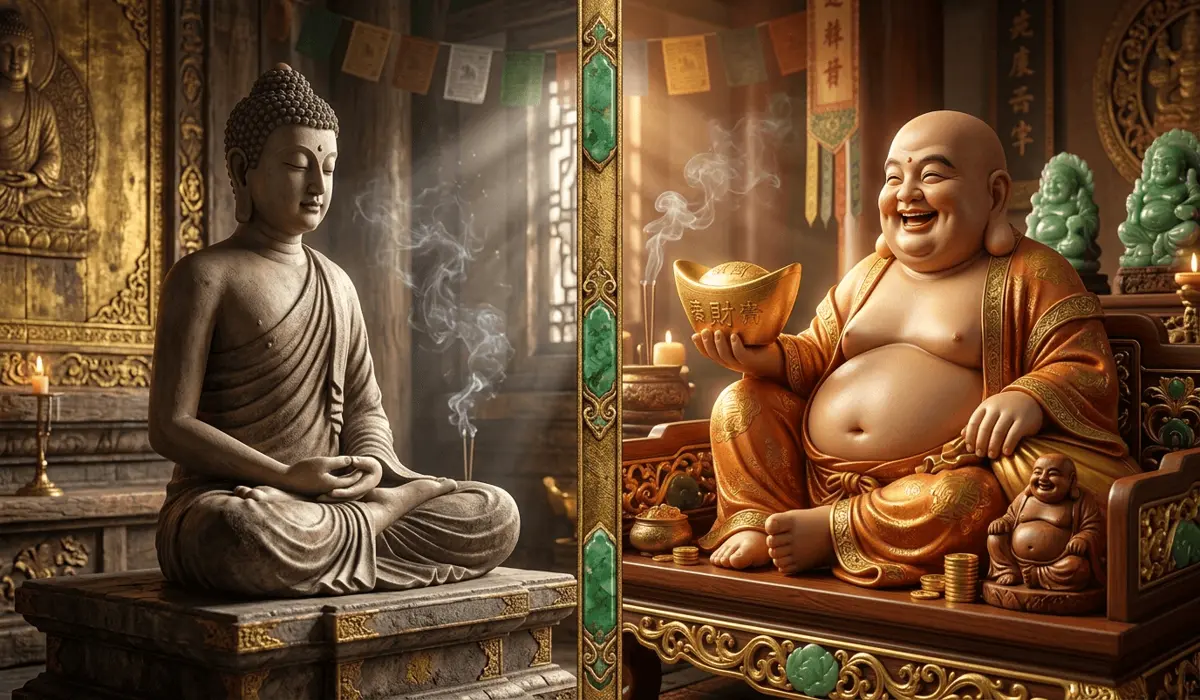
The visual contrast between the serene, slender ascetic and the jovial, rotund monk is one of the most recognizable bifurcations in global iconography. While often conflated in Western decor, Gautama Buddha and the Laughing Buddha (Budai) represent two distinct archetypes of human potential: disciplined transcendence and radical earthly joy. Understanding the difference between these figures is the first step in moving from a superficial appreciation of "Zen decor" to a profound alignment with specific spiritual frequencies.
Ancient Origins and Sacred Legends: Siddhartha vs. Budai
The Historical Path of Gautama Buddha
The journey of Prince Siddhartha Gautama began in the 5th century BCE in the Shakya Republic. Born into royalty in modern-day Nepal and India, he lived a life of extreme luxury before witnessing the reality of human suffering. This led him to leave his palace to seek an end to the cycle of rebirth known as Samsara (轮回).
After years of extreme asceticism, he discovered the "Middle Way" and attained enlightenment under a Bodhi tree. He established the foundational Dharma, focusing on the Four Noble Truths. His teachings spread across the world through Historical Cultural Records, forming the core of the Buddhist faith.

The Folklore Roots of the Laughing Buddha
The Laughing Buddha is based on a real person named Qieci (契此), a 10th-century Chinese monk. He was famous for his eccentric behavior, his cheerful nature, and the large cloth sack he carried everywhere. This figure emerged during the Later Liang Dynasty and became a beloved hero in Chan/Zen Buddhism (禅宗).
Known as Budai, his name literally means "Cloth Bag." Legends say that upon his death, he left behind a poem suggesting he was an emanation of the Maitreya Bodhisattva (弥勒菩萨), or the future Buddha. This connected him to the spiritual lineage of enlightenment while keeping his roots firmly in folk tradition.
The Cultural Shift from India to East Asia
As Buddhism traveled from India to China and Japan, the imagery began to change to match local values. While Gautama Buddha remains the central figure of Mahayana Buddhism (大乘佛教), Budai became the "Happy Buddha" of East Asia. In Japan, he is known as Hotei and is celebrated as one of the Seven Lucky Gods.
Video source: YouTube
Author: WHEN IM BORED
Original video link: https://www.youtube.com/watch?v=qOr_I9FQLO8
Hidden Philosophies: Decoding the Sacred Iconography
Sacred Anatomy: The Meaning of the Physical Form
Gautama Buddha is often shown with the "32 Physical Marks of a Great Man." These include a cranial bump called the Ushnisha (肉髻), which symbolizes great wisdom. His elongated ears represent his ability to hear the suffering of all beings in the world.
In contrast, Budai's large, round belly is a symbol of radical contentment and spiritual wealth. It represents a heart big enough to stomach all the world's troubles with a smile. This form also signifies a huge reservoir of Chi (气), the life force that brings vitality to the body.
The Language of Mudras and Hand Gestures
Gautama is usually seen performing specific hand gestures known as mudras. The Abhaya Mudra (施无畏印) signals fearlessness and protection. The Dharmachakra Mudra (说法印) represents the turning of the wheel of law and the act of teaching the path to peace.
The Laughing Buddha is often depicted with his hands raised high in celebration or holding a gold ingot. These gestures are meant to invite luck and financial success into the home. His posture is one of active engagement with the world rather than silent withdrawal.

The Symbolism of the Sack vs. The Alms Bowl
The physical items these figures carry tell us a lot about their spiritual goals. We can see this through:
- The Alms Bowl: Gautama carries a simple bowl to show humble acceptance and a vow of poverty.
- The Cloth Sack: Budai’s bag is a "Bag of Abundance" filled with treasures and sweets for children.
- Worldly Worries: Legend says Budai collects the worries of the world in his bag and turns them into joy.
- Manifestation: The bag represents the ability to manifest physical wealth and social harmony.
These tools remind us that there are many ways to find peace. One way is through letting go of desires, while the other is through the generous sharing of abundance.
Cultural Evolution: How the East and West View Enlightenment
The Western Conflation and the Fat Buddha
In many Western countries, the Laughing Buddha has become the "face" of the religion in commercial spaces. This has led to the common "Fat Buddha" nickname, which often hides the historical truth of Gautama. Many people buy these statues for "Zen decor" without knowing the deep Culture & Symbolism behind them.
The appeal of Budai is easy to understand. He represents immediate happiness, abundance, and a carefree approach to life. Gautama Buddha, on the other hand, embodies a more disciplined path focused on self-awareness, mindfulness, and long-term emotional balance.
This contrast reflects a broader difference in how various cultures interpret enlightenment and spiritual fulfillment. While Western audiences are often drawn to visible symbols of prosperity and happiness, traditional Buddhist teachings place greater emphasis on inner transformation, wisdom, and liberation from suffering. Exploring these evolving perspectives helps us better appreciate the diverse expressions of Buddhist philosophy throughout history.
The Eastern Synthesis: Living Both Truths
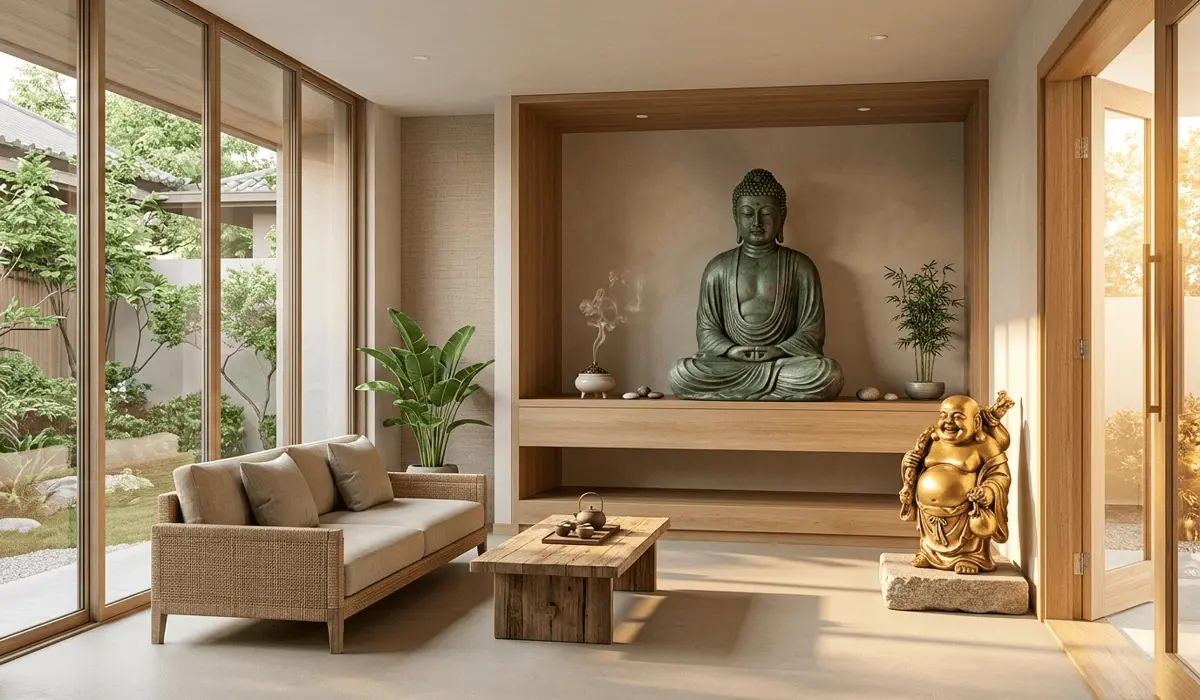
In Asian homes, it is very common to find both figures. Gautama is usually placed on a high altar for meditation and internal peace. Budai is often placed near the entrance or in a place of business to welcome guests and attract prosperity. They work together to create a balanced environment.
The Laughing Buddha plays a huge role in Feng Shui (风水) as a "Wealth Cure." He is used to generate positive energy and clear away bad luck. You can enhance Financial Energy by placing him in the correct corner of your office or living room.
Wearing the Sacred: Why Buddha Jewelry is a Modern Necessity
The Pendant as a Mindfulness Anchor
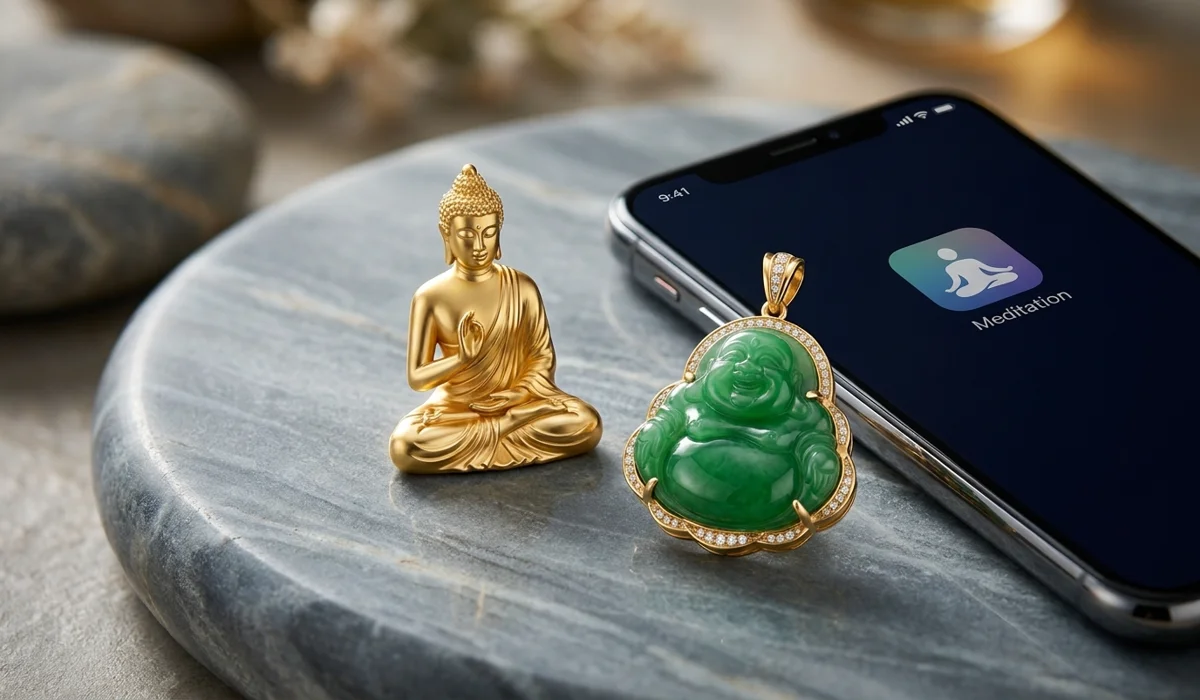
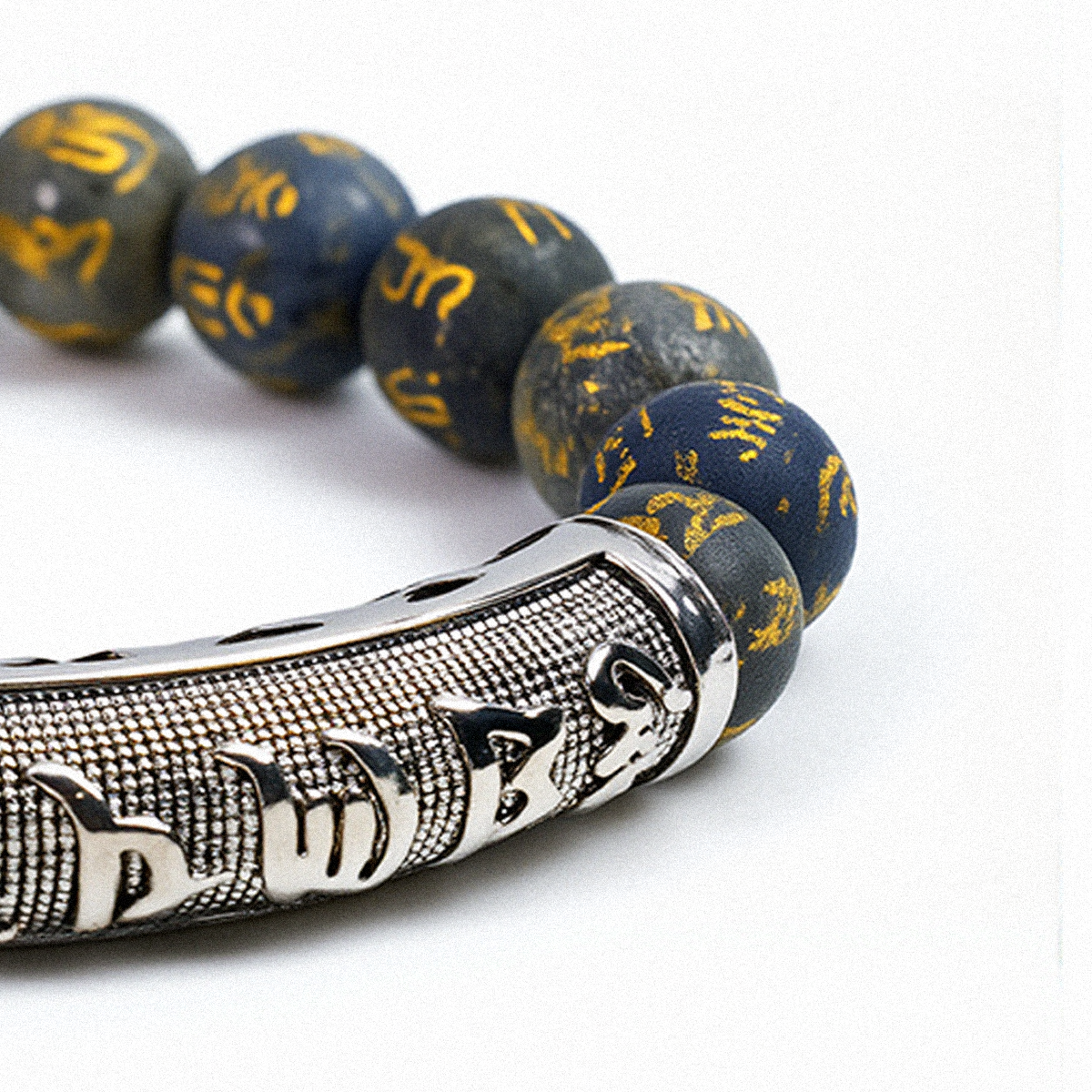
Wearing a Buddha pendant is more than just a fashion choice. It serves as a tactile reminder to return to your breath throughout the day. In our busy digital world, feeling the pendant against your skin can help you stay centered and avoid burnout. You can find more about these pieces in our Sacred Symbol Guides online.
A Gautama pendant helps the wearer focus on mental clarity. A Laughing Buddha charm is often used to transmute social anxiety into a frequency of "Compassionate Joy." Both act as a shield against the chaotic energies of modern life, helping to protect your personal Aura.
Spiritual Frequency and Choice
When choosing a piece of jewelry, you should consider what energy your soul needs right now. If you are seeking spiritual growth and emotional stability, Gautama is the perfect choice. If you are focusing on wealth manifestation and attracting good luck, the Laughing Buddha is your best companion.
According to experts at the Ancient Wisdom Association, these symbols help align our internal energy with external goals. They act as "spiritual anchors" that keep us grounded while we navigate the ups and downs of our careers and personal lives.

Rituals and Practice: Meditating with the Buddhas
Mindfulness Meditation with Gautama
Visualizing the golden light of Gautama Buddha can help you cultivate deep insight. Try a simple breathing exercise: inhale the stillness of the Bodhi tree and exhale the distractions of your ego. This practice helps stabilize the mind and provides a "digital detox" from the noise of social media.
Prosperity Rituals with the Laughing Buddha
The most common ritual is "rubbing the belly" of the Laughing Buddha to invite luck. You can also use a visualization technique. Imagine placing all your current stressors into Budai's cloth sack. See him smile as he turns those worries into gold coins or beautiful lotus flowers for you to keep.
Space Clearing and Placement
Placement is key for maintaining high energy in your home. We recommend following these steps:
- Place Gautama: Put him in a quiet, elevated space for meditation, often called the "Spiritual North."
- Place Budai: Place him facing the front door to greet positive opportunities and wealth.
- Wealth Corner: The "Prosperity Southeast" is also an ideal spot for the Laughing Buddha.
- Respectful Height: Always keep both statues at eye level or higher to show respect.
For more specific tips on room layout, you can check the latest updates on the Prosperity Energy Network.
Cultural Etiquette and Sacred Taboos
Respect is the most important part of owning a sacred symbol. A Buddha statue should never be placed on the floor, in a bathroom, or in a kitchen. These are considered low-energy or "unclean" areas that can dampen the spiritual benefits of the icon.
When wearing a pendant, your intention matters. It should be worn as a venerable object of protection, not just a trendy accessory. Cleaning your statues is also important. Use a dedicated clean cloth and scented water to maintain their energy purity and keep your home feeling fresh.
How to Incorporate These Symbols into Your Life
- Set a Morning Intention: Hold your Buddha pendant for one minute each morning and state your goal for the day.
- Create a Sacred Corner: Dedicate a small shelf to your statue with a candle or incense to clear the air.
- Daily Belly Rub: Give the Laughing Buddha's belly a quick rub before leaving for work to boost your confidence.
- Nightly Reflection: Before bed, look at your Gautama statue and let go of any anger or stress from the day.
Frequently Asked Questions
Q: What is the spiritual frequency difference between Gautama and the Laughing Buddha?
A: Gautama vibrates at a frequency of Equanimity and Void, focusing on peace. The Laughing Buddha vibrates at the frequency of Vitality and Abundance, focusing on joy.
Q: Why is Gautama Buddha depicted as thin and Budai as obese?
A: Gautama’s thin form represents the discipline of the Middle Way and his time as an ascetic. Budai’s large form represents the Fullness of Life and a heart that can hold the world’s happiness.
Q: Does the Laughing Buddha represent the future Buddha Maitreya?
A: In many traditions, yes. Budai is considered an emanation of Maitreya, showing us how the future Buddha will bring bliss to all people on earth.
Q: Can you place Gautama and the Laughing Buddha in the same room?
A: Yes, they complement each other perfectly. One provides the internal foundation of peace, while the other helps with external success and manifestation.
Q: Which Buddha should I choose for meditation versus business wealth?
A: You should choose Gautama for meditation and the pursuit of truth. Choose the Laughing Buddha for business success, financial growth, and better social connections.
Conclusion: Integrating the Wisdom of Two Worlds
The ultimate realization is that the stillness of Gautama and the laughter of Budai are two sides of the same coin: Enlightenment. One shows us the way to look inward and find the truth, while the other shows us how to live in the world with a generous and happy heart. Whether you need the discipline of the mind or the opening of the heart, both paths lead to a life of balance and harmony. May the serenity of Shakyamuni stabilize your path, and may the sack of Budai overflow with blessings for your home.

Longyi Luck
Longyi Luck is a Feng Shui practitioner and spiritual researcher who blends traditional year-based wisdom with modern lifestyle insights, specializing in Feng Shui, spirituality, meditation, and mindfulness. With years of dedicated study and practice, Longyi explores cultural symbolism and the practical application of ancient wisdom to help individuals cultivate balance, clarity, and harmony in everyday life. Since 2020, Longyi has been committed to translating timeless traditions into accessible guidance for the modern world.
longyi@auraandluck.com



.webp?w=800&h=800)
.webp?w=800&h=800)